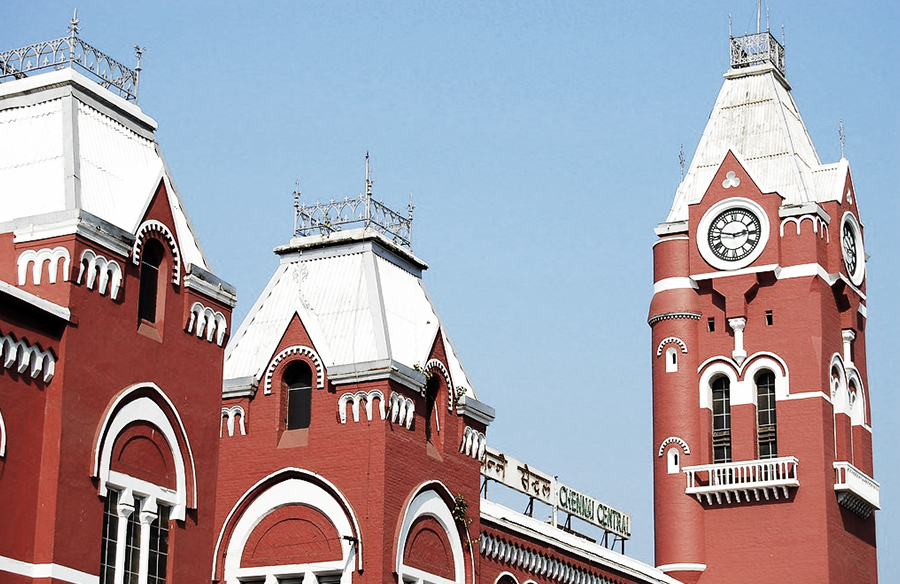
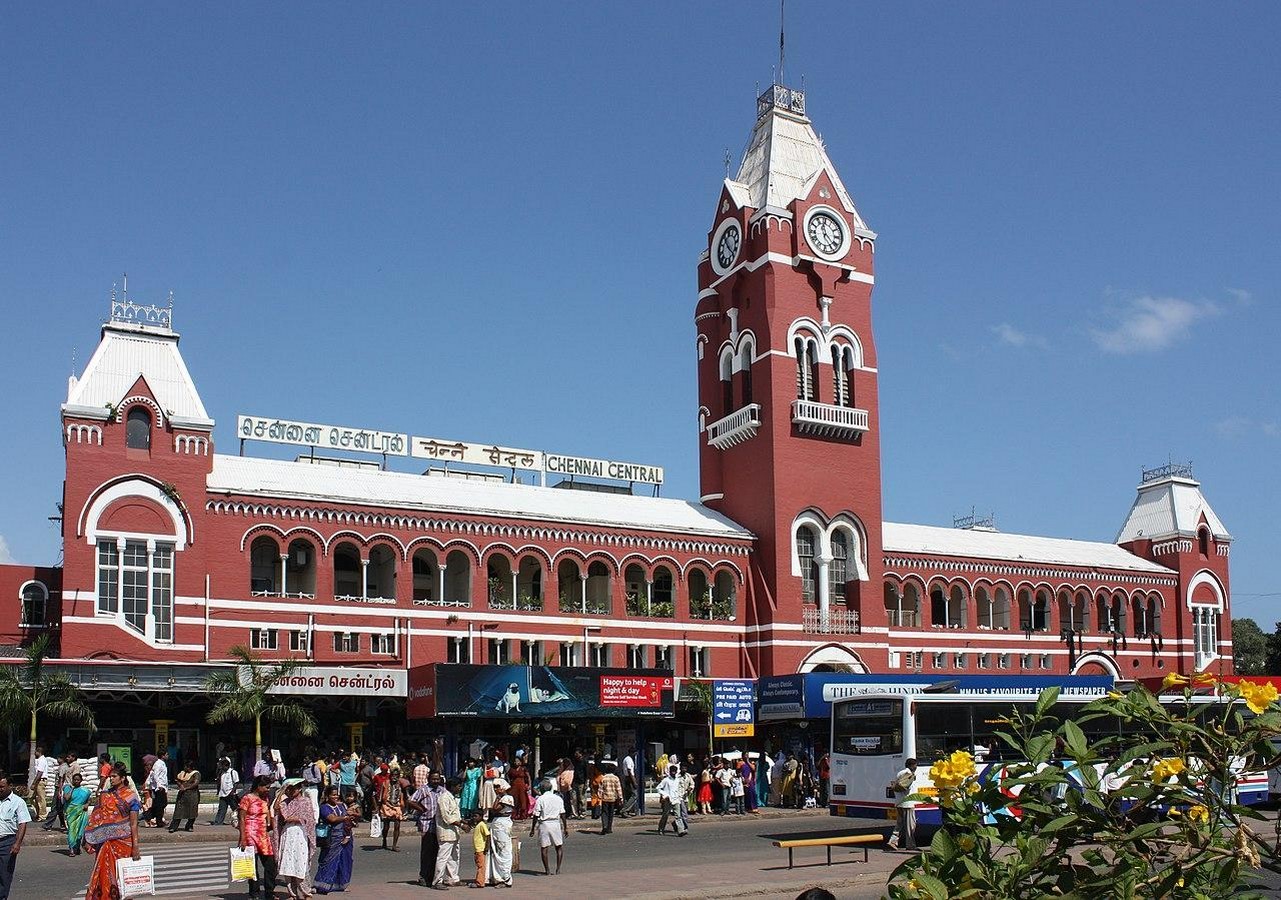
Chennai Central Railway Station stands as an iconic landmark in South India, seamlessly blending its rich colonial heritage with modern functionality. Designed by British architect George Harding and completed in 1873, this grand structure has evolved into one of the busiest transit hubs in India. More than just a railway station, it serves as a gateway to Chennai, connecting millions of passengers across states with its extensive rail network. This article explores its architectural significance, historical evolution, and pivotal role in shaping urban mobility.
Historical Evolution
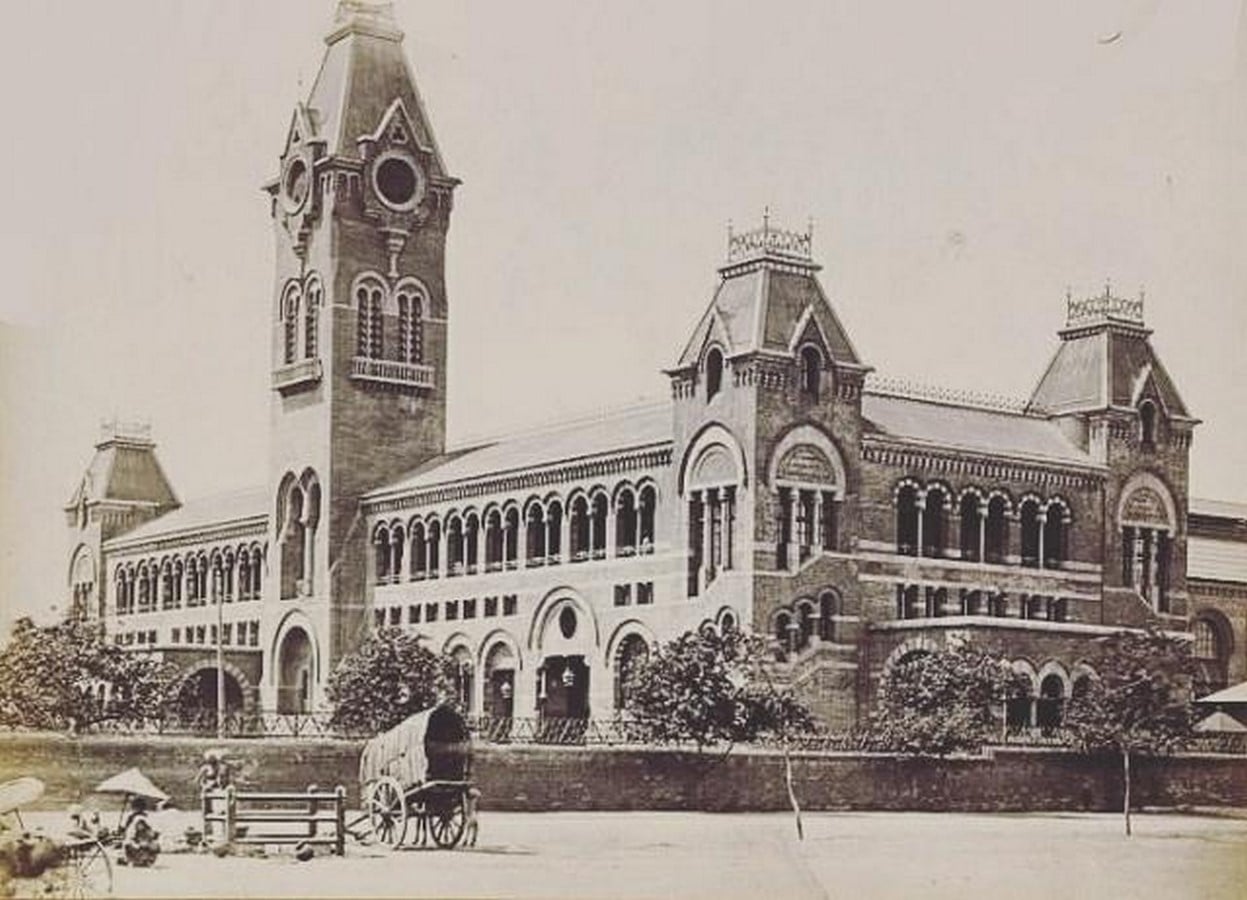
This pioneering structure was created in 1873 by British architect George Harding. This developed during the colonial era and was conceived as the pivotal transit node. It facilitated trade, commerce, and connectivity. Over the decades, the station has undergone multiple expansions and adaptive modifications. Initially, it started to serve as a transportation medium but later on due to its massive demand and its gradual expansion, it now acts as one of the prominent and the busiest railway terminals accommodating millions of passengers.
After the Independence of India the terminal was expanded with integrated suburban lines and metro corridors. The advancement in technology as well as connectivity led to a greater benefit for the users, as it connects to every nook and corner of the country. By the end of the 20th century, it acquired a massive demand with its networking system, expansion of lines and smart solutions while preserving its historical personality.
Architectural Features
The station’s distinctive red brick facade, intricate ornamentation, and symmetrical design contribute to its grandeur. Its most defining feature, the 136-foot clock tower, rises prominently, while pointed arches, spires, and detailed carvings enhance its Victorian-era elegance.
Located along E.V.R Salai, the station shares its surroundings with several historical landmarks. To the south, the neoclassical Ripon Building serves as the seat of the Chennai Corporation, while to the north, a classic Dravidian-style structure adds to the architectural diversity of the area. Chennai Central’s timeless appeal lies in its balance of durability, functionality, and aesthetic refinement, making it a key landmark in the city’s urban fabric. Heavily influenced by European railway stations of the time, the building incorporates load-bearing masonry, large arched windows, and high ceilings—engineering features thoughtfully designed to combat Chennai’s heat.

Spatial Organization
Passenger Flow Management
The Station’s spatial layout is designed to ensure smooth passenger movement, with multiple concourses facilitating seamless connectivity. The circulation plan strategically separates arrival and departure zones, reducing congestion and enhancing efficiency. High-ceiling halls allow natural ventilation, an essential design feature suited to Chennai’s tropical climate.
Platform Layout
The station features several platforms, each efficiently planned to handle high passenger volumes and provide direct connections to major destinations across India. Waiting areas, retail spaces, and food courts are integrated within the arrival concourse, enhancing convenience for travelers.
Integration with Metro & Suburban Lines
To support long-distance and daily commuters, Chennai Central seamlessly connects to suburban rail and metro networks. Dedicated links to the Chennai Metro and suburban railway system ensure effortless transit between different modes of transportation, reinforcing the station’s role as a multi-modal hub.
Sustainability Factors
Preserving a historical building with the new trend sustainability core isn’t an easy task, it requires a balanced approach. Energy-efficient techniques were implemented where the station utilizes LED lights, Solar panels and an automated climate control system to reduce the consumption of energy. In the field of water conservation, rainwater harvesting is widely applied in the water recycling of the building that is integrated with the water source for efficiency.
Certain areas of the heritage building have been repurposed into commercial and passenger-friendly areas ensuring economic viability while maintaining historical integrity.
Impact on Urban Mobility
The Central Station plays a pivotal role in shaping the city’s urban mobility, and cannot imagine this city without this huge transit hub. Located in the heart of Chennai, it has immense influence in every field like real estate, commercial, industrial, and whatnot. The station is the powerhouse for many industries and for its trade. Tourism is wholly dependent on this particular marvel. Due to this huge structure being erected the livelihood of the neighboring places came into boom- the market square, retail shops, hotels, and business centers took its front seat. As this acts as a landmark it has an easy connection to the tourist places of the city.
Future prospects for Central Railway station are aligned with smart technological solutions, AI-driven advancements, and enhanced last-mile connectivity. The redevelopment plan aims at a more sustainable experience with a proper flow of the ecosystem and better crowd management.
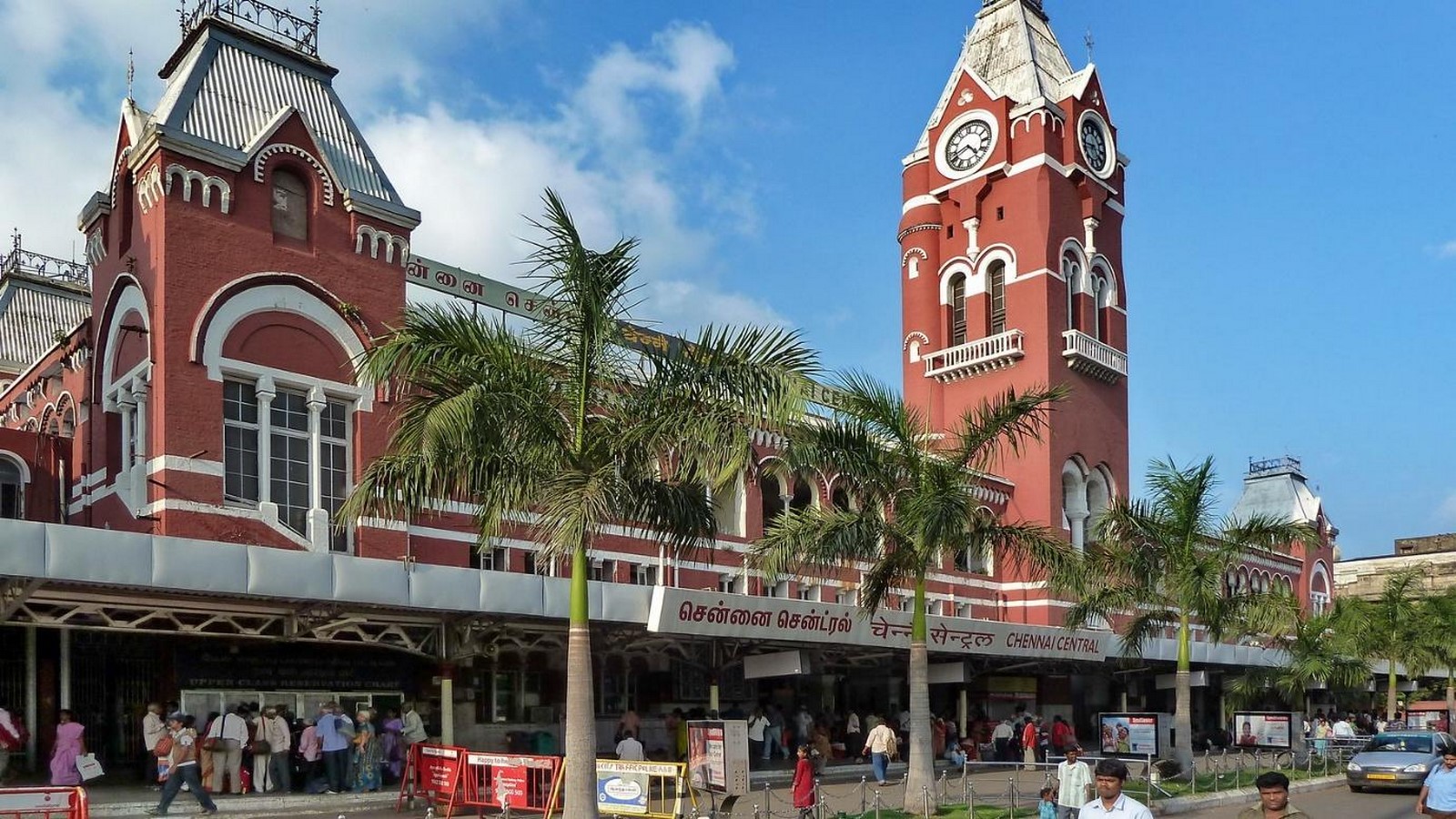
Chennai Central Railway stands as a testament to India’s evolving infrastructure, seamlessly blending heritage with modern advancements. The vision of George helped the users big time with its advancement every day while keeping in mind the historical character of the place. This structure stands as an example of the revival architecture that transcends time. It is one of the key reasons for the acceleration of urban mobility and its nature of easy adaptability-a space where past, present, and future converge, shaping the city’s identity and ease of travel for now and for generations to come.
References:
The Hindu (2023). “How Chennai Central is Evolving with Smart Solutions.”(Useful for AI-driven advancements and modernization.)
Indian Railways (2021). Heritage Conservation Report. Ministry of Railways, Govt. of India. (Supports heritage preservation efforts at Chennai Central.)