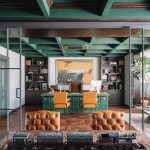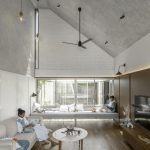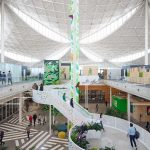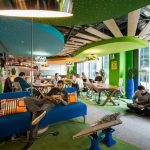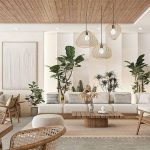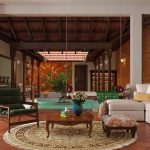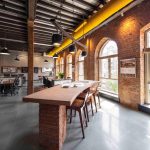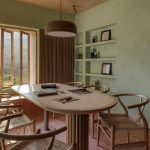
With artfully crafted and curated interiors being a much-sought fad, especially for residences, we are introduced to countless designs on our social media feeds every day. However, when you analyse the effectiveness of each design, how many do you actually find to be good? Designing interiors that are not only aesthetically pleasing but also bolster our well-being is difficult to come by. As a designer, one must always strive to create engaging and healthy spaces that are beneficial to their users. To do so, they can play around with colours, materials, acoustics, hi-fi home control systems, spatial layouts, etc., to create stunning interiors that are functional and have a restorative effect on their inhabitants.
Listed below are some interior design strategies that can be used to create delightful spaces for improving our well-being.
Colours, Materials & Textures: Designing for the senses
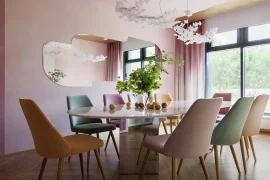
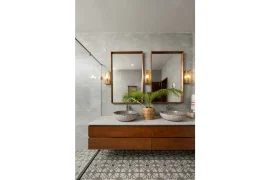
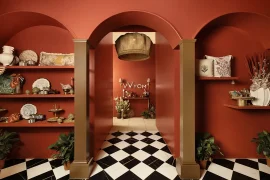
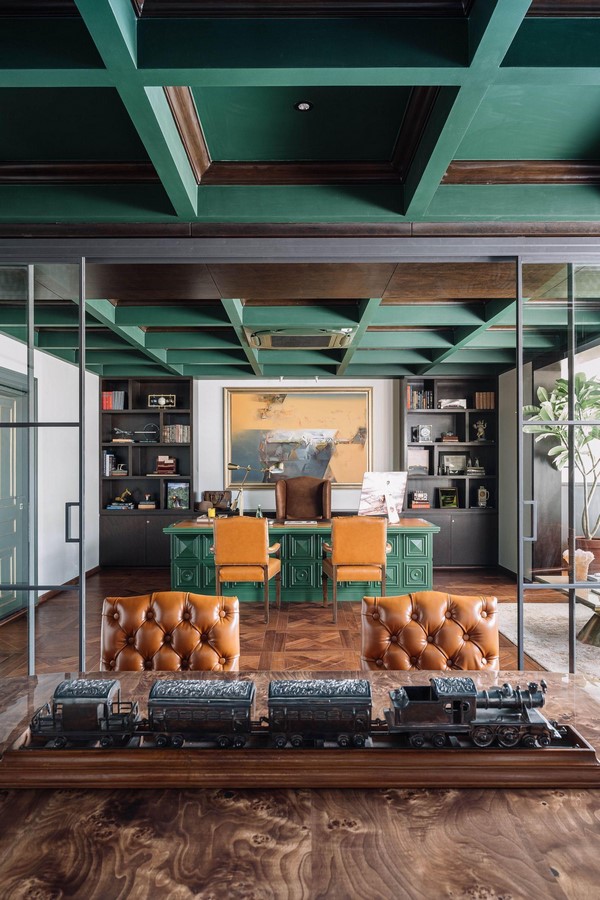
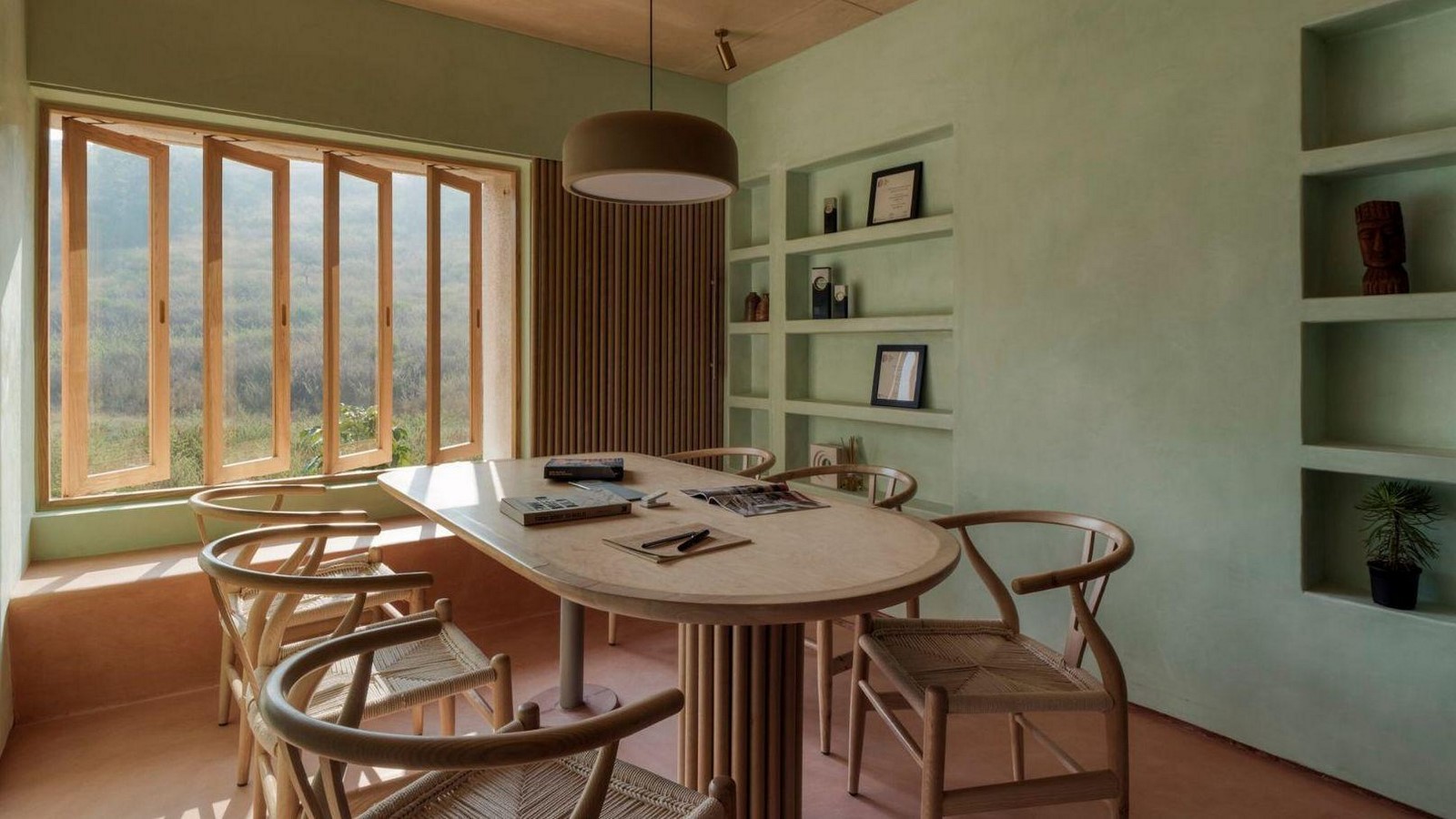
Every interior design project utilises a specially customised colour and material palette to bring a client’s vision to life. For instance, cool or neutral palettes are used in bedrooms to present them as restful and cosy spaces. Whereas warm hues like oranges, yellows, and reds are used in public spaces or workspaces to create vibrant, invigorating spaces that can uplift the user’s moods. Different material palettes are used to execute different interior design styles. For example, using steel, glass, and rich stones with black and white hues lends a classy, minimalist style. Whereas the use of warm or neutral-coloured fabrics, wood, and natural elements can be used to exude a bohemian chic interior style. Therefore, it can be said that colours and textures play an integral role in designing beautiful, comfortable and thriving spaces.
Importance of Lighting in Interior Design
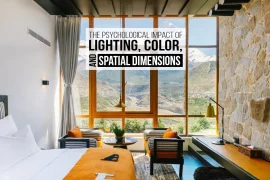
Lighting is yet another vital feature in interior design that has the ability to transform the experiential quality of the space. Modifications in lighting temperatures, lux levels, and light fixtures are determined based on the purpose, mood and tone of the space. For example, cool, bright task lighting in study spaces, kitchens and workstations to facilitate clear sight and proper working conditions. In another instance, warm ambient lighting is used in restful spaces like bedrooms and living areas to create a cosy environment. Natural lighting especially can be used to create bright, well-lit spaces that can drastically improve our mental and physical health as well. Latest innovations like dimming lights and mood lighting systems achieve different lighting experiences.
Order & Cleanliness equals Healthy Living
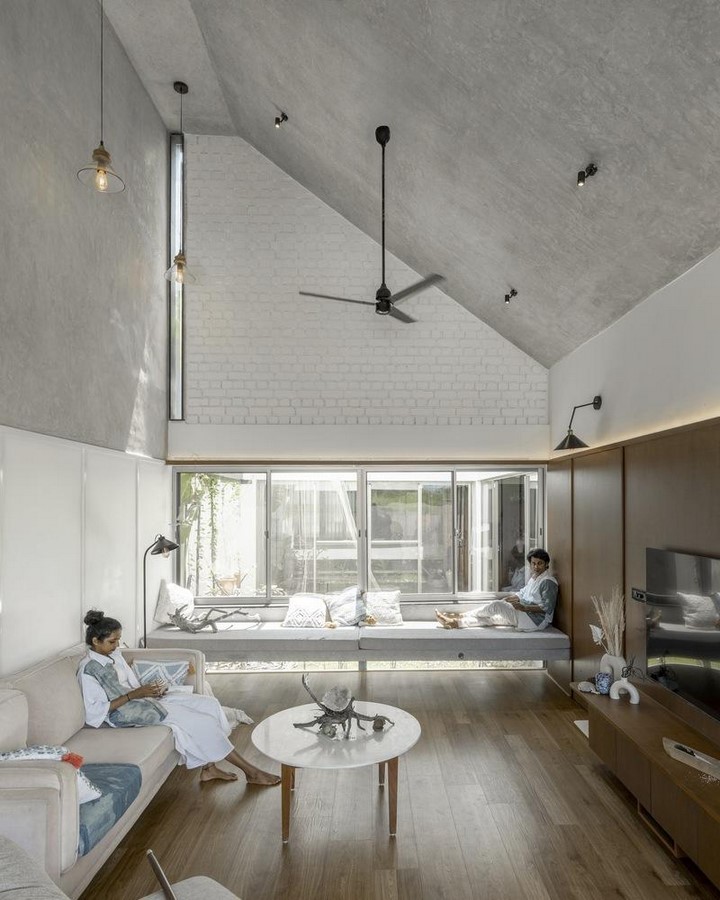
Maintaining cleanliness and order is imperative for healthy living. Decluttered spaces can be ensured using a variety of spatial organisation strategies. The furniture and interior design market nowadays is abounded with plenty of spatial organisation systems and elements. Clean spaces foster proper circulation and activity, thereby increasing efficiency and reducing chaos to a minimum.
The Power of Ergonomics
Ergonomics is a design concept that is often overlooked in pursuit of aesthetics. Although it might be an intangible element, integrating ergonomics into interior designs elevates the user experience by promoting proper utility and physical health. Proper ergonomics can be achieved by paying careful attention to details concerning heights and spacing in the design—whether in fixed elements such as kitchen counters, plumbing and sanitary fixtures, seats, and balustrades, or in movable elements such as furniture, day-to-day tools, and products, etc.
The Art of Designing Healthy Communal Spaces
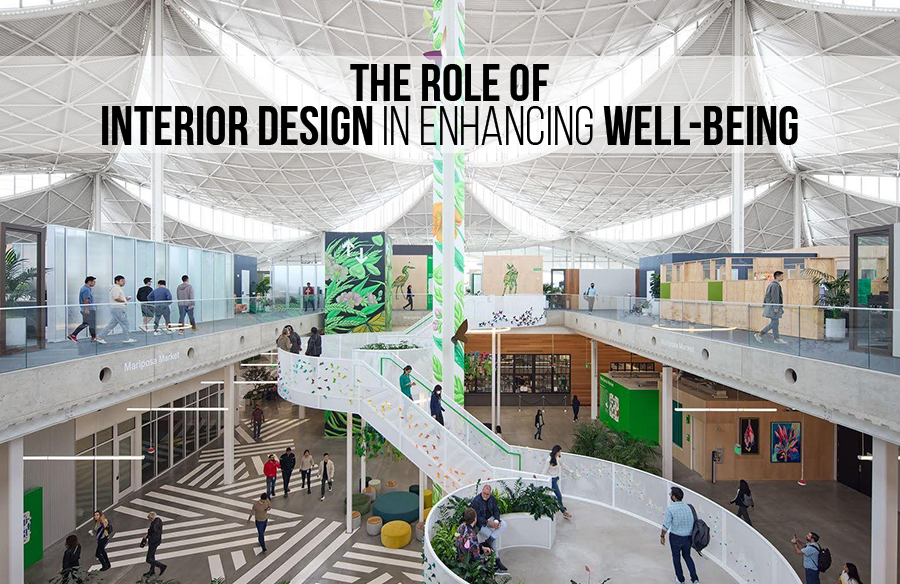
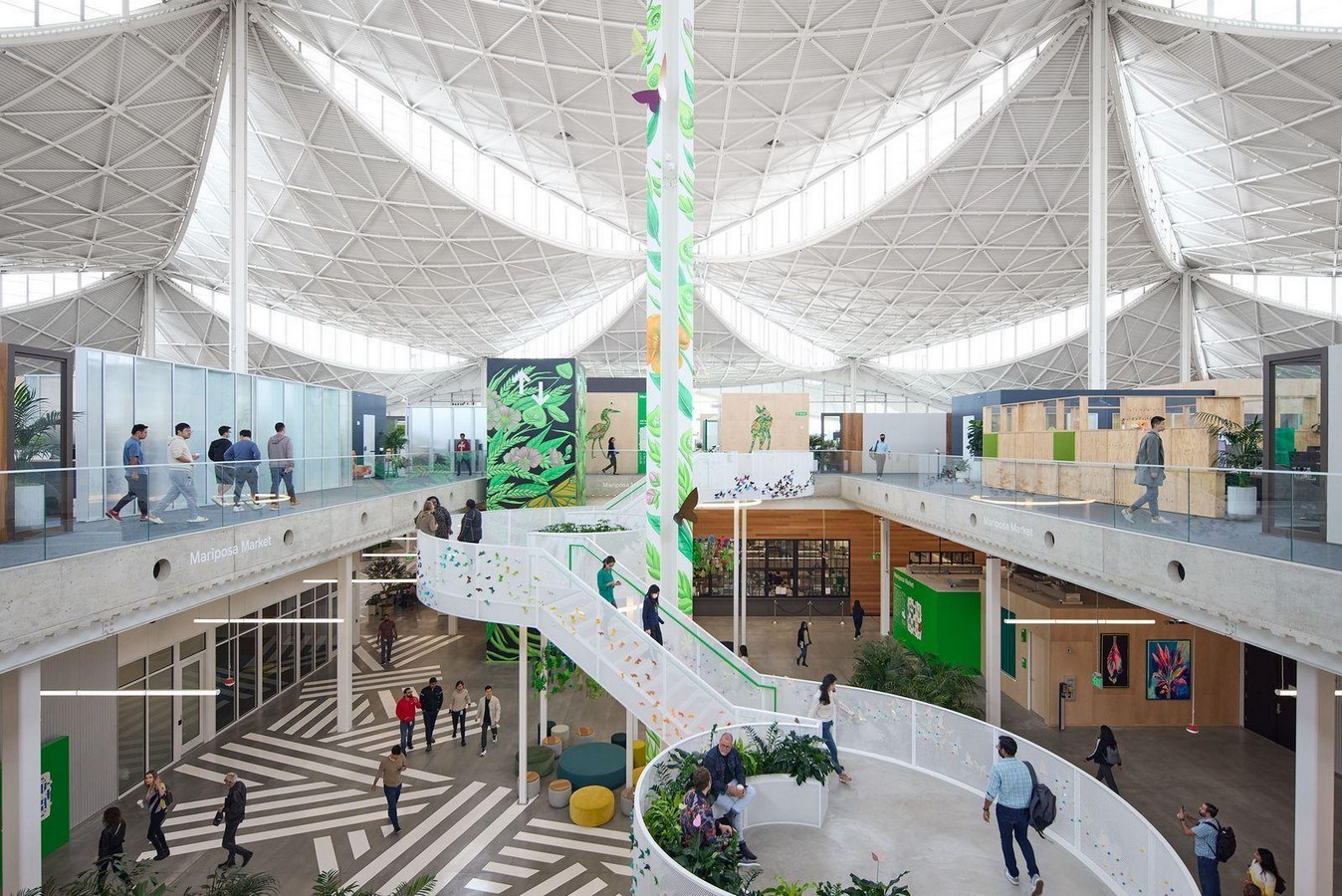
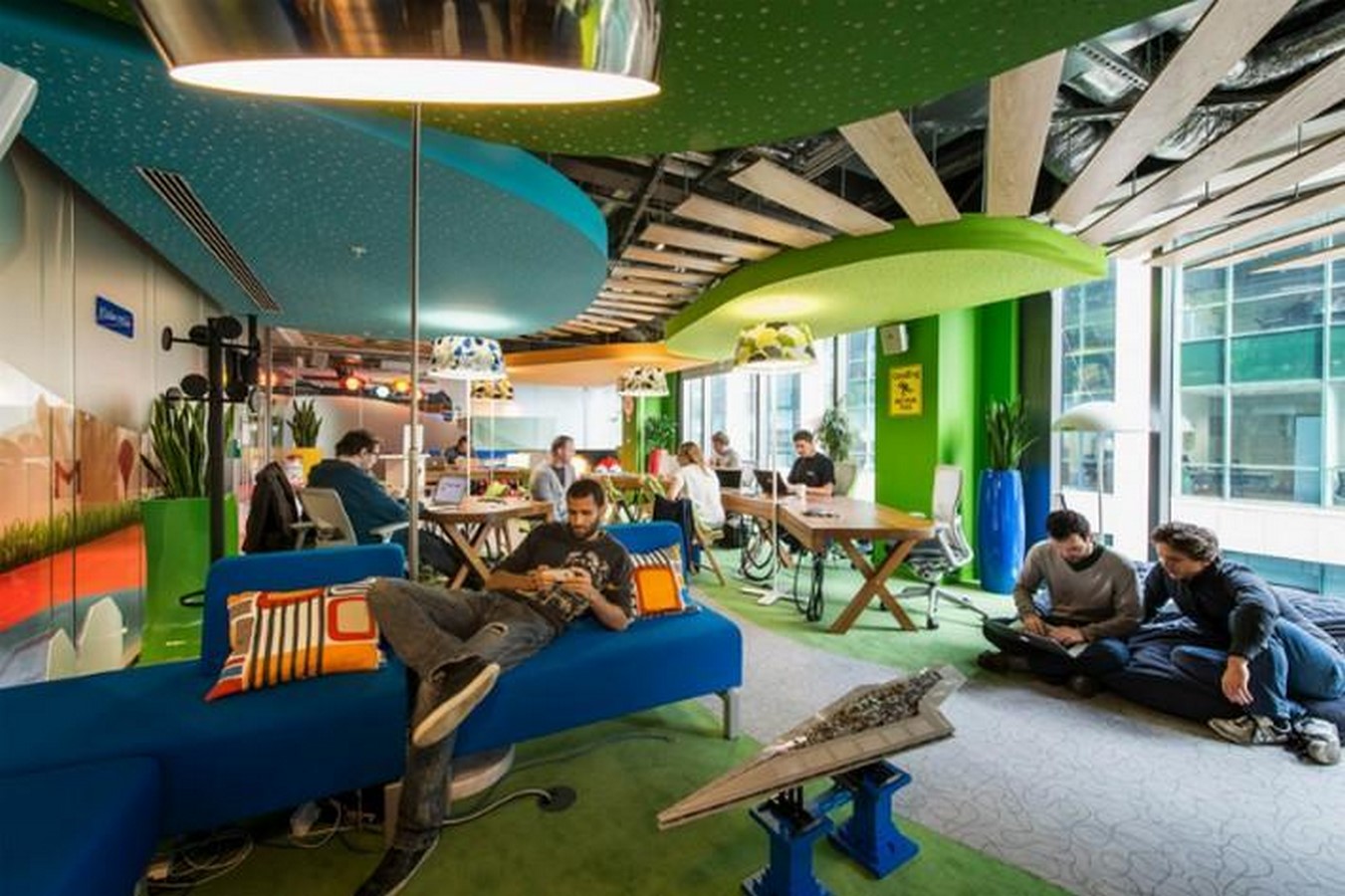
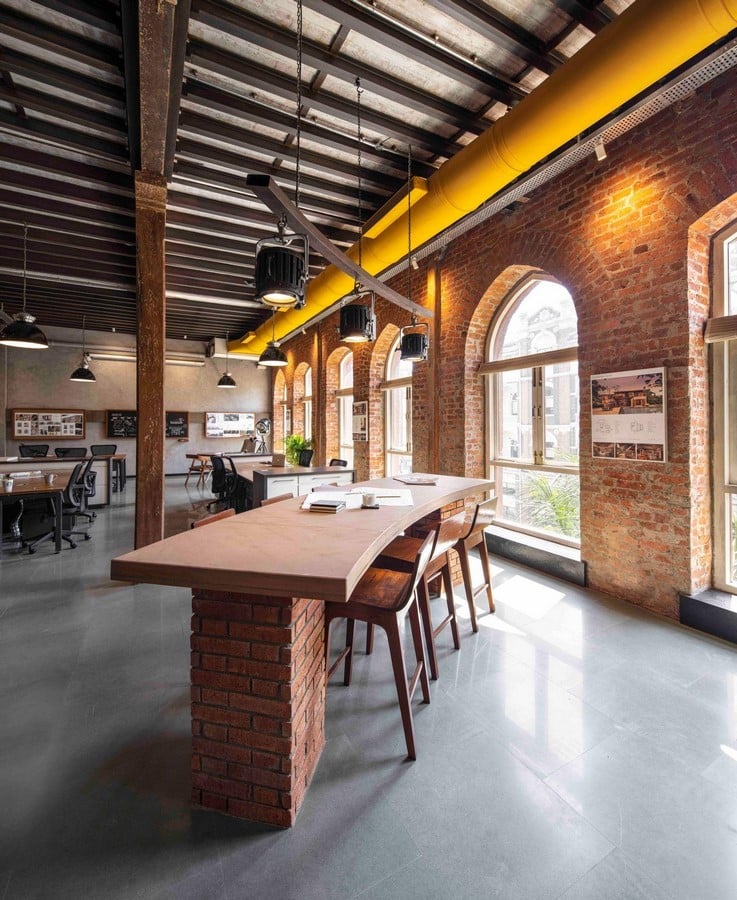
With development moving at a pace far more rapid than anticipated, work has taken over a significant portion of our lives, with work-life balance reduced to nada. Working longer hours, or ‘grinding’ and ‘crunching’ as people have begun to call it, results in a sedentary lifestyle that is detrimental to our health. Thus, it has become important, now more so than ever, to create lively, thriving communal spaces, especially work spaces, to foster healthy habits in the users. These spaces can help people to unwind and re-energise themselves by taking breaks in between or even by engaging in recreational activities or just simply using the spaces to catch a few winks. A small step, a tiny tweak in the design program, can work wonders on the people’s well-being by bolstering a healthy lifestyle.
The ‘Go Green’ Initiative Never Goes Wrong!
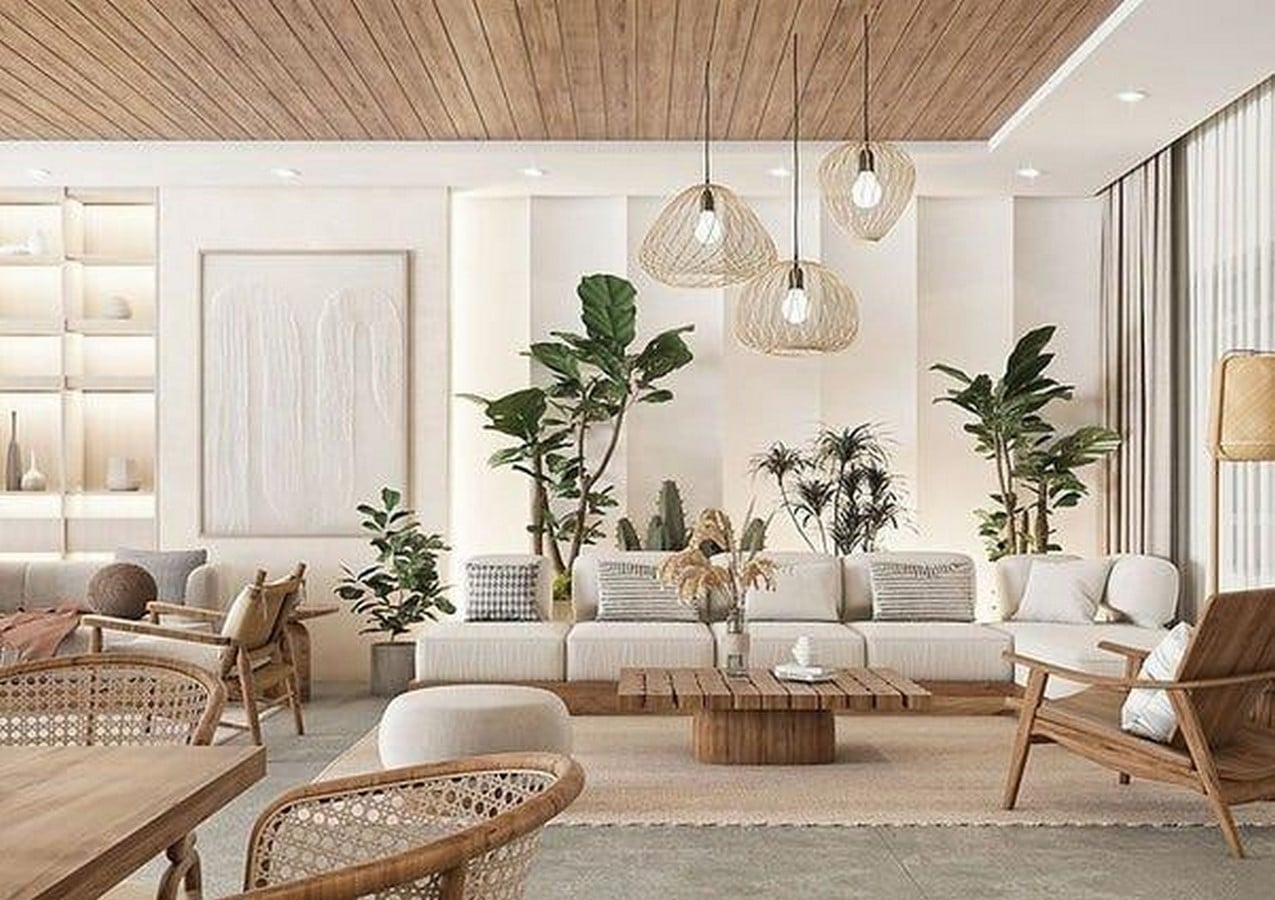
Incorporating biotic elements into design has innumerable merits. From increasing the oxygen levels to enhancing the air quality to having a calming effect on the inhabitants and providing countless other medicinal and sustainable benefits, organic elements can boost our mental, physical and emotional well-being with their mere presence. Temperature, moisture and pest control are also some other advantages that can be achieved through a carefully curated collection of flora.
Technology to the Rescue!
While technology contributes more than its fair share to unhealthy habits and addictions in its users, it can also prove useful when used properly. Many institutions nowadays are organising tech-free zones and events to promote mental well-being. Technology and AI are also being widely explored within the home control systems industry to offer better temperature and lighting regulation, security, and surveillance. These systems ensure a safe and healthy environment for customers.
Celebrating Roots and Tradition
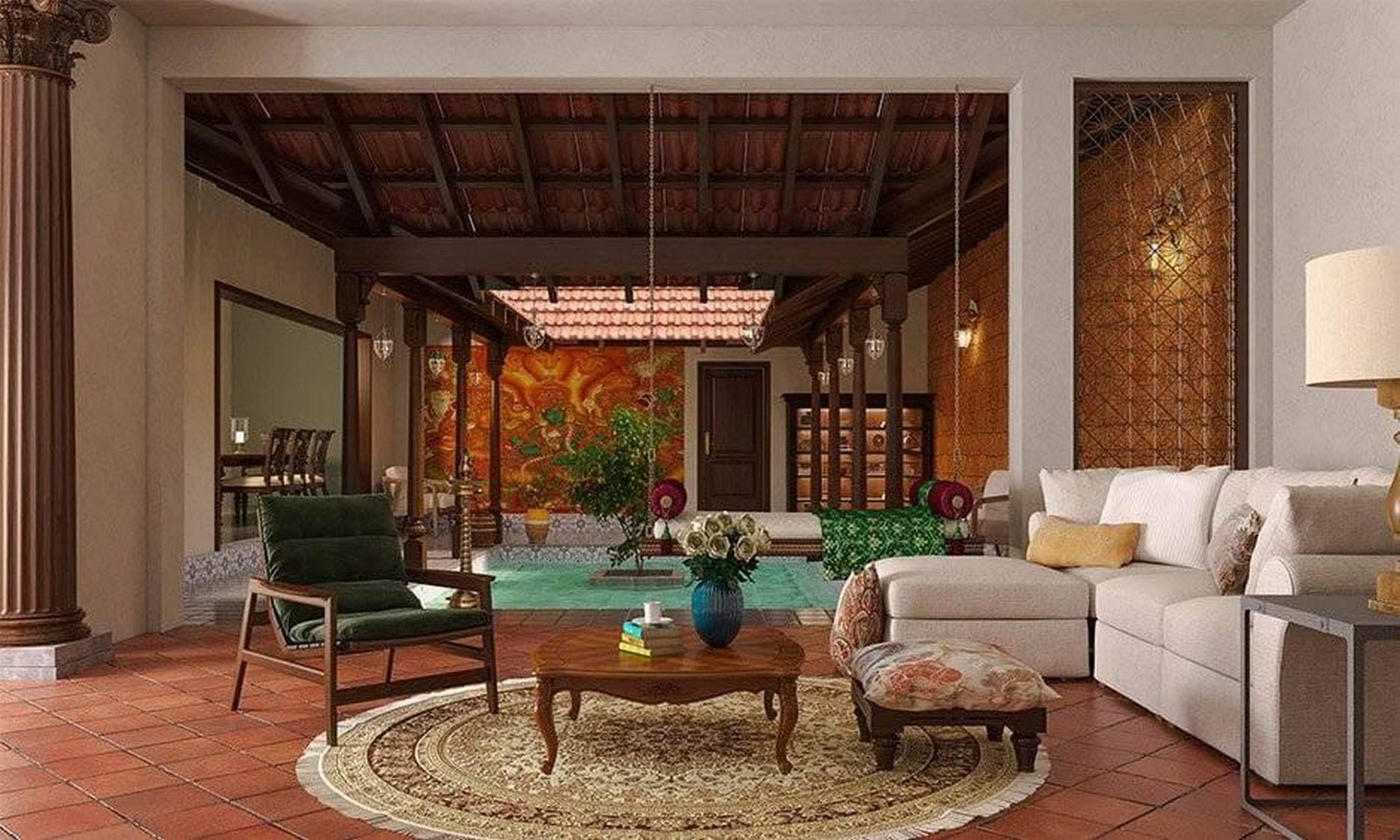
As it goes with the saying, “You can never go wrong with classics,” designers can always rely on traditional design concepts and elements to create healthy and sustainable environments. Vernacular elements and locally sourced materials help effectively control and adapt to climatic elements whilst enjoying a comfortable ambience. Some fine examples of traditional elements include the Kerala ‘Veedus’ and Karnataka’s ‘Thotti Mane’ — traditional houses with spaces designed around an open-to-sky courtyard and covered with steep sloping roofs. These houses are situated in humid and rainy areas and are designed to combat the humidity and the monsoons. The courtyard keeps the communal area well-lit for a greater part of the day while allowing the cool breeze to enter the household, thus producing a cooling effect. Such design strategies not only contribute to healthy living but also have a restorative effect on our biological ecosystem, as they do not bear any negative impact on their surroundings.
As mentioned earlier and as can be perceived from the arguments above, interior design is a powerful tool that can achieve much more than trite aesthetics. If and when used mindfully, it can profoundly rejuvenate the inhabitants. Since requirements vary from person to person, designs can be curated accordingly to suit everyone’s needs, thus contributing generously to their health and well-being.
References List:
- Dauchess, A. (2025). Designing for Well-Being: The Role of Interior Architecture in Mental Health. [online] Marymount University. Available at: https://marymount.edu/blog/designing-for-well-being-the-role-of-interior-architecture-in-mental-health/ [Accessed 18 Apr. 2025].
- dennisd3 (2024). Beyond aesthetics: Interior design as a catalyst for well-being. [online] OHIO News. Available at: https://www.ohio.edu/news/2024/02/beyond-aesthetics-interior-design-catalyst-well-being [Accessed 17 Apr. 2025].
- Forest Homes (2022). How Interior Design Affects Mental Health. [online] Forest Homes. Available at: https://www.foresthomesstore.com/blogs/decor-for-wellbeing/how-interior-design-affects-mental-health [Accessed 17 Apr. 2025].
- Pai, M. (2023). Enhancing Mental Health Through Interior Designers India. [online] Milind Pai. Available at: https://www.milindpai.com/how-can-interior-designers-india-and-their-design-boost-mental-health [Accessed 18 Apr. 2025].
- Taylor, C. (2024). Chapman Taylor. [online] Chapman Taylor. Available at: https://www.chapmantaylor.com/insights/interior-design-has-a-significant-role-in-supporting-health-and-wellbeing-in-the-workplace [Accessed 18 Apr. 2025].