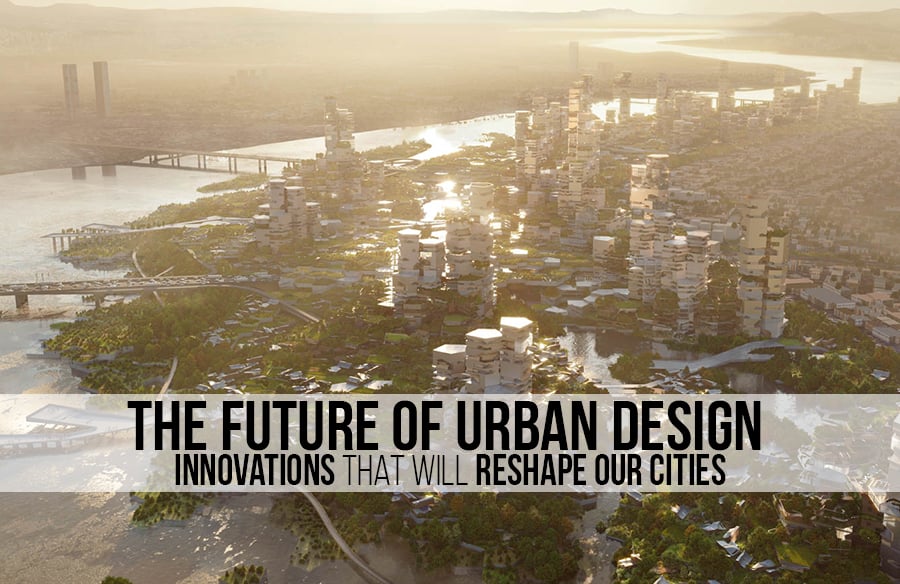
The Emergence of Hyper-Responsive Urban Environments
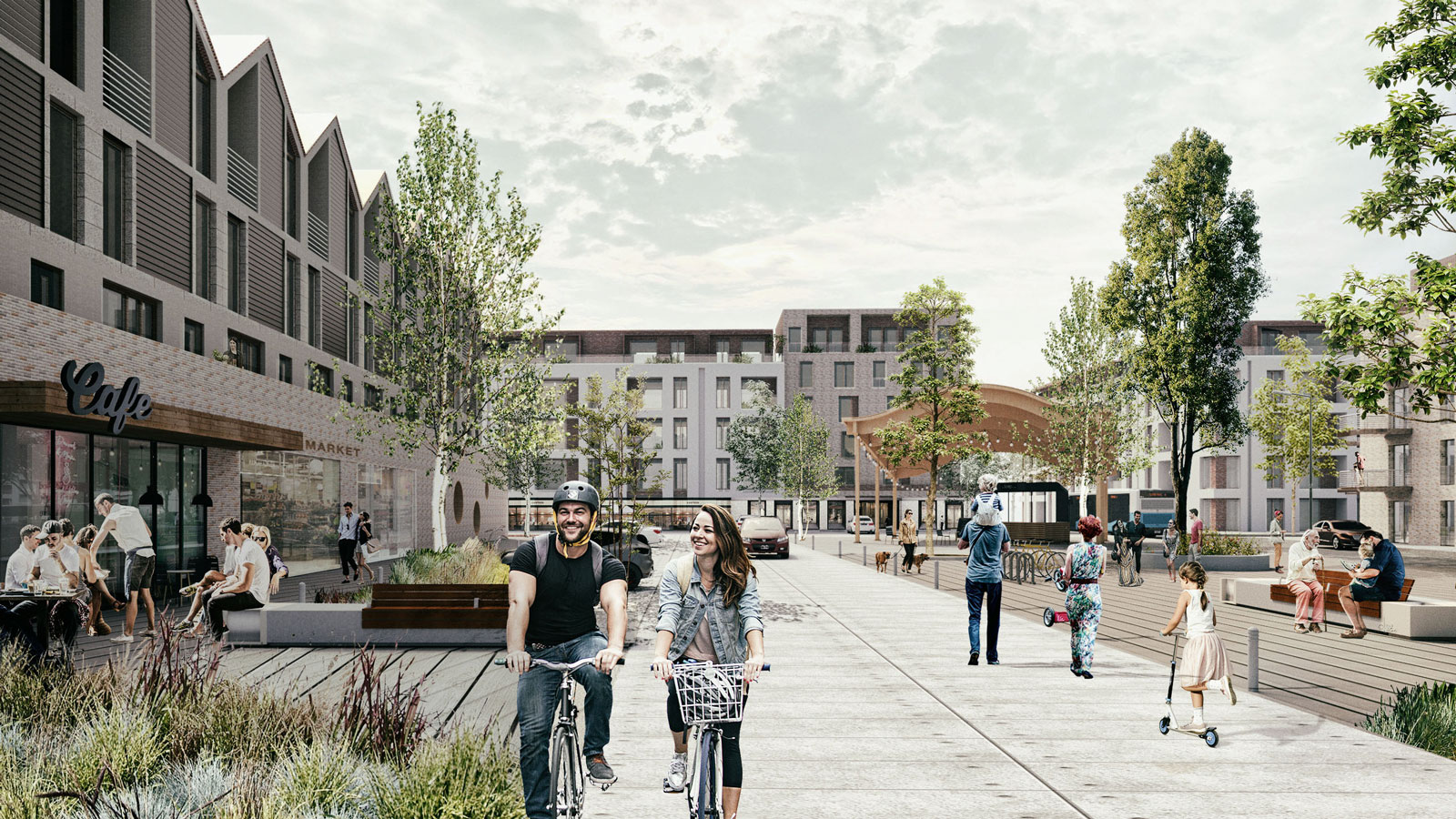
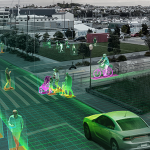
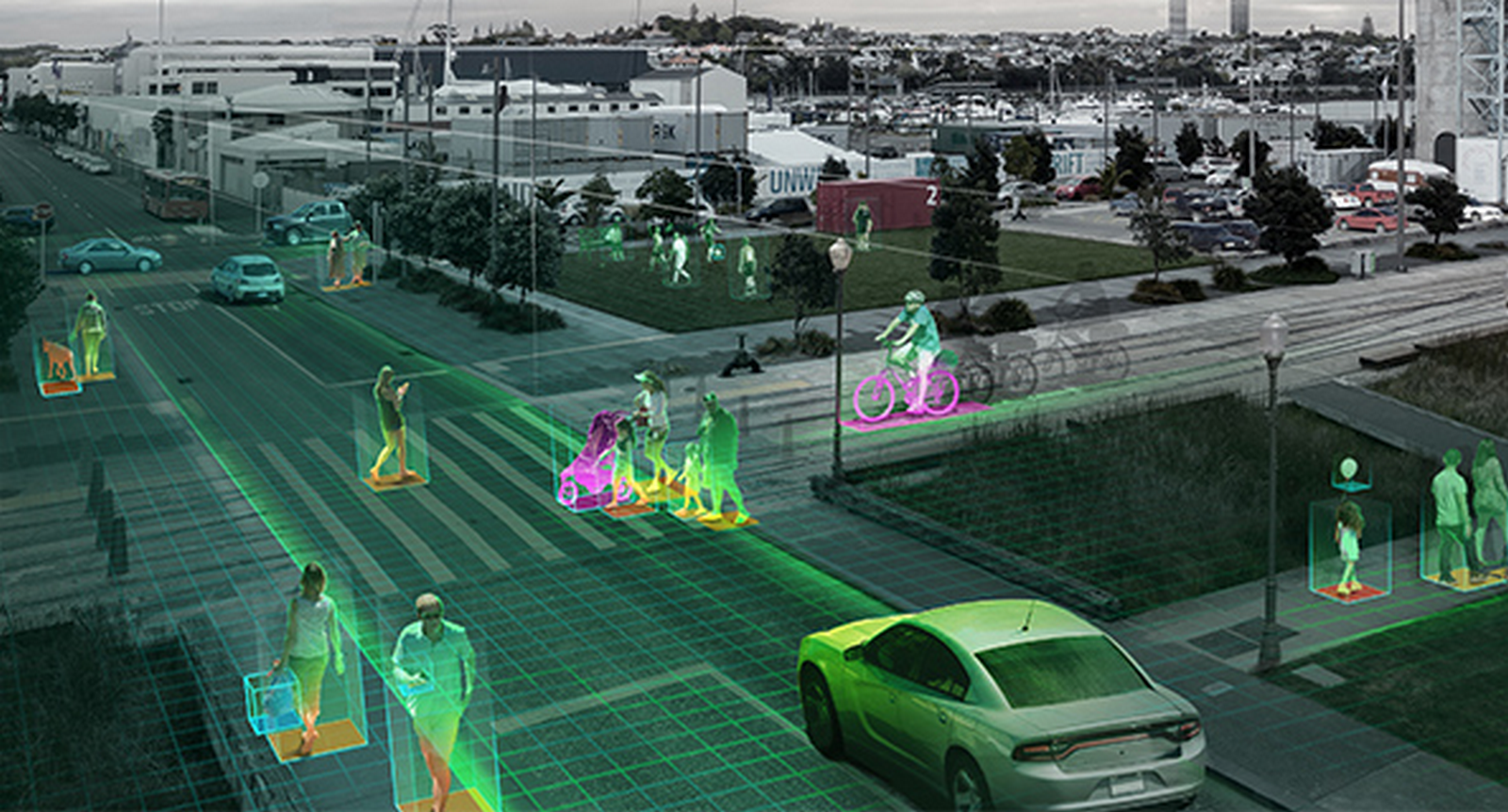
Smart cities are starting to sound like news these days. The new buzz is about hyper adaptive urbanism, where cities transform into self learning entities! With the help of AAI-powered sensors and advanced analytics technology in areas, sidewalks could widen during rush hours, and traffic patterns might change on their own. Also, the physical structures of buildings could adjust dynamically, thanks to architecture. This shift will result in cities that respond to needs, predict changes, and adapt seamlessly to both people and the environment.
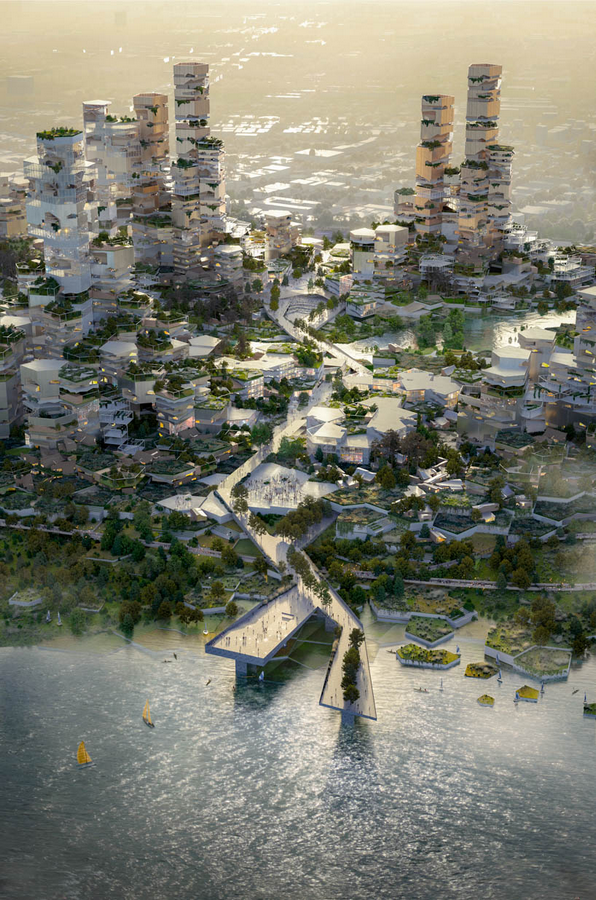
The future of city planning will revolutionize zoning laws and construction regulations as we know them today. You’ll see flexible spaces take over the fixed rules allowed by zoning laws. This new approach will enable buildings to adapt to changing needs; for example, offices turning into homes after hours or businesses expanding or shrinking as demand changes. The urban landscape won’t be static anymore. A dynamic environment that adjusts to the city’s needs.
Autonomous Microdistrict Designation. Creating Self-Sustaining Urban Units
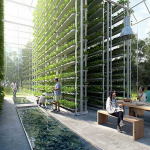
Imagine a world where cities transform from sprawling chaos to hubs of harmony and innovation! Picture autonomous microdistrict neighborhoods emerging – self zones that operate independently yet stay connected seamlessly. In these districts of the future, local power sources will thrive; water will circulate in loops for sustainability;. Vertical farms will adorn building walls with life-giving greenery. Sophisticated AI systems will oversee logistics to manage energy flow and resource distribution within these districts efficiently – reducing reliance on structures and nurturing local economies.
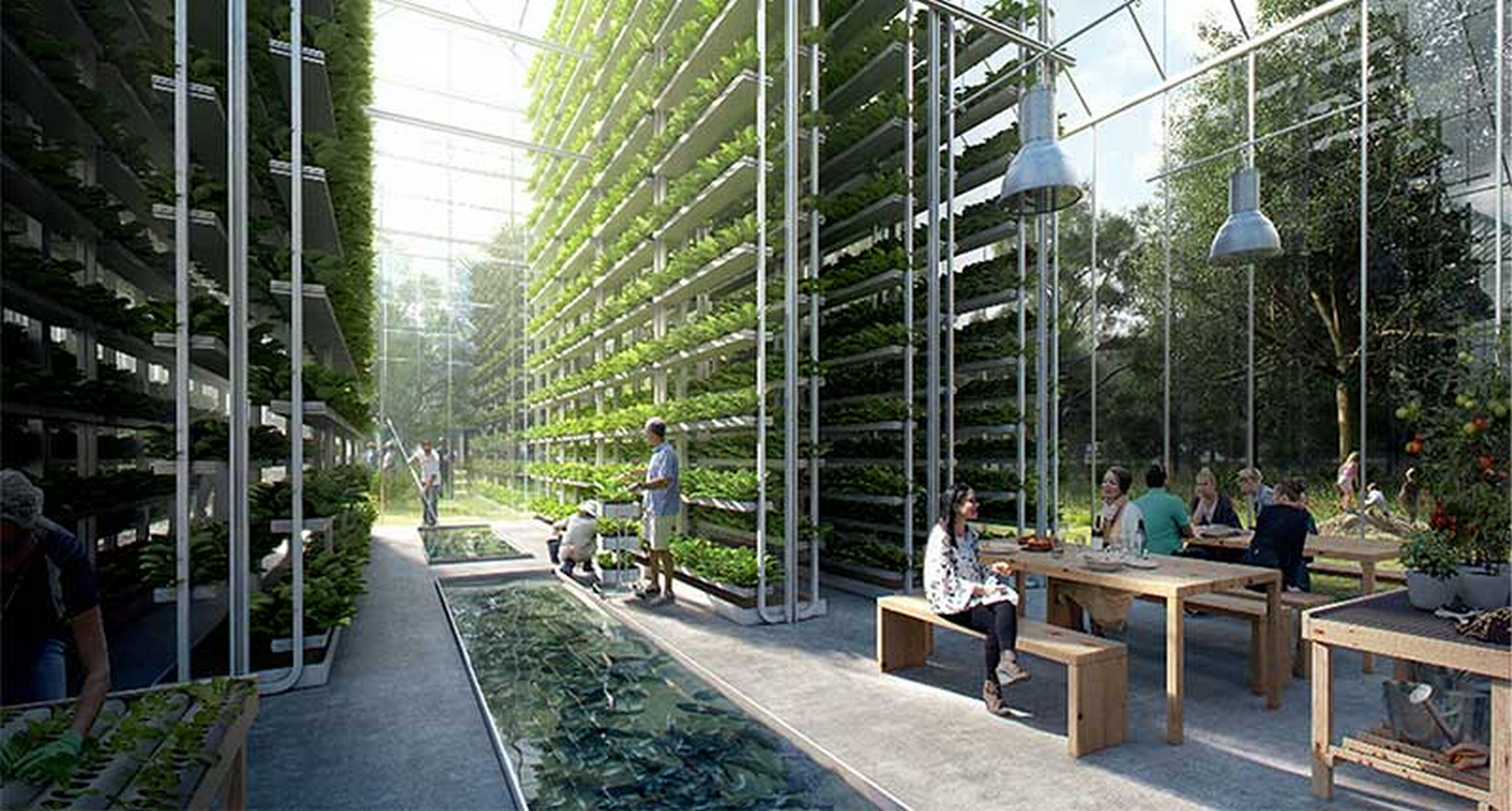
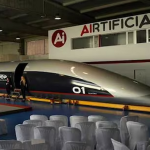
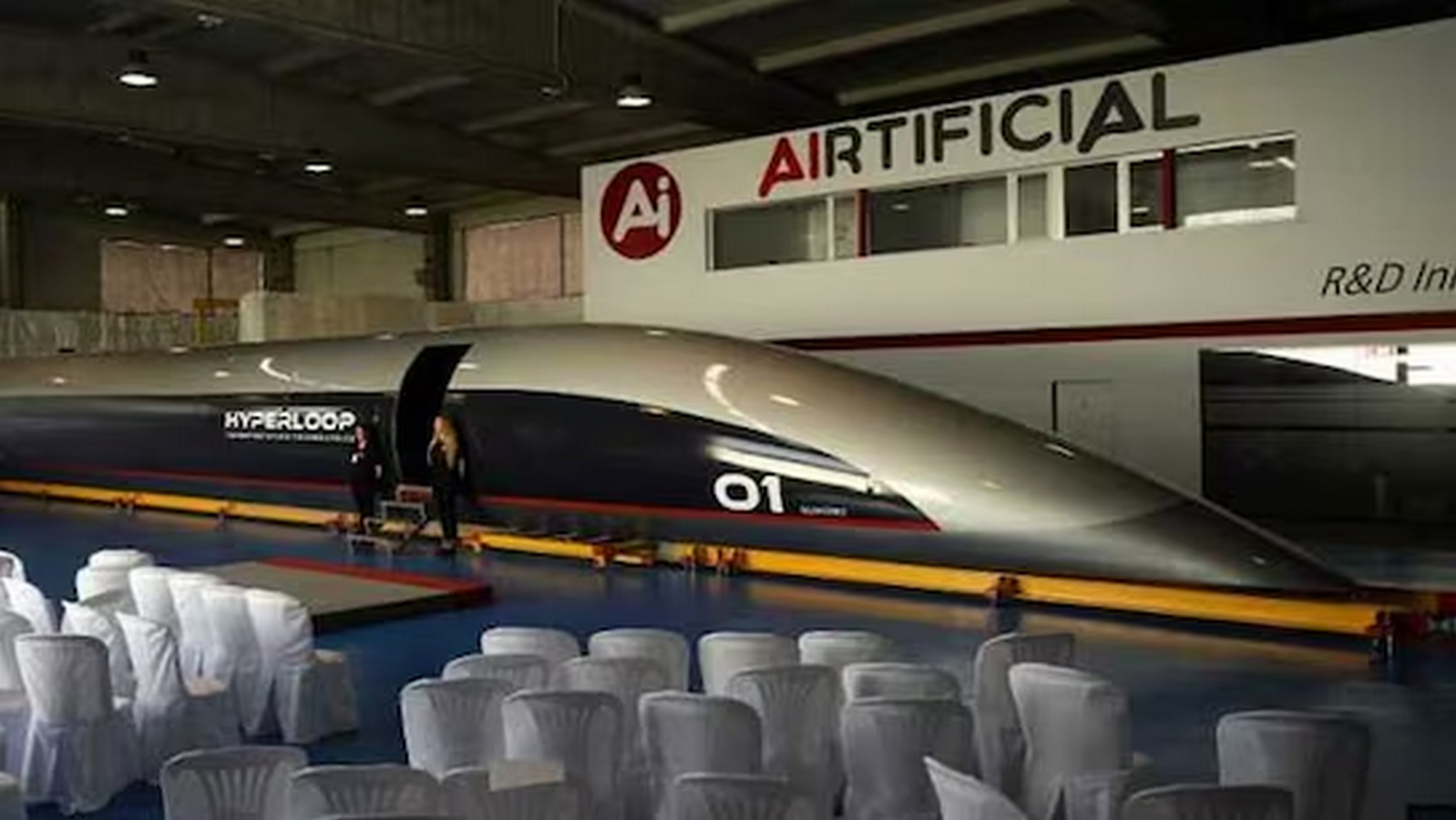
In these communities too there will also be hubs for urban transportation services that cater to the needs of people and goods using autonomous electric vehicles (EV), drones, and high-speed transit systems, like hyperloops effortlessly traveling around the area anytime needed. With the management of supplies in time, these small communities can operate independently as self-sustaining ecosystems that are economically strong and need little control from central governing bodies.
Urban Planning Inspired by Neurobiology, for Cities with Human Like Thought Processes.
Imagine a scenario where urban planning goes beyond constructing buildings and delves into the realm of design instead! Neuromorphic urbanism leverages knowledge from neuroscience to craft cities that operate and process information the way brains do. Neighborhoods will be structured to mirror pathways, emphasizing connections to encourage natural interactions and minimize mental strain by mapping cognitive loads effectively. This approach aims to boost productivity and innovation to how an interconnected neural network boosts human cognition.
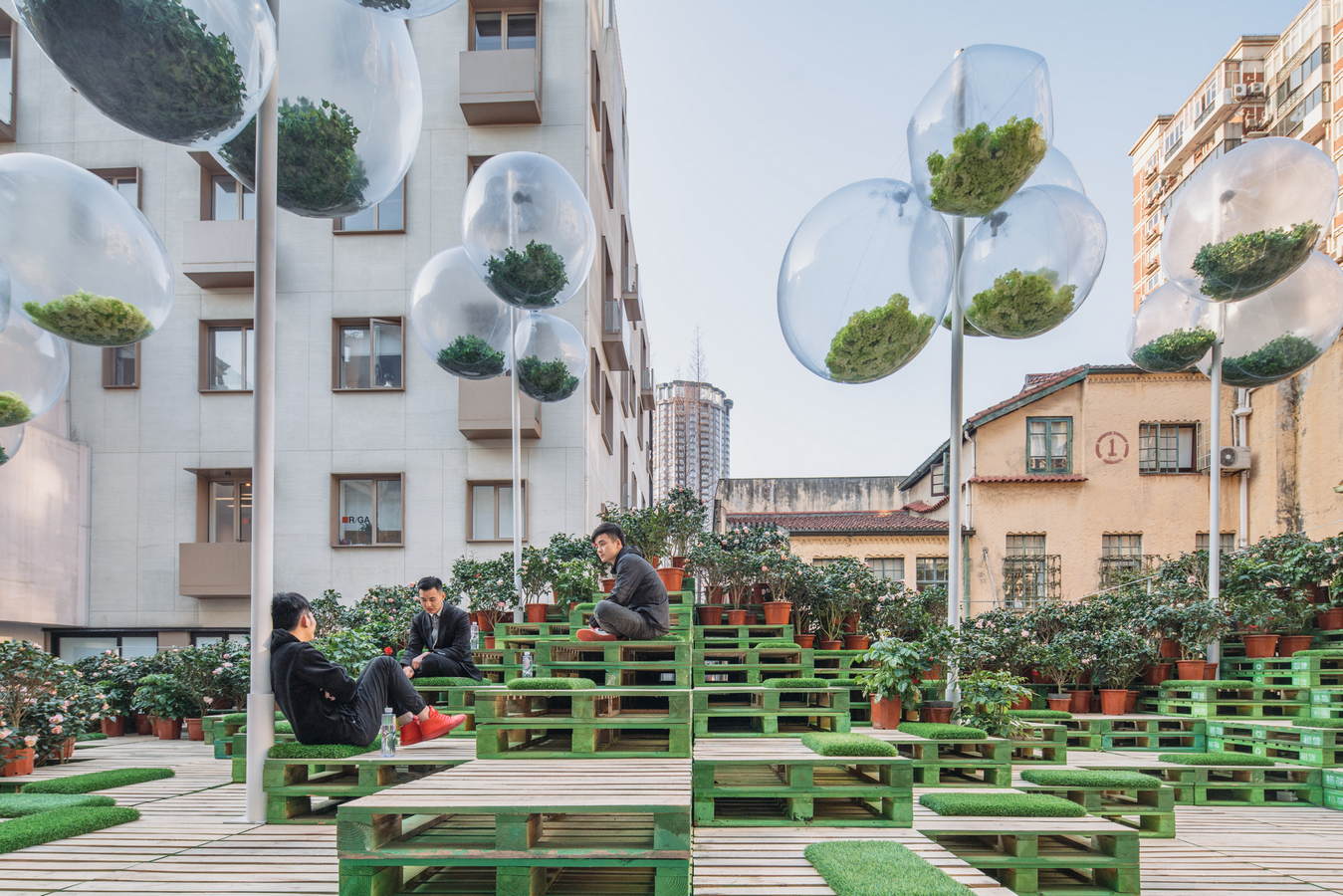
Cities will make use of biofeedback systems where wearables and AI-based sentiment analysis monitor the emotions of residents and adjust lighting and public spaces based on that data. For example, if stress levels rise in an area due to traffic jams, the ambient noise could be reduced, and green areas could be activated automatically to create a calming effect on the surroundings.
The Era of Adaptive Infrastructure in Urban Environments
City landscapes that are inflexible are becoming outdated as we move towards a future with environments known as soft cities; where buildings and public areas can adjust dynamically to the actions of users and inhabitants alike. New technologies, like shape memory materials and bioresponsive surfaces, will enable structures to change according to factors such as climate conditions and human movement patterns. Picture walkways that expand during times or buildings that adjust their transparency based on sunlight exposure. The city of tomorrow will no longer be an entity but a lively organism in flux.
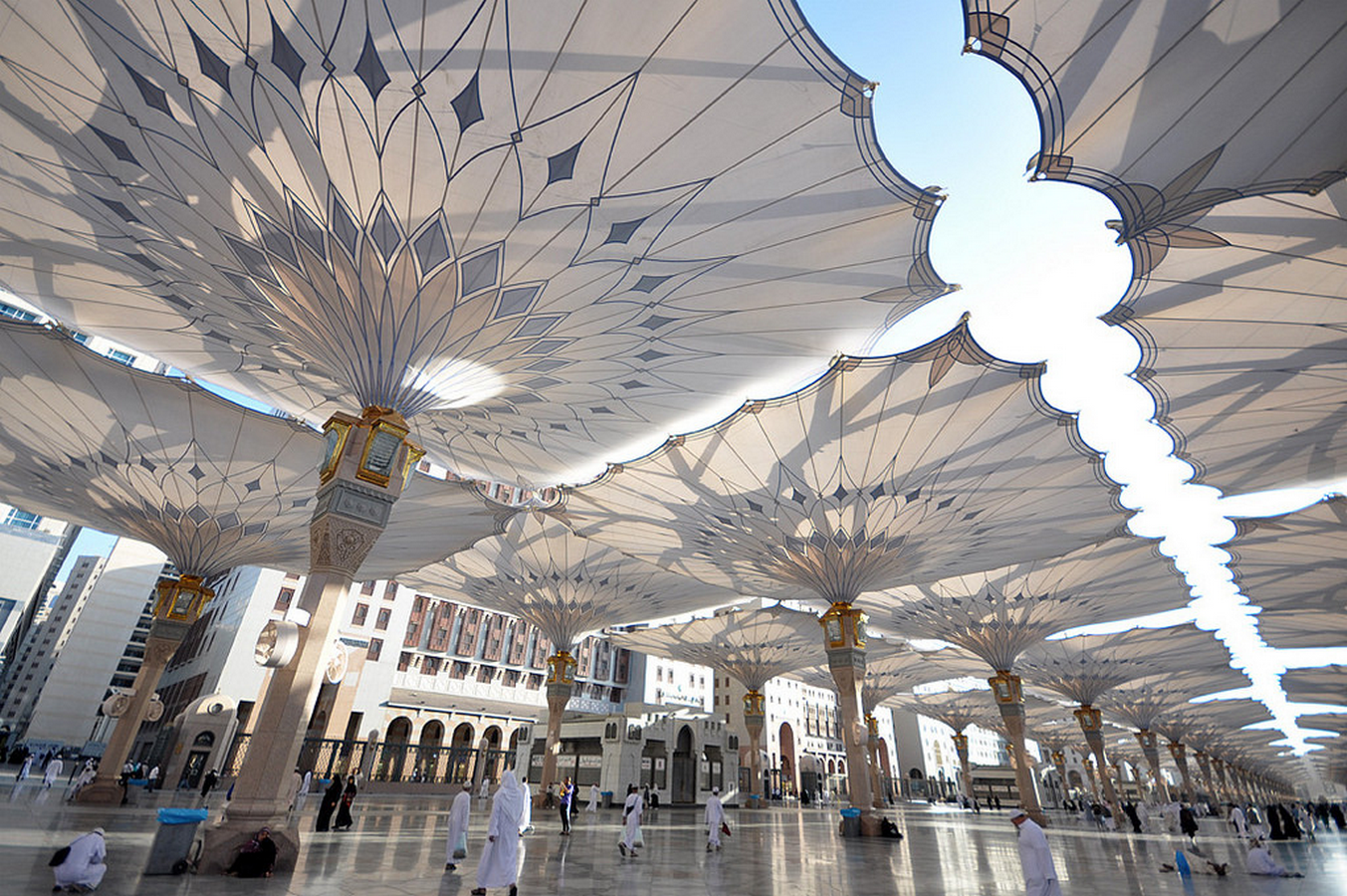
Cities, with an approach, will incorporate integrated materials like ike self-repairing concrete embedded with bacteria that autonomously fix cracks and facades that clean the air by absorbing pollutants and generating oxygen. Wth the infrastructure in place, resilience will become a part of the city’s DNA.

The Emergence of Neural Networks Inspired by Nature
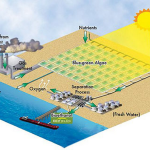
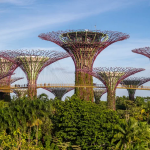
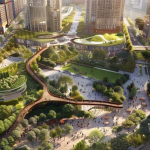
Parks and gardens are now components of city living. They’re like the heartbeat of urban areas! The cities of tomorrow will blend nature seamlessly with technology by creating networks where plants are intricately linked with the city’s infrastructure at a level. Imagine communication lines made from mycelium fungi and data hubs connected to tree roots. All powered by algae to provide energy for spaces! This innovative approach will not only improve air quality and control temperatures but send important environmental information to the digital realm through cloud connections.
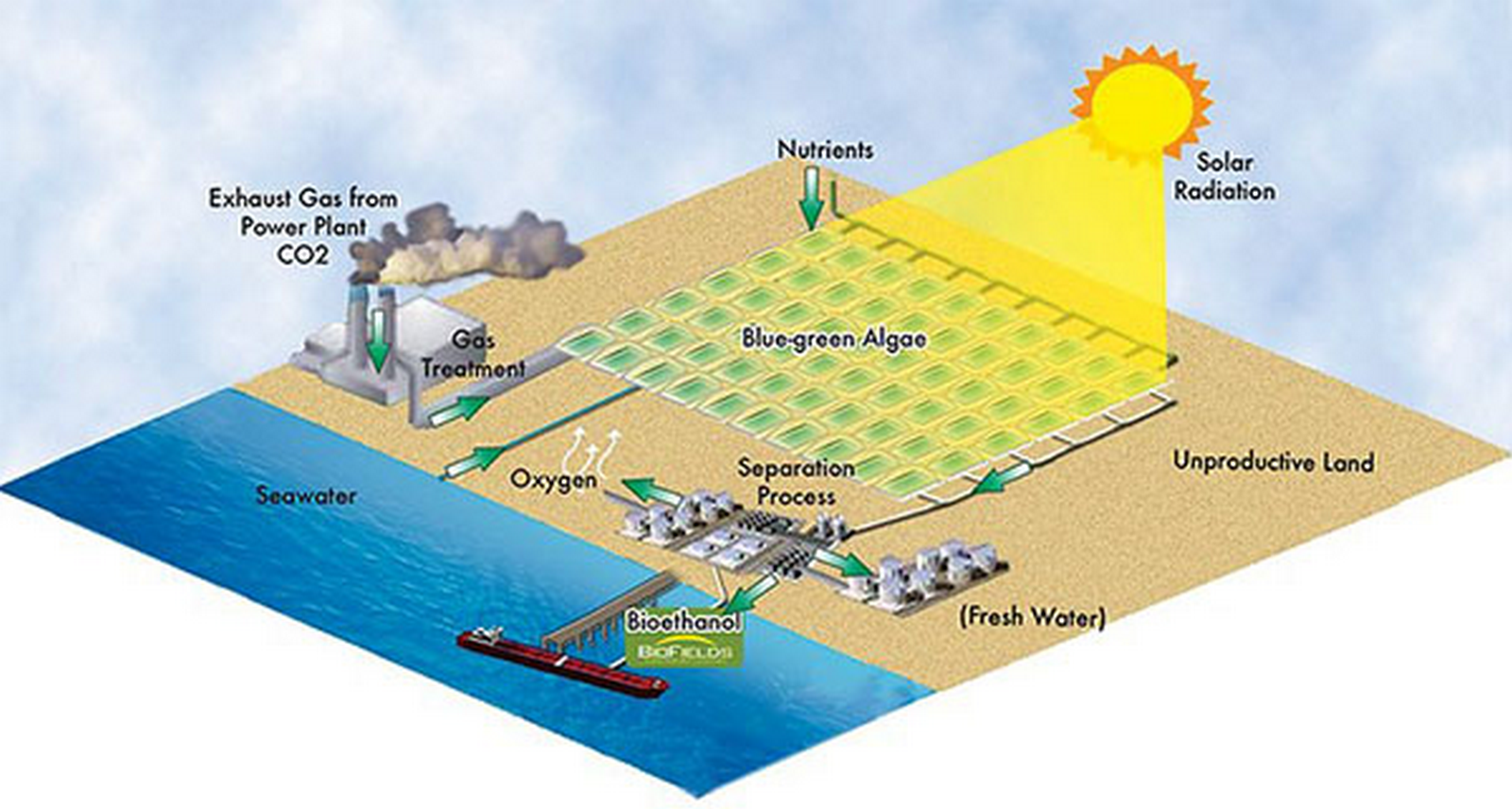
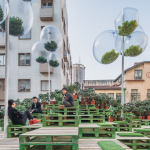
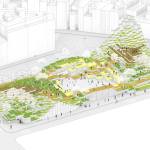
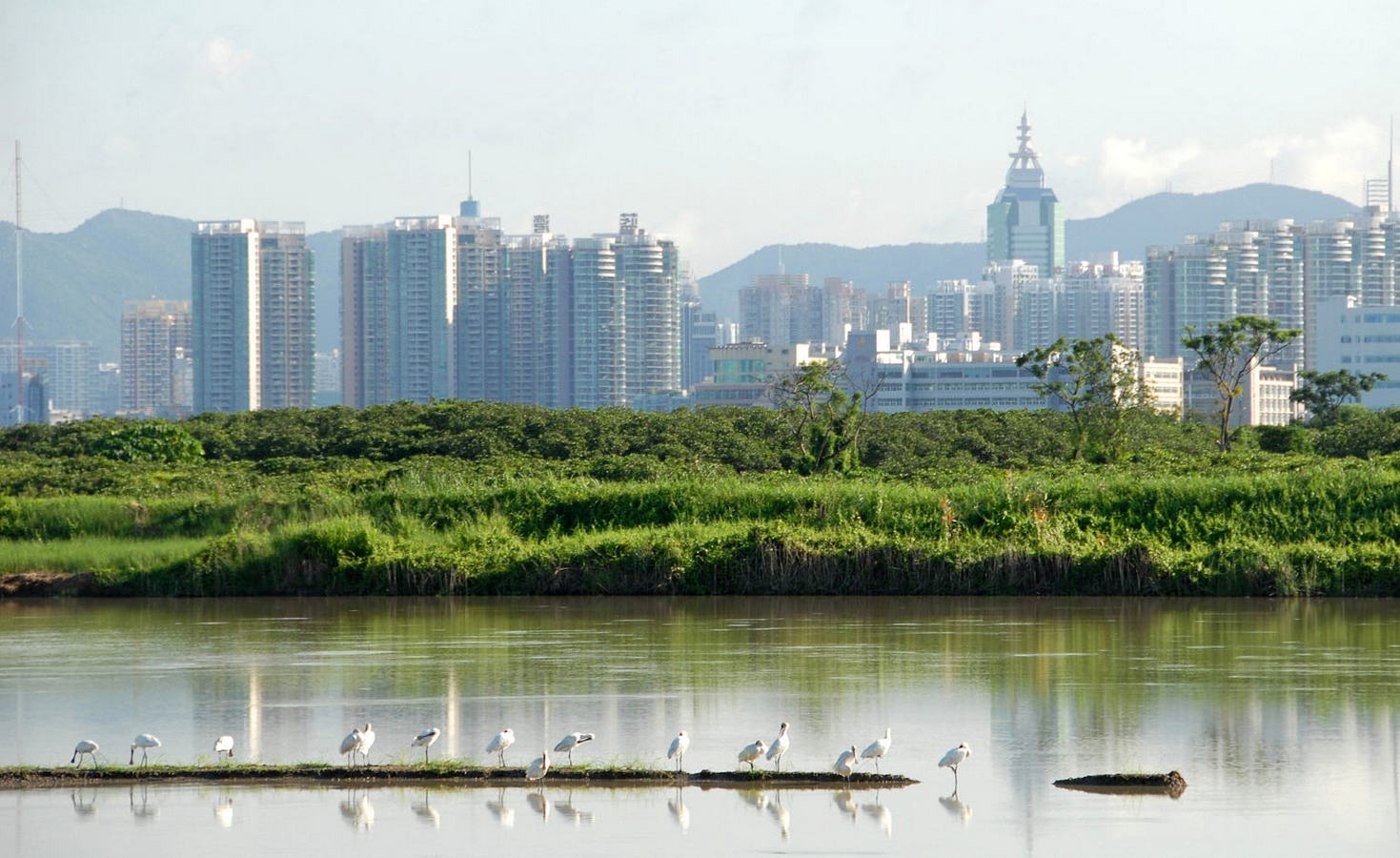
Biophilic cities will have rejuvenating spaces, such as rooftop forests and city center wetlands that purify the environment while biodiverse pathways replace roads to blend nature seamlessly with urban life.
Embracing Quantum Urbanism in Modern City Planning
In the realm of urban planning methods lies a reliance on analytics to envision future scenarios in cities. The emerging frontier of quantum urbanism introduces a groundbreaking approach where quantum computing undertakes the task of processing scenarios concurrently. This innovative methodology envisions cities with dynamic and continuously evolving arrangements rather than rigid master plans. Quantum algorithms can swiftly simulate arrays of urban designs in real time, enabling city planners to make informed decisions regarding the most efficient, sustainable, and human-centered layouts, even the commencement of construction work.
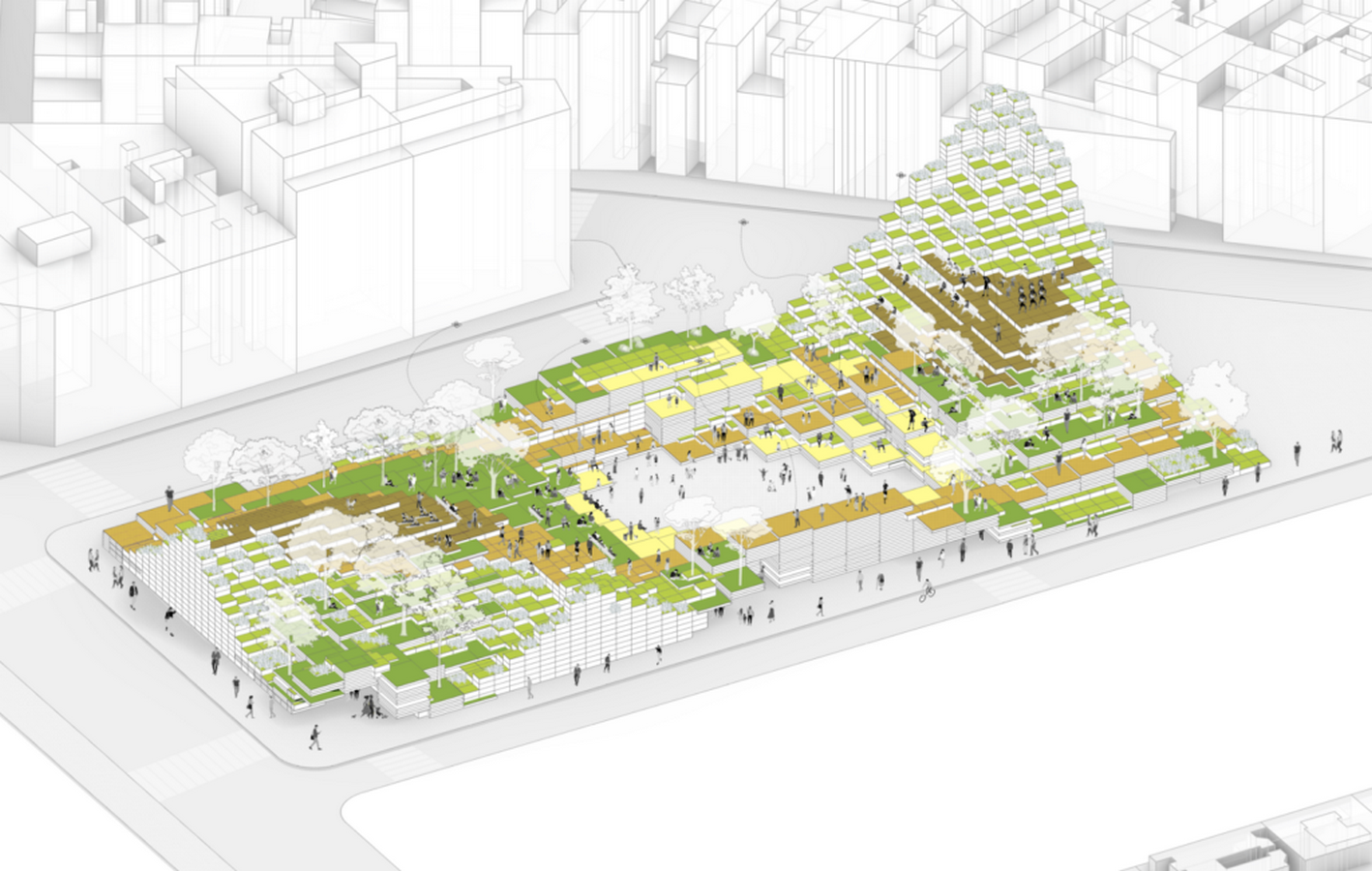
In the future of city planning technology known as quantum urbanism will allow for simulations of cities that can be manipulated and assessed in time by planners and residents before any actual changes are made to the city layout. By incorporating instant climate impact evaluations into the process of development, decisions will be more precise and eco-friendly while also boosting effectiveness and efficiency.
Urban Metabolism: Cities That Function Like Living Organisms
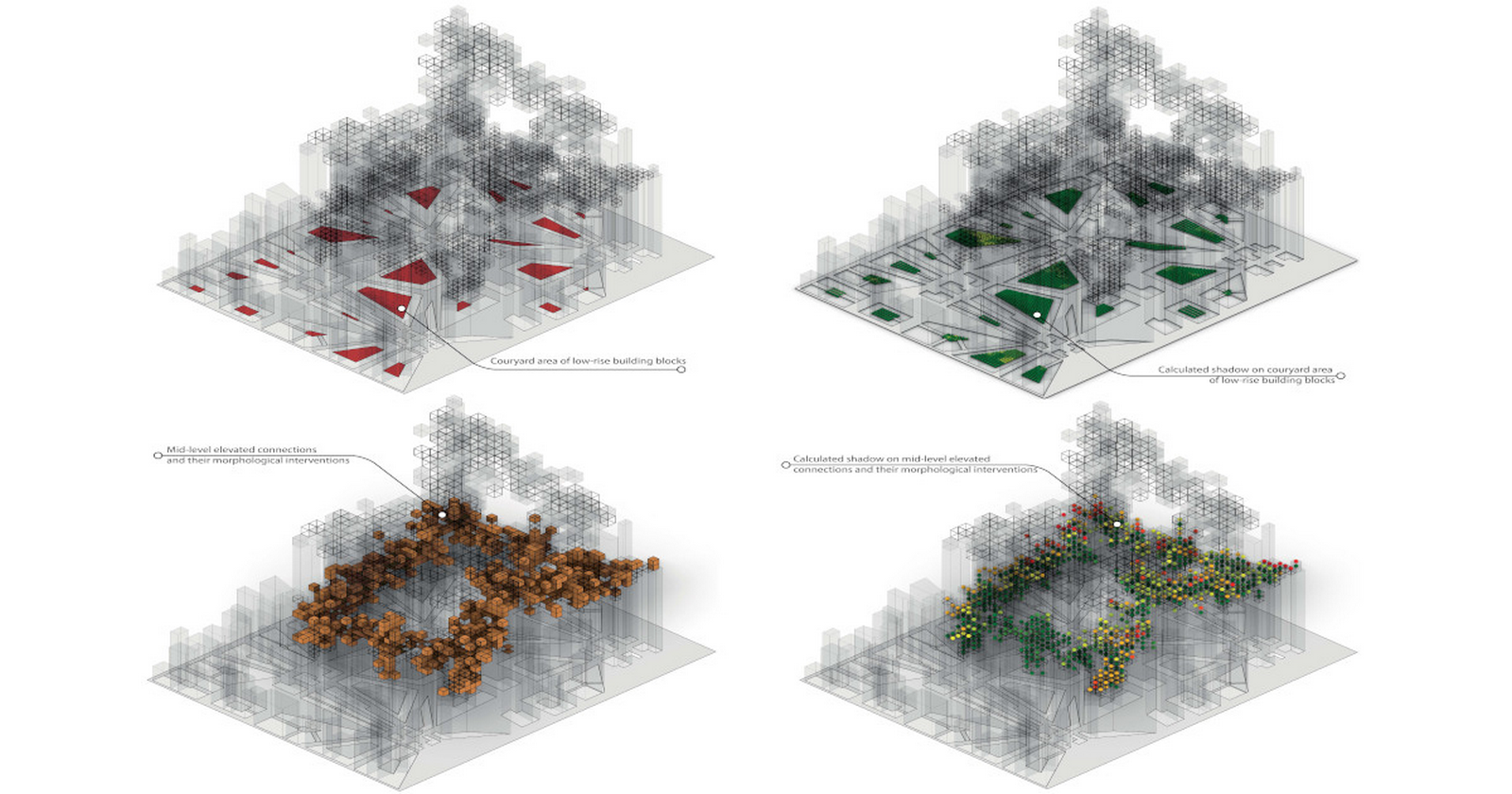
In the cityscape envisioned by planners and designers alike, buildings and infrastructure will function akin to living organisms, utilizing resources efficiently and recycling waste to sustain themselves. Energy will be harnessed at a level streets will serve as green corridors improving air quality and water management systems will mirror the resilience of ecosystems. Ultimately shifting from consumers to generators of vitality, cities will embody a balance with their surroundings.
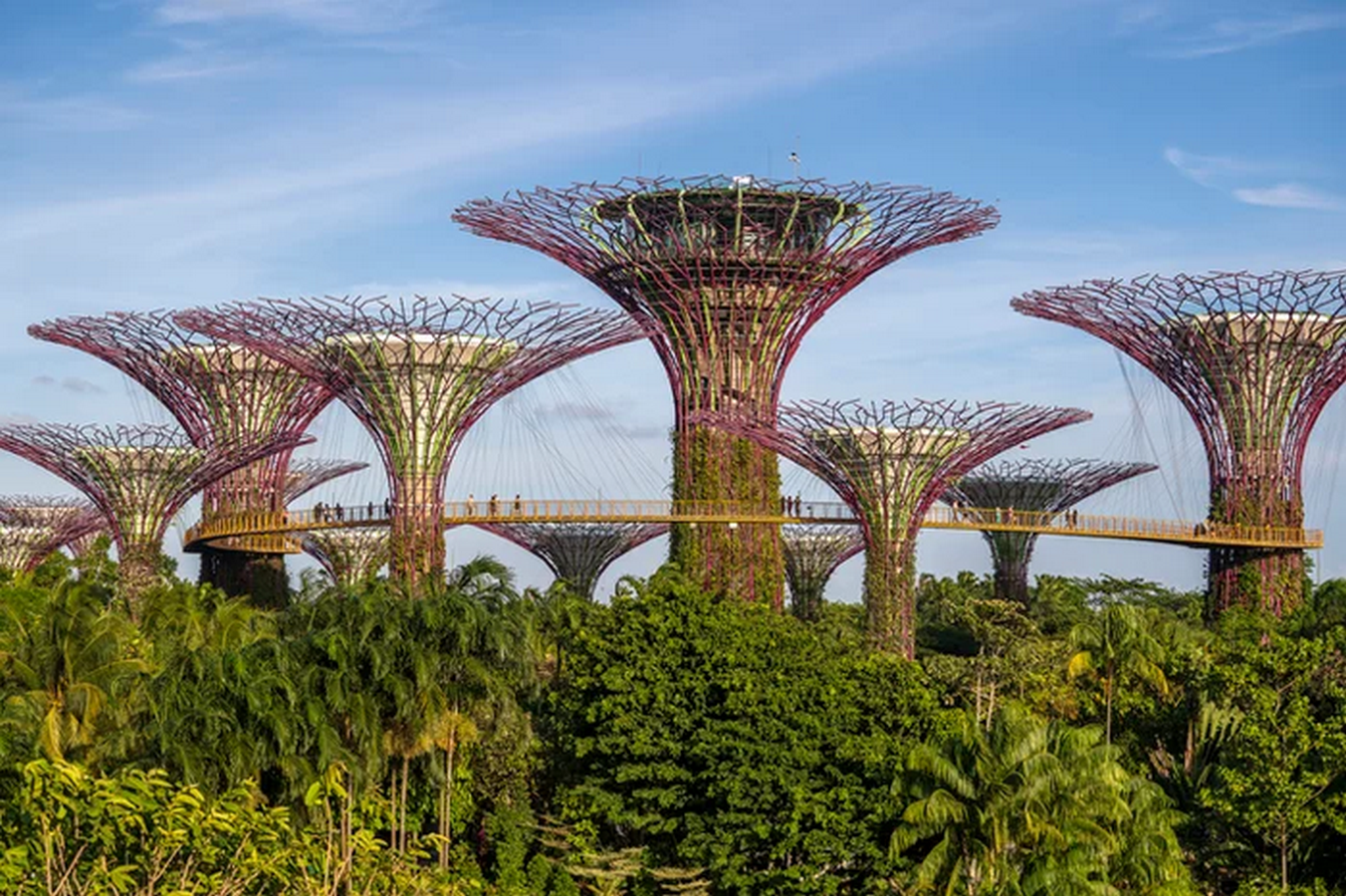
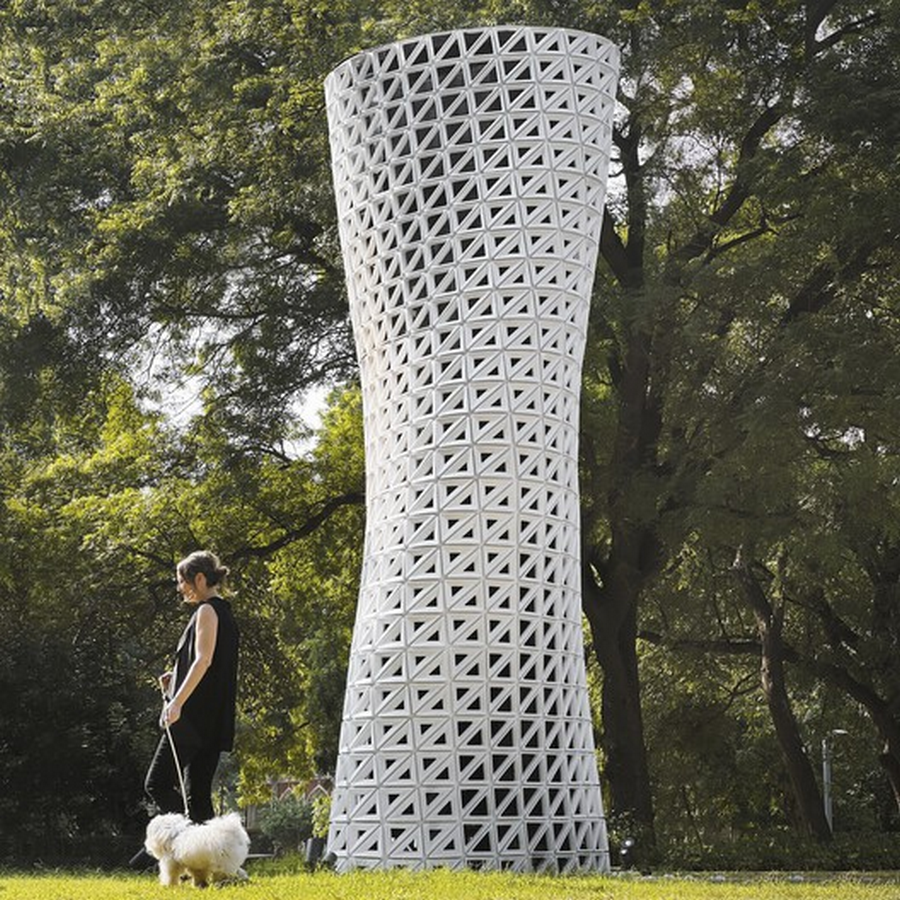
In this new approach, construction methods will bring in building practices utilizing components that can be 3D printed and easily recycled when needed to be taken down or replaced. To keep things waste, to fuel microplants will process waste into biofuel right where its generated. Keeping cities’ functional self-repair technologies will ensure infrastructure remains in top shape at all times.
AI Augmented Public Areas. Shaping the Social Landscape
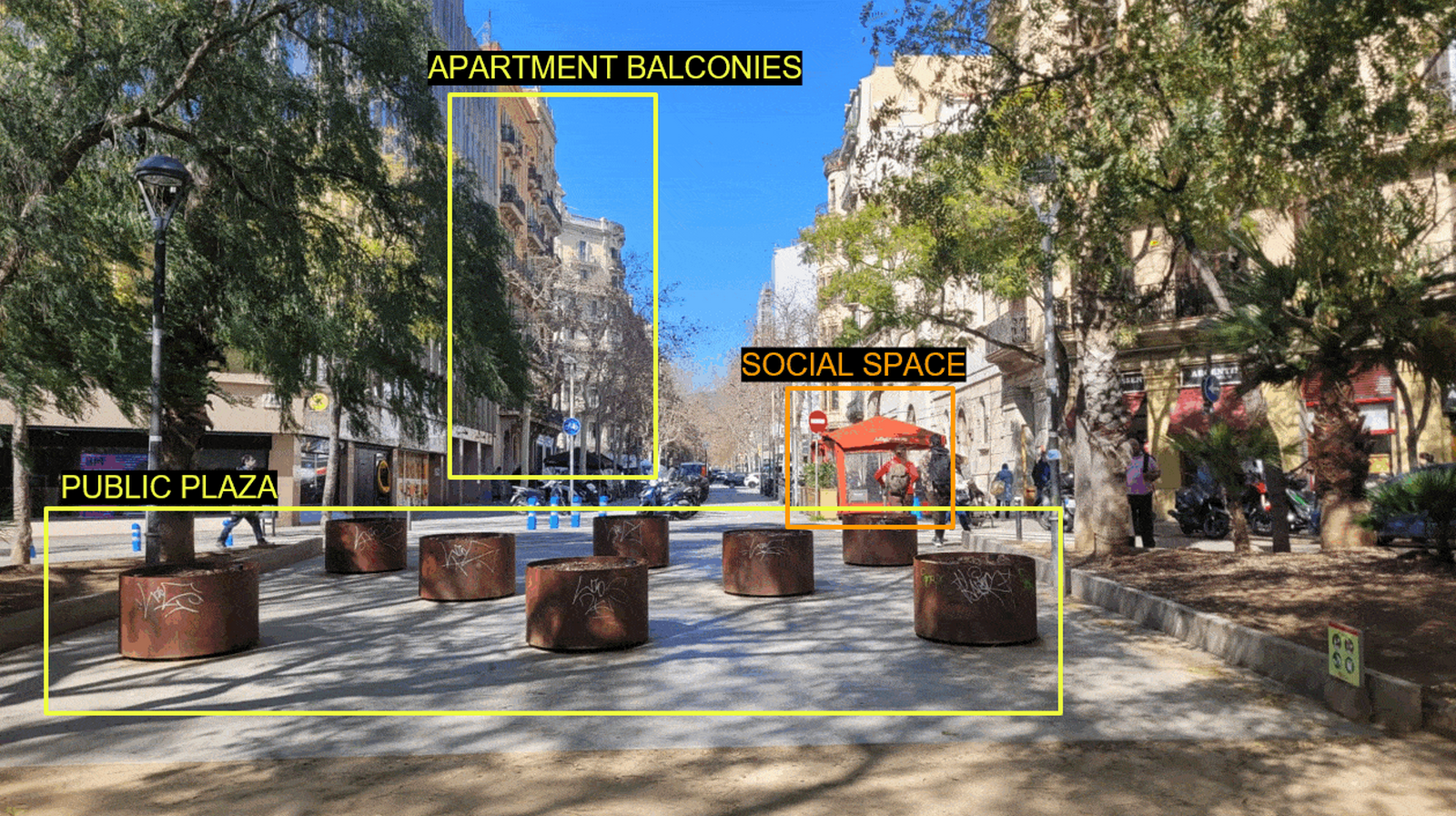
The future of spaces entails a transformation, from plazas to dynamic environments enhanced by AI technology that adapts to social interactions and activities taking place within them. Through the use of augmented reality overlays, urban parks will offer storytelling experiences for visitors to engage with on a level while AI algorithms dynamically adjust festival layouts in response to crowd dynamics in real time. Ultimately, this evolution will lead to cities that not only accommodate but also actively enhance behavior and social interactions through intelligent design and technology integration.

Using urban sentiment analysis powered by AI will transform spaces into social indicators that adapt to the shared emotions and actions of the community members to promote inclusivity and create tailored urban experiences for individuals.
The Urban Singularity: When Cities Achieve Self-Consciousness
When does a city transition from a place to a living entity with intelligence? The urban convergence will happen when artificial intelligence (AI) the Internet of Things (IoT) and quantum computing come together to form self cities— of foreseeing crises in advance and managing resources independently while also planning their growth organically Cities will transform from being just constructed spaces, to living beings that grow alongside their residents.
Conclusion: Towards a Post-Static Urban Future
Urban planning has traditionally focused on organizing elements in cities. The cities of tomorrow will prioritize flexibility and intelligence alongside a harmonious relationship between humans and urban spaces. In the era of urban environments and innovative city planning approaches, like quantum city planning and nature inspired neural networks integrated into urban design principles are reshaping our coexistence with cities rather than just inhabiting them. The future doesn’t just entail technology-driven centers but also emphasizes the concept of dynamic living environments that evolve with human cognition and interaction—the dawn of this transformative shift is already unfolding before us.