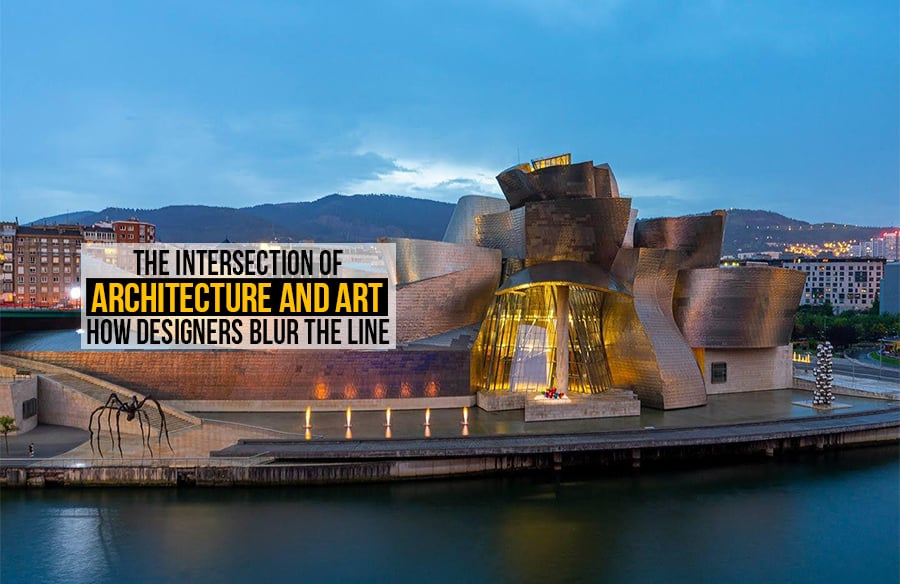
In the world of design, the fusion of art and architecture allows functionality to meet with creative expression. Architects often draw inspiration from artists and artistic movements, whereas artists use architectural elements in their creations. Both of these disciplines shape human experiences and express cultural narratives. Architecture produces spaces that are visually stunning and functionally innovative. In contrast, the art infuses them with emotion, symbolism, and identity. Hence, architecture has always shared a blurred line with art.
The Historical Relationship Between Architecture and Art
The connection between architecture and art dates back to ancient civilizations. Many masterpieces are created from the past to the present with the fusion of art and architecture. The ancient structures as the Parthenon in Greece, and the cathedrals of Europe, the modern structures like the Dancing House, Guggenheim Museum, and Sydney Opera House, were not only functional buildings but they were artistic masterpieces. The ancient constructions had intricate carvings, frescoes, and sculptures that conveyed religious, cultural, and philosophical ideas, whereas some of the modern architecture has abstract, dynamic forms. Similarly, during the Renaissance, master artists like Michelangelo and Leonardo da Vinci practiced both disciplines, bringing art and architecture together. The period saw the rise of architectural masterpieces that were artistic expressions, like St. Peter’s Basilica in Rome. The Baroque and Rococo movements emphasized dramatic and expressive forms in architecture with elaborate decoration and attention to detail. On the other hand, the Islamic world incorporated calligraphy and geometric patterns into architectural elements, showcasing an integration of visual art with built environments.
Blurring the Line: When Architecture Becomes Art
In modern and contemporary times, architects have continuously challenged traditional concepts of design by integrating artistic concepts into their work. Artists provide a unique perspective in architecture by helping to transform functional spaces into immersive experiences that provoke thoughts and emotions in a user. This collaboration can be seen in facades, interiors, landscapes, and even in urban contexts. For example, when murals, sculptures, and installations are strategically placed in public spaces, everyday environments turn into vibrant cultural hubs. Art and architecture together have the power to change the lifestyle of individuals, it has the power to foster a sense of community and identity among individuals. Some of the factors that contribute to this intersection of art and architecture are as follows:
Sculptural Architecture
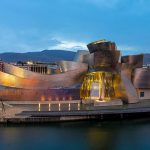
Modern architecture often borrows from sculpture to create expressive and dynamic forms. Architects such as Frank Gehry and Zaha Hadid have mastered this approach, designing buildings that appear more like pieces of abstract art than conventional structures. Gehry’s Guggenheim Museum in Bilbao, with its fluid and organic shapes, exemplifies how architecture can transcend functionality to become a sculptural masterpiece.

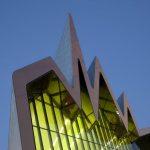
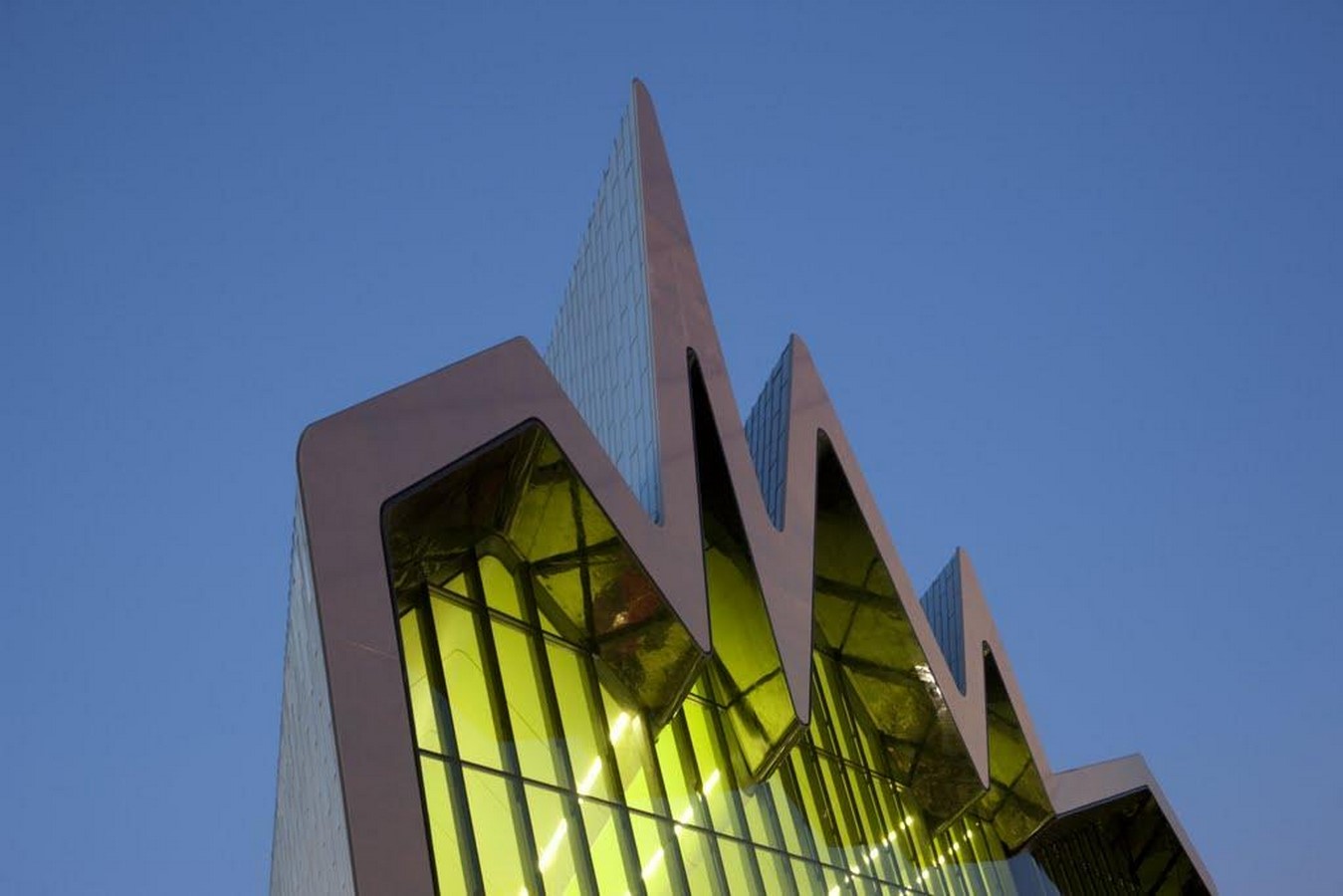
Similarly, the Riverside Museum, housing the Glasgow Museum of Transport, is a good example of Zaha’s skill at skillfully fusing art, architecture, and function.
The Use of Color and Texture
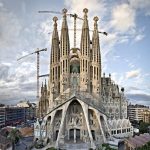
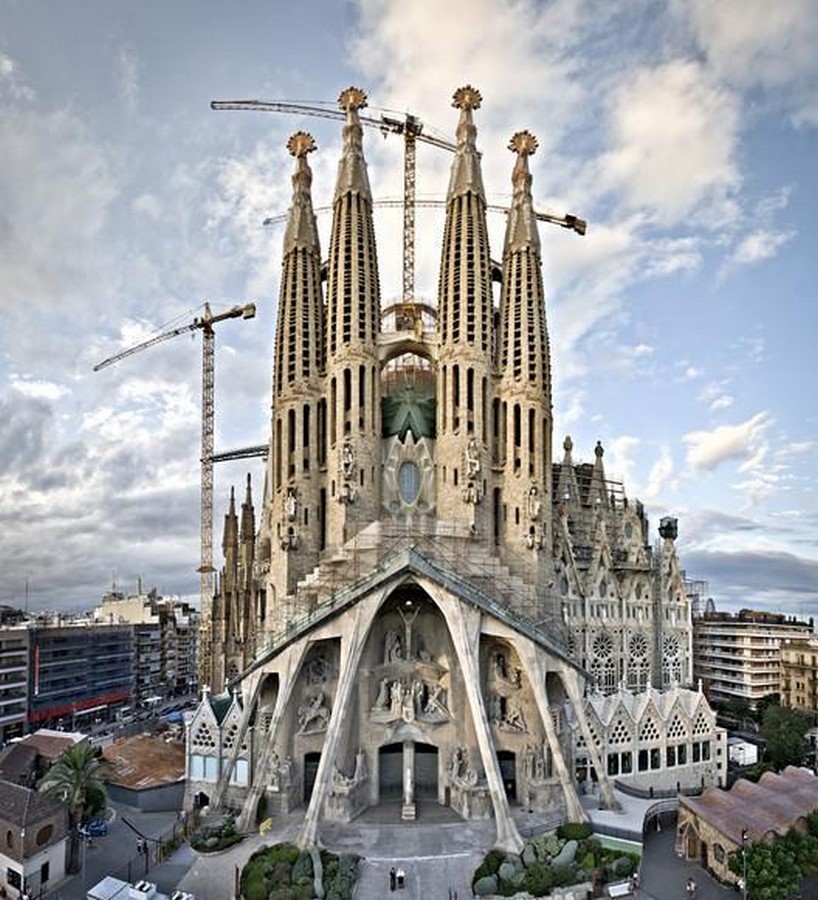
Sensory experiences are more meaningful with the use of color, texture, and materiality in architectural design. Antoni Gaudí’s works in Barcelona, like Sagrada Família and Casa Batlló, display the use of color and mosaic techniques. These buildings are visual spectacles, much like an artist’s canvas brought to life in three dimensions.
Integration of Murals and Installations
Public spaces and buildings often feature murals, graffiti, and installations that transform them into artistic landmarks. The Wynwood Walls in Miami, for example, blend street art with architectural elements, creating a dynamic environment that engages visitors. Similarly, the Berlin Wall evolved from a political boundary into a massive public art gallery, showcasing how architecture can become a medium for artistic expression.
Light as an Artistic Element
Light plays a crucial role in both architecture and art. Designers like James Turrell explore the effects of light and perception, creating immersive architectural spaces that feel like living paintings. The Chapel of Saint Mary of the Angels by Peter Zumthor uses natural light to enhance the spiritual and aesthetic experience of the space, demonstrating the artistic potential of light in architecture.
Art in Architecture: Enhancing Spatial Experience
Architecture not only incorporates artistic elements but also serves as a canvas for artists. For example: The 9/11 Memorial Museum in New York, for instance, combines architecture with art to create a solemn yet powerful space for reflection and remembrance. Several other contemporary projects illustrating how art enhances spatial experiences are as follows:
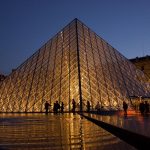
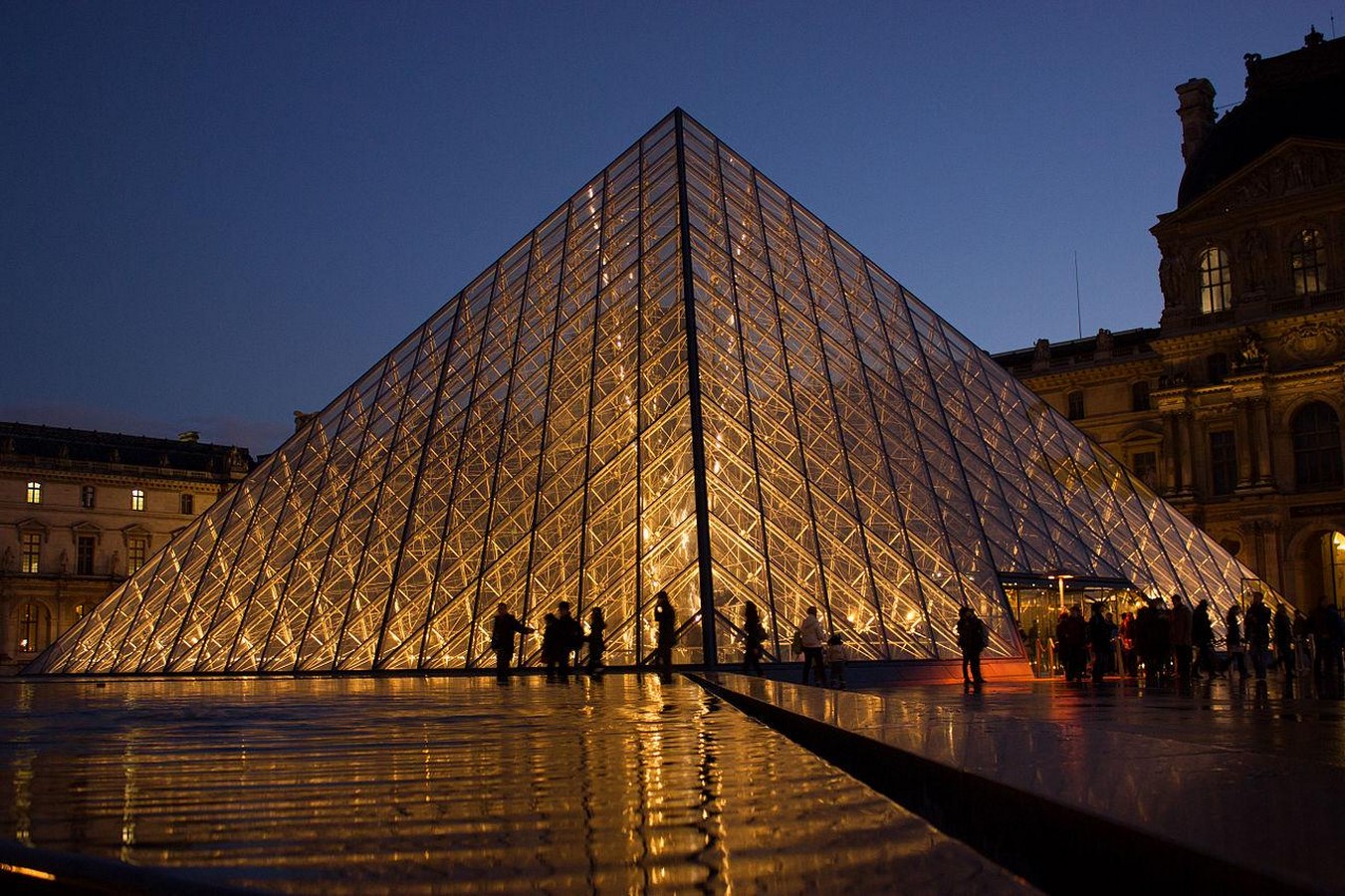
- The Louvre Pyramid, Paris
Designed by architect I. M. Pei, the glass pyramid at the Louvre Museum is an architectural statement that complements the historic art collections housed within. The pyramid itself is a work of modern art, contrasting yet harmonizing with the classical architecture of the museum.
- The Vessel, New York
The Vessel in Hudson Yards, designed by Thomas Heatherwick, is a remarkable example of architecture functioning as an interactive art piece. With its honeycomb-like structure and intricate staircases, visitors experience the space as both an architectural form and an artistic journey.
- The Serpentine Pavilion, London
The Serpentine Pavilion, an annual architectural commission, invites designers to create temporary structures that blur the line between architecture and art. Architects like Bjarke Ingels, Sou Fujimoto, and Ai Weiwei have contributed pavilions that are both sculptural and functional, emphasizing the fluidity between the two disciplines.
The Future of Art and Architecture with the Role of Digital Technology
Advancements in digital technology have further facilitated the convergence of architecture and art. Parametric design tools, 3D printing, and virtual reality allow architects to explore different dynamic forms and artistic expressions in their structures. Architects like Zaha Hadid and Patrik Schumacher use parametric design to create fluid and organic buildings that resemble sculptures. These computational techniques allow artistic freedom which was previously not possible in traditional architecture. Similarly, Virtual Reality and Augmented reality have opened the door to creating an art experience in places that might not be able to house art, just as health care facilities, where sculptures are challenging to install because of their strict rules in regard to sterile environments. Also, projection mapping furthermore fuses architecture and digital art by transforming buildings into dynamic and animated canvases. They make architectural facades living by changing in living time through light and motion. For example, the Festival of Lights in Berlin or Vivid Sydney has helped to enhance urban spaces by making architecture more interactive.
Conclusion
The fusion of architecture and art is always evolving. It continues to redefine our built environments in functional and creative ways, whether through sculptural forms, immersive light installations, digital innovation, or the use of colors, the intersection of architecture and art enhances human experiences and enriches cultural landscapes, leading to new and exciting developments.
References:
HMC Architects. (2019). The Intersection of Architecture and Art: Finding Beauty in Buildings | Thought Leadership. [online] Available at: https://hmcarchitects.com/news/the-intersection-of-architecture-and-art-finding-beauty-in-buildings-08-07-2019/.
Hives, A. (2024). In the realm of design, the intersection of architecture and art represents a dynamic fusion where functionality meets creative expression. This synergy is not merely an overlap but a profound collaboration that enriches both fields, producing spaces that are both visually stunning and functional. [online] Linkedin.com. Available at: https://www.linkedin.com/pulse/intersection-architecture-art-exploring-creative-collaborations-o71fc/ [Accessed 29 Mar. 2025].