Architecture has been shaping cities and temples through stone carving while constructing entire civilizations using Earth’s natural resources for millennia. But what if we reversed this equation? Terraforming Earth means that humanity should function as an architectural force which designs transformations to the planet Earth. Through purposeful and precise design instead of gradual interventions and cautious conservation we should focus on terraforming Earth itself.


Terraforming exists primarily in science fiction where writers depict Martian deserts transforming into gardens of Eden. Our planet requires attention since it exists in a dangerous state of disharmony. The Anthropocene has irreversibly transformed Earth so the most ethical choice becomes embracing planetary architecture to design sustainable climates and ecosystems and redesigned landscapes.

Rewilding vs. Engineering: The Paradox of Human Control
Modern environmentalism faces a crucial contradiction because it requires people to take two opposing actions: restraint and intervention. We receive two opposing instructions to respect nature by stepping back from human-made landscapes while permitting ecological processes to resume their natural patterns. Entropy needs human assistance to heal the scars created by industrialization together with pollution and deforestation because nature no longer functions autonomously. The reality of climate change emerged as a physical power that people cannot ignore anymore. A fundamental choice exists before us which demands either complete surrender or intentional control of our environment.

The transition to planetary design demands a fundamental change in thinking that surpasses basic sustainability principles. Active stewardship of the planet’s future would become essential because the goal would shift from minimizing damage to taking responsibility for planet-wide care. Modern technology allows scientists to reverse desert formation by creating controlled monsoon systems.

Our wind corridor design would direct ocean storms to reduce hurricane intensity. Forests could be created using parametric algorithms to function as carbon sink systems with built-in algorithmic intelligence rather than for human utilization. Planetary design presents Earth as a system which humans can shape with great care because it remains both delicate and receptive to modification through human intelligence.

The Death of Nature: Where Everything is Designed
The fundamental problem emerges when we try to design Earth because it challenges its original authenticity. Every time we redirect rivers and engineer biomes and predict weather patterns does the fundamental character of the planet fade away? Natural entities lose their authenticity when we eliminate their untamed presence.

People frequently adore natural areas yet Earth contains virtually no pure wilderness regions because human hands have touched every corner of the planet. Scientists often refer to the Amazon rainforest as planetary lungs yet they fail to recognize that Indigenous communities have gradually shaped this ecosystem through their cultivation practices during centuries. Science has discovered new forms of coral reef adaptation which result from human disturbance although the processes remain poorly understood. Natural evolution might exist as an integral process that develops through human activities.
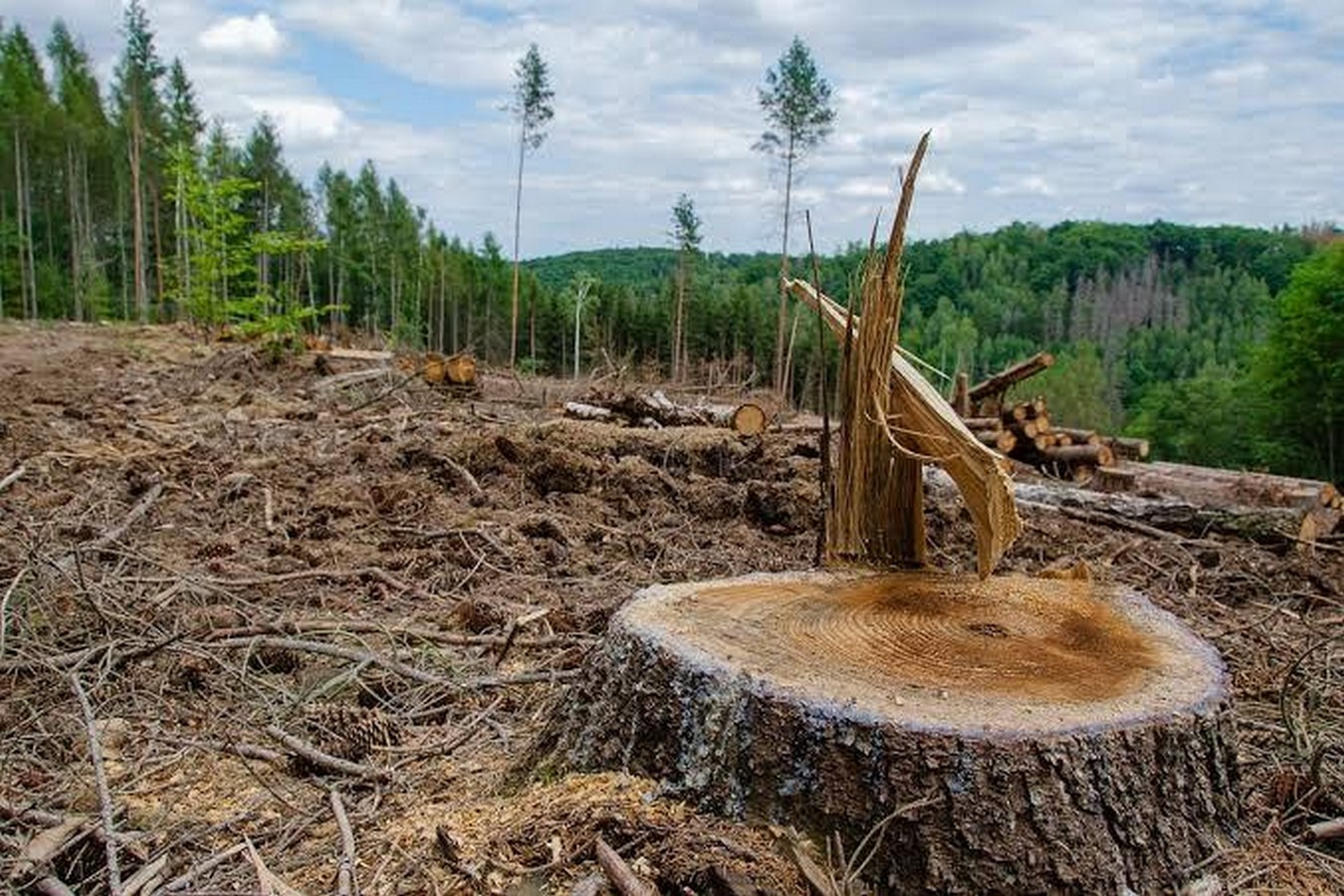
The process of Earth terraforming leads to the complete disappearance of the natural world as we know it. Human-designed landscapes will transform into the fundamental features of our new era which includes engineered mountain ranges and controlled oceanic flows and climate zones. The conclusion of human planetary dominance appears to be the logical result even if it brings discomfort to some people.

Beyond Sustainability: The Ethics of Planetary Architecture
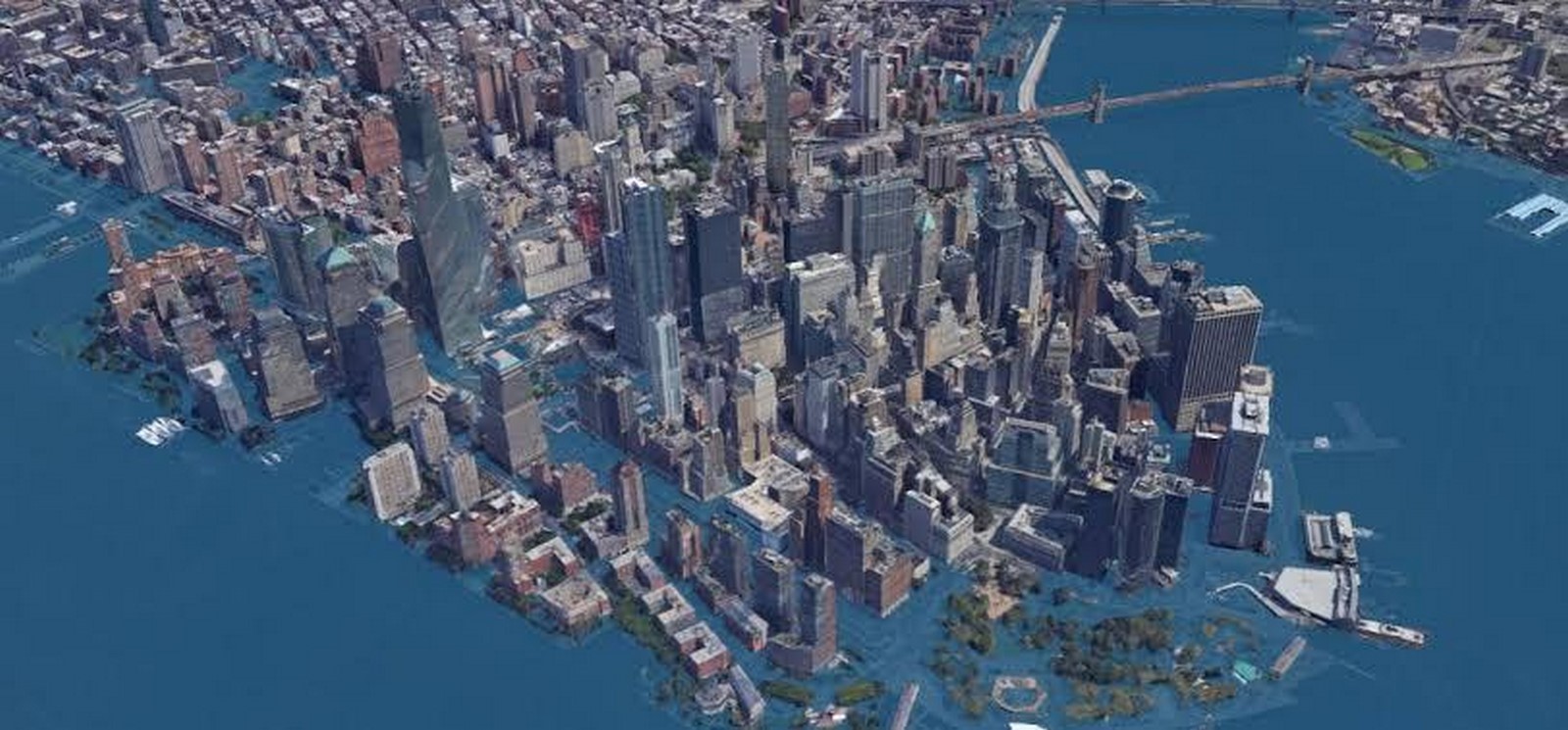
Planetary design creates extensive moral questions. Who determines which regions will receive priority attention? Technology should be used to protect historical ecosystems or we should embrace new environments born from climate changes. The inevitability of rising sea levels prompts the choice between preserving coastal cities or developing floating urban structures to accept the tides. Our failure to use available disaster prevention technology makes us actively contribute to nature’s destructive process.
The most dangerous element remains hubris. Throughout history humans have consistently believed themselves able to dominate nature through failed irrigation projects and nuclear disasters. The capability to reshape our planet through terraforming could be directed by a sustained planetary awareness system rather than political motives or economic gains. A 10,000-year framework should replace quarterly profit calculations for designing our systems.

The Architecture of an Engineered Planet
Earth’s transformation into a terraformed planet demands an architectural solution more than an engineering one. A unified integrated design requires the rethinking of materials alongside urban patterns together with ecological systems. Cities should exist as moving entities which follow climate shifts while mountains should be reshaped to function as carbon storage systems. Scientists should develop methods to print rainforests at their molecular structure while duplicating tree by tree to achieve faster biodiversity recovery than evolution can accomplish. The air should function as an architectural medium which adjusts its pollution-filtering structures through shape modifications based on changes in atmospheric conditions.

Human intervention in nature should form a partnership of enhancement rather than competition through symbiotic methods. Architecture in this future extends beyond buildings to include the design of landscapes as well as oceans and atmospheric currents.

Terraforming or Playing God?
The greatest question arises about our entitlement to perform Earth’s transformation. Some people believe that attempting such modifications amounts to arrogant behavior because it resembles divine intervention yet will lead to faster destruction. Others might counter that we have already reshaped Earth irrevocably, and that to refuse to act is not humility, but negligence.

When we recognize Earth as an evolving dynamic system our mission should be to collaborate as co-creators rather than act as conquerors or destroyers. When done correctly terraforming serves as a restoration practice instead of a means to dominate. Our main task consists of designing Earth’s future blueprints with wise principles and humility while protecting human and non-human existence.

The main purpose of terraforming appears to be developing a relationship with Earth rather than forcing its submission to human control. Learning to detect Earth’s natural frequencies requires us to design systems which harmonize with processes that predate human civilization. The essential issue revolves around our capacity to terraform Earth rather than our ability to use wisdom and self-control in this process and our ability to create solutions that surpass human limitations.
And if we can—what kind of world do we dare to dream?