Over the last few years, technology has become an integral part of everyone’s lifestyle. From smartphones to smart homes, we have come a long way. Contrary to our lifestyle, the Architecture, Engineering and Construction Industry (AEC) has been the biggest and slowest to adopt digital tools and innovation (Jose Luis Blanco, 2023). However, we have all witnessed that technological advancements have helped the AEC Industry to optimise delivering better outcomes, especially in terms of mitigating the increased infrastructure demand and shortage of skilled labour. Its usage has become significant right from the beginning of a project, that is, from designing to handing over and also further analysing its performance during the occupancy period. With several innovative tools such as Artificial Intelligence (AI), Computational simulation tools, Digital Twin Technology, Building Information Modelling (BIM), 3D Printing and Advanced Fabrication techniques gaining more traction, our built-environment future would be shaped by how efficiently and responsibly these tools are used.
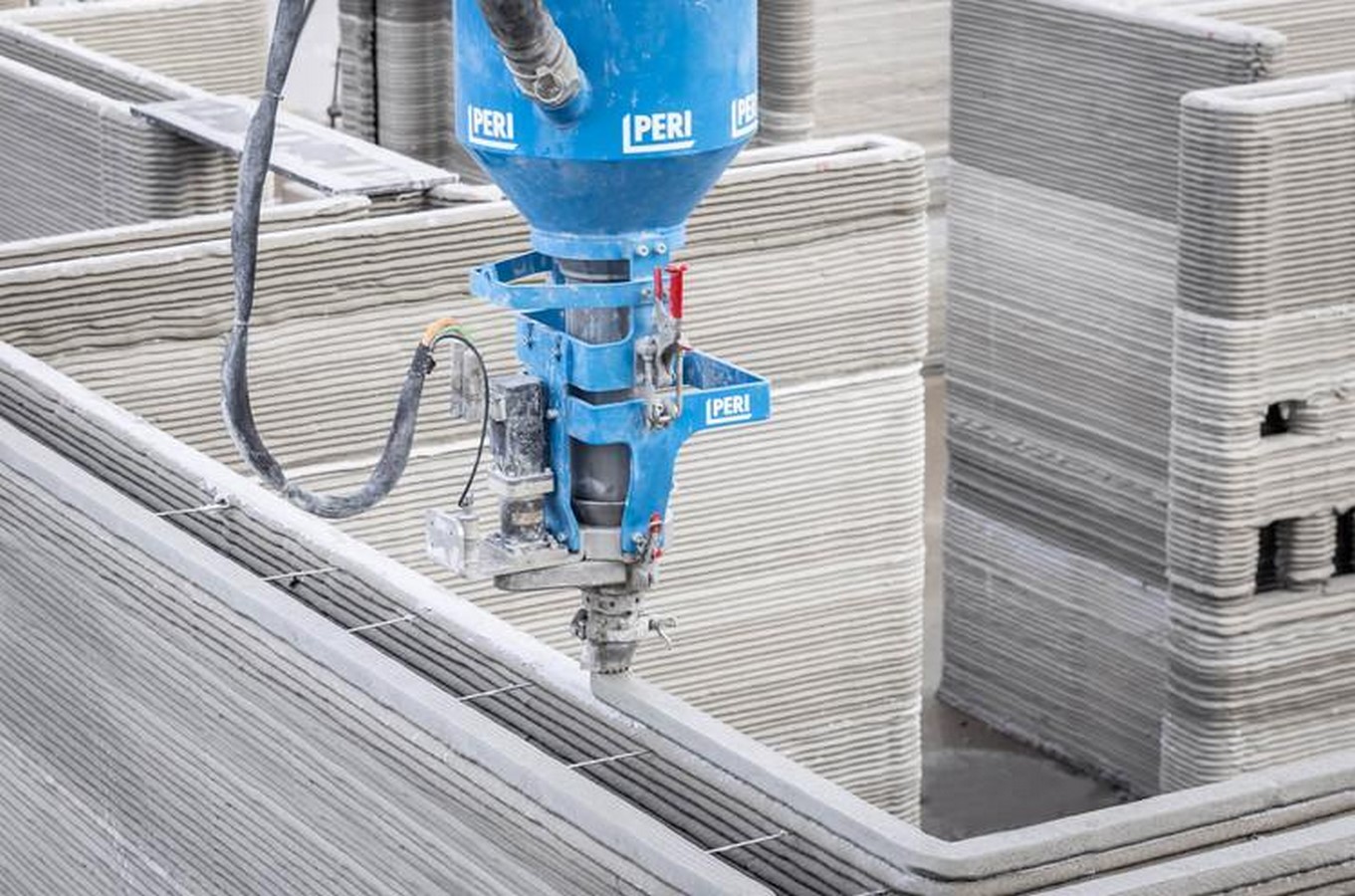

In this article, let’s look into how technological tools such as Artificial Intelligence (AI) and Digital Twin Technology are being adapted and what significance and improvement have they made to the overall built environment.
Influence of Artificial Intelligence (AI) on Architectural Design
With respect to the AEC Industry, AI is a very powerful tool. Unlike the common notion, AI is definitely not a replacement for architects or any other engineering or construction workforce, because it does not have the capacity to critically respond or make sound decisions based on site, historic or environmental context. (Dreith, 2022) (Fagan, 2024)
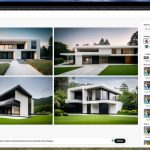
As per a survey conducted by RIBA in 2024, architectural practices have adopted AI only as an explorative tool to test and visualise new design ideas. Software that powers the experimental process includes but is not limited to, Adobe Firefly or in-built Photoshop Generative-AI, which allows architects to visualise or render a design image in a described landscape setting, making the process less time-consuming than the traditional rendering engines. (Fagan, 2024)
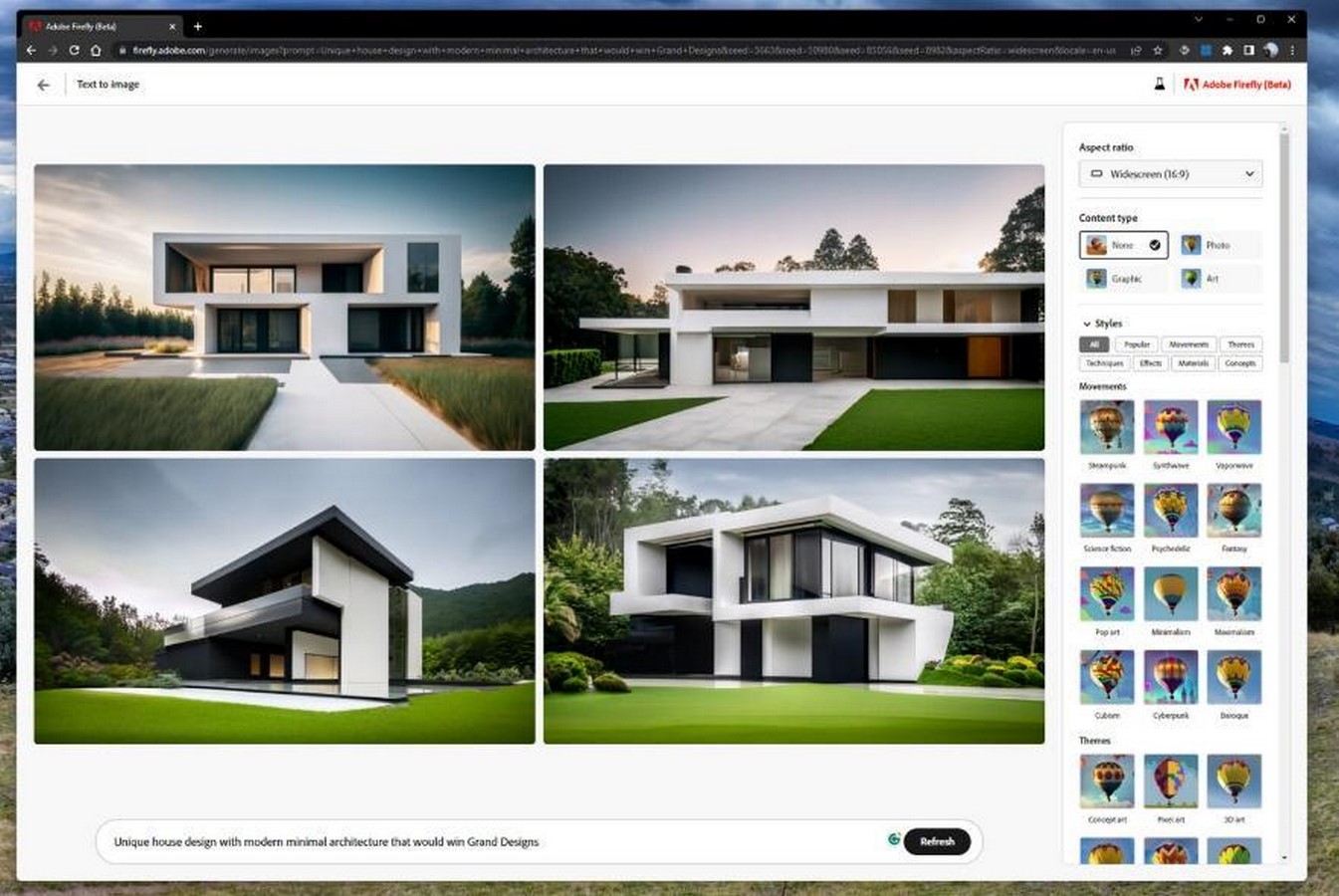
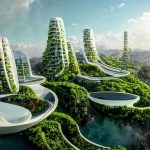
Further to this, tools like Midjourney, Stable diffusion and D5 Render are used to produce conceptual design images based on text prompts, with D5 Render even allowing integration of CAD and modelling tools such as Revit, Rhino and Sketchup. This allows the architects to explore various conceptual ideas, run several design iterations and expand the scope of design within a short time frame. While this sounds interesting to look forward to, it is important to note that, these conceptual ideas need not necessarily have the capacity to be realised as it generally lacks any material quality, structural character or even relate to regulatory norms. Beyond the design realm, AI tools like ChatGPT are being used by practices to write project reports and planning applications efficiently. (Fagan, 2024)
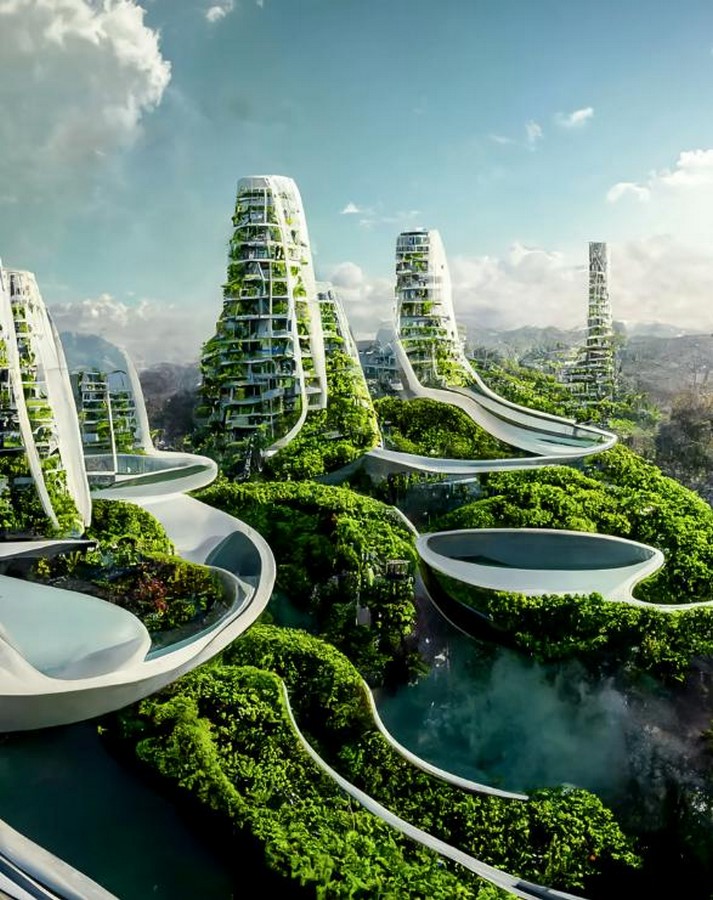
While these adaptations are quite usual in the ever-changing design methodologies adapted by architects across time periods, what AI has in store is the ability to assist architects in mitigating one of the most serious issues faced by the global community, Carbon Emissions.
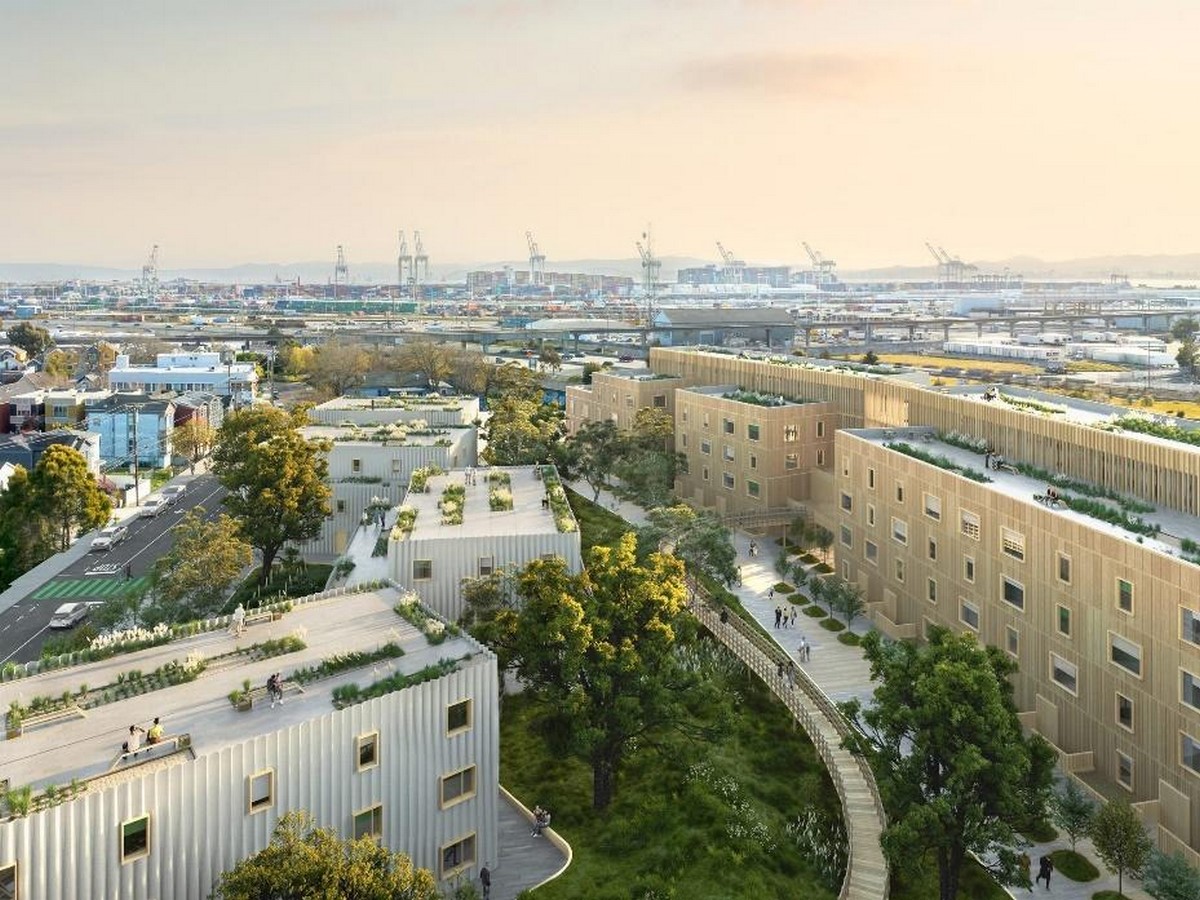
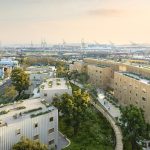
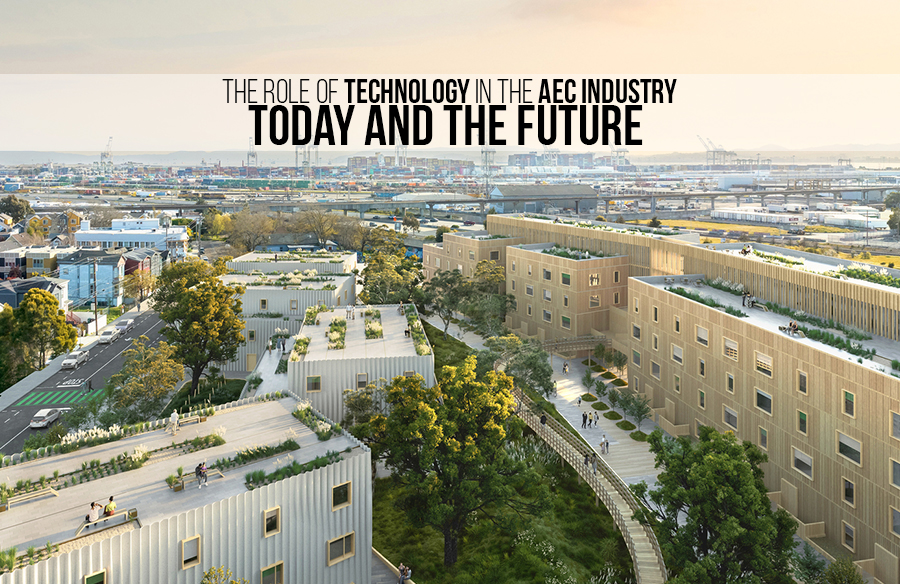
A recent project in the San Francisco Bay Area, The Phoenix, designed by MBH Architects is one such example of using the AI tool Design and Make Platform by Autodesk, to build 316 affordable and sustainable homes that only take half the cost, time, and carbon-footprint of a typical multi-family building in the locality. (Benjamin, 2023)

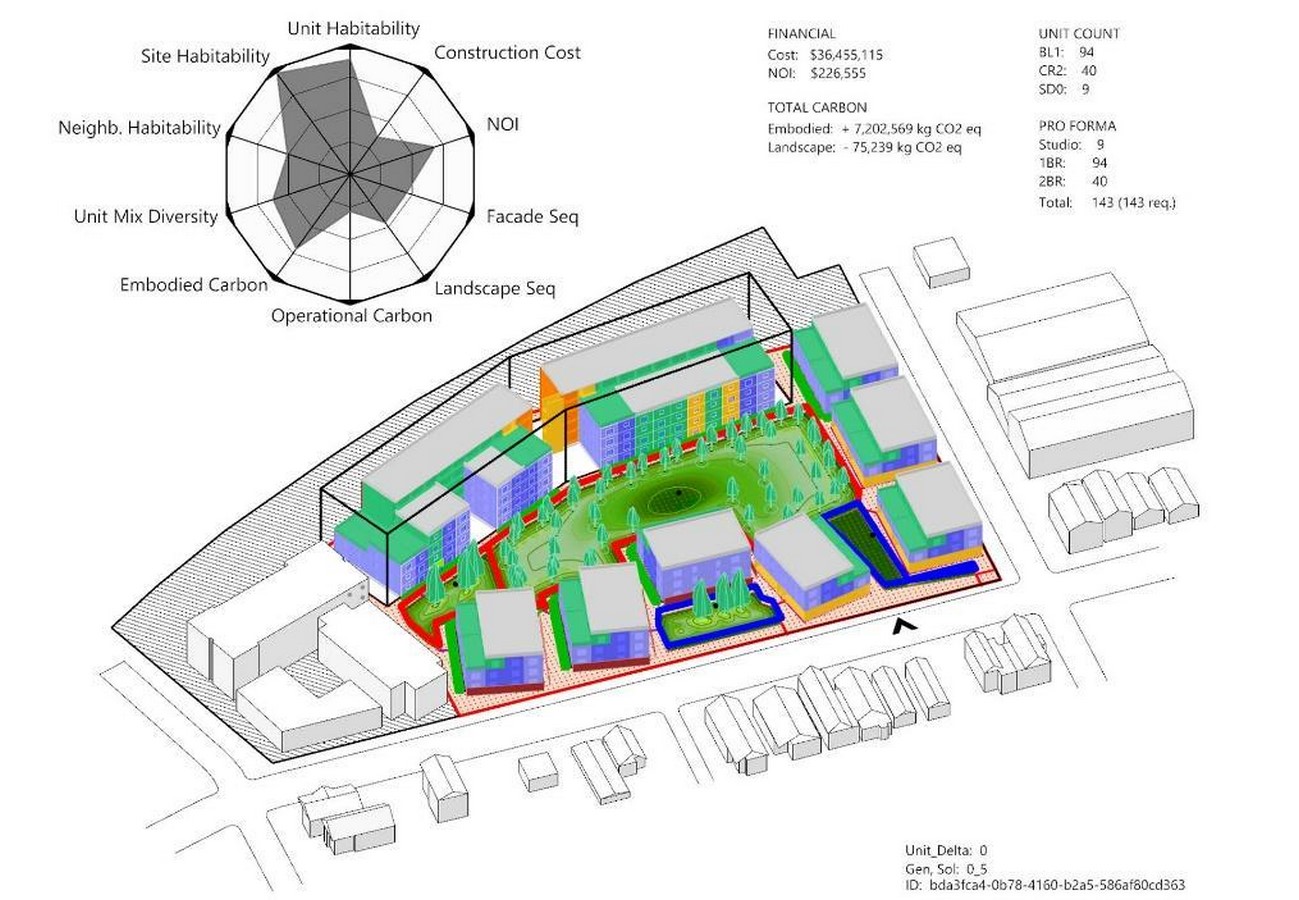
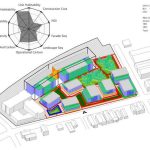
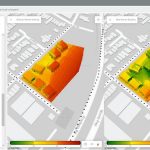
The project developed in the vacant Phoenix Ironworks Steel Factory site also uses Autodesk Forma, powered by AI to simulate the performance of design options in real-time to optimize the liveability, carbon footprint and cost. The AI-powered design methodology along with modular construction techniques using carbon-negative façade materials further brings down embodied carbon emission and construction time, making the project a landmark for achieving affordable and sustainable housing. (Holmes, 2024)

While this showed how a critical and efficient usage of AI tools makes a holistically positive impact on the built environment, lets us understand how another technological advancement, the Digital Twin influences the built-environment.
Digital Twin Technology Shaping the built-environment
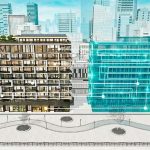
As the name suggests, a digital twin is a digital copy, a 3-dimensional model of a building or an entire city consisting of data from the past and the present. It is a technology that allows simulating and testing design strategies ranging from small-scale built-environment projects to large-scale urban planning. The technology can be used to understand the impact of new design intervention in a locality, measure the structural integrity of buildings over time, measure energy consumption and carbon emissions and test urban strategies in terms of mitigating floods and public transport models (transit-oriented development). (Leete, 2022)
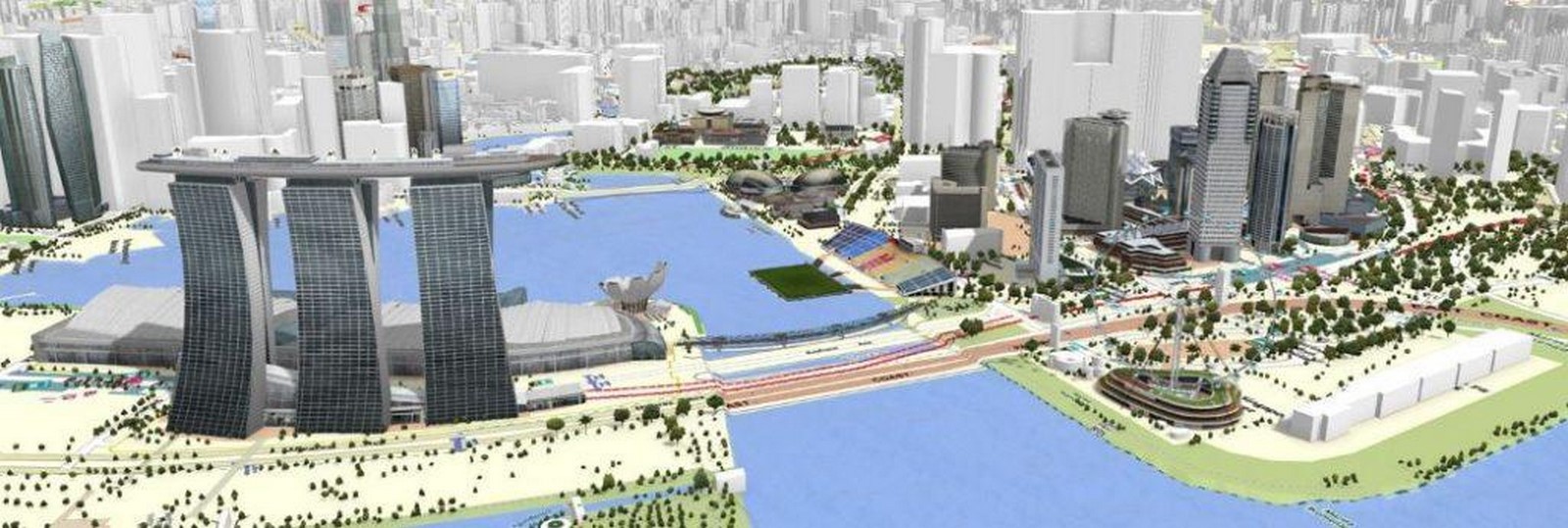
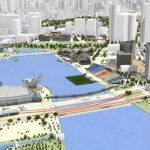
This technology was first adopted by Singapore, which built a digital twin of the whole country, to optimise its urban design strategies in terms of land use and to mitigate flash floods that Singapore had started to experience in 2011. (Walker, 2023)
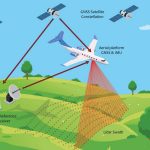
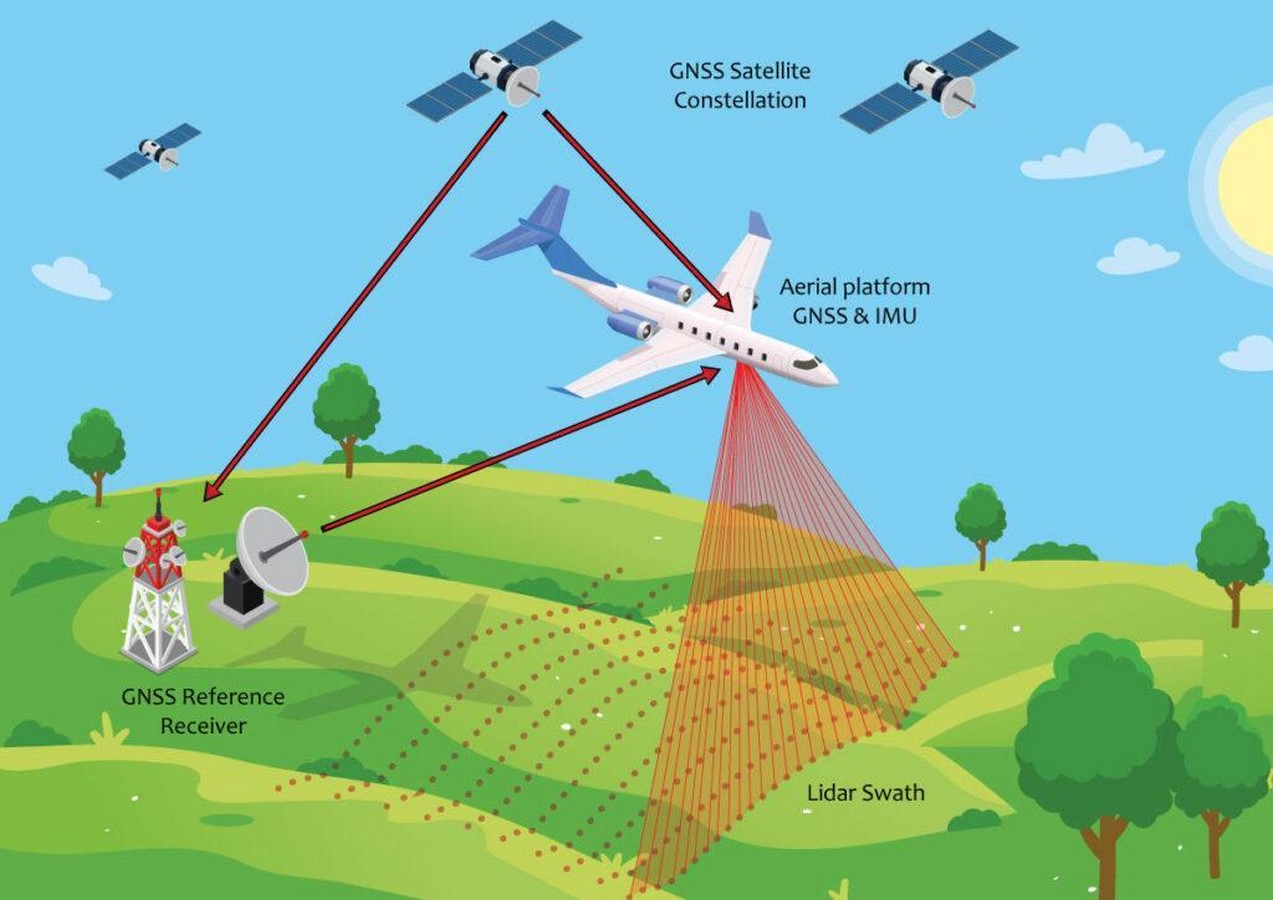
While the Singapore Land Authority (SLA), initially started developing 3D maps in 2012 to identify high flood-risk areas, it was later joined with GPS Lands Singapore and Bentley systems to develop a digital twin. To create the twin, a laser-scanning aircraft was used to record the terrain and surface information on a minute-level detail that was further supported by Laser-mounted vehicles recording street-level data to supplement the aerial imagery. (Walker, 2023)
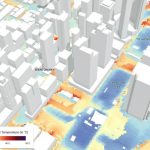
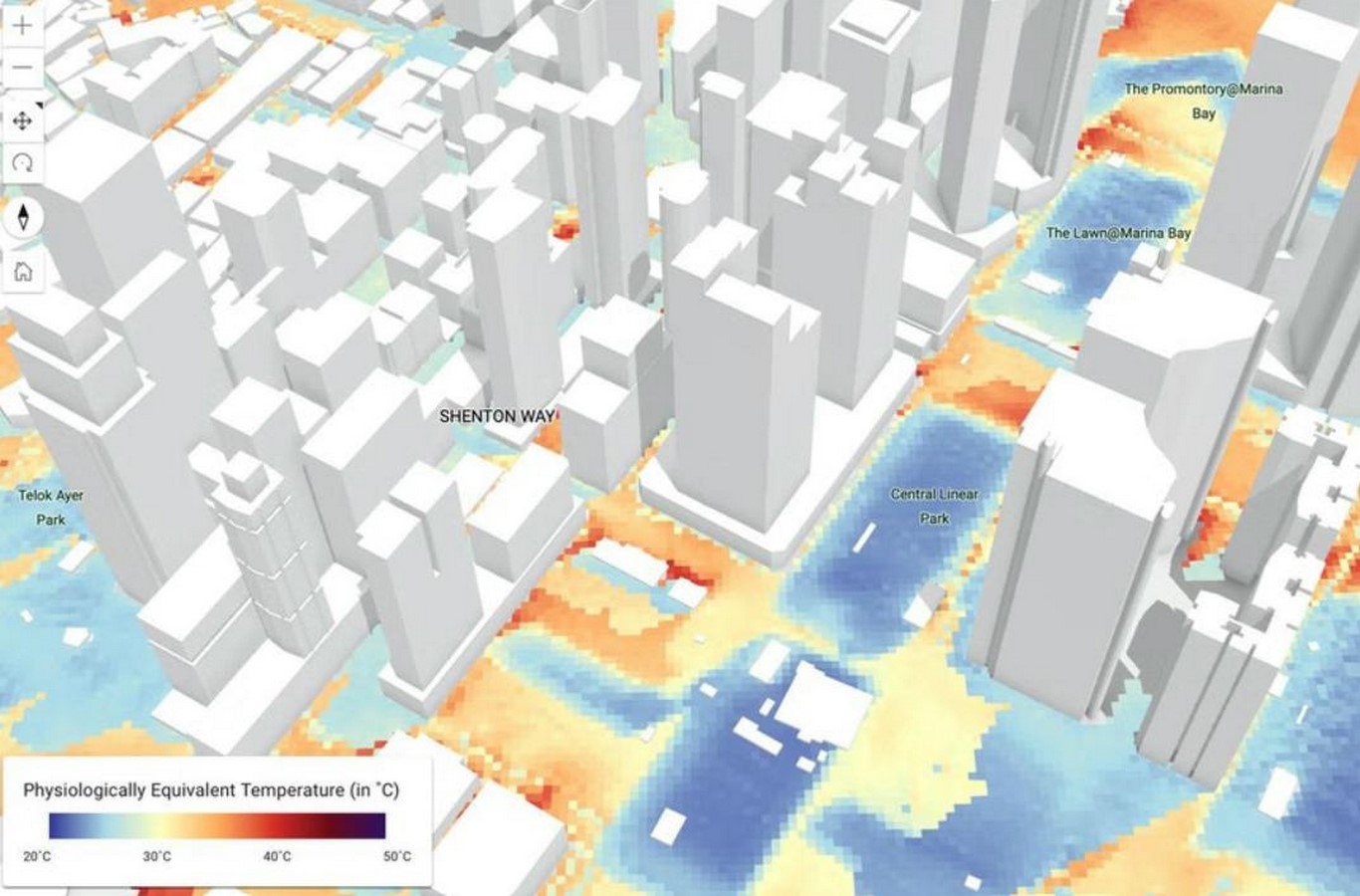
A decade-long process, completed in 2023, stands as a highly detailed 3D Twin that can be accessed by all and used by the government to make decisions in terms of asset management, green space management with further scope for disaster management with evacuation planning and analysing transport and pedestrian movements for efficient movement around the city. Beyond this, the government is working to build a subsurface digital twin of Singapore to understand the underground utility network that can further help in the city’s expansion. (Walker, 2023)
In conclusion, technological advancements will continue to act as a catalyst for achieving our environmental goals in the near future by making our design process more efficient with tested strategies allowing less-room for negative impact on our overall built-environment.
References:
Autodesk, 2025. Digital Twins in Construction, Engineering & Architecture. [Online]
Available at: https://www.autodesk.com/design-make/emerging-tech/digital-twin/architecture-engineering-construction
[Accessed 2025].
Benjamin, D., 2023. Autodesk-led collaboration brings AI-powered, climate-friendly solution to affordable housing . [Online]
Available at: https://adsknews.autodesk.com/de/news/ai-powered-sustainable-housing-phoenix/
[Accessed 2025].
Bhatia, M., 2022. How AI software will change architecture and design. [Online]
Available at: https://www.dezeen.com/2022/11/16/ai-design-architecture-product/
[Accessed 2025].
Cartwright, J., 2023. Hands-on with Adobe Firefly, their entry into the crowded AI-generated image space. [Online]
Available at: https://techau.com.au/hands-on-with-adobe-firefly-their-entry-into-the-crowded-ai-generated-image-space/
[Accessed 2025].
CHERISH, 2021. Airborne Laser Scanning. [Online]
Available at: https://cherishproject.eu/en/tool-kit/airborne-laser-scanning/
[Accessed 2025].
Cooling Singapore 2.0, 2024. Researchers build ‘digital twin’ of Singapore to assess urban heat, find ways to cool city. [Online]
Available at: https://www.straitstimes.com/singapore/researchers-build-digital-twin-of-singapore-to-assess-urban-heat-find-ways-to-cool-city
[Accessed 2025].
Dreith, B., 2022. How AI software will change architecture and design. [Online]
Available at: https://www.dezeen.com/2022/11/16/ai-design-architecture-product/
[Accessed 2025].
Fagan, D., 2024. Artificial Intelligence: how are architects using AI right now and what are they using it for?. [Online]
Available at: https://www.architecture.com/knowledge-and-resources/knowledge-landing-page/artificial-intelligence-in-architecture?srsltid=AfmBOoq-q2nqKZFZilVIt3OxKh6zDJHlRU9tGPgGfpruysuOPrU7ikUK
[Accessed 2025].
Holmes, J., 2024. How AI in architecture is shaping the future of design and construction. [Online]
Available at: https://www.autodesk.com/design-make/articles/ai-in-architecture#:~:text=AI%20in%20architecture%20design%20transforms,showcasing%20AI%20applications%20in%20architecture.
Jose Luis Blanco, D. R. A. S. a. A. T., 2023. From start-up to scale-up: Accelerating growth in construction technology. [Online]
Available at: https://www.mckinsey.com/industries/private-capital/our-insights/from-start-up-to-scale-up-accelerating-growth-in-construction-technology
[Accessed 2025].
Leete, R. I., 2022. What is a digital Twin?. [Online]
Available at: https://www.archdaily.com/975256/what-is-a-digital-twin
[Accessed 2025].
PERI, 2022. Can 3D Printing Reshape Residential Architecture as We Know It?. [Online]
Available at: https://www.archdaily.com/970937/can-3d-printing-reshape-residential-architecture-as-we-know-it
[Accessed 2025].
Walker, A., 2023. Singapore’s digital twin – from science fiction to hi-tech reality. [Online]
Available at: https://infra.global/singapores-digital-twin-from-science-fiction-to-hi-tech-reality/
[Accessed 2025].