From Leonardo da Vinci’s The Adoration of the Magi to Antoni Gaudí’s Sagrada Família, history is full of masterpieces that were left incomplete. Some were abandoned due to the artist’s perfectionism, others because of external circumstances, and some because their vision was simply too grand to be contained within a single lifetime. But what is it about unfinished works that fascinates us so deeply? Why do they sometimes feel more powerful than completed pieces? Let’s dive into the compelling world of art that remains forever in progress.

The Allure of the Unfinished
There’s something undeniably intriguing about unfinished artwork. It offers a glimpse into the artist’s mind—sketches left visible, brushstrokes suspended in motion, and ideas that seem to hover just beyond completion. Unfinished works invite us to participate in the creative process, imagining what could have been. They often hold an energy that polished, finalized works may not possess—a rawness that feels immediate and intimate.
The Perfectionist’s Dilemma
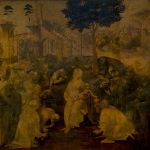
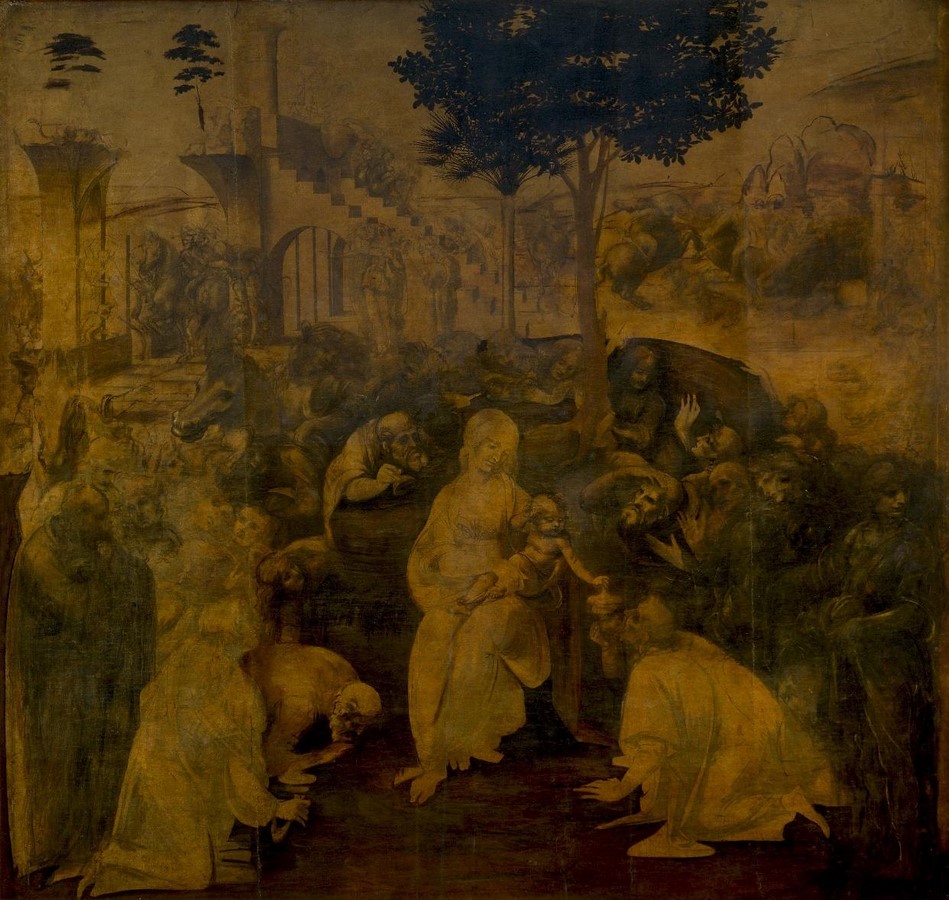
One of the most common reasons artists leave work unfinished is perfectionism. Leonardo da Vinci was notorious for his inability to let go of a project. His Adoration of the Magi, begun in 1481, remains a chaotic swirl of figures and unfinished faces. But rather than detracting from its beauty, this incompleteness adds to its mystique. The painting reveals Leonardo’s working method, his evolving ideas, and the sheer ambition that may have ultimately led him to abandon it.
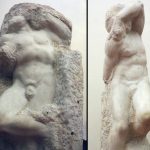
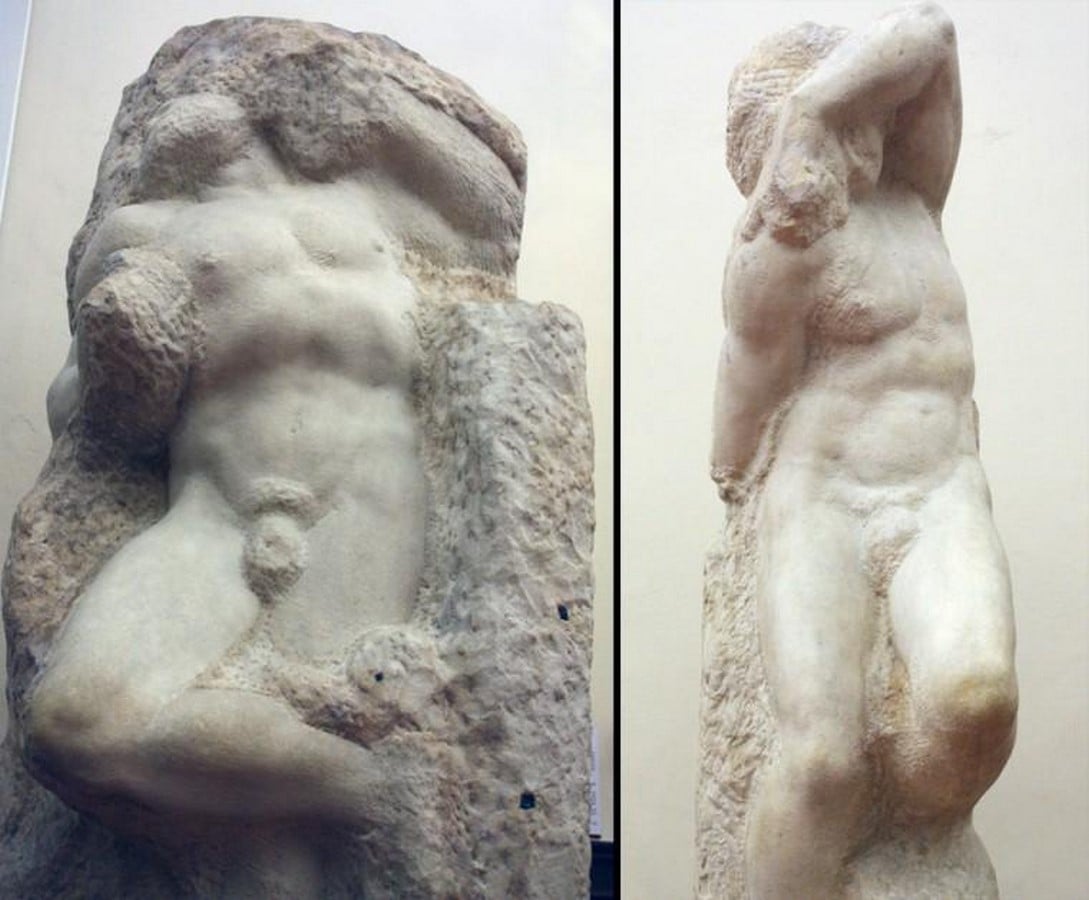
Similarly, Michelangelo’s The Slaves, a series of sculptures meant for the tomb of Pope Julius II, remain half-emerged from their marble prisons. The figures appear to be struggling to free themselves, making the unfinished state feel like an intentional artistic statement rather than an accident. Michelangelo’s frustration with the project, combined with shifting political and financial constraints, left these sculptures incomplete. Yet their raw, unfinished nature makes them among his most emotionally compelling works.
The Weight of Ambition
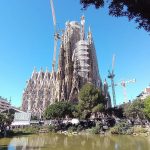
Some artists simply conceive ideas too vast to be finished in their lifetime. The most famous example is Antoni Gaudí’s Sagrada Família in Barcelona. Started in 1882, the basilica remains under construction more than a century after Gaudí’s death in 1926. His vision was so grand, his architectural techniques so ahead of their time, that the world is still catching up. And yet, the unfinished nature of Sagrada Família has only added to its legend, making it one of the most visited architectural sites in the world.
Another example is Franz Schubert’s Symphony No. 8, known as the Unfinished Symphony. The two completed movements are hauntingly beautiful, yet the reason Schubert never completed the work remains a mystery. Some speculate he lost interest, others believe he intended it as a fragment. Whatever the reason, the incomplete nature of the piece only enhances its poignancy.

External Circumstances: Wars, Tragedies, and Financial Struggles
Not all unfinished works are left due to artistic temperament. Sometimes, life itself intervenes. The renowned American writer F. Scott Fitzgerald left his final novel, The Last Tycoon, incomplete when he died suddenly of a heart attack. Though the novel was later published with his notes, it remains a tantalizing glimpse of what could have been—a literary ghost haunting the world of unfinished masterpieces.
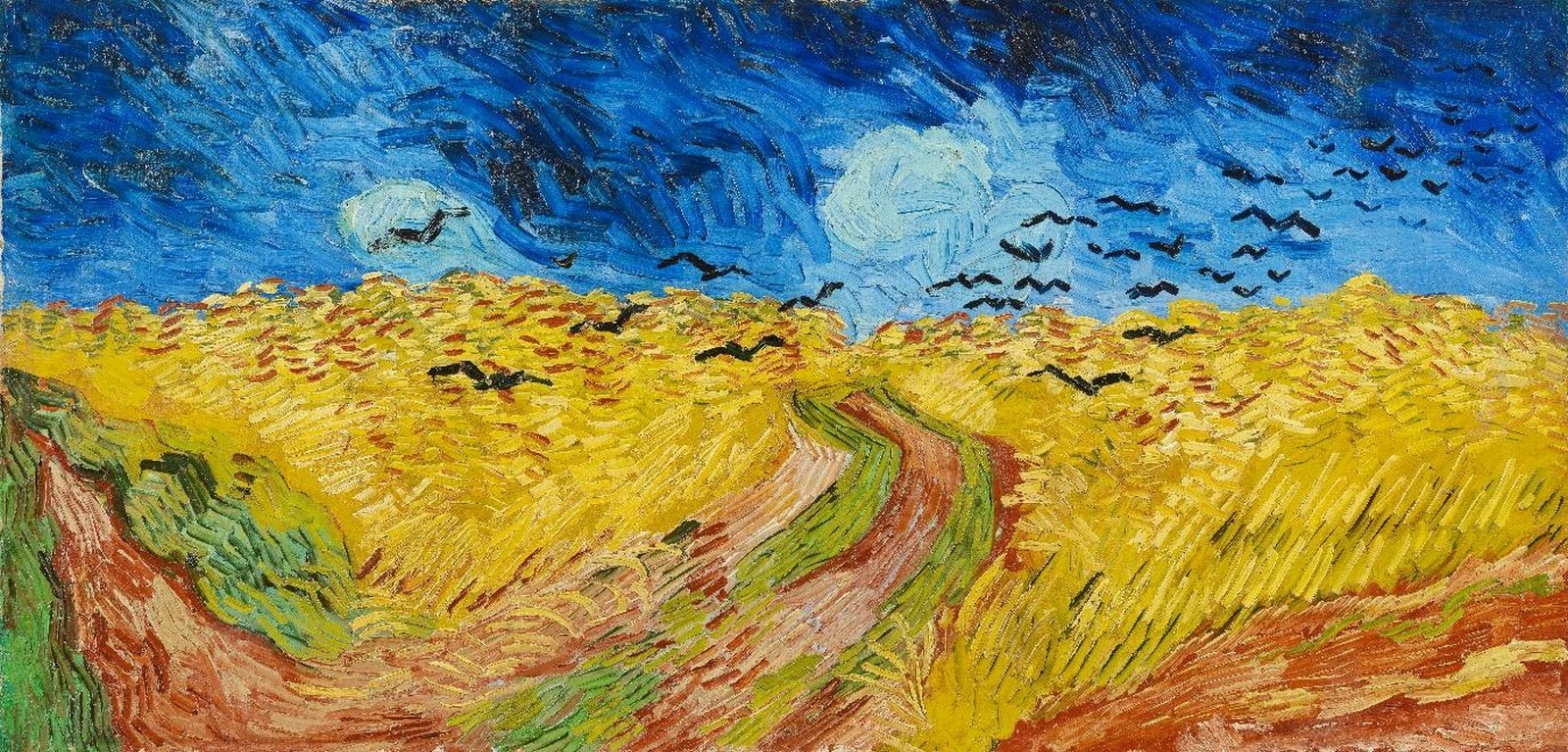
Vincent van Gogh, one of history’s most celebrated painters, created over 2,000 artworks in just a decade. But his tragic death at 37 left many paintings in various stages of completion. One of the most poignant is Wheatfield with Crows, often believed to be his final work. The heavy, expressive brushstrokes and stormy sky seem to mirror his turbulent emotional state. Whether or not it was his last painting, its raw intensity and unfinished feeling add to its emotional weight.
The Beauty of the Process
While we often think of unfinished works as incomplete, some artists embrace the idea of leaving things undone as part of their philosophy. Japanese aesthetics include the concept of wabi-sabi, which finds beauty in imperfection and incompletion. Many Zen ink paintings are intentionally left with open spaces, allowing the viewer’s imagination to complete the picture. This approach sees incompletion not as failure, but as an integral part of the work’s essence.
Similarly, modern artists have deliberately left works unfinished as a statement. Marcel Duchamp’s The Large Glass shattered during transportation, but rather than repairing it, Duchamp declared it complete in its broken state. His decision challenges our notions of what “finished” even means in art.
A Conversation Between Artist and Viewer
Perhaps what makes unfinished works so compelling is the way they invite us in. Unlike completed pieces that present a finished thought, unfinished works remain open-ended. They allow for interpretation, speculation, and a sense of participation in the artist’s journey. We become co-creators, filling in the gaps with our own imagination.
When we look at an unfinished masterpiece, we see not just the work itself, but the artist’s struggle, their ambition, and the barriers—internal or external—that kept them from finishing. In a way, these works remind us that life itself is often unfinished. We all leave things undone, dreams half-realized, ideas still forming. And maybe, just maybe, there’s beauty in that too.