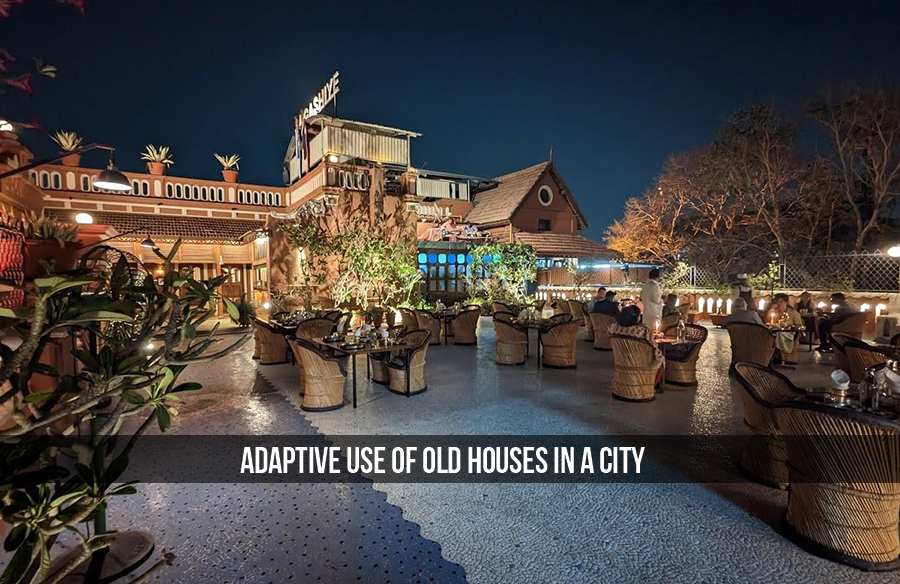
Adaptive reuse is the process of reusing buildings for other purposes. It aims to preserve historical heritage while accommodating contemporary needs. Today, adaptive reuse is slowly trending. Jodhpur and Ahmedabad, India, are great examples of adaptive reuse as both cities have successfully repurposed their historic structures while preserving their cultural and architectural importance. Ahmedabad and Jodhpur are two of the oldest cities of India where the traditional architecture of old houses, particularly havelis, pol houses, and traditional dwellings, has a big architectural, cultural, and historical value. As they are at risk due to modernization, adaptive reuse offers a sustainable solution to retain their historical essence by repurposing these structures for modern uses.
Importance of Adaptive Reuse
Adaptive reuse is very important in heritage conservation. It ensures that these structures remain a part of the city’s landscape, representing its glorious history rather than being demolished. Similarly, retrofitting traditional buildings reduces construction and demolition waste. It promotes environmentally friendly architecture by minimizing material wastage. Likewise, the repurposing of heritage homes as boutique hotels, cultural centers, museums, or cafés attracts tourists who are interested in history, architecture, and cultural experiences. This helps to generate local employment opportunities and helps to revitalize the local economy. It also helps to preserve local craftsmanship as many adaptive reuse projects involve artisans and craftsmen skilled in traditional techniques. They ensure that the knowledge is preserved and passed onto future generations, too. Maintaining traditional structures reinforces a sense of place among residents. It helps to foster community bonds by enhancing community engagement, as successful adaptive reuse projects often involve local communities in decision-making, ensuring that cultural heritage remains a shared and valued asset.
Approaches to Adaptive Reuse with Examples
Traditional houses in Jodhpur are creatively and carefully modified for contemporary needs in several ways, ensuring harmony between modern usability and preservation.
-
Boutique Hotels and Heritage Stays
Many old havelis and pol houses have been successfully transformed into boutique hotels, offering visitors an experience of historical architecture. Several heritage hotels integrate traditional design with modern hospitality features. Some examples are as follows:
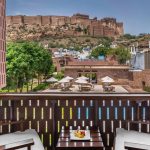
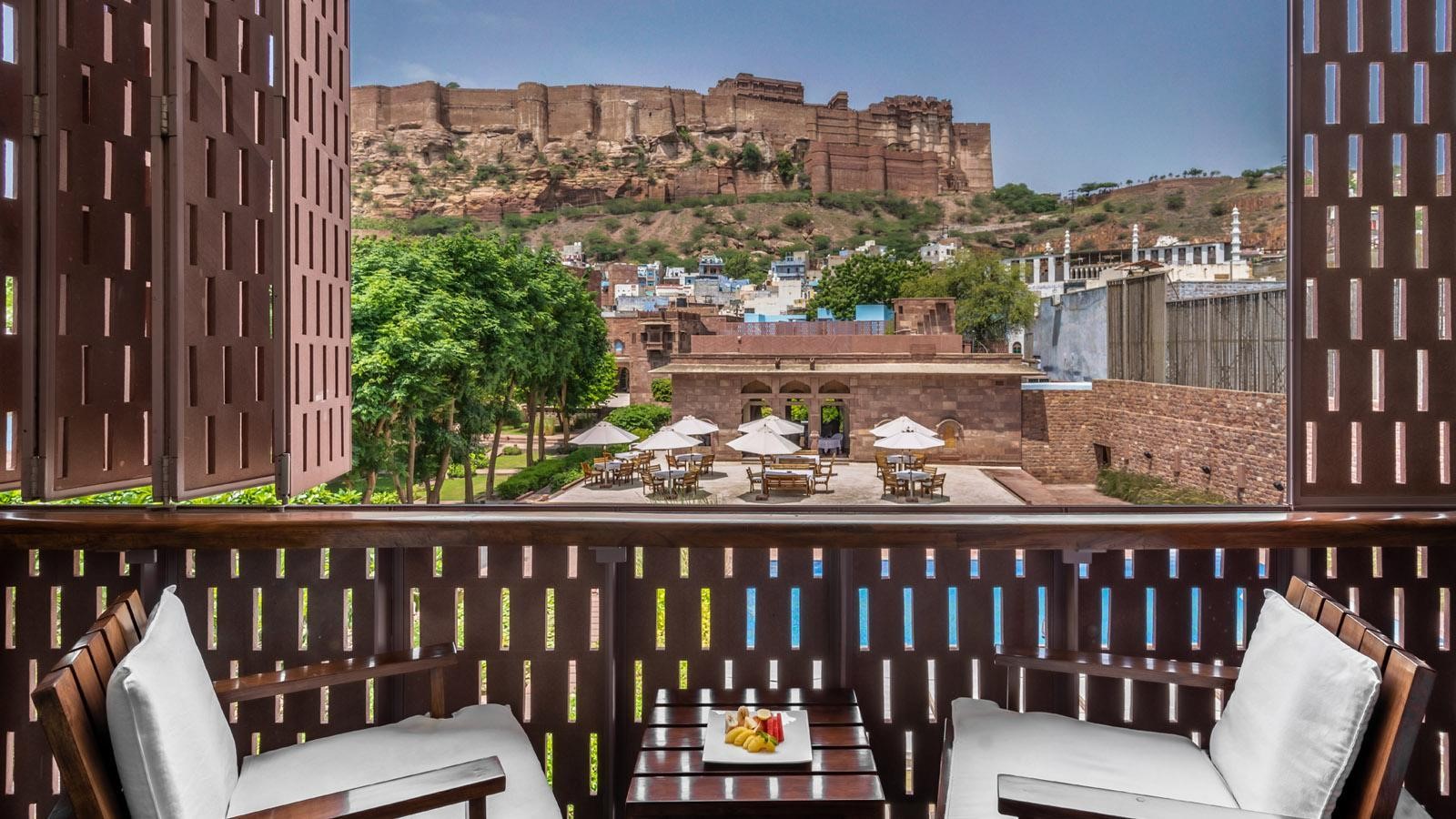
RAAS- Jodhpur
It is a boutique hotel with 39 rooms at the Mehrangarh Fort’s base. It is a successful adaptive reuse project where an 18th-century haveli has been converted into a luxury hotel. This project was creatively done by Studio Lotus in collaboration with Praxis, integrating the use of authentic materials like lime mortar, Jodhpur sandstone, authentic workmanship, and elements like courtyards and jharaokhas, which are overhanging enclosed balconies. The workmanship and the spaces. It is a perfect example of where modern and traditional architecture blend.
House of MG, Ahmedabad
A heritage house that was built in 1924 for a wealthy textile magnate was turned into a heritage boutique hotel with a renowned café retaining its old-world charm. It has all the amenities and comforts of a world-class business hotel. It has rooms and suites, one service apartment, two restaurants, a conference lounge, an indoor swimming pool, and a health club. There is also an in-house design studio and gift shop that has specially designed and hand-made items by master craftsmen of Ahmedabad and the nearby vicinity.
-
Cafés, Restaurants, and Leisure
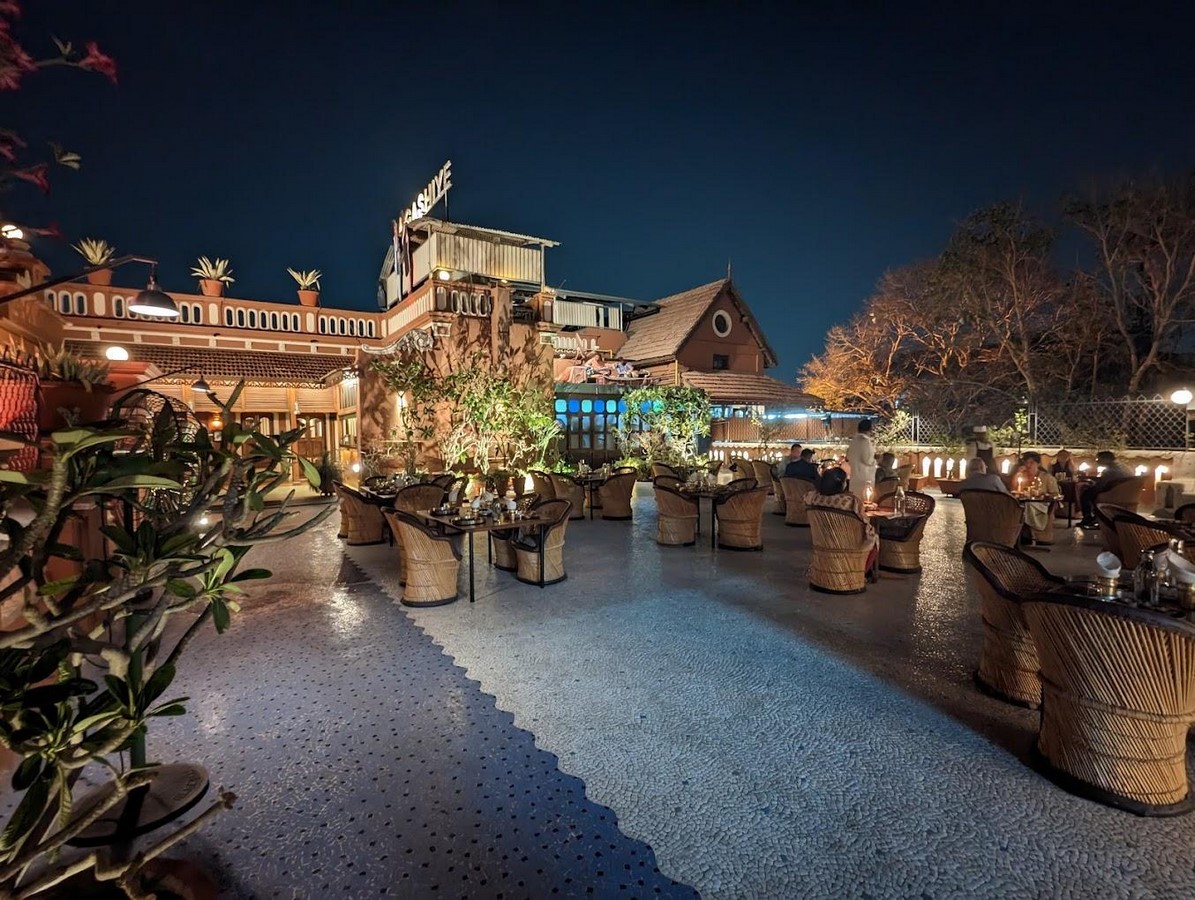
Adaptive reuse has also been remarkable in converting old houses into vibrant cafés and co-working spaces, blending heritage aesthetics with contemporary work and leisure needs. Some of the examples are as follows:
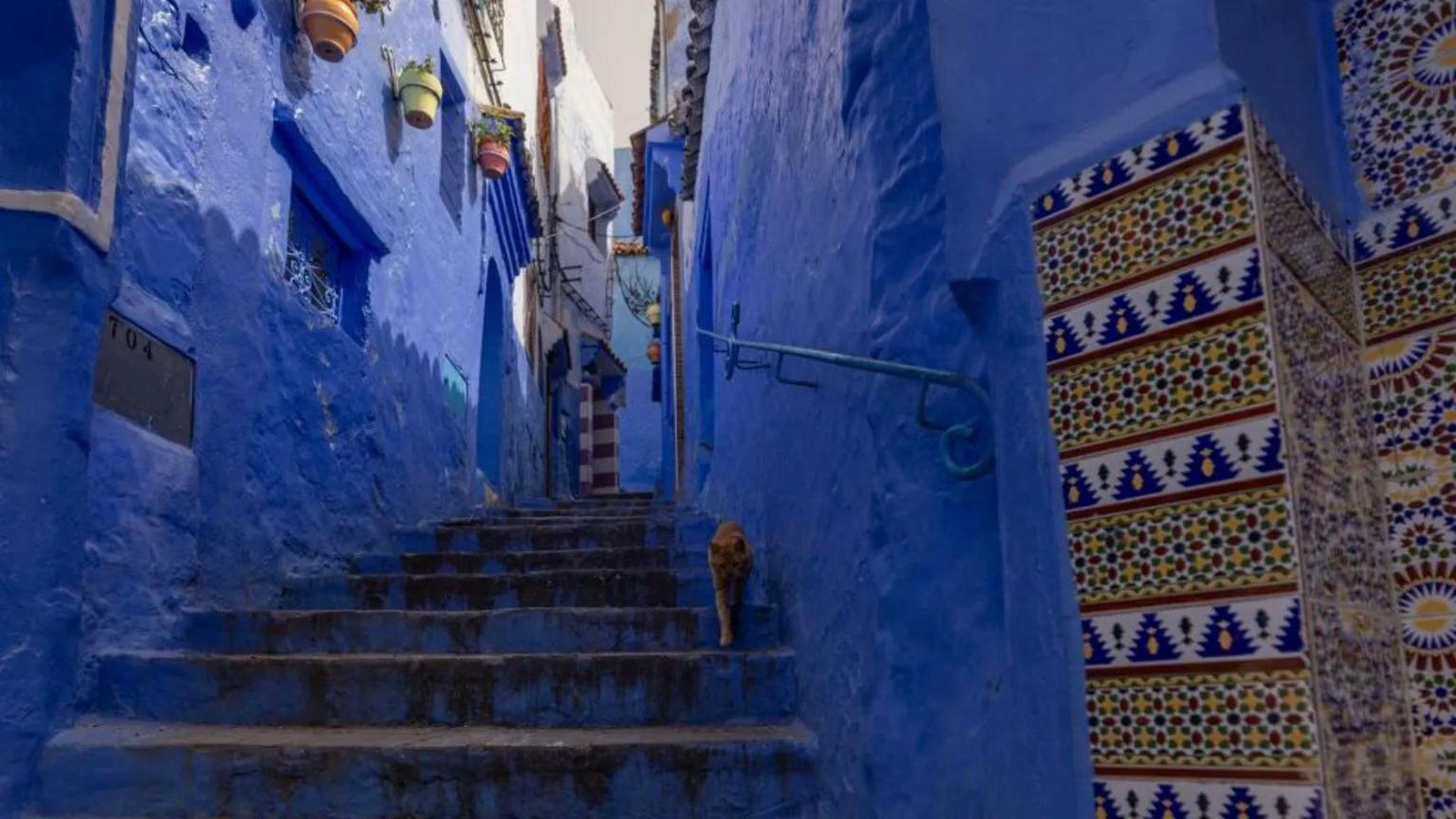
The Blue City Walk in Jodhpur
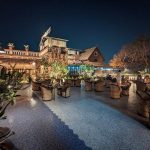
Several heritage houses have been transformed into cafés that offer a traditional ambiance while catering to modern tourists and locals. The Jodhpur Walking Tour is a multi-sensory experience led by a Blue City insider that includes shopping, a food hunt with a sip of aromatic tea, local snacks, and much more. People can discover beautiful temples, busy markets, and the famous blue Havelis of Navchowkiya. People can experience the walk through the colorful old alleys of an ancient city. Along the walkway, many cafes and rooftop restaurants provide a great spot to relax and enjoy the view.
-
Cultural Centers and Art Galleries
Many old homes with large courtyards and intricate architectural details have been converted into cultural centers, exhibition spaces, and art galleries.
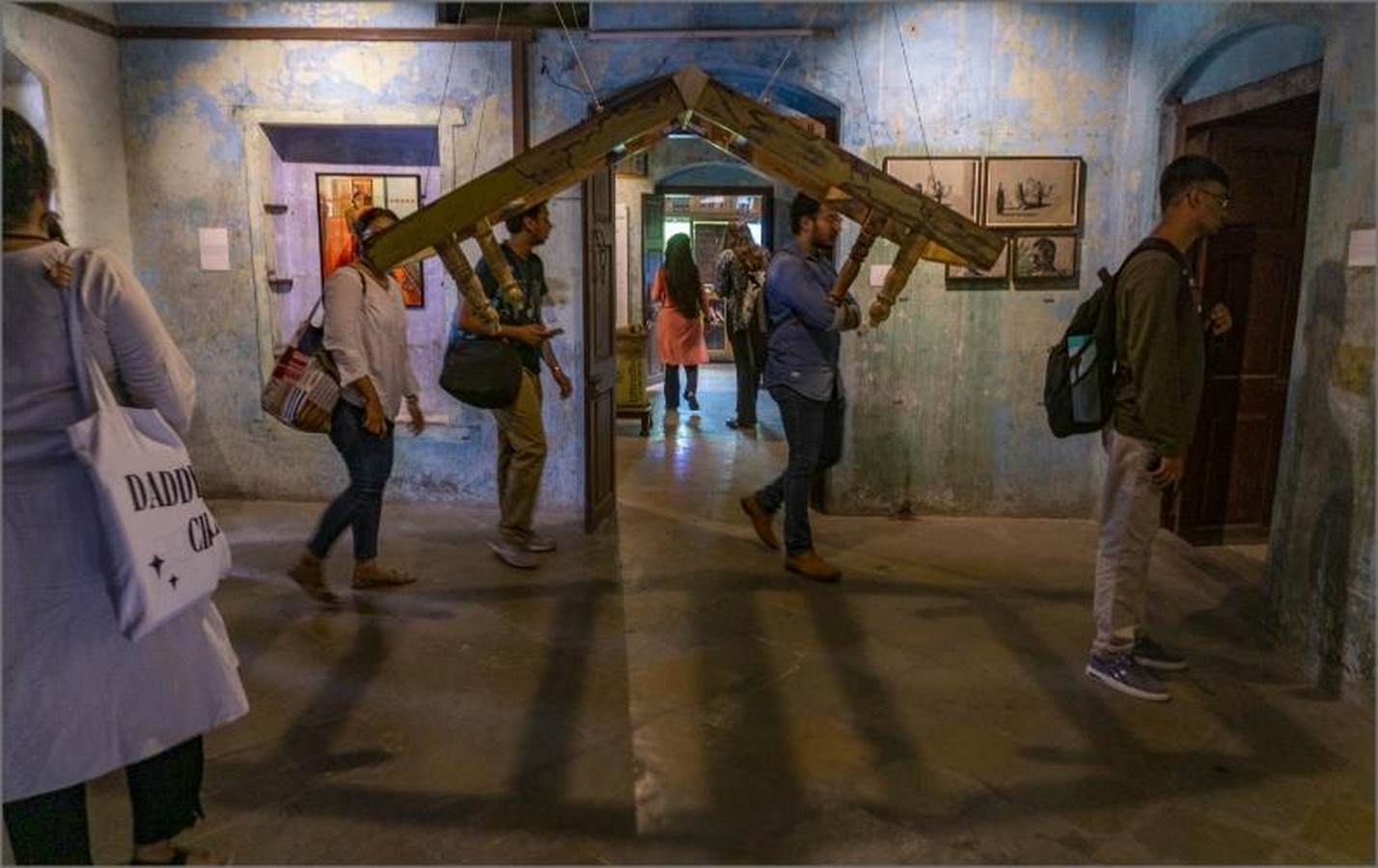
Conflictorium, Ahmedabad
The museum is housed in a restored house. It is dedicated to conflict resolution, storytelling, and social dialogue. It is located in Gool Lodge, which is a 90-year-old heritage house owned by the Gool Lodge, a Parsi family. In the building, the original architecture and wooden interiors have been preserved. Unlike other conventional museums, it explores themes of social, political, and cultural conflict through art installations, exhibitions, and interactive spaces. It preserves Ahmedabad’s heritage, adding the social relevance function, and encourages public interaction makes it a good model for adaptive reuse.
-
Community Centers and Libraries
Some old houses are repurposed as public spaces like libraries, community hubs, and skill-training centers for the community.
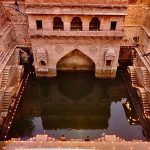
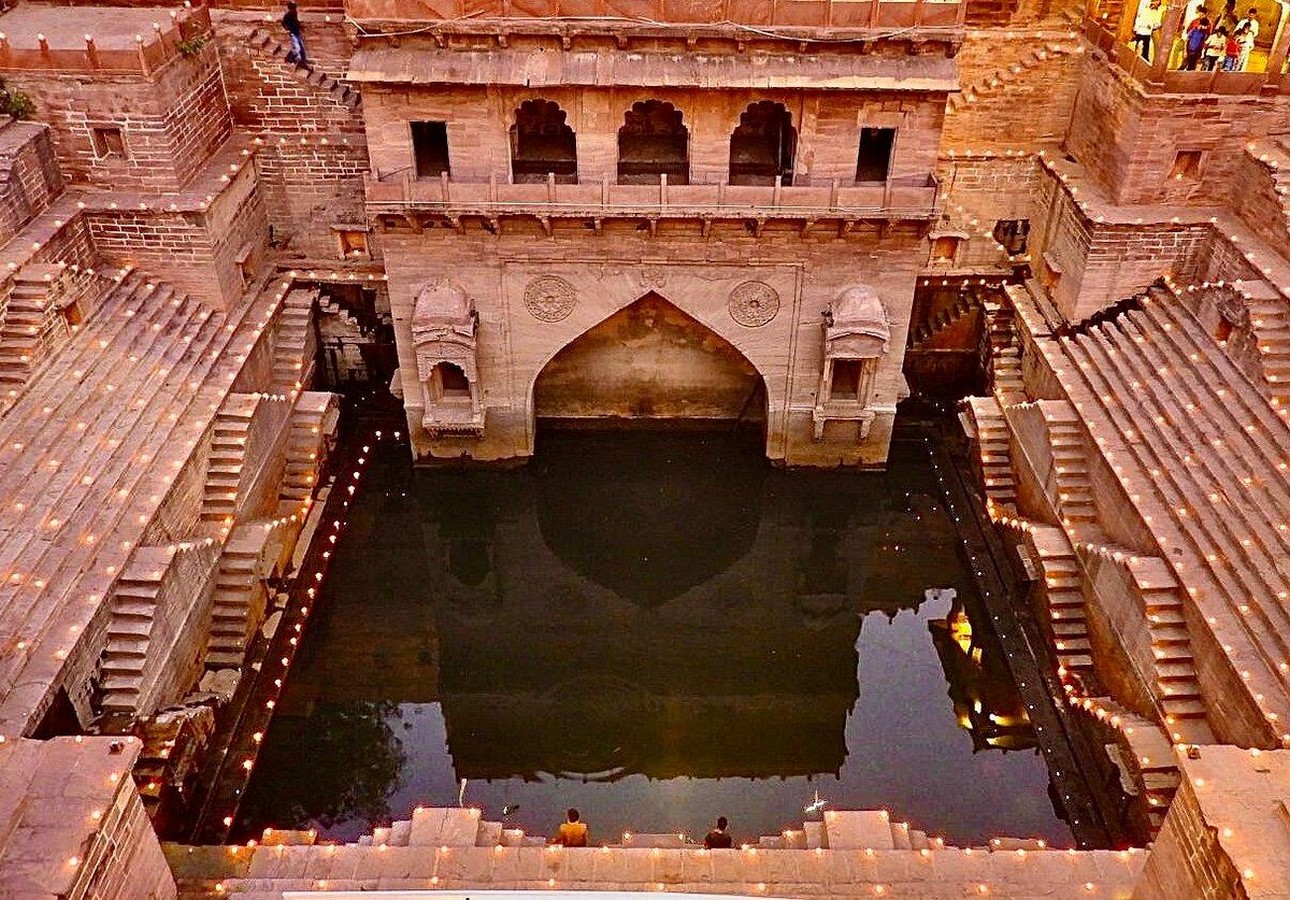
Toorji Ka Jhalra (Stepwell Café)
The Toorji Ka Jhalra (Stepwell Café) is located next to the historic Toorji Ka Jhalra Stepwell in Jodhpur. It is a great example of adaptive reuse as it gave the ancient stepwell area a modern function by transforming it into a vibrant social and cultural space while preserving its heritage. It was an important water source built in the 18th century by Maharaja Abhaya Singh’s queen, whose surrounding space was adapted into a café and community hub, a revenue-generating space. The café’s design complements the stepwell’s heritage, with rustic interiors, traditional décor, and open seating. It is an ideal place for photography, reading, or just soaking in the old-world charm. It has a peaceful and artistic setting.
Adaptive reuse of old houses in cities like Jodhpur and Gujarat presents a strategy for preserving architectural heritage while addressing contemporary needs. By transforming these historical structures into boutique hotels, cultural centers, and community spaces, cities can retain their unique identity and promote responsible urban development. Hence, architects, urban planners, and policymakers must collaborate to create frameworks that encourage adaptive reuse while respecting cultural significance.
References:
Gujarattourism.com. (2025). The House of Mangaldas Girdhardas. [online] Available at: https://www.gujarattourism.com/accommodation/heritage-hotel/the-house-of-mangaldas-girdhardas.html [Accessed 9 Mar. 2025].
Walktobluecity.com. (2022). Walk To Bluecity Heritage Tour. [online] Available at: https://walktobluecity.com/ [Accessed 9 Mar. 2025].
Conflictorium. (n.d.). Ahmedabad. [online] Available at: https://www.conflictorium.org/ahmedabad/.
Stepwellcafe.com. (2017). The Stepwell Cafe. [online] Available at: http://stepwellcafe.com/ [Accessed 9 Mar. 2025].