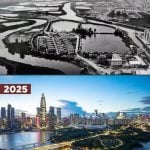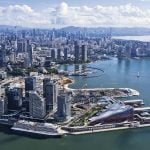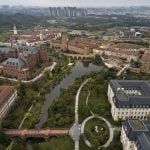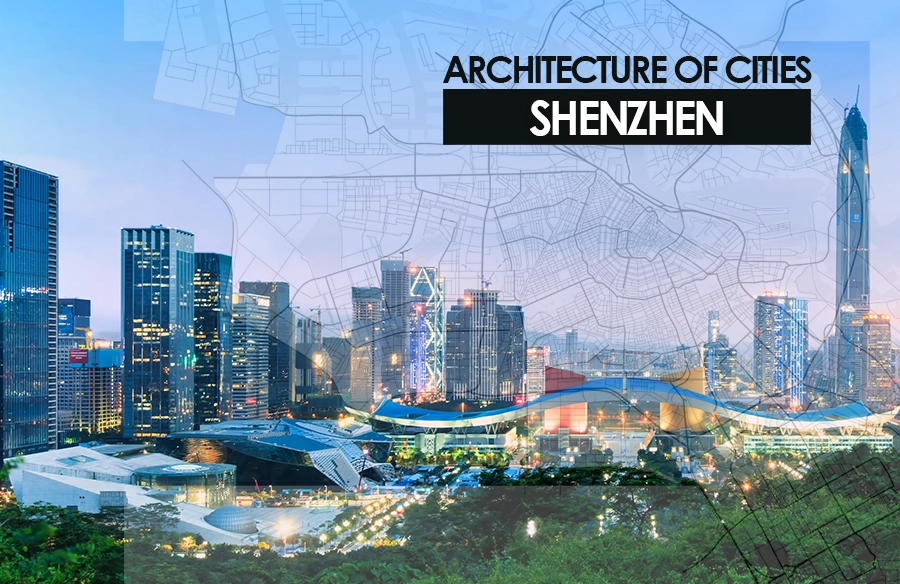
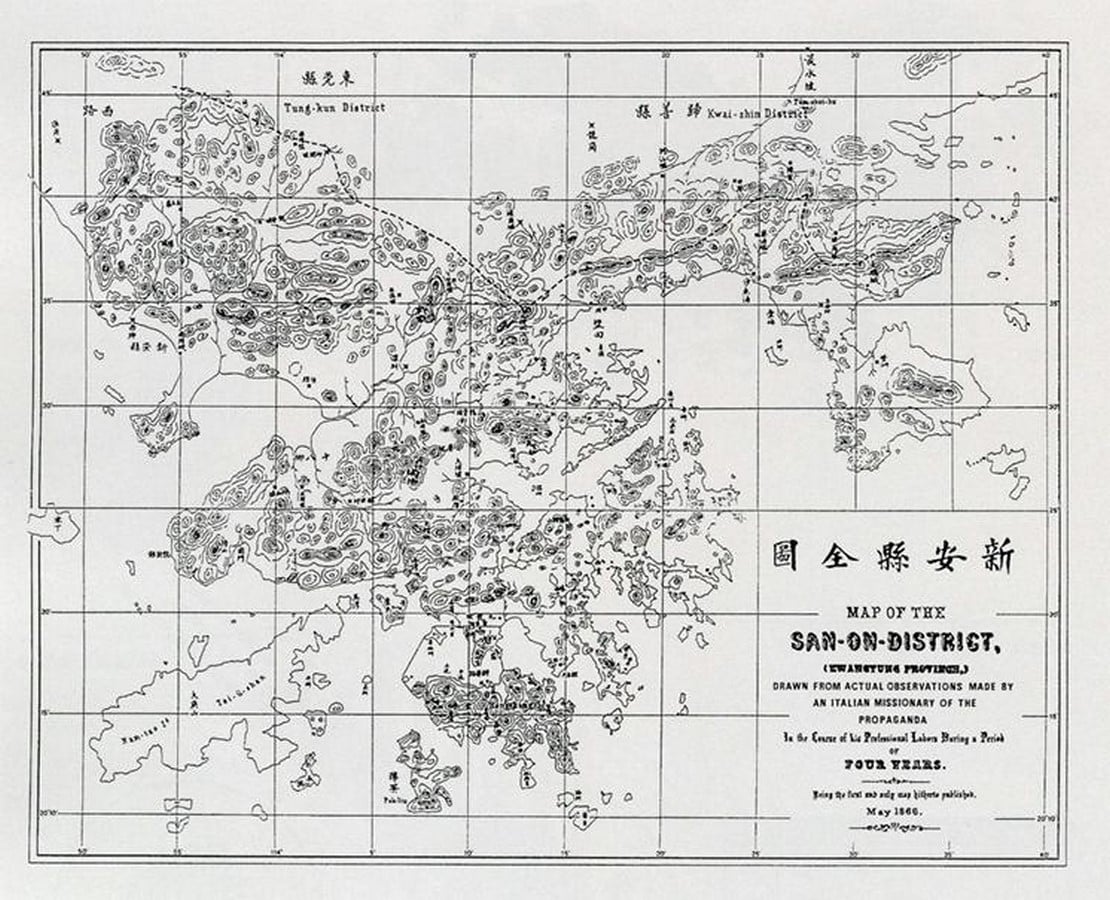
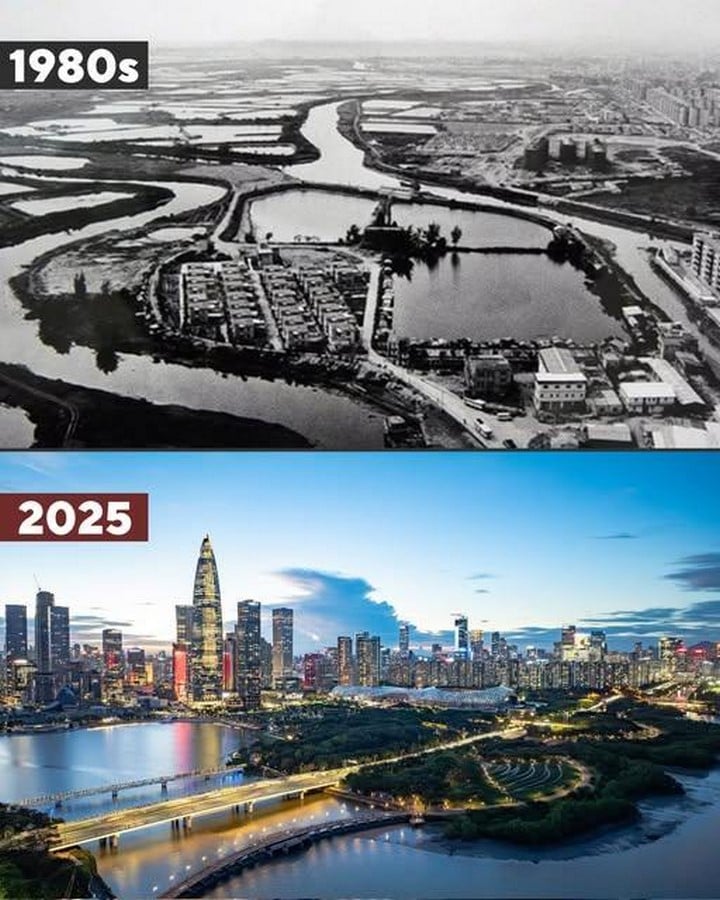
Imagine arriving in Shenzhen for the first time. At first glance, it seems to be an extremely modernised city, with glass towers everywhere, elevated highways, endless construction and newfound technological developments. Shenzhen is often described as a fishing village that transformed into a global metropolis overnight and is celebrated as China’s economic miracle. Yet there’s a much deeper story beneath this façade of modernism. Shenzhen’s story is far more complex than it being merely a result of economic growth; it is a combination of migration, government policy, cultural adaptation and social transformation. To understand Shenzhen, one must look beyond its skyline and into the everyday spaces where millions of people live, work, and shape the city.
The City Built by Migration
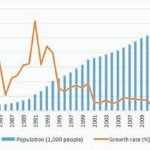
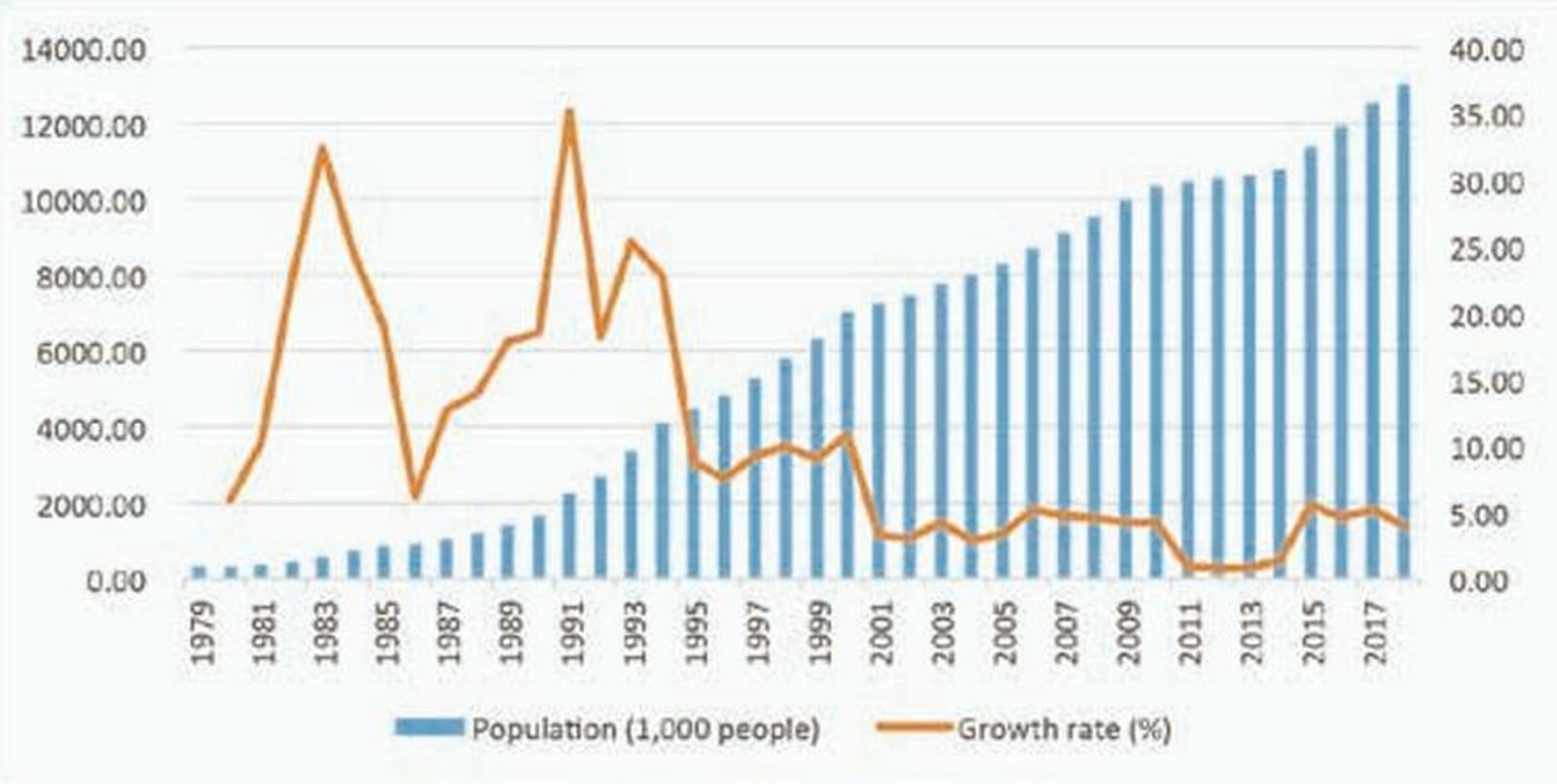
Unlike major historic cities, Shenzhen was largely built within a single generation. It was named the Special Economic Zone in 1979, after millions of migrants came to the city seeking opportunities. Now the city is entirely made of migrants from different cultures, backgrounds, and regions, and they all co-exist. This demographic transformation influenced the city’s architecture a lot. The demand for housing, infrastructure, transportation, and employment grew faster than traditional planning mechanisms could handle. As a result, Shenzhen became a hub of growth where the architecture evolved according to the needs of the changing demography.
Urban Villages: The Hidden Architecture of Shenzhen
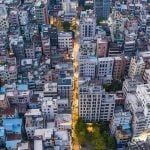
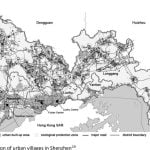
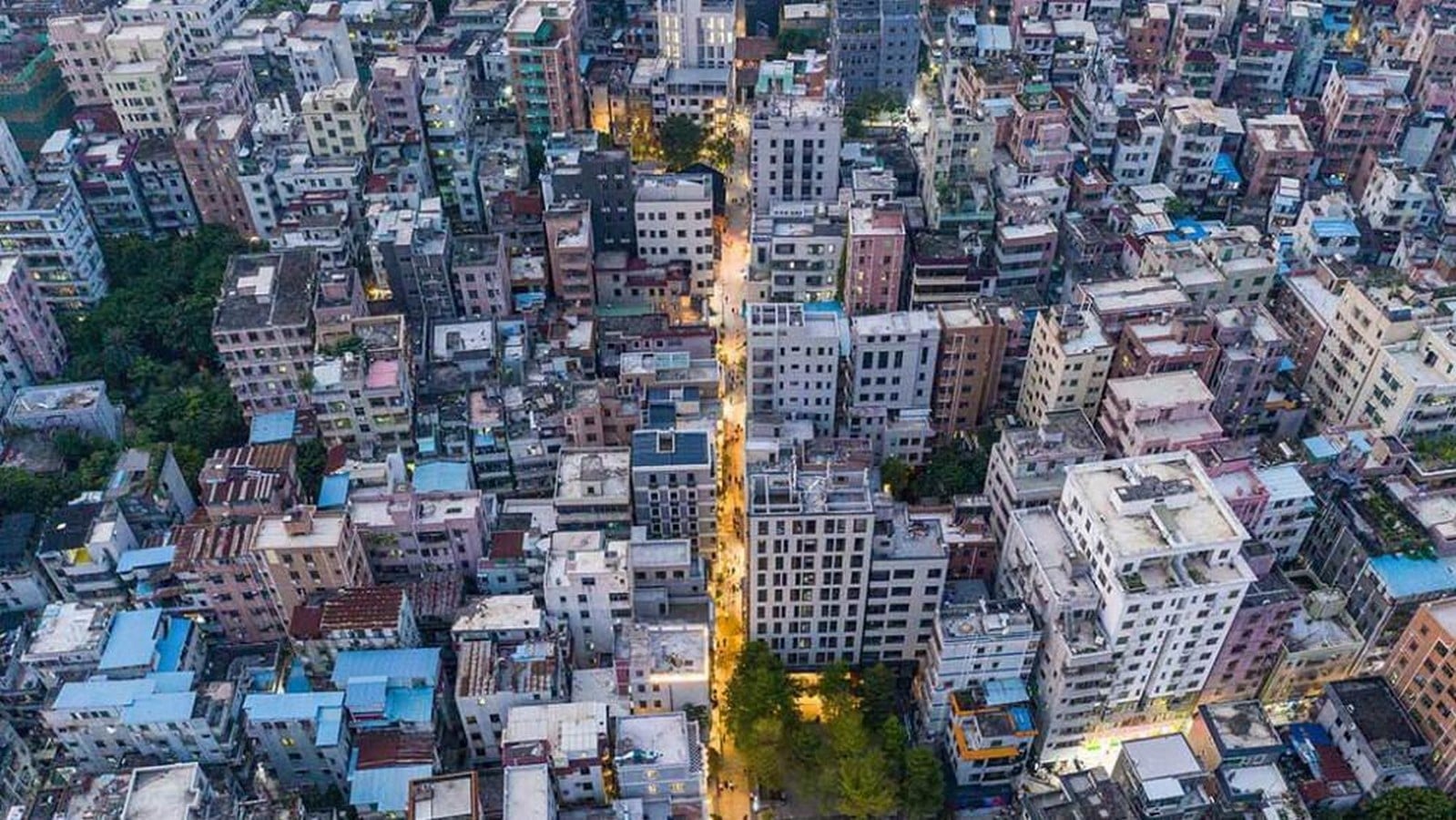
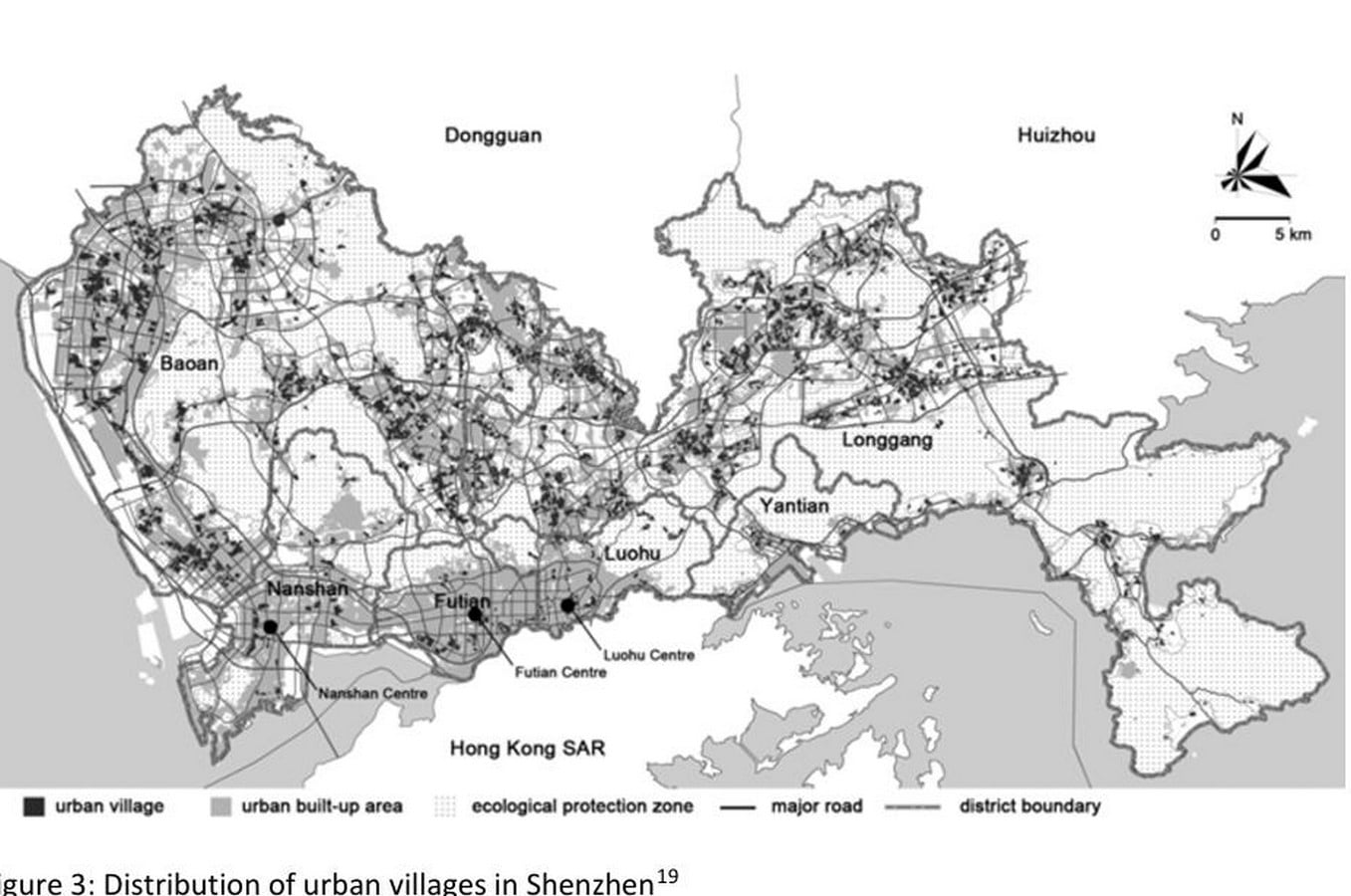
While the city’s skyscrapers symbolise economic success, the true story of Shenzhen is found within its urban villages. These neighbourhoods came up after local farmers converted their remaining land into rental housing for the migrant workers. Over time, these settlements transformed into self-sustaining communities that provided affordable housing for nearly half of Shenzhen’s population.
Walking through the urban village presents a very different image of the city; the streets are filled with shops, food vendors, schools, and social spaces. A basketball court may function as a sports facility during the day and transform into a vibrant night market after sunset. Buildings, streets, and public spaces constantly adapt to community needs. Unlike many planned cities of the world, these environments evolved organically, demonstrating a remarkable flexibility that formal planning often struggles to achieve.
Culture in the Urban Fabric
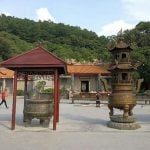
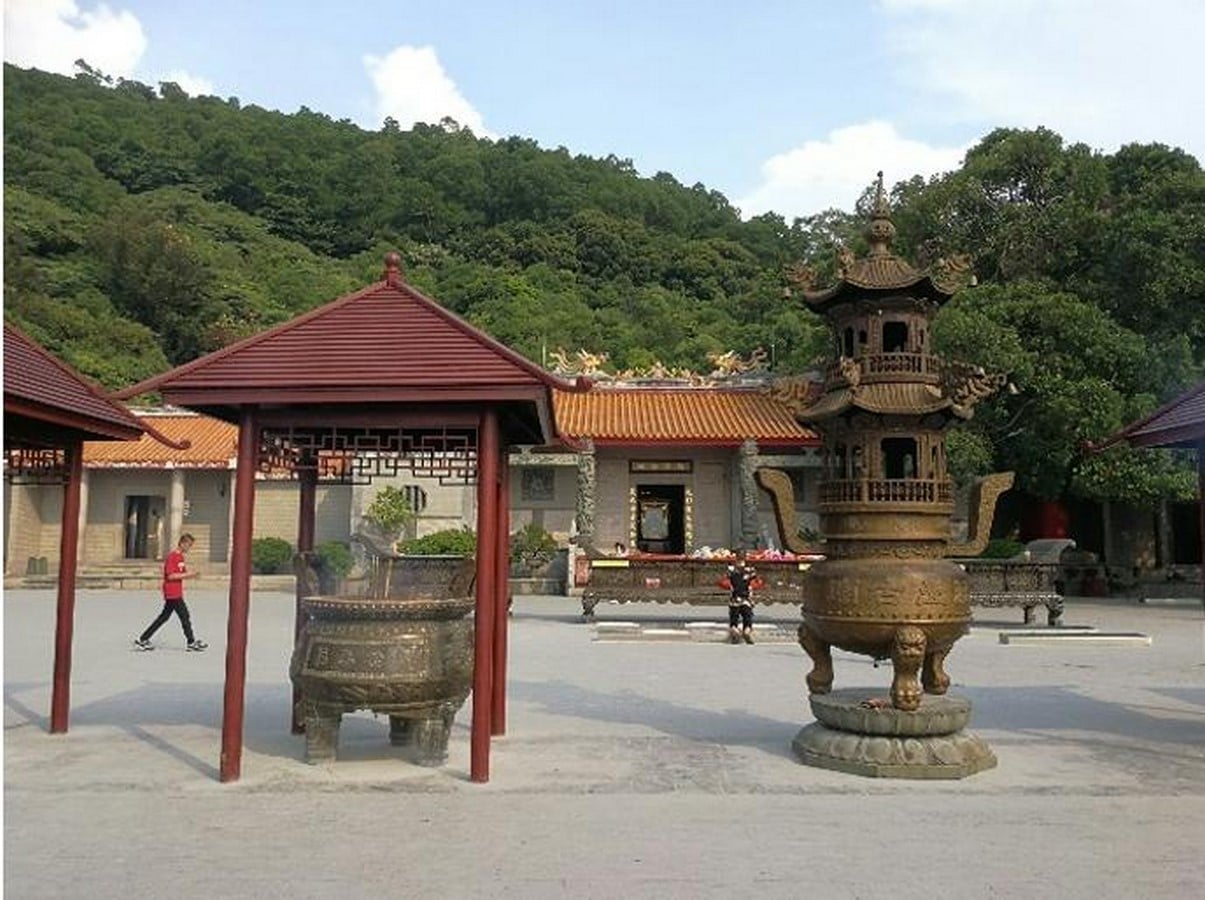
Although Shenzhen is known as the city without history, its architecture reveals strong connections to cultural memory. Traditional villages, ancestral halls, temples, and public squares continue to exist within the rapidly changing fabric of the city. These spaces preserve local traditions and provide a sense of identity in a city dominated by modernism.
What makes Shenzhen unique is the coexistence of the old and new cities. A business district may be right next to a century-old village square. Rather than existing as isolated monuments, these cultural spaces remain active parts of daily life. They remind residents that the city did not emerge from nothing; it evolved from existing communities whose histories continue to shape the city’s character.
Politics and the Architecture of Growth
The architecture of Shenzhen cannot be separated from politics. The city’s transformation began with the government’s decision to establish it as a Special Economic Zone. They created policies that encouraged investment, industrial development, and urban expansion. Unlike cities that grow gradually through market forces alone, Shenzhen’s development was heavily guided by strategic planning and very thoughtful governance.
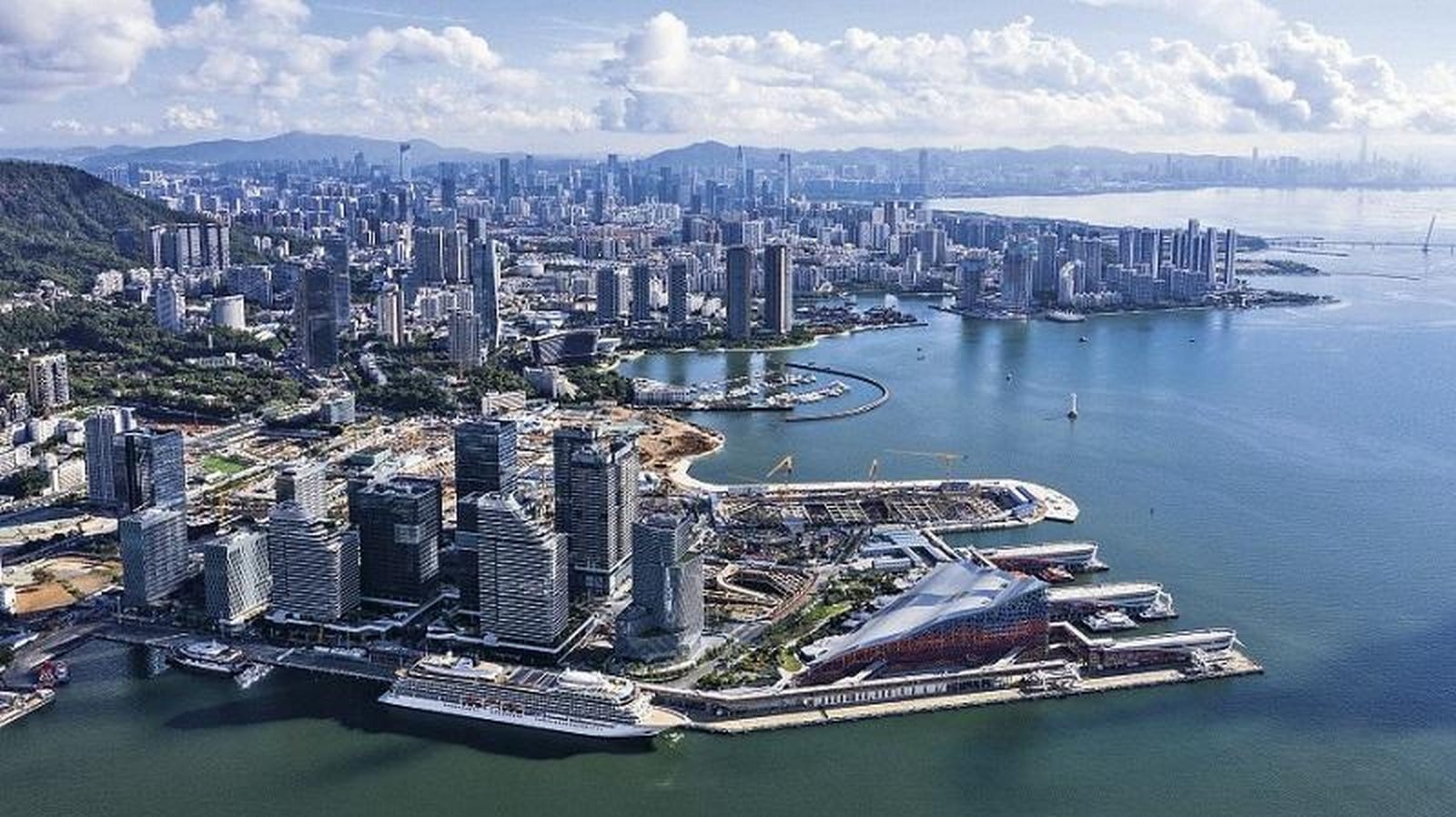
Large-scale infrastructure projects, industrial zones, metro networks, ports, and innovation districts were the products of deliberate political decisions. At the same time, government attitudes toward urban villages evolved significantly. Initially viewed as obstacles to modernisation, many villages were marked for demolition. However, authorities eventually recognised their importance in providing affordable housing and supporting the city’s workforce. This shift from demolition to rehabilitation shows how sustainable urban development should ideally work with the existing communities rather than erasing them.
Search for Identity
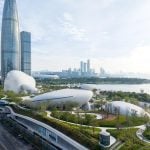
Modernization transformed Shenzhen from a manufacturing centre into a global hub of technology and innovation. The city now houses some of China’s most influential technology companies and innovation systems. This economic transition is visible in its architecture through technology parks, research campuses, corporate headquarters, and contemporary high-rise developments.
Yet Shenzhen’s modernization raises an important question: should cities pursue growth through monumental projects and iconic buildings alone?
The city suggests otherwise. Its most successful spaces are often those that support daily life, social interaction, and adaptability. The coexistence of innovation districts and urban villages demonstrates that modernization does not require the complete erasure of existing communities.
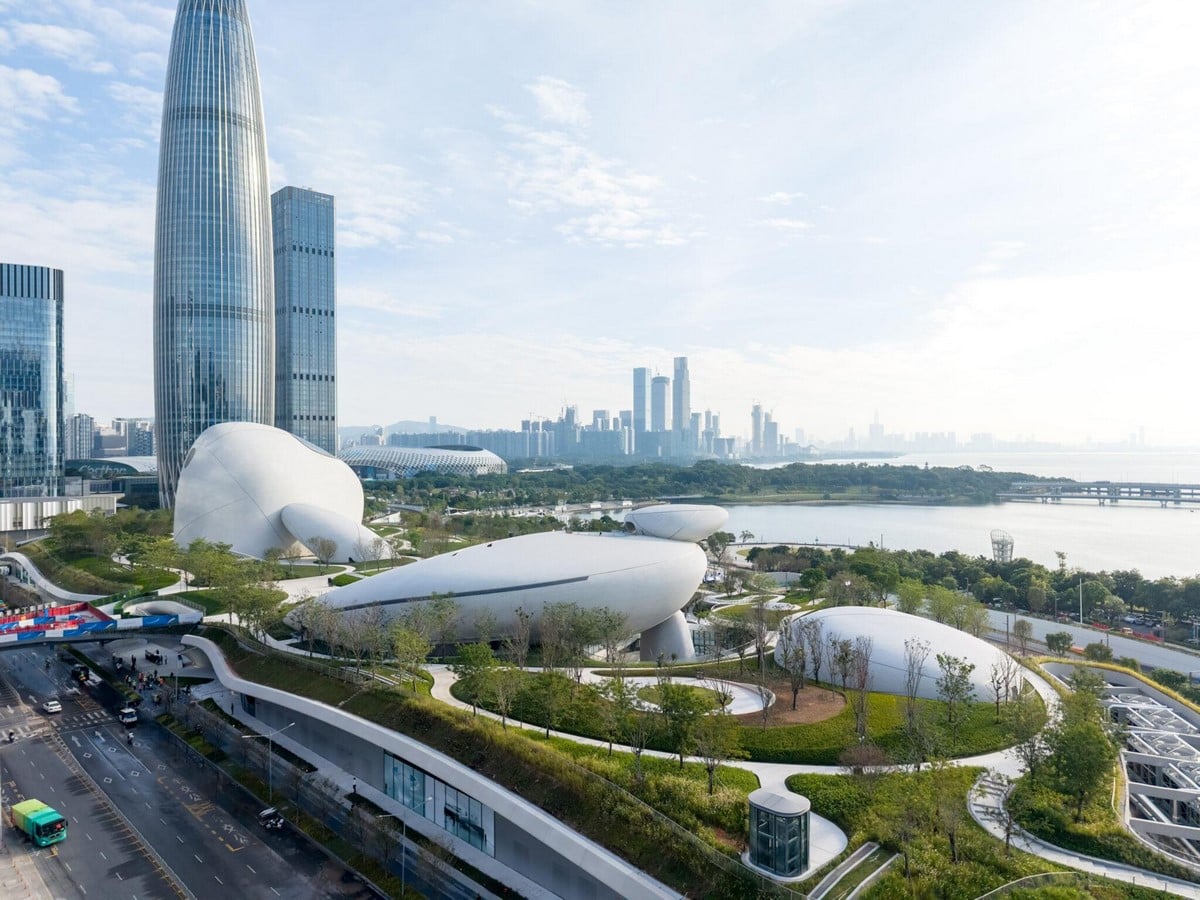
Shenzhen is not simply a modernised city; it is an ongoing experiment. Its architecture reflects a combination of migration, culture, governance, and economic transformation. Glass towers and technology campuses tell one part of the story, but the existing urban villages, community spaces, and cultural landmarks tell another equally important one.
The architecture of Shenzhen reveals that cities are not created solely through planning or economic investment. They are shaped by people, their movements, their cultures, and their everyday lives.
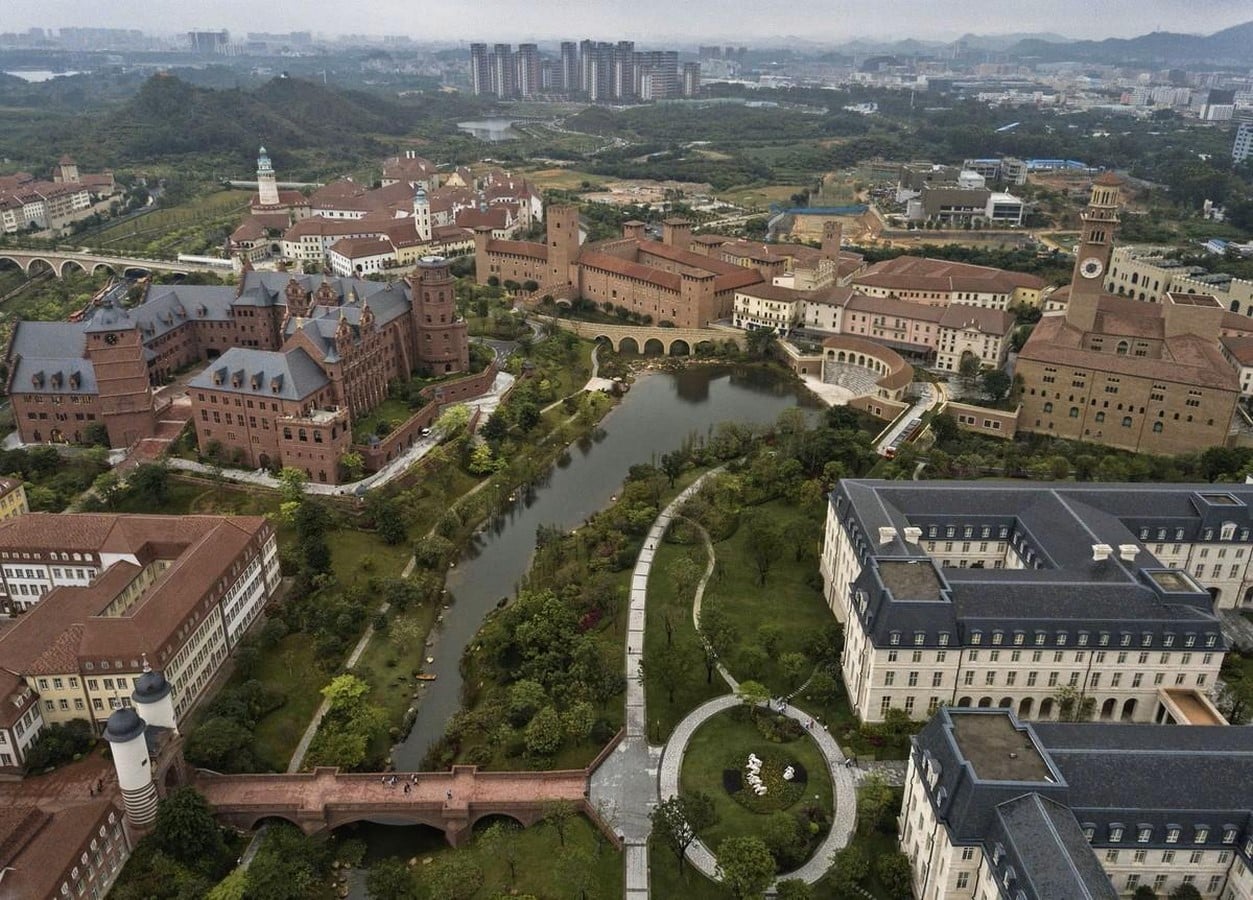
Shenzhen’s greatest achievement may not be its rapid modernisation, but its ability to continuously reinvent itself while accommodating millions of individuals who collectively give the city its identity.
References:
- Carsten Herrmann-Pillath (2018). Is Shenzhen emerging as a global city with distinct cultural roots? Report of pilot study prepared for China Development Institute, Shenzhen. [online] doi: https://doi.org/10.13140/RG.2.2.29694.84806.
- Researchgate.net. (2026). Available at: https://www.researchgate.net/publication/267145542_What_Drives_the_Spatial_Development_of_Urban_Villages_in_China
- Pengfei Ni et al. (2019) THE STORY OF SHENZHEN, THE STORY OF SHENZHEN. United Nations Human Settlements Programme (UN-Habitat). https://www.metropolis.org/sites/default/files/resources/the_story_of_shenzhen_2nd_edition_sep_2019_0.pdf.
- Ritual and economy in Metropolitan China: A global social science approach. Available at: https://www.researchgate.net/publication/345100056_Ritual_and_Economy_in_Metropolitan_China_A_Global_Social_Science_Approach