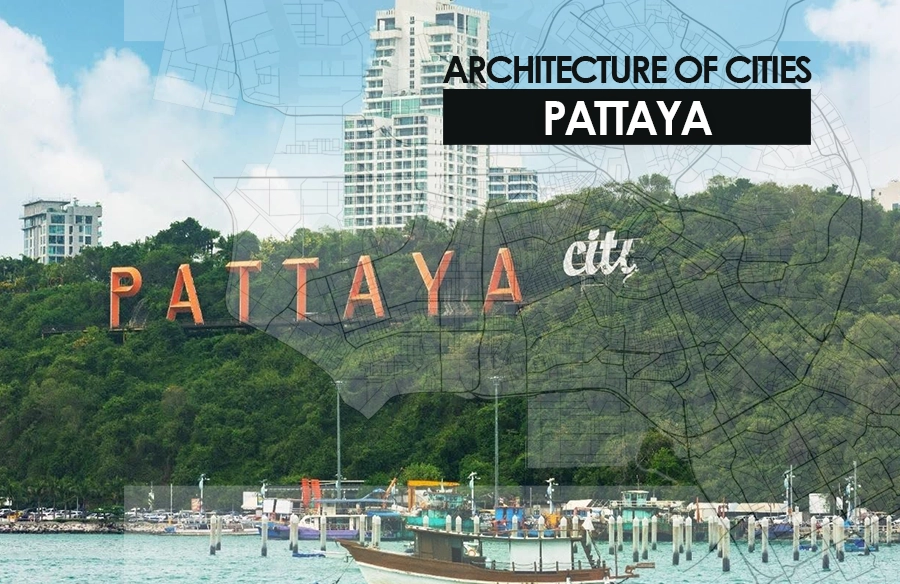
Who is Pattaya?
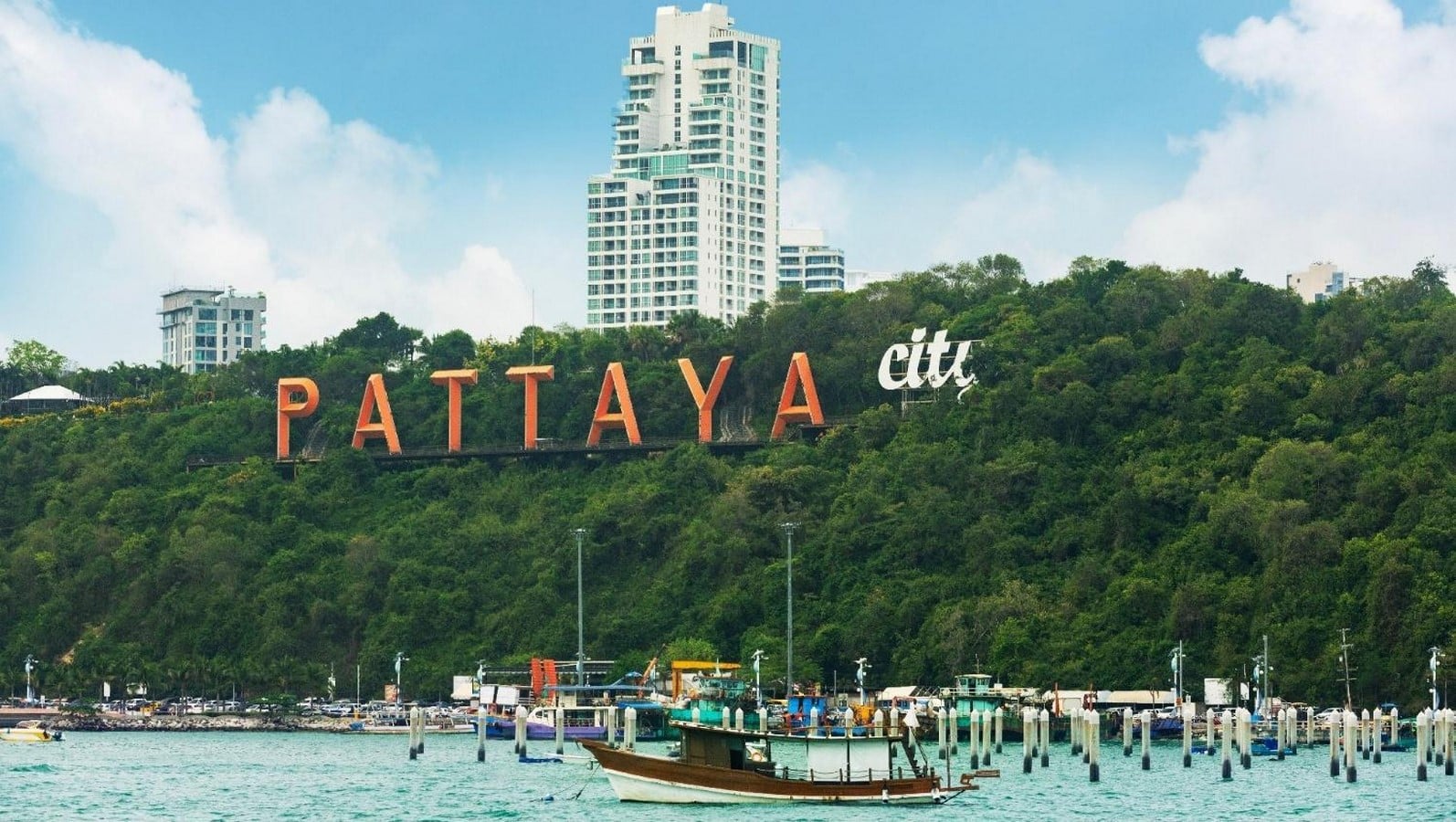
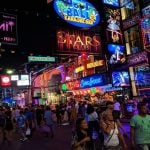
To outsiders, Pattaya appears as an epicentre of pleasure. Neon lights, crowded night markets, and illuminated streets stretched along the coastline illustrate the vibrant nightlife the city has become infamous for. There is more to the city than meets the eye. Beneath the spectacle lie layers of Pattaya shaped by culture, labour, and migration.
To expats, Pattaya becomes a tabula rasa, a city continually reshaped through their ideas of comfort and community. These desires materialize in the form of high-end residential and commercial spaces that increasingly redefine the city’s skyline. To the workers, Pattaya exists behind its illuminated façade in the invisible systems, such as construction sites, service corridors, markets, and transportation networks, that sustain the city. And to locals, Pattaya embodies both memory and displacement. It has become a bustling tourist hub where traditional fishing communities are overshadowed by towering hotels and condominiums.
Pattaya presents a different face to each person who visits. Its architecture reflects the varying social structures, economic ambitions, and tension between cultural preservation and globalization.
A City of Desires
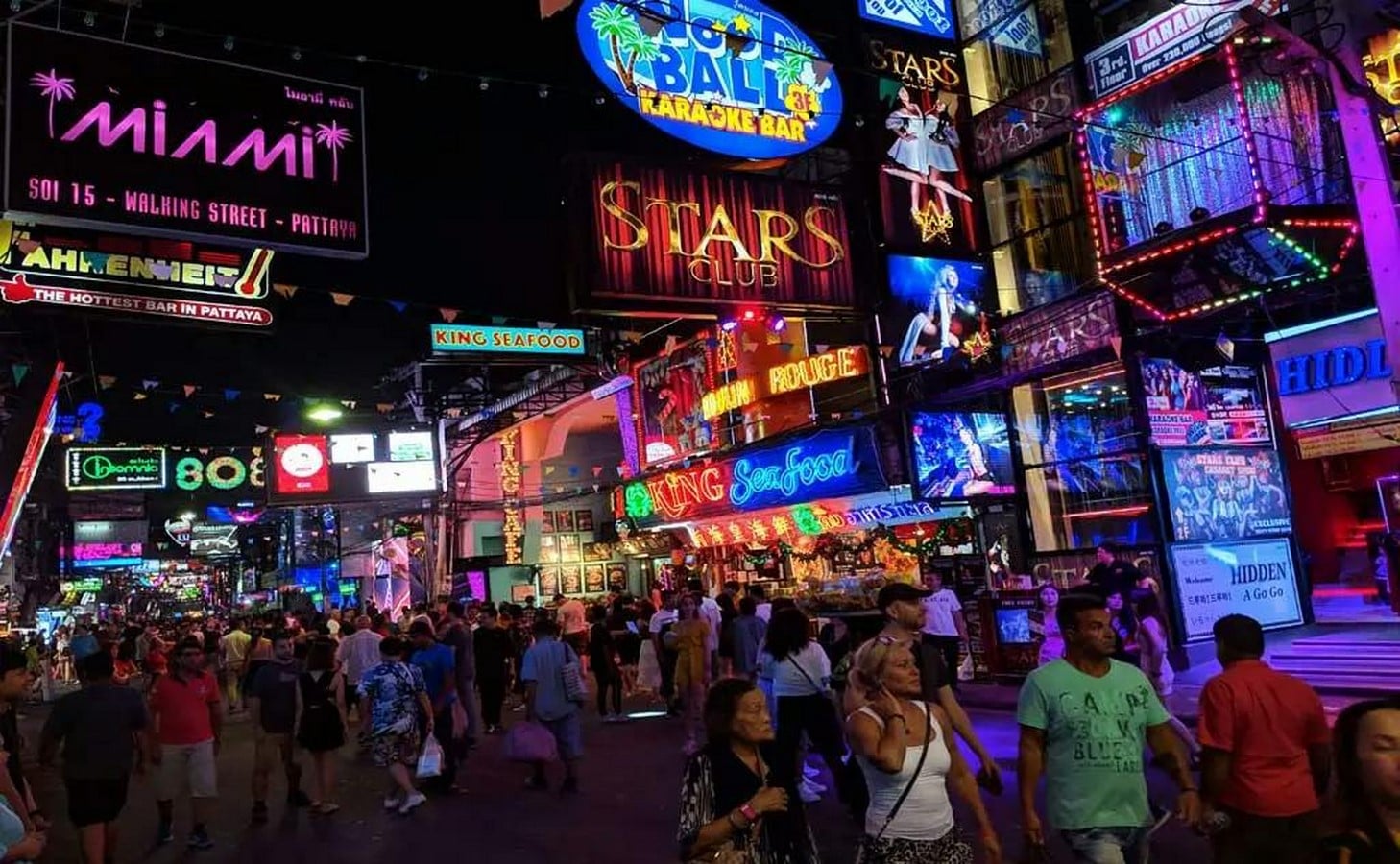
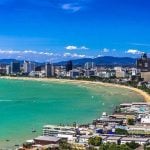
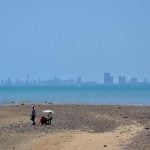
During the Vietnam War in the 1960s, Pattaya saw an influx of American soldiers visiting for rest and recreation. The city gradually transformed itself to accommodate the rhythms and desires of its new visitors. Nightlife and hospitality architecture now dominate what was once a serene coastal locale. Streets along the waterfront, like the Walking Street, come alive with nightclubs, bars, cabarets, and eateries. The beaches are lined with tropical luxury resorts, bringing accommodation closer to beach activities such as jet skiing and scuba diving. This manufactured paradise attracts millions of tourists from around the world. Yet in creating these spaces for transient pleasure and encounter, Central Pattaya has traded much of its ecological and cultural heritage for economic prosperity.
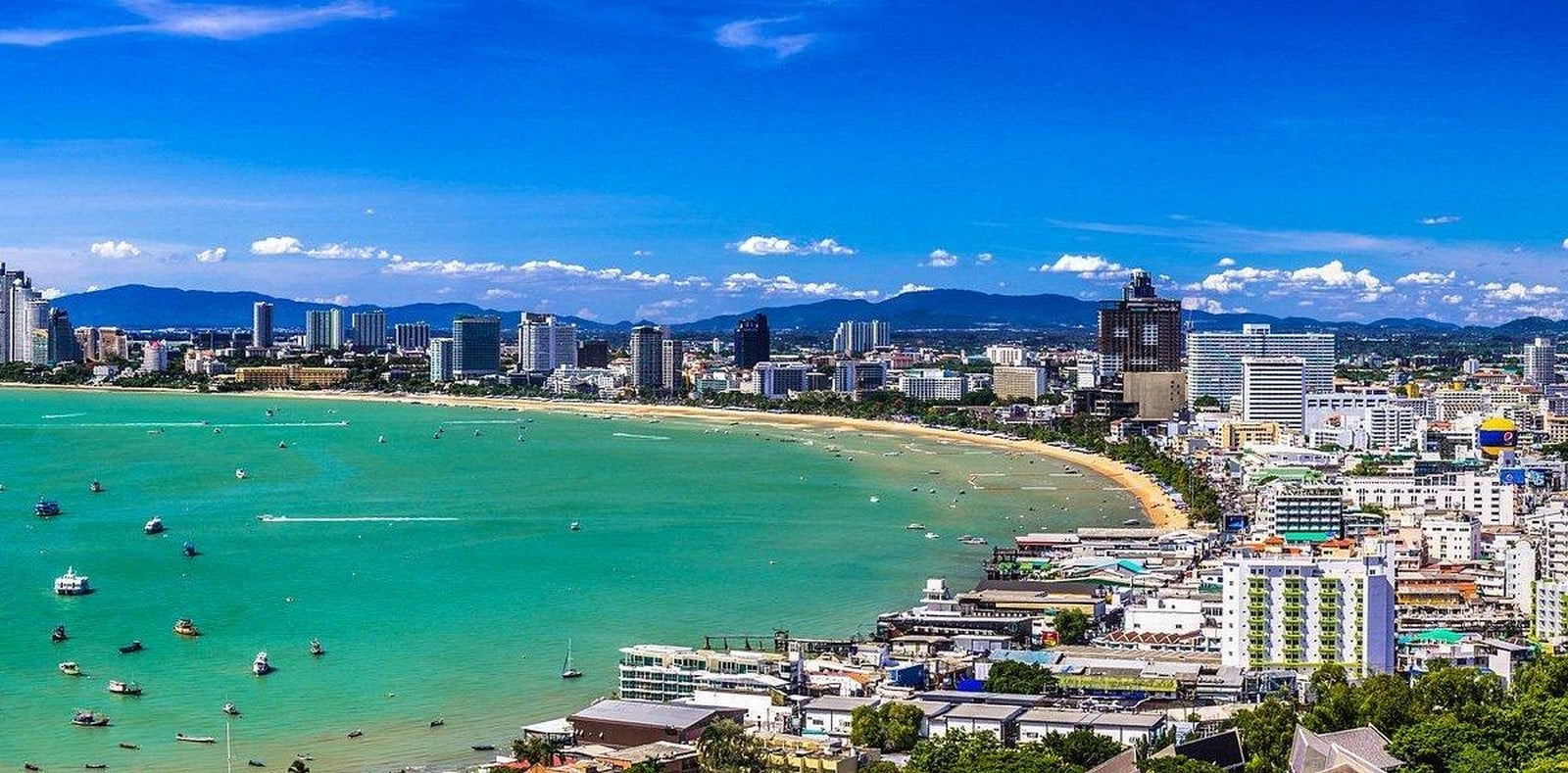
The city’s relatively low cost of living, along with its other attractions, encouraged many visitors to stay and settle in Pattaya as expats, bringing their lifestyles with them. High-rise condominiums, gated communities, and sea-view development for expats have come to symbolize modernism and globalization in Pattaya. The expatriate enclaves embody cosmopolitan influences so strongly that neighbourhoods like Pratmunak Hill are often referred to as the ‘Beverly Hills of Thailand’.
The urban updates to Pattaya reflect what globalization often defines as economic prosperity. However, this transformation is not without cultural and environmental consequences. Pattaya’s tourism industry has earned the city the undesirable label ‘Sin City’, reducing the city to a singular identity of pleasure and consumption. Already vulnerable to flash floods, Pattaya’s dense concrete surfaces leave little room for percolation and natural drainage, potentially exacerbating the situation. Beneath the noisy beach activities, coral reefs bleach and the entire marine ecosystem quietly suffers. Some of the newer structures adopt tropical modernism, though it remains unclear whether this is primarily an aesthetic choice or a genuine attempt to mitigate environmental impact. If impact reduction is the intention, it appears to address only a small portion of a much larger and more complex problem. Nevertheless, remnants of the old Pattaya still persist and may serve as anchors for a new form of placemaking rooted in ecology and local context.
A City of Memories
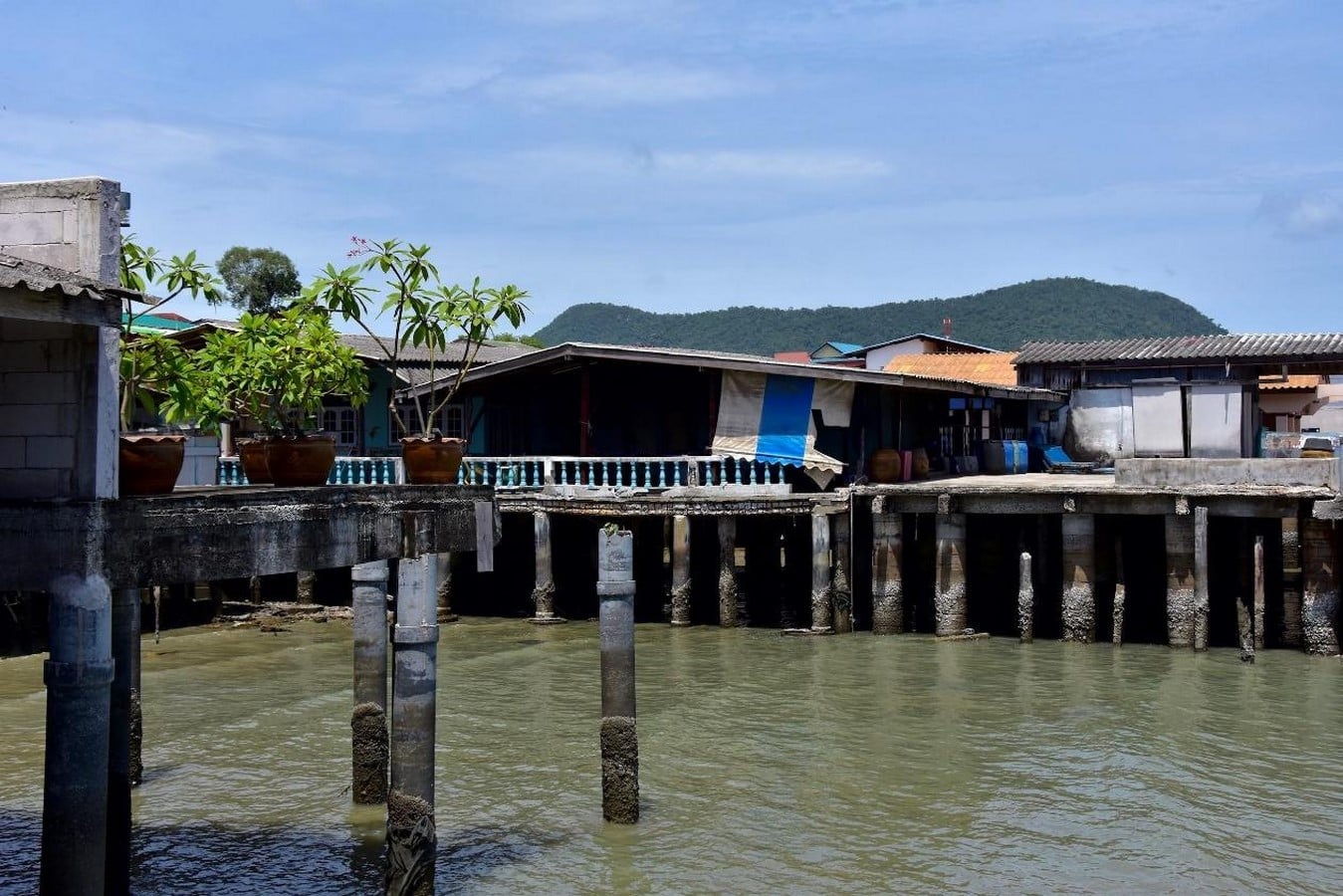
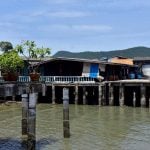
Bang Saray and Naklua are among the coastal communities that locals call home, where Pattaya reveals a quieter, more grounded side of itself. Some beaches are fringed with fishing boats and shaded by palm trees. Timber houses with sloping roofs still stand on stilts above shallow coastal waters, their weathered posts marked by tidal change, while narrow piers connect homes to the sea. Inland, modest dwellings line small lanes, and semi-open markets bring together fresh produce and the everyday chatter of local life. In these spaces, one can still find traces of Pattaya’s unmediated character.
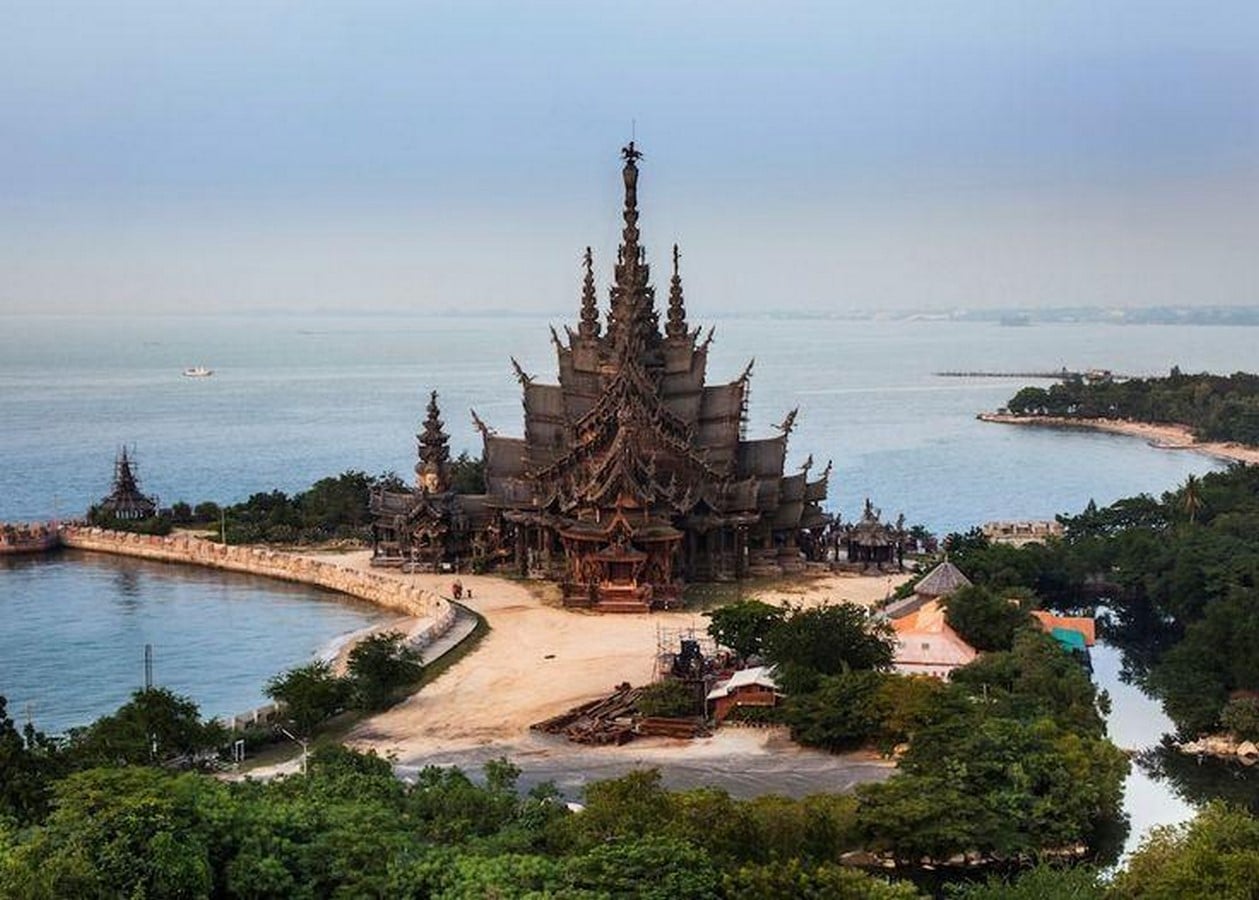
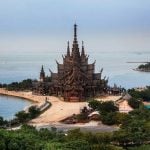
Pattaya is rich in spiritual architecture. Spirituality remains a common thread between the old and new city. Within Pattaya’s transient urban landscape, these spaces stand as figures of permanence and continuity. Monumental temples such as the Sanctuary of Truth reflect traditional Thai architecture through their elaborate carvings and all-wood construction, drawing both tourists and locals alike. These spaces also illustrate the regional philosophy surrounding unity and the cycle of life. Smaller spirit houses remain embedded throughout the city, outside homes, shops, and hotels, serving as constant reminders of enduring belief systems in ever-changing Pattaya.
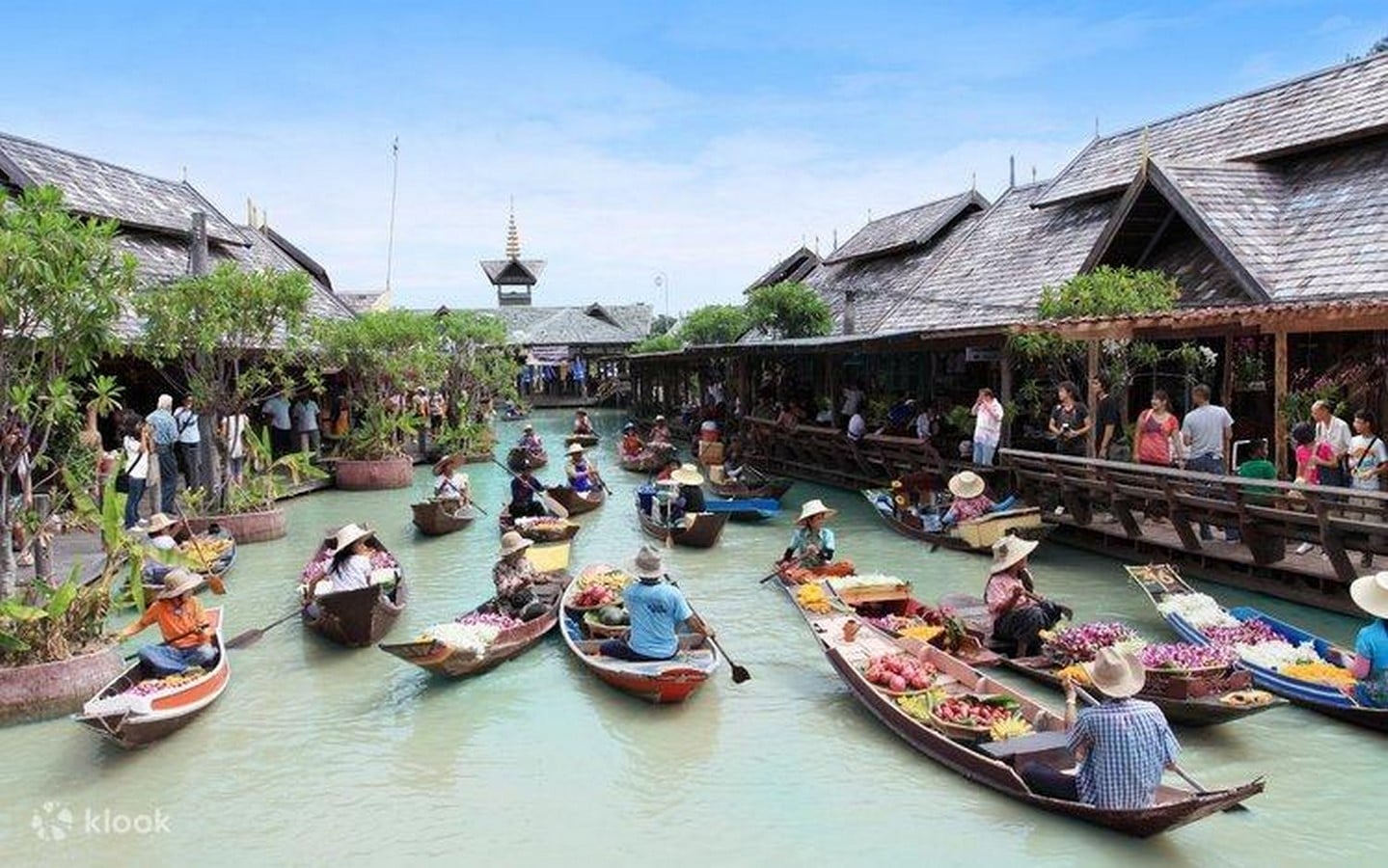
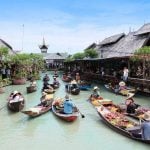
Old Pattaya responds closely to the geographical and cultural conditions of the region. Its placemaking incorporates the tropical climate, coastal ecology, and everyday lifestyles of local communities. While these older settlements may not offer the same economic opportunities as Central Pattaya’s tourism districts, they preserve aspects of Pattayan Thai culture that continue to be passed on to newer generations of both locals and visitors. They also provide moments of quiet respite from the intensity of the city for every visitor. In many ways, Pattaya’s spiritual and cultural architecture offers an alternative interpretation of tourism, one grounded in craft and culture. The Pattaya Floating Market demonstrates how traditional architectural imagery and local cultural references can themselves become part of the city’s tourism landscape. Perhaps a more balanced perception of tourism could help reshape the image of Pattaya beyond its reputation for spectacle alone.
So, who is Pattaya?
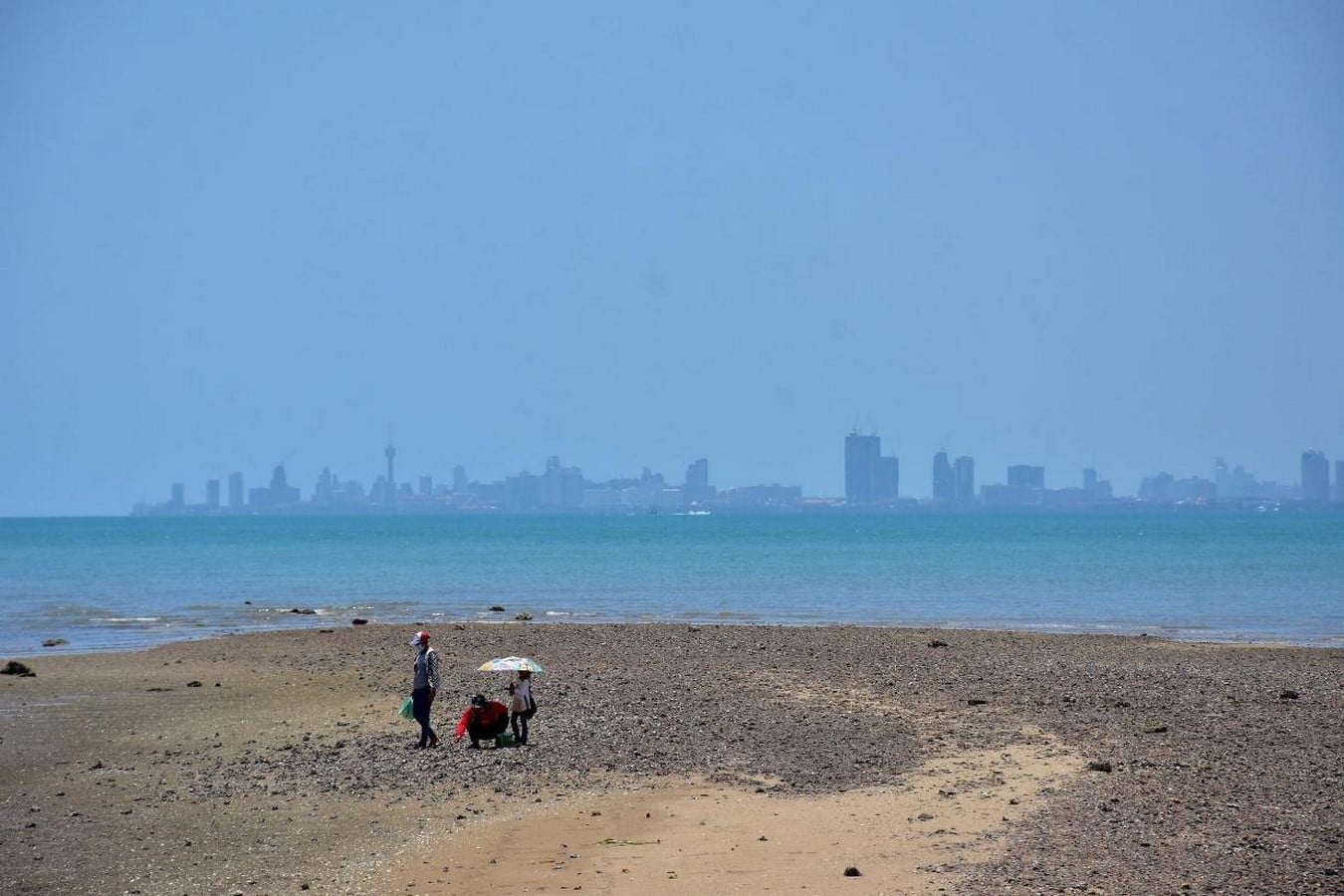
Pattaya exists as a city of dualities. Traditional Thai neighbourhoods stand quietly beside buzzing entertainment districts, while spaces shaped by spiritual and cultural placemaking coexist with the forces of global modernism and tourism-driven economies. Low-rise timber and metal structures on stilts preserve traces of local coastal life, in contrast to the rising glass-and-concrete skyline that signals globalization and urban expansion. As traditional communities gradually occupy the quieter edges and peripheries of the city, Central Pattaya is increasingly shaped to accommodate newcomers.
Pattaya is not simply divided between old and new. It is a city navigating coexistence between permanence and impermanence, memory and reinvention, local identity and global aspiration. One urban fabric responds sensitively to climate, ecology, and community, while another often prioritizes spectacle and economic growth at environmental cost. Despite these uneasy contradictions, Pattaya continues to search for ways to reconcile its fragmented identities, to move beyond spatial inequalities and inherited perceptions, and to reimagine itself as a city capable of belonging to all who inhabit it, whether transient or permanent.
References:
- Sudbanthad, P. (2025) ‘Sacrifice Zone: Pattaya’, The Believer. Available at: https://www.thebeliever.net/sacrifice-zone-pattaya/
- Calvino, I. (1972) Invisible Cities. San Diego: Harcourt Brace Jovanovich.
- Lee-Anant, C., Kungwansith, P. and Rocharungsat, P. (2025) ‘Exploring Pattaya’s tourism DNA: a mixed-method approach for revisit intention’, Cogent Social Sciences, 11(1). doi: https://doi.org/10.1080/23311886.2025.2598725
- Hansasooksin, S.T. and Tontisirin, N. (2021) ‘Placemaking as an urban development strategy for making the Pattaya Innovation District’, Regional Science Policy & Practice, 13(6), pp. 1930–1950. doi: https://doi.org/10.1111/rsp3.12400
- Walters, B. (2025) ‘Why Pratumnak Hill Might be Thailand’s Best Neighbourhood for Expats’, International Living. Available at: (publication page not specified) (Accessed: 2 June 2026).