

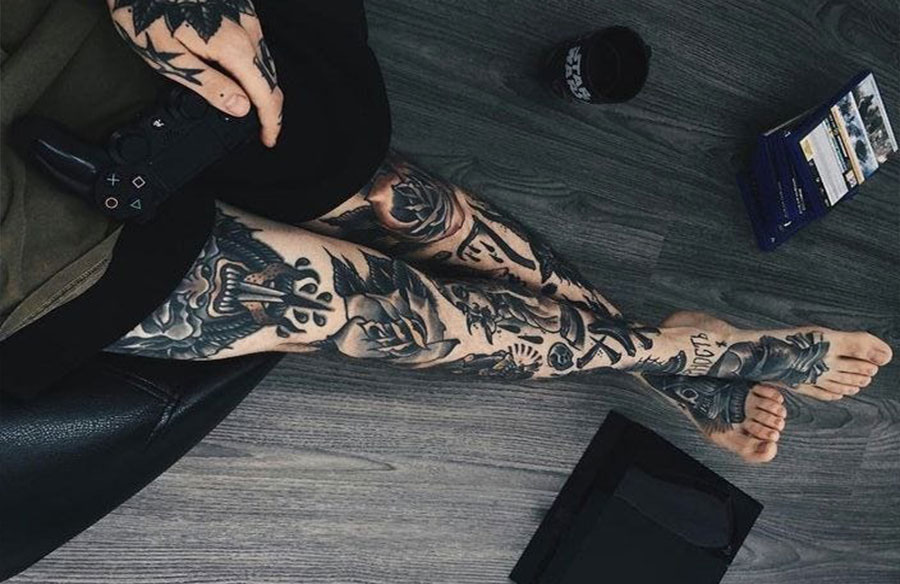
Skin art, or tattooing, has a rich history that dates back thousands of years. Once associated with specific cultures or social groups, it has evolved into a mainstream form of personal style. Today, tattoos are a popular means of self-expression, reflecting individual stories, beliefs, and aesthetics.
The Historical Journey of Skin Art
Tattoos have been part of human culture since ancient times. Evidence of tattooing has been found in various ancient civilizations, including the Egyptians, Polynesians, and Celts. In these societies, tattoos were used for various reasons, such as marking rites of passage, showing social status, or serving as talismans.
The methods and meanings of tattooing have evolved over time. In some cultures, tattoos were applied using sharpened sticks or bones. Today, modern tattooing involves advanced techniques and equipment, allowing for intricate designs and a wide range of colors.
The Modern Renaissance of Tattoos
The perception of tattoos has changed dramatically in recent decades. Once considered rebellious or taboo, they have become widely accepted in many parts of the world. This shift can be attributed to the influence of pop culture, where celebrities and public figures proudly display their ink, inspiring others to follow suit.
Today’s tattoo artists are skilled professionals, often with backgrounds in fine arts. They create custom designs that can be as simple as a small symbol or as complex as a full-body mural. This artistry has elevated tattooing to a respected form of personal and artistic expression.
Personal Style and Identity
Tattoos serve as a canvas for individual expression. This allow people to wear their stories, passions, and beliefs on their skin. For some, a tattoo may commemorate a significant life event, while for others, it may represent a philosophical idea or a connection to a cultural heritage.
The process of choosing a tattoo is deeply personal. It involves deciding on a design, selecting an artist, and considering the placement of the body. This decision-making process is a form of self-reflection, allowing individuals to express who they are or aspire to be.
The Evolution of Tattoo Techniques
Modern tattooing has advanced significantly in terms of technology and safety. Contemporary tattoo machines allow for precise lines and shading, enabling artists to create highly detailed designs. Ink quality has also improved, offering a broader spectrum of colors that last longer and fade less over time.
With advancements in technology, tattoo removal has also become more accessible and effective. Werribee tattoo removal services, for instance, use state-of-the-art laser technology to help individuals alter or remove unwanted tattoos. This evolution provides more freedom for people to change or update their body art as their personal style evolves.
Traditional Methods: From Sharp Objects to Ink
In ancient times, tattooing was performed using rudimentary tools. Early tattoo artists used sharpened bones, sticks, and other natural objects to puncture the skin. These methods involved dipping the tool into natural dyes made from plants, soot, or other organic materials to create permanent markings on the skin.
For instance, the Polynesian technique involved tapping a stick with a needle into the skin. This method, known as hand-tapping, required immense skill and precision. Despite its crudeness, these traditional methods laid the foundation for the art of tattooing as we know it today.
The Invention of the Electric Tattoo Machine
The invention of the electric tattoo machine in the late 19th century marked a major breakthrough in tattooing technology. Patented by Samuel O’Reilly in 1891, this device was based on Thomas Edison’s autographic printing pen. The electric machine allowed for faster, more precise tattooing, making the process less painful and more efficient.
This invention revolutionized the industry, allowing artists to create more intricate and detailed designs. It also opened up the possibility of using multiple colors, as the machine made it easier to work with different pigments.
Advancements in Tattoo Ink
Modern tattoo ink has seen substantial improvements over time. Early tattoo ink was derived from natural sources, such as plant extracts and carbon. Today, tattoo ink is composed of a variety of pigments, carriers, and additives that ensure safety, durability, and vibrancy.
In recent years, there has been a growing demand for vegan and organic tattoo inks, which are free from animal products and harsh chemicals. These inks provide a safer alternative for both the artist and the client while still delivering vibrant and lasting colors.
Techniques and Styles
As technology and skill have evolved, so have the techniques and styles in tattooing. Artists now have the ability to create a wide range of effects and textures, from delicate fine lines to bold, saturated colors. Here are some notable modern techniques:
- Black and Grey Shading: This technique employs different shades of black ink to add depth and realism, commonly found in portrait tattoos and detailed designs.
- Watercolor Tattoos: Mimicking the fluidity of watercolor paintings, this technique involves blending colors seamlessly on the skin, creating a soft and ethereal effect.
- Dotwork and Geometric Tattoos: Using a series of small dots or geometric patterns, these tattoos can create stunning visual effects, including optical illusions and intricate designs.
- Realism and Hyper-Realism: With advancements in equipment and technique, artists can now create tattoos that resemble high-resolution photographs, capturing fine details and subtle nuances.
Equipment and Hygiene Standards
Modern tattooing equipment has greatly improved in terms of safety and precision. Today’s tattoo machines are lighter, more versatile, and capable of a wider range of movements, allowing artists to achieve finer detail and smoother shading.
Sterilization practices have also become a crucial part of the tattooing process. Autoclaves, single-use needles, and disposable gloves are now standard in professional studios, significantly reducing the risk of infection and cross-contamination. This focus on hygiene has helped tattooing gain wider acceptance and credibility.
Conclusion
Skin art has evolved from ancient cultural practices to a widely accepted form of personal style. It allows individuals to express their identity, commemorate life events, and make cultural statements. As tattooing continues to evolve, it will remain a dynamic and influential aspect of personal expression.







