Following a technology boom, all fields are hit by a curve. The impact on architecture was moderate. From architecture to construction companies, AI took the area by storm. The lesser-seen magic of BIM technology and the introduction of 3D-built houses are some to be added. Even as futuristic designs and construction techniques emerge, it is essential to notice their impact on sustainability, the environment, aesthetics, and other architectural factors. Ultimately, architecture should create sustainable and functional buildings that benefit people and the planet. Keeping that in mind, here are the predictions for 2050.
Sustainability and Green Design
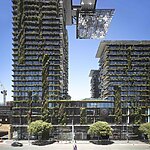
Sustainability is often spoken about, from the choice of materials to energy efficiency to the possibility of being sustainable and cost-effective. Sustainability has been viewed not just as a construction method but rather as a way of living, thus leading several people on a path to sustainable construction.
The need for sustainability stems from the effect of concrete on our environment- the harmful amount of CO2 emissions, the use of up to 10% of industrial water and the claims of heat waves due to the urban heat island effect. Sustainability will not only tackle these issues but can also aid mental health and noise reduction. Sustainability will soon become the reason for several job employments as well.

As of October 2018, the United Nations has called upon the need to reach net zero emissions by 2050; with the construction industry playing a huge role, some of the following sustainable techniques will become a popular trend. Renewable energy systems, utilization of green building materials, stormwater management design, native or local landscaping choices, active sustainable design, and passive sustainable design are a few examples of sustainability.
Parametric Design and Digital Fabrication
Parametric design has developed since Patrik Schumacher, director of Zaha Hadid Firms, introduced the world to it. He stated the importance of the algorithm and mathematical objectives towards shapes and designs.

The impact is a must to discuss, along with the ease with which complex designs can be generated to create responsive buildings which are more efficient and sustainable. It also aids optimization and efficiency, which subsequently helps with cost reduction, resource savings, and reduced environmental impact. The parametric design proves beneficial for the prediction architecture of 2050; with its upcoming software and A.I., architects can build their dream projects straight out of a sci-fi movie.
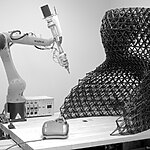
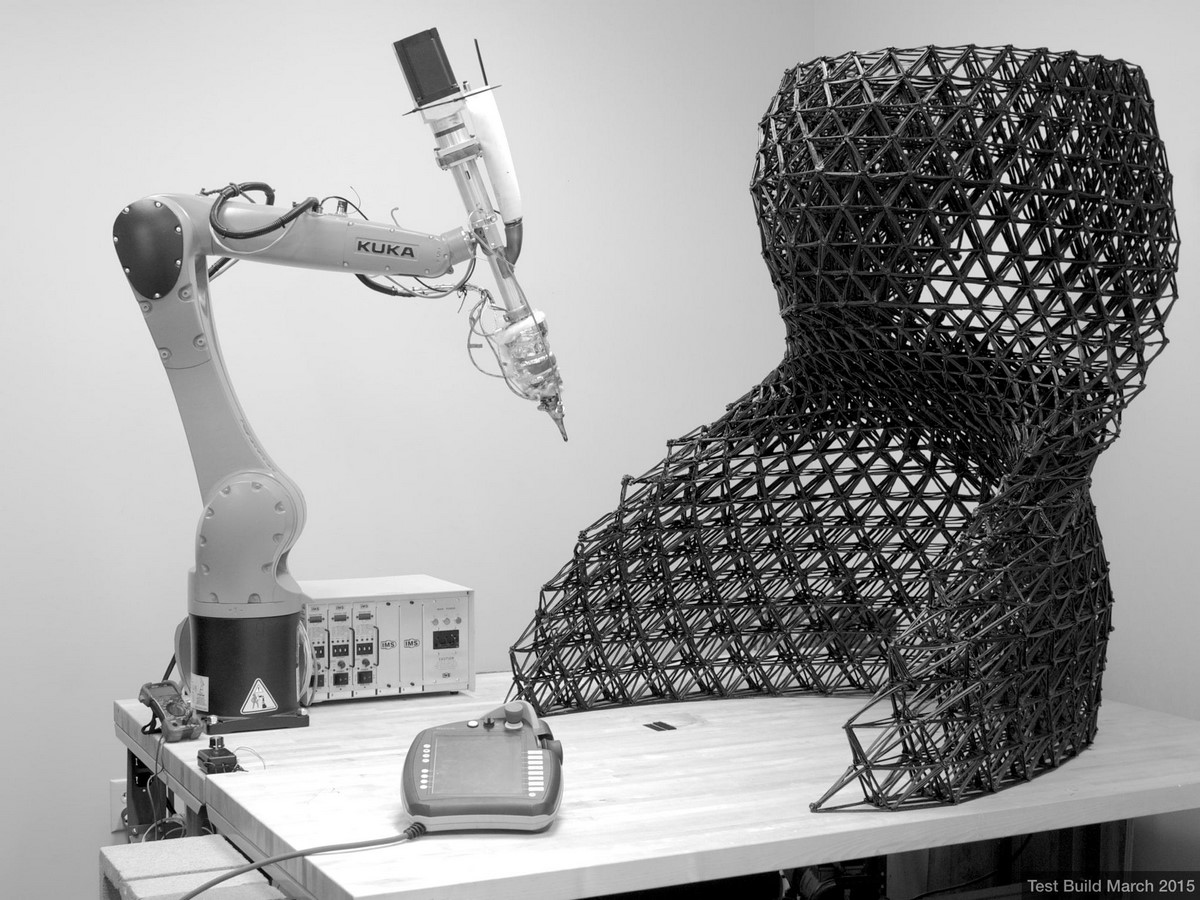
Digital Fabrication is a fusion of technology and creativity, where computer-guided designs help architects develop through the stages of exploration, prototyping, mass production and construction. There are many layers to digital fabrication, but the typical falls under additive and subtractive. The additive will include 3D printing, an upcoming technology that requires its subtopic due to its vast depth and recent applications. Subtractive digital fabrication is mainly adopted for precise tasks, such as carving, etching or repairing intricate structural components. Digital fabrication has hence provided unparalleled accuracy and efficiency to time.
3D Printing in Construction
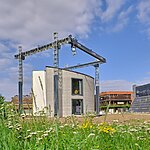
3D printing in construction is being pursued as a game-changing technology in architecture. With its fast development and flexibility, 3D-printed structures have advantages and disadvantages. While the ability to design complex and intricate designs now in the hands of the architect proves to be a winning statement, the need for more awareness and adequate knowledge towards the field leads to fewer projects and slower development.
As 3D printing is far more sustainable than traditional construction and allows precision, the use of 3D printing in the construction of residences was the first to come. Several estimates state that 3D printing technology generates much lower waste, as low as 60%, than average construction sites. On the other hand, 3D printing is relatively expensive, is a niche skill, and requires several elements, such as unique materials.
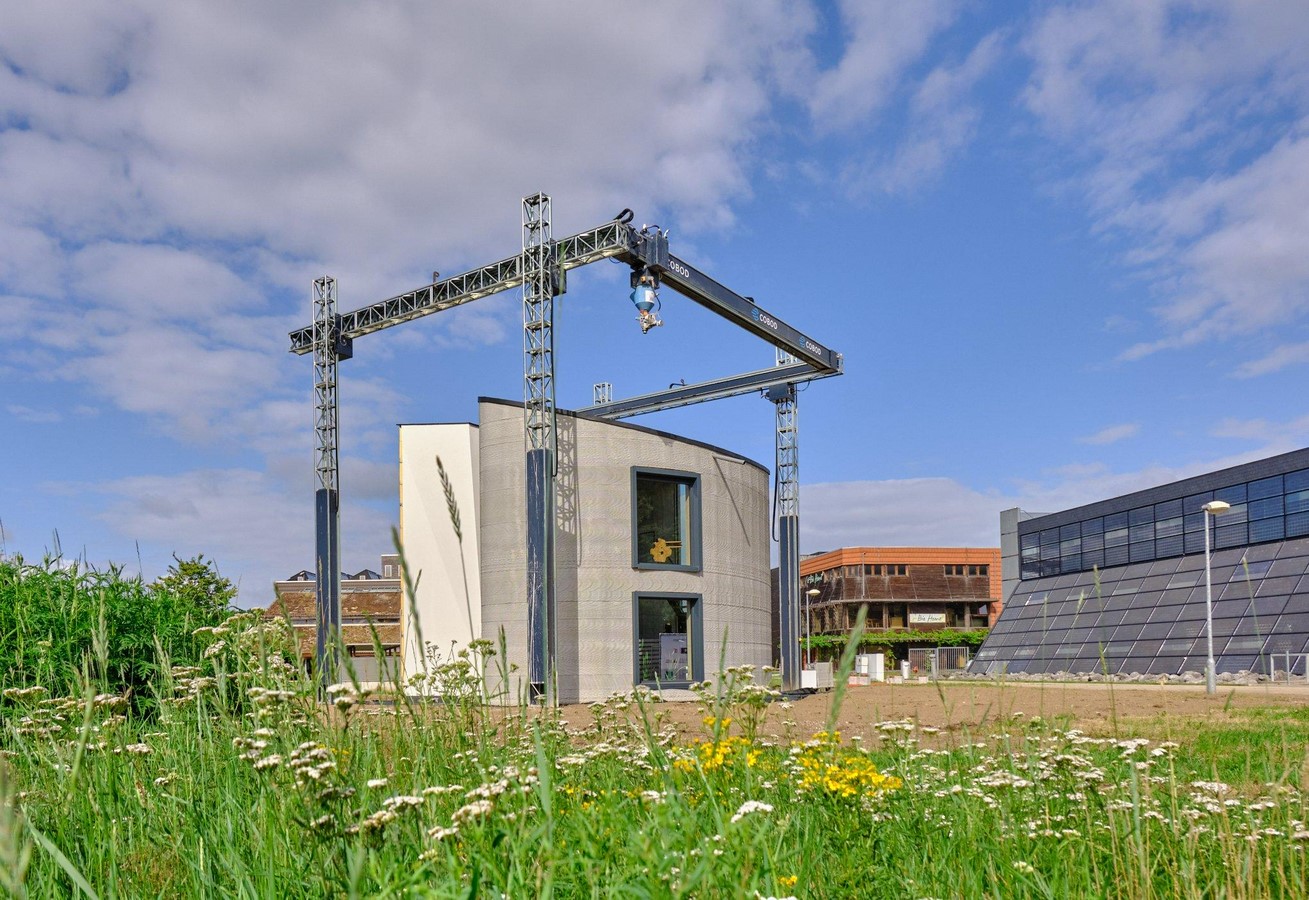
Nonetheless, several companies and start-ups are now looking towards development and have adopted 3D printing. Various examples have been noticed all over the globe. The questions on the material are also being experimented upon, bridging the lack of knowledge to better help in development.
Flexible and Multi-Functional Spaces
As several technologies make jobs more accessible, the problem of lack of space seems relatively unexplored. With a population boom, the lack of space has been identified, and flexible, multi-functional spaces have arrived to our rescue. Such a place shall provide the much-needed movement that the traditional structures lack. Flexible architecture is cost and time-efficient; it responds to the day-to-day situations and the changing environment. It paves creative pathways and provides innovative solutions to problems of changing times.
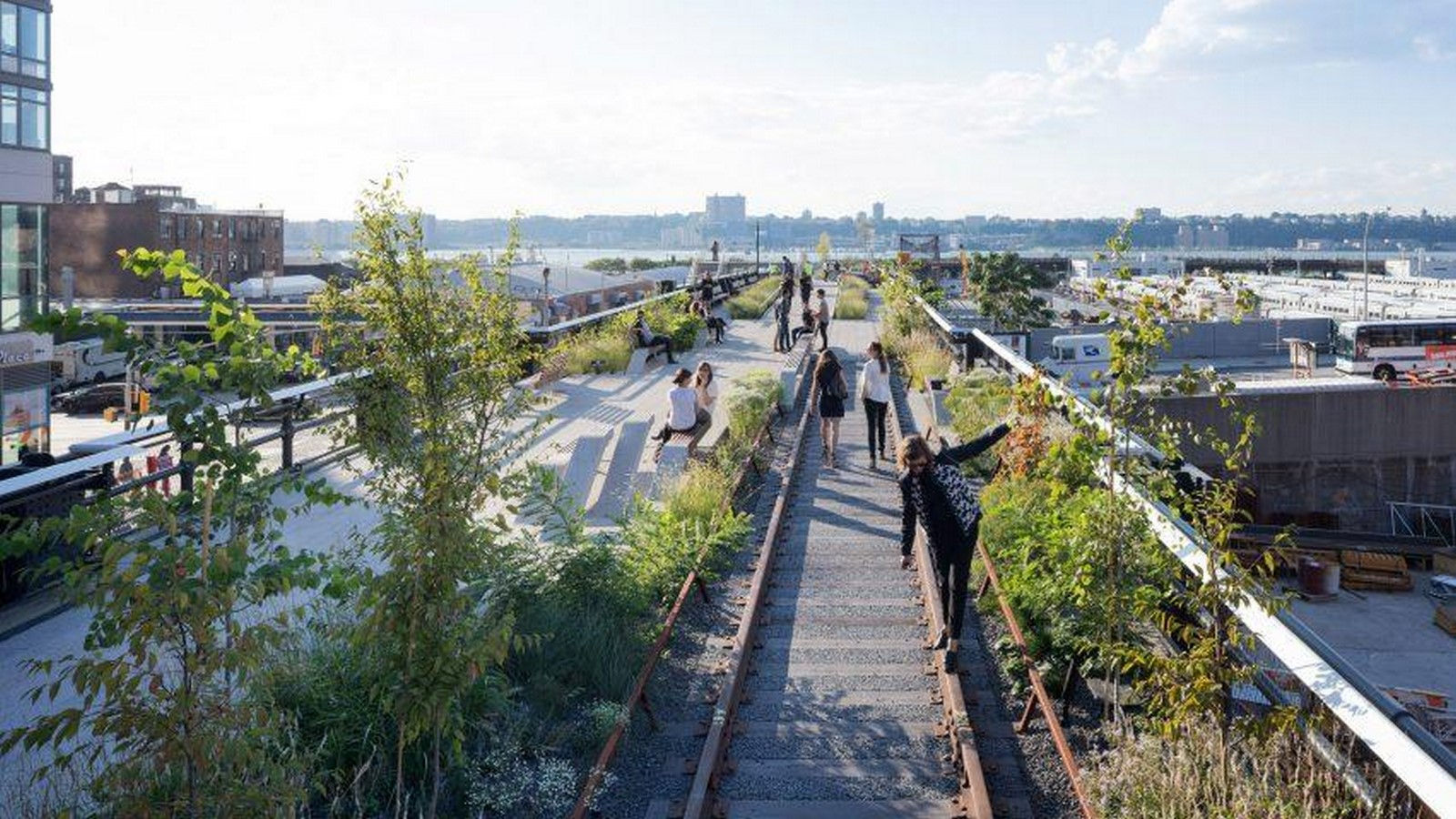
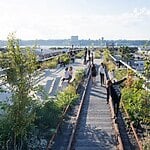
Multi-functional spaces, with proper consideration of time and space, can also prove efficient and aesthetic. Examples of multi-functional spaces include public parks, buildings and even houses. They draw communities together for several activities, such as exchanging thoughts, ideas and perspectives, making these spaces a mode of empowerment for all. Some examples of such places include Brooklyn Boulders, The High Line, and many more.
Conclusion
The story continues; there are several other technologies and construction techniques, but these provide the basis for the future of architecture as a field of study and construction. Prefabrication, 3D Volumetric Construction, and different materials such as self-healing concrete, transparent aluminum, and permeable concrete are some to pique your interest towards the endless possibilities.
As we actively study the history of architecture, the future and the upcoming have been left for the architecture fraternity to work on. It should be their responsibility as institutions of impact to hold lectures or webinars indicating the need for newer software, construction techniques and materials that can not only help the country’s economic development for the future but can also solve more significant problems like affordability and lack of functional spaces in overpopulated nations as well as solving several other problems by the predicted year, 2050.
References
- Smith, N. (2022). The Future of Zero Waste Living: Sustainable Architecture. [online] Environmental Center. Available at: https://www.colorado.edu/ecenter/2022/02/07/future-zero-waste-living-sustainable-architecture.
- Team, H.W.D. (2022). Sustainable Building: The Future of Architecture. [online] HomeWorldDesign. Available at: https://homeworlddesign.com/sustainable-building-the-future-of-architecture/.
- www.linkedin.com. (n.d.). Parametric Design: Pushing the Boundaries of Architectural Possibilities. [online] Available at: https://www.linkedin.com/pulse/parametric-design-pushing-boundaries-architectural-fatema-abbas.
- Journal. (2023). The Future of Architecture: The Past, Present and Future of Digital Fabrication. [online] Available at: https://architizer.com/blog/inspiration/industry/past-present-and-future-of-digital-fabrication/ [Accessed 26 Nov. 2023].
- Harvey, A. (2023). 3D Printing in Architecture and Construction: The future of the industry? [online] Taradigm. Available at: https://www.taradigm.com/3d-printing-in-architecture-and-construction/.
- Houzz. (n.d.). What the Future Holds for 3D Printing in Architecture and Design. [online] Available at: https://www.houzz.com/magazine/what-the-future-holds-for-3d-printing-in-architecture-and-design-stsetivw-vs~57915631 [Accessed 26 Nov. 2023].
- identityARCHITECTS. (n.d.). Unconventional Spaces: Why Flexible Architecture is the Future. [online] Available at: https://www.identityarchitects.com/news/flexible-architecture.
- Anon, (n.d.). Multifunctional Spaces Are Fundamental for a Better Quality of Life: Read This To Find Out Why – Arch2O.com. [online] Available at: https://www.arch2o.com/multifunctional-spaces-are-fundamental-for-a-better-quality-of-life/