Significance of understanding the art & history
“Nobody can forecast what is going to surprise you most about the new environment, and it’s in those moments of surprise that everybody does the most learning”. – Padma Kaimal.
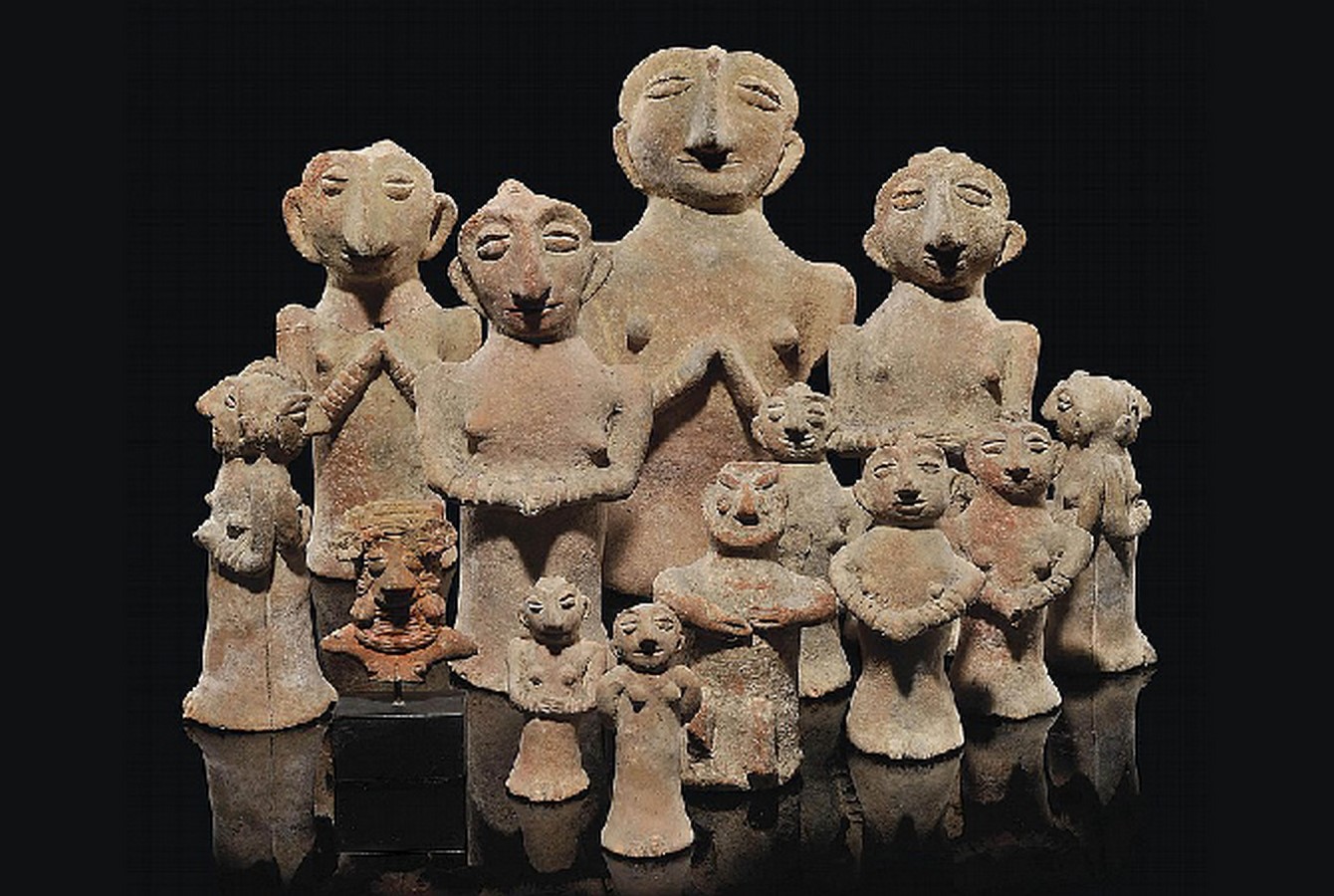
Understanding art history teaches one that many outstanding pieces of art were commissioned by state rulers and typically took the form of a portrait on the walls of temples. One of the most notable instances of this is Ancient India, which saw the rise of sculpture, architecture, and paintings. Indian artistic traditions have developed over numerous centuries. The people involved in this profession can gain a greater understanding of early cultures and surroundings with the use of this knowledge, which offers fascinating insights into those times.

Mark DiOrio / Colgate University
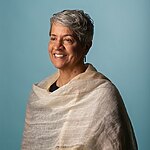
Padma Kaimal, a prominent Art historian
South Asian art history has been blessed with a field of exceptional women, which has led to a more accurate depiction of the exquisite artworks of the past. Padma Kaimal, a writer and professor at New York’s Colgate University, is one of the art historians who has always focused on the people behind the art—the creators and the fans. Looking for evidence of those whose place has historically been undervalued, such as women, and non-elites’ interest in the fragmented linkages between word and picture and in all her work in acknowledgment and investigation of the multivalent nature of art.
With a Ph.D. in Indian art from the University of California, she has published numerous books and research papers on art, mostly from the Tamil region. Her research interests include portraiture, gender studies, semiotics, critical theory, the impact of patronage on style, the iconography of Shiva’s dance, and early Indian sculpture and building.
Overview of her work
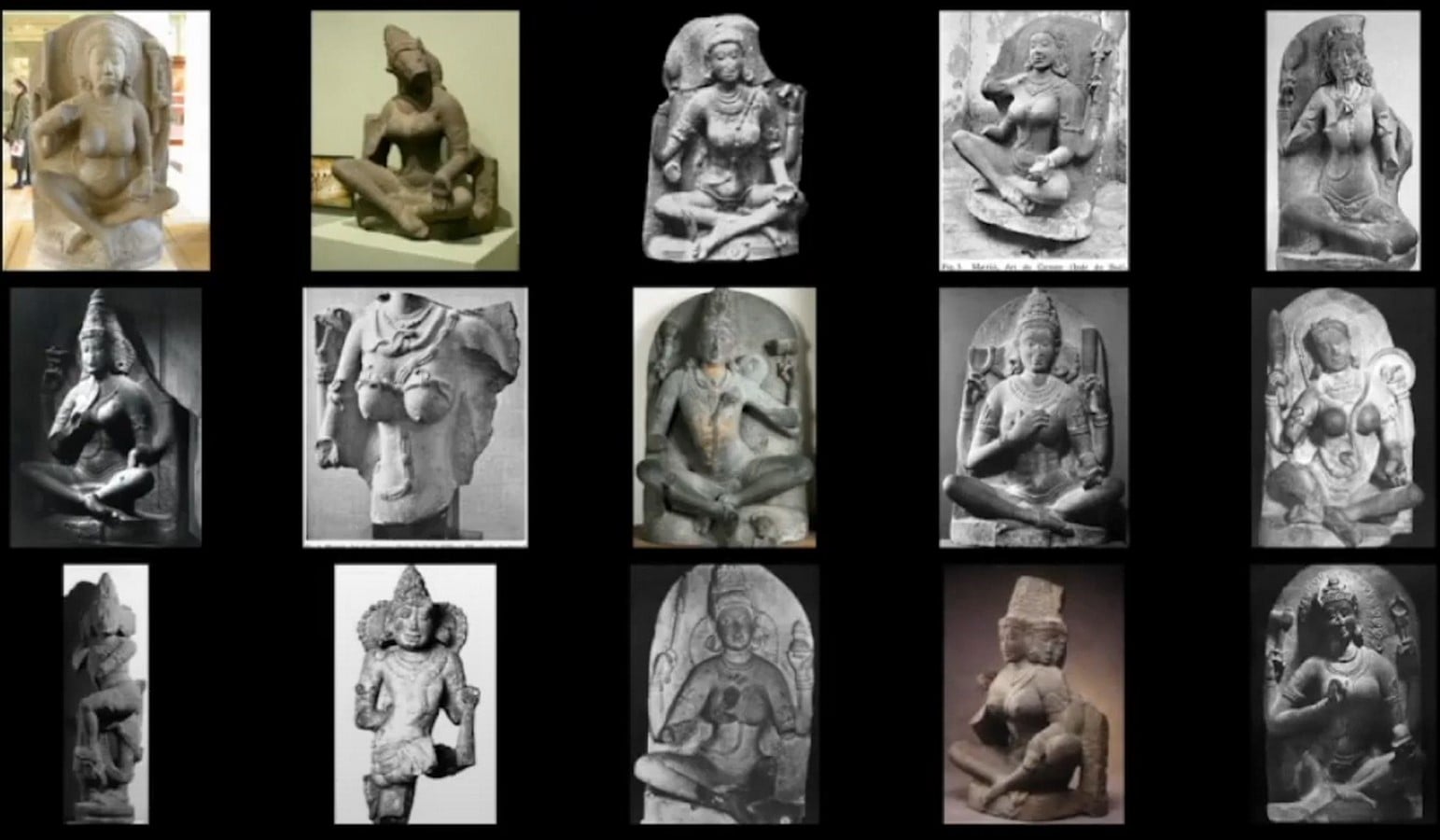
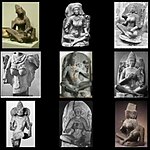
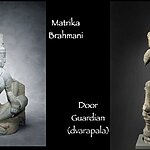
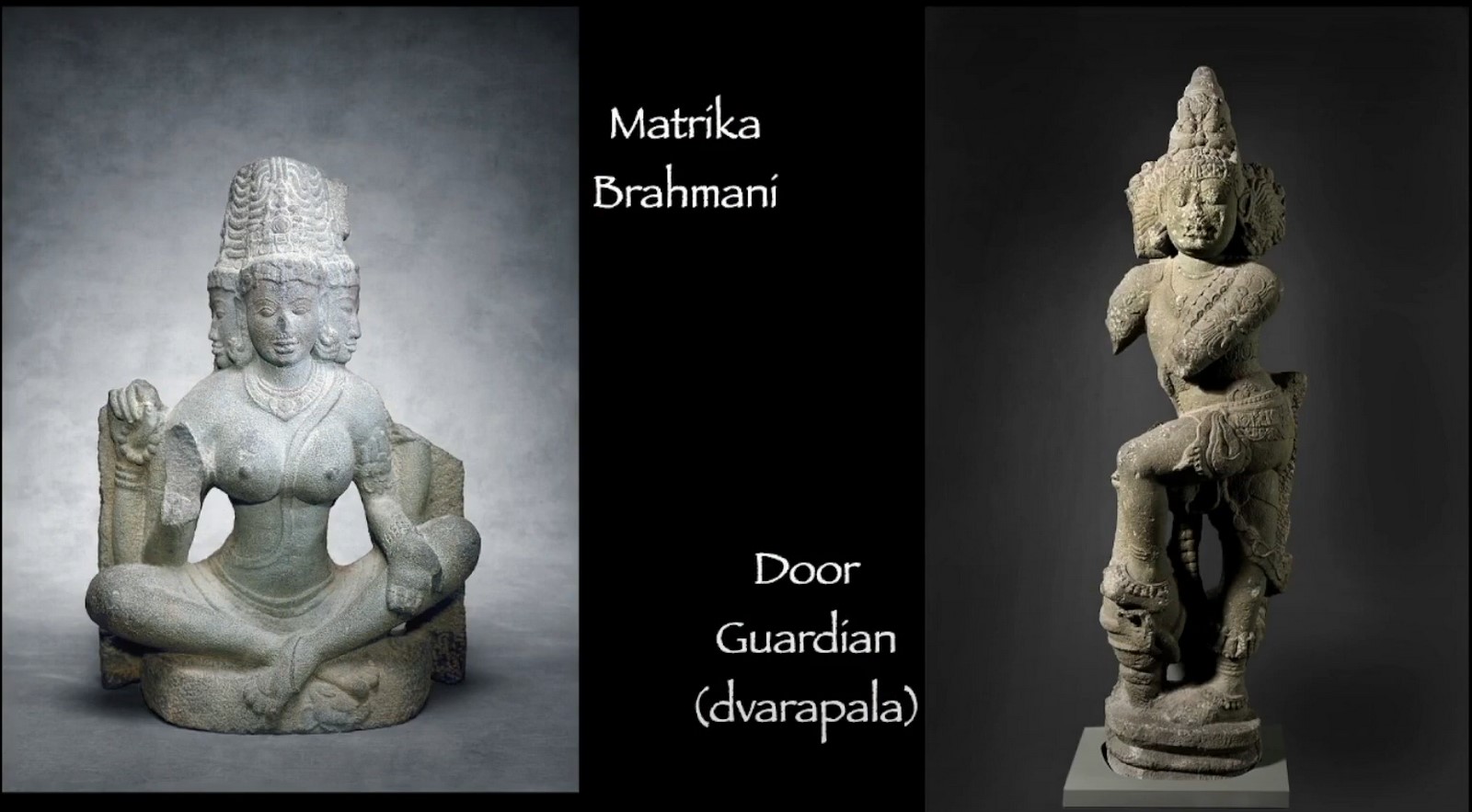
Her book “Scattered Goddesses: Travels with the Yoginis (Asia Past and Present)” was published in 2012. Scattered Goddesses: Travels with the Yoginis is a book documenting the journeys of nineteen sculptures that now live in at least twelve different museums spanning North America, Western Europe, and South India. After piecing together what these goddesses and their former companions might have meant in tenth-century South India, Kaimal follows them into the hands of private collectors and public museums, as these objects became more and more separated from one another with each transaction.
Kaimal quotes the thoughts she had during the whole journey of investigating the scattered goddesses about how the appearance of the goddesses’ homes would be when they were created. She attempted to envision how they would have once filled a circular goddess temple with a roof open to the sky, allowing sunshine, moonlight, or starlight to fill the courtyard and allowing you to take a seat in front of a goddess. One of these goddesses looks at you the moment you sit down and stare at her. Their gaze follows you.
Encountering a life changing experience
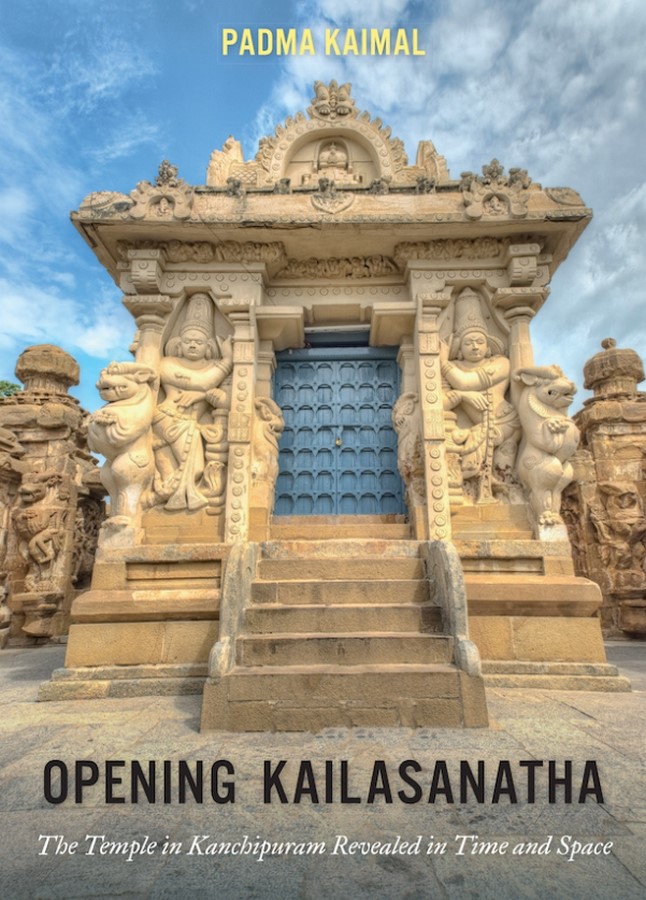
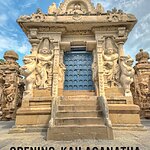
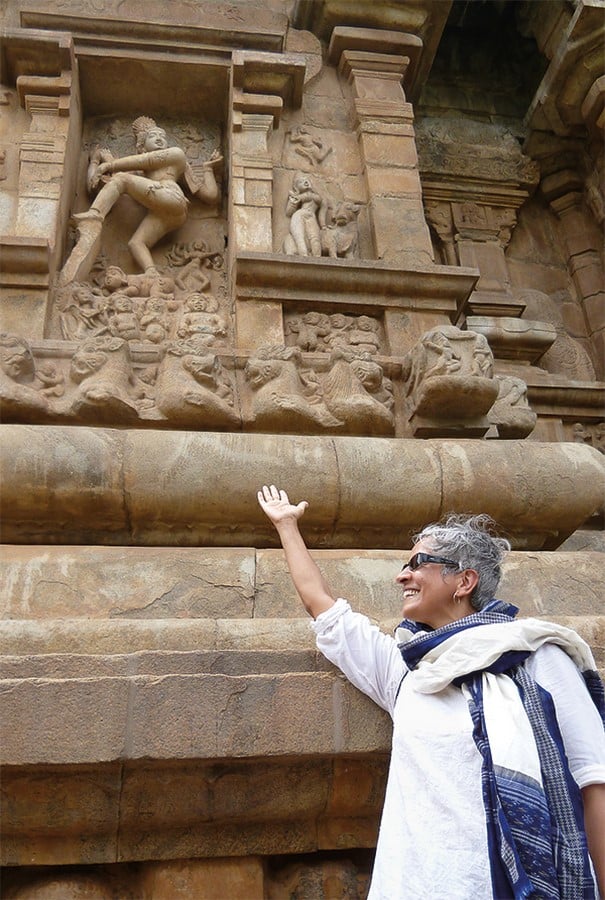
She had another encounter on her tour that changed her life: she went to the Kailasanatha temple in Kanchipuram, southeast India. Her expectations were limited to a brief visit to undertake some portraiture; nonetheless, she was pleasantly surprised by the temple’s abundance of offerings, which inspired her to write a book about it. Opening Kailasanatha: The Temple in Kanchipuram Revealed in Time and Space was released in 2021.
The Kailasanatha temple at Kanchipuram, India, is a magnificent example of early medieval construction. The temple, which was originally constructed in the ninth century for the worship of the Hindu god Shiva under the patronage of select Pallava emperors, has long been recognized for its contributions to defining architectural and artistic achievements in this region. Padma Kaimal guides the reader through the temple complex in Opening Kailasanatha, revealing the different patterns and avenues available for experiencing Shiva and Pallava worldviews.
Kaimal’s investigations are guided by complementarity concepts. The regular display of magalam and amangalam kinds of power is one of the patterns she notes throughout the book. Magalam represents a way of being that encourages or pursues life-sustaining, procreative, and propitious deeds. Its antonym, amangalam, denotes a desire to transcend that state of being through asceticism, sexual restraint, and renunciation. Kaimal’s investigations assist us in making sense of the complexities of such perspectives as well as the meaningful ways in which they connect with our own.
Her contributions to the field
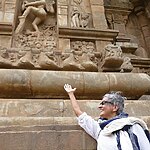
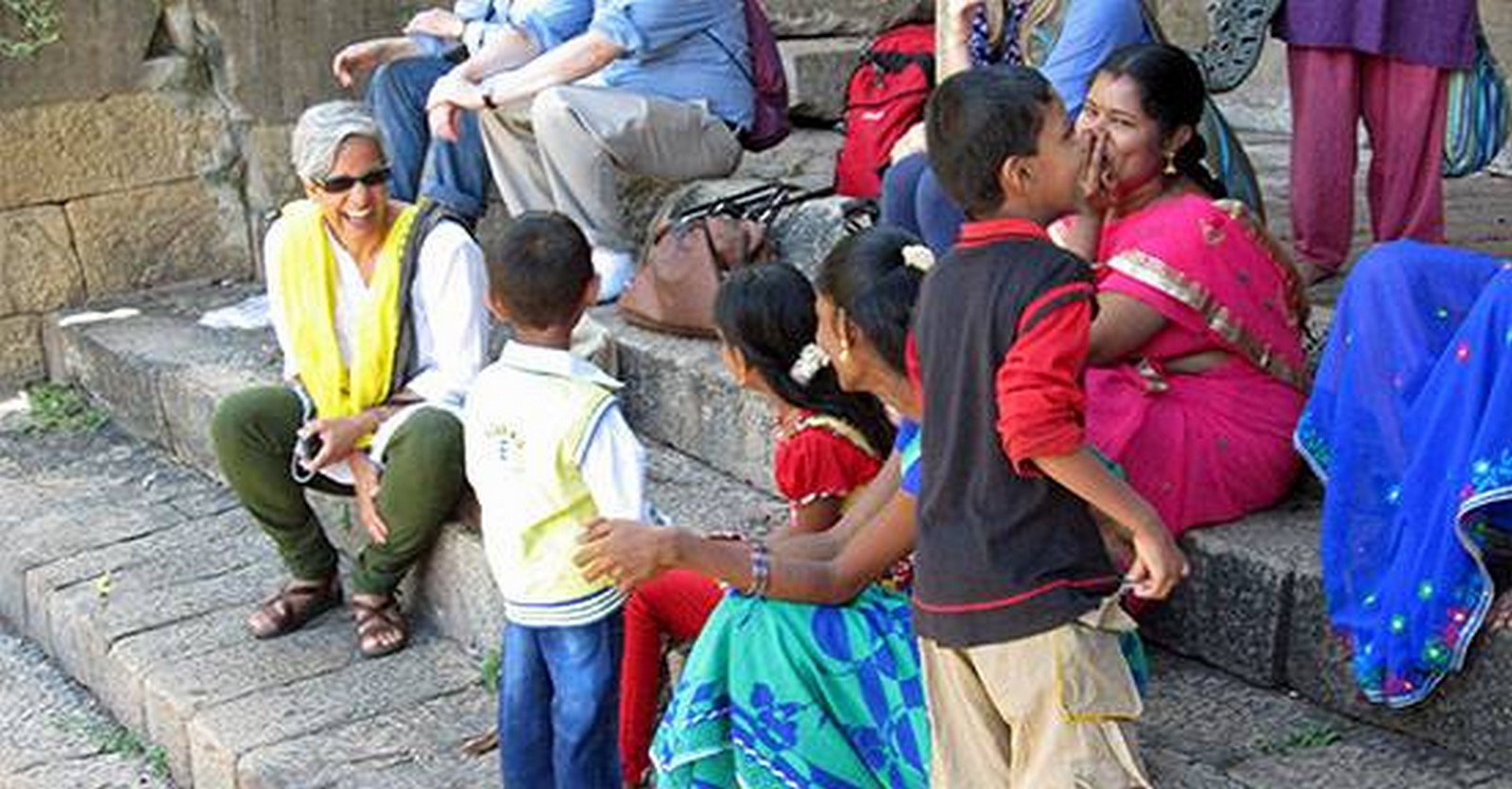
Padma assisted in leading a faculty excursion to India for 27 faculty members in the winter of 2012. The purpose was to face questions of identity, culture, and knowledge across intellectual boundaries, challenging all Core teachers to think beyond their academic specialties. She intended for them to begin with areas she was familiar with, where she could provide them with a solid foundation and immerse them in the job, she was familiar with. From the iconography to the architecture of the temple through a very deep and critical art historical reading, seeing how the temple transforms over time with light and darkness, and reading it in conjunction with literature, they presented their experiences on the blog Reflections from India, which they kept on the Colgate University page.
She authored a very influential research paper about colour and sculpture in South Asia in which she made an alarming point about how we understand medieval sculpture, which is that they were colourless objects similar to neoclassical sculpture in Greece and Rome. She made the insightful point that our preconception is founded on nothing more than an ingrained stereotype, rather than hard evidence. It has been fascinating to see Professor Padma’s out-of-the-box thinking, which has grown into literature, illustrating that art and history have something beautiful to offer everyone!
Citations- Padma Kaimal – Jaipur literature festival (2013) https://jaipurliteraturefestival.org/. Available at: https://jaipurliteraturefestival.org/speaker/padma-kaimal (Accessed: 22 November 2023).
Two views on South Asian sculpture with Dr. Catherine Becker and Dr. Padma Kaimal (no date) College of Liberal Arts. Available at: https://liberalarts.utexas.edu/southasia/events/two-views-on-south-asian-sculpture-with-dr-catherine-becker-and-dr-padma-kaimal (Accessed: 22 November 2023).
(2018). YouTube. 1 March. Available at: https://www.youtube.com/watch?v=y6DGk29YaMQ&t=102s (Accessed: 22 November 2023).
Participants (no date) Reflections from India. Available at: https://colgate-india-core.blogspot.com/p/participants.html (Accessed: 22 November 2023).