If we think about 1000 years back, the time when people built with locally available materials mud, wood, stone, extensively. Did they ever imagine that a wonderful material like concrete would be invented one day? Which is now extensively used as a building material. Similarly, we have explored many different materials and technologies where we have learned to build taller structures to accommodate more people in less space. Also, the invention of methodologies like precast systems, and Pre-engineered building technologies have had a huge impact on the construction industry. Likewise, we have seen sustainable ways of construction which have prevailed from the past, most of these traditional building systems use the locally available materials to build, Hence, the materials like, mud, bamboo, etc, have further seen explorations and work well in collaboration with certain other materials. Likewise, we have also seen a lot of development in technology which has helped us move from using hand drafting skills to BIM modeling techniques which helps architects in visualizing the building virtually.
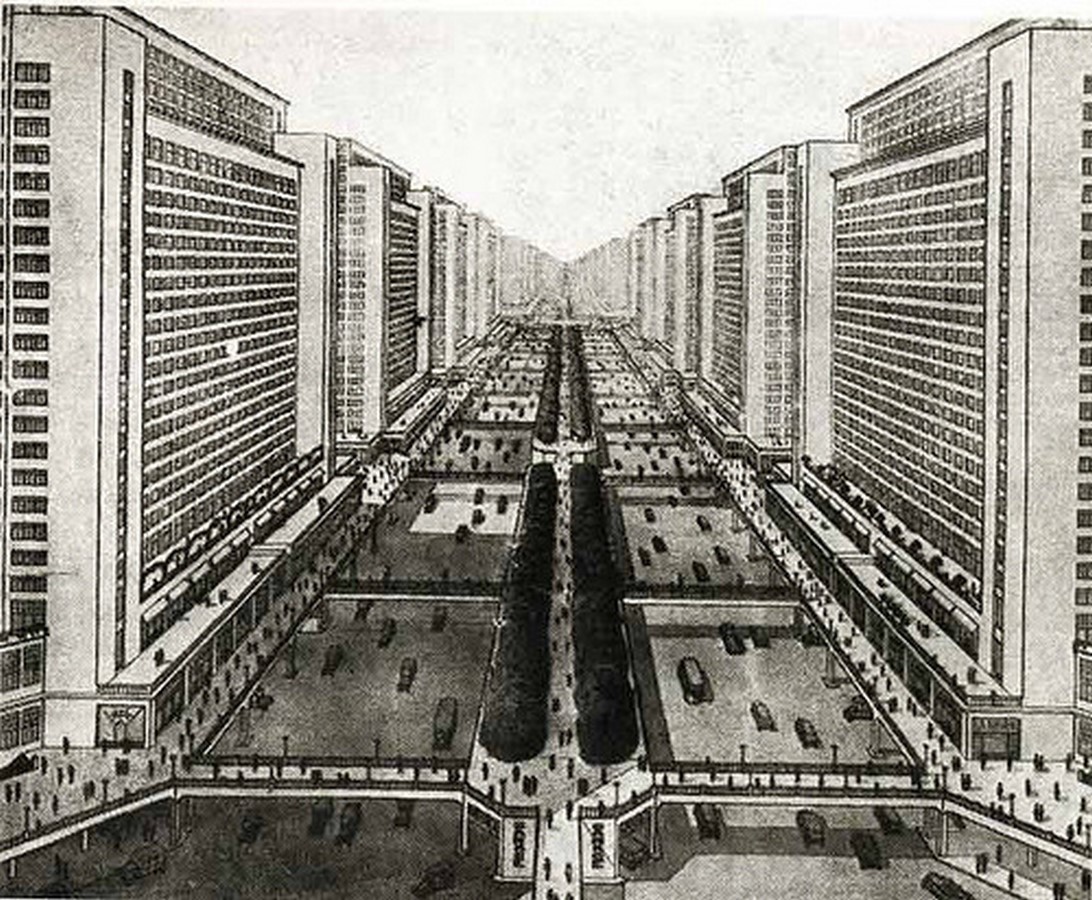
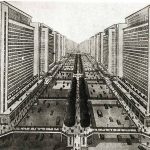
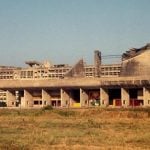
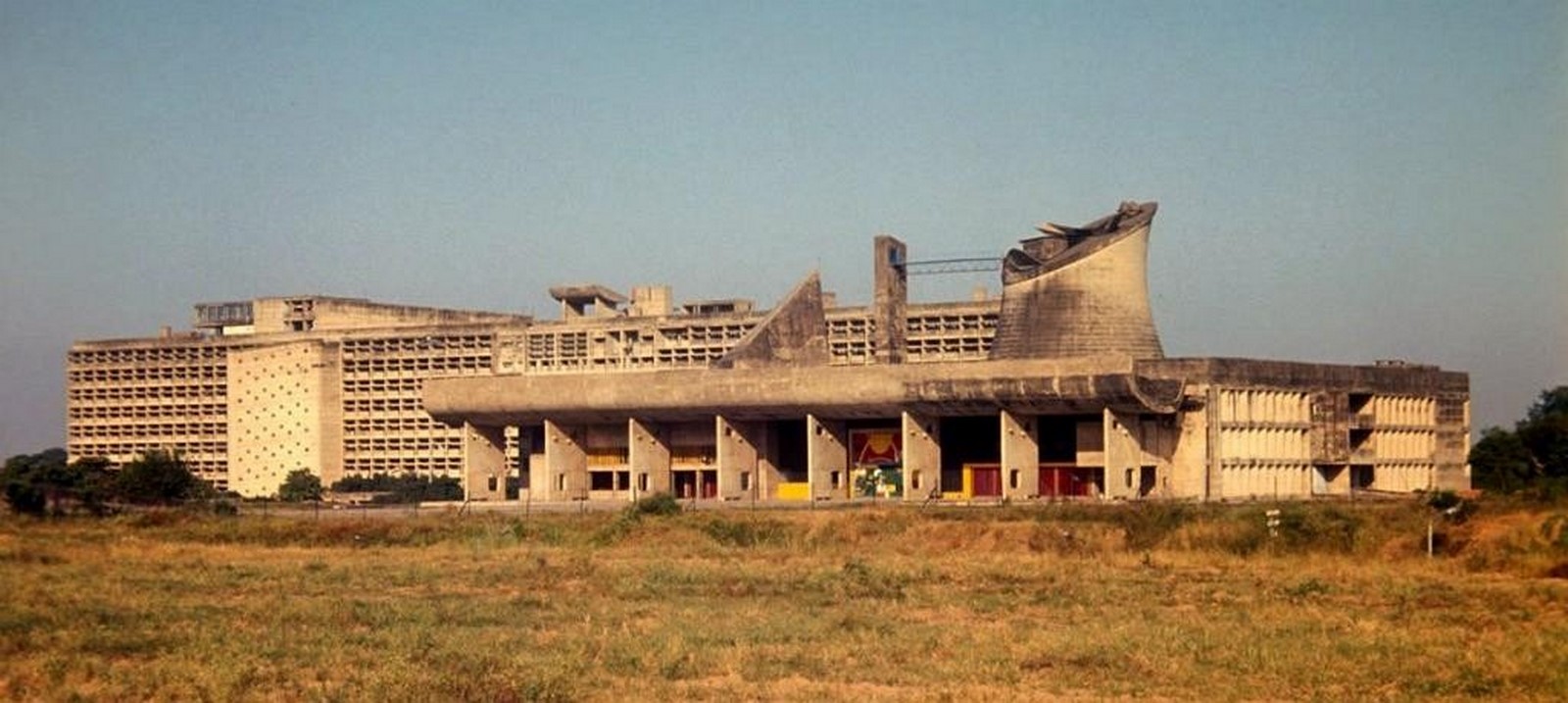
Many architects and planners have proposed schemes for future cities and town planning – Like Le Corbusier’s – Ville Radieuse promotes vertical building, keeping more space on the ground for green spaces, and circulation for the different means of transportation. Symmetry and modularity were the main aspects of his ideologies. Although this plan was not implemented, his philosophies have inspired many architects and urban designers. Some of the urban ideologies of Le Corbusier are reflected in the planning of the Indian city, Chandigarh.
So, when we think of the future of architecture, we are sure that there will be an increase in technology and new materials will arise day by day. Like, how architecture has grown from the past till date. Will the architecture in the future be able to cater to the climate crisis? The exploitation of natural resources? And also be able to face unforeseen circumstances like the pandemic which we are facing now?
Building High-rise
Focus Keyword – Vertical building
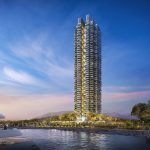
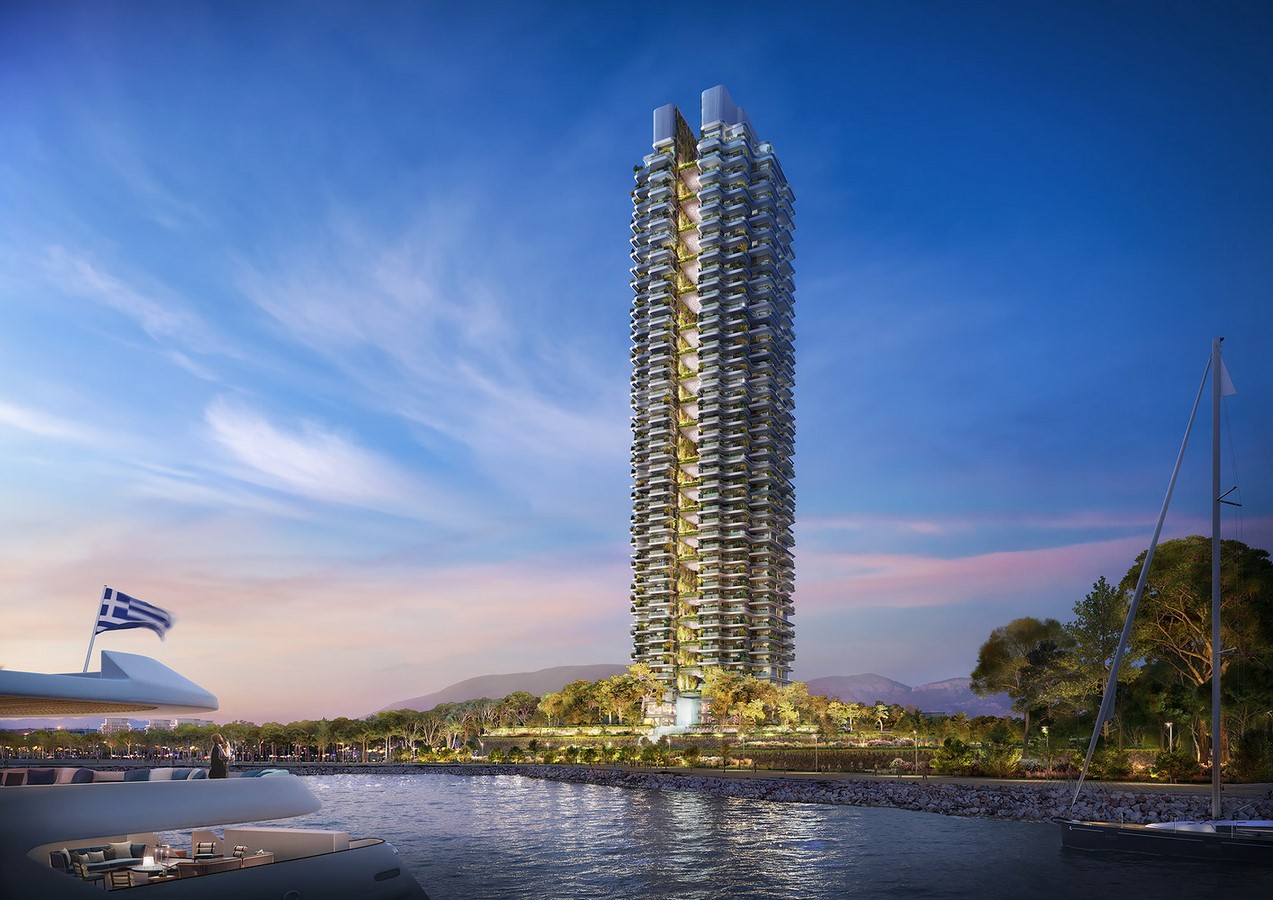
We all are aware that vertical building is the way forward. And, we have seen a surge in high-rise buildings off-late as it allows to provide multiple functions and various user groups and many people in a smaller piece of land compared to the land required to cater to the same number of people otherwise. The rise in highrise structures is a need of the hour in cities and urban environments to cater to the growing population and urban density. Vertical building allows building more efficiently. This will continue to prevail. And, with 3D printing for construction and drone cameras for surveillance and recording of the site work from several angles being introduced in the construction industry, it will help save time and also speed up the construction of these high-rise structures.
Modular Architecture
Focus Keyword – Modularity
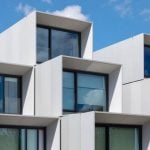
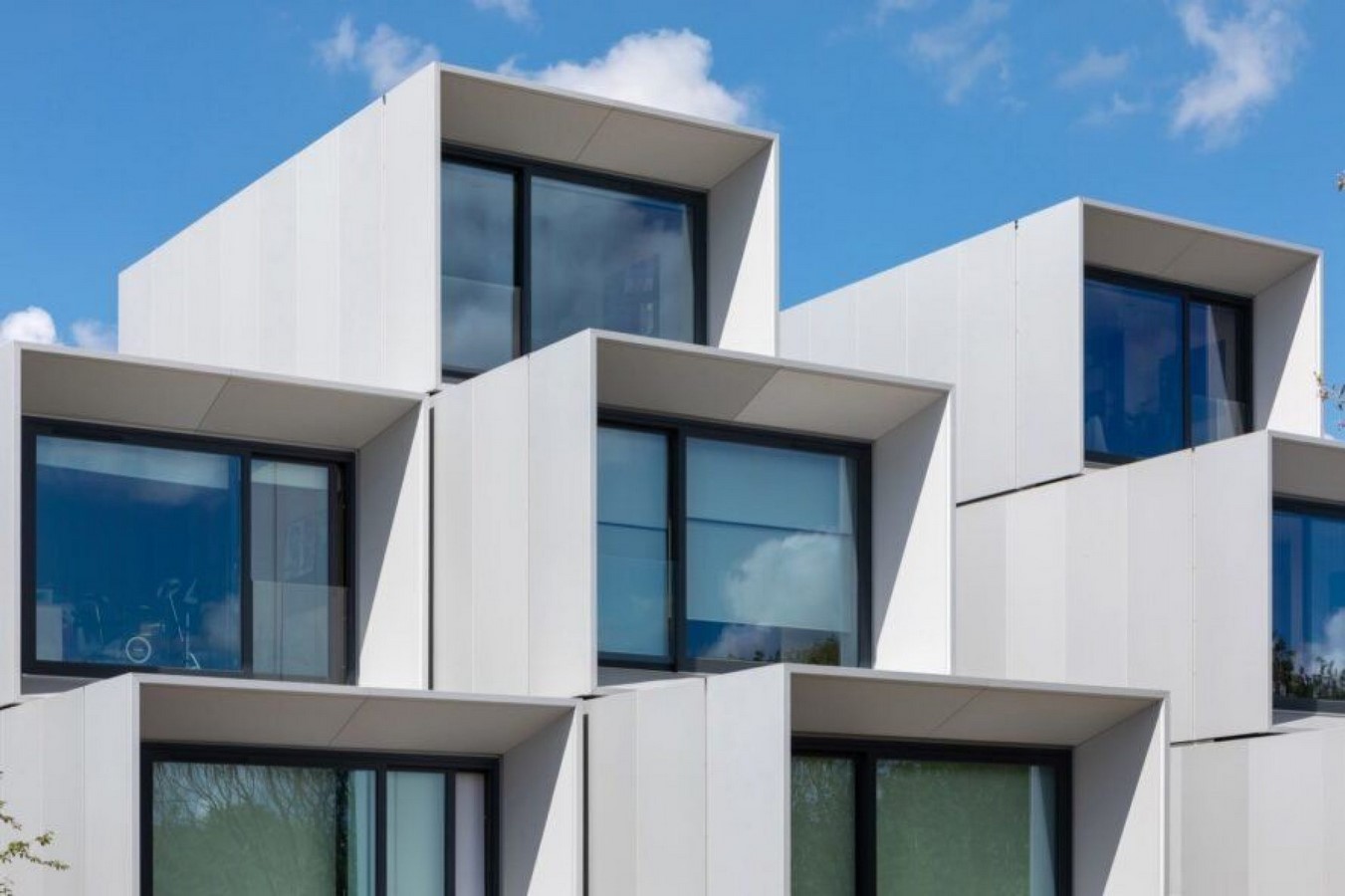
In recent times, we are seeing more explorations in the form of modular architecture which allows the prefabricated or precast modules to be assembled to form a certain module, these repetitive units form a larger building, this way the building can be easily constructed or assemble faster because all the modules are of a standard size and factory-made with the joineries already worked out, this way of building can be used for housing sector and industrial sector. The modular elements that can be easily assembled can be used during disaster management and also, to put up temporary pavilions for art expos and exhibitions, camps, etc.
Reusable materials and technologies
Focus Keyword – Circular economy
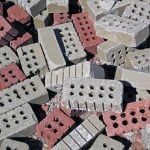
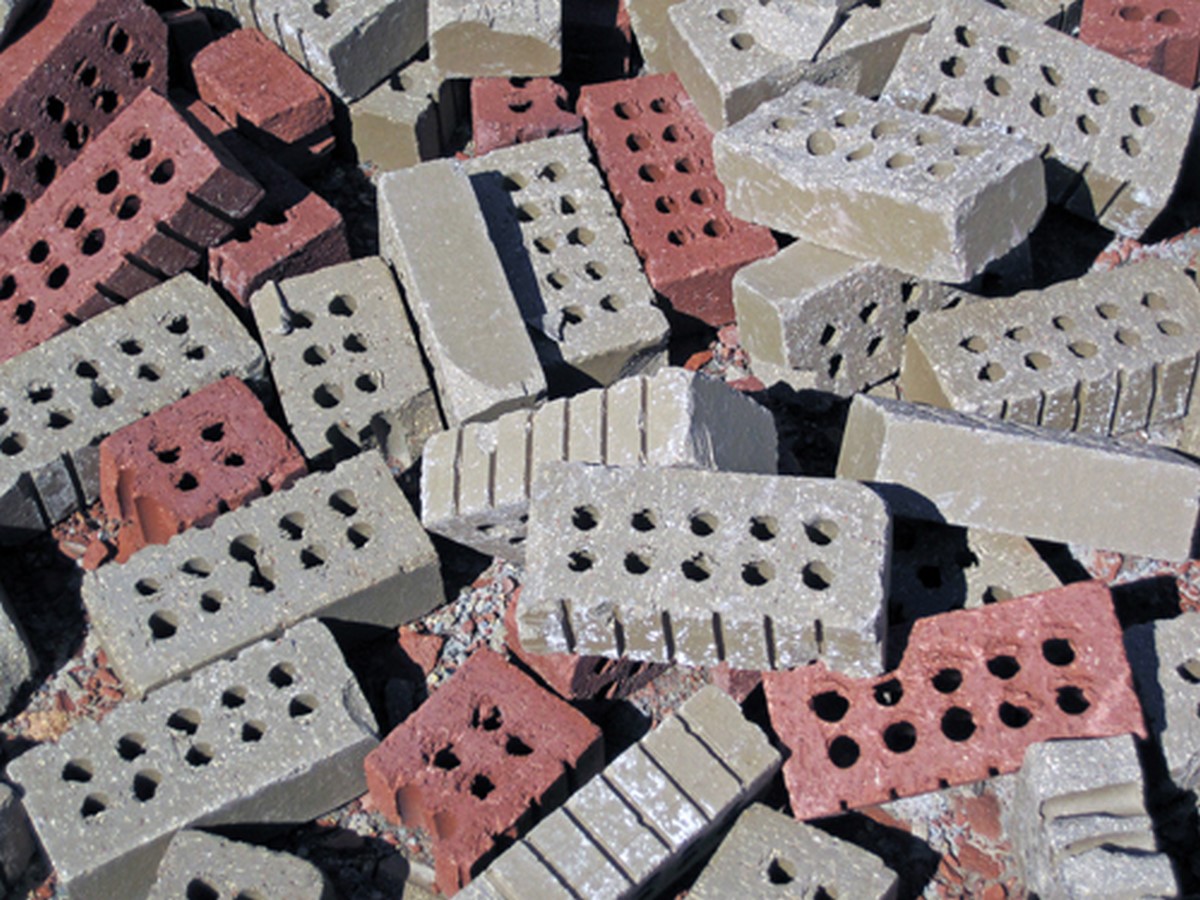
The scope of reusable and recyclable materials is more. Usage of materials that can ensure a circular economy must be appreciated. The usage of natural materials like wood, bamboo, etc, are some materials that can be grown, used for construction, and can go back to earth and are decomposed naturally or can be recycled as well. The materials like -newspaper wood (which is wood out of newspaper), recycled plastic blocks (the blocks that are made up of waste plastic that otherwise is thrown into landfills or is incinerate), recycled wood, recycled bricks (from bricks at demolition sites), etc are helping ensure develop more sustainable buildings and also help reduce waste.
Adaptive Reuse
Focus Keyword – Renovation
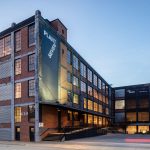
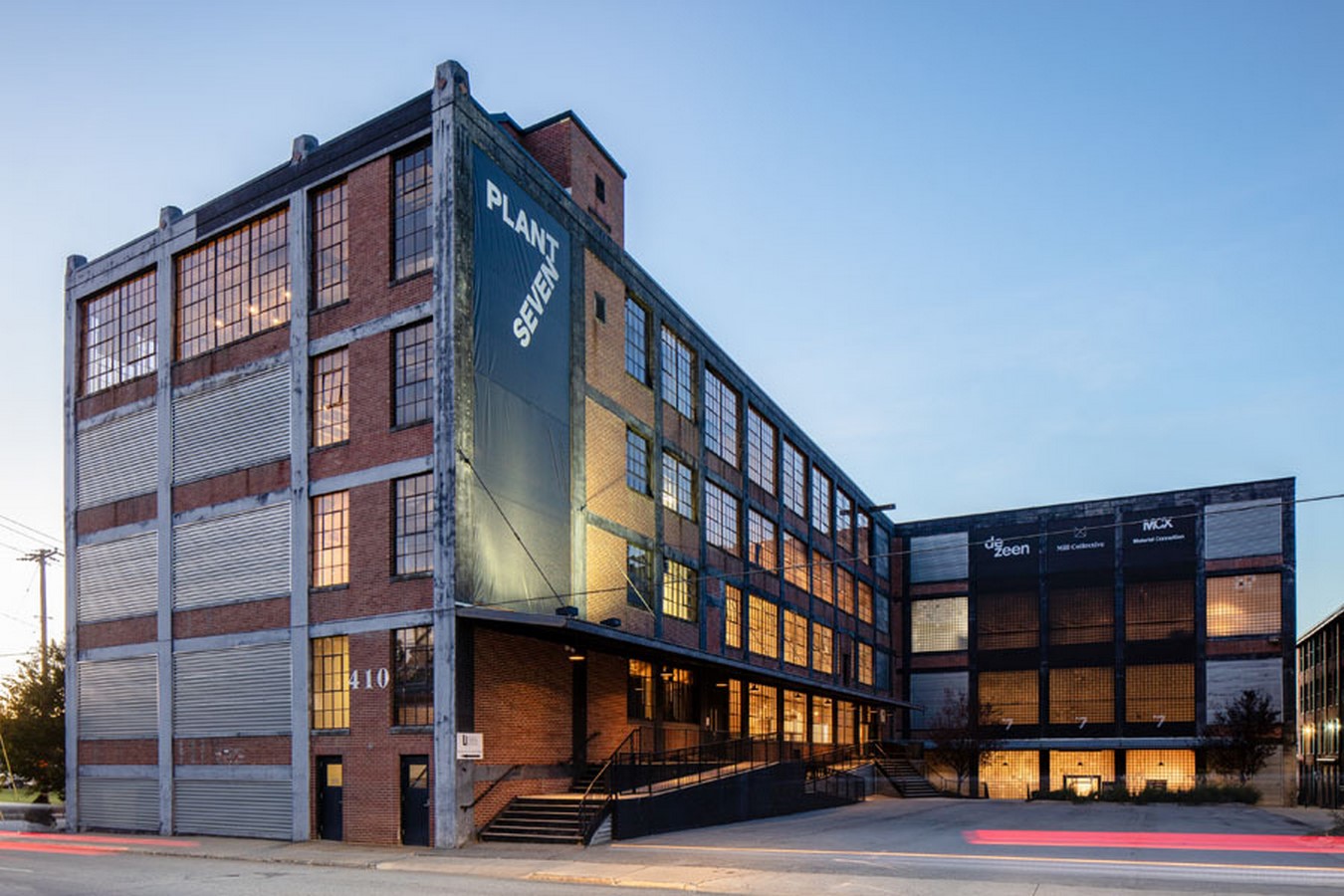
Many times the older structures in cities and towns are demolished which leads to a lot of construction waste, instead these buildings can be thought through and renovated. For example, Adaptive reuse is a way where an existing abandoned house can be turned into a small cafe or so, for public use. This way the culture of the place is conserved, and these places drive more people towards them due to their unique blend of the old structure with modern functionality. Adaptive reuse also turns out to be a faster and an efficient solution.

Transforming Architecture
Focus Keyword – Urban interventions
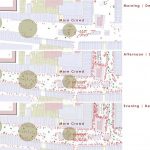
The architecture essentially as an urban design intervention or a public plaza that transforms is required to have multifunctional spaces which allow multiple stakeholders to use the space at different times of the day or on different occasions. Like, the Manek Chowk in Ahmedabad, which has various stakeholders throughout the day. Manek Chowk is filled with vegetable vendors in the morning, and is a jewelry market in the noon, and turns out to be an amazing food street by the night. These spaces and structures must be designed keeping in mind the elements to make it a universal design so that it is inclusive of the differently-abled people, vision-impaired people, the elderly more comfortably and smoothly. These spaces can also help in cases of natural calamities, or even unseen circumstances like pandemic times. Now that we have seen how many of the schools and the public buildings, etc were converted to medical centers for attending the patients, or as quarantine centers.
Conclusion
These are some ways towards which the future of architecture is inclining. The architecture must try to focus on sufficing the needs of the people but at the same time also be environmentally conscious design. The architecture should be a part of the whole, the whole being the urban fabric it is a part of, so the design’s foresight is far wider than just designing a space for one specific function. The architecture should also keep in mind the different user groups and multiple functions that one space can serve. This way we can tackle many crisis situations and give rise to more efficient designs in the future.