Can we build houses on water? Can a house hover? Can a warehouse become a hotel? Can drones replace cranes? Can a building vanish when desired? Can we dwell on other heavenly bodies? Can architecture become your mate? Can a building’s purpose re-frame? How is the future of architecture envisioned?
Architecture transmutes with time. It can adapt, modify, create breath-taking spaces. It can create a stir in the dead spaces, transform them into catalysts interwoven in the city fabric. It helps in shaping society for a better future. It rejoinders the intangible issues emerging in today’s world.
Unique styles have emerged over the years countering sundry issues. As the clock runs, these novel approaches to resolve the current issues. Today’s most accentuated problem is the space available vs population.
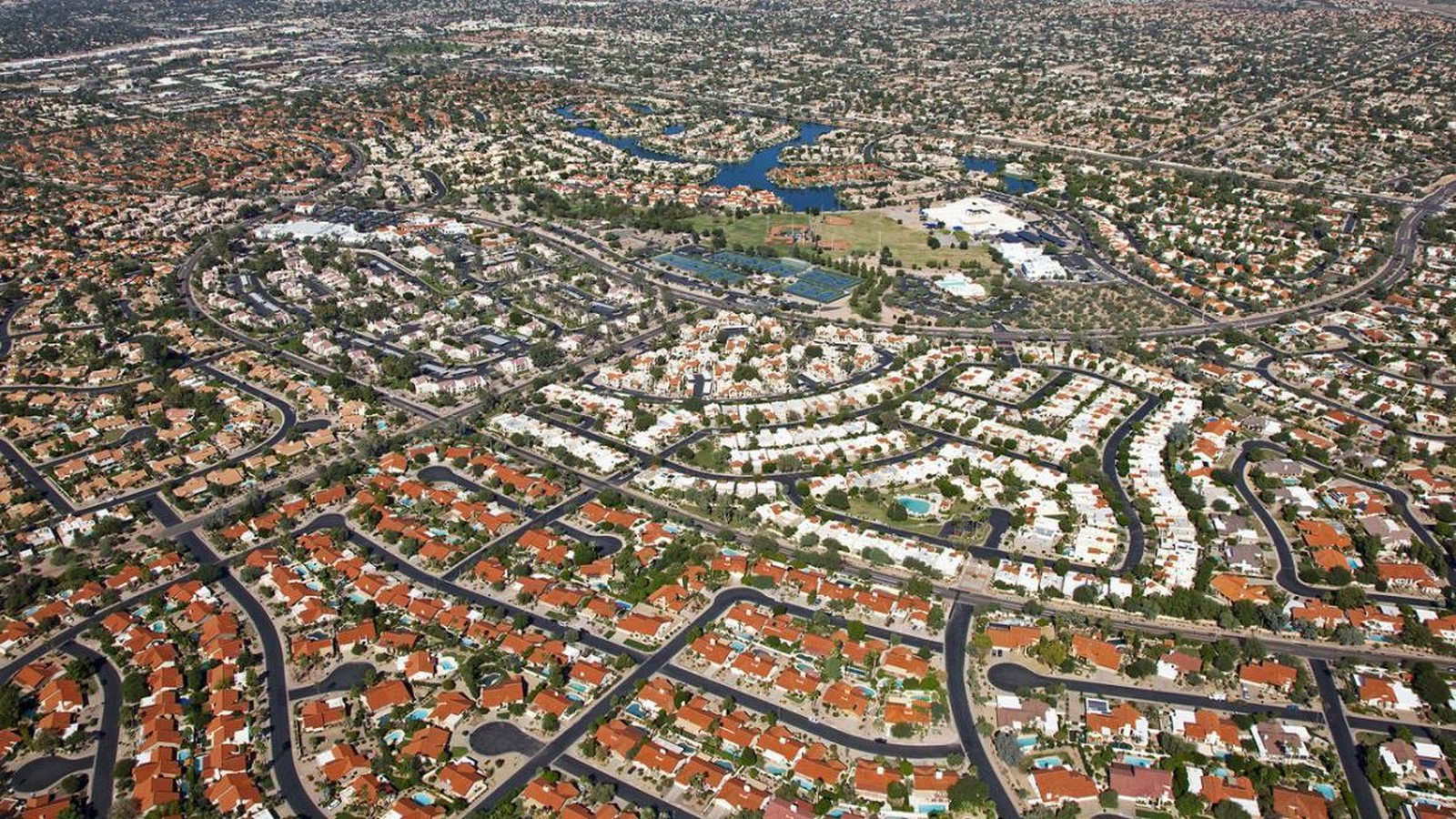
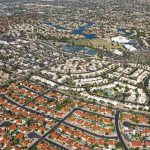
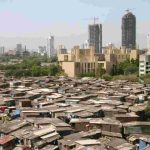
The population growth in cities gave rise to slums, urban sprawl encroaching farmlands, an increase in the carbon footprint, and many others. These secondary problems have a remarkable impact on population growth.
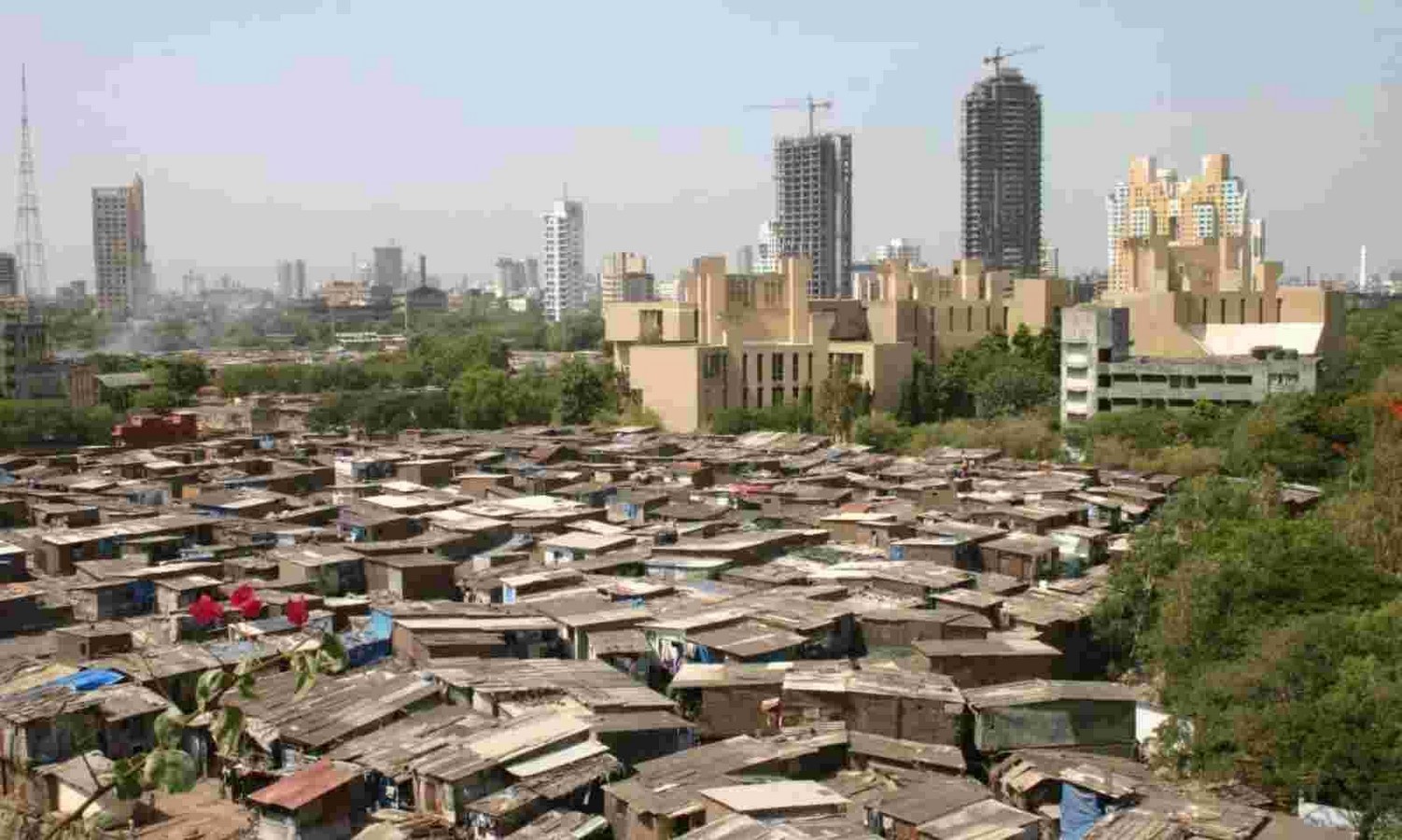
Vertical Cities
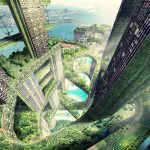
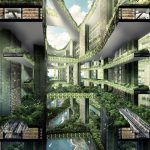
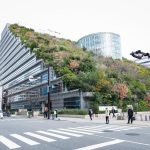
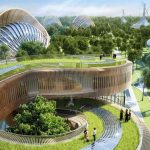
Vertical cities are one of the concepts simplifying this complicated equation. Desisting the urban sprawl, vertical cities are developed to create balance. Active centers are created which link different parts of the urban fabric which bring harmony between vertical cities and the existing discipline.
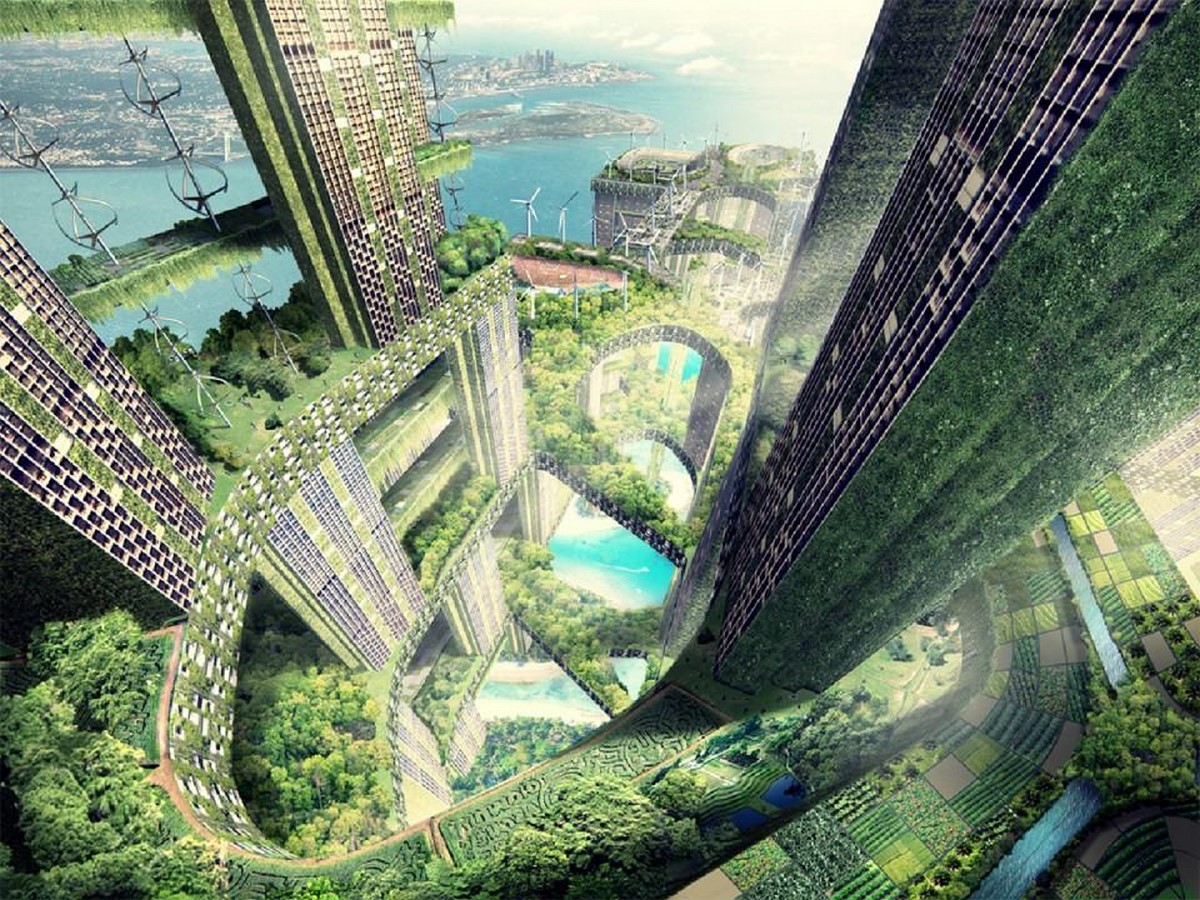
These centers are the core of human-centric designs. Consequently, the walkable spaces are generated developing an inverse relationship between pollution and health.

Can our houses fly during adversities?
Can fantasy become the future?
Modular Architecture can be conceived as the offspring of sustainable architecture. Modules of houses are created for the users who adapt to the context, respond accordingly. These modules can be arranged in many respects and create a vertical city, skyscraper, self-interested house.
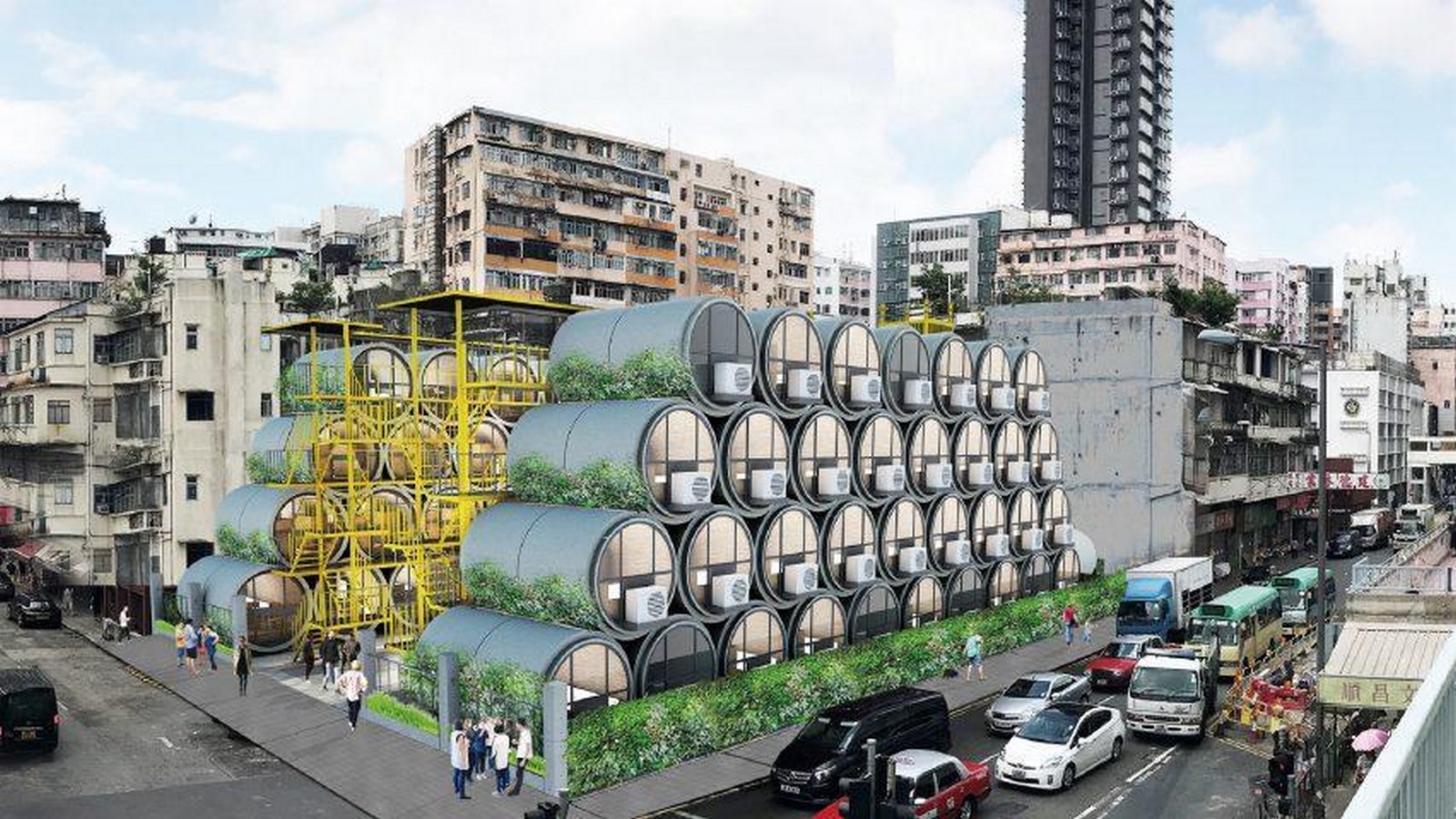
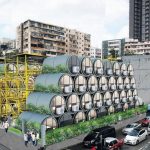
EG: O-Pod Housing
O-Pod Housing is an amalgamation of technology and modular construction evident from planning to construction. It can conform to any context, adapt to the area available. Time and again, the services are also integrated with these modules. They are affordable housing and can fit into any nook and corner in the urban fabric. Flexible spaces are a pressing priority today. Modular architecture sustains the scope of flexible spaces. Flexible spaces are a pressing priority today. This concept further enhanced and relating to other innovations, developed conceptual city and planning.

Cloud City is a man-made colony for the staff of Tibanna Gas mining floating in the clouds.
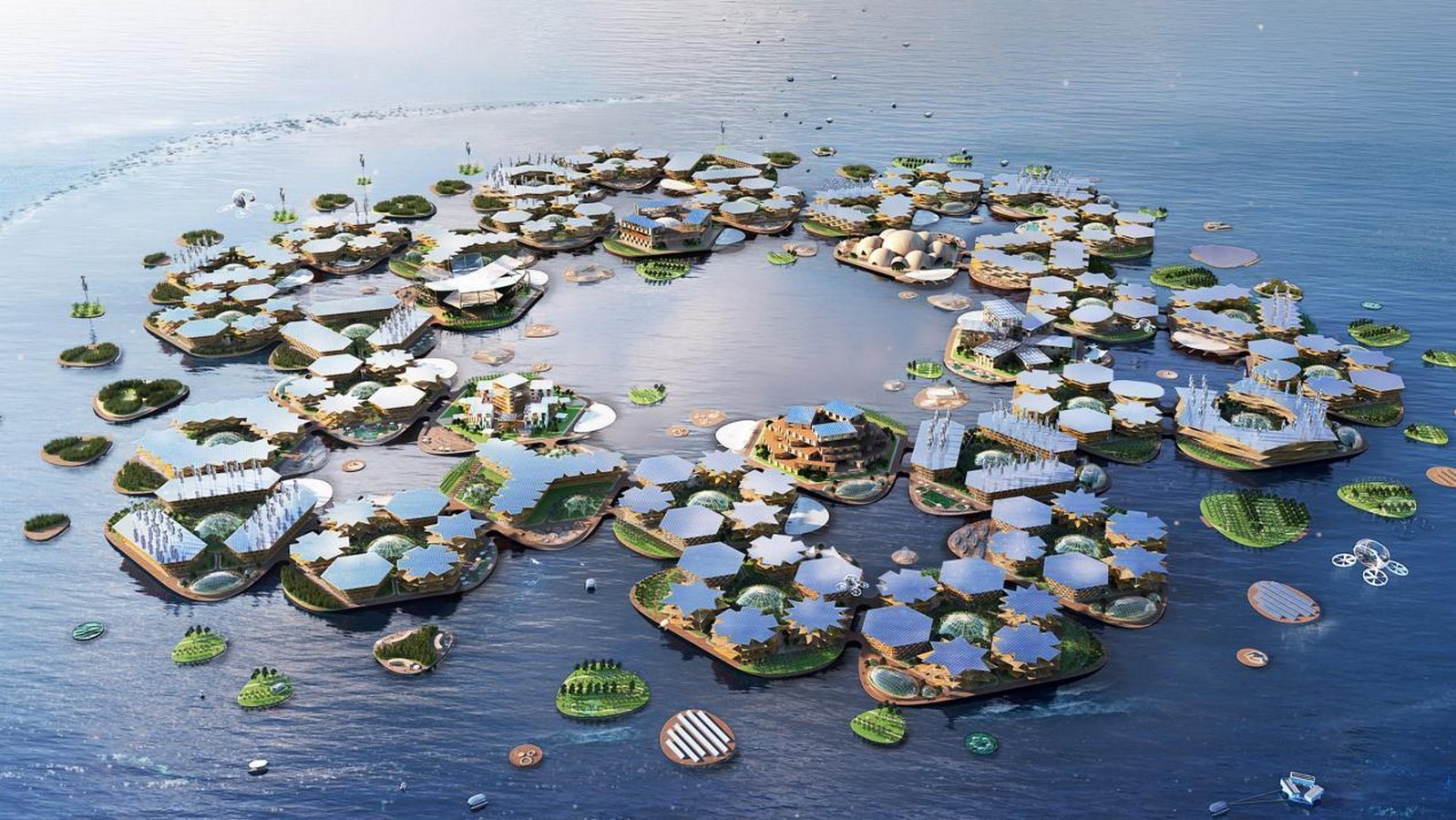
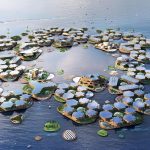
Oceanix city, which is the world’s first sustainable city on water. They have mobile modules which can move to other places in search of resources, better living conditions.
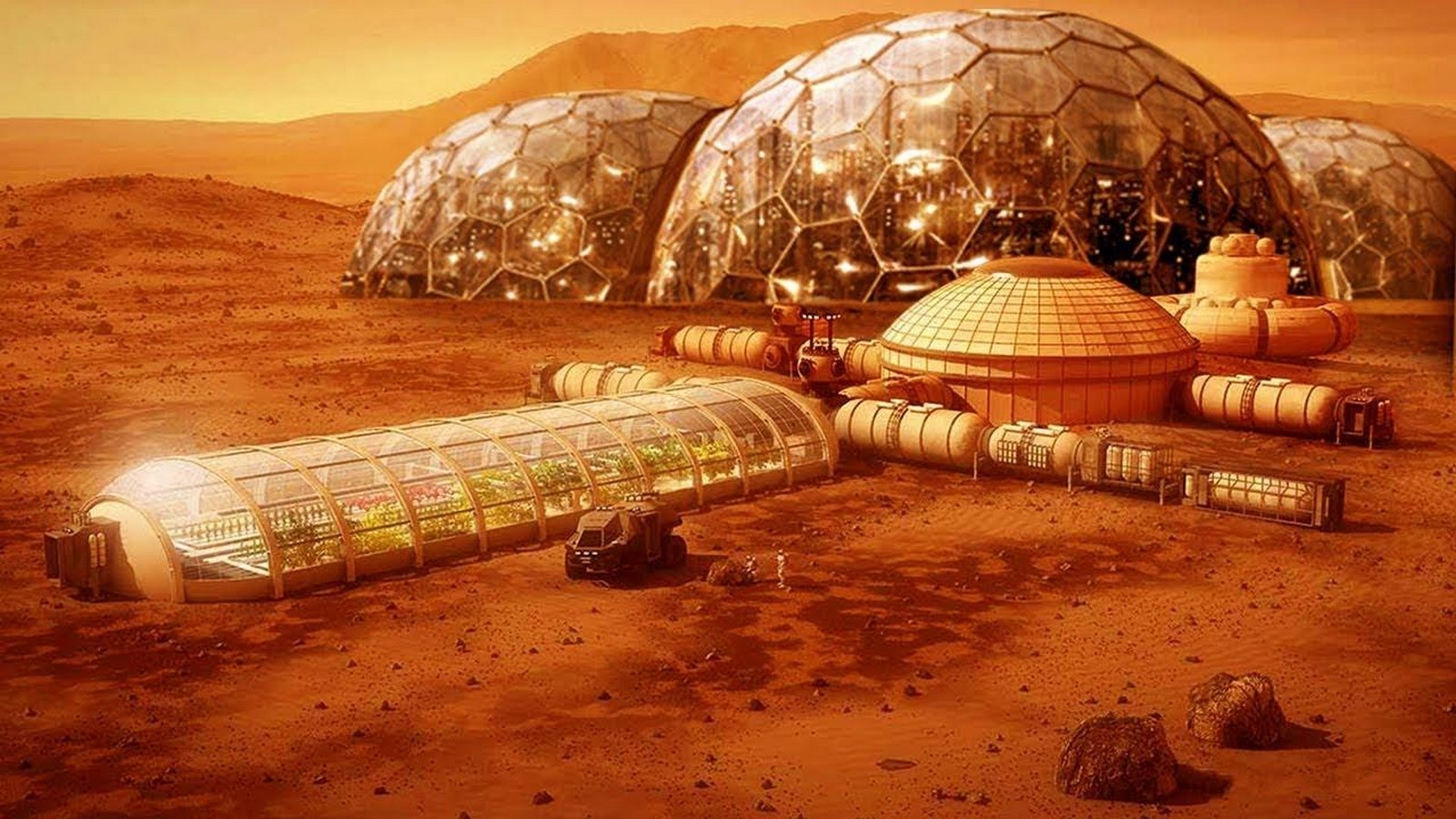
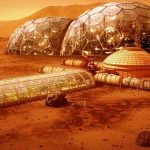
Colonization on mars is the contemporary conceptual design that gained interest. This seems to be coming right from the sci-fi movies. The innovations in technology can make these conceptual designs work in real life and evolve them as the future.
Role of Technology in Architecture
Technology is the quintessential element of our lives today from mobile phones to drones, its influence is evident across the board. It facilitates our lives and increases productivity. It is a necessary evil and reciprocative with the intent behind its usage. The use of technology in buildings should be confined to the requirements. It can ameliorate when used righteously. The advent of technology in architecture is enhancing the industry’s future.
3D-Printing
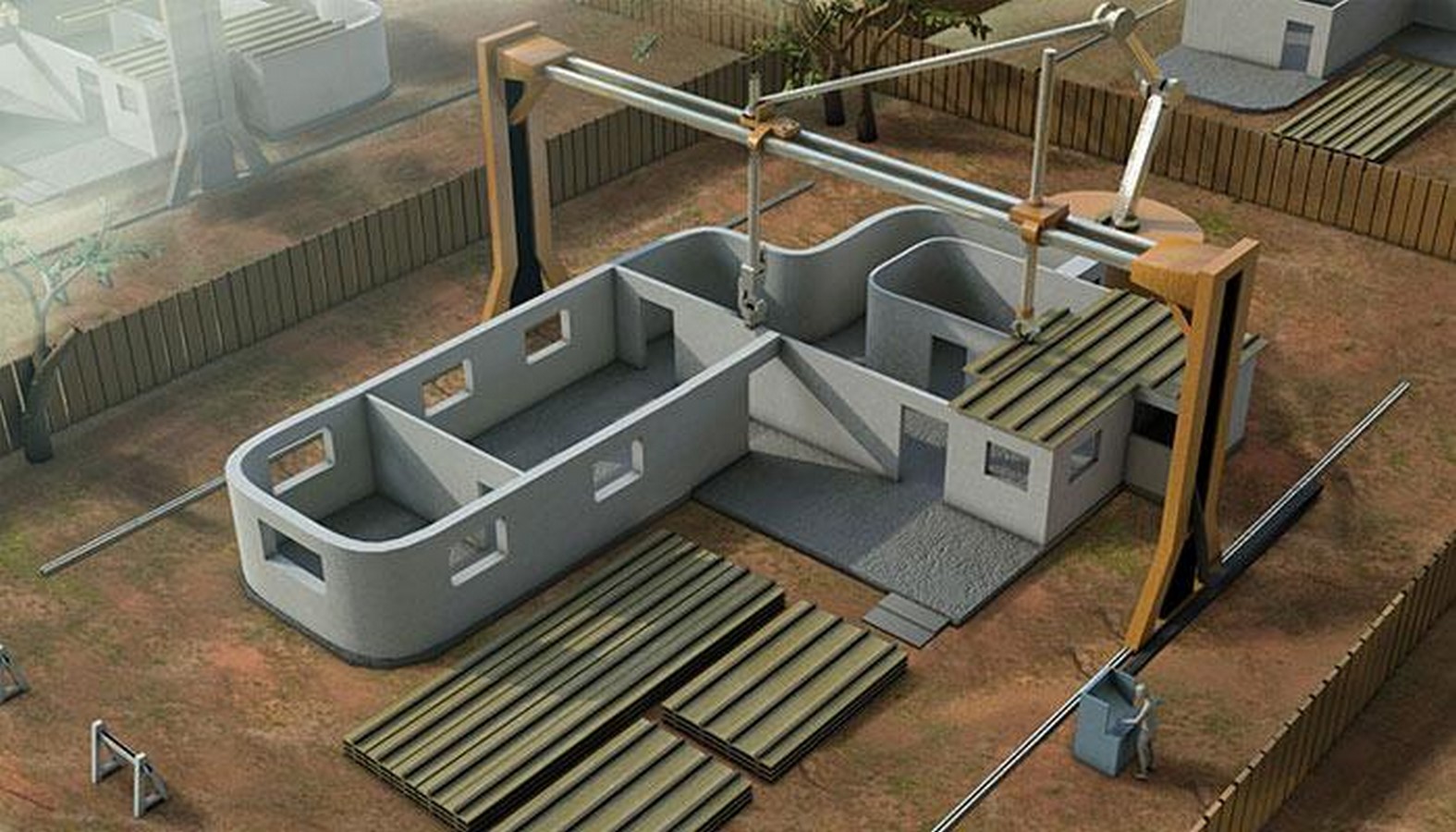
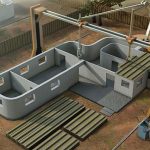
The innovations in technology paved the path for the most prevalent style of 3d-printing. It has proved its potential from the development of small-scale models to monumental scale buildings. The pragmatic approach which creates a platform for novel approaches has enabled their existence in real life.
Parametric Architecture
It involves the design of elements by means of BIM software. It erases the boundaries of design and allows experimentation in the fields of interior design, facade design, design of elements of architecture. It is a fusion of complexity and variety. The designs can be modular, seek inspiration from nature, flora, and fauna, artifacts, etc.
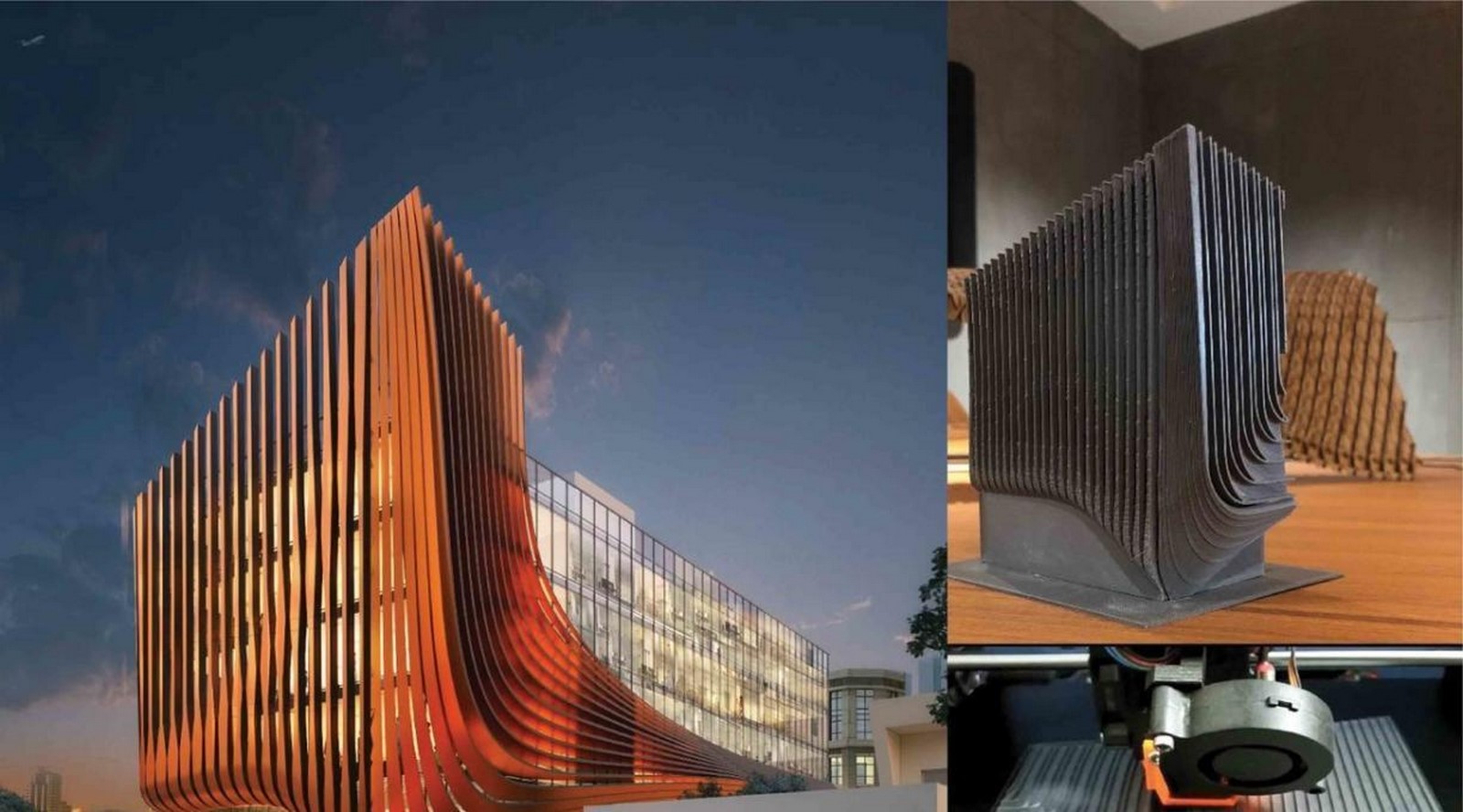
Parametric architecture is dynamic and its applications are pervasive which eventuated the kinetic facades. These kinetic facades are modular and develop climate-responsive designs.
Sustainable Architecture
Technology’s widespread domain in facades, materials, construction, planning can be considered as an optimistic response to sustainable architecture.
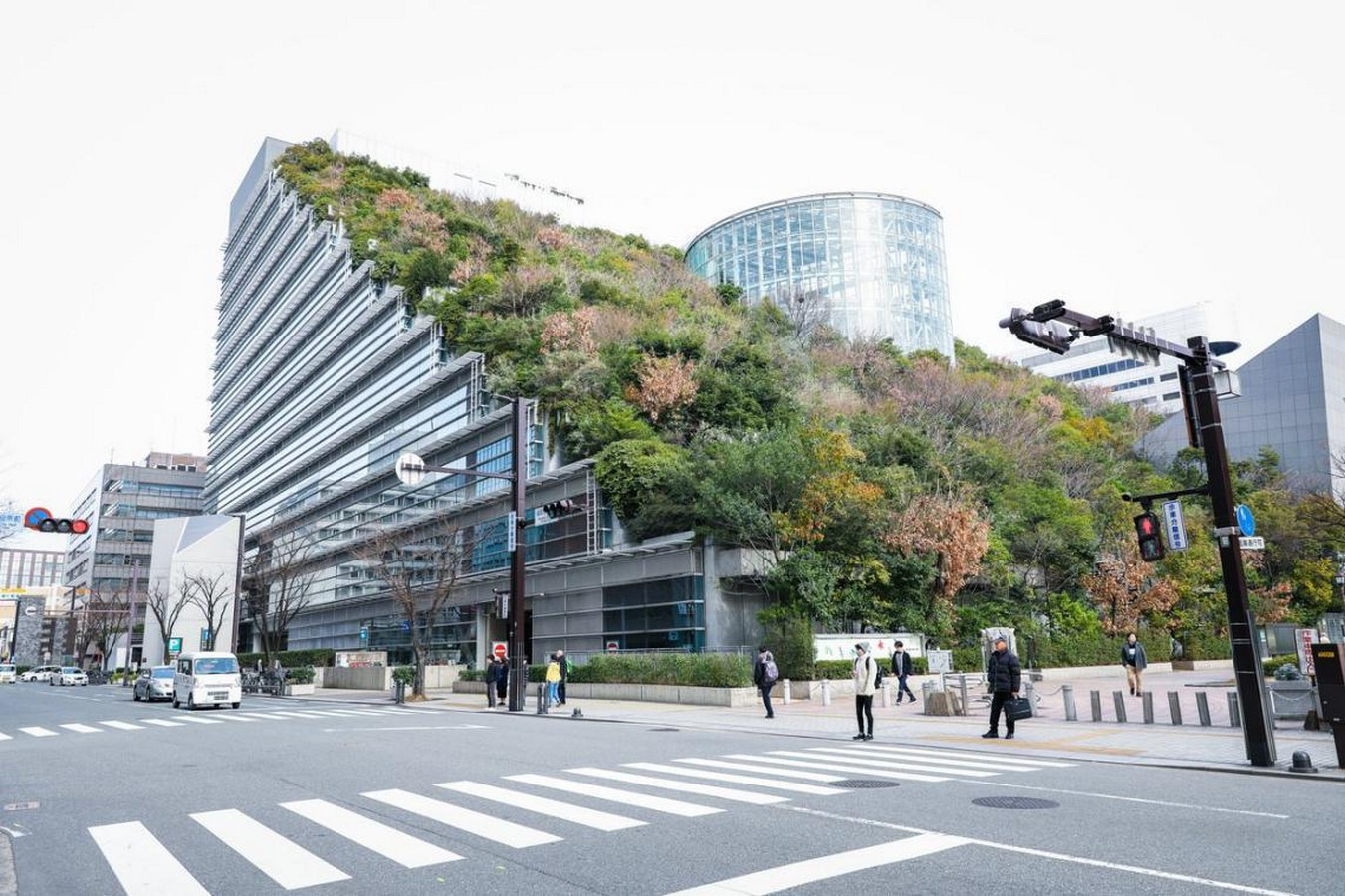
The pandemic alarmed humankind of their lifestyle, the chaos, and shed light on a better world. It has persuaded the whole nine yards. Pandemic demonstrated architecture as the cure and insists on the change in the approaches that reciprocate to all situations. The emphasis on sustainable and green architecture has increased which supports mankind socially and economically. It aims on preserving the non-renewable sources and shift the focus onto renewable sources such as solar energy, wind energy, geothermal energy which reduces the heat-island effect, global warming, carbon footprint. Other methodologies also include rain-harvesting, reduce energy costs, create livable spaces to enhance working conditions.
Green Architecture
Sustainable architecture had culminated in Green architecture which emphasizes environmental health and inhabitants’ health.
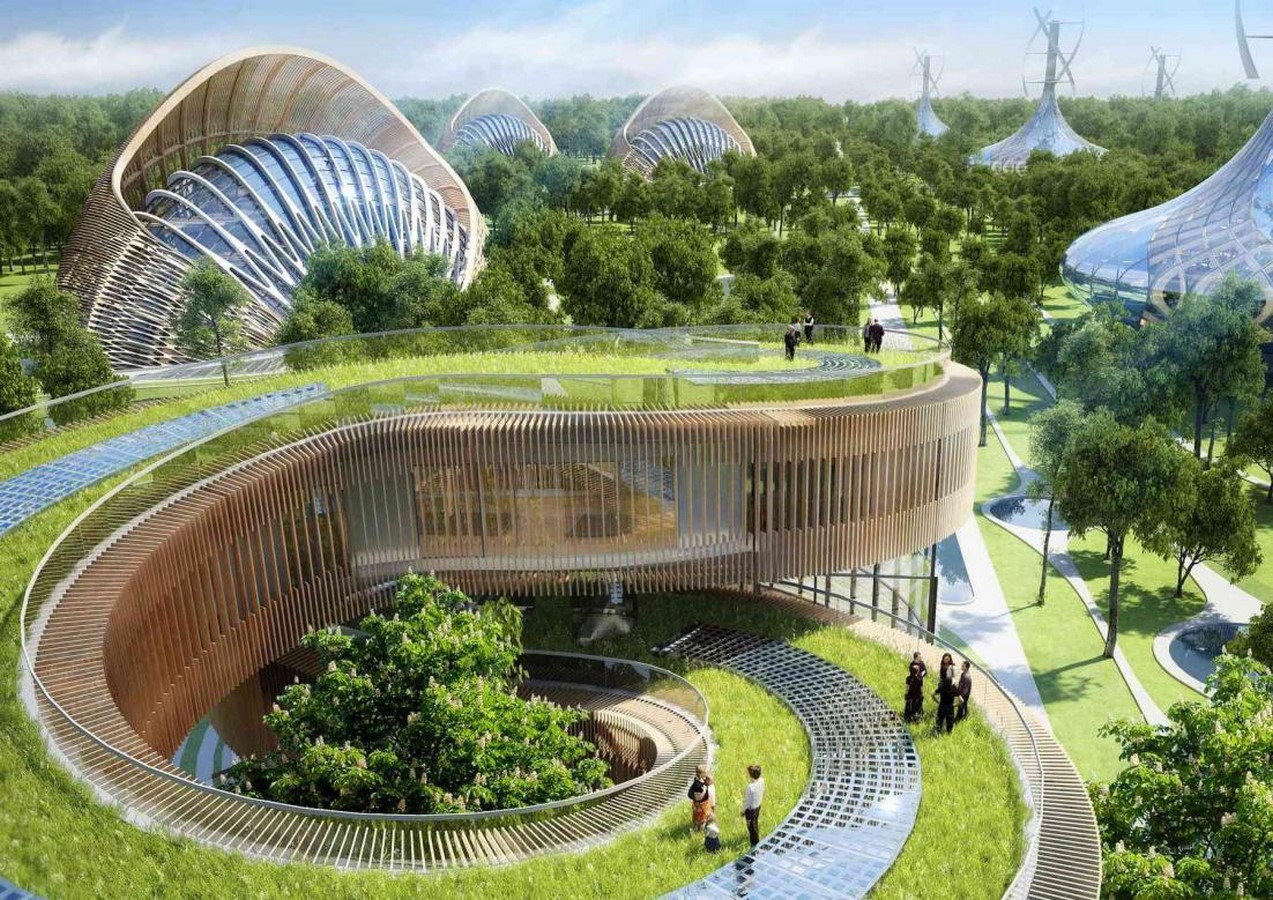
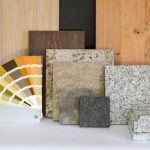
Materials, efficient use of resources, waste reduction are some of the components of green architecture. It also created the need for innovations in building materials. It made us look at them in a different light to assess their performance. Today there are myriad building materials that are efficient than conventional building materials. They account the aspects such as durability, reusability, the efficiency of sustainable and green architecture. Many of them are sheer outcomes of recycling, which is a great stride on sustainability.
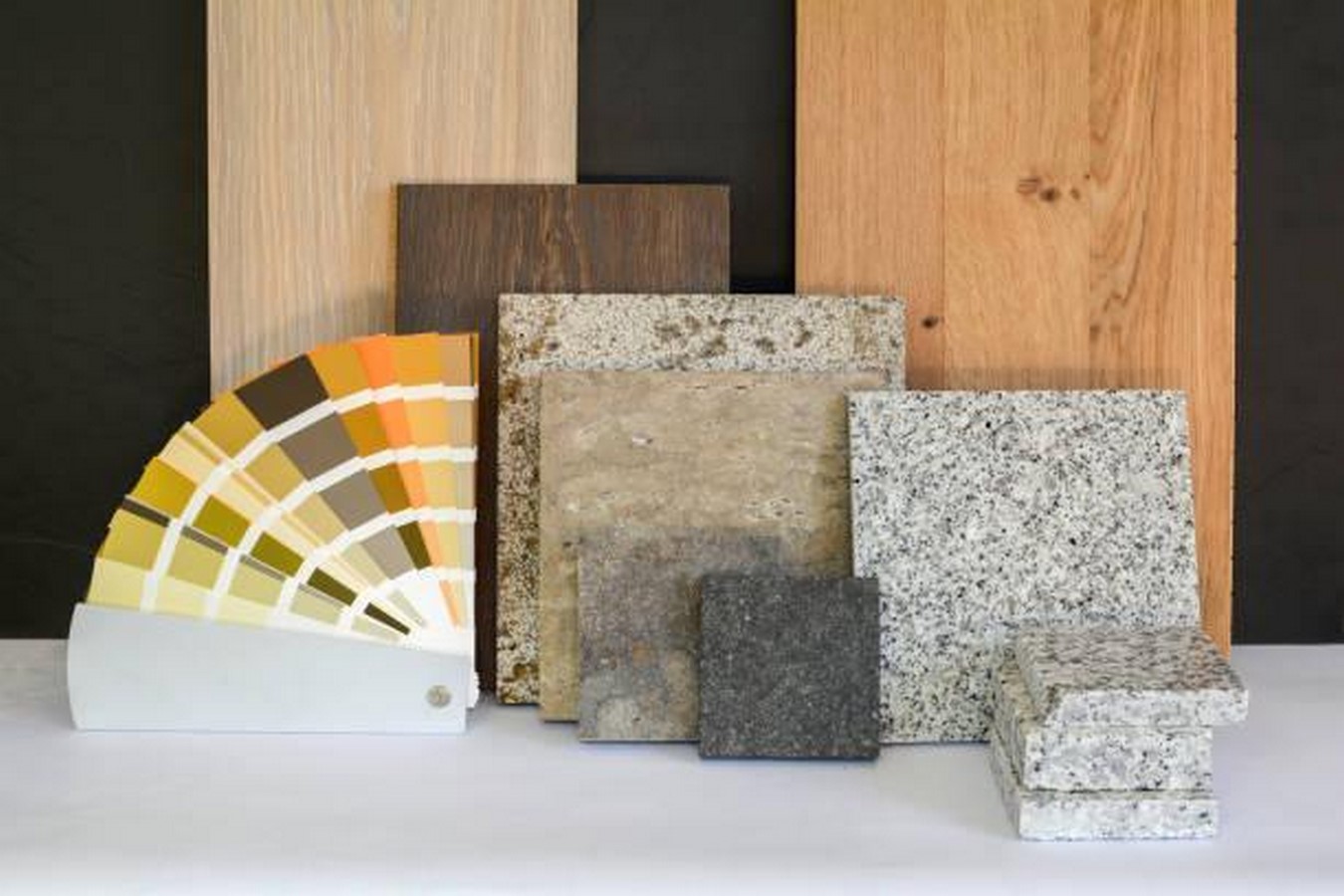
Eg: Bamboo, mycelium, timbercrete, reclaimed wood, terrazzo, ferrock, rammed earth cork, hempcrete, recycled metal.
While learning from the past, contemplating present circumstances, novelizing the approaches, getting back to the past with an amalgamation of the present, there are always ideas out of the box which creates a new matrix of comprehending and designing the spaces.