The idea of gender has been one of the most polarising topics of discussion in the modern epoch. People question the concept of gender and believe that the stereotypical ideas of masculinity and femininity are limiting. People insinuate masculinity with men and femininity with women, but such social constructs differ among various cultures.
Gender means being biologically, psychologically, and socially categorised based on masculine or feminine characteristics. Gender identity, on the other hand, is one’s sense or concept of their gender. The term has accentuated its meaning and has added layers of complexity to the modernised world. The term has coined various categories in which individuals would like to identify themselves, which include cisgender, nonbinary, transgender, and gender fluid.
Gender identity is one of the most controversial discussions on social media. Gender may or may not be the same as the sex assigned at birth. Sex is categorised based on the reproductive functions of living organisms, be it either male or female. Gender identity is more fluid for instance, someone might be born as a male and feel more comfortable being identified as a female. Sexual orientations are based on an individual’s feelings; it is inconspicuous and differs from gender identity.
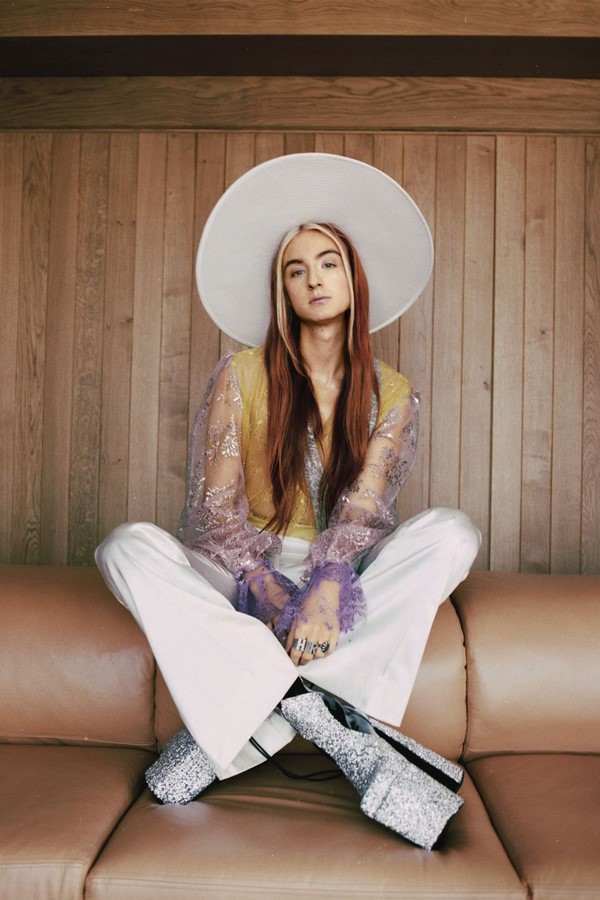
Gender expression is different from gender identity. For example, a person might be born as a male but present themselves differently through their appearance i.e. dress, make-up, hairstyle, body language, and name.
Gender fluidity has become a part of adulthood among many kids these days. For many ambivalent young adults, questions about gender identity and expression arise over time. Kids have found it as a way to traverse across genders before identifying or expressing as a particular gender. For some, the question remains unanswered throughout their lifetime. There is no answer as to when a gender develops or when people start to identify themselves as a particular kind, as the ideology of gender identity and expression transcends across various social contexts.
Digital Space as an equitable space
People go into social media to socially intertwine with the world across various platforms. The Digital space has been so engaging to the masses that it has blurred the boundaries between the physical and digital world. The internet is a place for all. One can share their thoughts on Twitter and post their travel diaries on Instagram, and one can share their world on the webspace. It is a shared space where everyone comes together as a digital community. But in doing so, the modern public space has become a war ground of prejudice and hate.
The digital space is as open as the variety of gender identities and expressions that individuals have. Ironically, it is also a very challenging portal for gender-fluid individuals. It is very genderless in terms of letting individuals identify with their preferred gender while signing up for various platforms. Thus, gender-fluid individuals feel marginalised in terms of being represented online.
Trans-ending?
The inconvenient truth is, it is difficult for marginalised groups to fully express themselves in public as they are haunted by the shadows of discrimination wherever they go. Concerns of online bullying and trolling towards gender-fluid individuals prevent them from voicing their thoughts and ideas online. Lots of social media platforms ostracise gender-fluid individuals by restricting access to essential facilities such as educational learning, professional training and job-seeking opportunities. Such limitations disbar gender fluidity from the community and their rights to access various opportunities.

https://cdn.inc42.com/wp-content/uploads/2020/07/Untitled-design-2020-07-04T181804.354.jpg
The digital model is ever-changing, and the society it inhabits changes with time and age. It is imperative to make digital space an equitable space. Society can coexist in multidimensional spaces; it doesn’t have to be limited to offline spaces. Instead of shame and stigmas, online space needs to be a place to express joy and freedom for all.
Gender Dis-for-ya
https://hips.hearstapps.com/hmg-prod/images/embed1-1605283520.png?resize=2048:*
Gender is socially constructed and likewise, the autonomous society has constructed various categories that express and identify genders. But the concern over autonomous gender-fluid individuals and their freedom of expression across a multitude of social media platforms is growing day by day. What was considered a mental health issue more than 20 years ago has been normalised and accepted in today’s community. Many millennial adults and boomers are baffled and concerned as to how such proliferation can affect the younger generation of their community. As kids between 2-5 years have no idea or perspective of gender, the adults of the household play a massive role in influencing the kids. Freedom of speech and expression should not be violated to target the vulnerable who don’t necessarily believe in common ideologies. The main issue is that gender has become socially malleable and it is affecting the mindset of children in the community.
Reference List
– Katz Wise S.,3 Dec 2020, ‘Harvard Health Publishing’‘, Gender Fluidity: what it means and why support matters. Accessed on 3 Sep 2023.
https://www.health.harvard.edu/blog/gender-fluidity-what-it-means-and-why-support-matters-2020120321544
– Zambon V.,3 Jan 2023, ‘Medical News Today’‘, What are some different types of Gender Identity. Accessed on 3 Sep 2023.
https://www.medicalnewstoday.com/articles/types-of-gender-identity
– Rizvi K.,6 July 2020, ‘INC42’‘, The Gendered Digital Space: Digital Representation Online. Accessed on 3 Sep 2023.
https://inc42.com/resources/the-gendered-digital-space-gender-representation-online/
– Image 1 – Harris Reed in his studio at the Standard, London, Laura Allard Fleischl
https://hips.hearstapps.com/hmg-prod/images/hbz110120newsgenderfluid-01-embed-1605283180.jpg?resize=980:*
– Image 2 – What is Gender Fluidity, Getty Images
https://www.health.harvard.edu/blog/gender-fluidity-what-it-means-and-why-support-matters-2020120321544
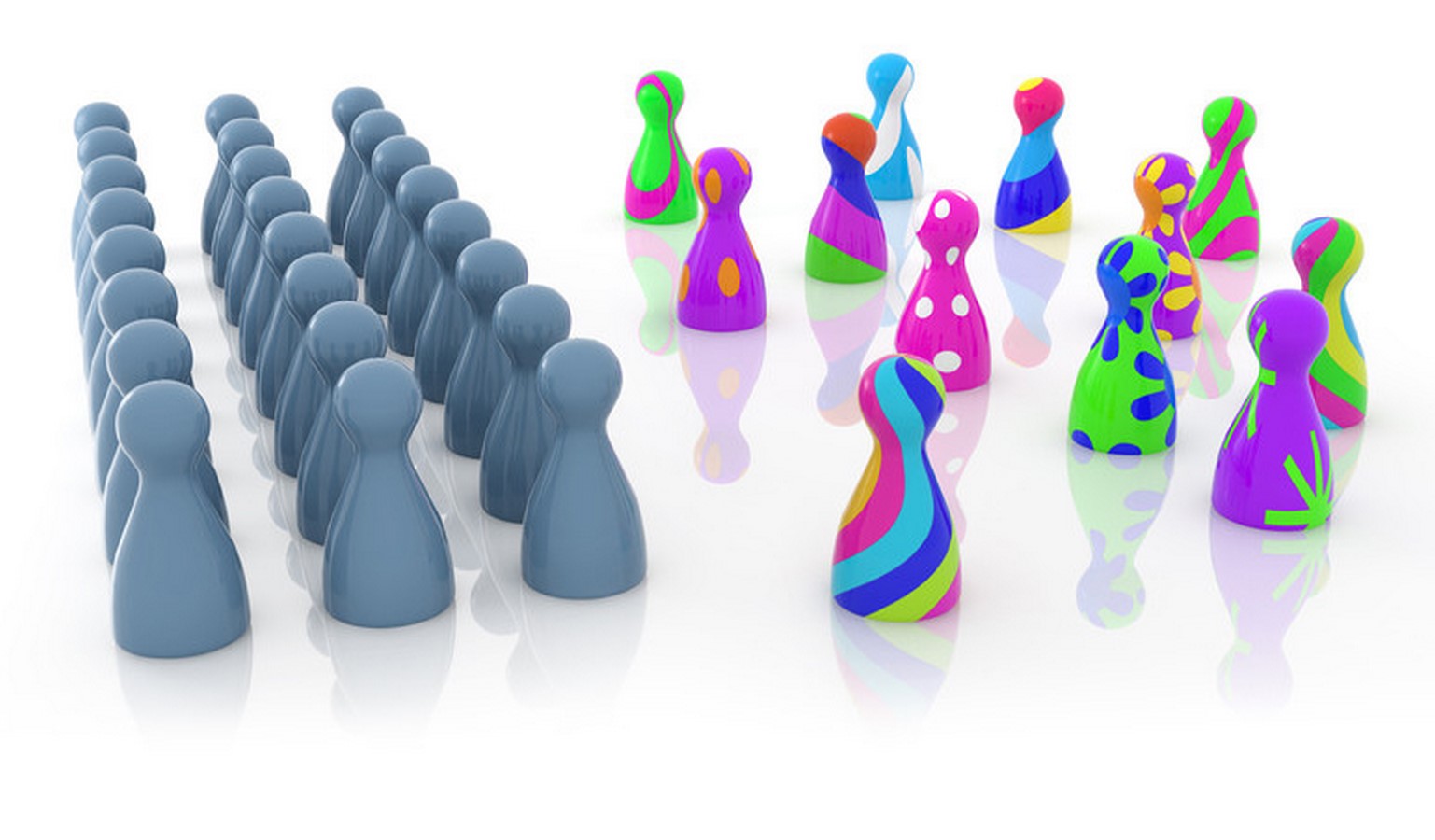
– Image 3 – Gender Representation Online, Inc42
https://cdn.inc42.com/wp-content/uploads/2020/07/Untitled-design-2020-07-04T181804.354.jpg
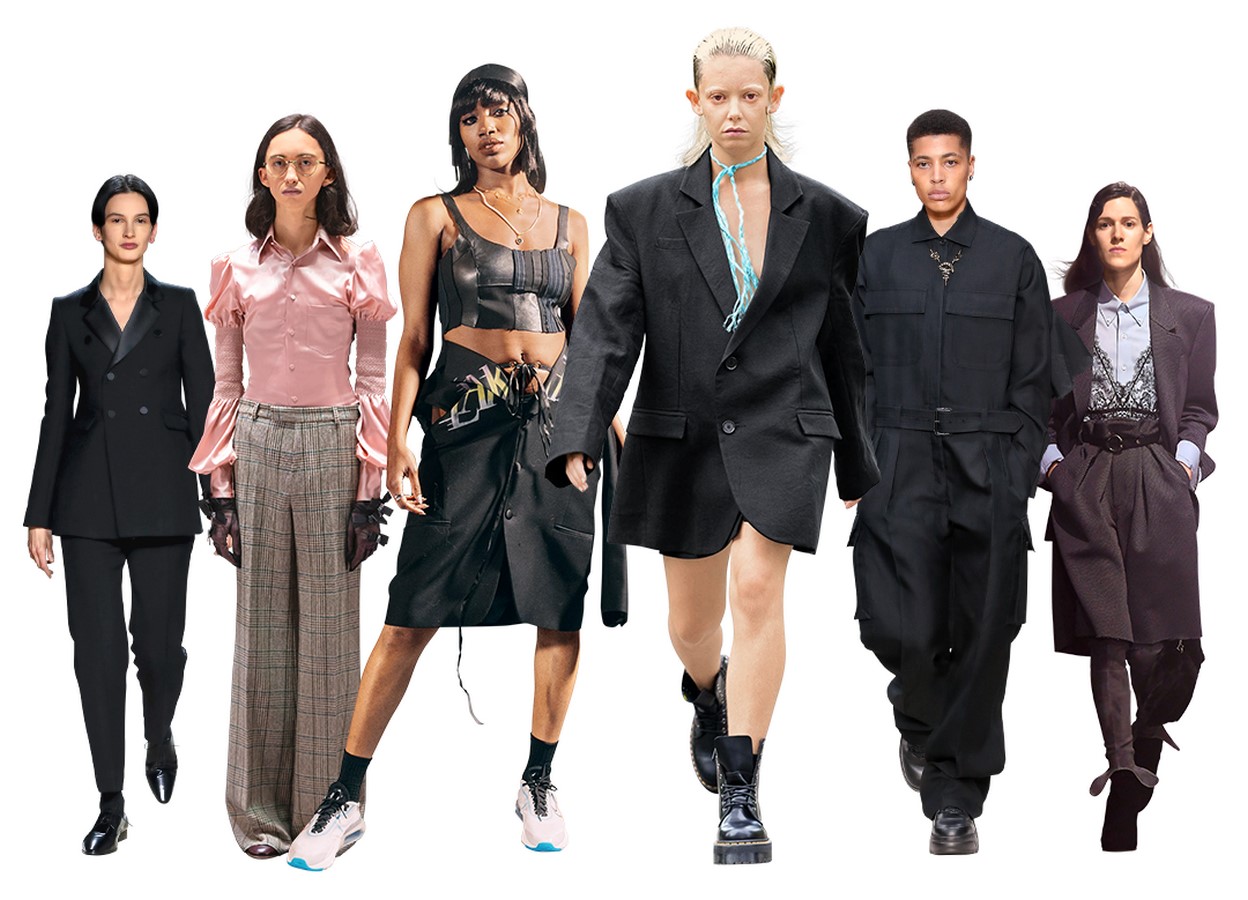
– Image 4 – From left: Marc Jacobs, Gucci, No Sesso, Art School, Valentino, and Random Identities,
Getty; Courtesy
https://hips.hearstapps.com/hmg-prod/images/embed1-1605283520.png?resize=2048:*