The art has been prevalent since the evolution of mankind. Natural pigments and stone carvings were used for the representation of objects, animals, and rituals that governed a civilization’s existence (Matisse et al.). During prehistoric times art served the purpose of telling stories and displaying religious and symbolic imagery of gods and goddesses but with the time art served different purposes. Now in the 21st era, art is not considered a mere storytelling medium but a method of therapy for better mental health and acts as a stress buster. Art helps to channel and regulate ones feeling in the empty canvas which is scientifically proven as a form of treatment for mental health issues. It is believed that artistic expression can help healing and growth. However, the research on art therapy is ongoing but there are significant groups of people who support its benefits and applications in treating mental health issues.
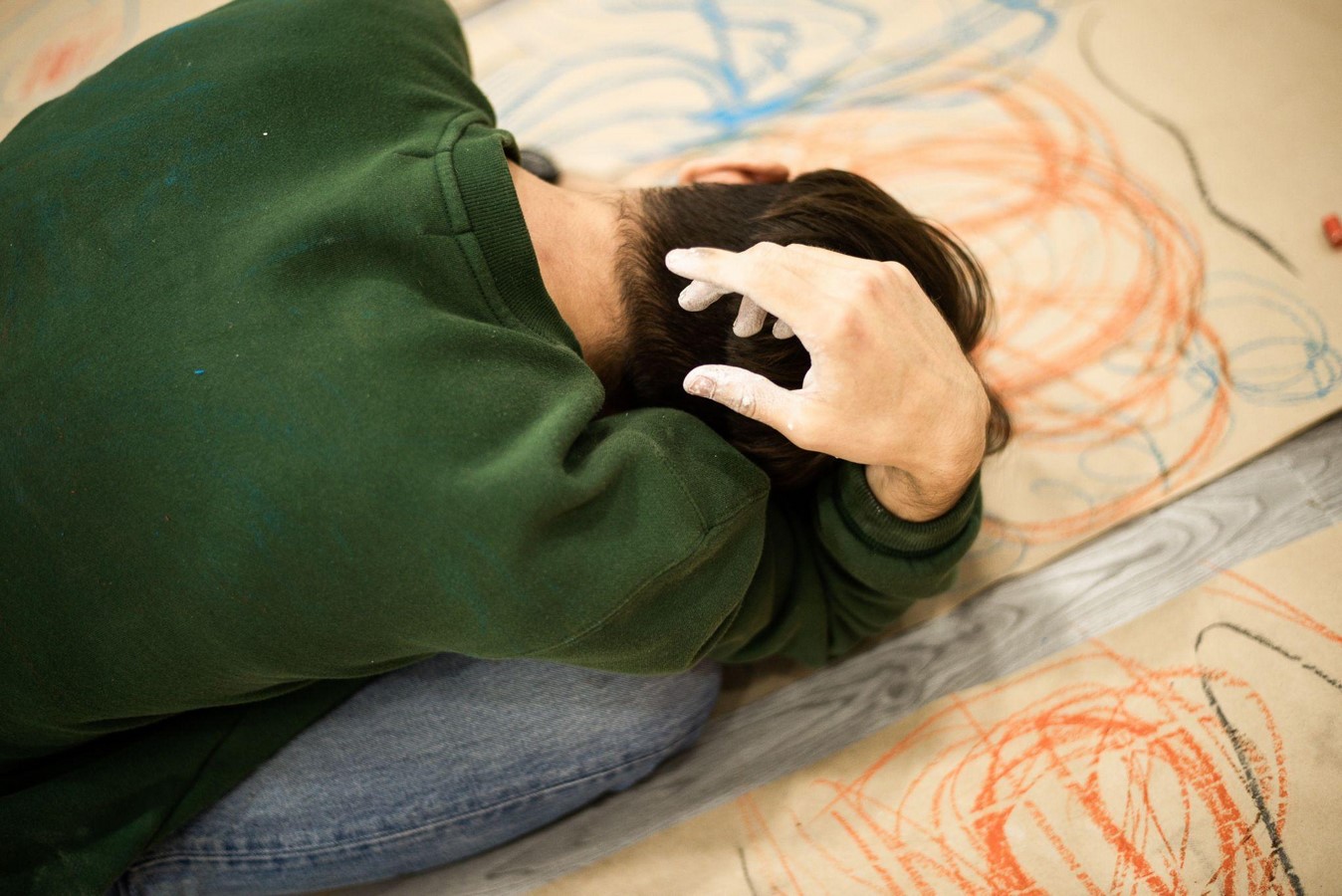
Art as a medium of emotional expression
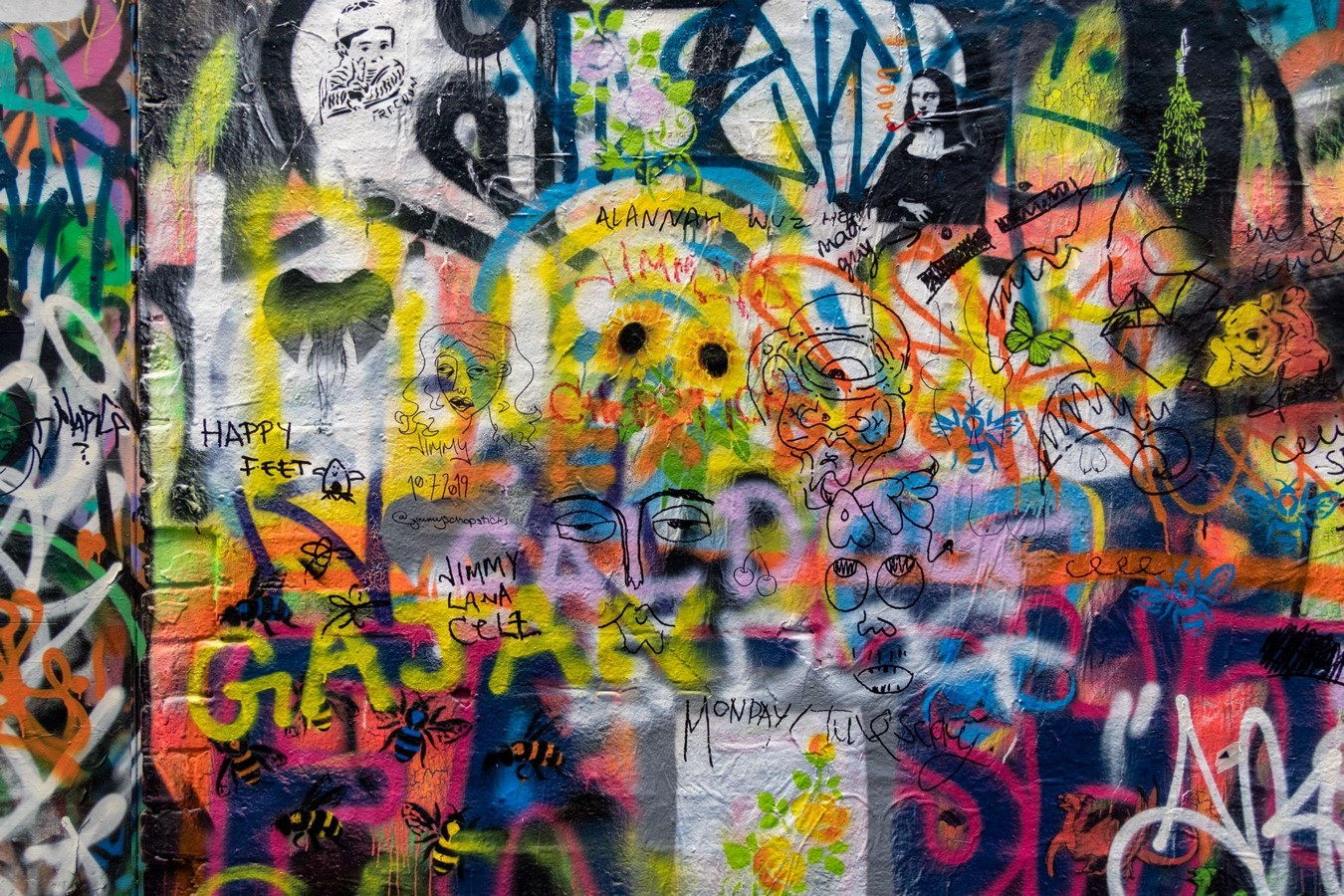
Since the 19th century, the idea that “art is imitation (representation)” has not only been contested, but it has also largely died out in at least some of the arts. Later, the idea that art is expression took its place. Art is believed to mirror the inner condition of the artist rather than the states of the outside world (Matisse et al.). Many people have utilized art as a way of self-expression, both artists and non-artists. The greatest approach to conveying your inner feelings is via art, which may not come as a surprise to you (“Is Art a Medium to Portray Your Inner Feelings?”). One should express their emotions and inner experiences to others and to themselves, and art may be a vehicle for this. For those who find it difficult to communicate themselves through traditional speech, art can act as a non-verbal medium. By expressing emotions and experiences via art, people are able to find a way to express their sentiments of rage, grief, joy, etc. Self-exploration is an excellent way to express emotions via art because it offers a secure environment for introspection and self-exploration. People are inspired to go even further into their subconscious by the art. In addition to inspiration, empowerment, and healing, art may also help with self-esteem and confidence building, which can aid in the recovery from prior traumas.
Stress reduction
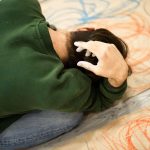
Art therapy has been used as a positive stress reliever for years. Nowadays, its benefits are becoming more and more well-known, making art a common choice as an alternative way to help deal with stress and other mental health conditions (“Can Art Therapy Relieve Stress?”). By offering a fun and creative medium for emotional expression, art may greatly help with stress reduction. Painting, sketching, writing, or other kinds of art help people to concentrate on the here and now, encouraging mindfulness and diverting their attention from pressures. Endorphins can be released during the process of making art, promoting emotions of relaxation and pleasure. Additionally, art offers a stress-free environment that provides a secure setting for emotional release and a beneficial diversion from daily concerns. The positive impacts of stress can be offset by finishing an art project since it increases self-esteem and gives a sense of completion. Overall, incorporating art into one’s life offers a comprehensive strategy for reducing stress, fostering well-being, and offering a meaningful way of self-expression.
Social Connection
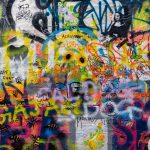
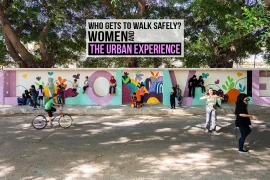
Art helps us connect with people, share stories, and promote awareness. They also help us understand viewpoints that are different from our own. The arts combine these health-promoting elements in a way that activates psychological (how we think and feel), physiological (how our bodies work), social (how we connect with others), and behavioural (how we act and react) responses that result in improved outcomes. This includes activating the senses, stimulating imagination and cognition, releasing emotions and social interaction, and more (Krombach). Powerful tools like art may improve social interaction and decrease gaps between different people and cultures. People establish a point of connection via shared artistic endeavors, such as participating in exhibits, workshops, and team projects, which pave the way for meaningful interactions. The potential of art to speak across boundaries and different languages and cultures helps to promote empathy and understanding. By joining like-minded people in a group effort to effect change, art-based efforts for social causes further develop social ties. Art fosters a friendly atmosphere where people may express themselves creatively, fostering a sense of belonging and camaraderie, whether via community art projects or art therapy groups. The universal language of art unifies us in a world that is frequently divided, inspiring us to connect and build a compassionate society.
In conclusion, art therapy has proven benefits of promoting healing and self-awareness. It is an innovative method that helps people to convert their inner feelings into something meaningful. With art therapy being more profound, one should consider that only the art therapy may not be the substitute for conventional medical mental health treatment methods. It should be used in harmony with other therapeutic approaches if an individual has a specific type of problem. However, art always works in which a person sets forth his journey to self-exploration and expression.
Works Cited
“Can Art Therapy Relieve Stress?” Sage Neuroscience Center, 27 June 2021, https://sageclinic.org/blog/art-relieve-stress/. Accessed 30 July 2023.
“Is Art a Medium to Portray Your Inner Feelings?” Art Shed Online, https://www.artshedonline.com.au/blog/is-art-a-medium-to-portray-your-inner-feelings/Art-Shed-Art-Supplies. Accessed 30 July 2023.
Krombach, Ashley. “Connecting the Dots: The Role of Art in Improving Social Determinants of Health and Addressing Social Inequities.” Action for Healthy Kids, https://www.actionforhealthykids.org/connecting-the-dots-the-role-of-art-in-improving-social-determinants-of-health-and-addressing-social-inequities/. Accessed 30 July 2023.
Matisse, Henri, et al. “Art History Timeline: Western Art Movements and Their Impact.” Invaluable.com, 4 June 2021, https://www.invaluable.com/blog/art-history-timeline/. Accessed 30 July 2023.
“Philosophy of art – Expression, Aesthetics, Creativity.” Britannica, https://www.britannica.com/topic/philosophy-of-art/Art-as-expression. Accessed 30 July 2023.