Introduction: What constitutes Architecture as Iconic?
Architecture in its sense of self, serves a public utilitarian purpose. Built-form uses are categorized and occupied at different times of the day. However, the public-built forms are common spaces shared by the inhabitants. Public architecture is accessible to a wide range of people. These buildings are ideated and designed for thoughtful impact – in terms of visuals, functions, aesthetics, and grandeur.
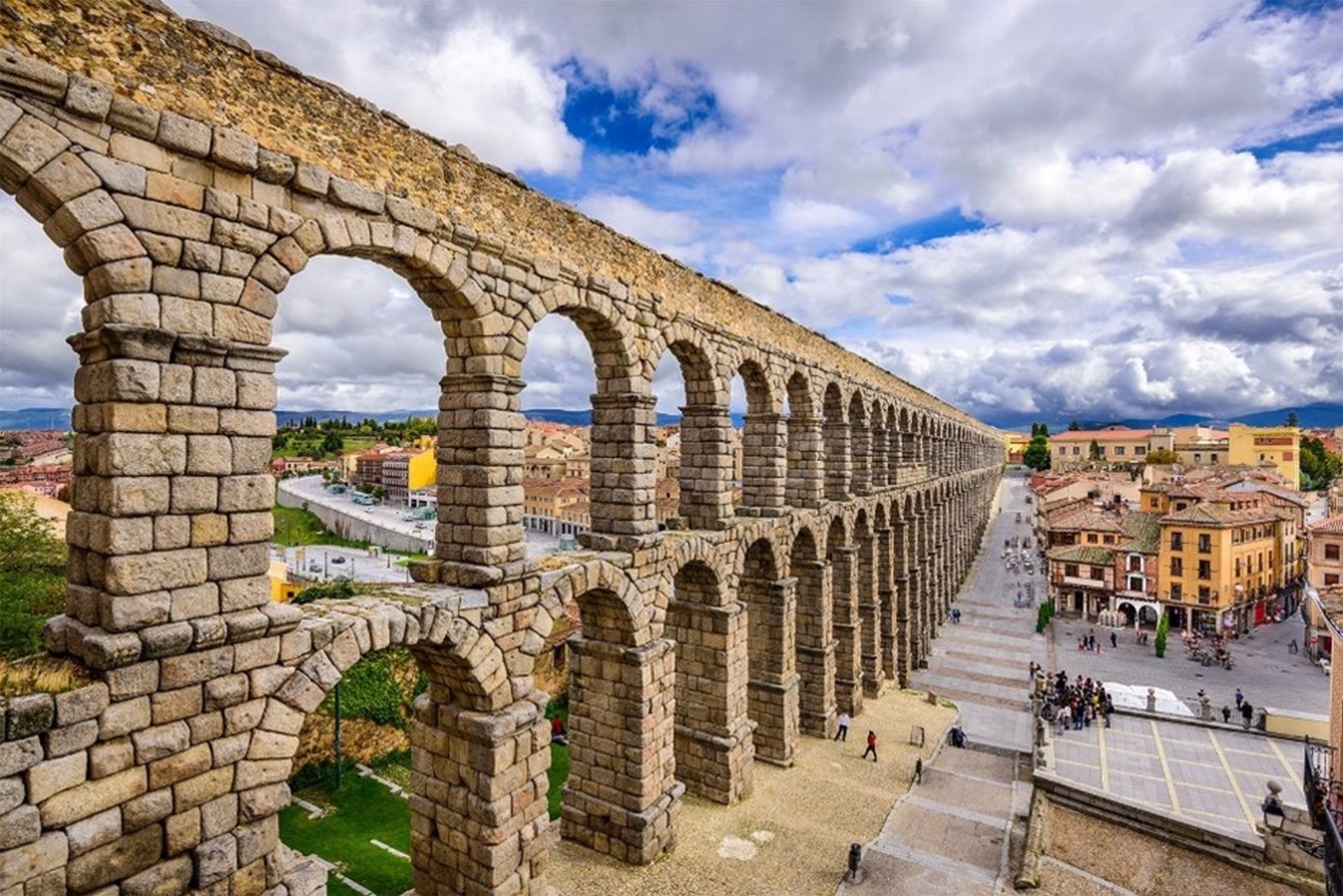
Iconicity in architecture is defined in terms of fame and special symbolic/aesthetic significance as applied to buildings, spaces, and in some cases, architects themselves. Sklair, L (2010)
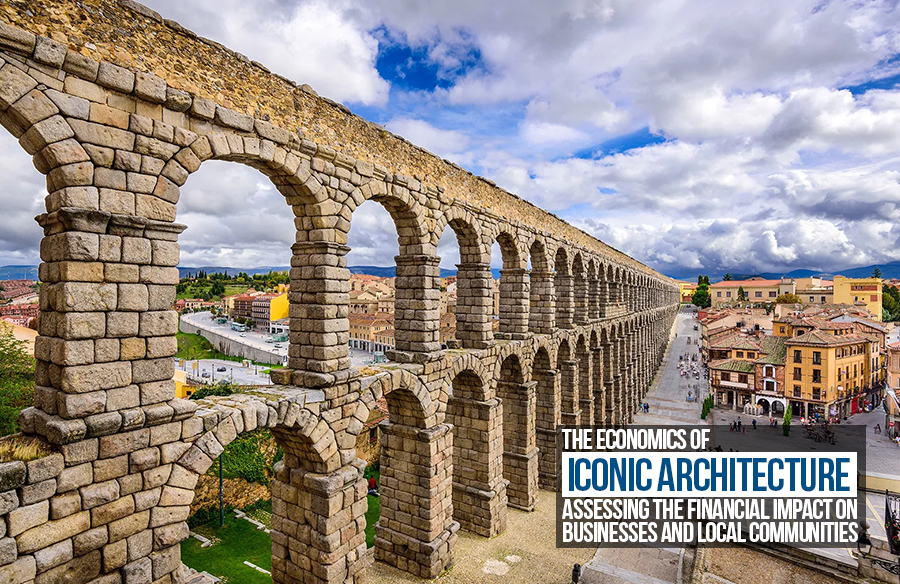
Iconic buildings serve as exemplars for their generation. They are known for their physical grandiose, masterful construction technologies and popularity. They also significantly impact society, culture, and the built environment. These buildings heighten the architectural and engineering impacts. They also can represent the shared identity and value of the region. It creates a sense of pride and belonging within the people who associate with them.
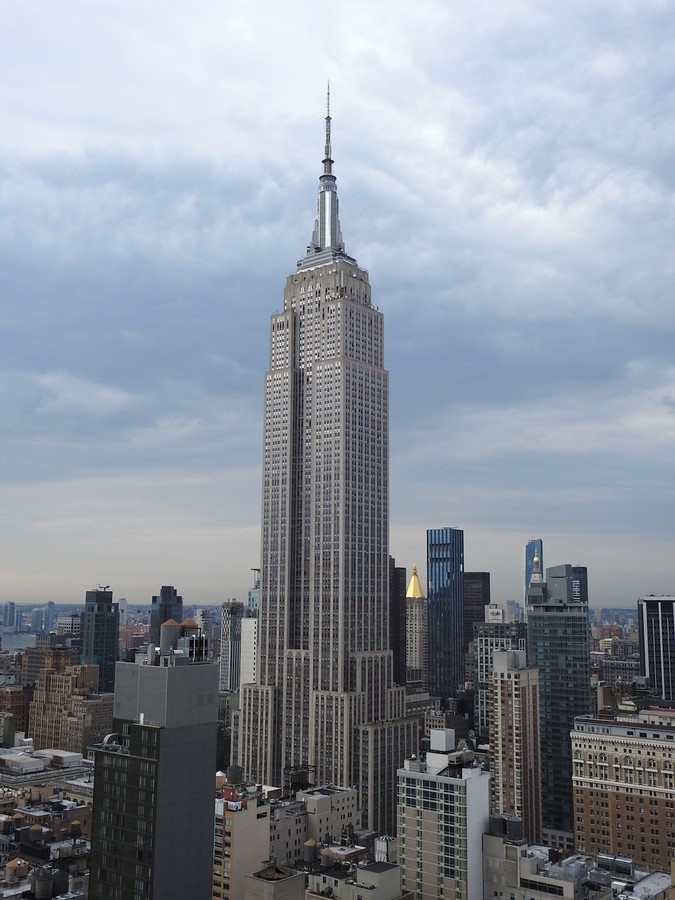
Therefore, iconic architecture is buildings and spaces that (1) are famous for those in and around architecture or the public at large and (2) have special symbolic/ aesthetic significance.
Social Impacts of Iconic Architecture
These buildings are the expression of the people and their political aspirations. They perforate as a sense of the regional identity. In subtle ways, it also reaches pop culture references and popularizes its visual identity with the region. It forms a critical part of the regional culture.
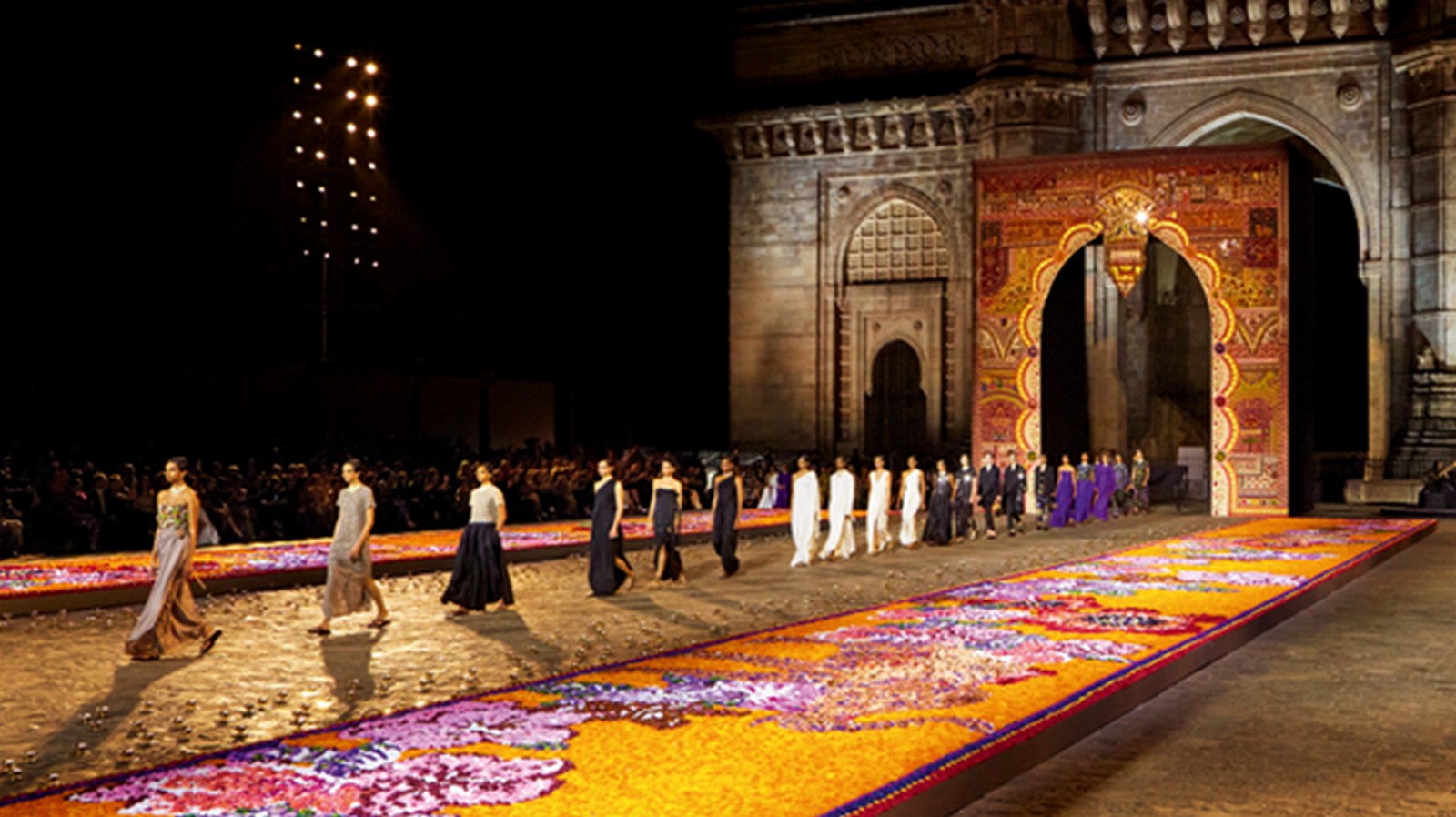
It becomes a space of important seasonal and cultural events & and celebrations. They form spaces of togetherness and allow one to engage in multiple activities. For instance, recently, Christian Dior conducted their pre-fall fashion show at the Gateway of India in Mumbai. It adds to the beauty, charm, and ambiance. This fosters a deepened cultural connection between the structure, its region, and the brands’ global impact.
Depending on its construction history, the iconic structure holds many memories of the past. It becomes iconic because of the stories it carries with them. It can leave a legacy and a timeless impact. It becomes a part of the urban historical narrative.
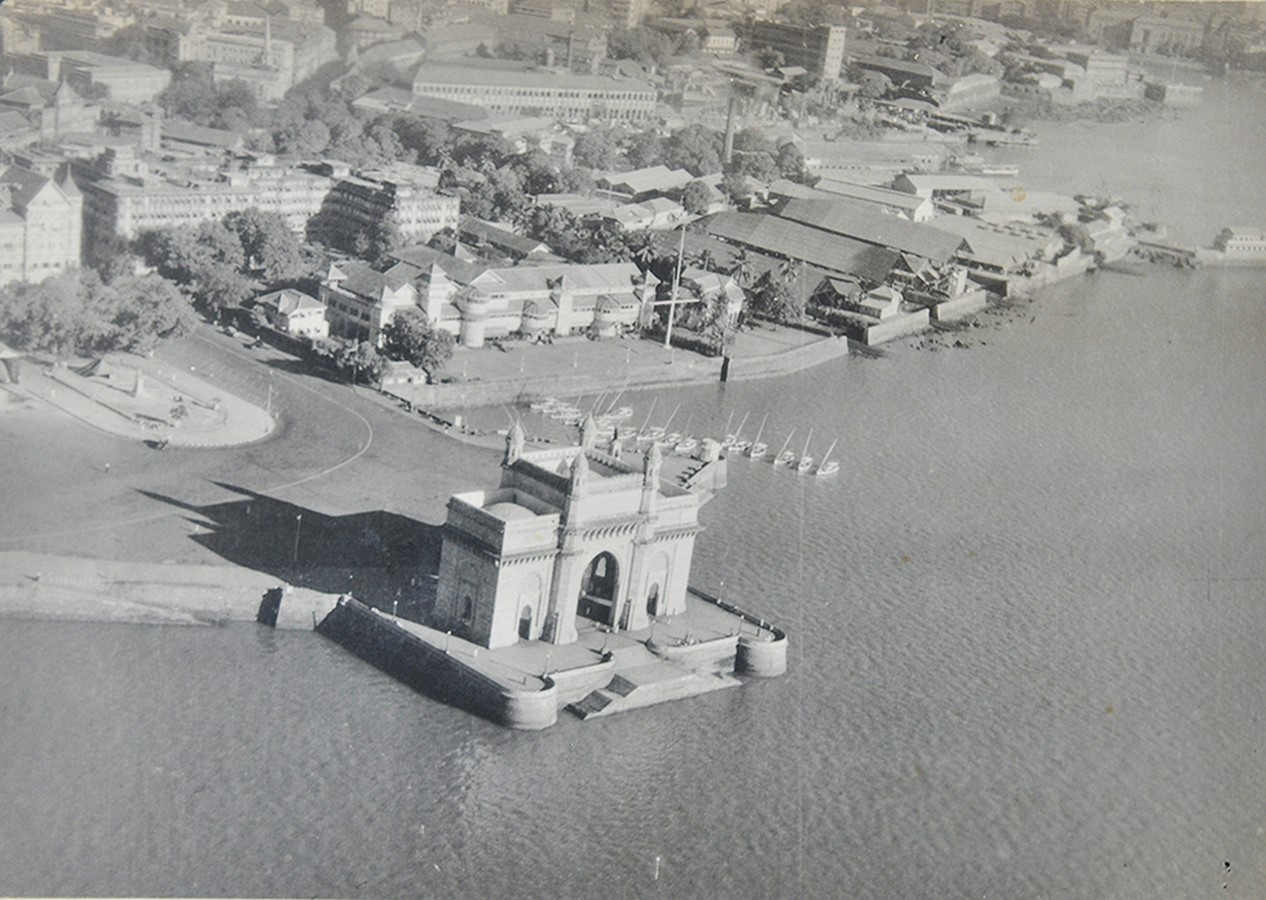
These buildings are also tourist spaces of attraction. The entire neighboring urban landscape is considered in the tourist experience. Especially, if the built structures around them are also iconic structures. For example, as the Gateway of India is at the waterfront, boat and yacht excursions are available on the spot. These are for excursions near the area or a trip to nearby places such as Alibaug or Elephanta Caves. It supports the local economy by providing businesses with these services.
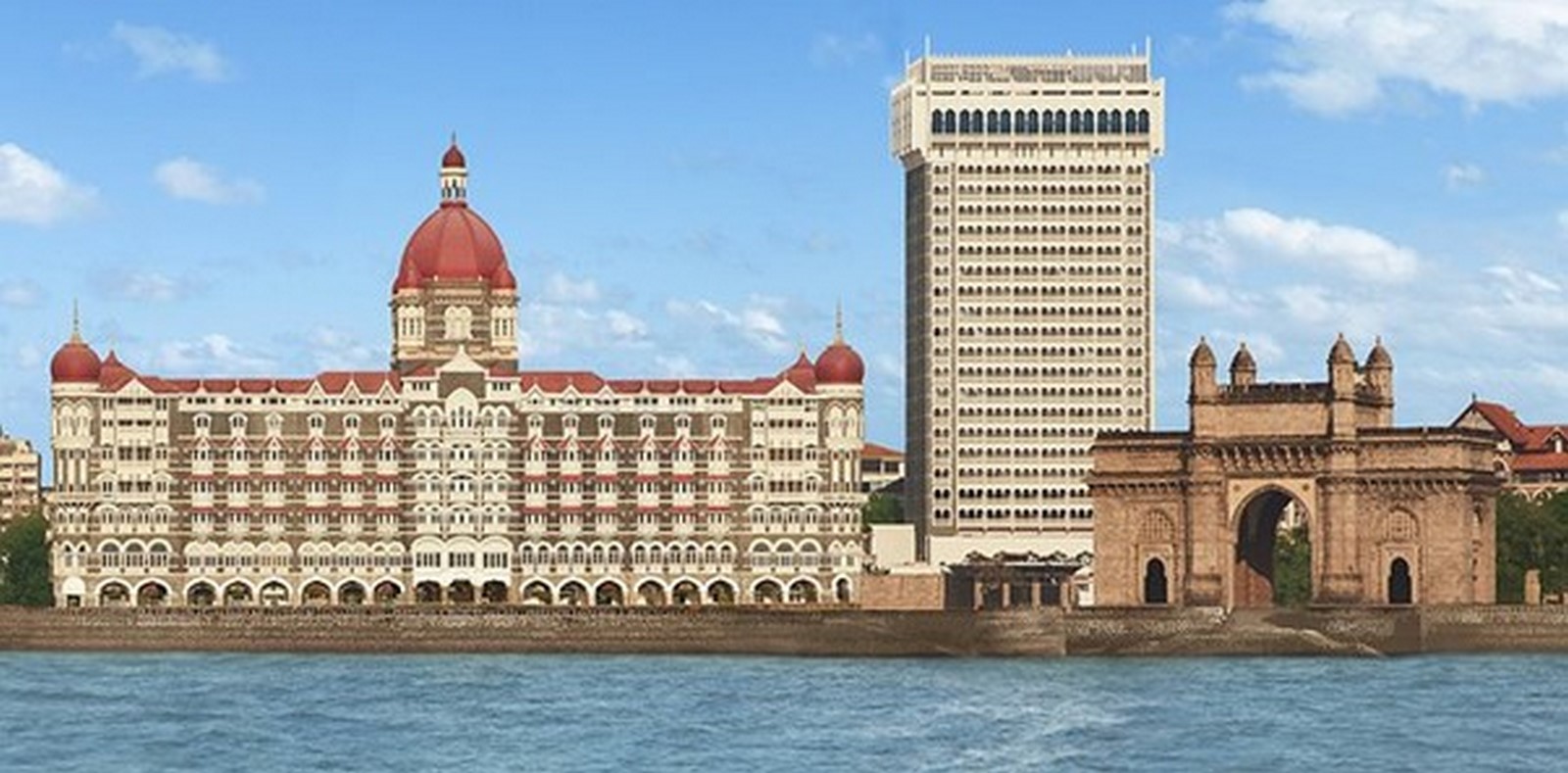
The landscape near iconic architecture also catalyzes urban regeneration. Many rejuvenation projects emerge near the iconic structure to add value to the local identity. This could be with the vision to beautify and enhance the visual and cultural experience. Hence the projects allow and receive increased investments that spur economic activity and drive the transformation.
Economic Impacts of Iconic Architecture
There are numerous and multifaced impacts on the business systems and networks associated with iconic buildings. The impacts are observed when the buildings are functioning to their full capacity and begin to accommodate or associate with the public. The local economy leverages their businesses based on the icon’s popularity. This creates a network of jobs across various sectors such as hotel, recreation, cuisines, and tourist experiences.
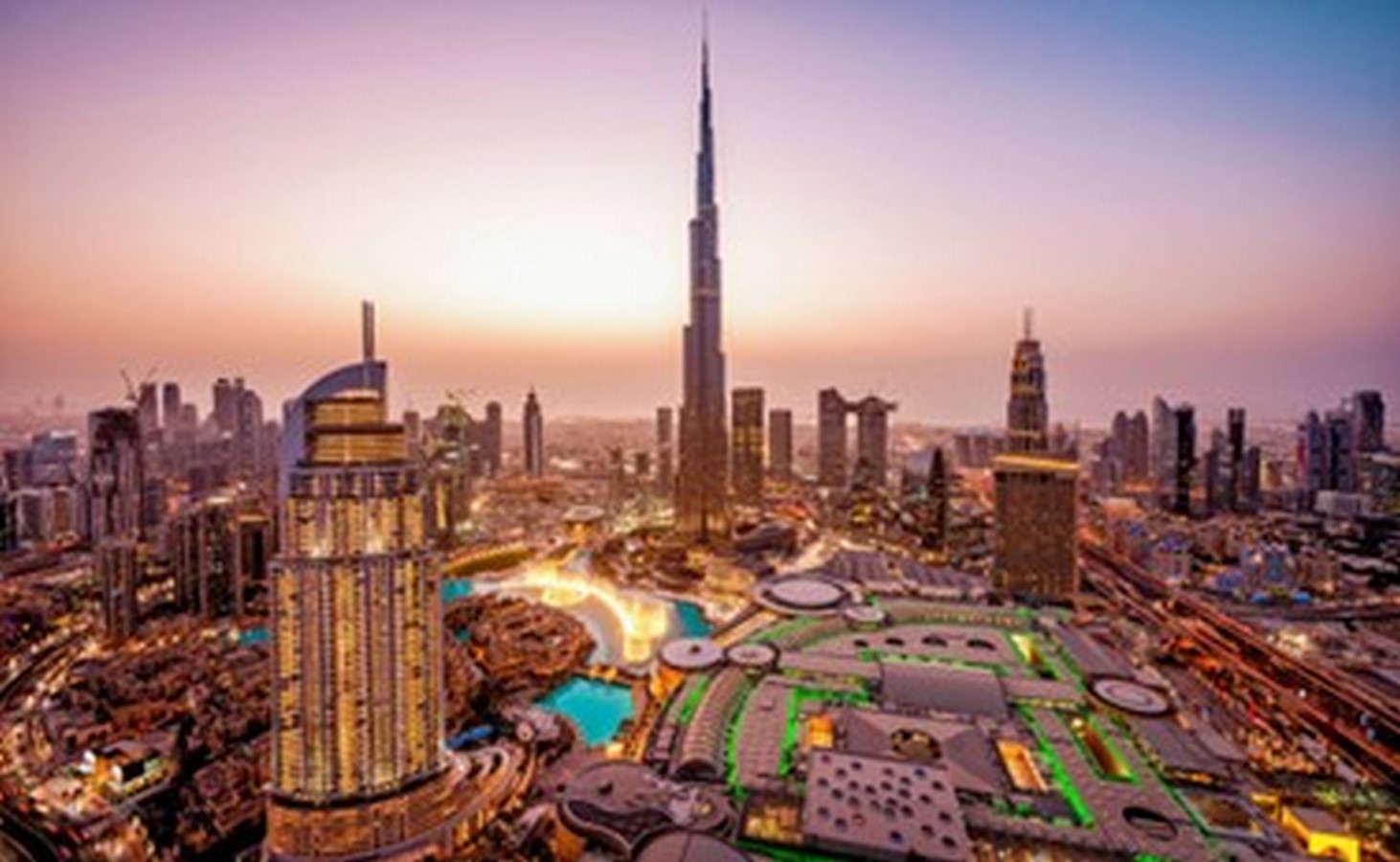
One of the credible impacts on the area surrounding the iconic building is the increased land value of the locality in which the iconic building exists. This interests the property developers and the real estate agents. Additionally, many corporations that want to be associated with the landmark may locate their headquarters in a proximal area to convey prestige and influence.
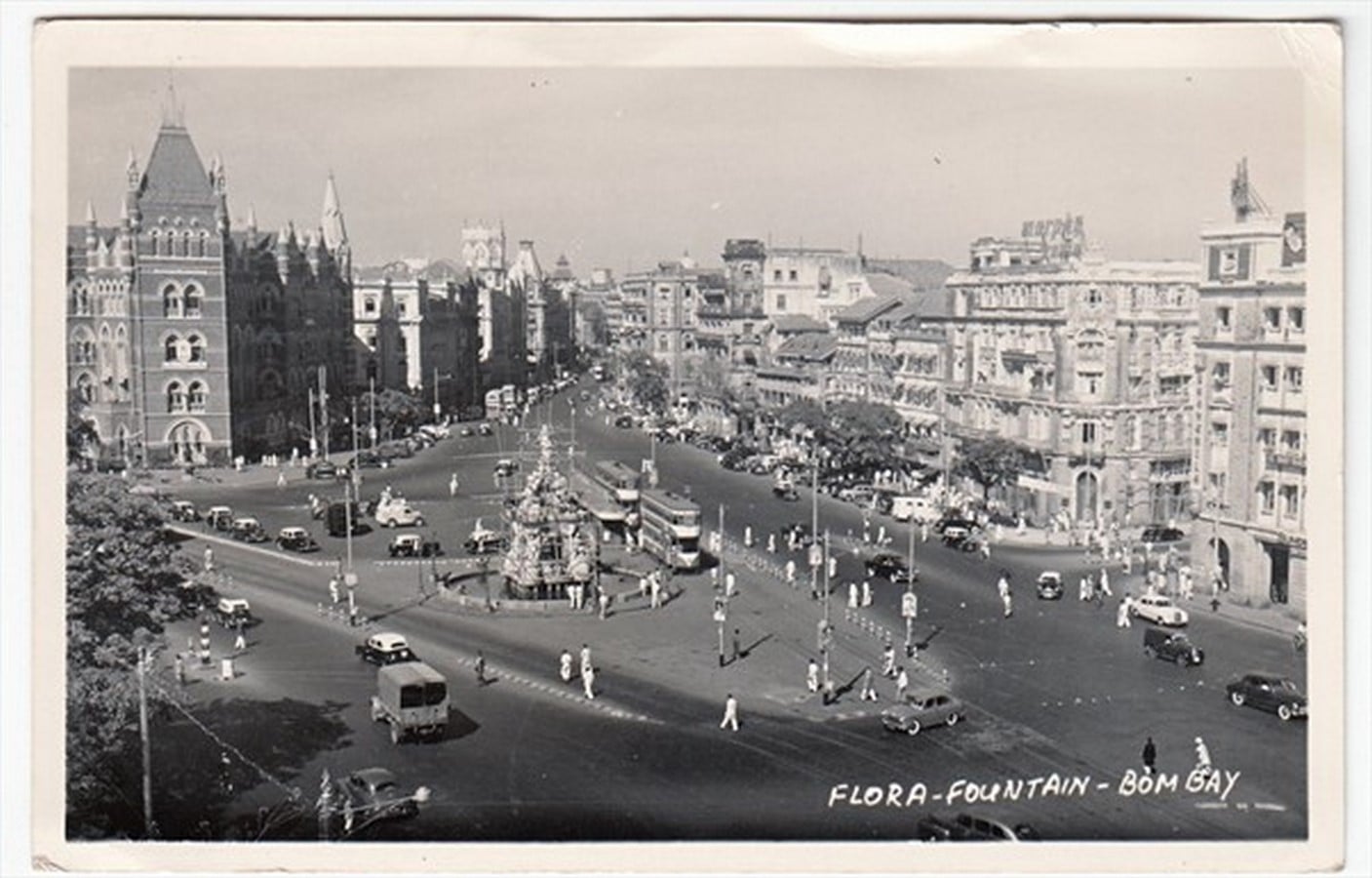
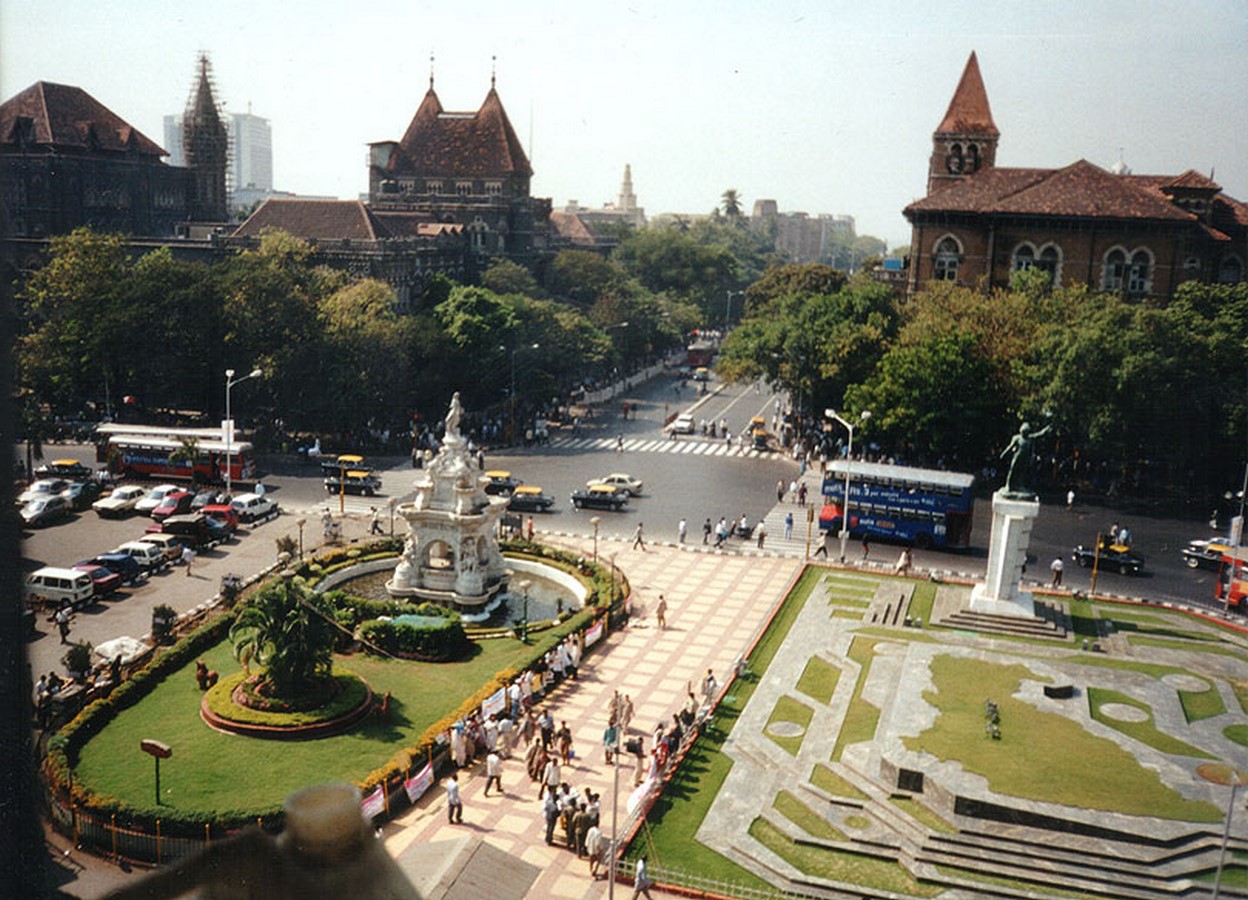
These partnerships serve resourcefulness to both parties – the local businesses and the management team. Many joint venture engagements include cross-promotion or events that can drive customer engagement. These businesses further leverage their profits by associating with the iconic building’s identity. This unique association and branding prove beneficial to both parties.
Such ventures also stimulate revitalization. There is local support for the same. It attracts new businesses due to improved infrastructure, thereby increasing tourist footfall.
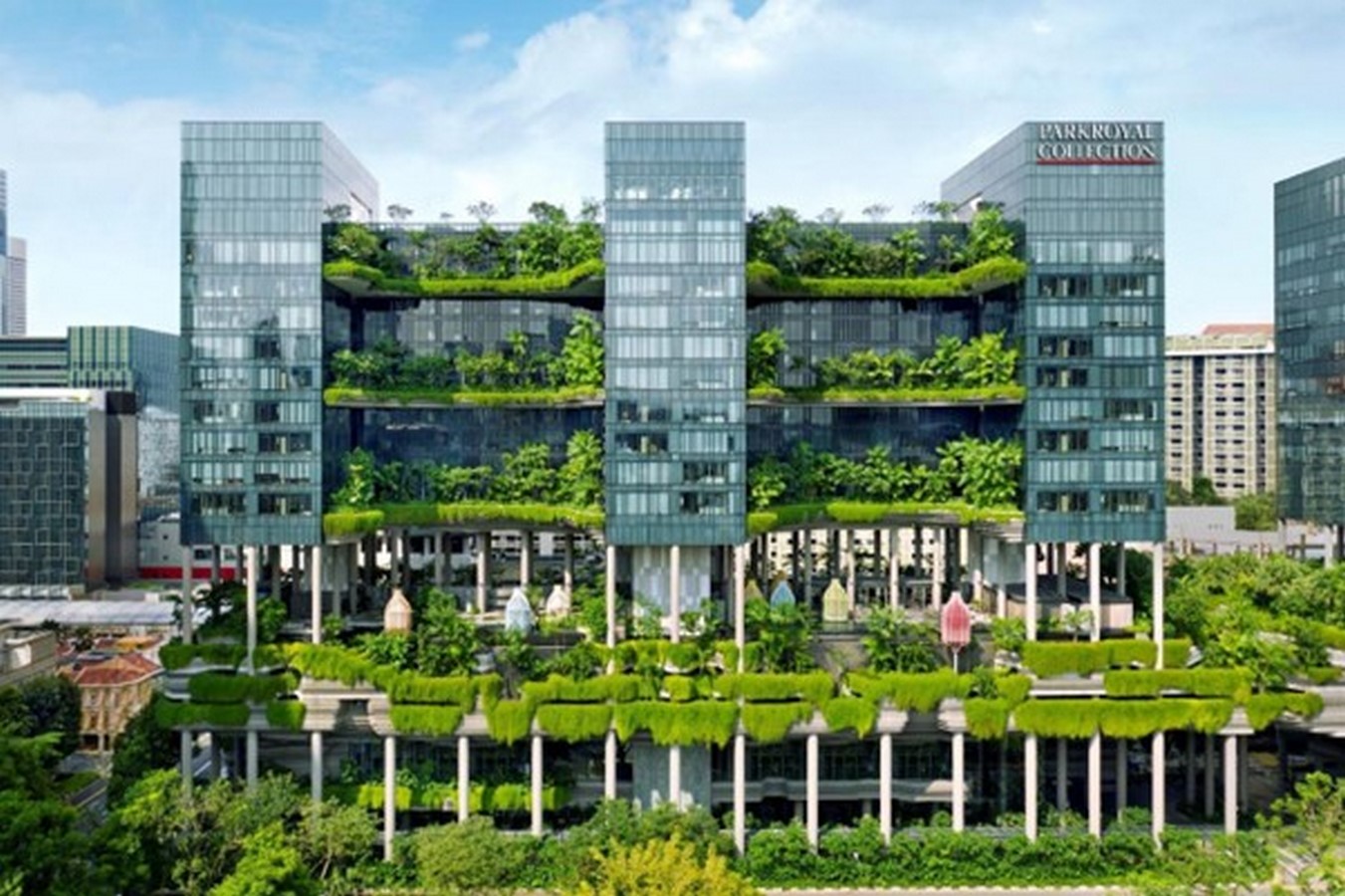
Iconic Architecture also contributes to changing trends in the built form of the construction process. With the sustainable development goals now in place, there has been a shift in the design and execution process. Architects, engineers, and material experts consciously work through a process that creates an environmentally responsive structure. These efforts require passive design strategies, new construction technologies, and re-inventing materials to meet sustainability standards. These trends impact the intricate systems and networks of creative design and innovations. The buildings come through and set standards for the upcoming buildings.
Impact of Iconic Architecture on Everyday Life
Any structure is iconic when designed for everyday use, aesthetics, and architectural marvel. When considering new projects, these can be designed to break through the norms – for height, magnanimity, or even the structure of everyday use. When considering the latter, it becomes a responsive section of the site network.
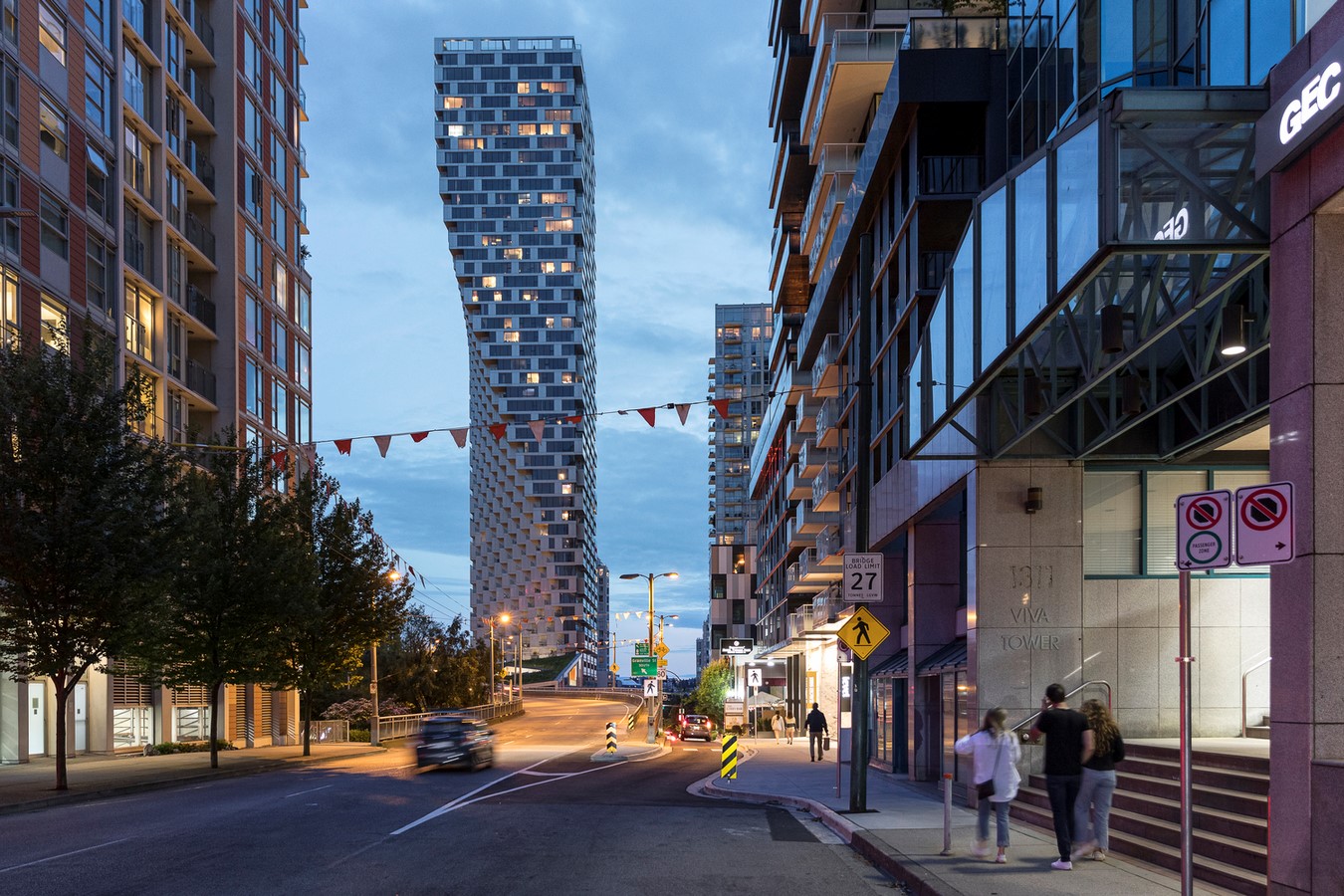
This creates positive psychological impacts, fostering a sense of belonging and functional space utilization. The new structure also serves as a new landmark for easy navigation. It also encourages social interaction and new forms of community engagement. The use also increases the area’s attractiveness. It also provides inhabitants with cultural and everyday experiences. Moving around an accessible iconic structure also increases a sense of prestige and awe – both for the inhabitants and visitors.
The new iconic structure, therefore, encourages a constructive shift in the existing urban systems. However, while these shifts can foster positive impacts, it is also necessary to address its potential challenges.
Drawbacks of Iconic Architecture
One of the first impacts of Iconic Architecture is the increased footfall. Depending on the site context and the age of the structure, the capacity to accommodate the footfall varies. It also pressures to cater to the visitor’s needs by increasing the amenities. This is not just limited to iconic architecture, but also well-known natural landmarks – such as waterfalls and wildlife reserves.

The idea of the iconicity of any structure varies from generation to generation. So, its relevance remains. However, while it is in trend, it is essential to limit the visitors to maintain its integrity. The structure’s maintenance also poses a challenge. As its popularity, its footfall increases variably.
As the land’s attractiveness and value increase, there is a threat of gentrification or displacement of residents who can no longer afford to live in the area. As new iconic structures seek to break through existing engineering, architectural, and human barriers, it requires innovation in new technology to achieve this feat. This may or may not modify the final form of the structure.
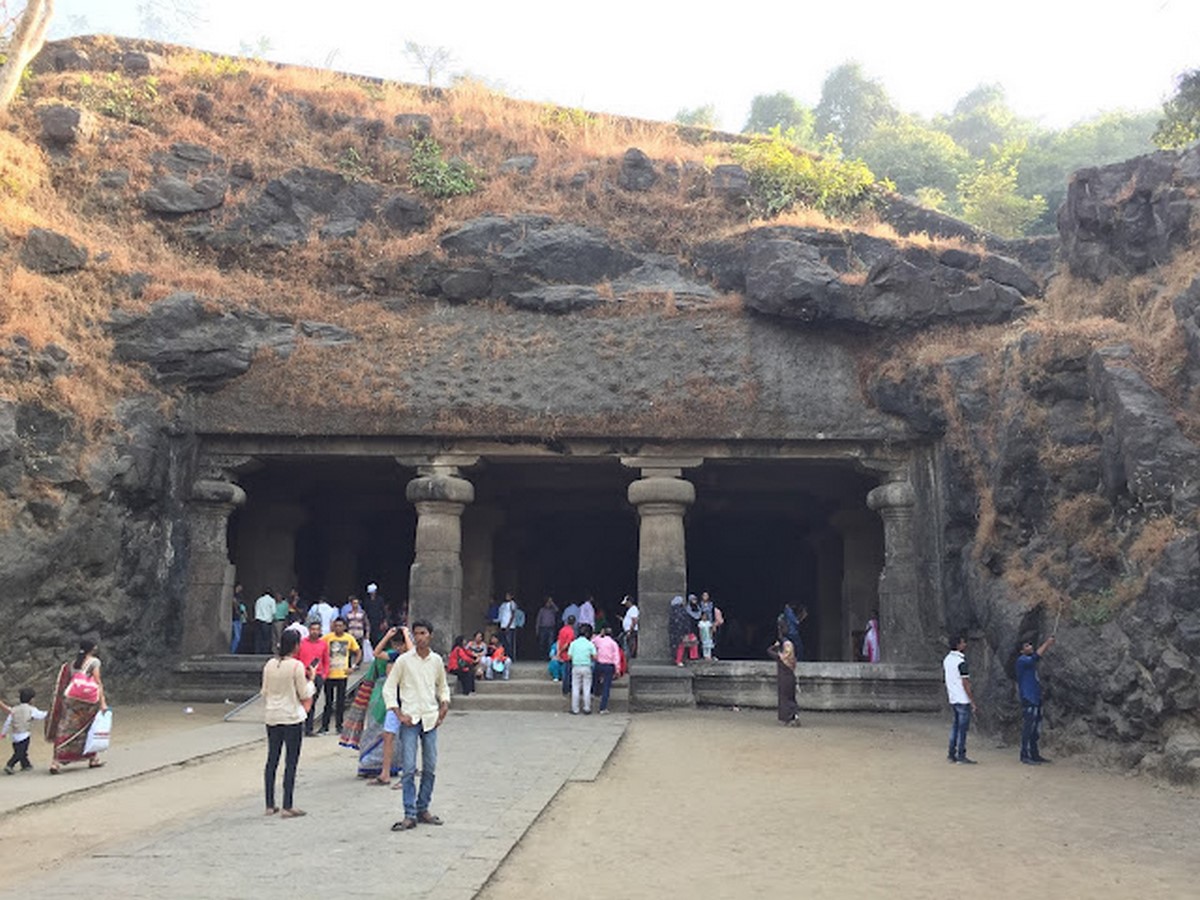
It is crucial to consider the challenges and make room for improvisation to safeguard and enhance the overall experience for the users.
Citations
- Sklair, L. (1978). The Icon Project – Architecture, Cities and Capitalist Globalization. New York: Oxford University Press.
- Aaltonen, G. (2013). The History of Architecture Iconic Buildings Throughout the Ages. London: Arcturus Publishing
- Broot, S. (2020). Digital Monuments – The Dreams and Abuses of Iconic Architecture. New York: Routledge
- Bachmann, W. & Thiel-Siling, S.(1998) Icons of Architecture The 20th Century. Munich: Prestel Publisher