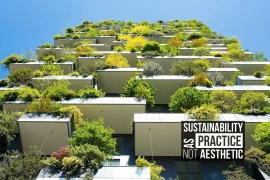
Aesthetics
Buildings comprised of concrete and steel frequently come to mind when we think of architecture.
A mirror that reflects our culture, values, and the world around us, architecture is much more than just the arrangement of materials as cultural context goes beyond just appearances.

What does “Climate-Responsive” signify?
Think about a house that captures sunlight to generate electricity or a building that collects rainwater to water plants and flush toilets.
For instance, in places with hot climates, you might find buildings with open courtyards that let the breeze flow through and keep the interiors cool.
Climate-responsive architecture is like a smart partner – it knows how to use the sun, wind, and rain to create spaces that are cozy and energy-efficient.
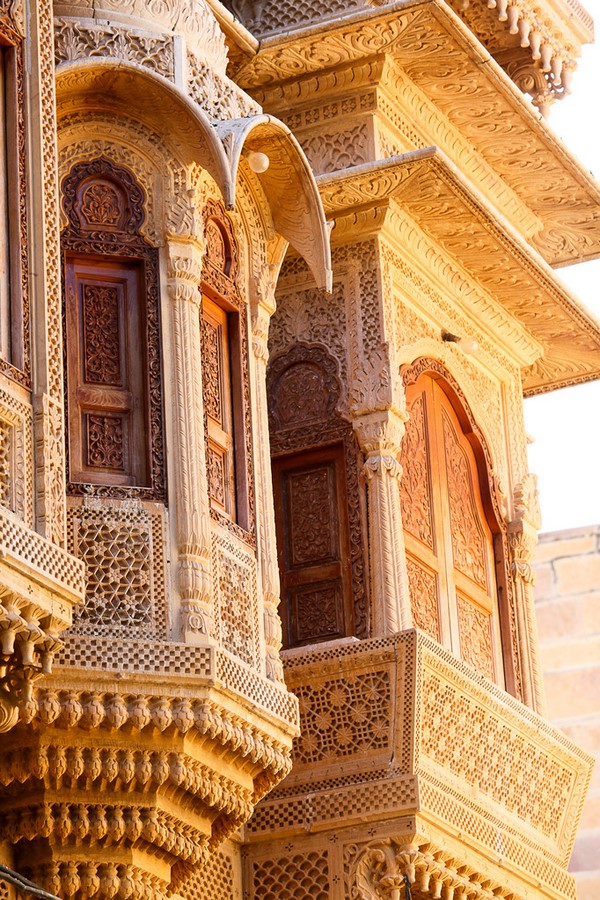
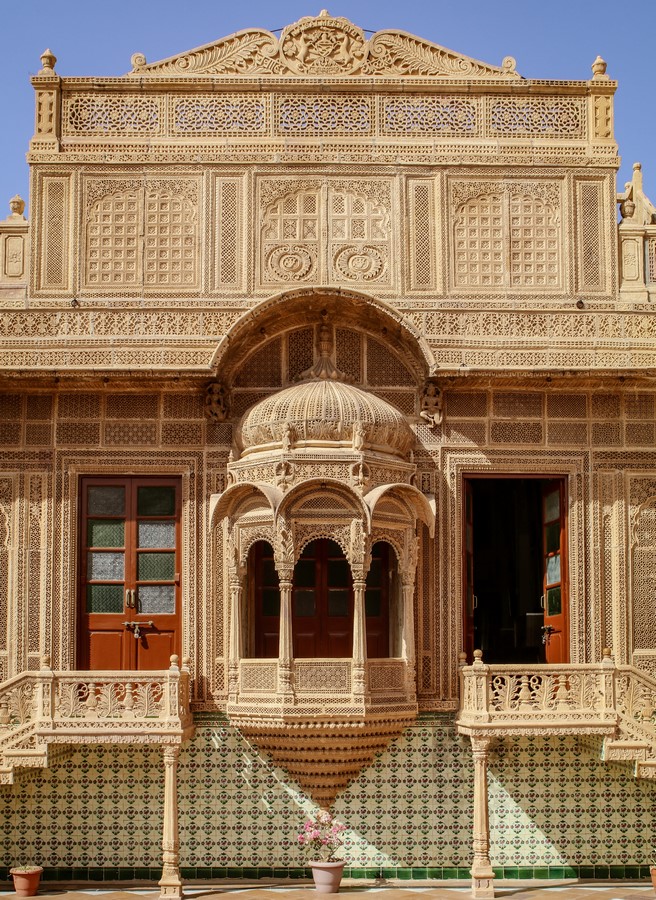
Think about the houses you’ve seen – the ones with colourful tiles or high spires.
These buildings aren’t just random; they’re like pages from a history book.
In hot places, buildings might have open spaces to catch the breeze.
In cold spots, you might find houses with thick walls to keep the warmth in.
These smart choices come from years of understanding the environment.
The Rise of Climate-Friendly Buildings
Now, picture buildings that work like superheroes with capes made of solar panels.
These buildings can capture sunlight and turn it into energy.
This is what climate-responsive architecture is all about – buildings that are best friends with nature.
That’s the magic of climate-responsive architecture.
It’s like designing buildings that can talk to the environment and say, “Hey, let’s work together!”

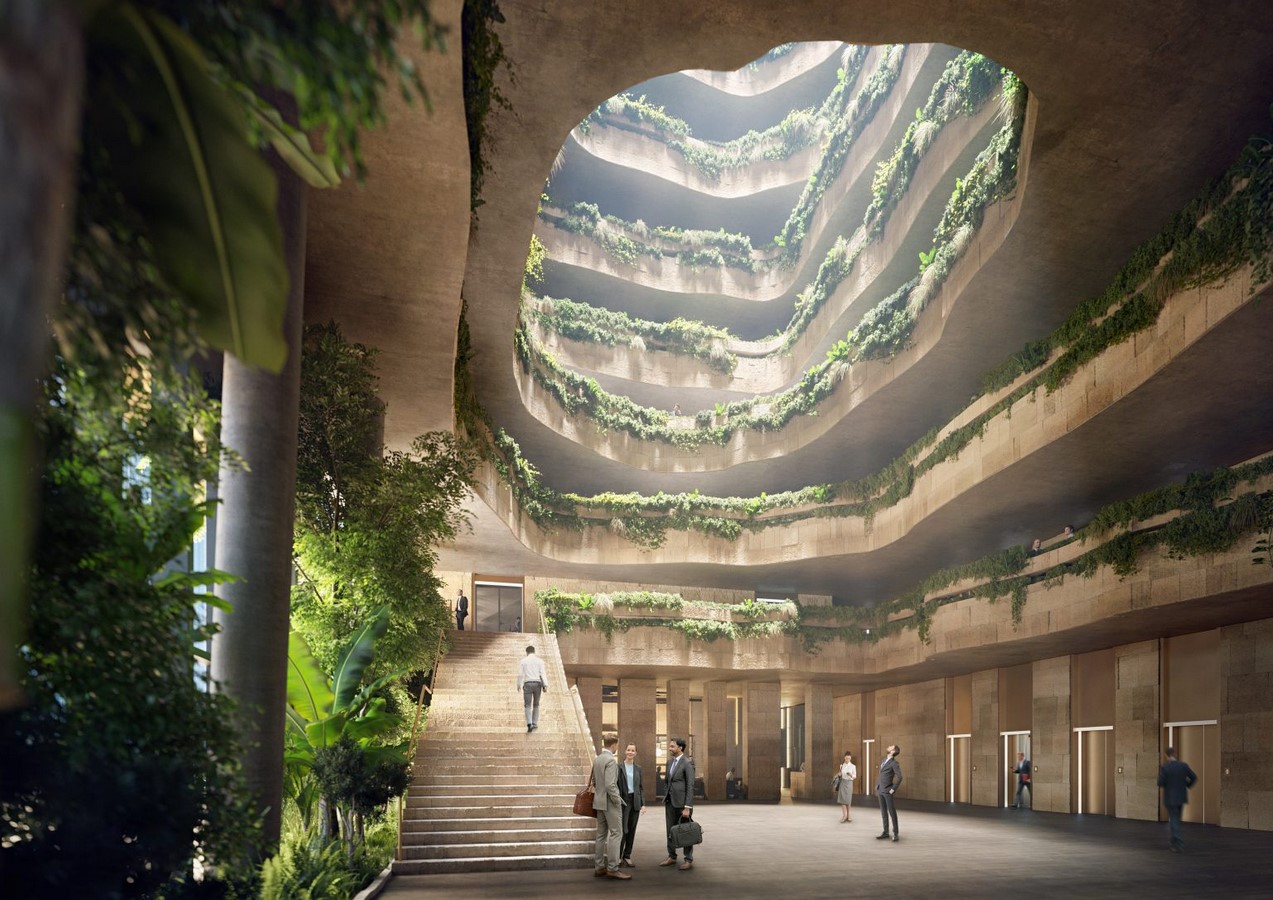
Tradition Meets Tomorrow
Now, let’s mix things up a bit – let’s blend our cultural stories with eco-smart designs.
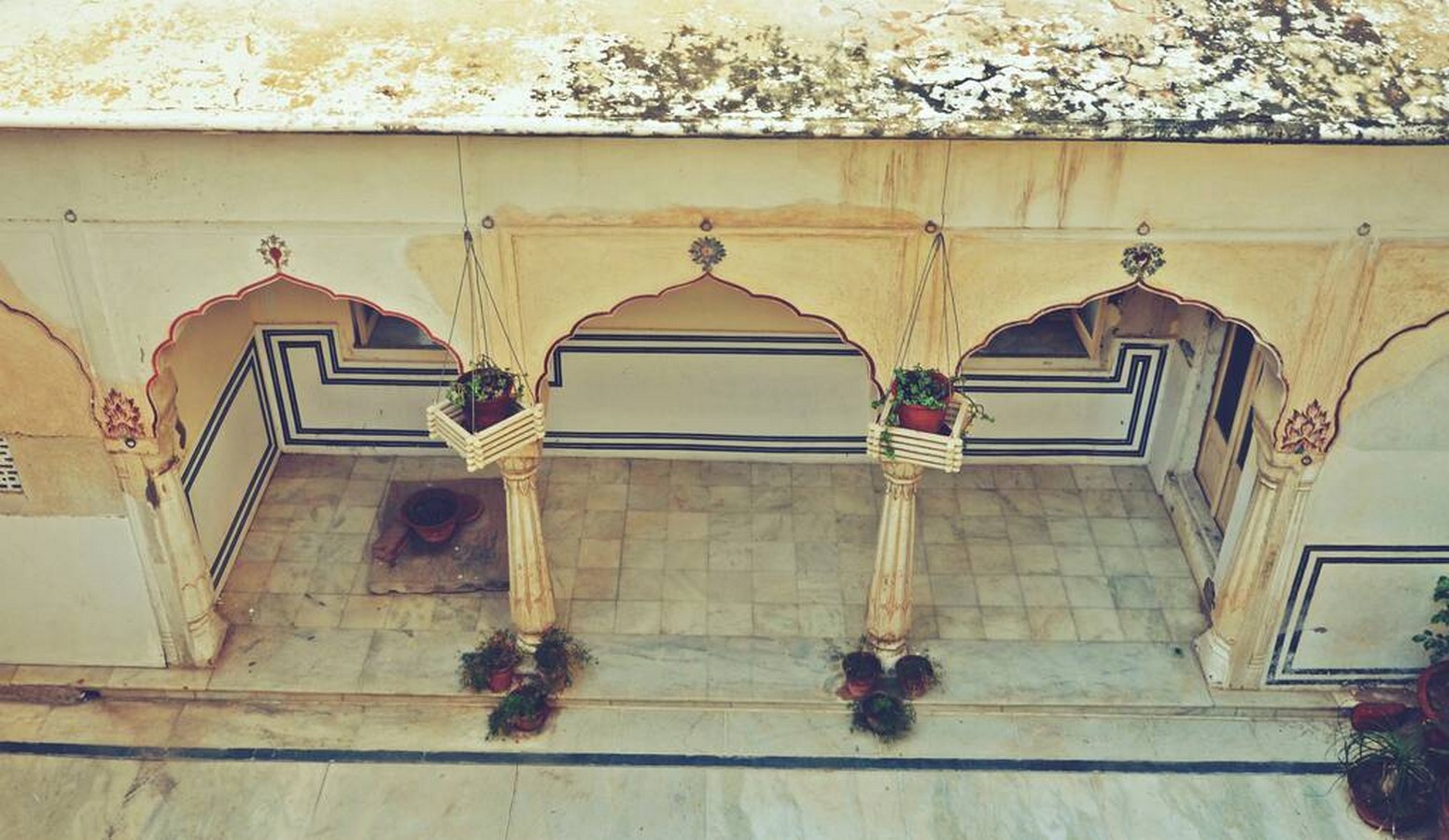
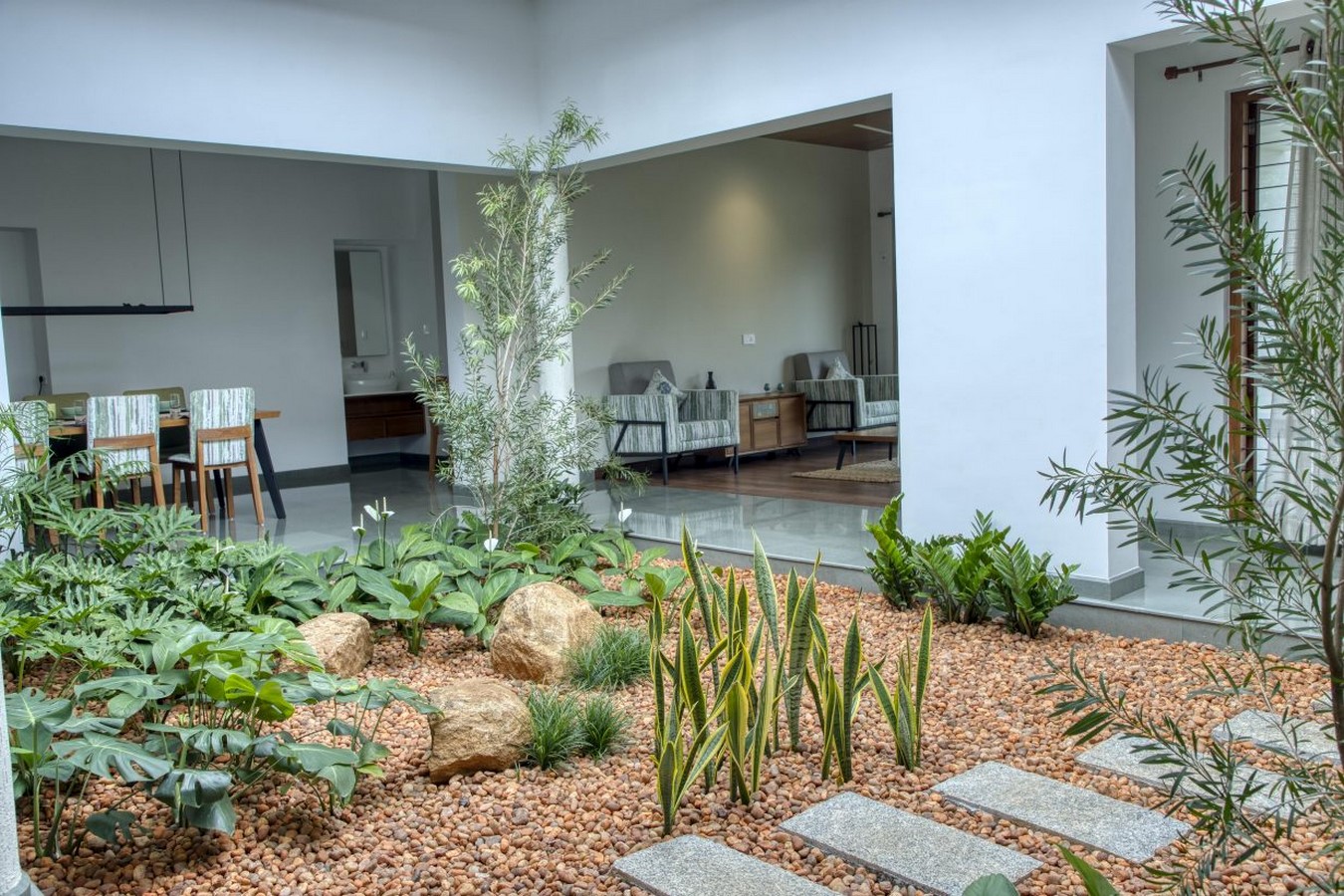
Take the old courtyard houses in some countries, these homes have open spaces in the middle that let fresh air flow through, It’s like a natural air conditioner.
Architects today are taking a cue from these clever designs and giving them a modern twist.
Think about houses in snowy places, their roofs are like steep hats that let the snow slide right off this keeps the house warm and cozy.
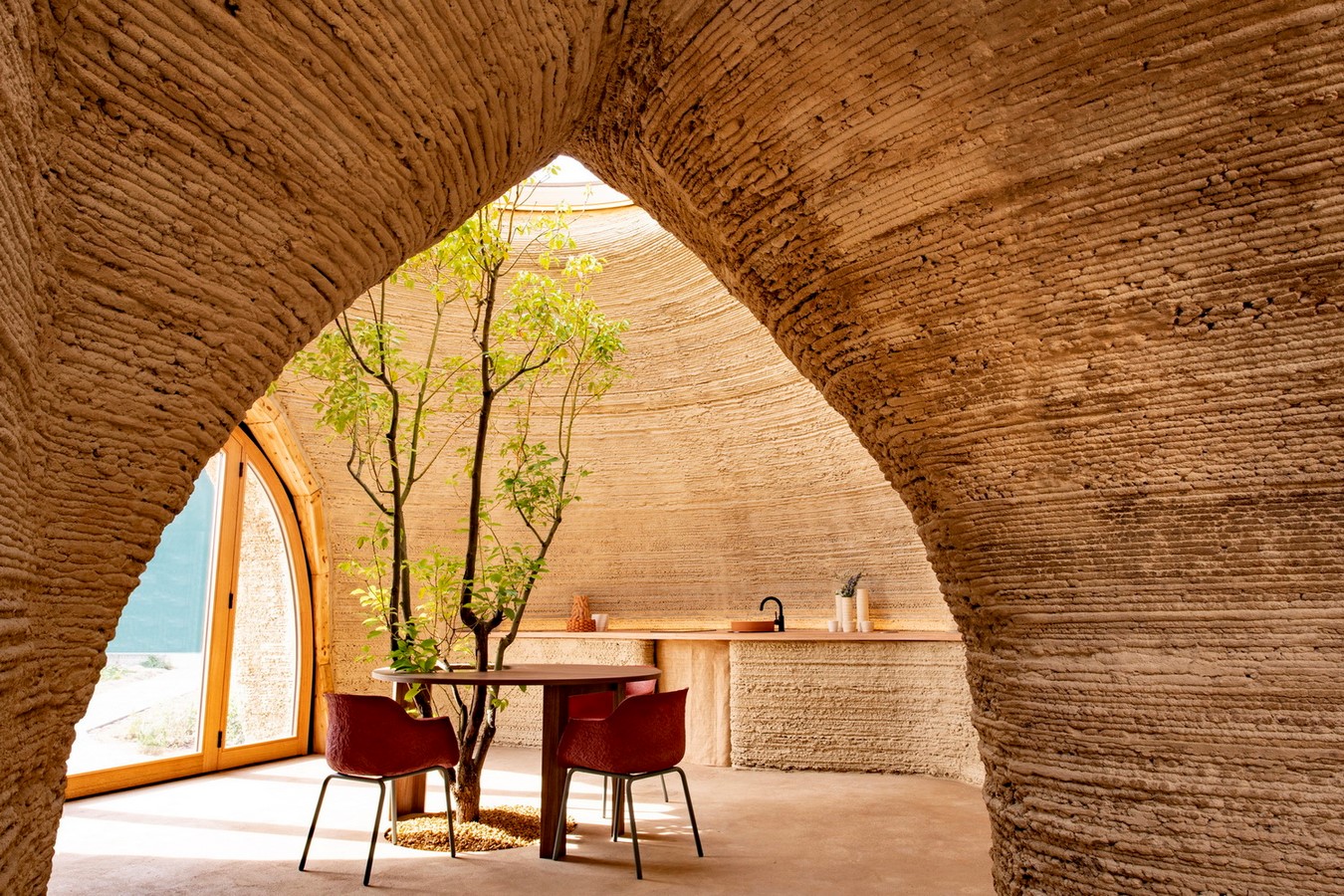
Keeping the Past in Mind
Imagine a contemporary structure with elements of classic design; it would be similar to constructing a bridge connecting the past and the bright future.
Consider a modern structure that borrows from traditional architecture; it creates a link between the past and the future.
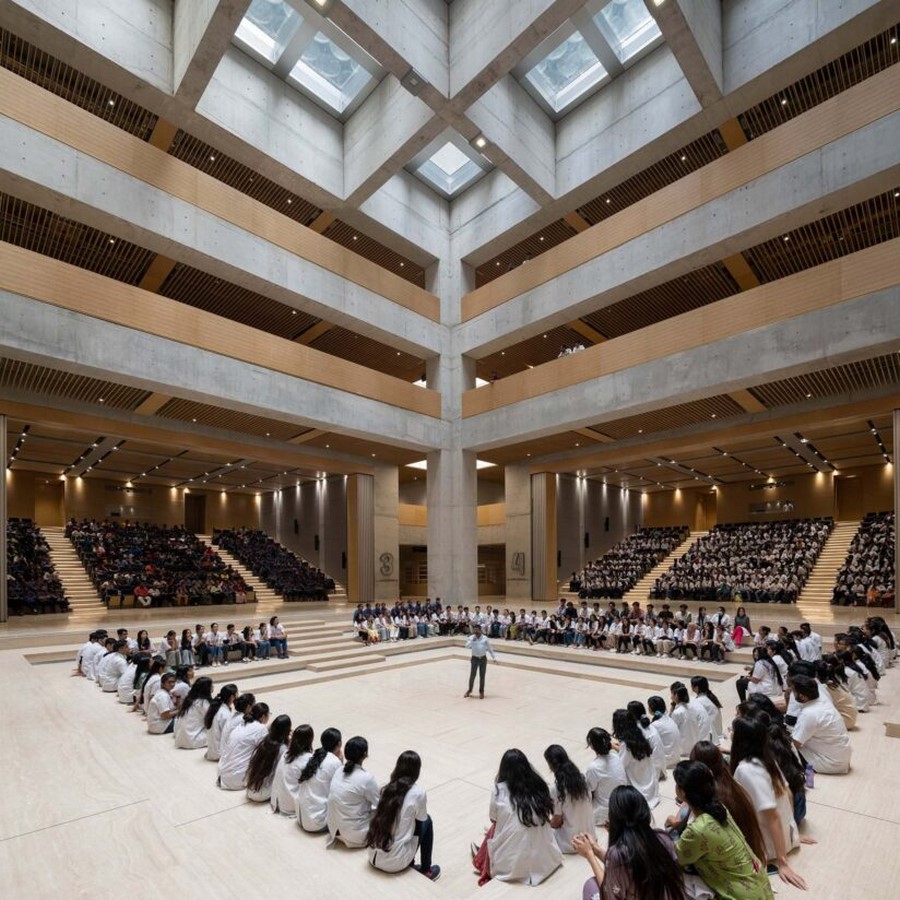
Fostering a Sustainable Tomorrow
Something lovely occurs when our cultural narratives and clever building designs are combined. Areas that respect the environment and emphasise our uniqueness can be designed.
Buildings that tell tales of the past while looking forward to a green future.
So, as we dream of tomorrow’s homes and cities, let’s remember that every brick and window is a chance to tell a story. a narrative of how we respected our traditions and took care of the environment. Culture and climate can work together to improve our built environment for current generations as well as future ones.

Some examples of Climate-Responsive Architecture:
1. Shekhawati Haveli
Doors, windows, and other features of the havelis exhibit a fusion of Mughal and Rajasthani architecture. The havelis’ exterior is decorated with paintings and themes. Typically, these Havelis had two levels and a patio. Additionally, havelis typically have two courtyards divided based on gender.
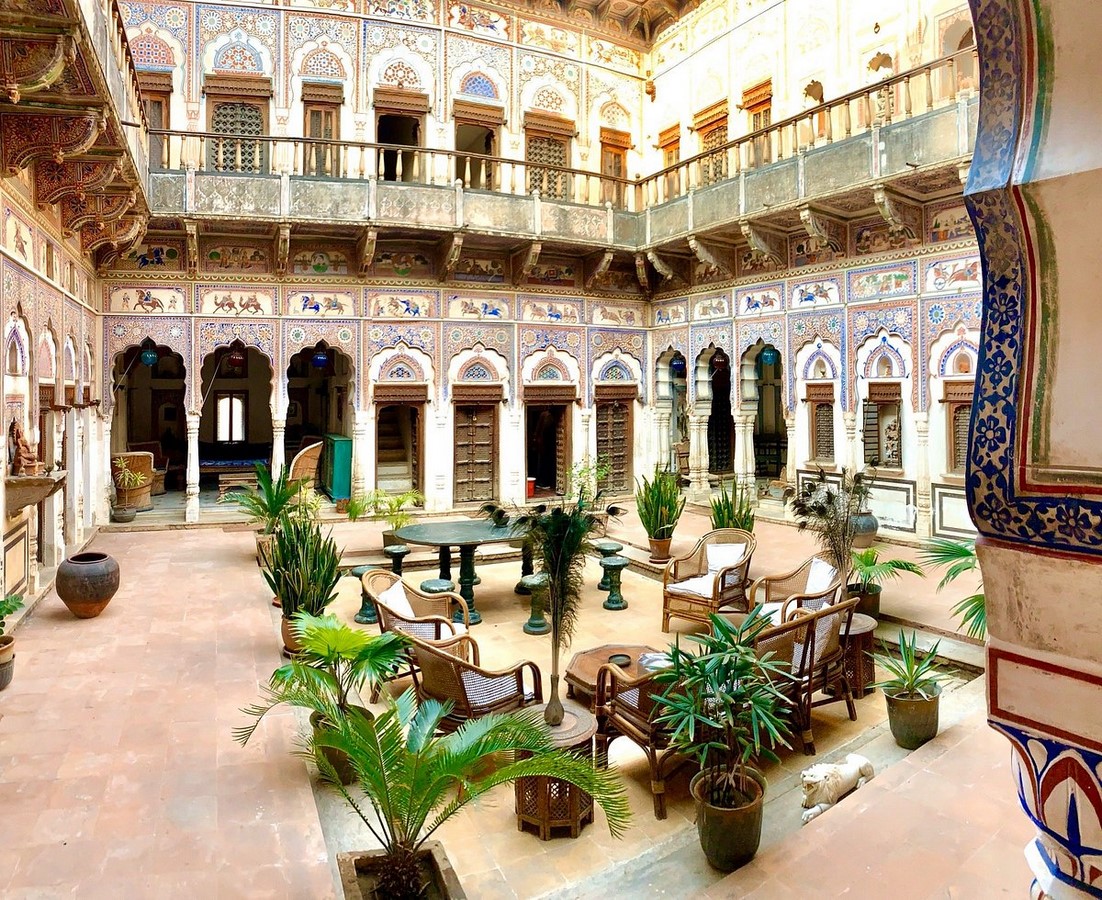
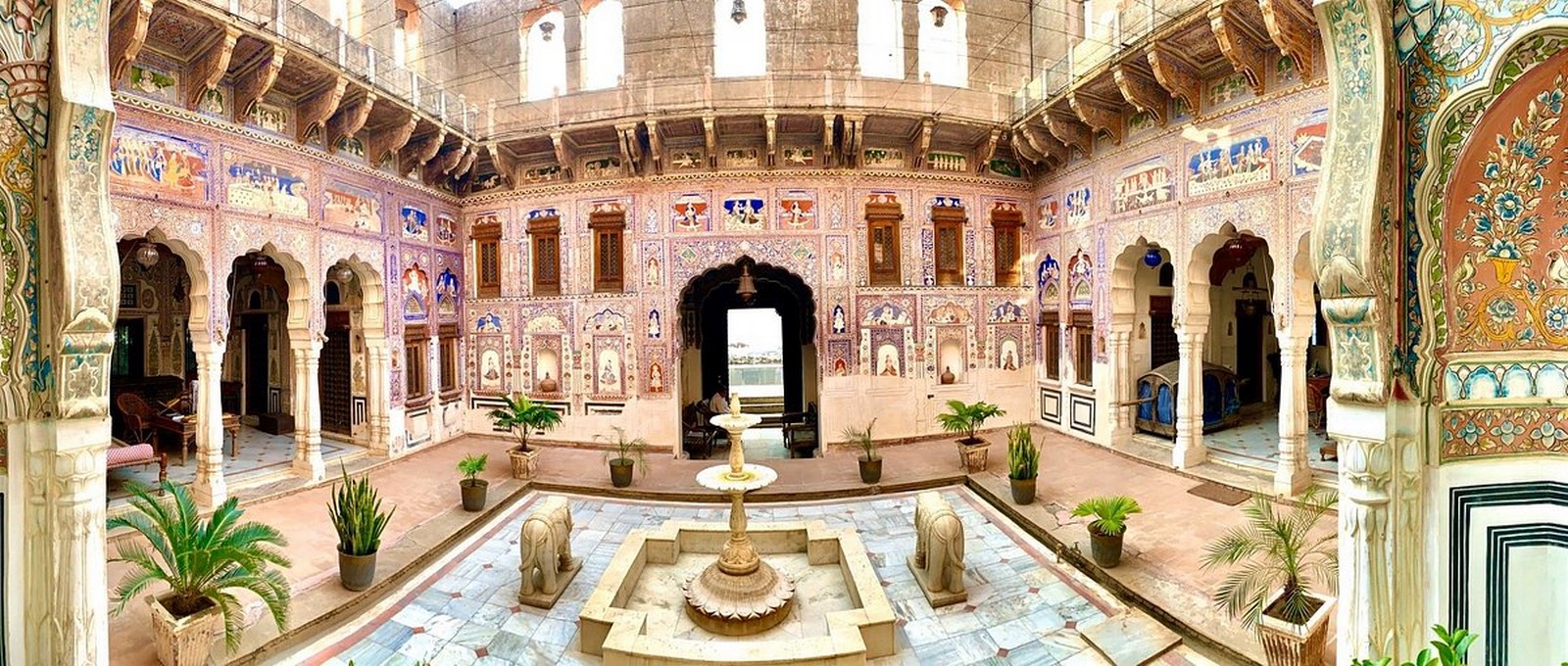
The Chowk is another name for the courtyard. There are partially or completely shaded areas all around it. It aids in improving airflow and allowing enough light within the structure. It serves as a venue for social gatherings as well. It helps with a variety of things, including tulsi plant worship. The Indian Vaastu is the foundation for the courtyard design. This indicates that it is ideally situated and has ample space.
2. Pearl Academy
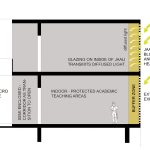
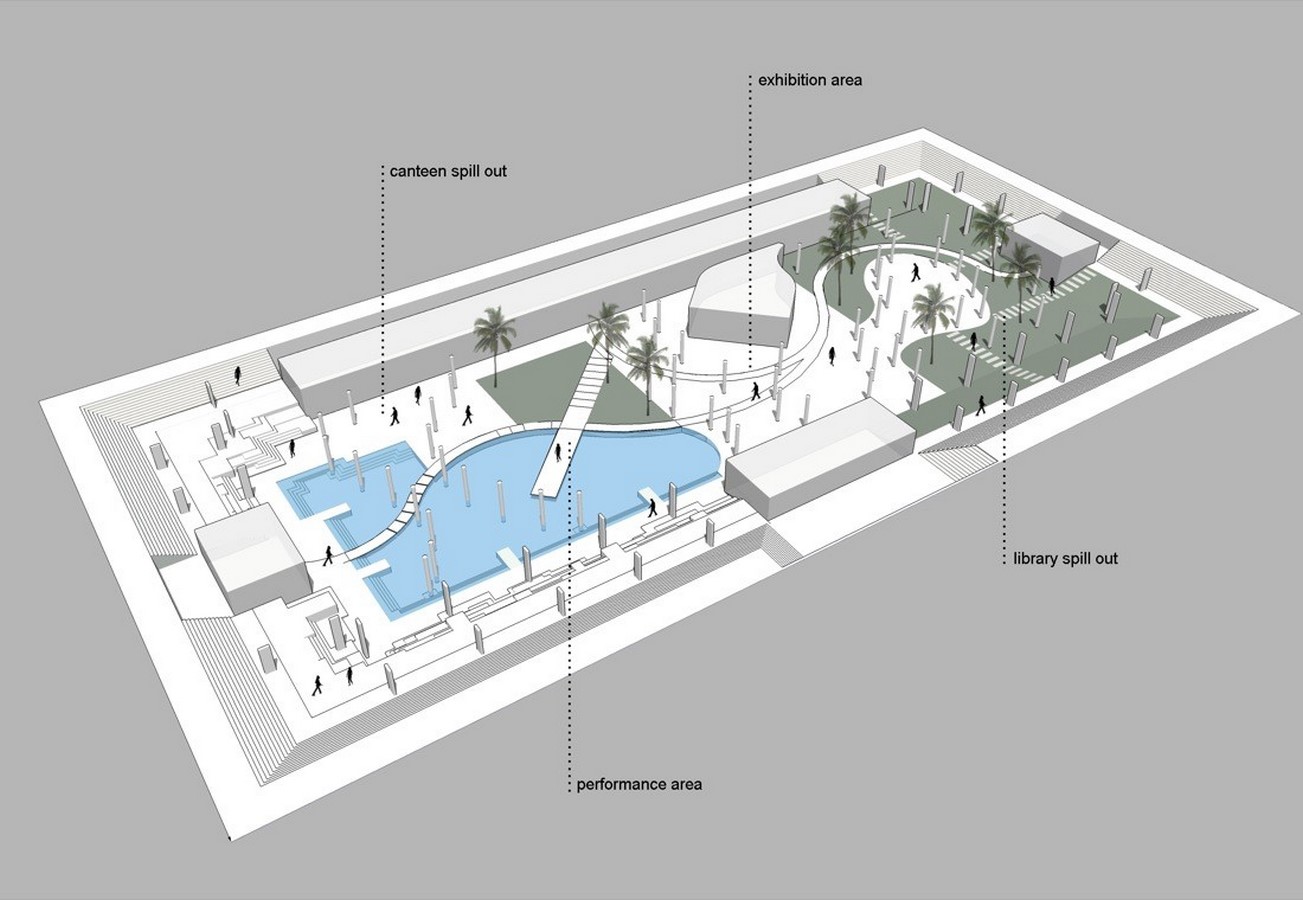
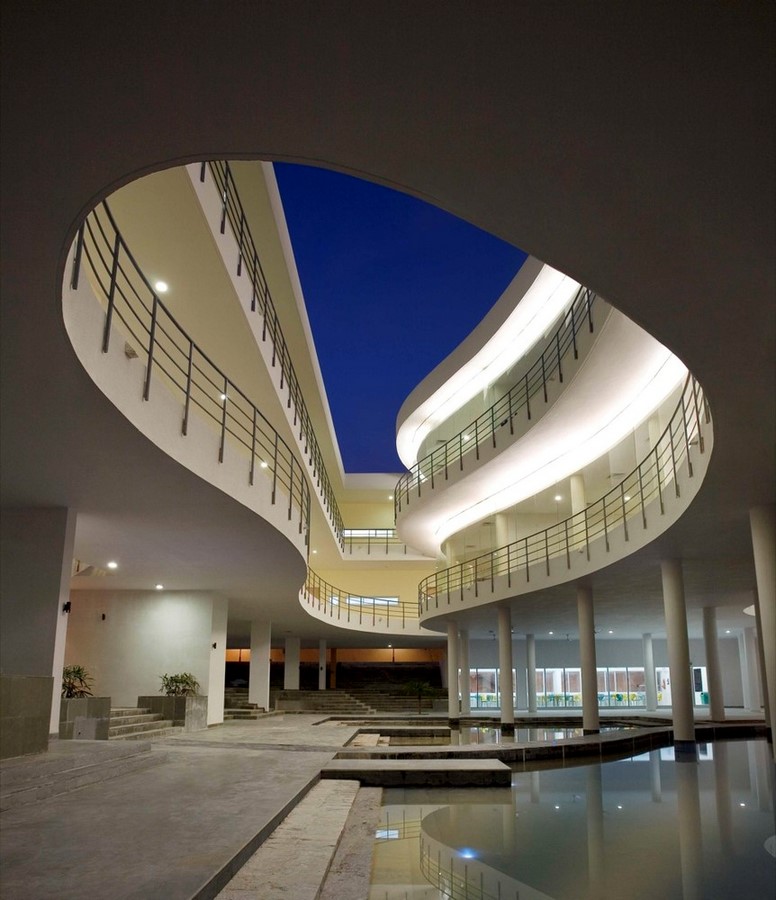
The Pearl Academy, a traditional energy-efficient building on the outskirts of Jaipur, features a courtyard, jali, and a step well that was modeled after a traditional baoli in Rajasthan. The building’s courtyard design helps to offer light and ventilation to the studios and classrooms while also regulating the temperature within. The building’s lowest floor is 4 meters underground, and it also offers privacy.
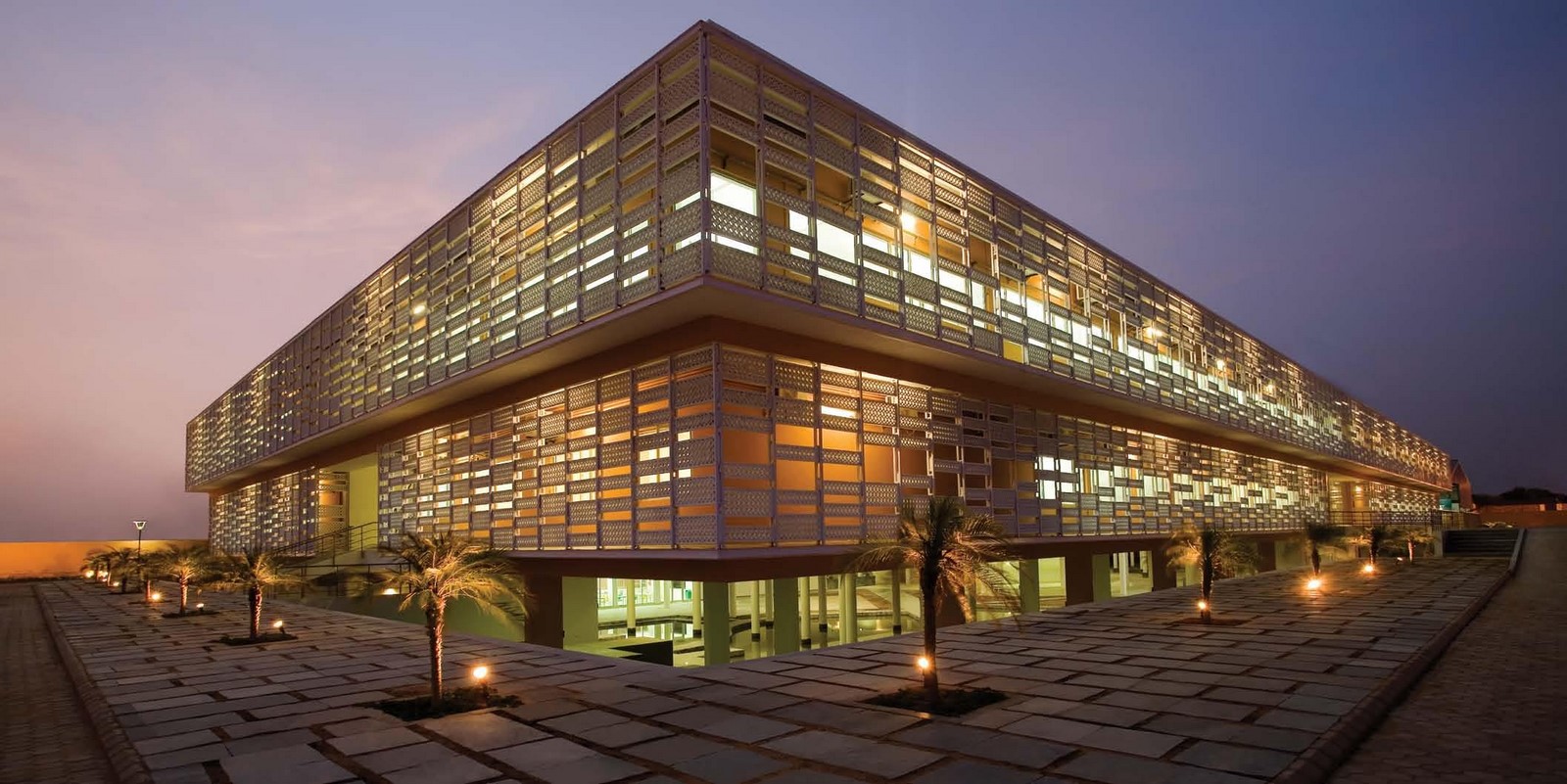
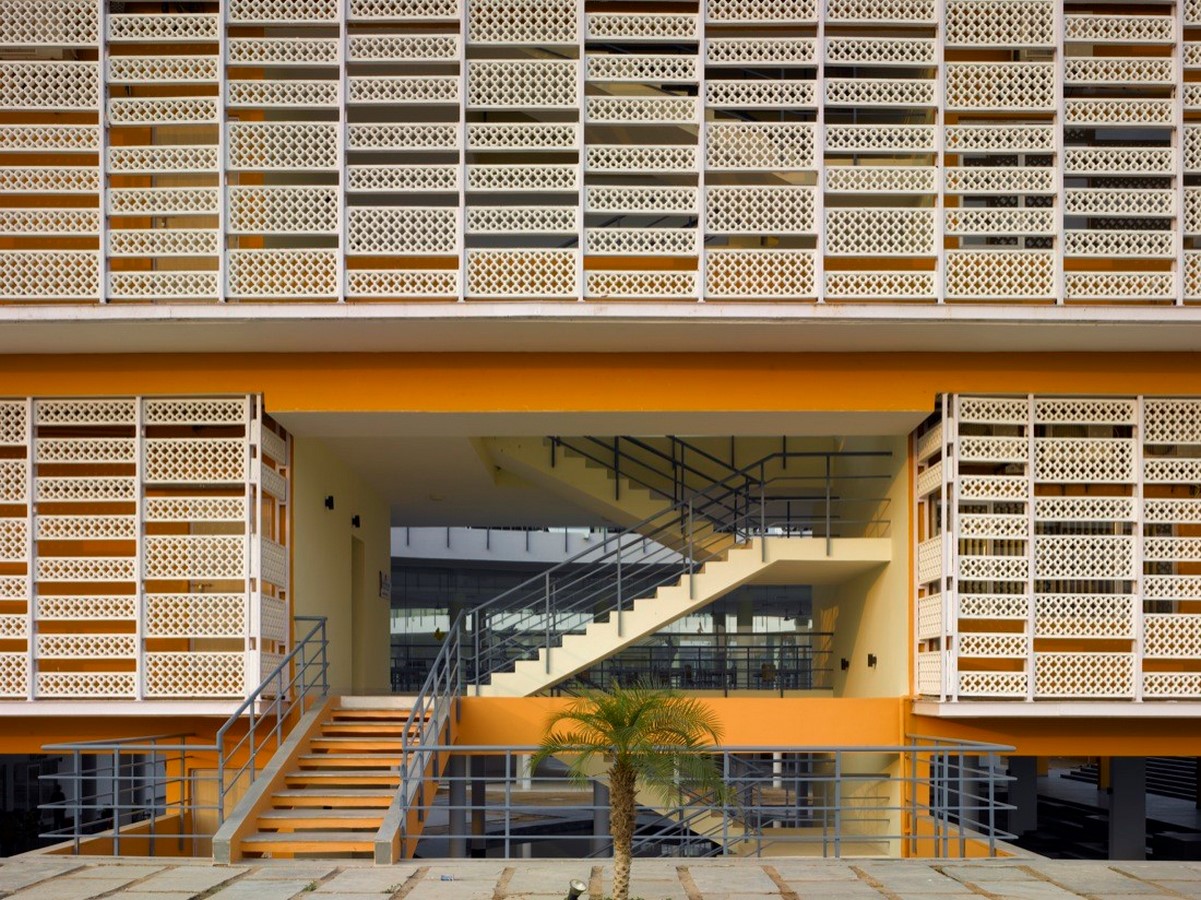
The old reverse pot method is used on the building’s roof to reduce the inside temperature. The exterior of the building has a double skin façade with jaali installed to improve daylight performance and move cool air throughout the structure.
Because of this, the surface that receives sunlight can stay colder all day and cool off more quickly at night. Patwa haveli and Amer Fort Walls both employ it. Stone and mud are the types of walls found in the homes that have been investigated. Depending on the type of housing, the walls’ thickness varies. All the houses were made of red sandstone. The aforementioned structures all make use of it. Chajjas and other sun-shading equipment aid in lowering the amount of solar radiation that enters a building. In this section, the summer solstice and winter solstice solar radiation entering a building are illustrated.

It is utilised in Amer Fort Jali, Patwahaveli, and Hawamahal. By compressing the air through the perforations, the jali aids in decreasing the temperature. It can be created in many different textures and patterns. It is utilised in water features, the Hawa Mahal, Amer Fort, and Patwa Haveli Garden. One of the best methods for reducing the warmth inside a structure is to surround it with gardens and water features. These not only improve the building’s microclimate but also add to its regal and beautiful appearance.
Reflection and Closure
Think of architecture as a storybook that echoes our culture and heritage. Climate-responsive architecture takes this legacy and infuses it with modern wisdom, resulting in buildings that converse with nature. Imagine homes capturing sunlight for energy and embracing breezy spaces for natural cooling. This ingenious fusion of tradition and innovation acts as a bridge between our yesteryears and tomorrow. However, as we construct for the future, let’s honor our roots. Notable examples like Shekhawati haveli and Pearl Academy demonstrate this harmony splendidly. Every structure is an opportunity to weave a tale of heritage and eco-consciousness, crafting a sustainable footprint.
References
- The fascinating story of the abandoned Havelis of Shekhawati in Rajasthan (2020) India.com. Available at: https://www.india.com/travel/articles/the-fascinating-story-of-the-abandoned-havelis-of-shekhawati-in-rajasthan-3232630/ (Accessed: 20 August 2023).
- Chauhan, P. (2022) What is climate-responsive architecture? significance & examples, Planet Custodian. Available at: https://www.planetcustodian.com/climate-responsive-architecture/26421/ (Accessed: 20 August 2023).
- publisher, K.B. this (2021) Climate responsive architecture integrating climatic considerations as a part of planning and build, Issuu. Available at: https://issuu.com/kartikeybhatt25/docs/climate_responsive_architecture_integrating_climat (Accessed: 20 August 2023).
- Rehman, A. (2020) Climate responsive architecture, Medium. Available at: https://medium.com/@abdulrehman_68478/climate-responsive-architecture-93f35519cabe (Accessed: 20 August 2023).