“Each new situation requires a new architecture.” — Jean Nouvel
Change is inevitable. In a world constantly susceptible to change, the crux of the question narrows down to merely adaptability and survival. Architecture has traveled a long way over the years through various civilizations, from being a shelter over your head to a ‘boom’ what we see today. What is the architecture of the present?
From being a slow foundational process in the past, it has witnessed a dramatic change leading to a flourish in the construction industry via absorbing the advancements in technology. However, the present-day consequences render an alarming image of the state of our resources.
Changing scenarios – changing purposes – changing perspectives.
Decades back, can you imagine a scene where people gather around the shade of a Peepal tree to access Wi-Fi and to use their phone for a while? Or a community library fully computerized with no trace of paper? As scenarios change, so do environments. Earlier during leisure time, people gathered around trees next to the temple complex in the evenings to communicate, to inundate in conversations and discussions for long hours.
The culturally relevant practices seem to have become extinct over the years. Thus changing scenes led to changing purposes and to changing perspectives. This is not a linear process; it has been a back-and-forth process of evolution, which is irreversible.
Changing role of architects.
“Architecture is life, or at least it is life itself taking form and therefore it is the truest record of life as it was lived in the world yesterday, as it is lived today or ever will be lived.”
— Frank Lloyd Wright
Architecture is a way of life. It is not merely the organization or allocation of spaces; rather it is the design of habits, routines, and patterns based on one’s history for the future. As we have seen over the years, the modern epoch is seized by the realm of data. Unlike before anything and everything is readily available online. Architects need to expand their roles to take leverage, to create a holistic design approach to cater to the changing needs. This is where the focus shifts to collaborative architecture, an amalgamation of various disciplines.
The professionals in individual fields come together to address a wide spectrum of issues that societies face, on a daily basis. Architects, urban designers, landscape architects, historians, specialists in anthropometrics, sociologists, NGOs, local activists, etc, play a profound role in providing a palpable design.
Architecture for all: Inclusive architecture.
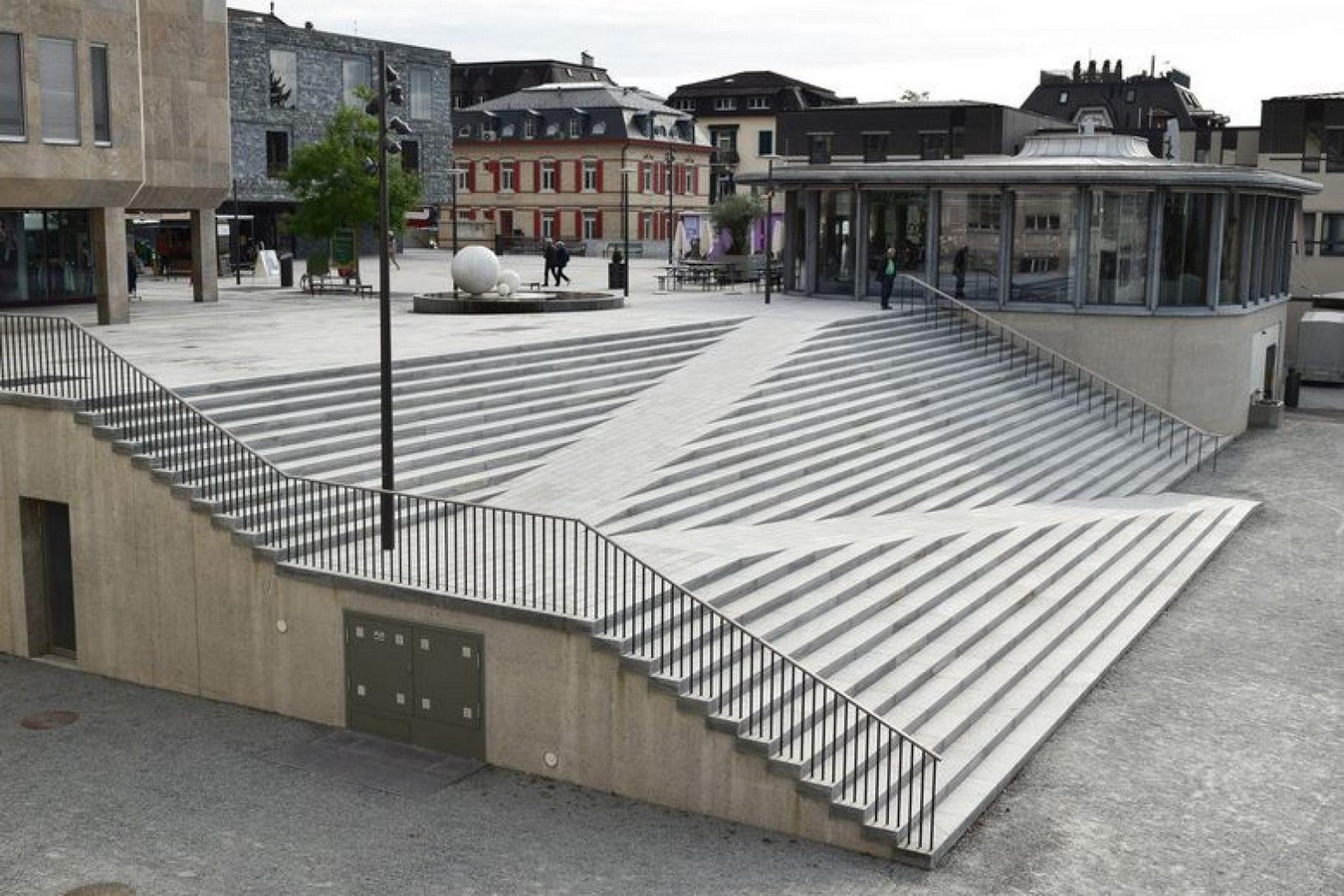
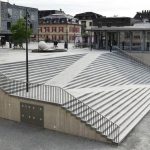
_© Studio Vulkan
One revolutionary element in the current world of design is the concept of Universal Design. Universal design principles aim to address diversity in people, to ameliorate safety, usability, and ease of access. Regardless of age, ability, or status in life, everyone must be able to fully utilize structures, products, and environments. The extent of disabilities ranges from physical disabilities to cognitive and developmental challenges which put forth the need to continually seek to develop new methods of design.
Who can shape a more inclusive world?
Back in history, the LGBTQ+ people remained an anathema, but today, their ideologies and visions are projected to the public at large. Architecture as a medium has immense potential to elevate the same, to bring about a sense of belonging, to make them feel at home.
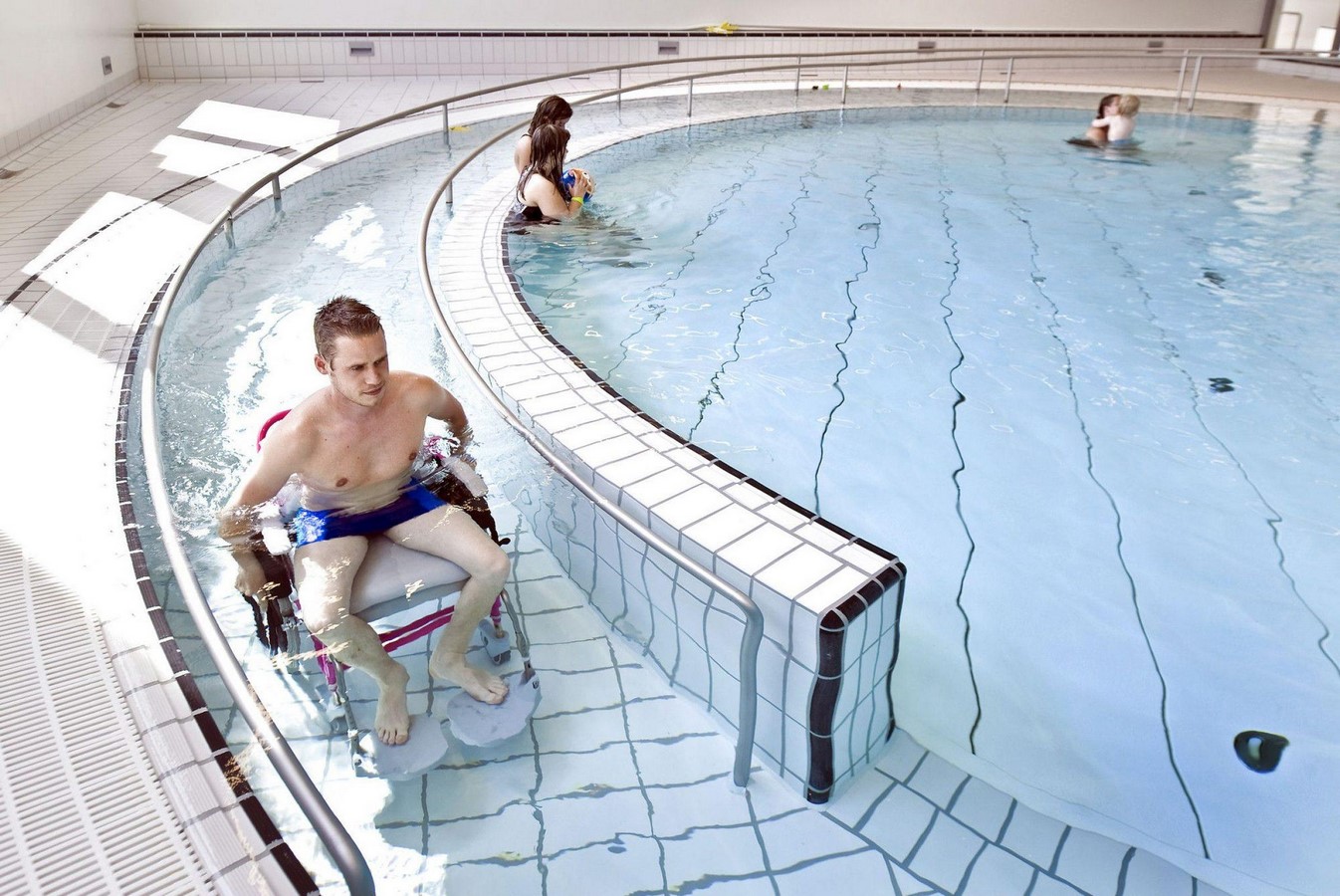
Changing typologies: Evolution of space.
As the population increases, cities become denser, causing urban sprawl. Encompassing a wide range of issues, cities start to have negative associations with space like unavailability of land to build, overcrowding, and formation of slums, pollution, man-made hazards, crime, congestion, and poverty. This is where sustainable architecture comes into the picture. As architects, it is imperative to be responsible for building an environmentally sustainable society.
Apart from form and function, the challenge is to keep the total energy consumption low which is achieved by incorporating technologies, renewable energy resources, passive design strategies, etc.
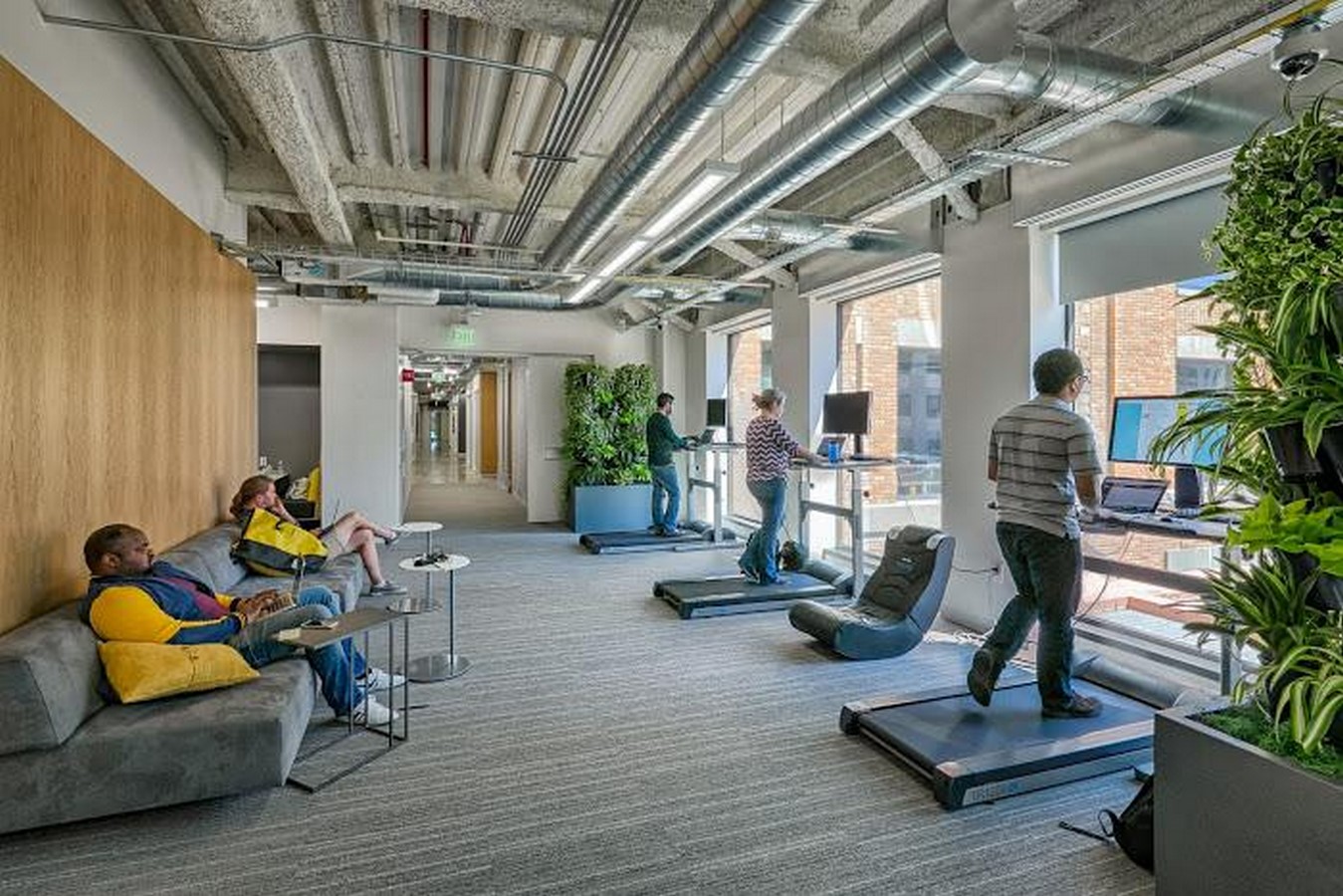
Today, mixed-use spaces are widely considered in bridging the gap between workspace and home. The boundaries between public and private spaces are blurred, introducing a wide array of spaces in between.
References
TMD STUDIO LTD (2017). Emerging trends that will shape the future of architecture.[online]. (Last updated 5 Jan 2017). Available at: https://medium.com/studiotmd/emerging-trends-that-will-shape-the-future-of-architecture-356ba3e7f910 [Accessed date 30 April 2021].
HMC Architects Blog (2019). What is the future of architecture as a profession? [online].(Last updated 30 Jan 2019). Available at: https://www.bdcnetwork.com/blog/what-future-architecture-profession [Accessed date 30 April 2021].
James Barrtolacci (-). Architecture for all: 10 thoughtfully designed buildings for people with disabilities. [online].Available at: https://architizer.com/blog/inspiration/collections/design-for-disabilities/ [Accessed date 30 April 2021].
Brandon Donnelly(-). Changing times: The future of the architecture profession is not what you think. [online].Available at: https://architizer.com/blog/inspiration/industry/the-future-of-the-architecture-profession/ [Accessed date 30 April 2021].
References for images/photographs
Vulkan, S. (Year of production- unknown)Village centre of Meilen, Zurich, Switzerland – Architecture: Blättler Dafflon Architekten, Horisberger Wagen Architekten [Photograph].
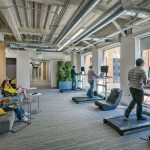
Schubert, M. (Year of production- unknown) Vandhalla” Egmont Rehabilitation Centre by CUBO Arkitekter + Force4 Architects [Photograph].