Retail Environments
A broad overview of retail environments includes networks of vendors, material showrooms, trade fairs, and material design & development. It is a commercial, transactional space for consumers (including professionals, investors, students, and clients) and retailers. These spaces encourage the sale of products and services through an engaging experience. Here, there is an exchange of ideas, which opens the space for exploration. An effective retail environment shapes and increases the probability of sales based on its level of interaction, functionality, flexibility, and aesthetics. Retail environments can also use their site contexts to be a part of a cohesive setting and experience.
Factors Governing the Customer Experience Retail Environments
Different aspects of retail networks and functions work together towards an interactive environment. These include:
Location of Retail Space: A brand’s success depends on the store’s accessibility. This could differ based on the vision of each brand. For instance, some retail spaces that are set as pop-up or temporary stores would require flexible and adaptable spaces. These brands might have the objective of raising awareness in the business. The brand’s marketing team would be required to go person-to-person to advertise their merchandise.
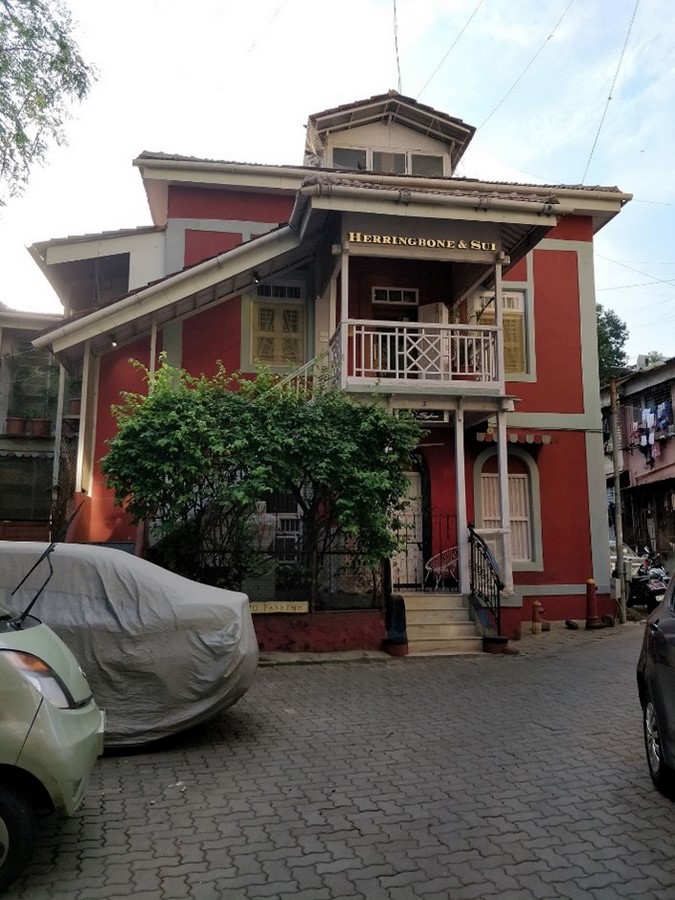
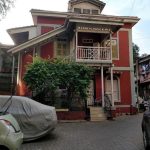
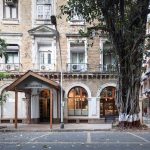
Some luxury brands cater to a select few. These brands set shop in quaint and cozy localities. A large part of the public does not frequent these showrooms. However, their patrons and loyal customers might be acquainted with these locations well in advance. For example, the luxury retail & design store called ‘Herringbone and Sui’ has set up its retail spaces in buildings that express a heritage character. These include a villa in Pali Gaothan in Bandra and Amarchand Mansion in Colaba.
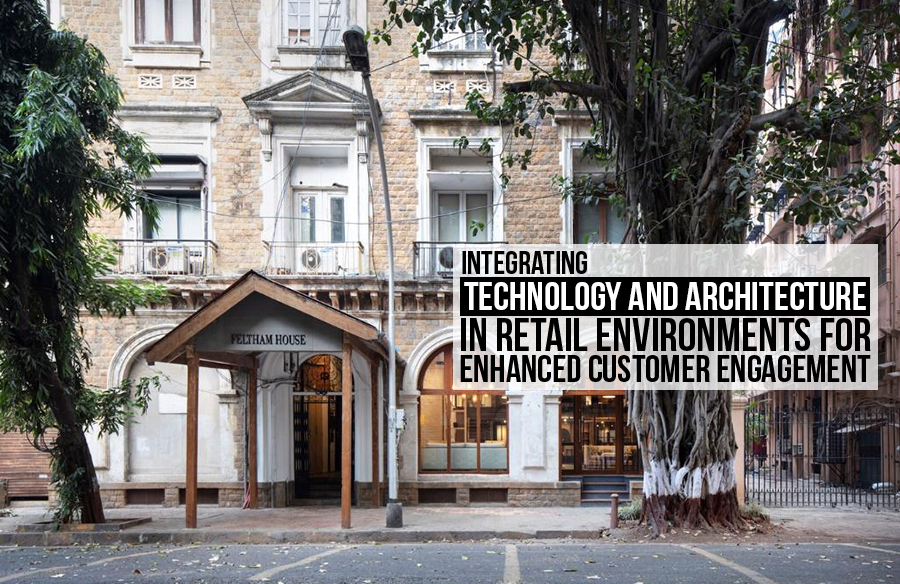
Additionally, many businesses like to include their work environment in heritage buildings. They strategize their business development and display flow to work with the aesthetics of the building. Usually, in Mumbai, these buildings are adaptively re-used and conducive to the brand’s sensibilities. They seek to involve their products and services in the fabric of the old city as an ode to their admiration for the city’s architecture.
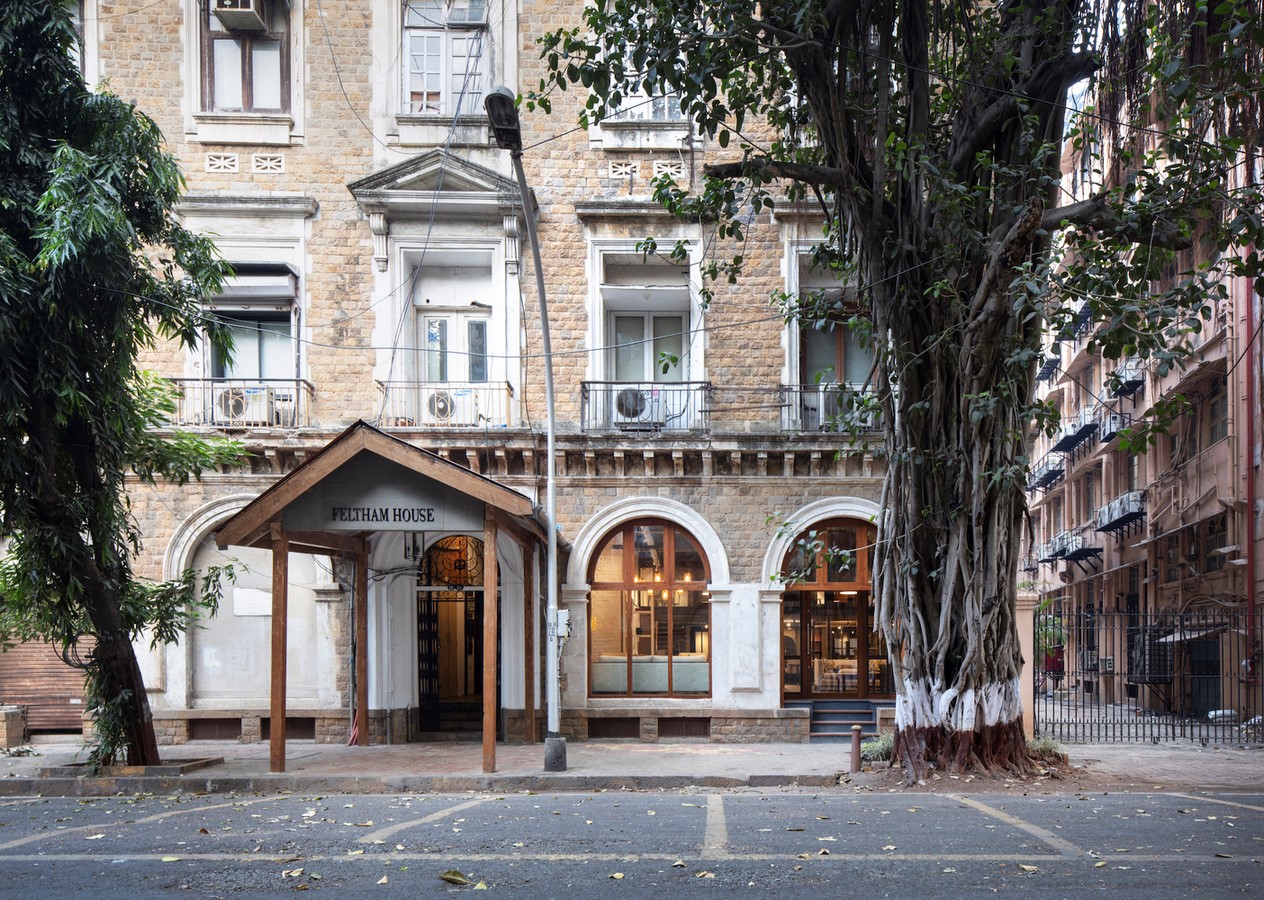
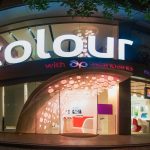
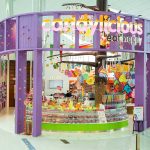
Storefront Visuals: This is the business and the product’s first impression. It reflects the brand’s identity. It provides a glimpse of what the visitor can expect. An engaging storefront is always a bonus. The window type and the organization of the products capture attention and invite the curious to explore.
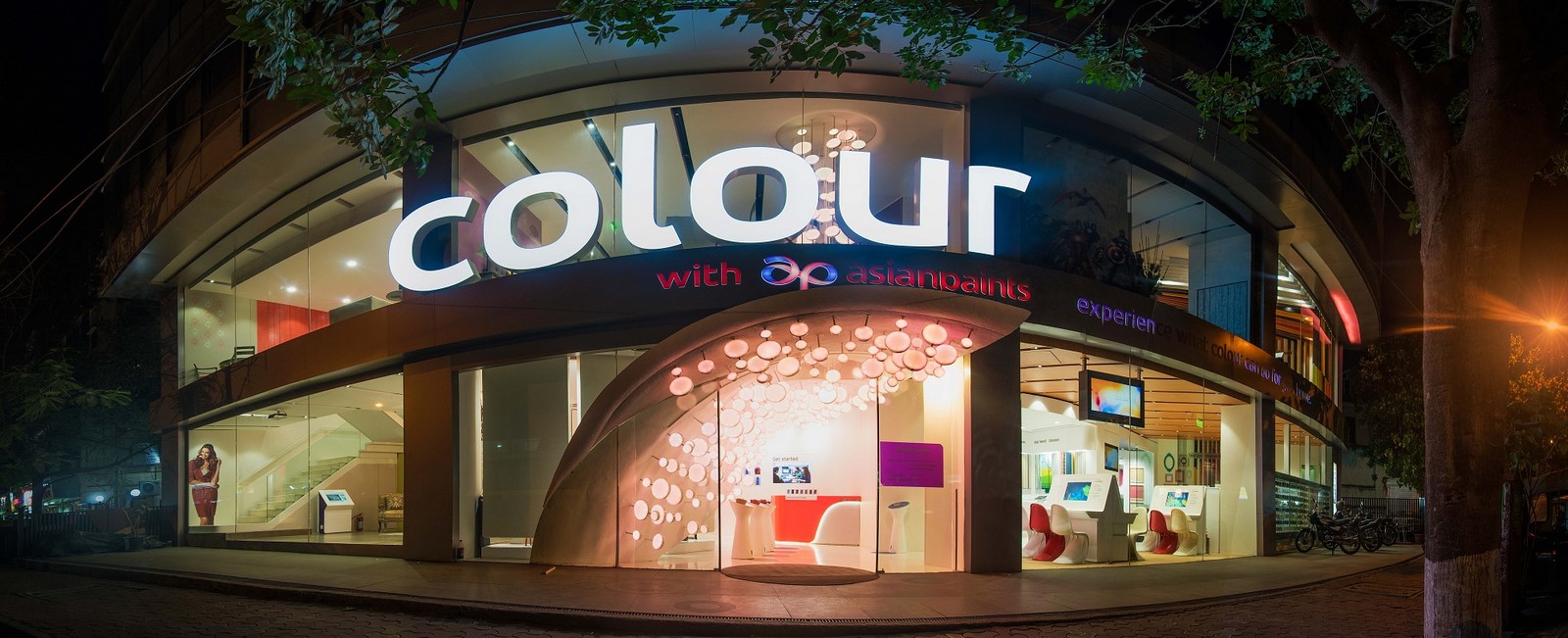
Some of these might be a part of the streetscape. Others can be a part of mixed-use developments. In this, there needs balance of diverse functions and cohesive designs. The store within these multiple-use developments can enhance the brand or the shopping experience. For example, electronic retail, fashion retail, and jewelry showrooms can be grouped as per their use.
The spatial flow and layout: The organization of the products and their exploratory themes optimize the visitor flow. It allows them to experience the quality of the product in its practical use. These experiences are crucial for visualizing and setting up residential, commercial, or even hospitality & textile fashion spaces.
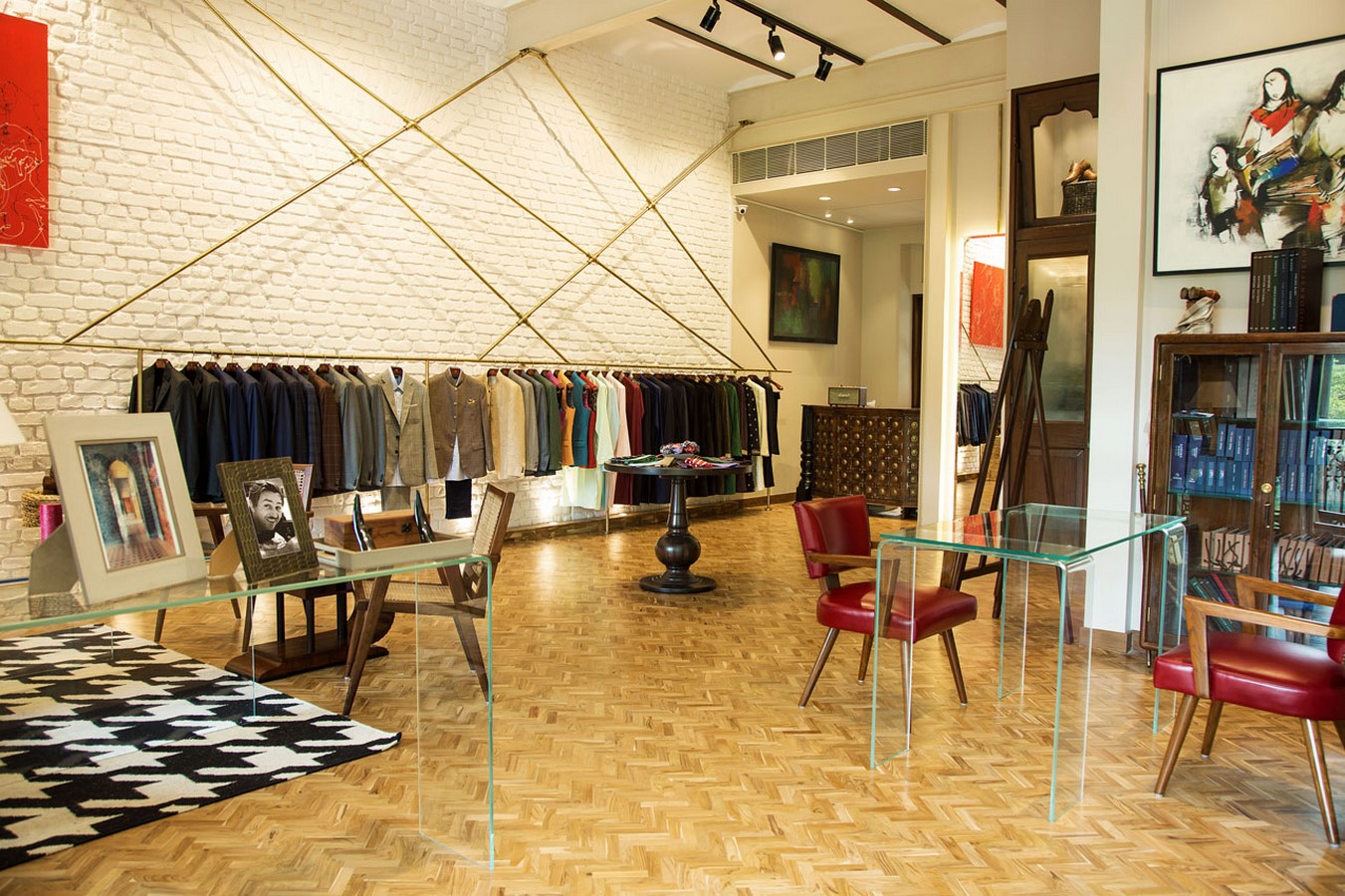
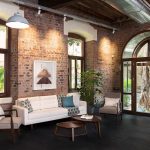
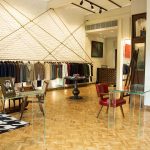
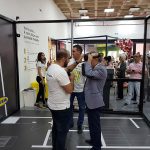
The functional and engagement space at Herringbone & Sui, allows an area to look through their collections, a trial room in proximity, and a discussion table where the alterations and textile fittings are discussed. This allows the retailer to be a part of the personal shopping experience for their customers.
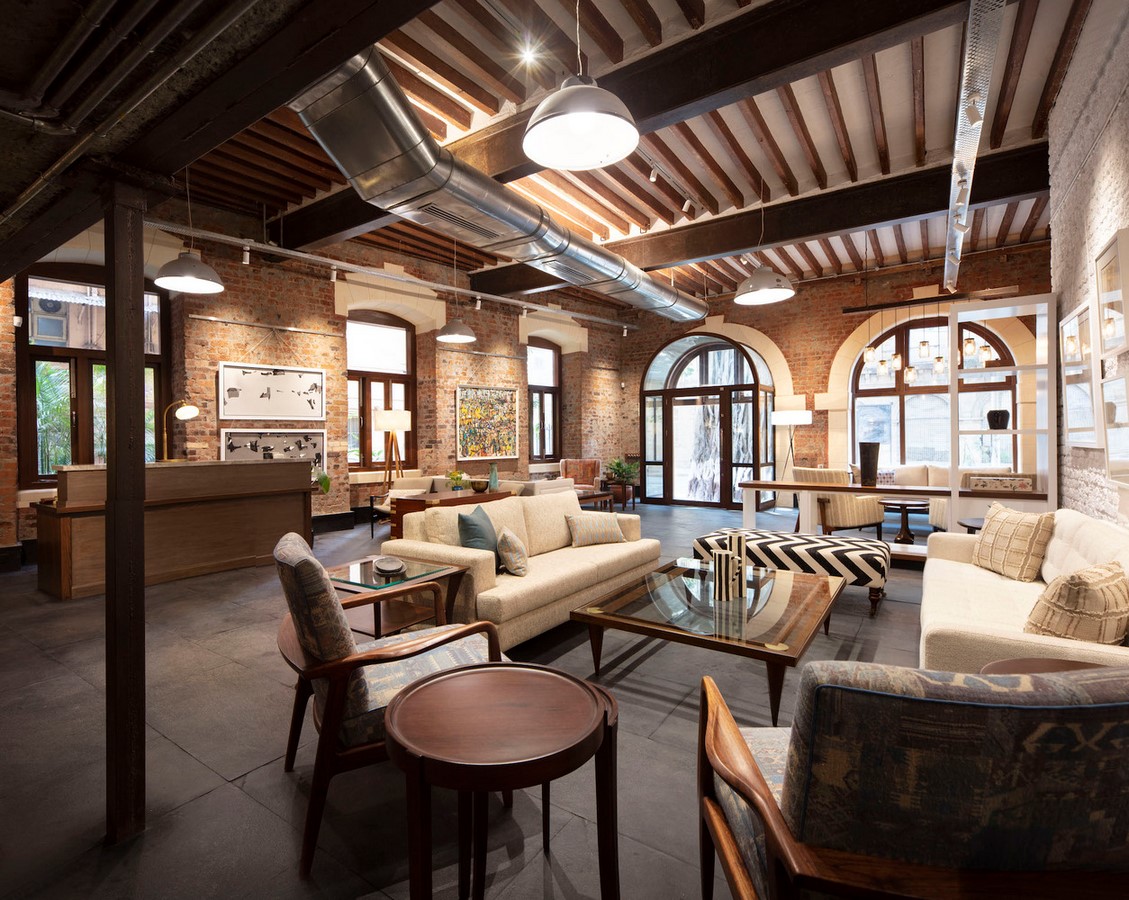
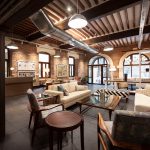
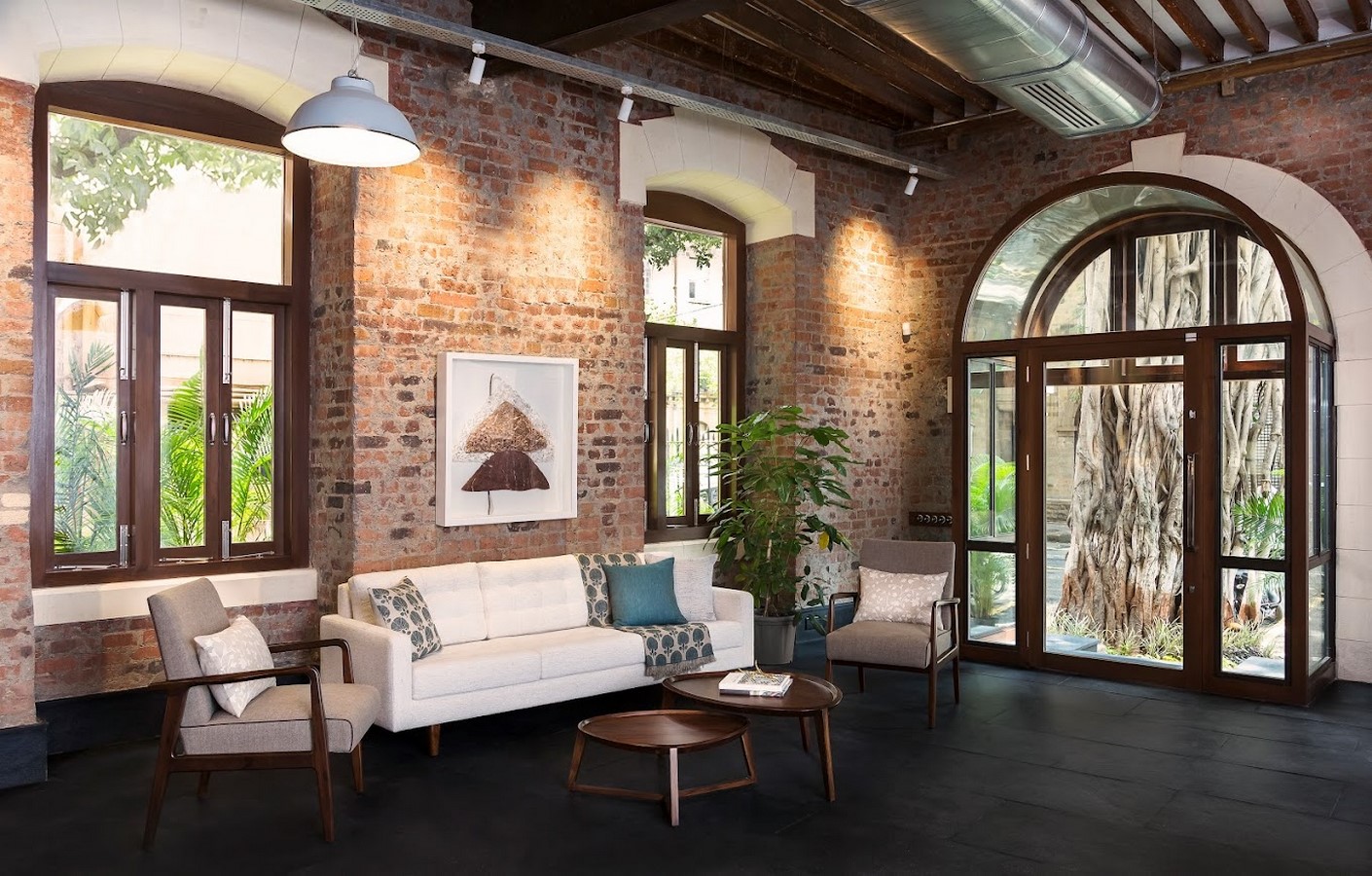
It is important to consider the brand identity while integrating a contemporary aesthetic to its showroom The above photograph is from a furniture retail shop in a building. It is adaptively re-used for this purpose. The designers of the space and the furniture have detailed the area to provide a cohesive appearance. There are textural and tonal variations in the furniture materials and the architectural details.
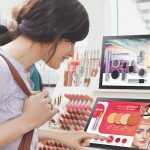
Integrating Technology: Digital kiosks and interactive displays encourage visitors to have a shopping experience and engage directly with business ventures. It also persuades the visitors to self-help where they include self-checkout.
City Branding: Some shopping experiences can be a part of a larger city branding scheme. Many outdoor street shopping & markets also add to the charm of the experience. Some well-known experiences are The Little Flea, the Made in India Trade Show, and ACE Exhibitions for Architecture, Design & Construction Field.
Types of Customers
There is a varied background for those who wish to visit any retail space. There are various retail environments. These include department stores, stand-alone showrooms, and boutiques
The professionals & enthusiasts: These are the visitors from the field who are looking forward to technology advancements and keeping up with the trend.
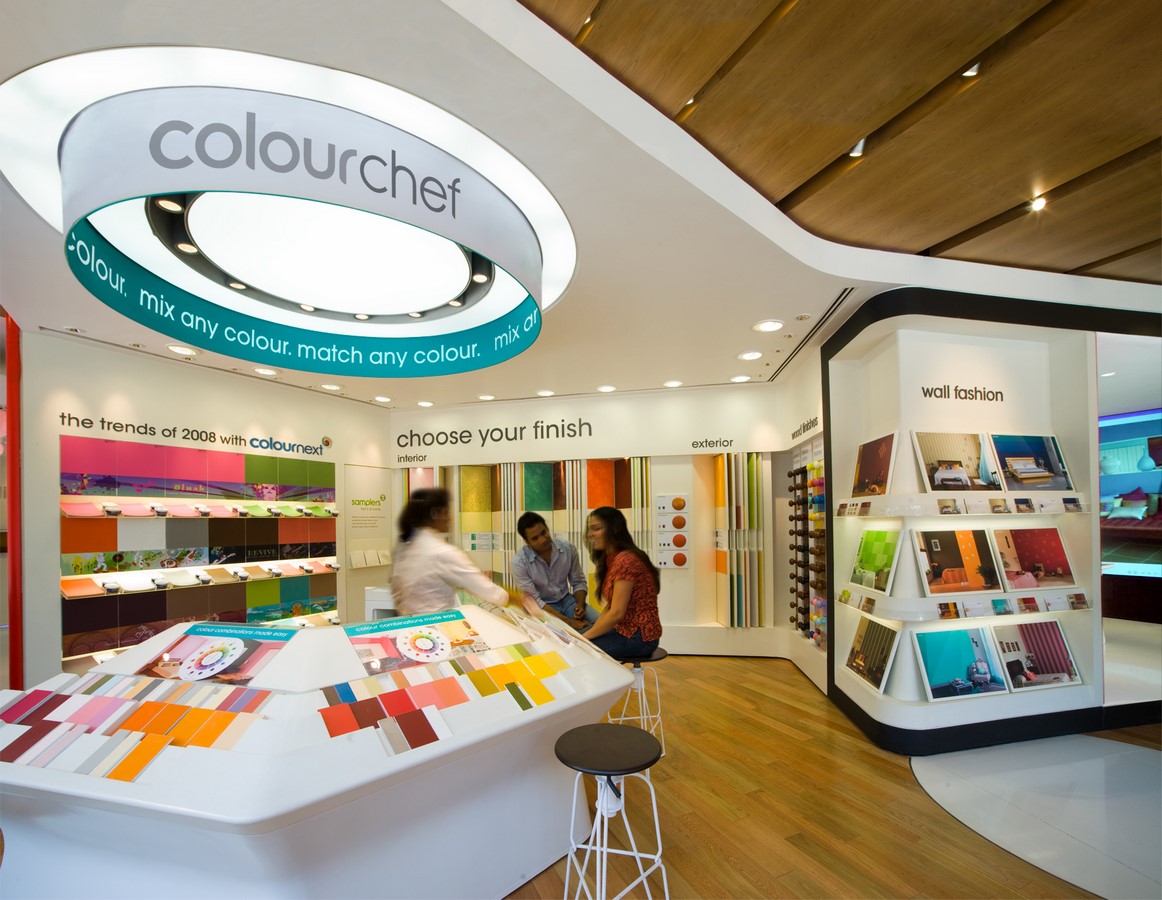
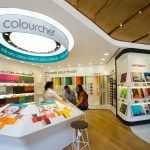
The users: These are the visitors to the retail space for a specific purpose –e.g.: wall paint, a carpet, or a sofa for their new home. These visits require an elaborate exploration of the intended products that match their expectations or personal goals.
The window shoppers: These are the visitors looking around to either update their way of life or to experience the retail store. These shoppers visit the retail environments for a browsing experience without a specific purpose.
Tourist Shoppers: These are the visitors who shop at airports, train stations, or local markets. They shop for souvenirs and would prefer to experience the local culture. These can also be last-minute purchases that caught their fancy at the last moment.
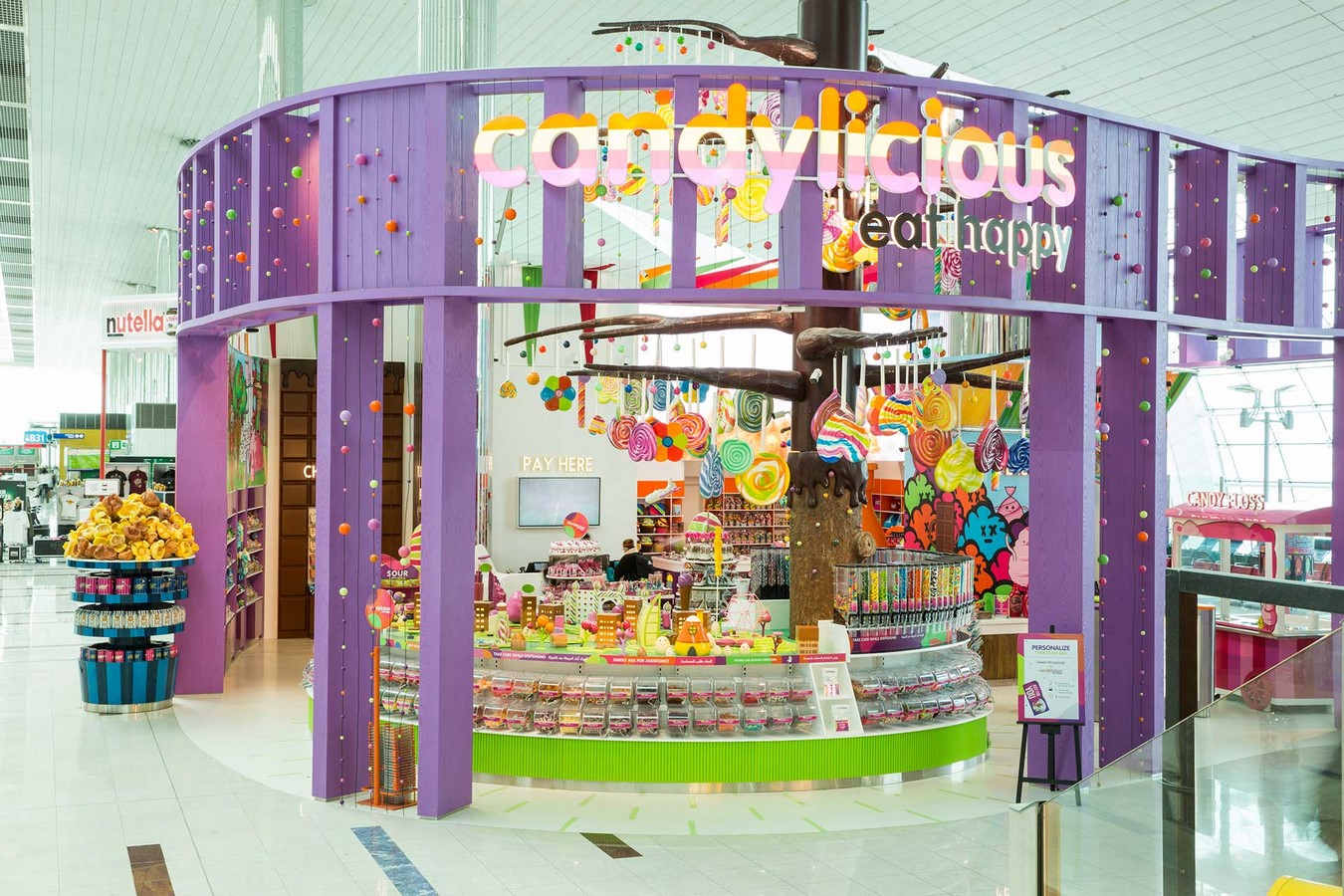
Offline shopping allows the customer to be a part of the brand’s shopping experience. They experience the products in real time and conclude if they match their expectations or personal goals. When brands cater to the interests of diverse ages and economic groups, it becomes popular with the masses.
Examples of Integrating Technology in Retail Environments
Retailers must be up to date on the changing trends. While promoting an impactful shopping experience, selecting the technology type is as important as selecting and promoting their products.
Integrating technology in retail environments would require understanding the human touch on technological devices. Its intuitive sense and user-friendliness add to the ease. When used efficiently, these factors help customers in making informed decisions.
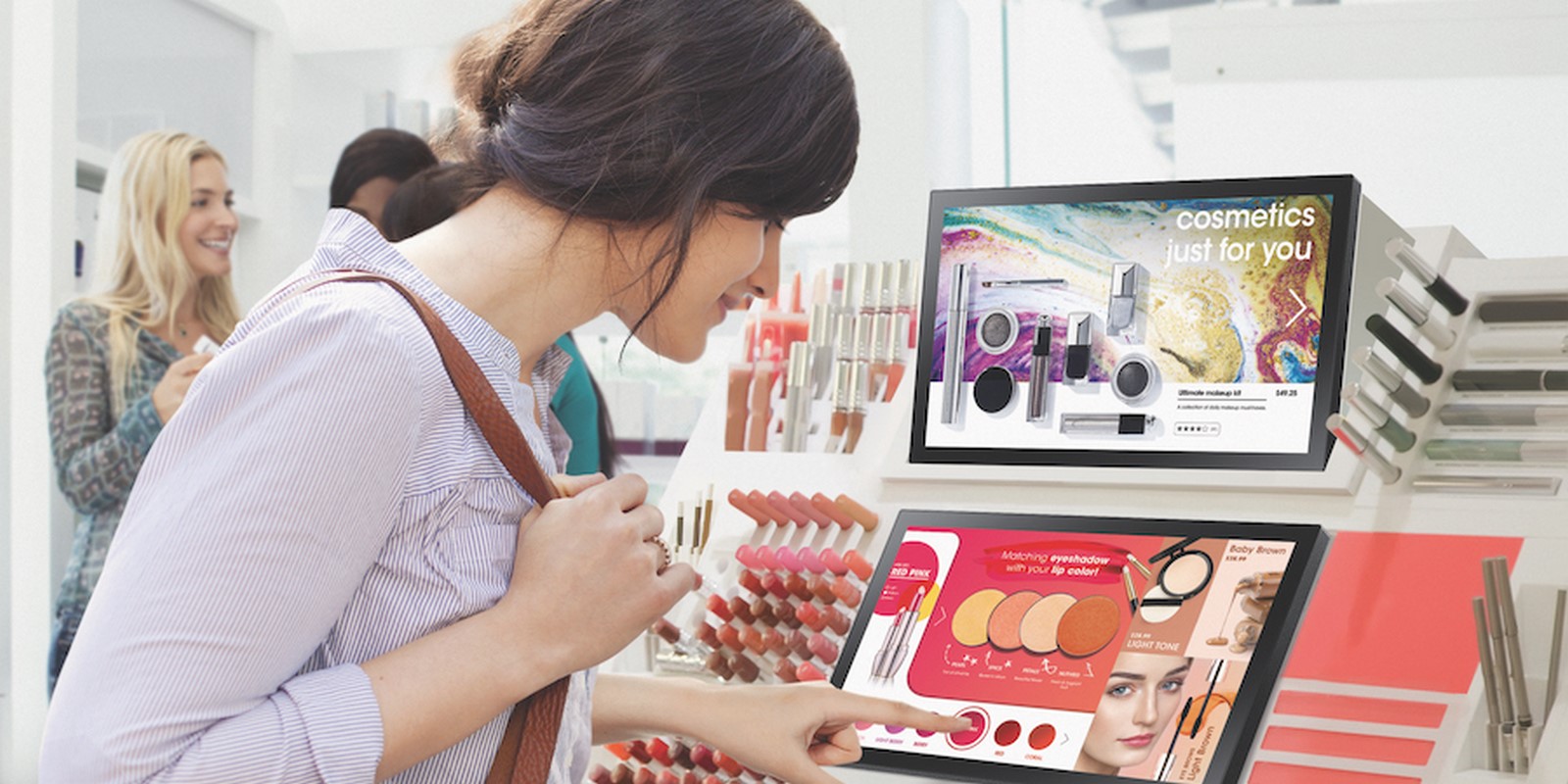
For instance, self-service options allow visitors to check the description, rates, specifications, and inventory of products for purchase. This is accessed through digital catalogs installed on the store walls or as table stands.
Virtual Reality & Augmented Reality allows a virtual and in-depth digitalized product experience. It shows the users ‘inside’ of the experience from where they are at. This includes sensors, computer vision, and understanding the user’s surrounding to enhance the product’s impact. The engagement with the product is at a deeper level, so the decision to purchase it is easier.
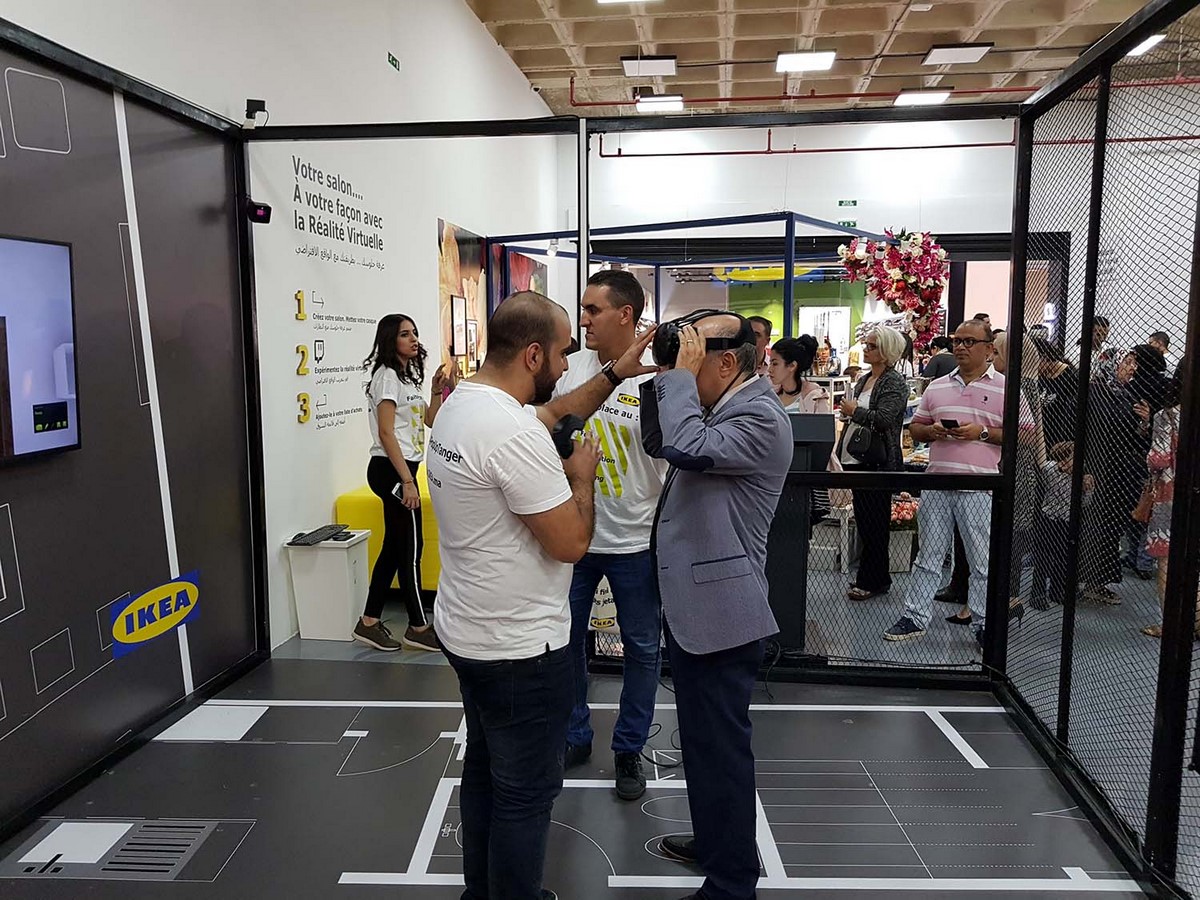
These experiences also provide an option for personalization. The customers can choose their product of interest and use it in the digitalized form. For instance, a room that is set up according to the client’s interest can be virtually exhibited to the client through augmented reality technology.
Impact of Integrating Technology in Retail Environments
Integrating technology and architecture in retail environments creates an immersive experience and captivates the visitor at both functional and emotional levels. It is based on understanding human behavior, sensory perceptions, and decision-making process.
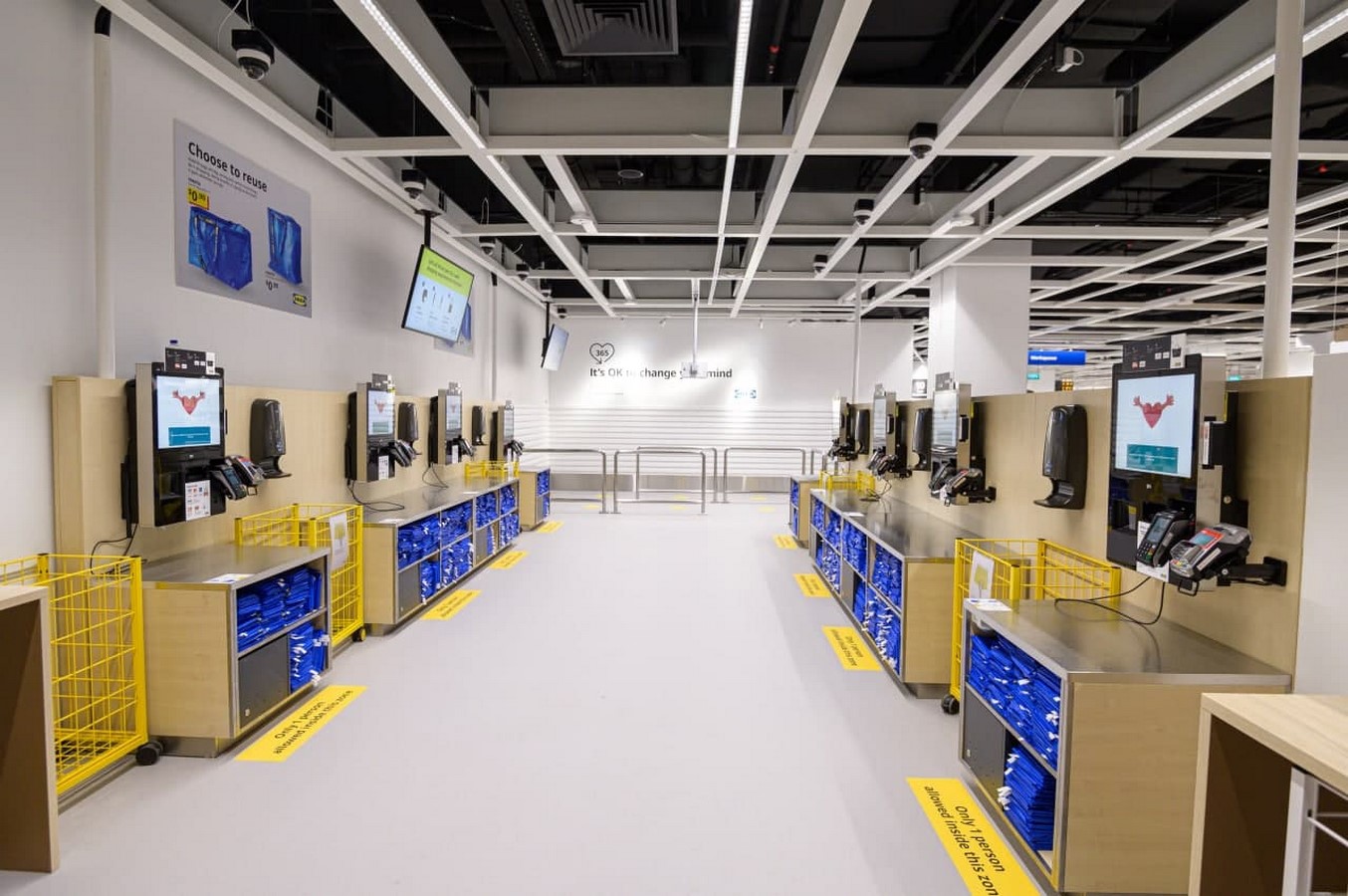
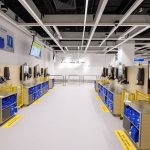
Ikea’s self-check-out zone is customer friendly. It allows a slow pace and spacious movement to bring an end to the shopping experience. This creates a sense of control over the shopping experience and allows the visitors to navigate the environment at their own pace and make their own decisions.
The retail environment’s layout and systemic flow are instrumental in the curation process. Visual elements such as dynamic display and mood lighting set the tone of the setting. The strategic placement of touchscreen visuals and interactive display evokes a sense of curiosity and the will to play and explore, providing a hands-on experience.
Technology also allows personalized experiences to customers by providing tailored recommendations. These features make the visitors feel valued per their preference and foster a deep connection in the retailer-customer relationship.
References:
- Aksamija, A. (2016). Integrating Innovation in Architecture. West Sussex: John Wiley and Sons Ltd
- Holzman, J. and Cantrell, B. (2016). Responsive Landscapes: Strategies for Responsive Technologies in Landscape Architecture. London & New York: Routledge