Architecture as a profession is an expansive and explorative field. Its parts can be meticulously branched out and grouped to form unique niches as per the professional’s interests. This quality makes this field very creative and opportunistic. It can be flexibly interchanged and creatively explored for innovative forms of employment.
Multiple Roles of an Architect
Practising architecture is an ever-evolving role. It requires the professional not just to design the structure. It further places responsibility on the practitioner to create a built form that is economically and socially responsive and nature sensitive.
The commencement of a project is a business exchange, which requires deliberation between the clients and the architect. It begins with providing a project estimate and timeline after finalisation. This requires the architect to be a businessperson with negotiation skills. The architect then must collaborate with the contractors responsible for bringing the design to fruition. Thereby playing a role of a Project Manager. Other than this, including the details for each project, such as a windowsill, paint, railings, etc., requires collaboration with the product vendors.

While designing for interiors, the product furniture or design element is often integrated into the architectural features, encouraging innovation in product and furniture design.
Finally, at the end of the project, the completion of the project is documented through architectural photography and marketed via social media and the company website.
Architectural Employment Historically and Now
As aforementioned, it provides a wide range of career paths & opportunities beyond the traditional architectural practice. Architectural employment generally depends on the necessities and trends based on multiple factors. Some of these factors include the housing requirements of the region’s residents, the locally and conveniently sourced materials, the region’s vision for development, and the technical requirements necessary to fulfil the project requirements. These factors further create employment opportunities for the people in the respective fields. Furthermore, architects would set up their private practices and be involved with the regional government for the project to come to fruition.
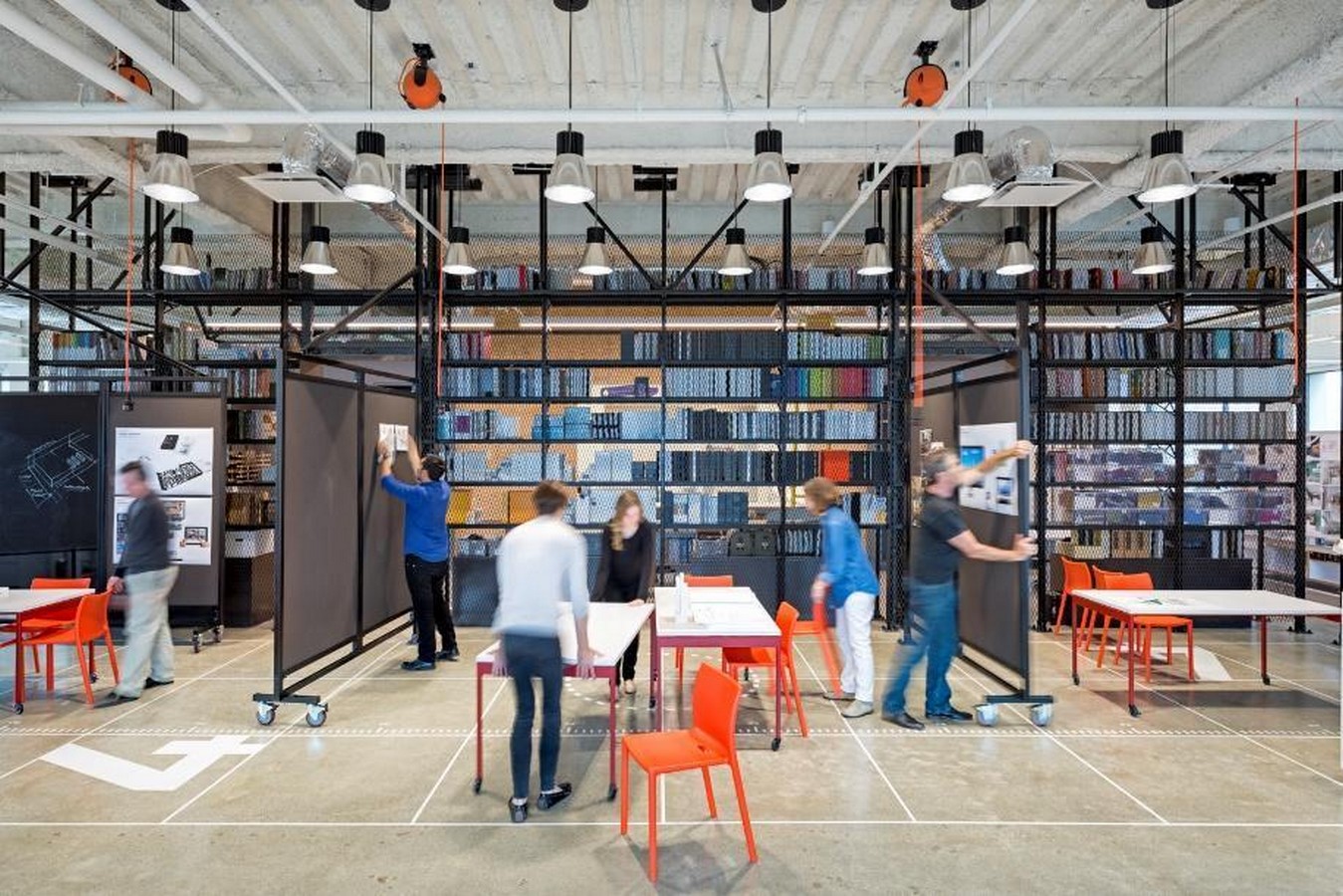
Beyond this, they can explore sectors such as Interior Design, Landscape Architecture, Sustainable Design, Architectural Photography, Construction Management, Real Estate Development, and Academia. This diversity allows professionals to pursue different avenues based on their interests, strengths, and market demand & conditions.
Changing Trends and Patterns
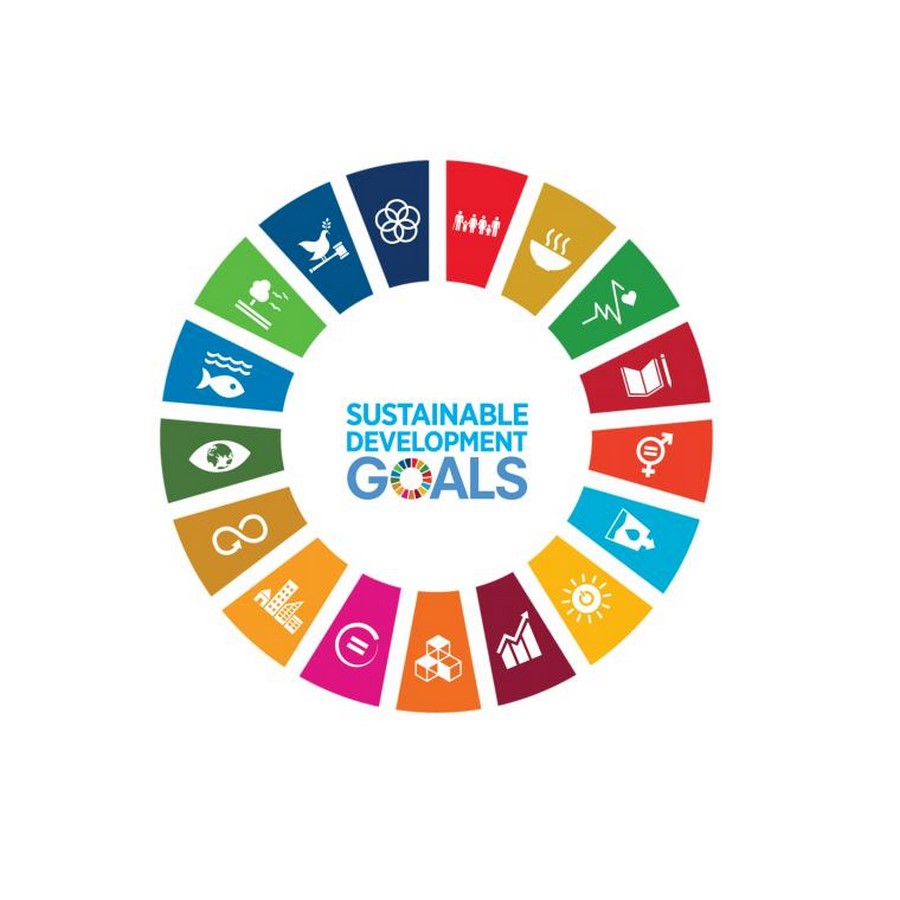
Nowadays, the trend for built-form construction is fulfilling the requirements of the Sustainable Development Goal (SDG). The UN suggested this in 2015 as a universal call to action to end poverty, protect the planet, and ensure that by 2030 all people enjoy a healthy, safe, peaceful, and prosperous way of life. To accomplish this, governments set up regulatory conditions that need to be fulfilled by all parties involved in the architectural and urban scale projects.
Thus, architectural employment now depends on these conditions. Although many private architectural practices have been set up, nowadays, many architects are further branching into freelancing work. They can now design layouts, execute projects, prepare 3D visualisations for projects, communicate directly with clients, and create their presence in the market.
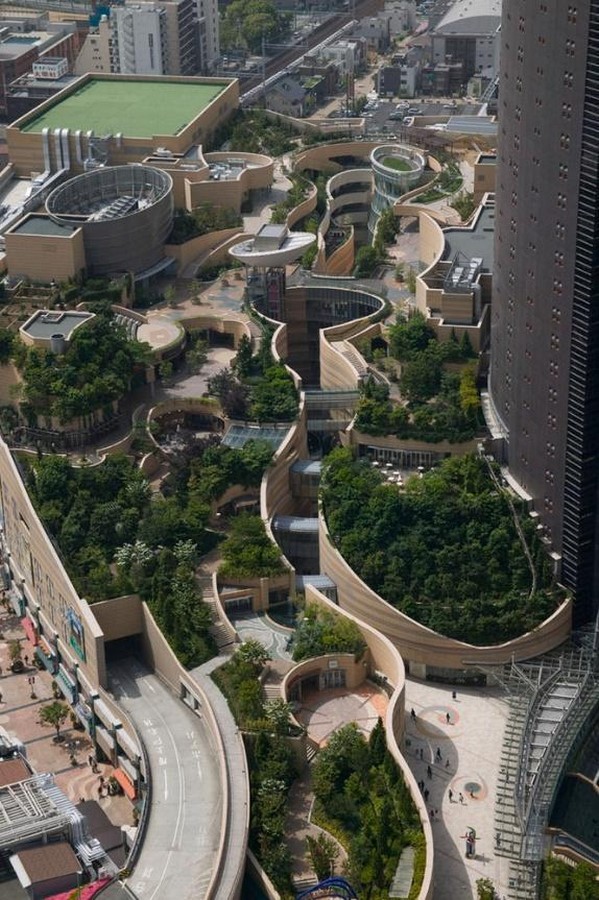
There have been many explorations in architectural design to fulfil the requirements of density, climate responsiveness, and social integration. It covers many blocks and celebrates Osaka’s people, culture, and recreation. It also a part of transit-oriented development
Besides this, many Multi-National Companies (MNCs) are also branching into the urban development sector, where architects, urban designers, and civil engineers are hired for large-scale projects. All these eventually contribute to creating a tangible in the urban physical landscape of a region and the lifestyle of its residents.
Social Media Influence
The basic influence of social media is that it convinces people to adopt a certain lifestyle. It can also influence important decisions in life. For instance, owning a house, the location of the best possible house, the aesthetics that need to be included, and such. It projects a vision for an aspirational life, which is easy to follow. Due to this, many ideas that a client prefers are influenced by this. These trends influence the designs, furniture, and details used in the projects.

One of the common themes in interior design and décor is minimalism. Where light-coloured walls and furniture are used, this is accentuated by green plants of different shapes, sizes, and colours.
Social media is one of the most convenient avenues to find architectural employment opportunities. It connects people in the architectural field, and it is easy to network with professionals in the same or allied fields.
Social media is a great tool for architects for visibility and exposure. They can showcase their projects and ideas to a global audience allowing potential clients, employers, and collaborators to discover and engage with their work. This allows for self-employment and collaborative opportunities on contextual projects and deep interaction between the collaborators to execute the project at full capacity.
Changing Trends of Architectural Employment & Related Professions
A futuristic vision and approach toward architectural developments will be the key to understanding what it means for architectural employment in the future. As architecture is a collaborative field, changing its existing trend would transform its relations with its collaborators. So, architecture cannot be considered in isolation.
Collaboration
As the SDGs are the main criteria to be fulfilled, related fields are expected to come up. For instance, nowadays, architectural layouts are focused on responding to the site context’s climate, enabling energy savings for the upcoming built forms. Similarly, to add to the responsive design, its façade and materials will be important factors to consider. This will involve the architects, the material, and the construction engineers, to collaborate and develop solutions that would be the key to creating a sustainable impact due to the building.
Certifications and Key Skills
These kinds of projects would further encourage the architects to build skills from the allied fields to evolve into their own niche. These are related to sustainability, digital technologies, resilience, urban design, and soft skills. Updating the knowledge and acquiring the in-demand certification and skills to meet the evolving needs of the industry and stand out in the job market.
Allied Businesses
Architecture is no longer limited to just building structures. People have blended their educational background with their interests. For example, many professionals further specialise in urban design or parametric architecture. They also move into real estate and valuation or get involved in furniture design. The scope of this field is vast and explorative. And the opportunities keep multiplying.
Innovative Fields
Additionally, the change in trends would require innovative designs to keep up with the needs of today. So, wider opportunities open detail-oriented niche fields of product, material, and furniture design, where architects will be more involved with detailing features rather than using what is available in the market: Space-saving furniture and modular lights.
Consulting
The branching out allows a skilled architect to provide consultation in multiple areas. Academia, architectural design and execution, project management, possible research at the urban scale, and material innovation. The few themes mentioned have many sub-topics that can be covered. The pandemic also opened virtual consultation opportunities, which has been a new practice area.
Climate Responsive Design
This is a crucial trend in the architectural field due to the increasing focus on sustainability and the need to mitigate the impacts of climate change. Architectural and urban design projects focus on creating climate-responsive & long-term impacts through design solutions.
Circular Economy
Great attention to detail is given to each project in terms of being sensitive to the environment. Therefore, the waste management field is also a new attempt to add to this system so that architecture is now on the threshold of becoming a circular network. This aims to minimise waste, promote resource efficiency, and create a closed-loop system where materials and resources are reused, recycled, or repurposed.
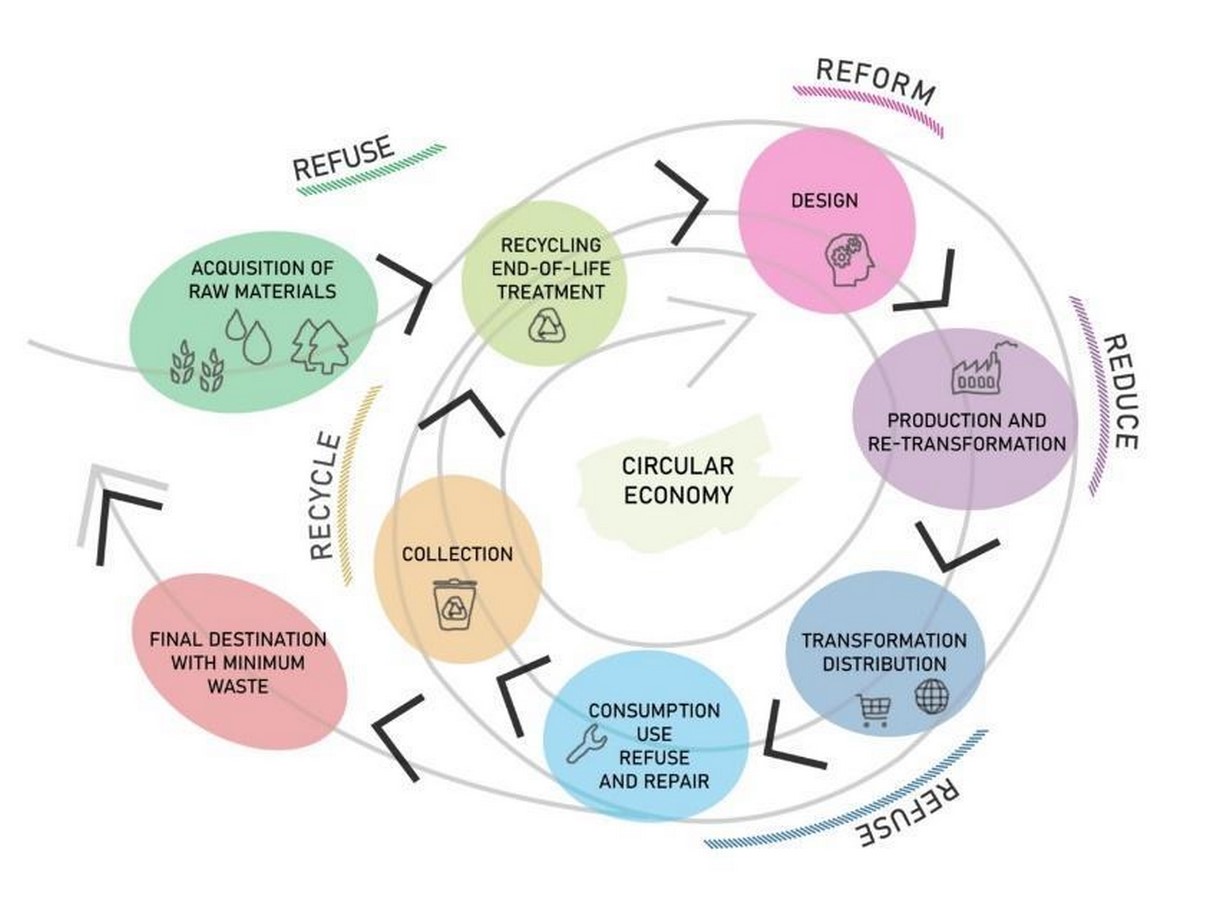
Some efforts include adaptive reuse and renovation, designing for disassembly and reuse, and material selection and specification. Deliberate attempts at collaborative and design-integrated processes allow a comprehensive built-form transformation. It can also be used as an example of awareness and solution-oriented designs.
Importance of Relevant Curriculum in Academia
It is important to note that with the changing requirements of the urban development and architectural field, academia needs to keep updating its core curriculum as it is effectively preparing aspiring architects for employment in the field.
This helps students develop the necessary professional competencies required for employment. It provides a comprehensive understanding of architectural principles, design processes, building systems, construction techniques, and codes and regulations.
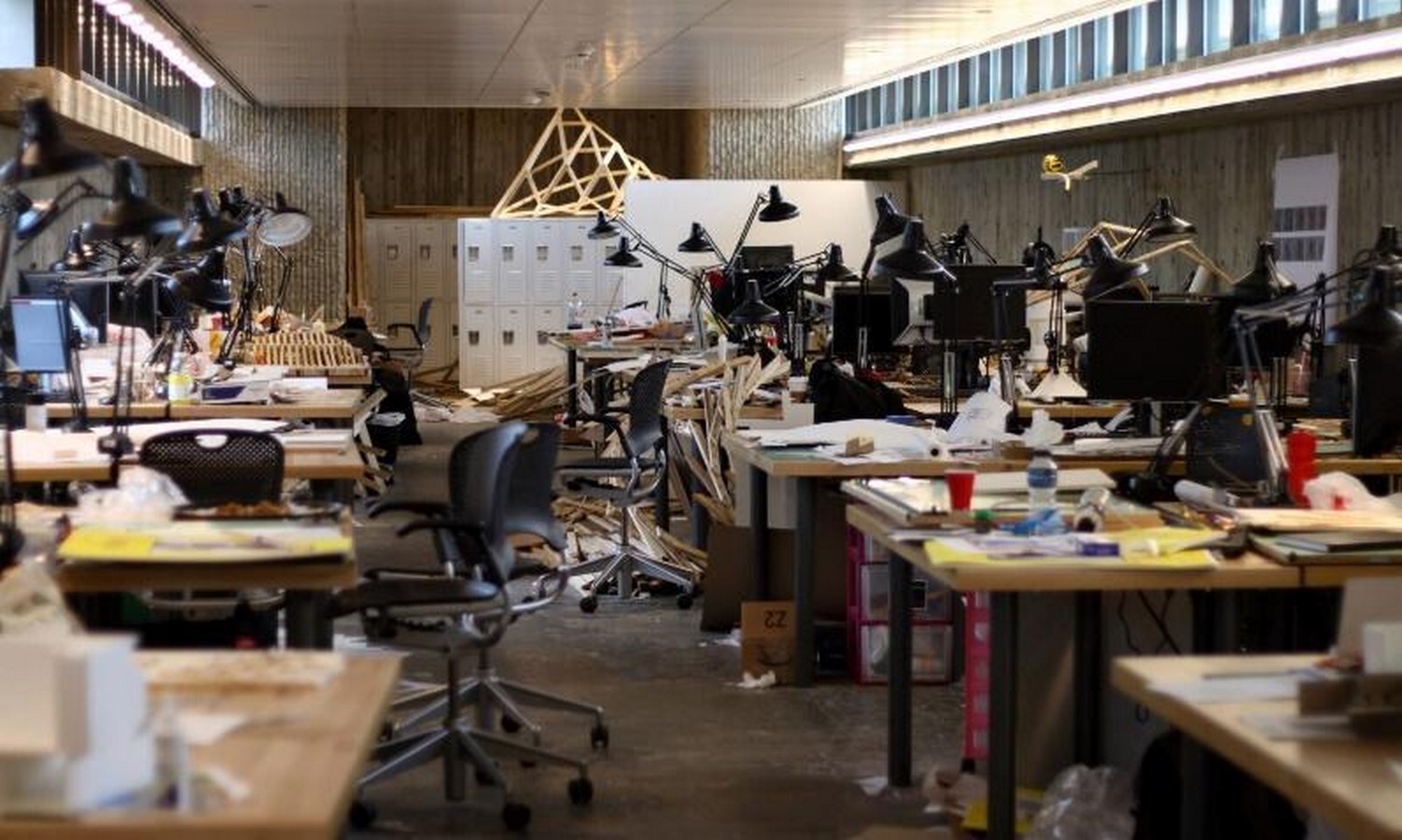
With the evolution in material usage and construction technological requirements, the curriculum must also align with the practical knowledge in the field. This enhances the students’ employability and ability to contribute meaningfully to the field.
Collaboration between academia and industry professionals can help ensure that the curriculum remains current, responsive to industry demands, and prepares students for the dynamic nature of architectural employment.
Citations
- Thapa, Akanksha. (2022) What does the future for architecture and architects look like? [online] Available at: https://timesofindia.indiatimes.com/blogs/voices/what-does-the-future-for-architecture-and-architects-look-like/ [Accessed 28-06-2023]
- Donnelly, Brandon. (2014) Changing Times: The Future of the Architecture Profession Is Not What You Think. [online]. Available at: https://brandondonnelly.com/2014/05/29/the-future-of-the-architecture-profession/ [Accessed 28-06-2023]
- Architizer. (not mentioned) Future for architecture and architects. [online] Available at: https://www.archisoup.com/future-for-architecture-and-architects. [Accessed 28-06-2023]

Multiple Roles of an Architect_©Niall Patrick Walsh 
Architecture Studio_©Gensler 
Namba Parks_©The Jerde Partnership 
Interior Decor_©Shawna Schoenfeld 
Sustainable Development Goals_©UN 
Circular Economy_©Chapman Taylor Illustrations 
Studio Practise _© Architecture Review