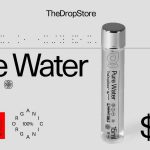
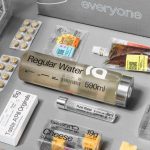
For half of the world’s population, drought, floods, and a lack of clean drinking water are daily realities, despite how far away they may appear to many. Even though many individuals are not aware of the long-term consequences of a water shortage, we are all ultimately impacted by the issue. The Departmental Ministry of Foreign Affairs of the Kingdom of the Netherlands and Publicis Groupe launched ‘The Drop Store’ to educate customers about how a water crisis would impact their everyday lives and bring attention to the present problem. The effects of a water disaster are too far away or too quickly forgotten, similar to climate change.
People just don’t realise the long-term impacts a water shortage might have on their usage and everyday life. If left uncontrolled, excessive water usage, insufficient water supply, and even contaminated water may and will significantly alter how easily accessible critical items are, as well as their availability, costs, and even composition.
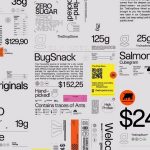
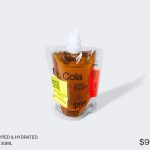
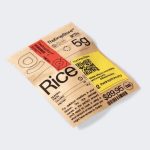
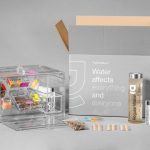
 The Drop Store is a made-up, dystopian online store that offers manufactured goods from a hypothetical future where the water shortage has worsened to alarming proportions. The project’s developers wanted to raise awareness of the looming water issue and how water impacts everything and everyone. They did this by utilising 3D animation, creative product copy, and made-up customer evaluations.
“An issue with water affects the entire planet” Water scarcity is one of the biggest global challenges we face today, affecting over 2 billion people worldwide. The impact of water shortages goes far beyond our daily lives, affecting everything from food production to the manufacture of consumer goods. The production of consumer goods is a significant contributor to water usage, with many products requiring vast amounts of water in the manufacturing process. For example, the production of a typical cotton t-shirt requires 2,700 litres of water, which is equivalent to the amount of water an average person drinks in 2.5 years.
The environmental impact of water shortages on consumer goods is significant, with water-intensive industries contributing to water pollution, soil degradation, and deforestation. As a result, there is an urgent need to find innovative solutions to reduce water usage in the production of consumer goods. The Drop Store is one such solution, offering a range of waterless products that are designed to minimise water usage and reduce the carbon footprint of the products we use in our daily lives.

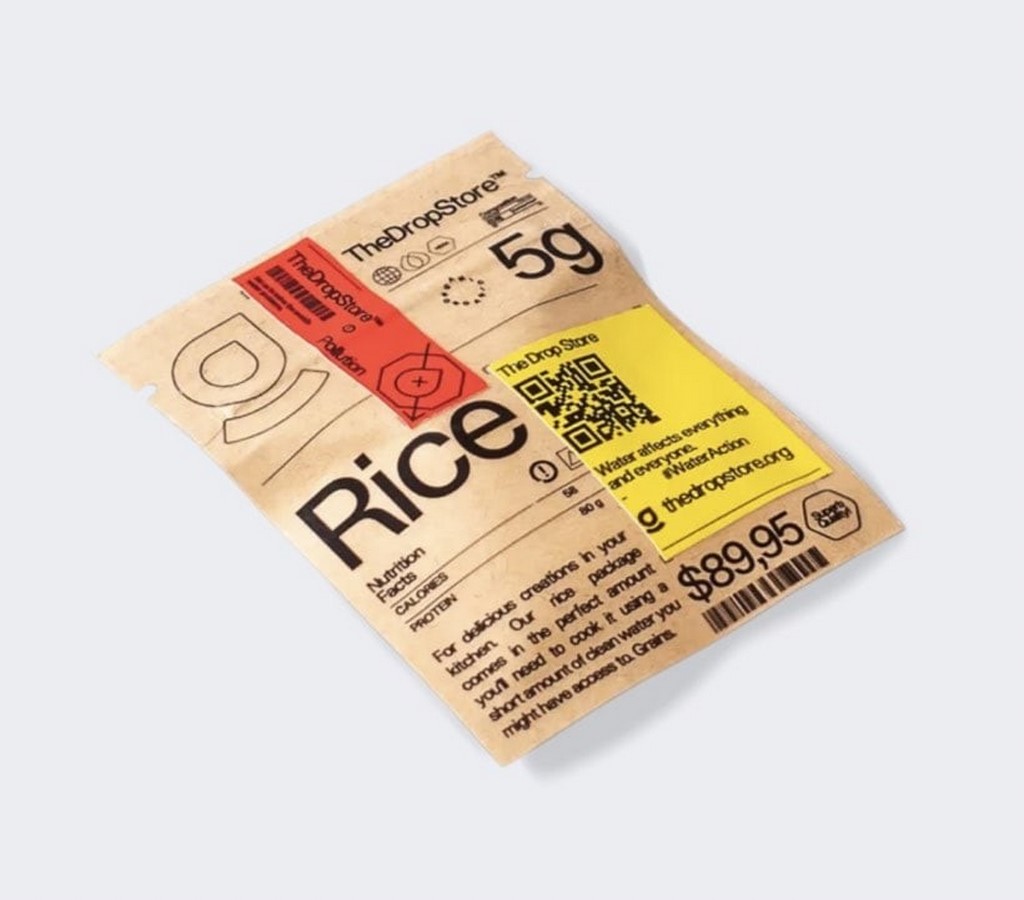
“The Impact of Water Shortages on Food Production and Supply Chain” Water shortages not only affect the production of consumer goods but also have a significant impact on food production and the supply chain. Agriculture is one of the largest consumers of water globally, with irrigation accounting for over 70% of global freshwater usage. Water shortages and droughts can have devastating effects on crop yields, leading to food shortages and price hikes. In addition, water shortages can also disrupt the food supply chain, leading to supply chain inefficiencies and food waste.
The production of consumer goods, including clothing, personal care products, and household items, is a significant contributor to water usage. However, there are several sustainable practices that can be implemented to reduce water consumption in the production of these goods. One such practice is waterless production, which involves eliminating or reducing the amount of water used in the manufacturing process.

The Drop Store is a prime example of a company that has implemented waterless production in its product range. The store offers a range of waterless personal care products, including shampoo, conditioner, and body wash, that require no water to use. Instead, the products are formulated as solid bars that can be rubbed directly onto the skin or hair, eliminating the need for water during use.
Consumer Behavior and the Role of Awareness in Reducing Water Consumption
While sustainable practices can significantly reduce water consumption in the production of consumer goods, consumer behaviour also plays a significant role in reducing water usage. Consumers can make a significant impact by making conscious choices when purchasing products and by practising water conservation in their daily lives.
Awareness campaigns and education programs can play a significant role in changing consumer behaviour and promoting water conservation. The Drop Store, for example, educates its customers on the benefits of waterless products and encourages them to make conscious choices when purchasing personal care products.

Case Studies of Companies Implementing Sustainable Practices
Several companies have implemented sustainable practices to reduce water consumption in the production of consumer goods. One such company is Levi’s, which has implemented a Water<less® technique in the production of its jeans. The technique involves using up to 96% less water in the finishing process of its products, resulting in significant water savings.
Another company that has implemented sustainable practices is Unilever, which has committed to reducing its water usage by 50% by 2030. The company has implemented water-efficient technologies and practices across its operations, including closed-loop systems and the use of air-based dyeing techniques.
“The Future of Sustainable Consumer Goods” The future of sustainable consumer goods is promising, with more and more companies implementing sustainable practices to reduce water consumption in the production of their products. The Drop Store is just one example of a company that is leading the way in sustainable living, offering a range of waterless products that are designed to minimize water usage and reduce the carbon footprint of the products we use in our daily lives.
As consumers become more conscious of the impact of their choices on the environment, there is a growing demand for sustainable products that are eco-friendly and water-efficient. In response, companies are innovating and developing new sustainable solutions to reduce water usage, minimize waste, and promote sustainable living.

In conclusion, water scarcity is a global challenge that requires urgent action. The production of consumer goods is a significant contributor to water usage, and sustainable practices are needed to reduce water consumption in this industry. The Drop Store is a glimpse into a future where sustainable living is the norm and every drop of water counts. As we continue to face the challenges of water scarcity, it is essential to embrace sustainable solutions and make conscious choices to promote water conservation in our daily lives.
References:
Ben Dreith (2023) The drop store shows what products may look like in a water-scarce future, Dezeen. Available at: https://www.dezeen.com/2023/03/28/the-drop-store-publicis-water-scarcity/ (Accessed: 15 July 2023).
The drop store (no date) Get the Drop. Available at: https://thedropstore.org/ (Accessed: 15 July 2023).
Nitika Choraria (2023) The drop store – your market for a world in water crisis has arrived, DesignWanted. Available at: https://designwanted.com/the-drop-store-market-world-water-crisis/ (Accessed: 15 July 2023).