High-tech architecture is a style that emerged in the late 1960s and early 1970s as a response to the rapid advancements in technology and industrial production. This architectural style is characterised by its innovative use of materials, exposed structural elements, and a focus on functionality and energy efficiency. High-tech architecture, also known as Structural Expressionism, is considered one of the most influential architectural styles of the 20th century.
The high-tech movement directly responded to the Modernist movement, which emphasised minimalism and the rejection of ornamentation in architecture. High-tech architecture, on the other hand, celebrates the use of technology and industrial materials and aims to showcase the functional aspects of a building’s design. The use of materials such as steel, glass, and concrete became common in high-tech buildings, and structural elements were often left exposed and visible to emphasise the building’s construction and function.
Origin of High-tech Architecture
High-tech architecture originated in Britain in the late 1960s and early 1970s and was influenced by a group of architects known as the “Archigram” group. The group consisted of architects such as Peter Cook, Ron Herron, and Warren Chalk, interested in using advanced technology and industrial materials in architecture.
The ideas of the Archigram group were also influenced by the work of architects such as Le Corbusier and Buckminster Fuller, who were known for their innovative use of technology and materials in architecture. The Archigram group’s focus on technology and industrial materials was seen as a response to the perceived limitations of modernist architecture, which was criticised for being too concerned with form and not enough with function.
The term “high-tech” was coined by the British architecture critic Reyner Banham in his 1971 book, “The New Brutalism.” Banham used the term to describe a new type of industrial architecture that was emerging at the time, which was characterised by the use of modern technologies and materials in building construction. The term “high-tech” soon caught on and became synonymous with this new style of architecture.
Impressions of High-tech architecture
The high-tech architecture was heavily influenced by the work of the architect and engineer Buckminster Fuller, who was known for his geodesic dome structures. Fuller’s work showcased the potential of technology in architecture and helped to inspire a new generation of architects who were interested in exploring the possibilities of industrial materials and technologies.
Some of the most notable architects associated with high-tech architecture include Norman Foster, Richard Rogers, Renzo Piano, and Michael Hopkins. These architects were known for their innovative designs, often incorporating features such as large-scale industrial structures, energy-efficient systems, and unique shapes and angles.
Enhanced value
Here are some of the details that make up high-tech architecture:
Exposed Structural Elements: One of the defining features of high-tech architecture is the use of exposed structural elements, such as steel beams and concrete columns. These elements are often left uncovered and visible, emphasising the functional aspects of the building’s design.
Advanced Materials: High-tech architects often use advanced materials such as glass, steel, and concrete. These materials are chosen for their strength, durability, and aesthetic qualities. For example, glass may be used for its transparency and lightness, while steel may be used for its strength and flexibility.
Large-Scale Industrial Structures: Many high-tech buildings are designed to resemble large-scale industrial structures, with large open spaces and high ceilings. This style is often used for commercial or industrial buildings and can create a sense of grandeur and space.
Innovative Design: High-tech architecture emphasises innovation and creativity in design. Buildings often have unique shapes, angles, and features that make them visually striking and memorable.
Energy Efficiency: High-tech architects are often concerned with creating energy-efficient and environmentally sustainable buildings. Buildings may incorporate solar panels, passive heating and cooling systems, and high-performance insulation to reduce energy consumption and minimise environmental impact.
Functionality: High-tech architecture emphasises the functional aspects of buildings, with design features intended to improve the building’s performance and efficiency. This can include efficient ventilation systems, automated lighting, and advanced security systems.
Here is an analysis of five examples of high-tech architecture:
Pompidou Centre, Paris: The Pompidou Centre is a landmark of high-tech architecture. Its exposed steel structure, brightly coloured pipes and ducts, and innovative use of glass showcase this style’s functional and aesthetic features. The design uses technology and materials to create a visually striking and functional building.

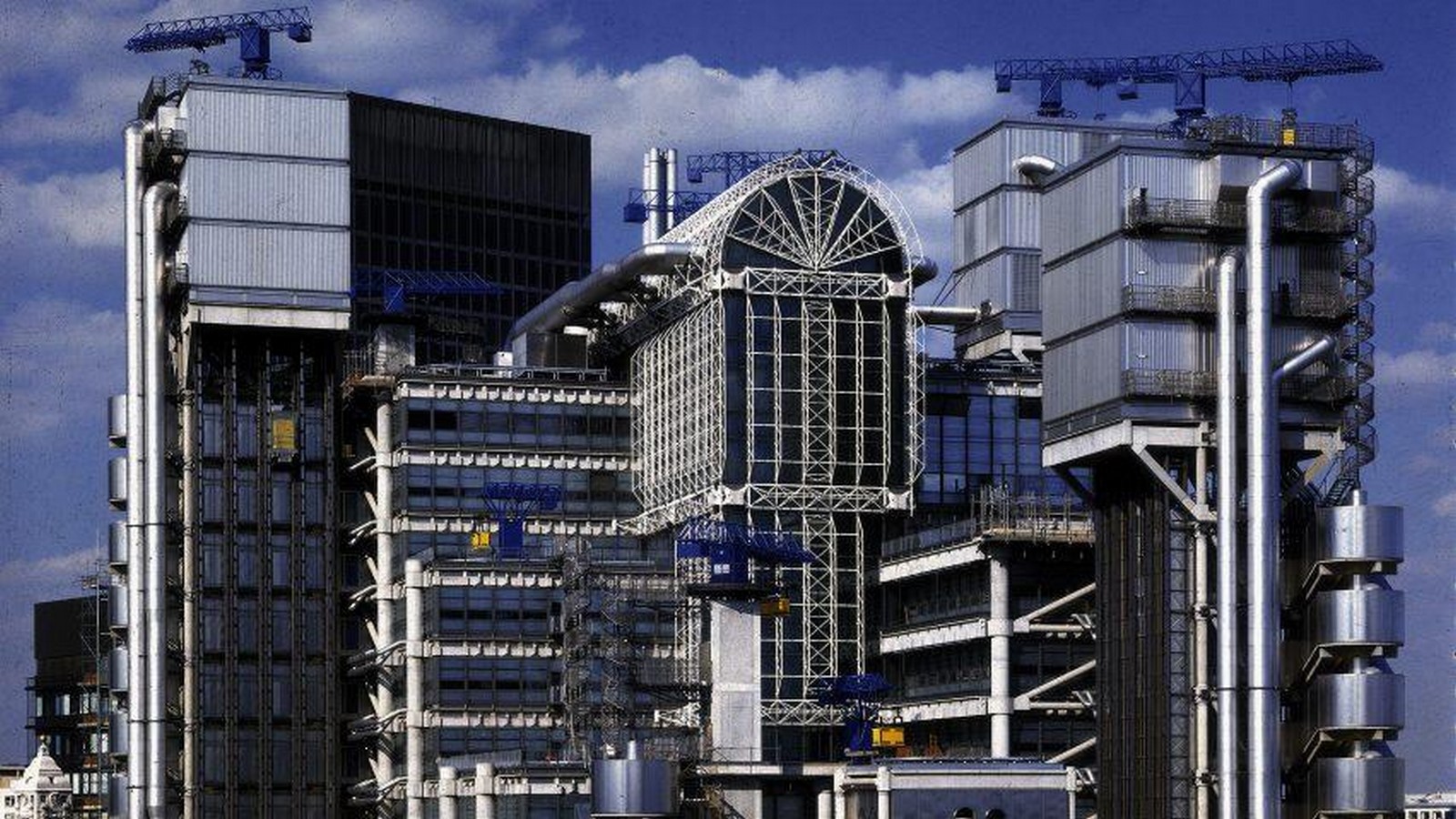
Lloyd’s Building, London: The Lloyd’s Building is an example of high-tech architecture prioritising functionality and efficiency. Its steel frame and functional design emphasise the functional aspects of the building while still being visually striking. The building showcases how technology can create functional and innovative designs.
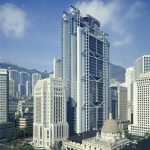
HSBC Main Building, Hong Kong: The HSBC Main Building is an example of high-tech architecture emphasising energy efficiency and innovation. Its steel frame and innovative use of glass showcase how materials and technology can be used to create sustainable and efficient buildings.

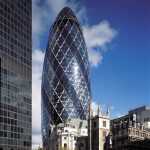
The Gherkin, London: The Gherkin is a building that showcases how high-tech architecture can create a distinctive and iconic structure. Its unique shape and innovative use of materials create a visually striking building that emphasises the use of technology to create an innovative and efficient design. The building’s steel and glass structure and innovative design showcase how high-tech architecture can be used to create functional and environmentally sustainable buildings.

The Žižkov Television Tower: Designed by architect Václav Aulický and completed in 1992, it stands 216 meters tall and is one of the tallest structures in the country. The tower features a distinctive design with three large pillars that support a futuristic-looking structure at the top. The tower’s exterior is covered with steel panels and contains several observation decks and a restaurant, offering stunning panoramic city views. The tower’s unconventional design has made it a popular tourist attraction and an important symbol of Prague’s modern architecture.

Today, high-tech architecture continues to influence contemporary architecture and design. The focus on functionality, innovation, and sustainability that characterised this movement remains relevant today as architects explore new ways of integrating technology and industrial materials into their designs.