Architecture students are taught to question everything – from a site’s history and a user’s needs to the logic of a building. Yet, when it comes to their own designs, students often fail to find the words to describe their own work.

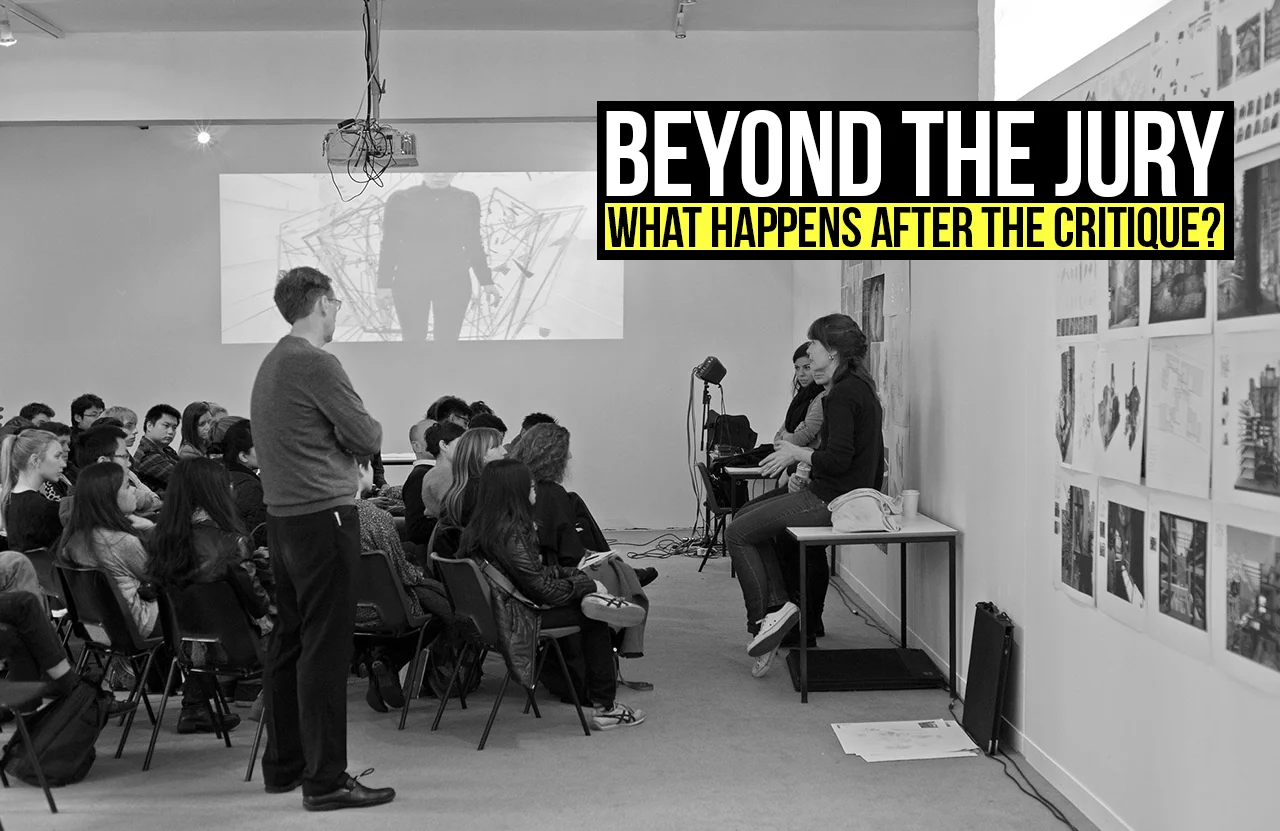
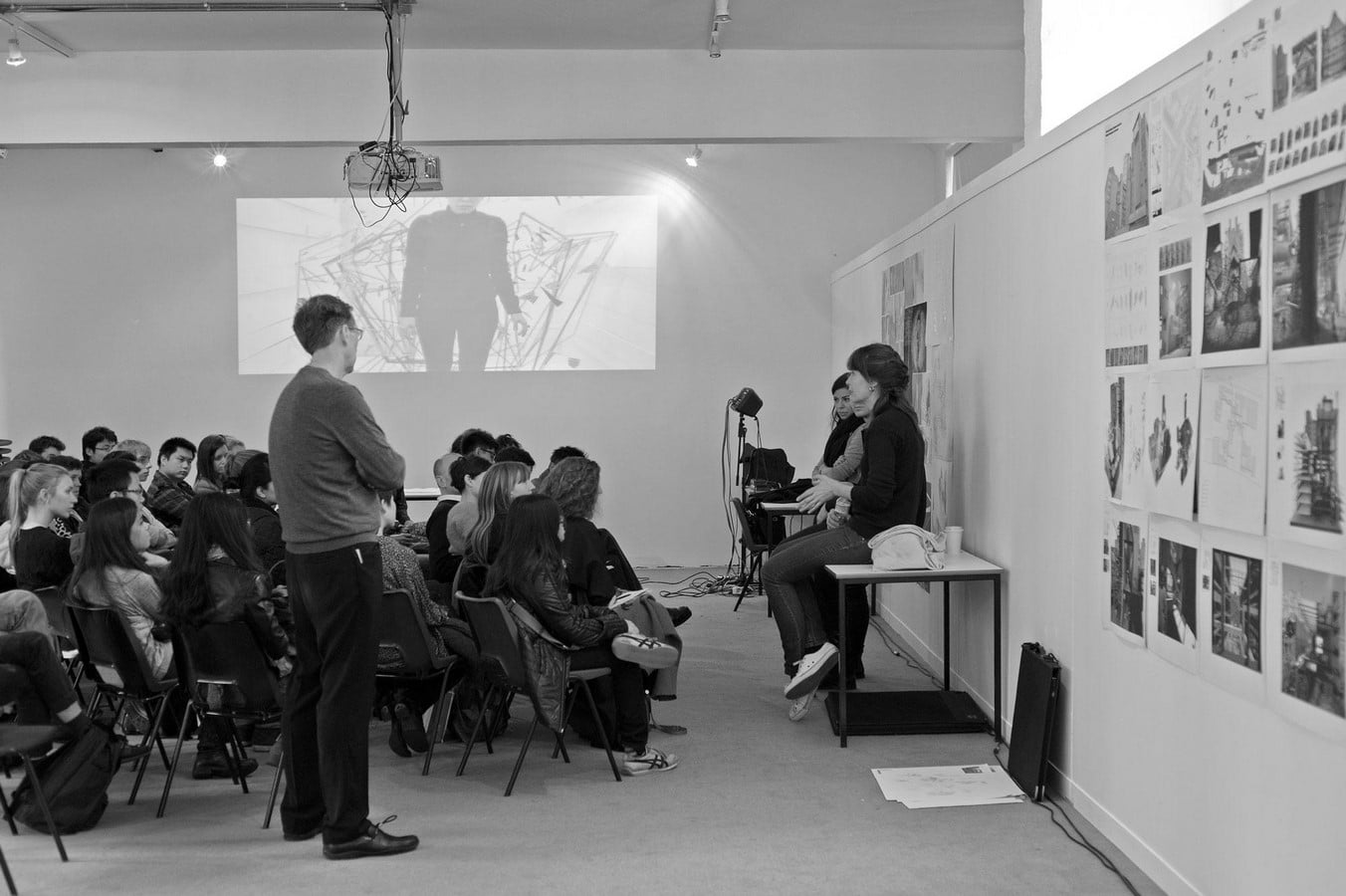
For an architecture student, the jury is a familiar ritual. Months of research, concepts, drawings and iterations are condensed into a few minutes, followed by questions from a panel of jurors, architects and critics. Some questions are expected. Others expose problems that have gone unnoticed. Some comments are immediately useful; others take days, or even weeks, to understand. Some jurors leave students more confused than they were before the jury.
Eventually, the jury ends. The drawings are pinned down, the room empties, and some students return to the studio while some enter the real world. But the project is not necessarily where the learning ends.
Purpose of A Jury
Juries are typically designed for students to learn how to communicate their ideas. We often think architecture is not experienced only through drawings. An architect must explain why a decision was made, communicate an intention to a client and respond when someone questions an assumption. The ability to convey a design idea, whether it be to a client or a jury panel, is therefore as important as producing the drawing itself.

Learning to receive criticism
One of the most difficult lessons of architectural education is learning how to receive criticism.
As a student, we spend weeks or months developing our designs and become deeply attached to them. When someone questions it, the response can feel personal. However, through each jury, students learn an important distinction: A project can be questioned without diminishing the person behind it. This is not always easy, since it becomes very easy to take criticism personally.
It becomes even harder when jurors among themselves have conflicting opinions. When one juror suggests opening up a space, another might argue for an enclosure. Students therefore are faced with the more complicated task of sorting out feedback. This is when the saying ‘Design is subjective’ truly shows its nature.
Not every comment needs to become a design change. Some comments could reveal a genuine weakness. Other comments might stem from a different interpretation of the project’s intentions. Some may even uncover a question that the student had not themselves considered before. The value of the jury, then, lies partly in learning that feedback is not a set of instructions. It is information that must be examined.
Feedback into Habit
Comments such as environmental considerations, the infamous ‘where’s the north’ critique, presentation errors or more conceptual thinking are comments that are often reiterated in most juries. At first, the response might simply be to add sun-path diagrams, shading strategies or environmental analysis before the next presentation. But eventually, something changes. This is one of the most important ways architectural education shapes designers. The objective is not to remember every comment made during every jury. It is to internalise the thinking behind recurring questions until they become part of their own design process. That is when critique has moved beyond the jury room. (“9 Types of Design Juror Every Architecture Student Faces in School | ArchDaily,” n.d.)
From Jury Feedback to Professional Practice
The relationship between the jury and professional practice becomes clearer when we look at the people an architect eventually works with. Architects have to simultaneously work with the client, engineer, contractor, and authorities, who each seek different expectations from the project
The skill that develops through repeated critique is not simply to defend a design. It is the ability to listen, interpret, and make decisions without losing sight of the project’s underlying intention. A student who learns how to respond to conflicting jury comments is beginning to develop the same judgement required when different stakeholders have competing expectations.
Beyond the Jury
The architectural jury could last from about 20 minutes to an hour, but its influence does not have to end when the jurors leave the room. It leads to the gradual development of a designer who knows how to question their own decisions, listen to others, recognise weaknesses and make informed choices.
The real-world value of critique, therefore, lies in what happens after it. The jury asks the questions first, but eventually, the student learns to ask them independently. And perhaps that’s what should be encouraged. Juries where students are not criticised but guided towards becoming better designers.
The true purpose of architectural critique is not to tell students what is wrong with one project, but to give them the tools to question the next one.
References:
Types of Design Juror Every Architecture Student Faces in School | ArchDaily [WWW Document], n.d. URL https://www.archdaily.com/878528/9-types-of-design-juror-every-architecture-student-faces-in-school