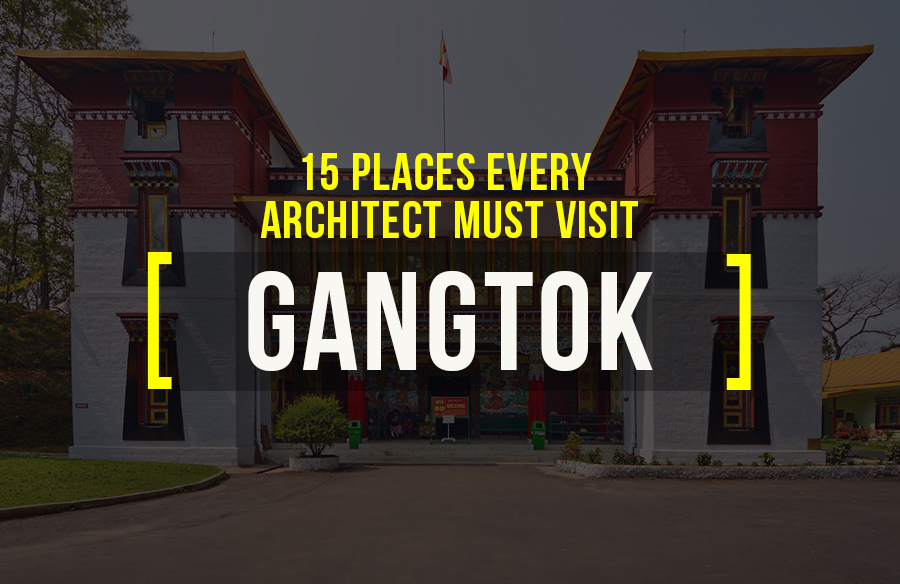
Gangtok is the capital of the East Sikkim district in India. It is an attractive tourist resort due to the strong presence of tradition and modernity in every corner of it. It is ideal for stimulating cultural tours, outdoor adventures, and fascinating historical tours. Its name, meaning “hilltop,” highlights the area’s main mountainous feature, mainly famous for its breathtaking views of the surrounding mountains. In addition to its natural beauty, Gangtok is famous for the many sports activities it offers, such as river rafting, yak safari, mountain biking, and cycling activities. And for architecture enthusiasts, there are numerous exciting places to visit during a Gangtok city tour due to its rich history and culture.
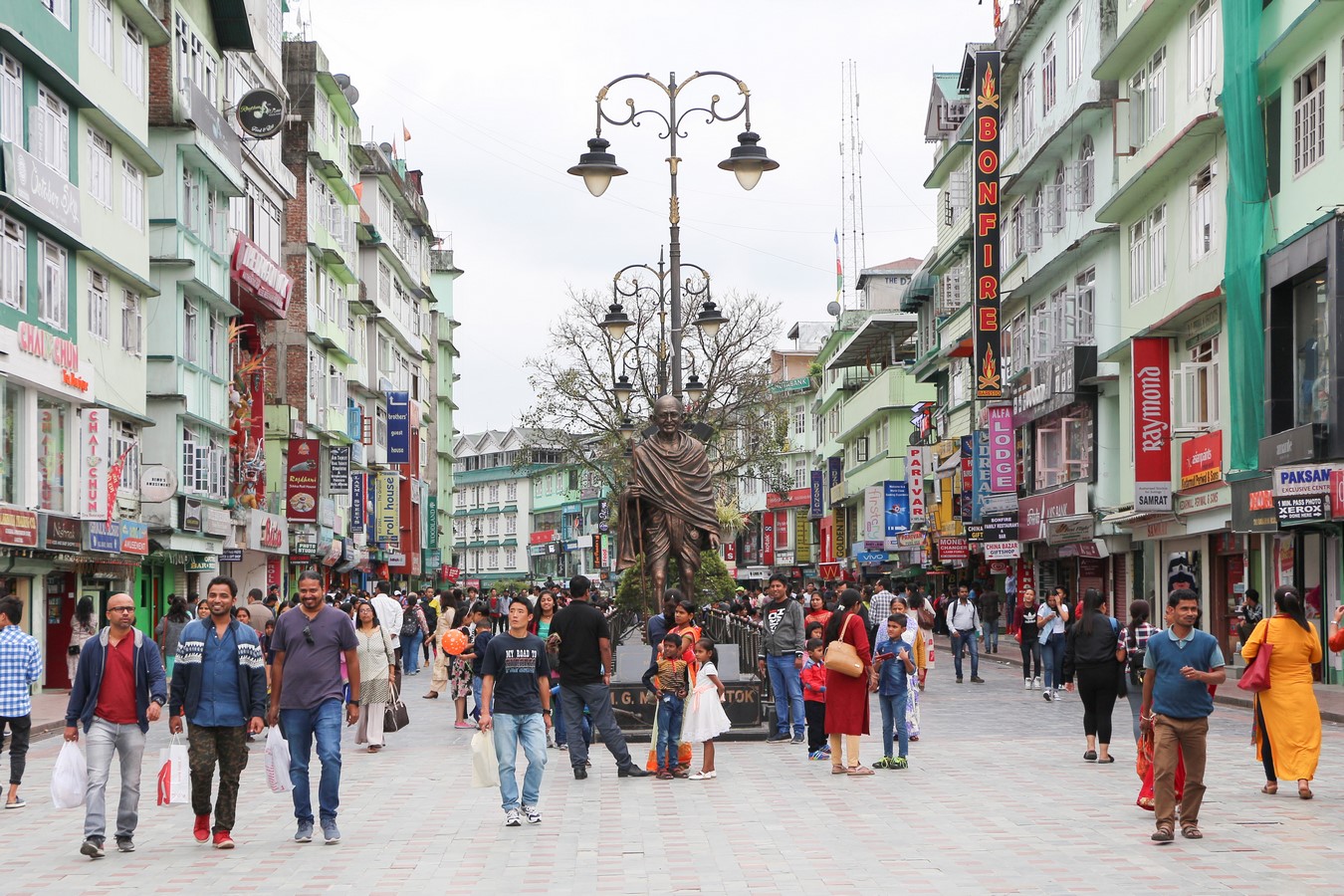
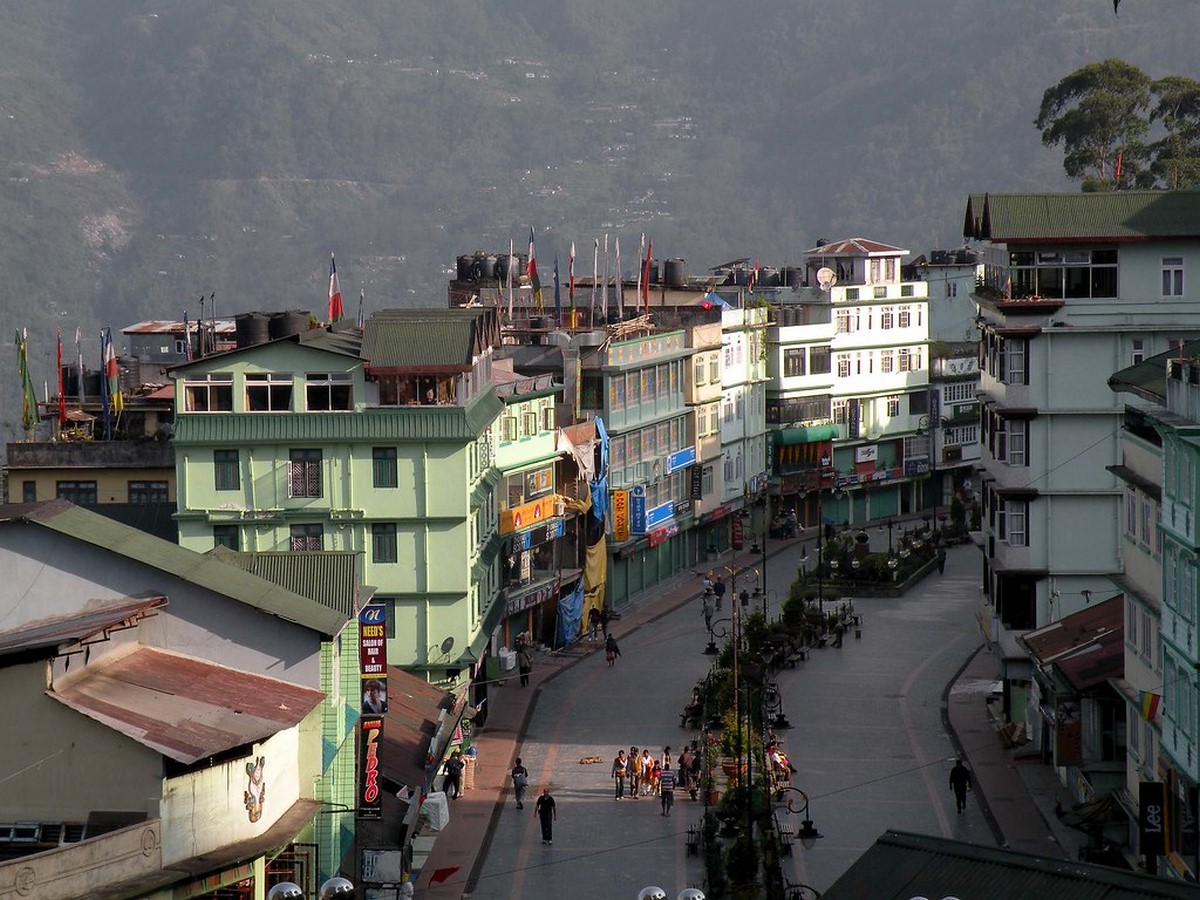
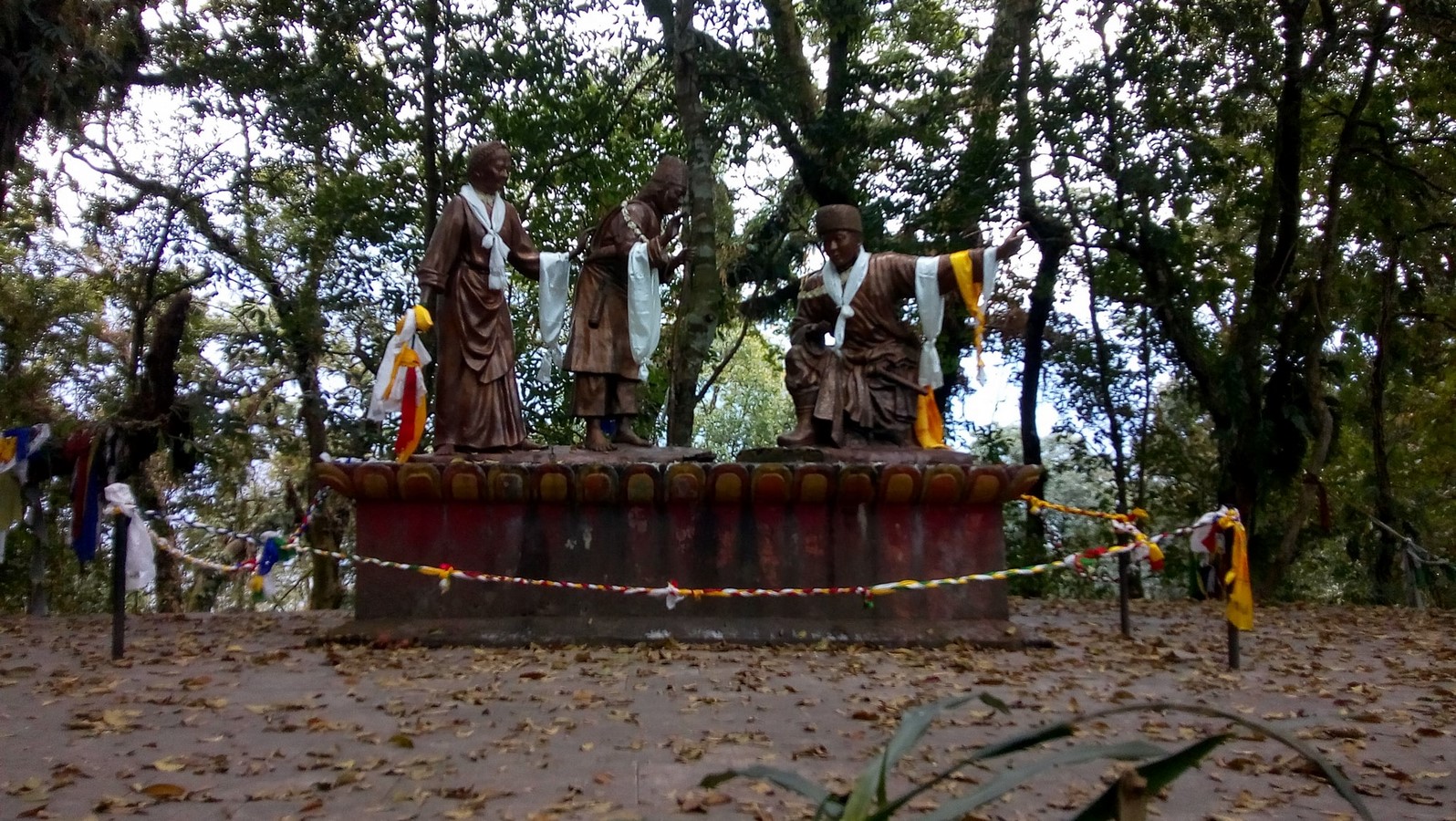
1. Mahatma Gandhi Marg | Places to Visit in Gangtok M.G. Marg, Gangtok, Sikkim. [Photograph]. (Gangtok: India)_©Gagnon, B. (2016) Mahatma Gandhi Marg is one of the must-see places on a city tour. It is an exclusively pedestrian zone one kilometre in length, within which there are numerous restaurants , cafes, hotels, and stores. The name of the street is due to the statue of Mahatma Gandhi , a vital symbol evocative of the history of the place. On the other hand, the Statue of Unity is located within this well-known street and includes the figures of Chief Bhutia Khye Bumsa, leader Lepcha Thetong Tek, and his wife Ngo Kong ngol. These statues are placed here with the important meaning of promoting peace, love, and harmony. Following a government initiative, all the facades of the buildings along the road have been repainted green to emphasise the green commitment of the entire region. Walking along Mahatma Gandhi road fully immerses anyone in the dynamic and strong cultural identity of the city of Gangtok which, despite the many modernisations it has undergone, still retains its history and traditions intact.
Mahatma Gandhi Marg. [Photograph] (Gangtok, Sikkim: India)_©Santra, S. (2010) Mahatma Gandhi Road [Photograph] (Gangtok, Sikkim: India)_©Kals Pics (2013)
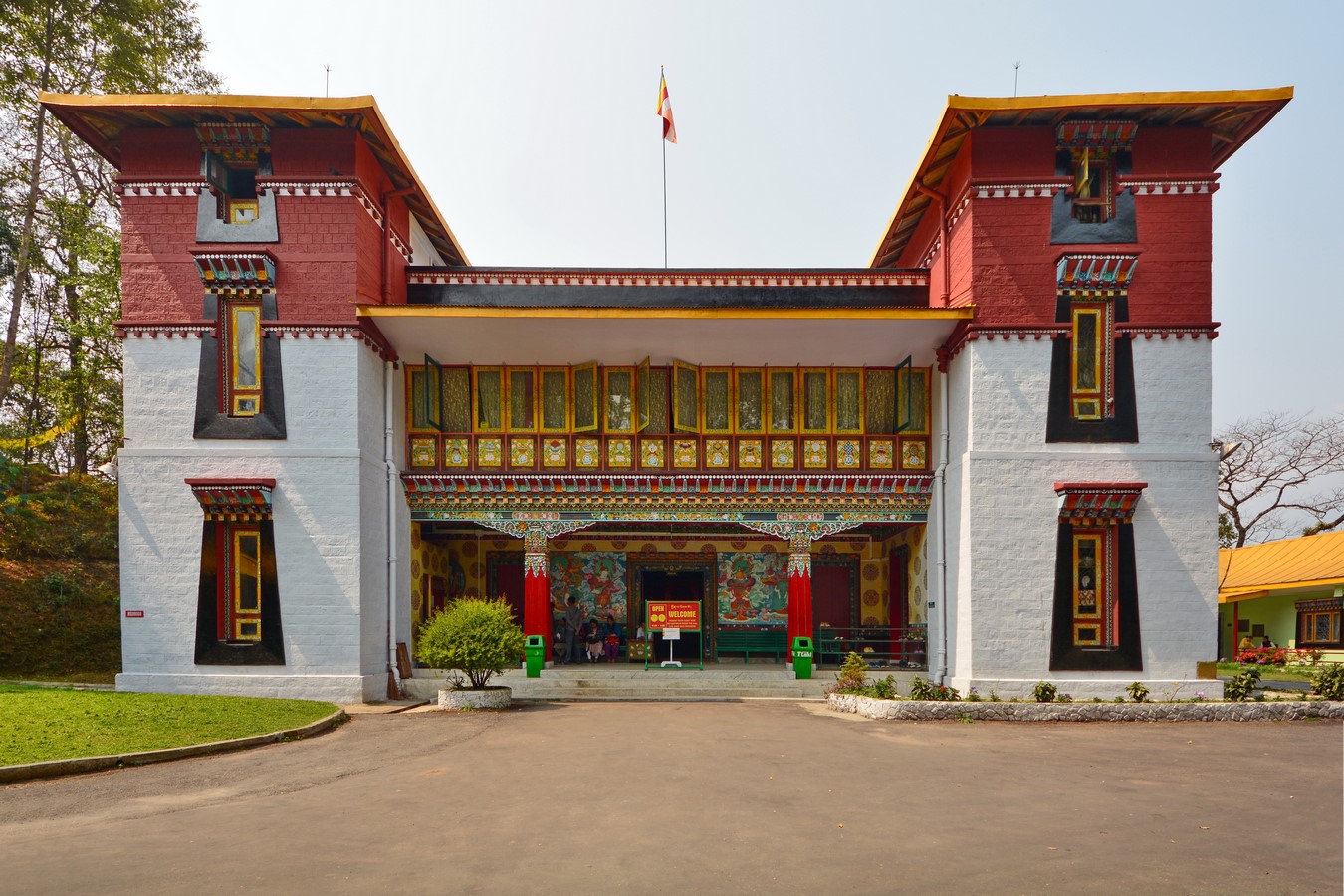
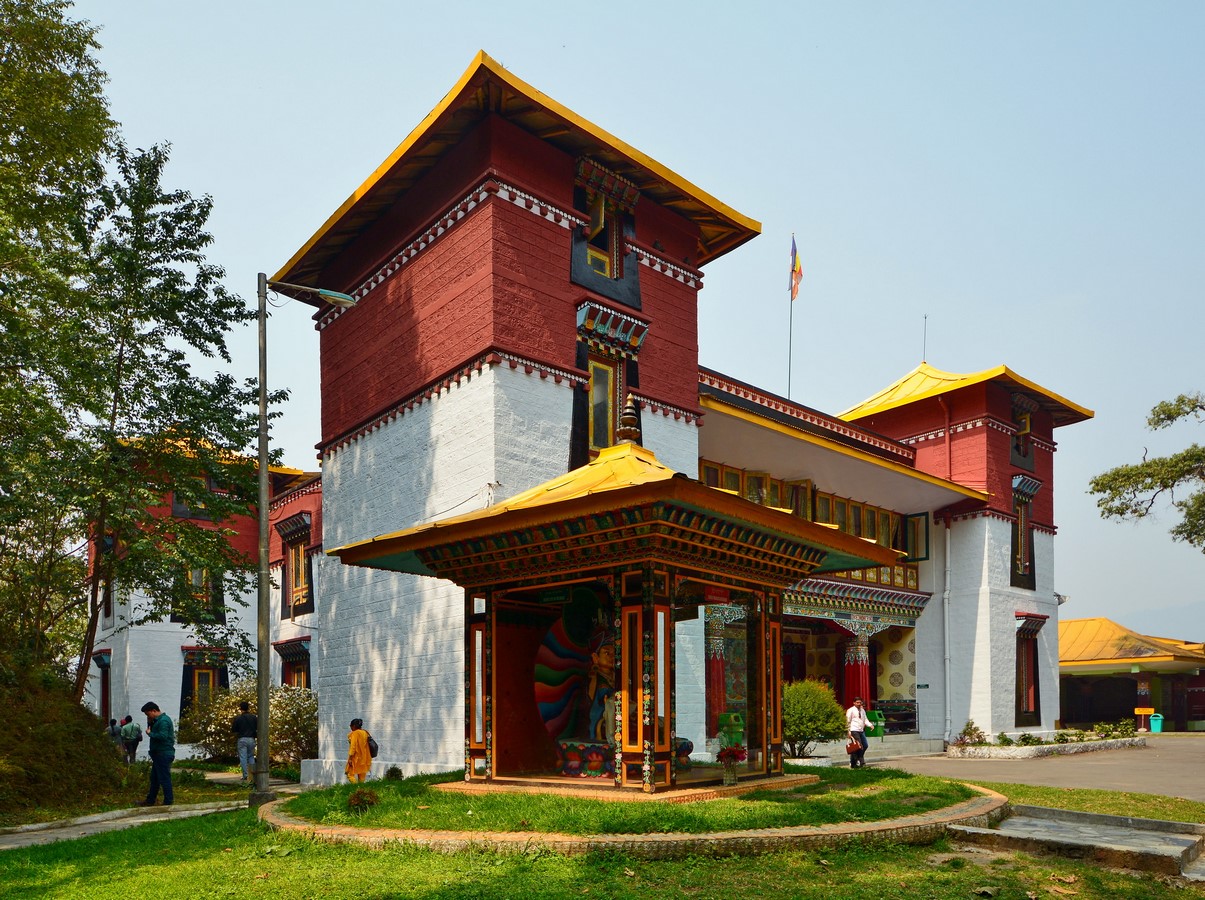
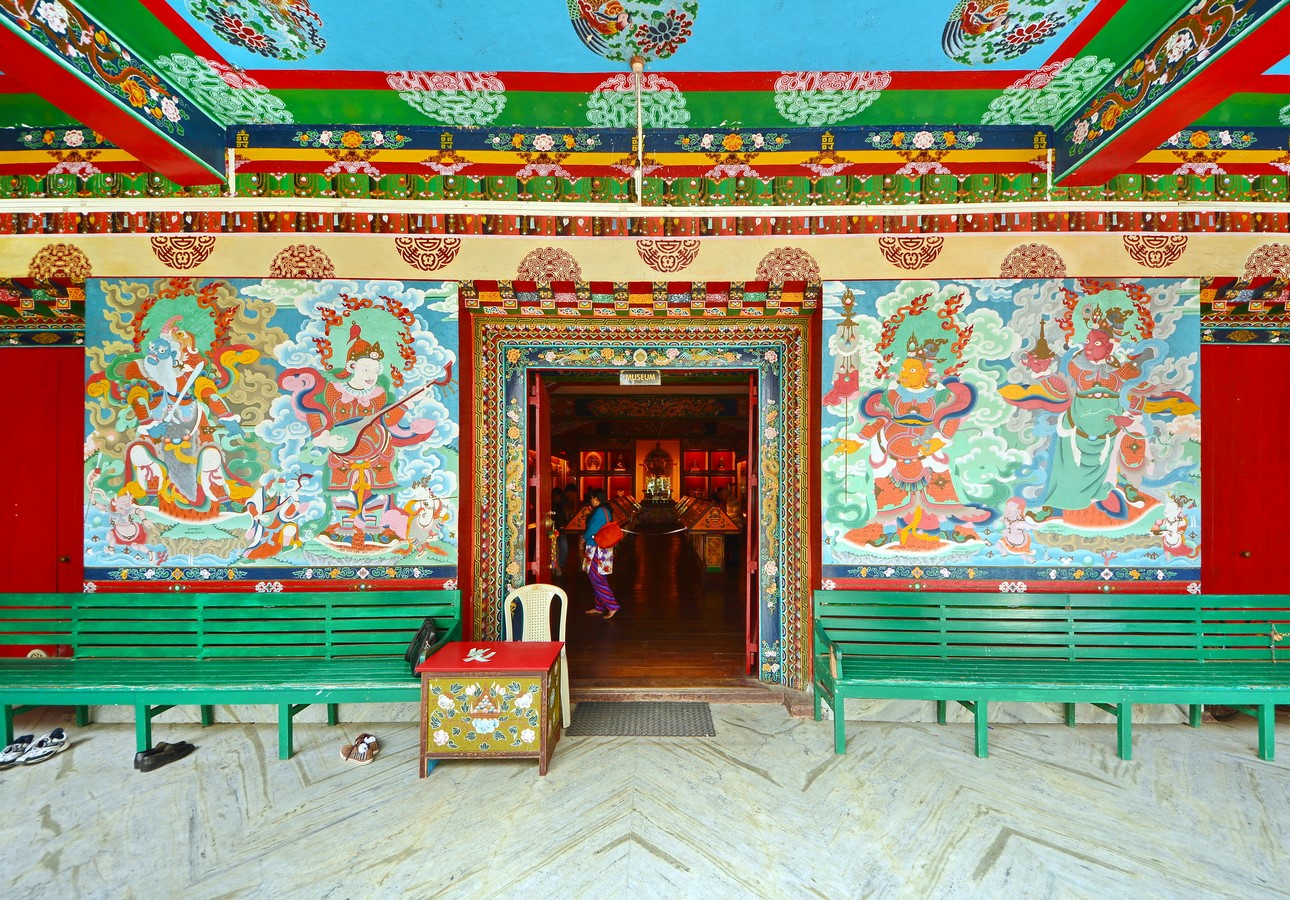
2. Namgyal Institute of Tibetology Namgyal Institute of Tibetology. [Photograph] (Gangtok, Sikkim: India)_© Sommer, M. (2015) Namgyal Institute of Tibetology. [Photograph] (Gangtok, Sikkim: India)_©Sommer, M. (2015) Instituted in 1957 by the 14th Dalai Lama, Gyalwa Rinpoche , this institute promotes research into the religion, culture, art, and history of the people living in the Tibetan cultural area, including Sikkim. The building has a traditional Tibetan architecture immersed in luxurious vegetation , which impresses visitors. The majestic structure, colorful paintings, and magnificent murals provide a clear but delightful contrast to the surrounding nature. The sculptures, artifact manuscripts, reliquaries, and works of art are a pleasure for visitors. One can experience the glorious past of the culturally rich Tibetan and Buddhist civilization. The main attraction is the “Bodhisattva of Knowledge” image made of silver that was brought from Tibet. The ground floor hosts the museum, which exhibits a very unique collection of Tibetan coins, masks, statues, and other works of art. The library,located on the second floor, houses the largest collection of Tibetan documents and literature anywhere in the world. An ideal gateway for lovers of history and ancient culture, its structure is also an attractive topic of interest for architecture enthusiasts.
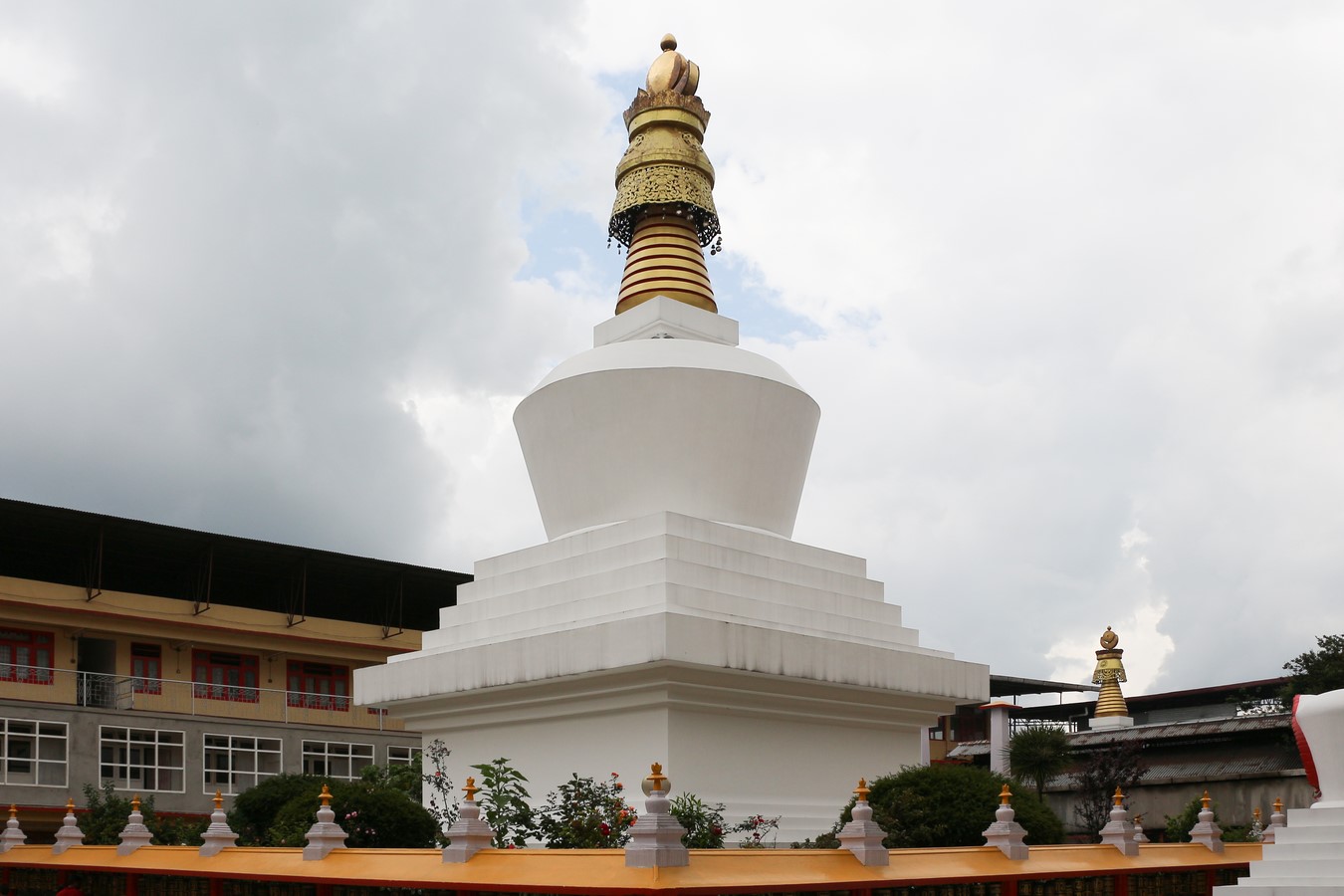
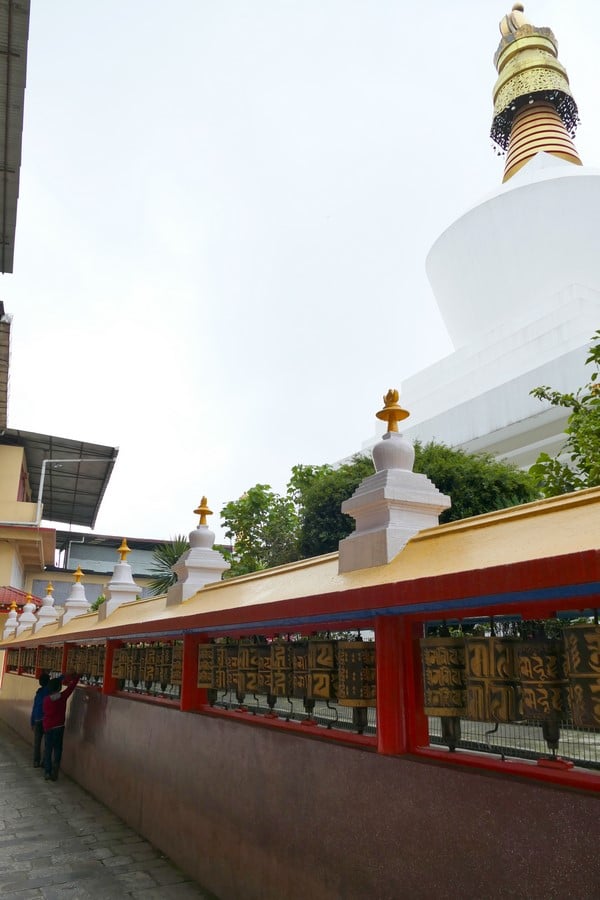
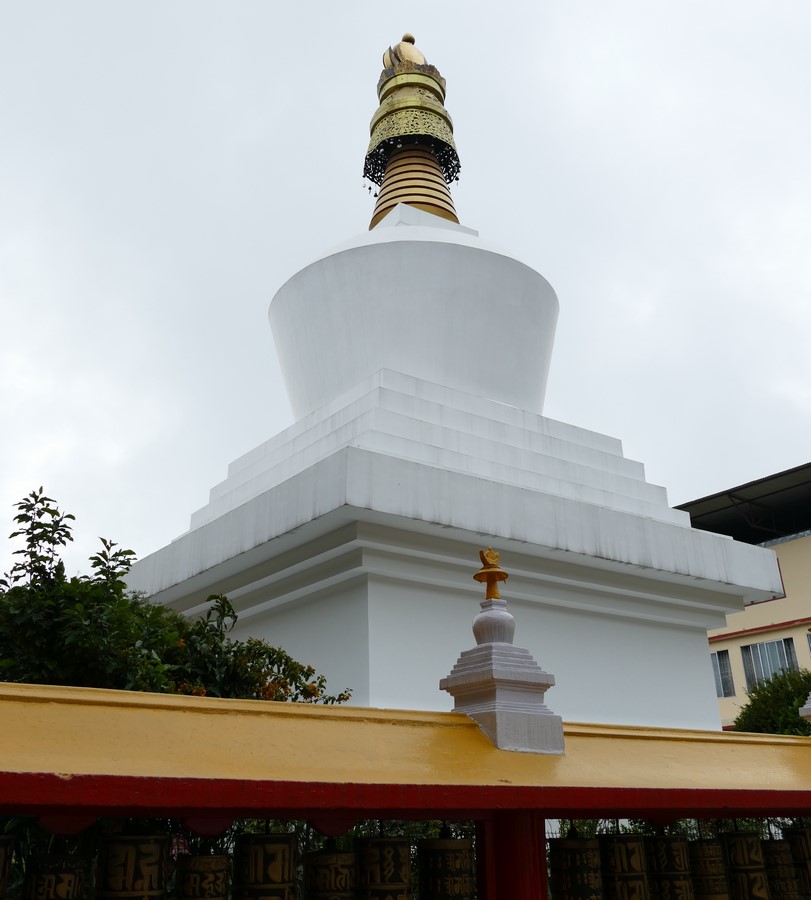
Namgyal Institute of Tibetology. [Photograph] (Gangtok, Sikkim: India)_©Sommer, M. (2015) 3. Do Drul Chorten Stupa | Places to Visit in Gangtok Do Drul Chorten [Photograph] (Gangtok, Sikkim: India)_©Gagnon, B. (2018) The Do Drul Chorten Stupa is one of the most celebrated places of interest in Gangtok, Sikkim. It was built in 1945 by Trulshik Rinpoche, the head of the Nyingma order of Tibetan Buddhism. According to an old local legend , this place was haunted by evil spirits, and all people who entered it died quickly, so it was built to send spirits away. The Stupa is surrounded throughout by 108 prayer wheels, on each of which is engraved a mantra in Tibetan. These are two Stupas made of gleaming white marble, with some golden ornaments on their tops that add extra attractiveness to the Stupas. This already impressive and architecturally relevant structure also has two colossal statues of Guru Rinpoche, called Chorten Lhakhang and Guru Lhakhang. Whether a visitor views it from the inside or the outside, this spot is a must-see for anyone passing through these parts.
Do Drul Chorten [Photograph] (Gangtok, Sikkim: India)_©Panchbudhe, A. (2018) Do Drul Chorten [Photograph] (Gangtok, Sikkim: India)_©Panchbudhe, A. (2018)
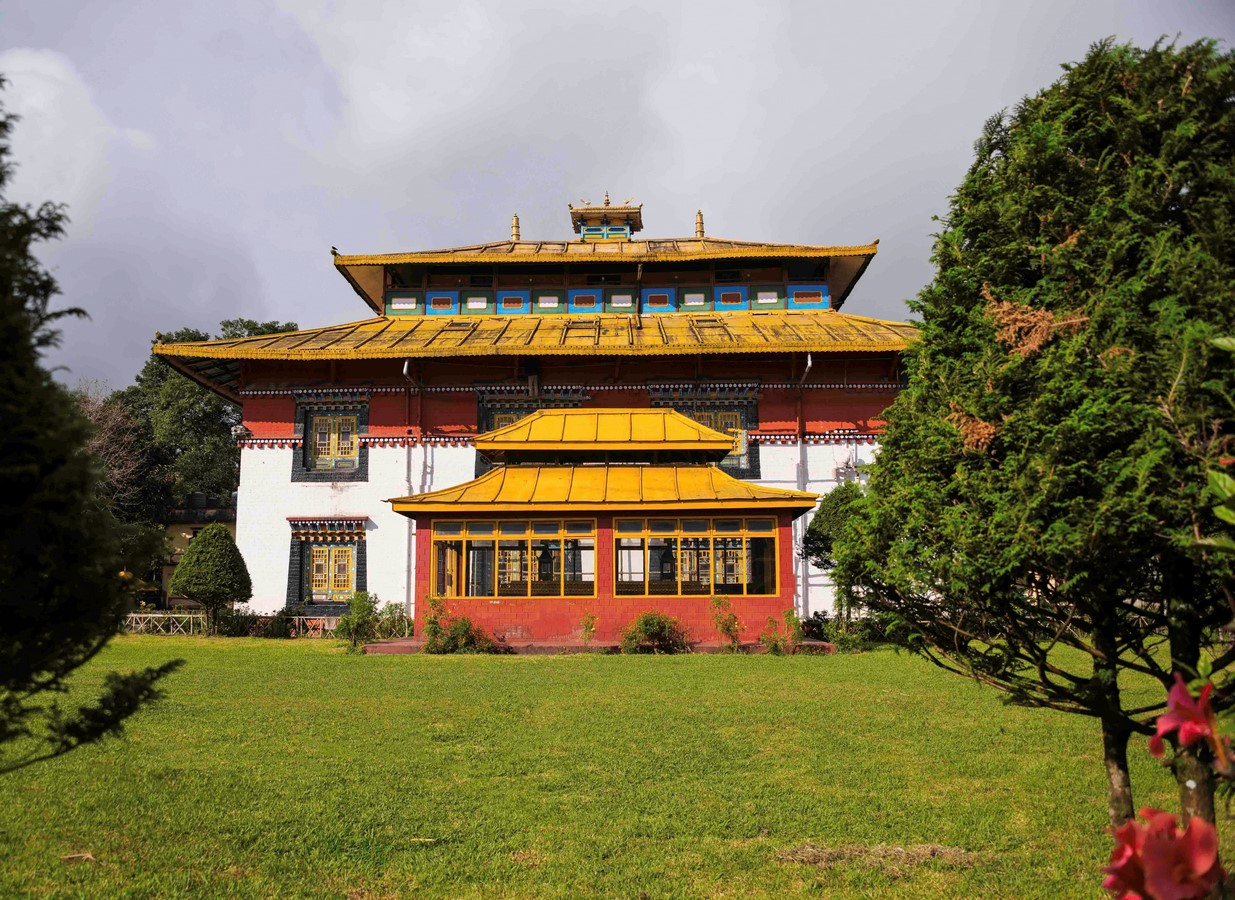
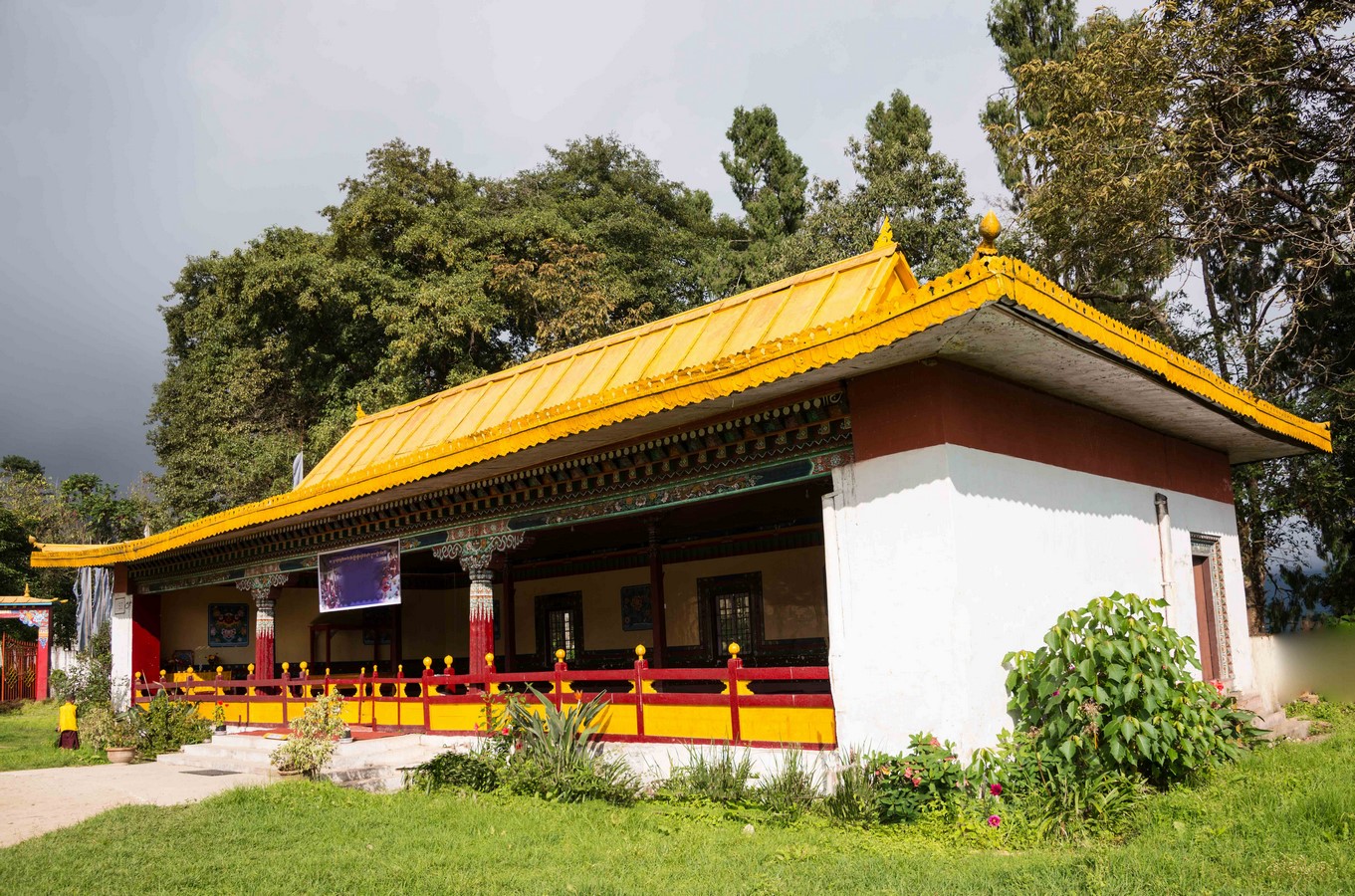
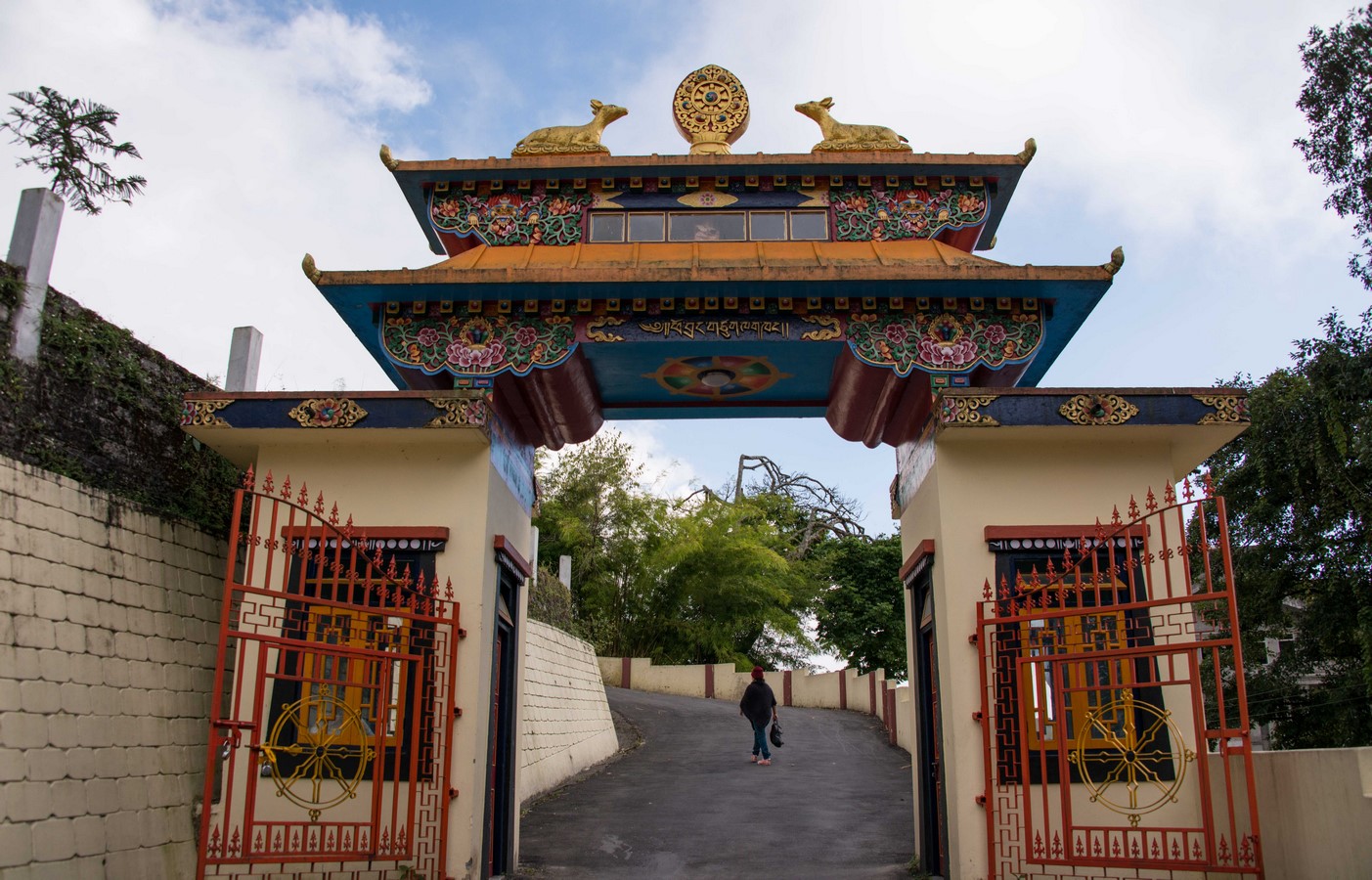
4. Tsuk La Khang Monastery Tsuklakhang Monastery. [Photograph]. (Gangtok, Sikkim: India)_©Mahabala India (20Image 7) Tsuklakhang Monastery. [Photograph]. (Gangtok, Sikkim: India)_©Mahabala India (2017) Tsuklakhang Monastery. [Photograph]. (Gangtok, Sikkim: India)_©Mahabala India (2017) Located in the Tsuklakhang Royal Palace complex, Tsuk La Khang Monastery is the Monastery of the Sikkim former royal family. Also known as Palace Monastery, it is one of the main places of worship and one of the best places to visit in Gangtok. This handsome structure, decorated with a mural-covered interior, also includes an impressive collection of scriptures and is decorated with holy altars and images of Lord Buddha and Tantric Gods. Also, wooden sculptures of snow lions’ heads can be admired at every corner. The architecture of Tsuk La Khang Monastery represents true royalty: one can start to sense the architecture from the doorstep of the monastery, thanks to its very huge and impressive doorway. The Monastery also hosts numerous festivals, such as Phang Lhabsol and Losoong (Tibetan New Year). A must-see within a cultural and architectural itinerary in the city of Gangtok.
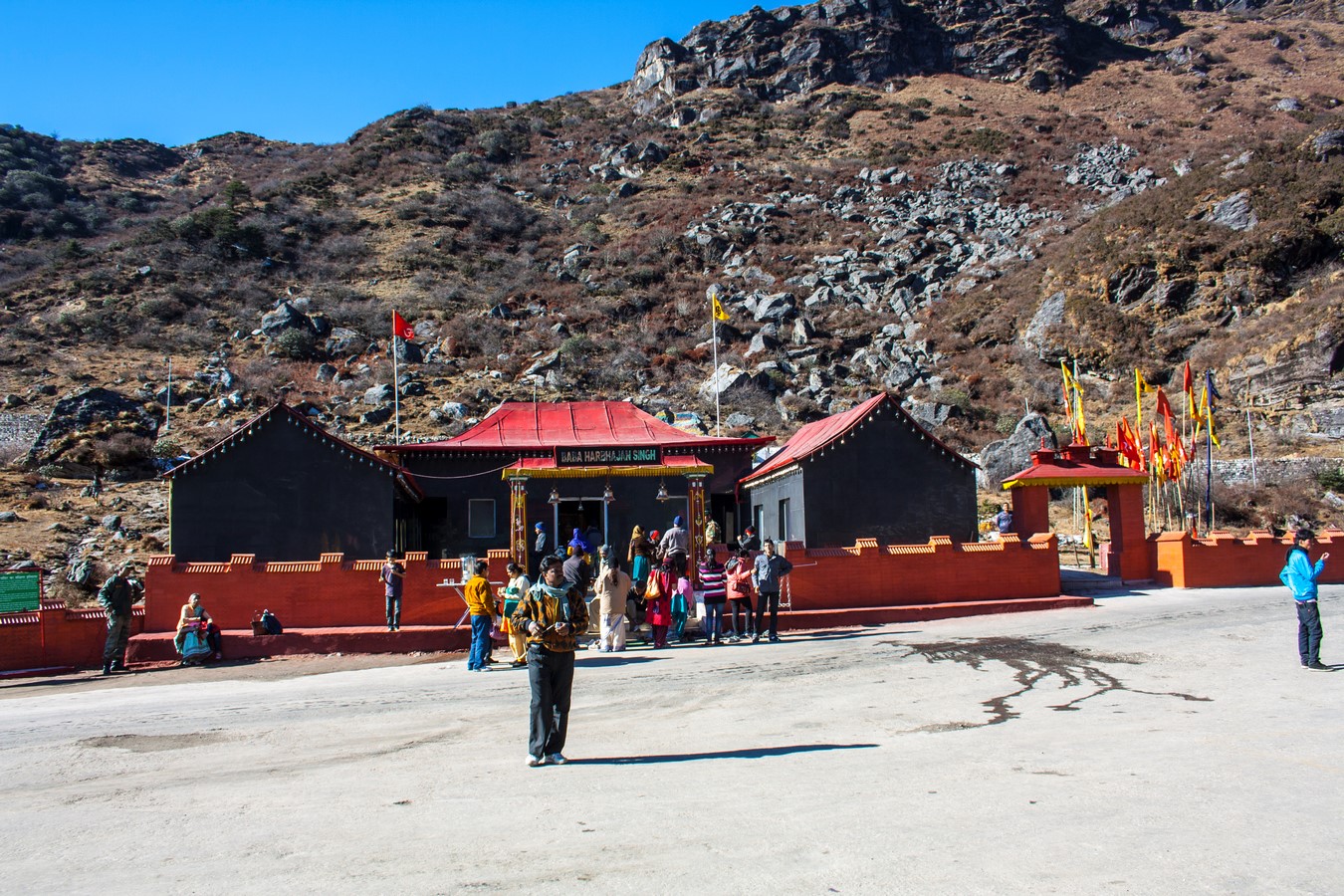
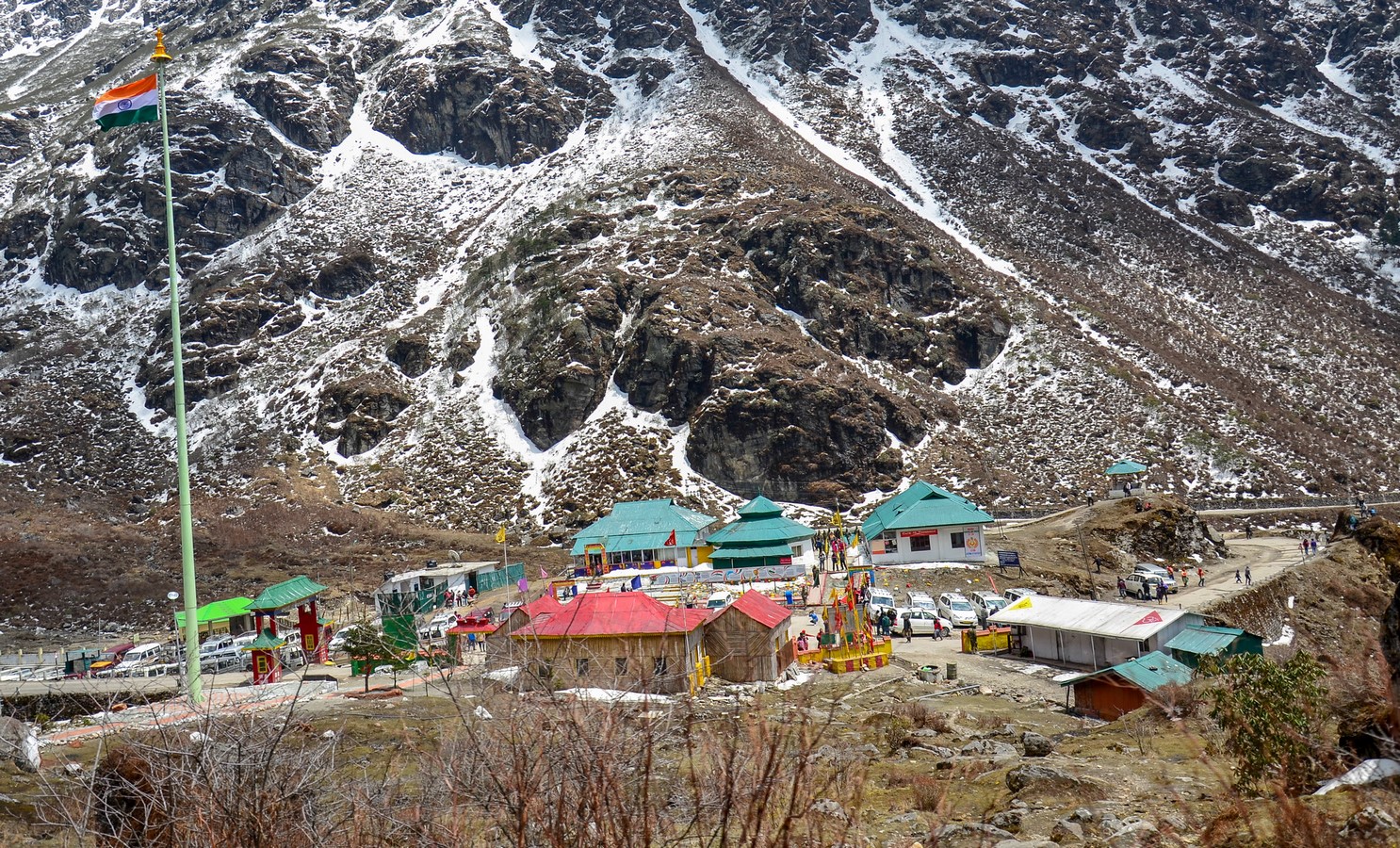
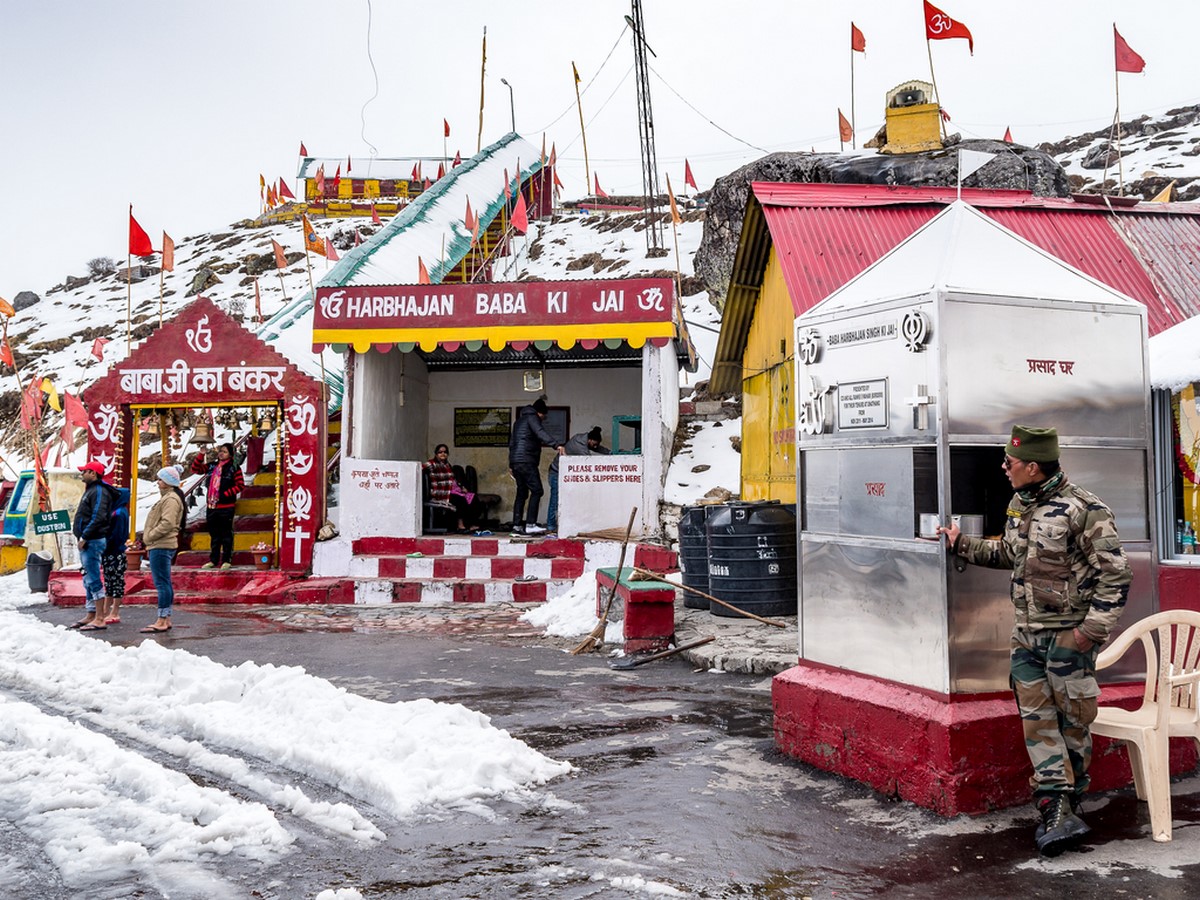
5. Baba Marbhajan Singh Memorial Temple | Places to Visit in Gangtok Baba Harbhajan Singh Mandir, Nathula Pass [Photograph] (Gangtok, Sikkim: India)_©Das, I. (2011) This unique temple is located between Nathu La and Jelep La Pass at an altitude of about 13,100ft. A moving story is associated with this temple: Harbhajan Singh was a sentry of the Punjab Regiment and was assigned here as part of the border patrol forces. In 1968 he died after falling into a creek. He appeared in a dream to one of his colleagues and asked that a monument be built in his name. The sentinels and guards now believe that the Singh’s spirit watches over them. Tourists little visit this temple because they have to climb 50 stairs to reach the bunker where the temple was built. Therefore, for tourists’ convenience, the Baba Harbajan Sing’s samadhi was rebuilt lower down in a more easily accessible place. This shrine is recognised by tourists as the new Baba Mandir.
Gangtok, Sikkim, India [Photograph] (Gangtok, Sikkim: India)_©Kumar, A. (2014) Gangtok, Sikkim, India [Photograph] (Gangtok, Sikkim: India)_©Barman, A.R. (2018)
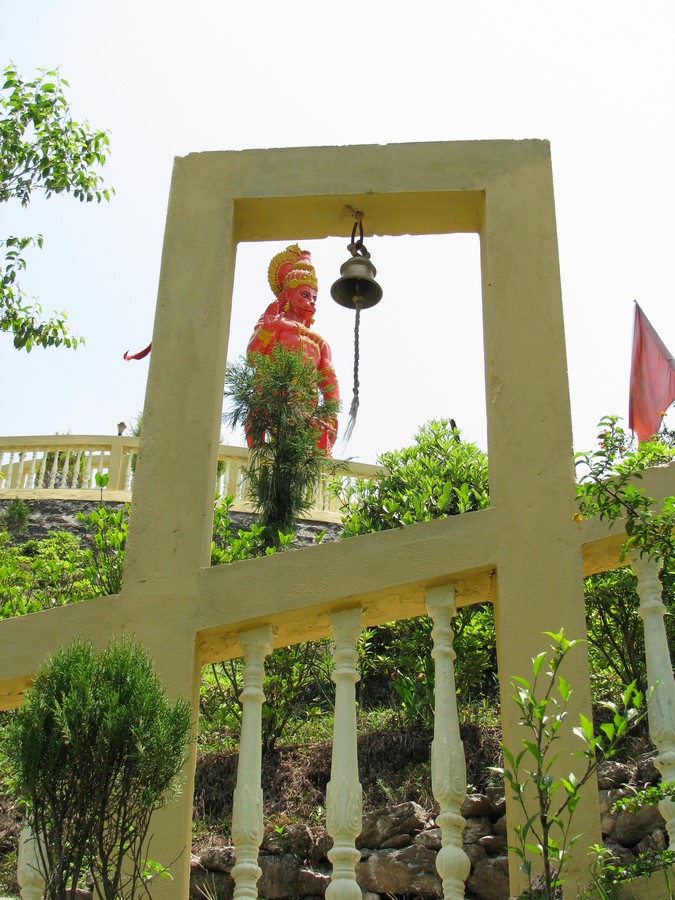
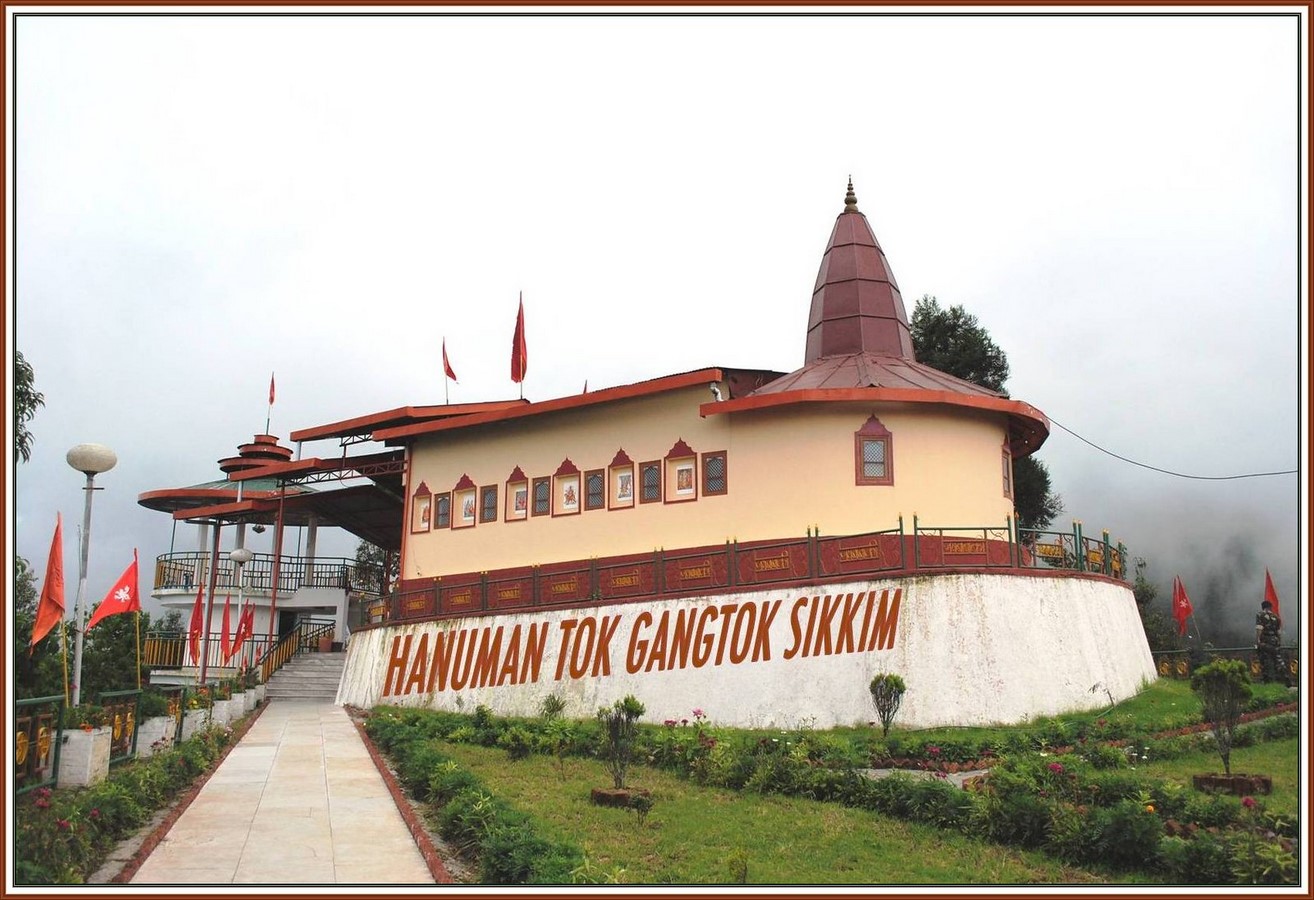
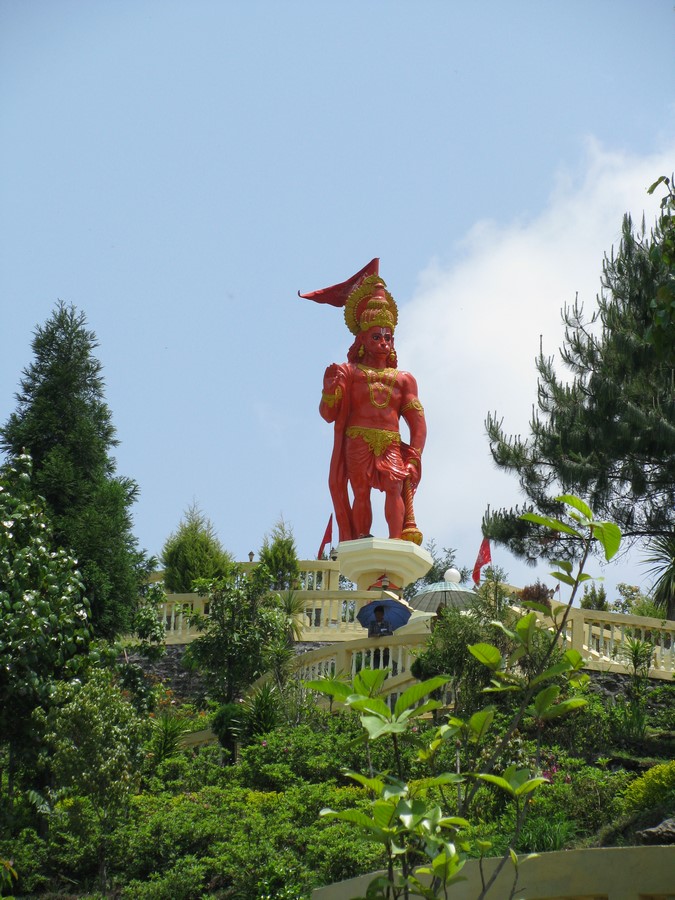
Hanuman Tok [Photograph] (Gangtok, Sikkim: India)_©Shankar, S. (2009) Hanuman Tok [Photograph] (Gangtok, Sikkim: India)_©Sadhu, N. (2016) This immaculate and heavenly place in the upper part of Gangtok is dedicated to Lord Hanuman, the Hindu monkey god. The best part of this site is certainly the view one gets, which covers a small part of the city of Gangtok and the mesmerising surrounding hills and valleys. This religious site in Gangtok is framed by amazing views of the world’s third-largest mountain, Mt. Kanchenjunga. Architecturally, it is supremely well-designed and will impress all who enter the premises of the ancient temples. Hanuman Tok Temple is not aesthetically different from any other temple in the area, but what makes it different and special is the faith with which people visit it.
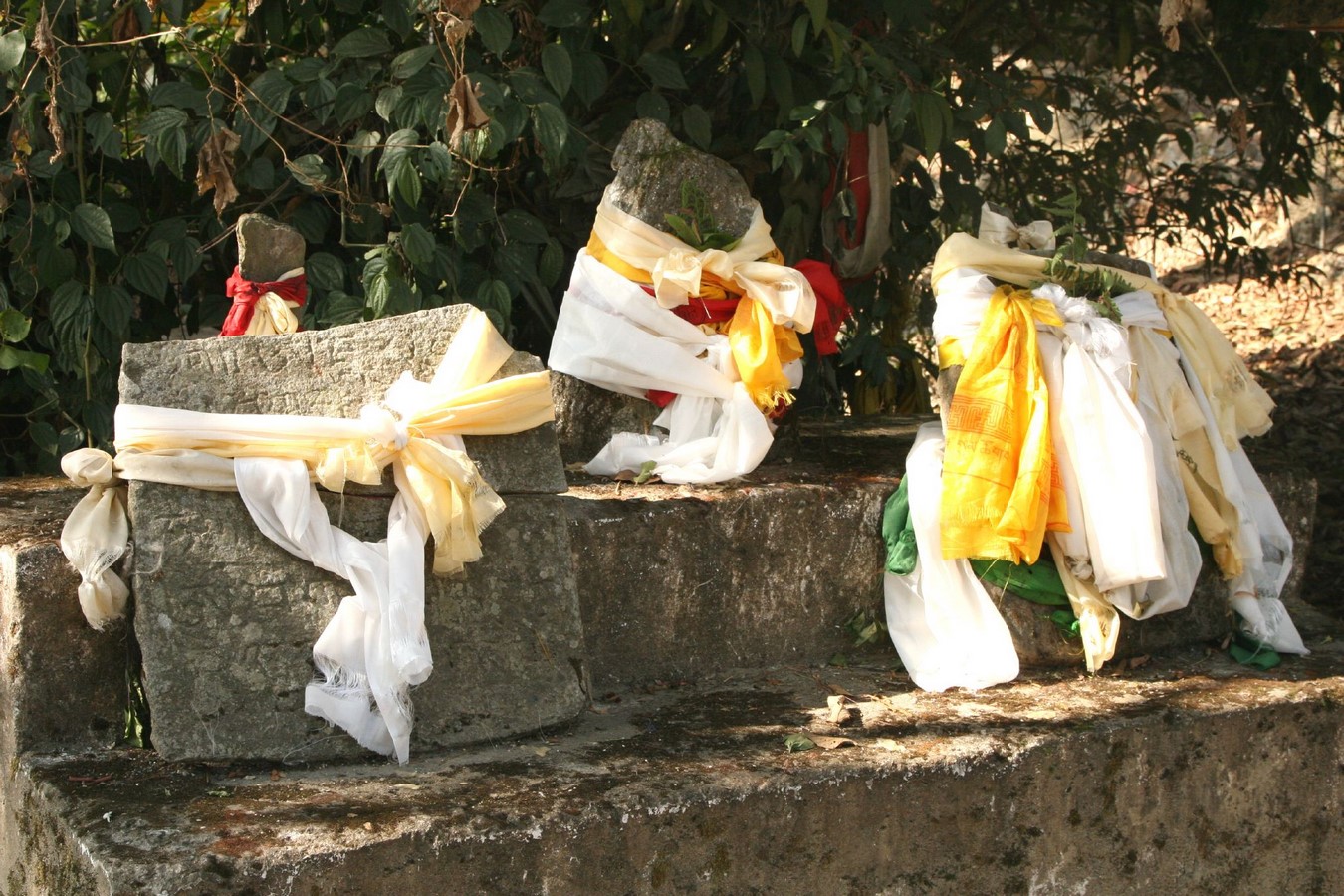
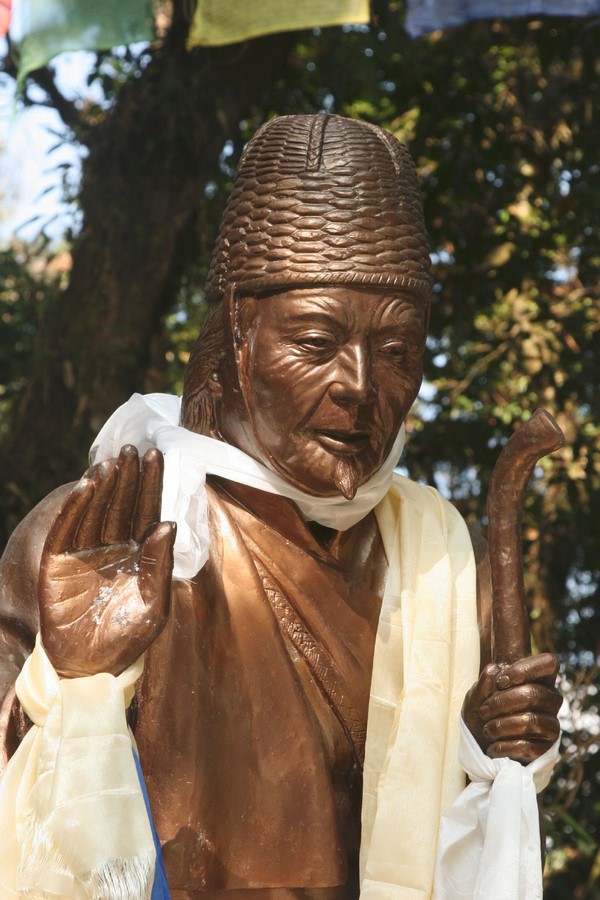
Hanuman Tok [Photograph] (Gangtok, Sikkim: India)_©Shankar, S. (2019) 7. Kabi Longstok India – Sikkim [Photograph] (Gangtok, Sikkim: India)_©Retlaw Snellac Photography (2008) Also known as Kabi Lungchoc, Kabi Longstok is a very significant historical site. The very literal meaning of “Kabi Lungchok,” pronounced “Kayu sha bhi Lungchok,” is “stone erected by our blood.” Indeed, the site’s historical importance is attributed to the fact that the Lepchas, the tribal ethnic group of Sikkim, and the Bhutias (Bhot ethnic group), signed a “Treaty of Blood Brotherhood” with spiritual hunger at the beginning of the 14th century. Stone pilasters mark the place where the treaty was sealed. Nearby there is a Buddhist monastery where anyone can be seen studying the religion and its beliefs. In addition to this, there is also a library and a garden where one can find out more about the place and its past.
India- Sikkim [Photograph] (Gangtok, Sikkim: India)_©Callens, D. (2008) India – Sikkim [Photograph] (Gangtok, Sikkim: India)_©Retlaw Snellac Photography (2008)
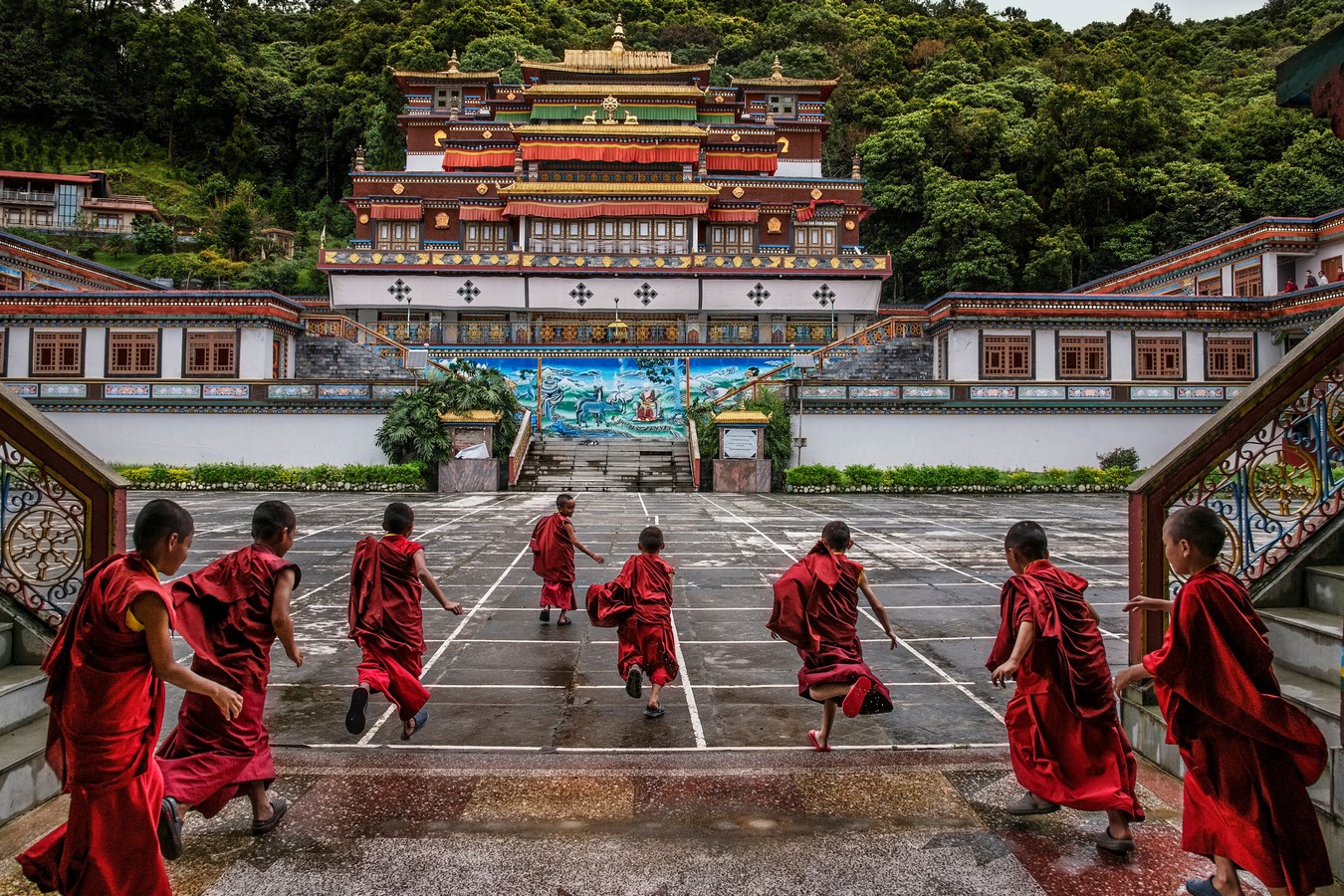
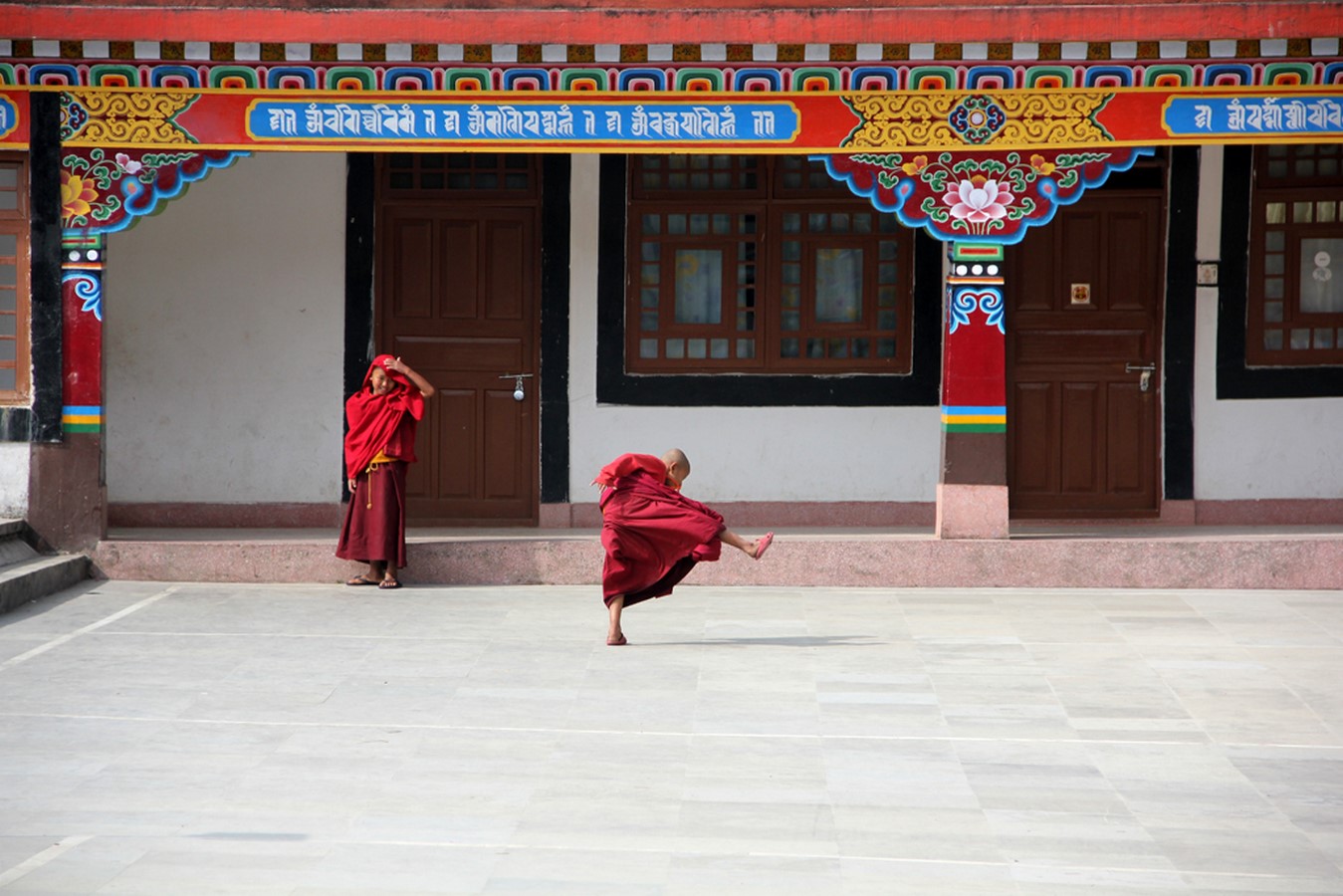
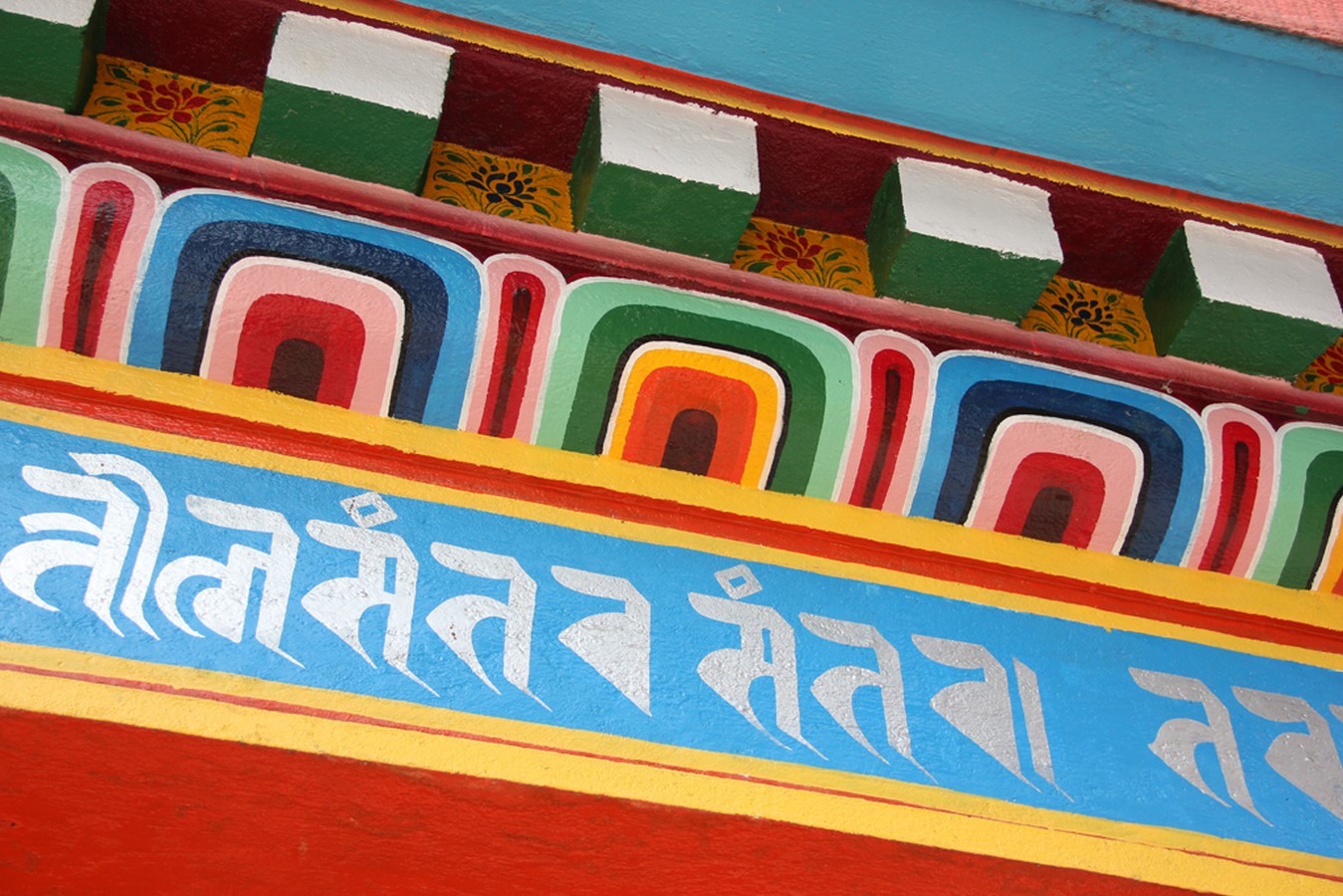
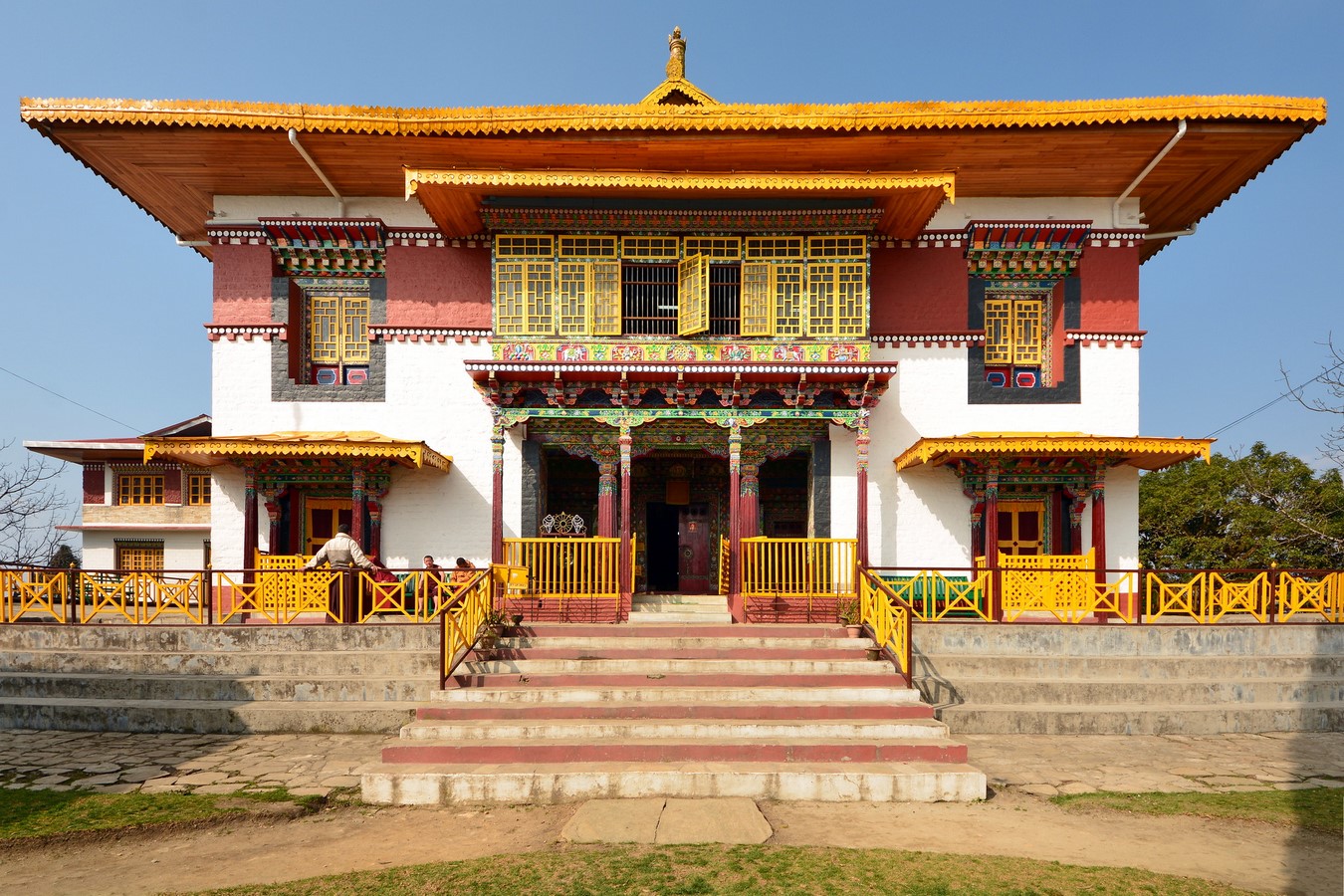
8. Ranka Monastery | Places to Visit in Gangtok Considered one of the most significant and glorious monasteries in East Sikkim, the beauty of Ranka Monastery has attracted some filmmakers and has been part of several Bollywood films. Being relatively new, this monastery is run by young monks. It was constructed in the typical Tibetan architectural style and covered a large area with picturesque views. Inside the sanctuary is a large golden statue of Lord Buddha in the lotus position. Near it, there is a building with classrooms for the study of young llamas. Inside the sanctuary, there are also low tables where they can read their prayer books. The monastery is built in a very colourful way. The architectural design seems well thought out, as the architectural aspects of spatiality, order, balance, beauty, and historicity complete every aspect of the requirement.
Young monks run in the courtyard of Lingdum Monastery also known as Ranka, in Sikkim, India. [Photograph] (Gangtok, Sikkim: India)_©McCurry, S. (2019) Tibetan Ranka Monastery in Sikkim, India. [Photograph] (Gangtok, Sikkim: India)_©Wiens, M. (2019) Tibetan Ranka Monastery in Sikkim, India. [Photograph].(Gangtok, Sikkim: India)_©Wiens, M. (2019)
9. Pemayangtse Monastery Pemayangtse Monastery is one of the most famous Buddhist monasteries in Sikkim. It is located just 140 km west of Gangtok. Considered one of the oldest monasteries in Sikkim, it was founded in 1705 by Lama Lhatsun Chempu. The name has two main meanings: the first is “monks of pure Tibetan lineage” and the other is “perfect and sublime Lotus.” The monastery is located at an altitude of about 2085 meters and offers an enchanting landscape beauty. It is structured on three levels, with about 1,500 square meters of prayer rooms, stunning Tibetan-style colourful doors and windows, paintings, and statues of the saints and Rinpoches. Among the most famous statues are the Padmasambhava and the Dorje Bhurpa Vjarakila, which have multiple heads and arms. From an architectural point of view, it is a true masterpiece with an intricate and striking design.
Pemayangtse Monastery [Photograph] (Gangtok, Sikkim: India)_©Sommer, M. (2015) Pemayangtse Monastery [Photograph] (Gangtok, Sikkim: India)_©Sommer, M. (2015) Pemayangtse Monastery [Photograph] (Gangtok, Sikkim: India)_©Sommer, M. (2015)
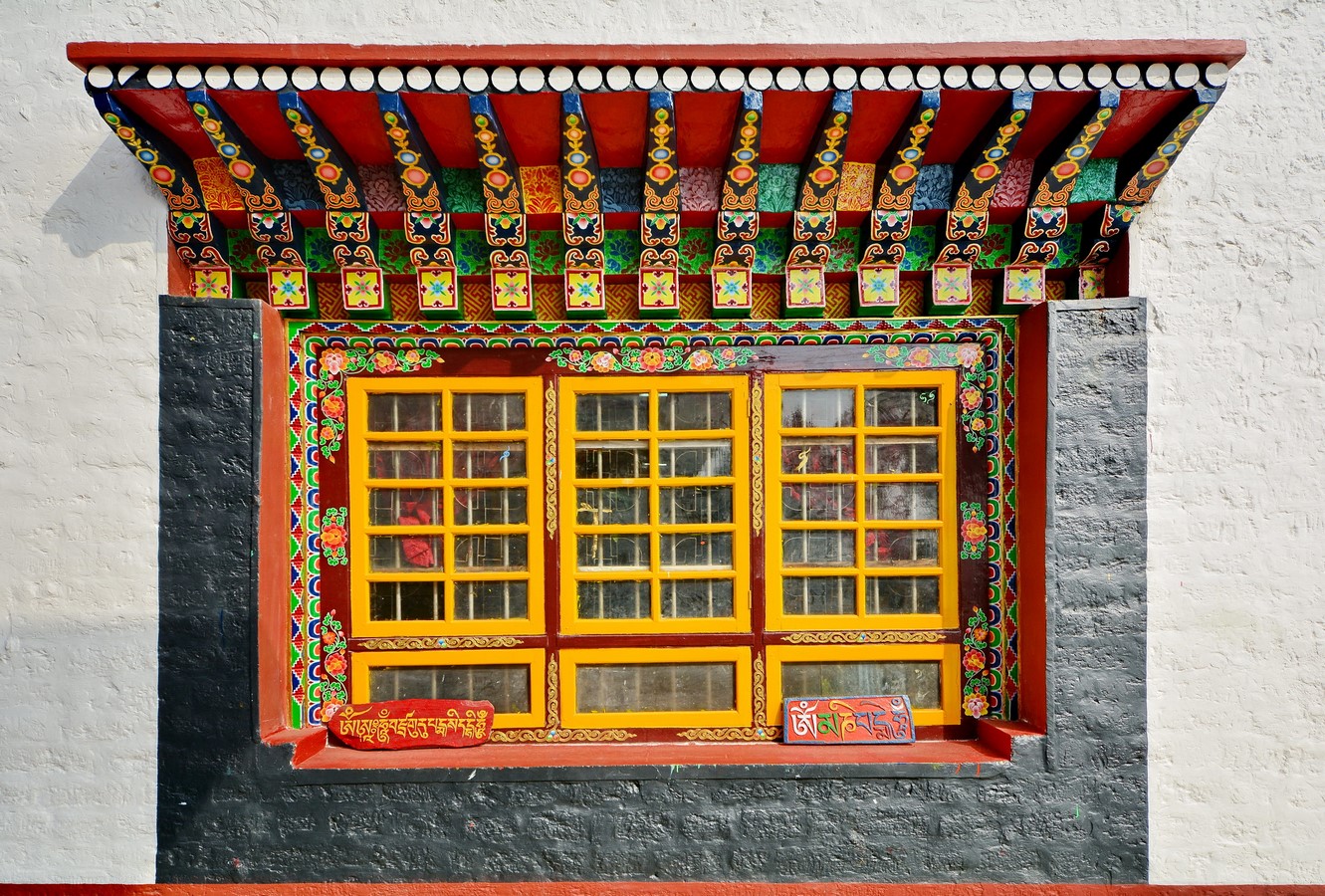
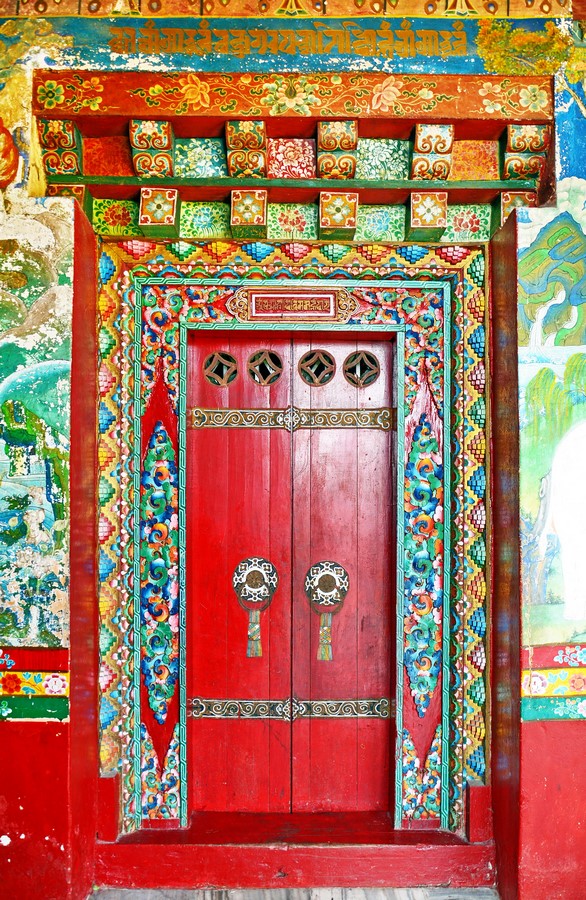
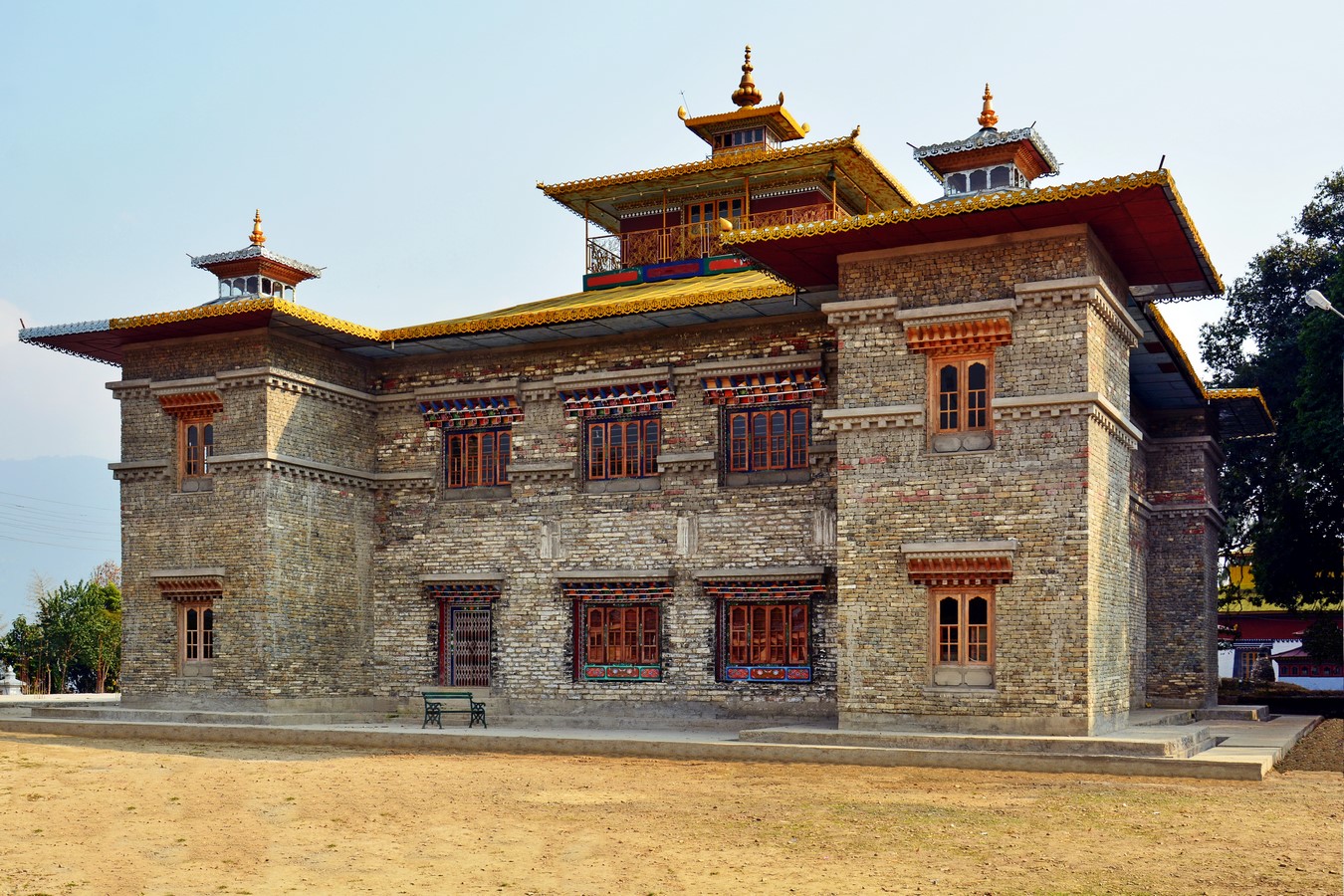
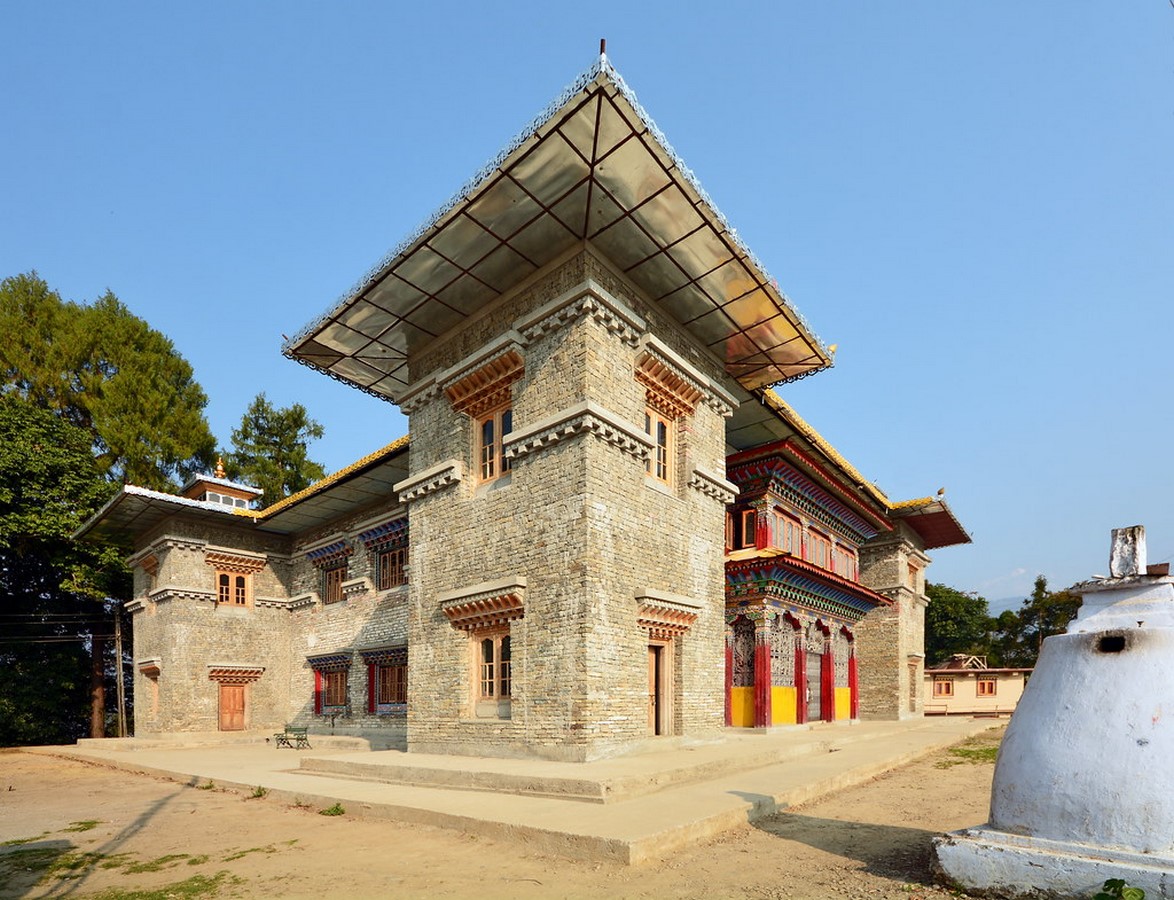
10. Tashiding Monastery | Places to Visit in Gangtok Tashiding Monastery. [Photograph]. (Gangtok, Sikkim: India)_©Sommer, M. (2015) Tashiding Monastery is a religious place to visit in the mountainous state of Sikkim, India. It was built in the 17th century on top of a mountain between the two Rangit and Rathong rivers. Tashiding Monastery is very famous for its celebration of Bumchu. It hosts 41 different chortens, each of which has its divine foundation. Chortens are small decorative pyramids that are dedicated to their deities in Buddhism. In the monastery can be found stone plates on which Buddhist mantras and the inscriptions “Om Mane Padme Hum ” are engraved. Tashiding Monastery is divided into five sections: the Sinem market square, the main market square, the suburbs, the main Tashiding Monastery and its Chorten area.
Tashiding Monastery. [Photograph]. (Gangtok, Sikkim: India)_©Sommer, M. (2015) Tashiding Monastery. [Photograph]. (Gangtok, Sikkim: India)_©Sommer, M. (2015)


![Tashiding Monastery. [Photograph]. (Gangtok, Sikkim: India)_©Sommer, M. (2015)](https://www.re-thinkingthefuture.com/wp-content/uploads/2023/01/A8907-15-Places-to-Visit-in-Gangtok-for-Travelling-Architect-Image-30.jpg?w=999)