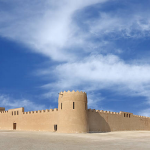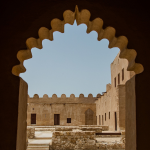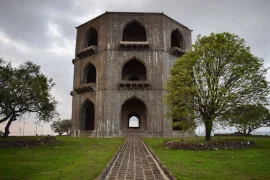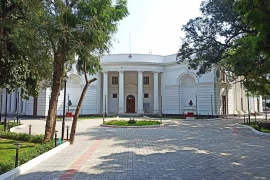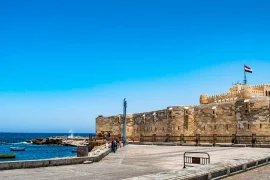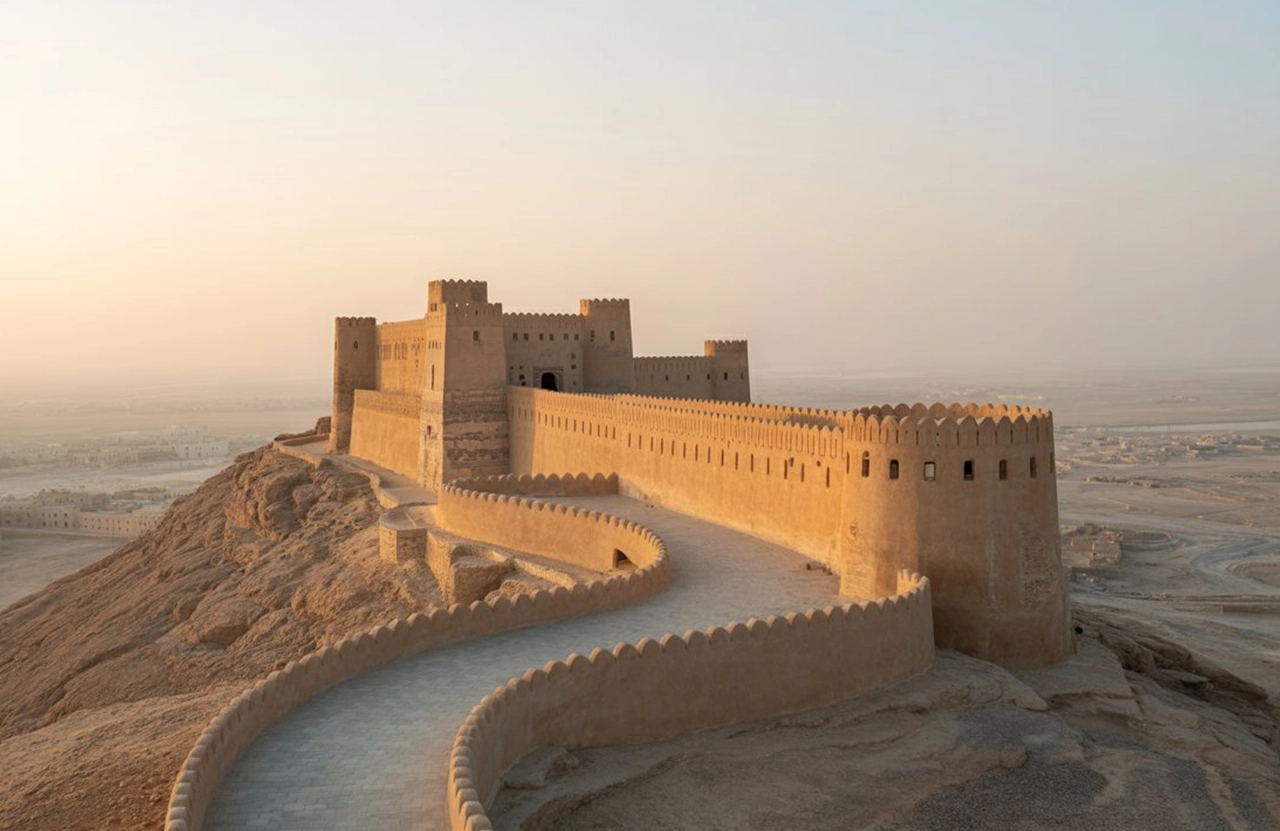
The top of a hill overlooks a valley named Hunayniyah, and that is where Riffa Fort (also known as Sheikh Salman bin Ahmed Al Fateh Fort) looks down upon it. Built of limestone and coral stone, Riffa Fort is a structure that tells us about tradition and power through its form. From atop the hill, the desert rolls away for miles across a blue sky. But while this fort is a physical entity that represents a place and time, it also represents a turning point for the Al Khalifa dynasty who ruled and defined identity at this very site. Even though today it is quiet and the stones that once protected history are still standing, the walls still hold a quiet beauty – not empty graves or a reminder of how little of what was once there remains the same. The kingdom that once worked primarily with oysters, is now working a different story beneath their feet.
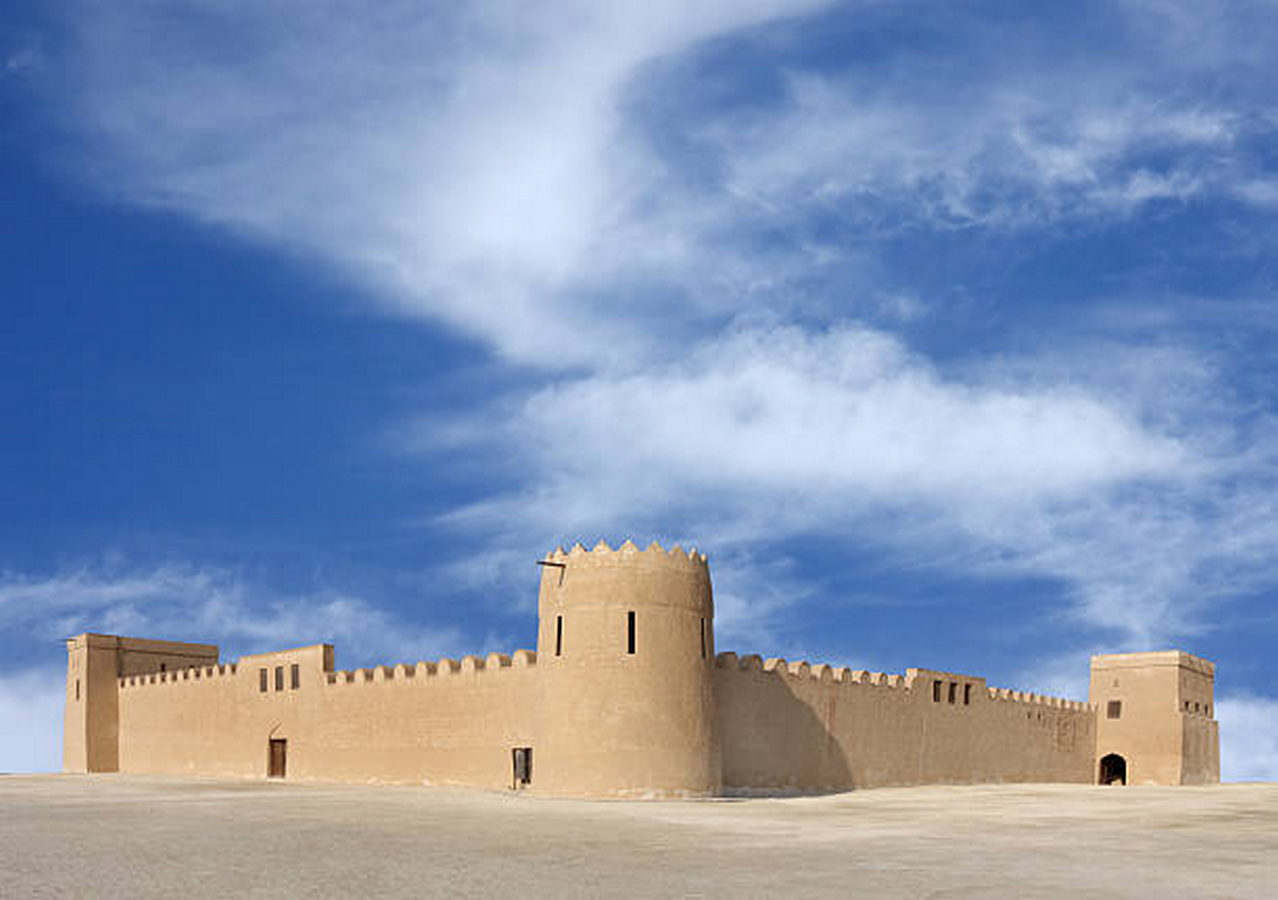
Work began on the fort early in the 1800’s, in 1812, when Sheikh Salman bin Ahmed Al Fatih issued the order to start construction. Unlike many other forts in the region, Riffa Fort was more than just a defensive outpost; it housed government officials and provided living quarters for them, as well as a public meeting space. The builders chose the location of the fort carefully – they took advantage of the natural high ground of the area so they could watch long distances in every direction. Standing near the edge of the fort one can imagine the sentry waiting in the distance, holding his breath as the dust and sun melt together into endlessness beyond the walls.
Historical Origins and the Al Khalifa Legacy
The Riffa Fort shows the Al Khalifa’s rise to power in Bahrain. Riffa built a political system back before electric lights were invented for communities (i.e., over 2,000 years ago). Riffa Fort played a vital role in their rise because it was a hideout for many governmental affairs (i.e., way back throughout its history). Riffa Fort’s opening brought royal families to view the location of where Sheikh Isa bin Salman (the first ruler of the modern-day Bahrain) was born and thus, their family’s history began. Riffa Fort is unique when compared to other forts in that the Al Khalifa family remained to rule for more than 2,000 years through family members who owned and operated out of it and through connections there (not just for the sake of a fort). Riffa Fort serves as an ongoing cultural heritage center that maintains many traditional household functions while building the large defense structure. Riffa Fort contains many stones that were used to build it that are huge pieces of history (e.g., many are from battles and many are from when there was peace, many are from when there were homes, etc.).
Extensive repairs had to occur to Riffa Fort because the desert environment had taken a toll on many parts of the building by the 1900s. The Ministry of Culture supervised these repairs; Riffa Fort is undergoing repairs to return to original methods and materials (e.g., sea stones and lime mortar).
Architectural Characteristics: Materiality and Defence
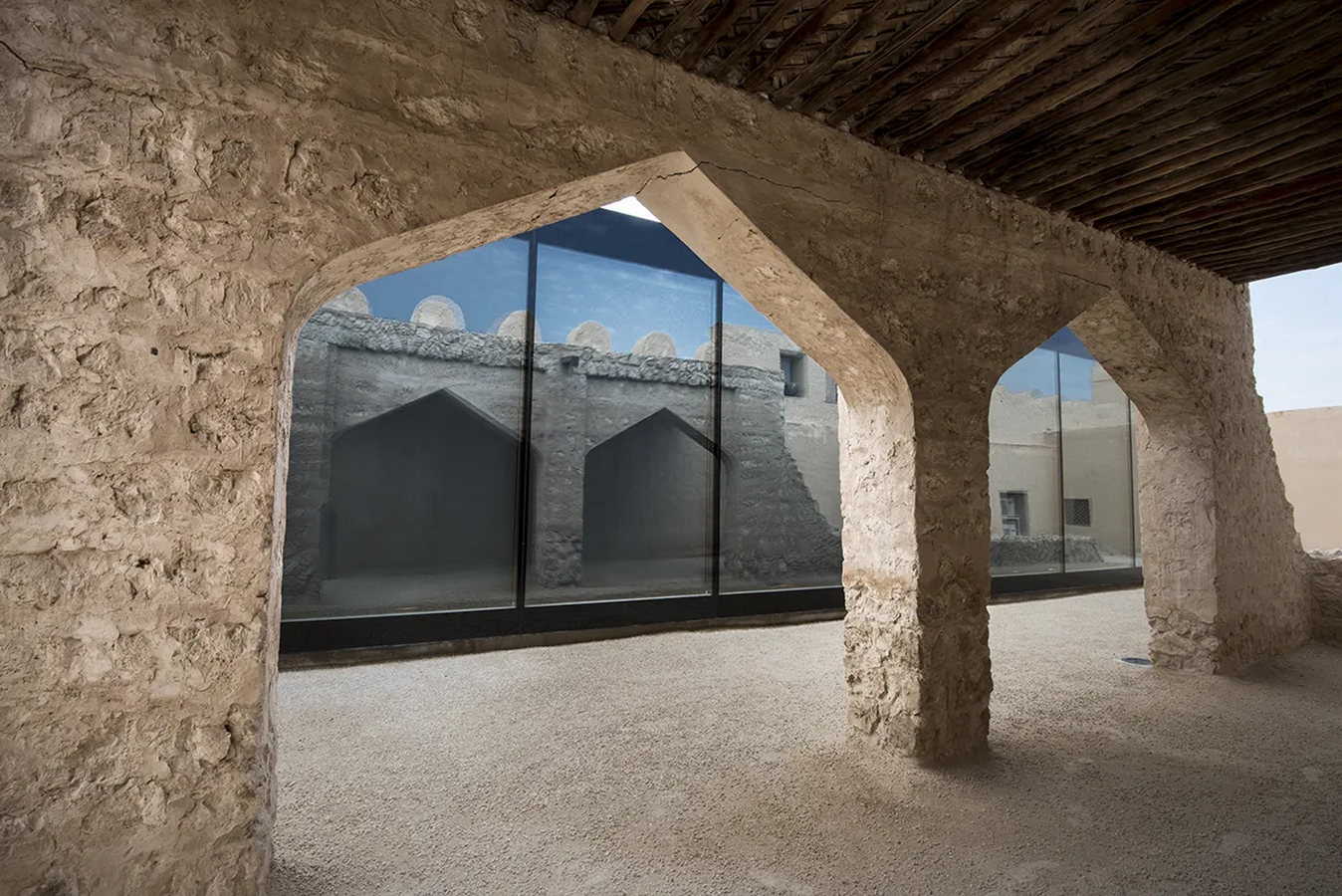
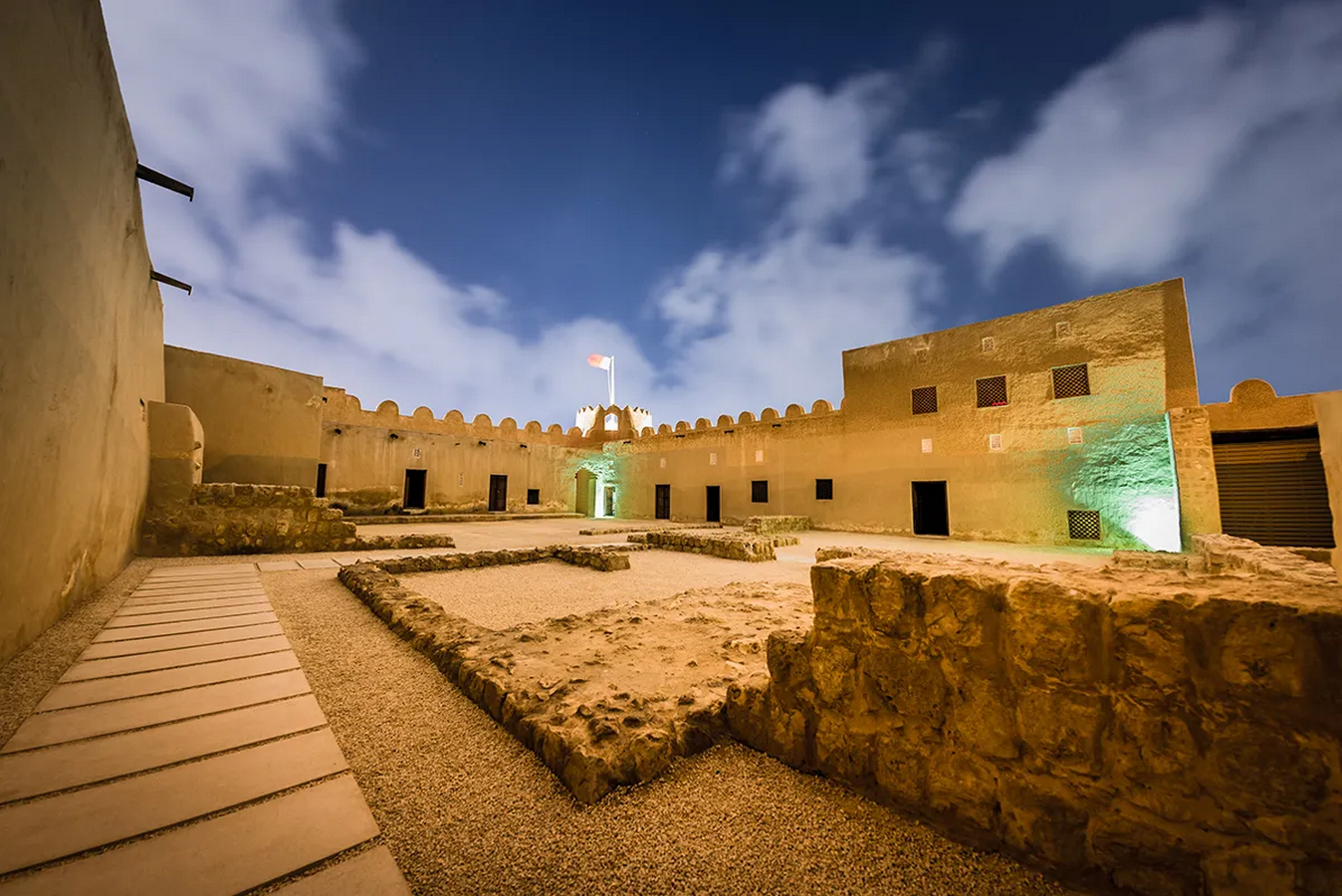
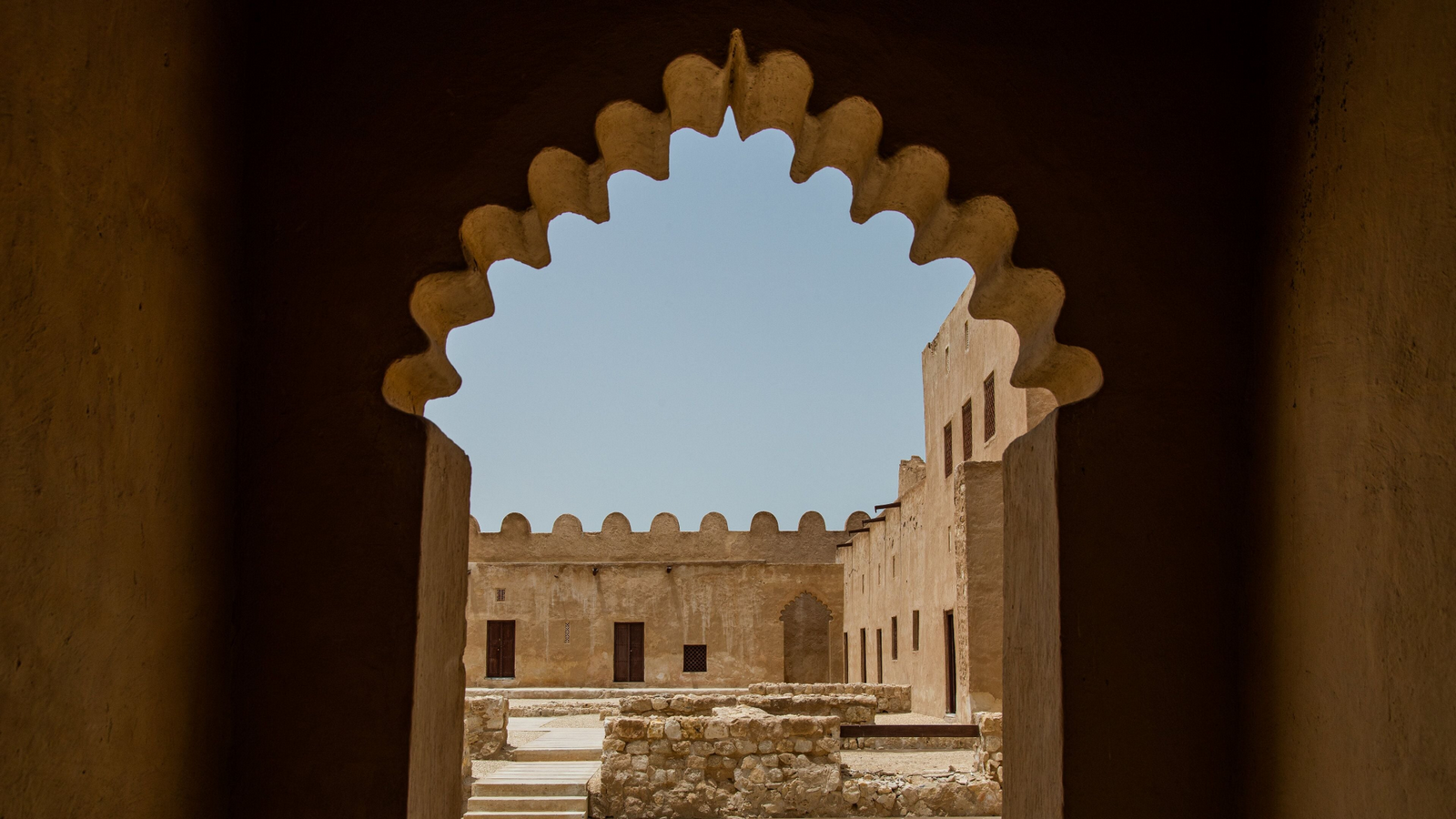
The building design demonstrates connections to Ancient fortification. The building is designed using a defensive approach to design, therefore multiple curved lines create multiple layers of defense that are similar to an ancient stronghold design like Riffa Fort. The designs of the walls are thick, and were built to be tall because some of the material they built the walls with were local rocks as well as stone from the nearby sea/sea bed. By making the walls with a material like this created a thermal barrier to keep heat from entering through the walls. Ancient architects created a way to keep indoor temperature controlled without the use of machines that have been invented since this method was discovered.
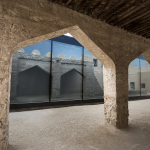
The design connects multiple open areas through a series of courtyards which each serve distinct purposes. The building features both round and square towers at its corners which provide security staff with unobstructed views of their surroundings. People inside the building watch through netted glass panels which protect them while they look outside. Islamic design principles created buildings which protect people while still providing private spaces for their use. Riffa fortified structure presents a distinctive design which stands apart from all other fortified structures located throughout the planet. The structure exudes a residential atmosphere from close range despite appearing tough and unbroken through its exterior.
The Interior Experience and Spatial Organisation
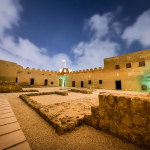
As you enter, you will find an area that serves as a point of entry for all who enter the facility; this area is located at the front of the building and opens directly into the yard (front yard) for those families that lived previously in the enclosed area. The Majlis is designed with two stone walls and a canvas roof where community events were previously held.
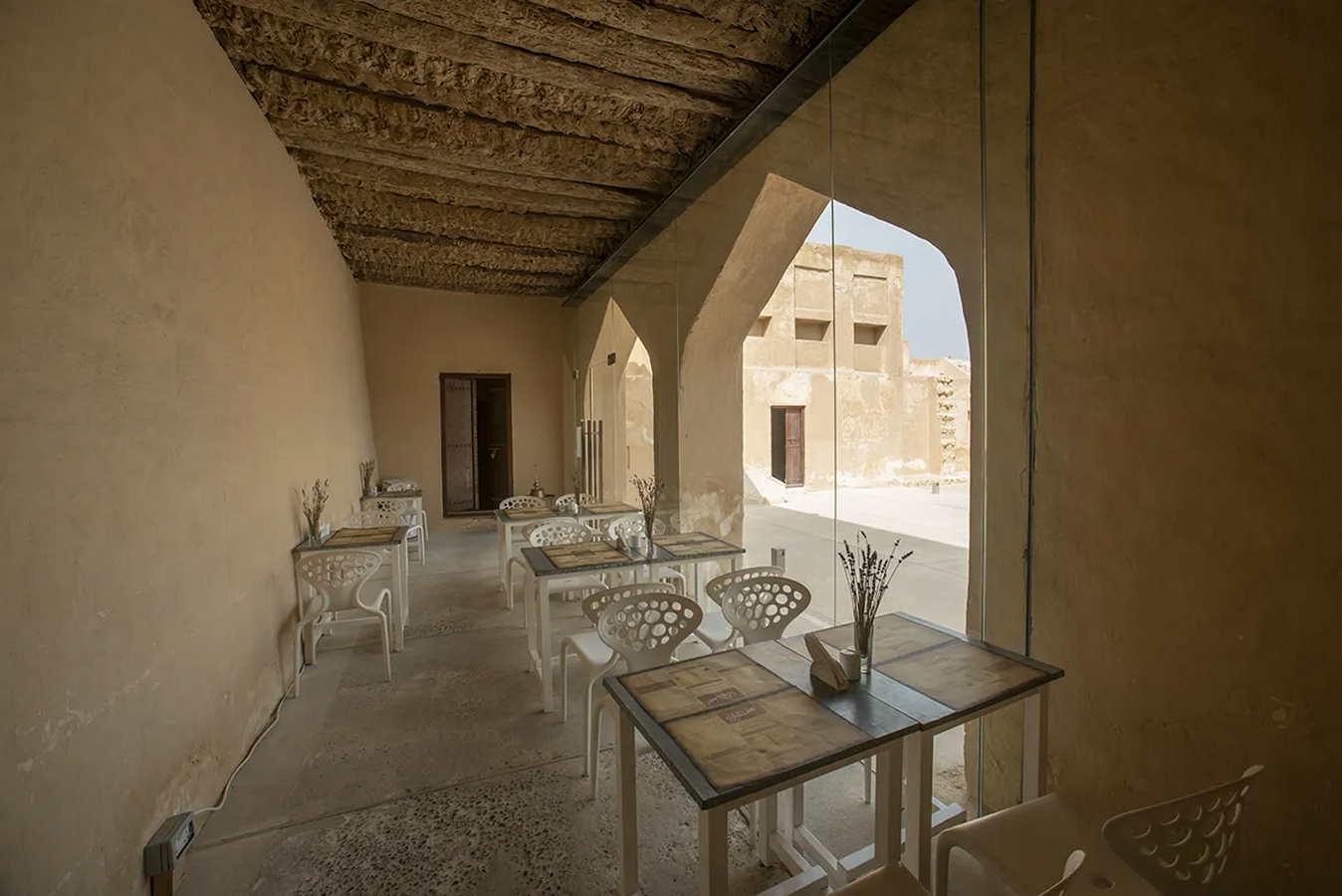
The interior of the building has several paths that get smaller as you go further into the building. The volume of sound decreases as you go through the building, which provides a peaceful, quiet, calm atmosphere. The interior has many small hidden gardens, which serve primarily as places to rest rather than display areas. The transition from wide public paths to very narrow private paths creates a means of non-verbal communication. Throughout the world, the layout of spaces inside a Fort significantly influences how people experience that location. For example, the layout of Riffa Fort has a separate section for state (government) functions and a section for private (home) activities. This same type of layout allows visitors (the public) to enjoy and respect their public identity while they spend their own private time. The layout of the walls guides individuals through the Fort by transitioning them through each area (or function) as they transition from a public (once outside) to a private (inside) area.
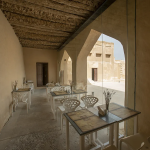
Riffa Fort is known for being home to many rooms that feature timber ceilings made of “chandal” wood that was brought from East Africa. These ceilings symbolize the wealth of those who lived there, as well as the international trade that took place in this area, which makes Riffa Fort’s ceilings reflect such wealth. People have also created a solid, walking path made from compacted earth and hardened plaster throughout this property. Riffa Fort demonstrates that it not only protected against intruders as its original purpose but also provides shelter as an elaborate palace because of its windows decorated with ornate openings and specially-designed door openings. Riffa Fort creates a unique space where individual community members can feel connected through joyful experiences of love and happiness, through shared, personal interaction with one another.
Cultural Importance and Current Use
Riffa Fort has a deep-rooted cultural significance for the people of Bahrain, which transcends the physical nature of its stone walls and the historic dating of the fortification. In an authentic educational capacity, Riffa Fort serves as a living history of how young people in the Bahrain area transitioned from being traditional desert nomads to current, modern-day international citizens in a lack of the standard international history for young citizens to learn about the private heritage that the people of Bahrain know about their forefathers. Thus, Riffa Fort is a one-of-a-kind form of architecture that can be explored in two very different ways; one is as an authentic historical location, and the second is as a modern-day and functional, live museum; in Riffa Fort, individuals can find information about how the Al Khalifa dynasty began with interactive displays of historical experiences between the past and present without being reliant on the traditional types of texts used in standard history books.
A Comparative Perspective on Fortification
Riffa Fort visually shares numerous characteristics that establish a strong relationship with the architectural structure’s completed during similar time frames throughout Oman and United Arab Emirates, but also demonstrates features that establish the fort itself as having a unique identity that is so distinct, it can be defined as an icon of the Kingdom of Bahrain’s culture. The character of Bahrain as an island nation is represented in Riffa Fort’s use of building materials sourced from natural resources located in productively exploiting the ocean waters surrounding the island nations. As elements of a multi-fortified defense system located throughout the Middle East, the elements of Riffa Fort provide insight into the environmental factors used to establish a descending order of construction elements based on the surrounding environment, specifically the construction of Riffa Fort’s fortification walls based on a lack of available freshwater within travelling distance to Riffa Fort to determine the thickness of Riffa Fort’s walls; the effect of excessive ambient heat transmitting solar energy on the orientation and design of courtyards around Riffa Fort to provide cross-flow and passive thermal cooling in the interior courtyards of Riffa Fort during day-time hours.
The defensive system of the Fort utilizes the natural landform and geological features to reinforce the fort’s defenses. Using the cliff face and visibility from a desert (on a clear night), Riffa was able to build its defenses and `moats’ in much the same manner that it was done by European castles. Throughout history, the most successful Forts operated because their designs incorporated natural features for use in constructing their defensive systems. Visitors to Riffa Fort can see how architectural design is always interacting with the natural world, and that Riffa Fort was designed not only for protection against human adversaries, but also from nature. Riffa Fort stands today, still surviving after thousands upon thousands of years of devastating sandstorms and scorching sun.
The Enduring Legacy of Riffa
Riffa Fort is a beautiful example of the blending of the historical aspects of a building with both its artistic features and the military techniques used in that time period. This fort embodies the true essence of the Bahraini people and their nation because the structure continues to serve as a monument to all of the things in the past that make the country successful today. The architectural skill of this building can be seen in the coral walls that have been constructed as well as in its ideal physical location which creates many ideal designs for current architects who are trying to develop environmentally sound construction projects. Riffa Fort is an example of an important part of Bahrain’s history and contributes to the continued evolution of the nation throughout its history.