A Palace of Power, Waterfront Majesty, and Cinematic Immortality in Maharashtra
The Krishna River Whispers History
If you stand on the banks of the Krishna River near Wai in Maharashtra’s Satara district, and listen carefully, you hear something more than water flowing over ancient stones. You hear the echo of a man who changed the course of Maratha history through intelligence and vision, leaving behind him an architectural legacy few can comprehend. The Nana Fadnavis Wada, nestled in the village of Menavali, is not merely a building. It is a physical manifestation of Enlightenment thinking applied to Indian administration, a structure that speaks volumes about power, security, governance, and the relationship between a leader and his people.
Most heritage structures tell stories of conquest or conquest resisted. This one tells something rarer. It tells the story of a statesman who understood that architecture could be a tool of governance, that the spaces we design reflect the values we hold, and that permanence could be achieved through thoughtfulness rather than mere fortification. And it tells another story too: the story of how a four-hundred-year-old riverfront has become a stage for contemporary cinema, where the past and present dance together in perpetual conversation.
The Architect of Revival
Balaji Janardan Bhanu was born in 1742 in Satara, a modest Brahmin child whose family had migrated from the coastal town of Shrivardhan. History records him as Nana Fadnavis, though his contemporaries knew him by more formidable epithets. The British, who ultimately feared him more than they respected him, called him the Maratha Machiavelli. This comparison, while reductive, captures something true: he was a man who understood power not through the barrel of a gun, but through the architecture of administration.
In 1773, following the assassination of Peshwa Narayanrao, Nana found himself navigating catastrophe. The Maratha Confederacy, that sprawling network of warrior families united under the Peshwa banner, was fragmenting. Competing claims to power, internal rivalries, and the ever-present threat of external enemies created a state perpetually on the edge of collapse. The death of the young Peshwa, murdered in political intrigue, left a posthumous heir, Madhavrao II, an infant incapable of rule. Rather than seizing power outright, Nana devised something innovative for the 18th century: the Barbhai Council, a twelve-member regency body that would collectively govern on behalf of the young heir. This was political wisdom of the highest order, a system designed to prevent any single individual from consolidating power whilst maintaining the appearance of legitimate succession.
For nearly three decades, Nana managed the affairs of the Maratha Confederacy through intelligence, diplomacy, and strategic insight. He fought the British twice and survived. More importantly, he held together a fragmenting empire through sheer intellectual force. In 1768, as recognition of his services to the Maratha cause, Nana received the village of Menavali as a personal grant from Bhavan Rao Trymbak Pant-Pratinidhi of Aundh and Raghunath Ghanshyam Mantri of Satara. The village, located approximately three kilometres from Wai, occupied a strategic position on the banks of the Krishna River. For a man of Nana’s intellectual stature, a village was not merely property. It was a canvas upon which to paint a vision of how civilisation should be organised.
The Wada: Architecture as Political Governance
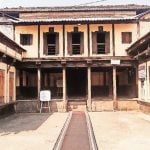
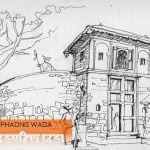
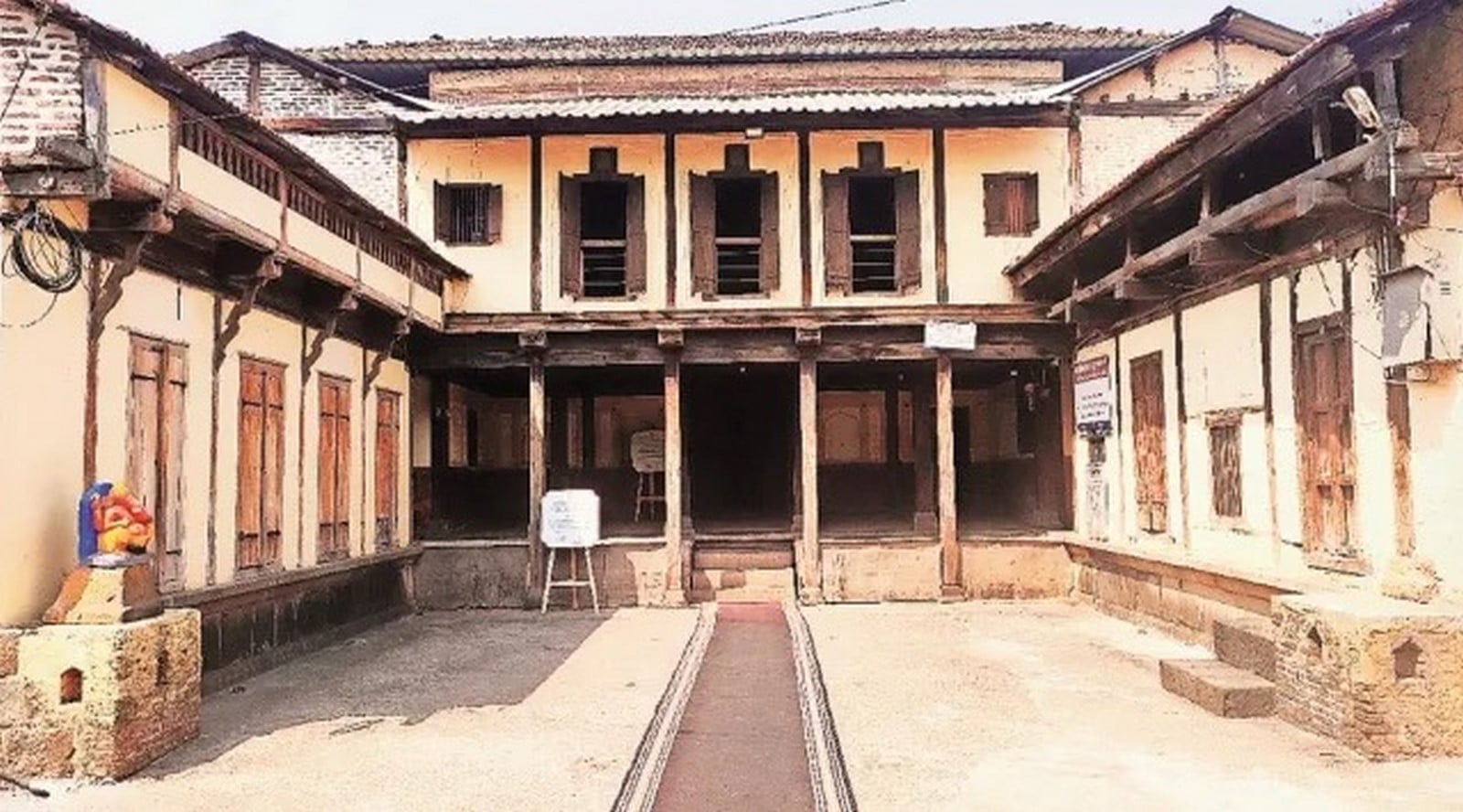
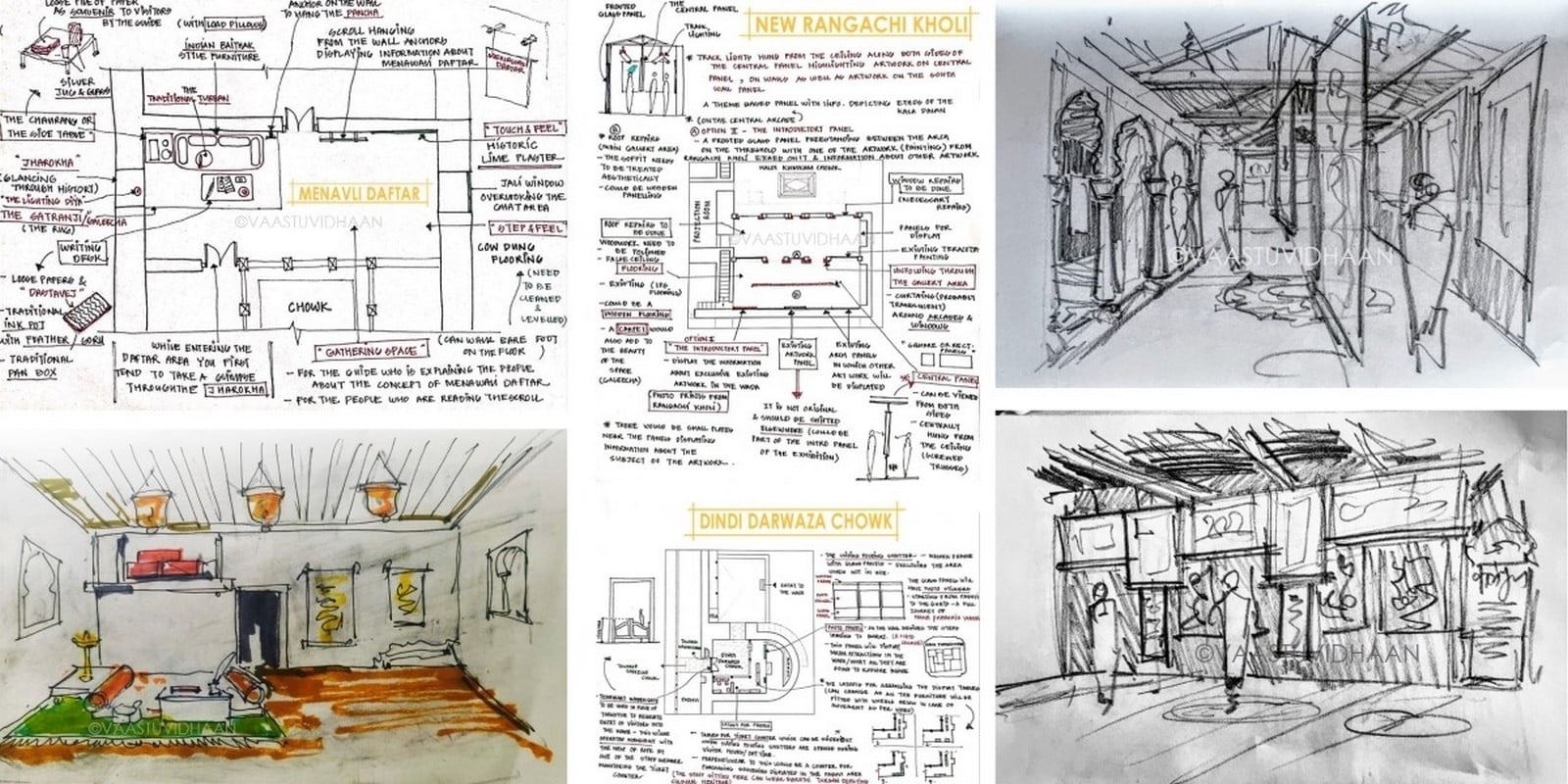
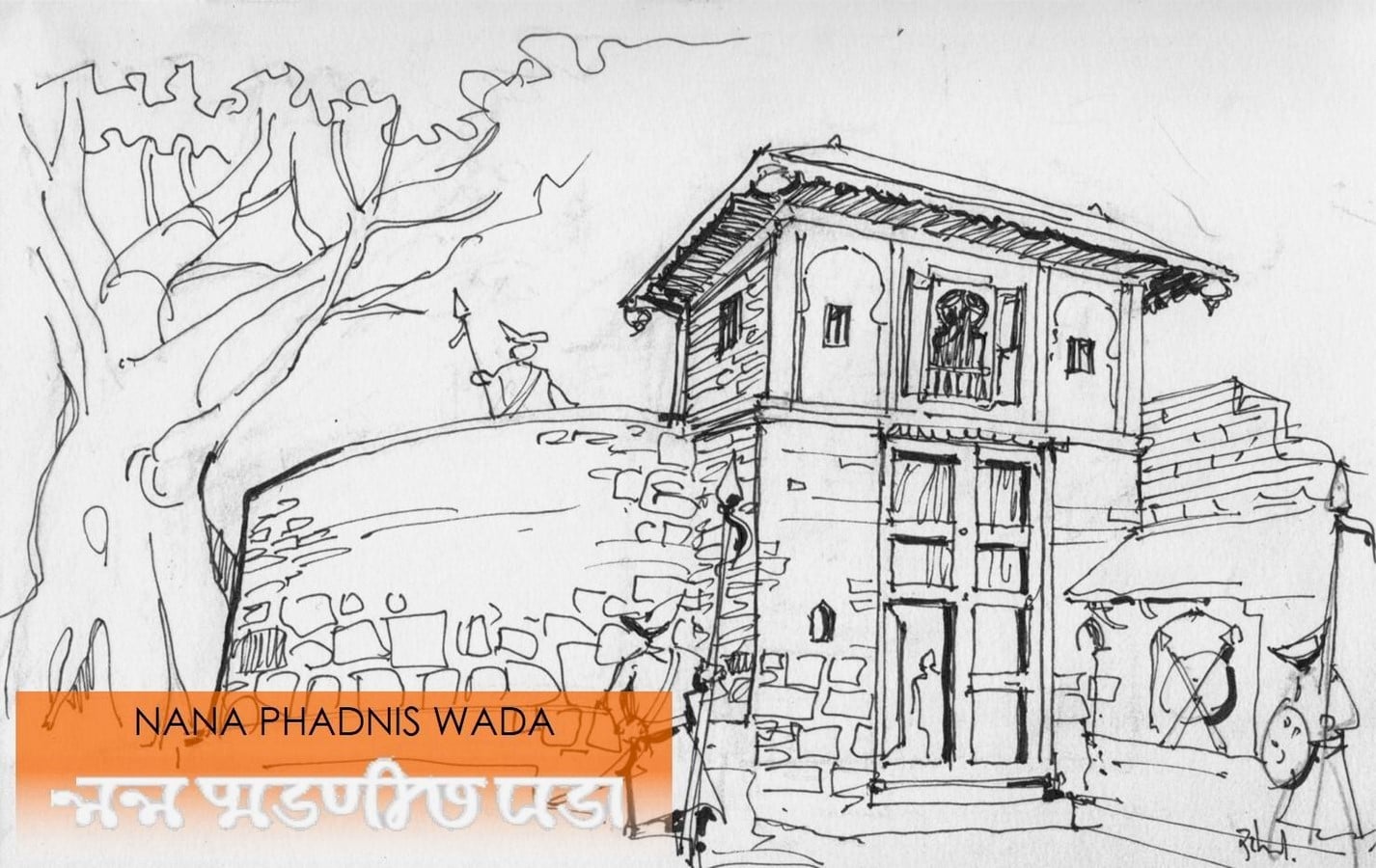
During the 1770s, Nana embarked on a construction project of extraordinary ambition. He would build not merely a residence, but an integrated complex embodying his philosophy of governance. The result was the Nana Fadnavis Wada, completed around 1780, an architectural achievement so sophisticated that it remains largely unique in Maharashtra. The wada is not what most people expect when they hear the term palace. There is no ostentatious exterior, no grand façade announcing to the world the importance of its inhabitant. Instead, the structure presents itself as a fortress, a statement that security and strategic positioning matter more than aesthetic flourish. This restraint is itself a form of eloquence.
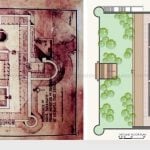
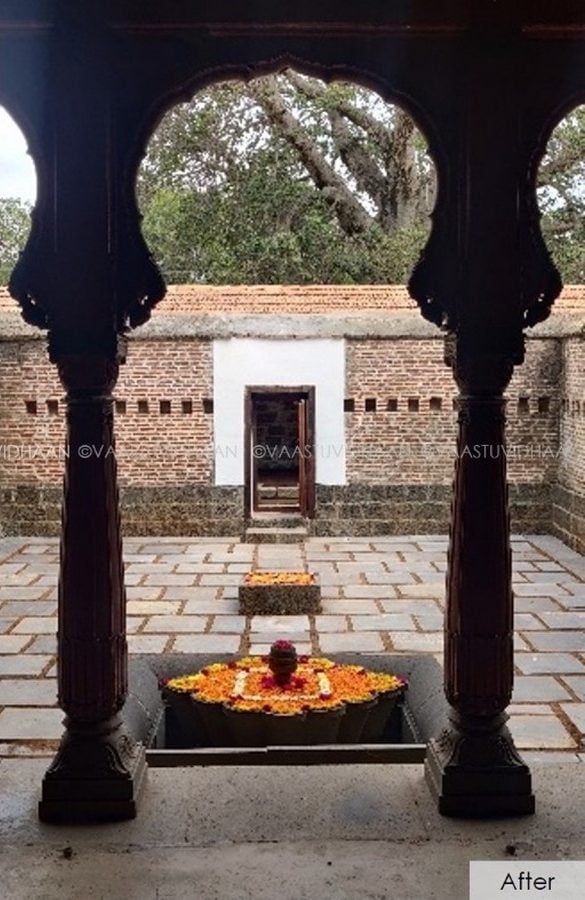
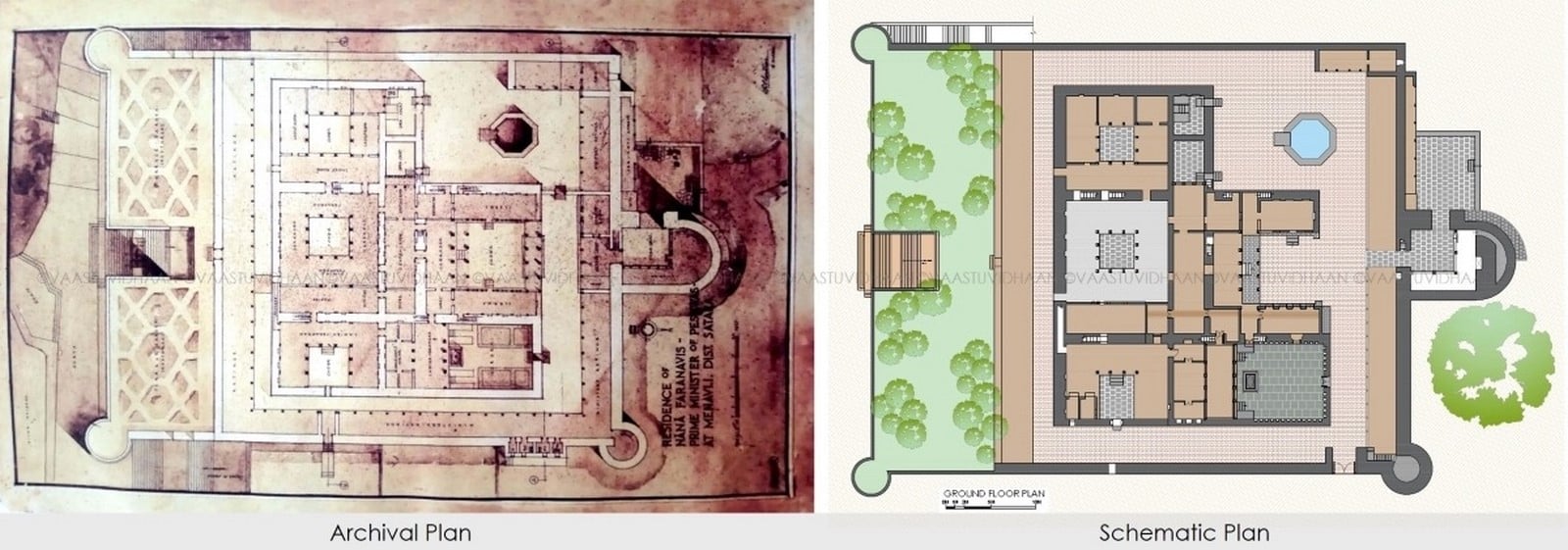
The defining feature of the wada is its six quadrangular courtyards arranged within a heavily fortified perimeter wall. Each courtyard serves a distinct purpose within a carefully hierarchical system. The outermost courtyard functions as a public reception area, where visitors and petitioners would be received. Beyond this, access became increasingly restricted. A second courtyard admitted trusted guests and officials. The innermost courtyards served the family and immediate household. This arrangement reflects a sophisticated understanding of security and access control.
A visitor to the wada would find themselves moving through successive gates and courtyards, each controlled by guards and officials. Nowhere could an intruder or assassin move unobserved. Yet the system was not paranoid; rather, it was functionally elegant. The multiple courtyards meant that daily life could proceed in the inner sanctums whilst official business transpired in the outer zones. The structure itself enforced the boundaries between public and private, between the administrative role Nana inhabited and the domestic life he lived.
Materials and Construction: Marrying Earth and Wood
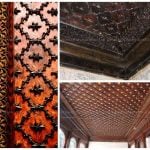
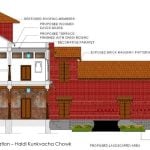
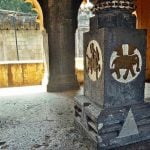
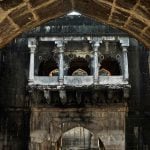
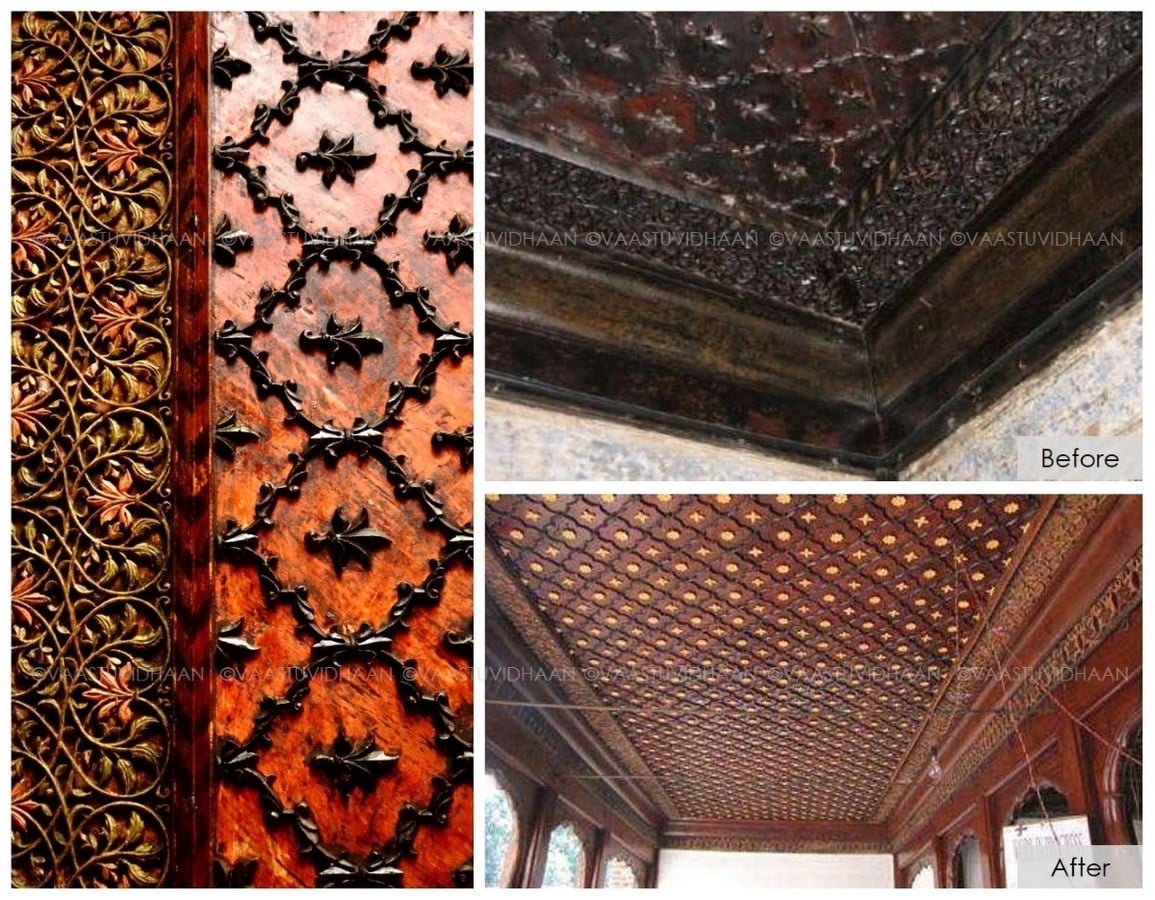
The Nana Fadnavis Wada is constructed using materials available in the region during the 18th century. A stone plinth, elevated above ground to protect the structure from water damage and provide psychological height, supports the main building. Upon this plinth rises a two storey structure consisting of brick walls, bound with lime mortar, and infilled with dried mud and hay for insulation. The roofs employ wooden trusses covered with tiles, a technology perfected over centuries in Western India. What elevates the wada beyond mere functional building is the extraordinary craftsmanship in its timber work. The wooden ceilings feature intricate carved designs that speak to the carpenter’s skill. Cypress pillars support cusped arches characteristic of Maratha architectural tradition. Every wooden element was hand-finished, each joint crafted with precision.
The choice of materials speaks to environmental sophistication. Stone and brick provide thermal mass, moderating temperature fluctuations. The lime mortar, though softer than modern cement, allowed the structure to breathe, preventing moisture accumulation that would damage the timber
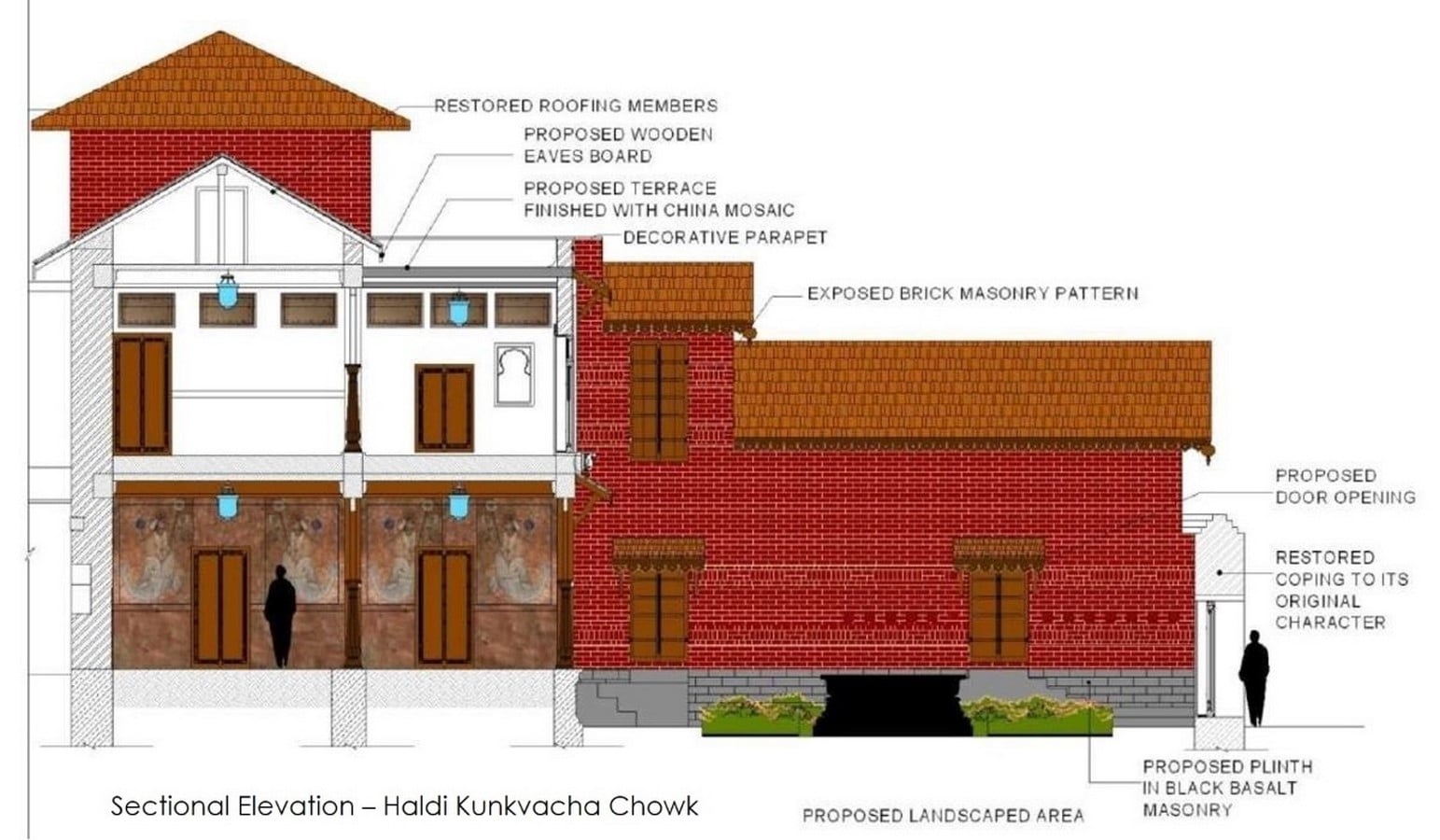
frame. The central courtyards, open to the sky, provided natural ventilation and light, reducing the need for artificial illumination. Two hundred and fifty years after its construction, the wada remains structurally sound, testament to the quality of initial construction and the rightness of material choices.
Menavali Ghat: The Sacred Waterfront Stage
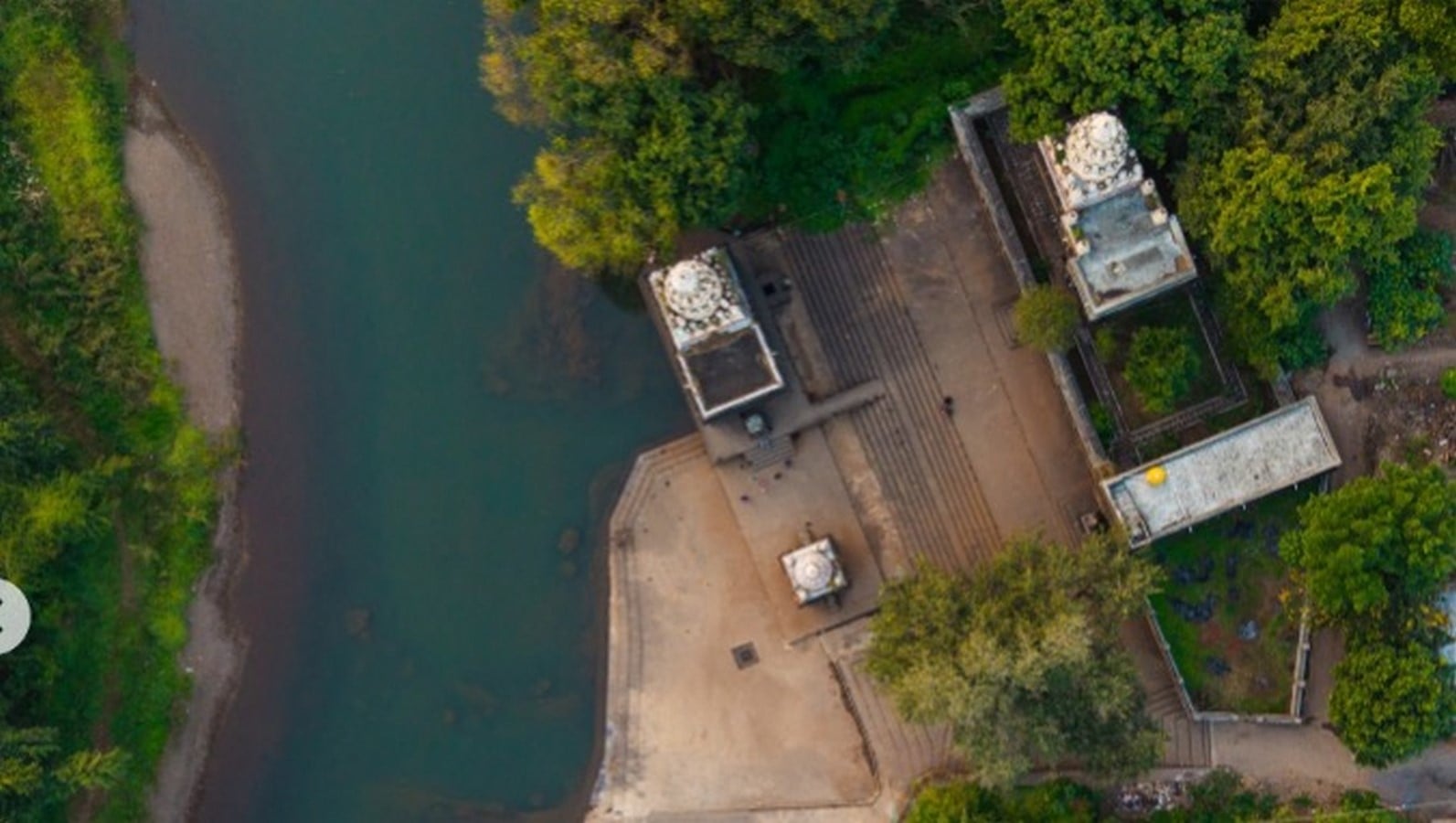
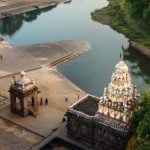
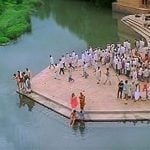
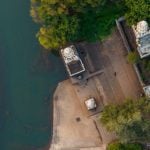
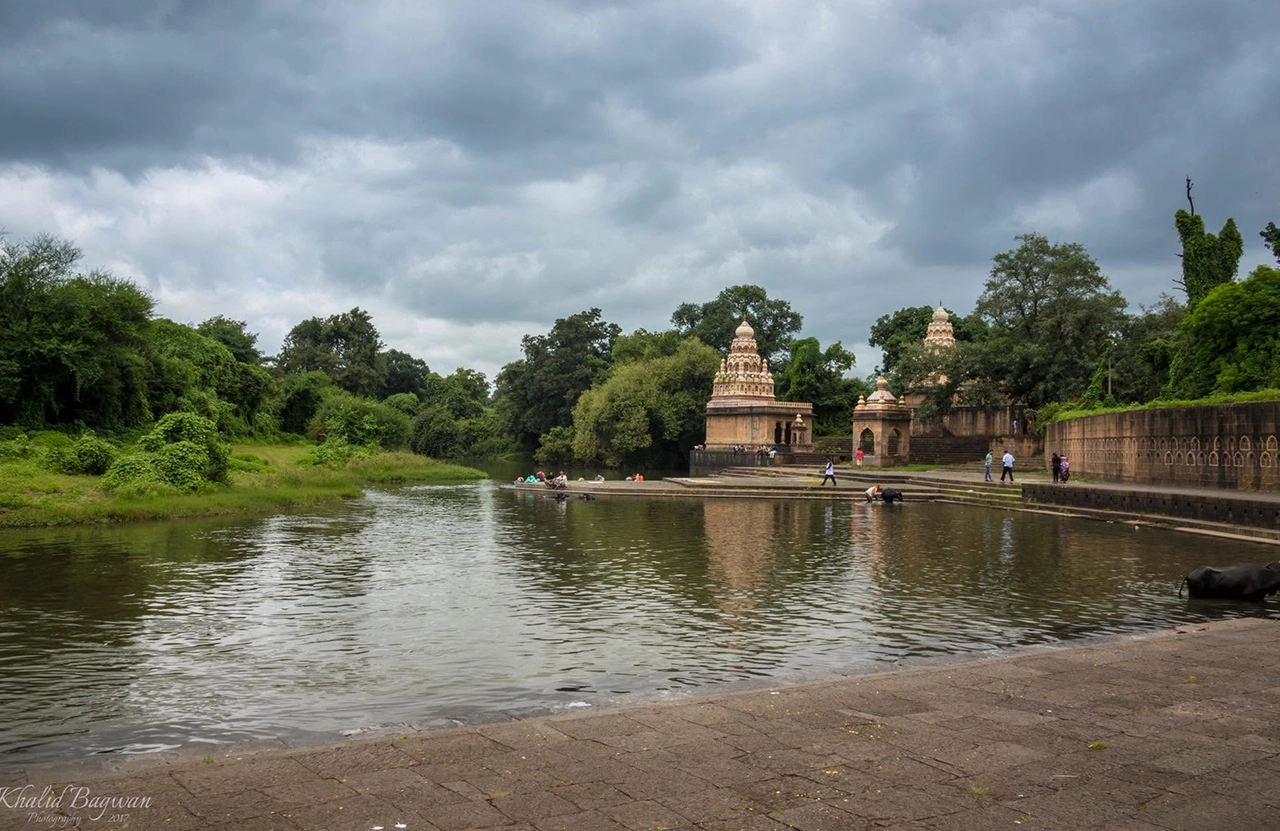
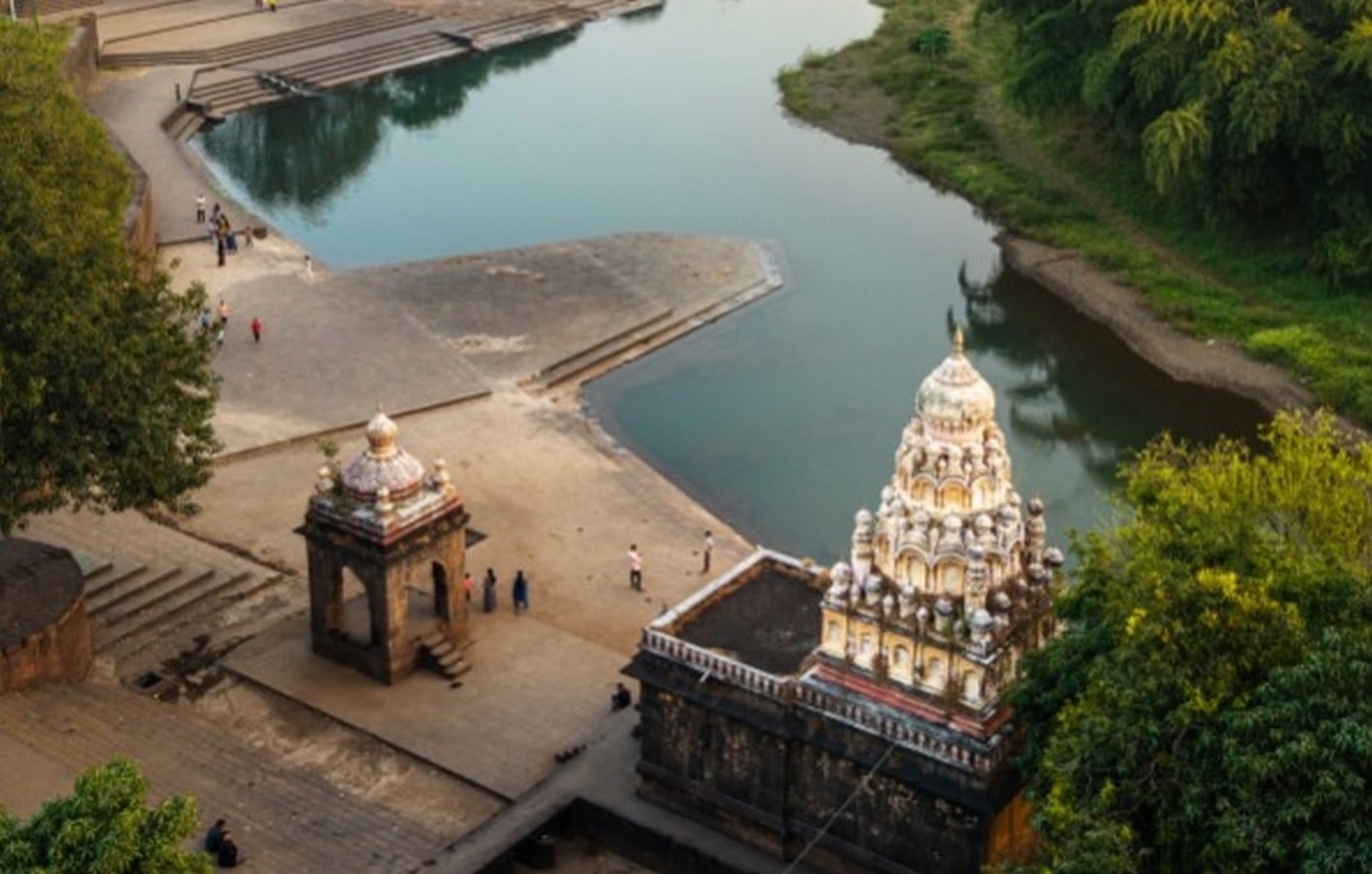
Where the Nana Fadnavis Wada represents administrative governance, the Menavali Ghat expresses something equally profound: the integration of civic life with sacred geography, of spiritual practice with community ritual. The ghat itself is a masterpiece of thoughtful design, a series of elaborately arranged stone terraces descending to the Krishna River. Unlike simple stone steps that might merely provide access to water, the Menavali Ghat evolved into an architectural composition with distinct, purposeful zones. Each terrace or level serves a specific function.
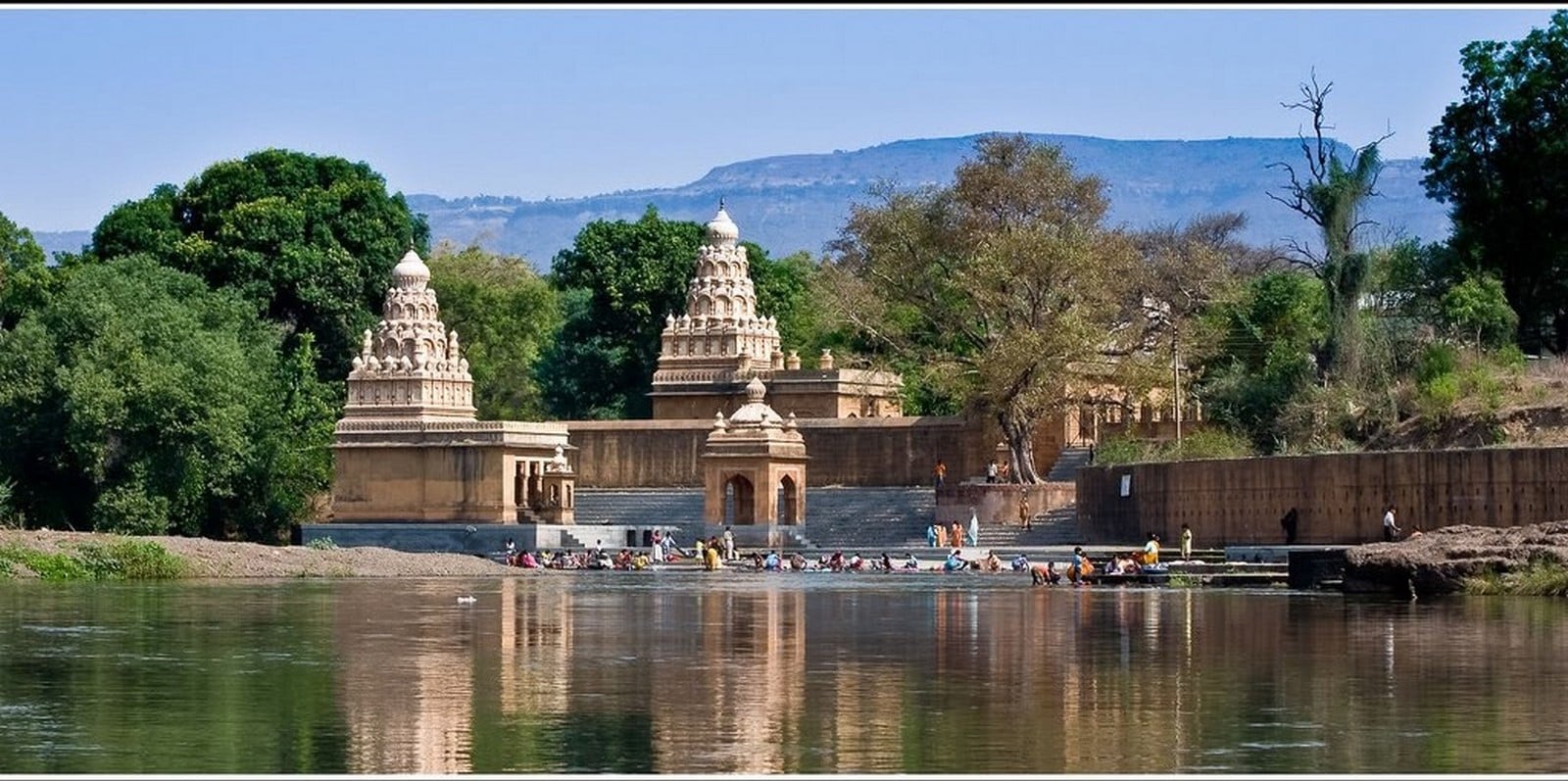
The upper terraces, closest to the wada and temples, functioned as ritual and ceremonial spaces where priests could perform religious rites and initiates could gather for spiritual purposes. As one descended, the terraces opened into areas designated for bathing, where community members could ritually purify themselves in the sacred river. Further down lay dedicated zones for washing clothes, their broad flat surfaces and proximity to water perfect for laundry work. The lower terraces served water collection, where vessels could be filled for domestic use and ritual purposes. This hierarchical arrangement was not arbitrary. It reflected Hindu sacred geography, where proximity to the river varied according to the spiritual significance of different activities.
The ghat’s architectural arrangement demonstrates profound understanding of how humans interact with water. The multiple levels accommodated seasonal variations in river height, ensuring access even during low water periods. The stepped design, rather than single-level approach, created opportunities for lingering and observation. Someone descending could pause at different levels, adjusting to the changing temperature of deeper water before full immersion. The ghat transformed a simple hydrological necessity into an extended ritual procession.
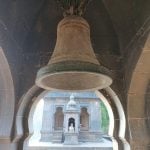
Perhaps the most captivating feature of the Menavali Ghat is the Portuguese bell, a massive bell housed in a dedicated bell tower near the Meneshwar Temple. This is not merely a decorative element but an artefact of history transformed into devotional symbol. The bell was captured in 1739 by Chimaji Appa, the brilliant military commander and younger brother of Peshwa Baji Rao I,
during the siege of Vasai Fort (then Bassein), the last major Portuguese stronghold in India. The Portuguese had controlled this coastal fort for over two hundred years, and its conquest represented a watershed moment in Maratha expansion and the diminishment of European power in India.
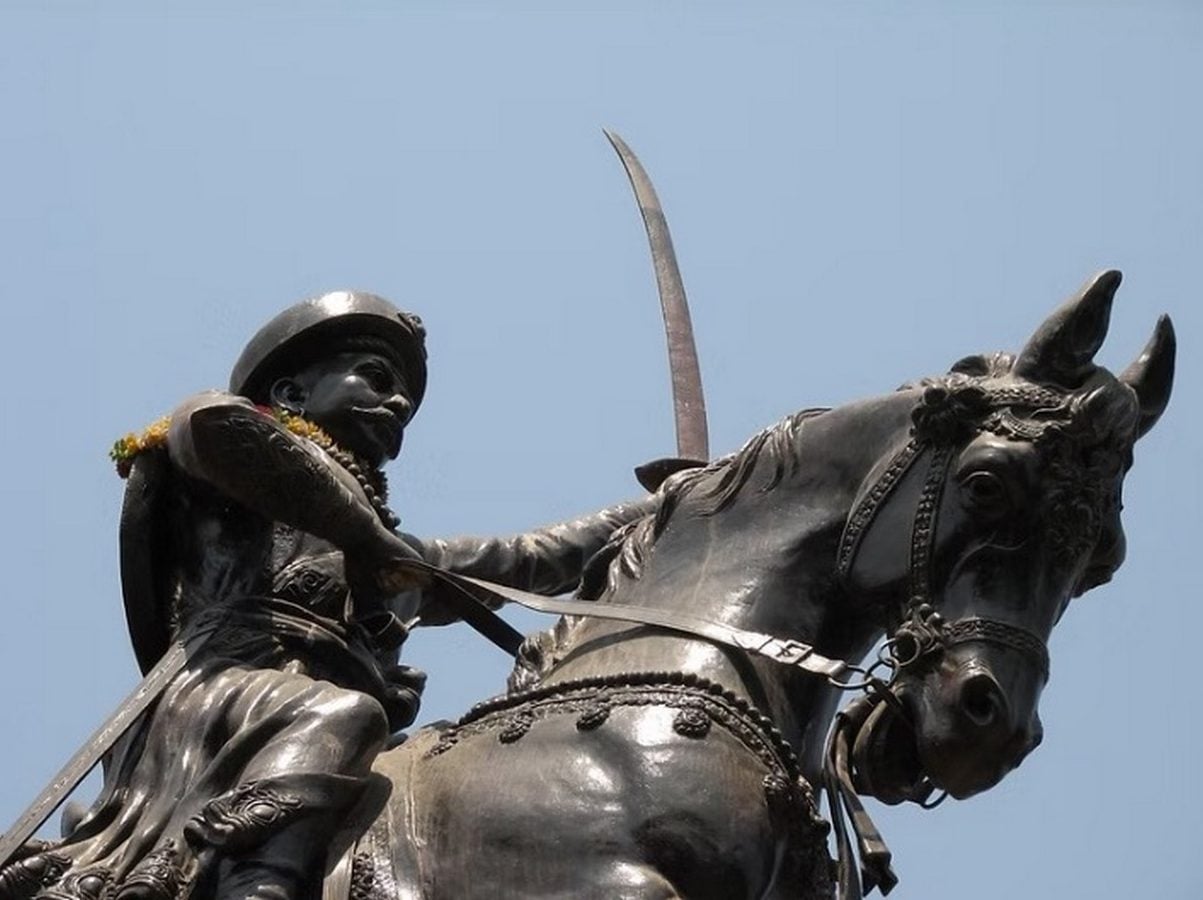
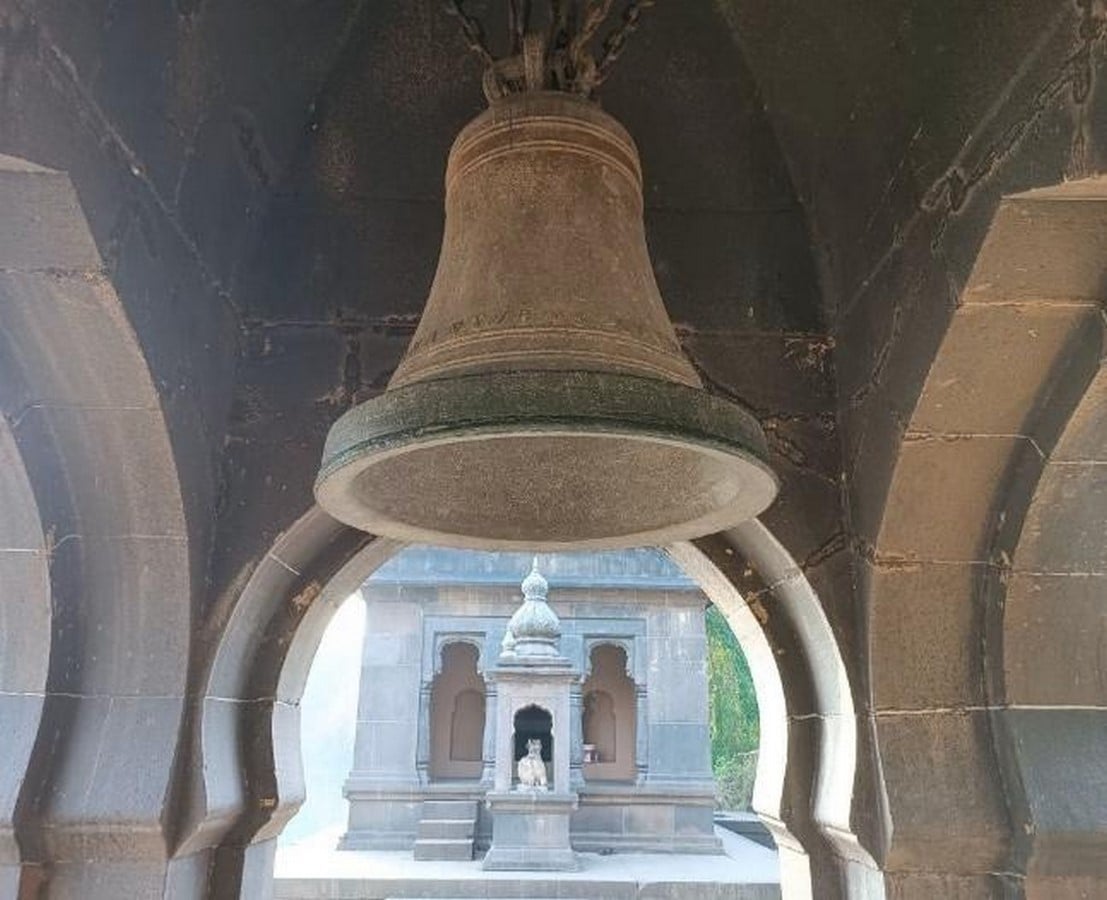
Following the victory at Vasai, Chimaji Appa collected five large bells from the Portuguese churches within the fort and distributed them to Hindu temples across Maharashtra as war trophies and devotional offerings. One bell went to Bhimashankar, another to the Omkareshwar Temple in Pune, others to temples at Shirur and Valsad. The bell at Menavali Ghat, weighing approximately 650 kilograms and cast from five different metals, represents something extraordinary: the transformation of a symbol of foreign domination into an instrument of indigenous spiritual practice. Every time this bell rings, it announces not merely the start of a ceremony but the triumph of an empire, the reclamation of territory from colonial powers, and the restoration of spiritual sovereignty.
Sacred Temples and Spiritual Governance
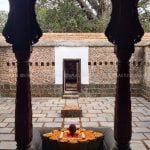
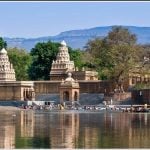
Two temples stand as sentinels at the Menavali Ghat, their presence completing Nana Fadnavis’s vision of integrated governance. The Meneshwar Temple, dedicated to Lord Shiva, is the more prominent structure. The name Meneshwar itself is a regional variant of Maheshwar, or Mahadeva, another name for Shiva. The temple features stone architecture characteristic of Maratha temple construction: well-proportioned pillars, carved doorways, and a peaceful riverside setting. The temple houses not only the Portuguese bell but also, according to local tradition, a Swayambhu idol of Lord Shiva, an idol said to have formed naturally rather than being carved or installed by human hands. This addition of a natural idol, combined with the war trophy bell, creates a layering of meanings: divine spontaneity alongside human agency, nature alongside craftsmanship, eternal principles alongside historical contingency.
The second temple, dedicated to Lord Vishnu, stands nearby with equal architectural care. Together, these two temples honoring Shiva and Vishnu, Shaivism and Vaishnavism, suggest Nana Fadnavis’s commitment to an inclusive spiritual governance that transcended sectarian boundaries. The Mahashivaratri festival, celebrated here annually, was originally instituted by Nana Fadnavis himself. In recent years, this festival has been revived, bringing the community together in collective spiritual practice and pilgrimage. The festival honours not only the deity but also the legacy of enlightened administration that Nana represented.
The Ghat as Cinematic Canvas: Hollywood Discovers History
In recent decades, the Menavali Ghat has achieved a form of immortality through cinema. The ghat has become one of the most frequently used filming locations in Indian cinema, a place where Bollywood directors have discovered the perfect backdrop for narratives exploring Indian identity, rural authenticity, and historical drama. This cinematic fame has introduced the ghat to audiences far beyond Satara district, transforming it into a location recognisable to millions.
The list of major productions shot at Menavali Ghat reads like a retrospective of contemporary Indian cinema. Ashutosh Gowarikar’s Swades (2004) featured the iconic Ram Leela sequence here, with Shah Rukh Khan participating in a kushti wrestling sequence on the ghat’s terraces. A helicopter filmed aerial shots of Khan seated amongst local residents who appeared as junior artistes. Gowarikar’s film crew spent seven months in the area, not merely filming but investing in the community, which generated considerable local employment and interest.
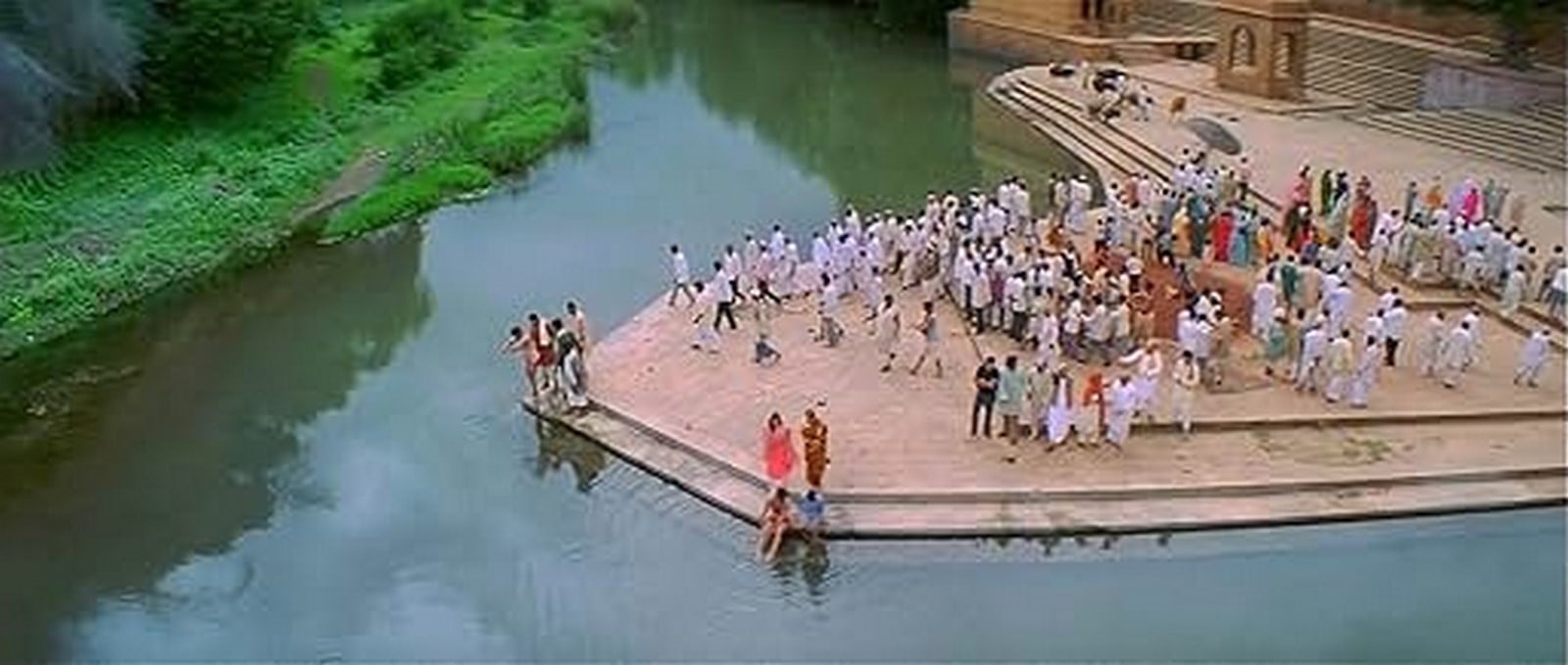
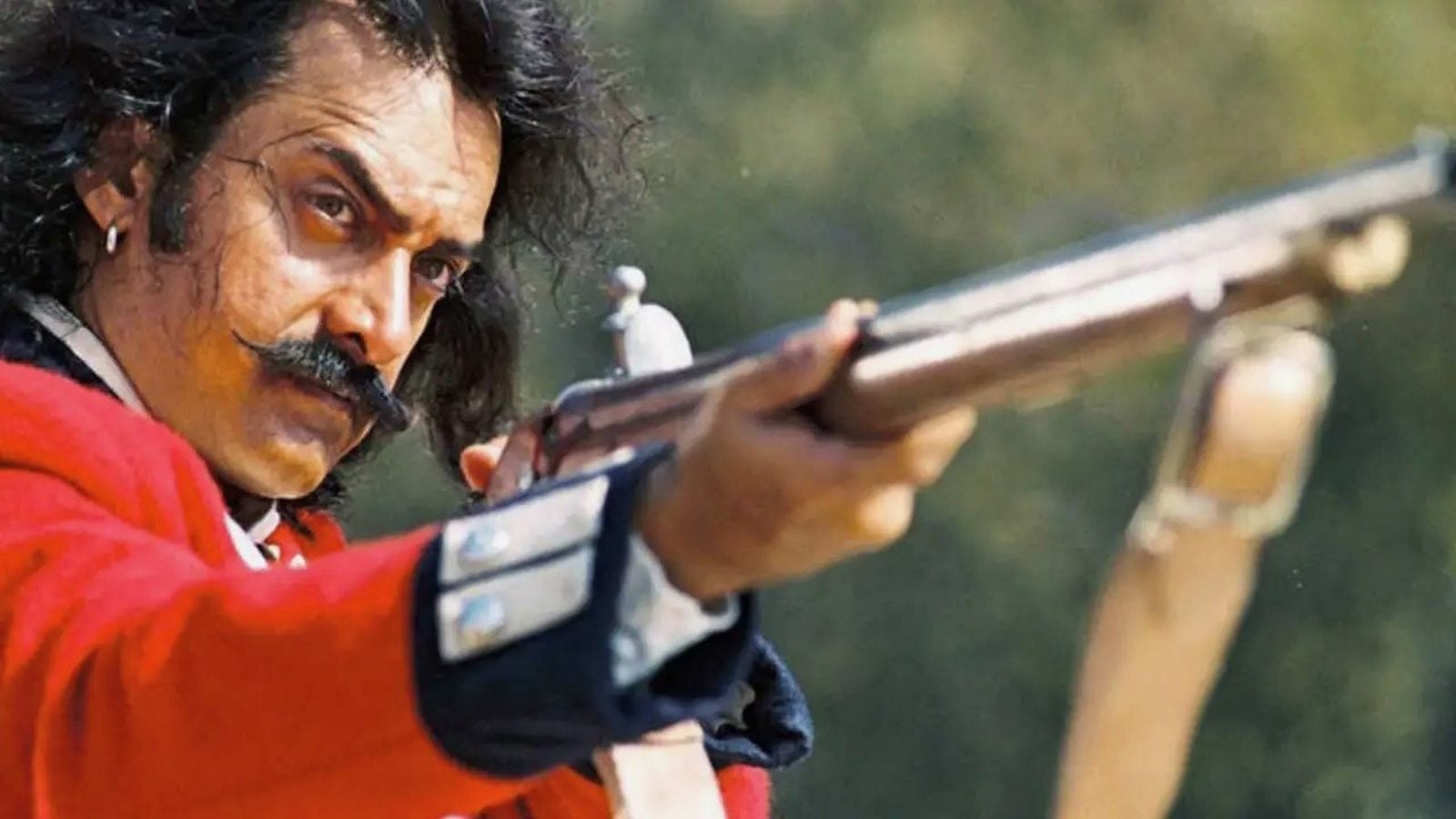
Following Swades, the ghat became a favoured location for filmmakers seeking authenticity. Aamir Khan’s Mangal Pandey: The Rising (2005) opens with sequences filmed at the ghat, giving Menavali Ghat pride of place in a period drama exploring an earlier moment of Maratha and Indian history. Vishal Bhardwaj’s Omkara (2006) and Prakash Jha’s Gangajal (2003) both utilised the ghat’s remarkable composition. Rohit Shetty’s Bol Bachchan (2012) filmed elaborate comedy sequences here. Salman Khan’s Dabangg (2010) featured the famous song Hud Hud Dabangg shot at the ghat. Later productions including Chennai Express and Bajirao Mastani continued the tradition.
These films, reaching audiences of millions, have introduced the Menavali Ghat to a global consciousness. The ghat’s appearance in Swades, a film about Indian identity and the diaspora’s relationship to homeland, transformed it into a symbol of authentic India. Film enthusiasts visiting the ghat often recall specific scenes they witnessed on screen. The architecture that Nana Fadnavis designed for governance and spiritual practice has become a stage for contemporary narratives exploring what India means, who belongs to India, and how India understands itself.
The film crews who came to shoot at Menavali Ghat often left their mark beyond mere photography. During Swades production, the crew cleaned and painted the old stone walls of the ghat and temples, effectively undertaking preservation work. This inadvertent conservation effort, undertaken for cinematic purposes, has actually extended the lifespan of structures that might otherwise have continued deteriorating. The ghat has become a place where commerce and preservation, entertainment and heritage, modernity and tradition negotiate with one another in perpetual dialogue.
The Natural Landscape: Trees, Birds, and Environmental Poetry
Beyond the architectural achievements and cinematic fame, the Menavali Ghat possesses natural beauty that completes its character. The ghat is surrounded by ancient trees, creating a canopy that filters sunlight and creates cool microclimates. Most remarkably, the area hosts a rare African Baobab tree, a species native to the African continent but occasionally found in South Asian botanical collections. This tree, known locally as the Gorakh Chinch, represents either a historical botanical exchange from the Mughal era or an intentional horticultural choice by someone seeking to cultivate exotic species.
The river itself supports a diverse bird population. Kingfishers are frequently observed diving into the Krishna River in pursuit of fish, their aerial acrobatics creating moments of unexpected beauty amidst the sacred setting. The varied avifauna transforms the ghat into a birdwatcher’s paradise, particularly during migratory seasons when species from across the Himalayan range and beyond descend to exploit the river’s abundance. The bird populations, invisible in architectural plans yet essential to the ghat’s character, remind us that human-designed spaces exist within larger ecological systems.
The Integrated Complex: Wada, Ghat, and Temple United
What distinguishes the Nana Fadnavis complex from other Peshwa-era structures is its integration of three distinct but profoundly complementary architectural elements. The wada represented administrative authority and secular governance. The ghat represented connection to the land, to sacred geography, and to communal practice. The temples represented the spiritual and moral foundation upon which good governance must rest. Together, these three elements articulated a complete vision of enlightened rule: power exercised through accessible infrastructure, grounded in spiritual values, and subject to the dharmic principles that Hindu governance tradition emphasised.
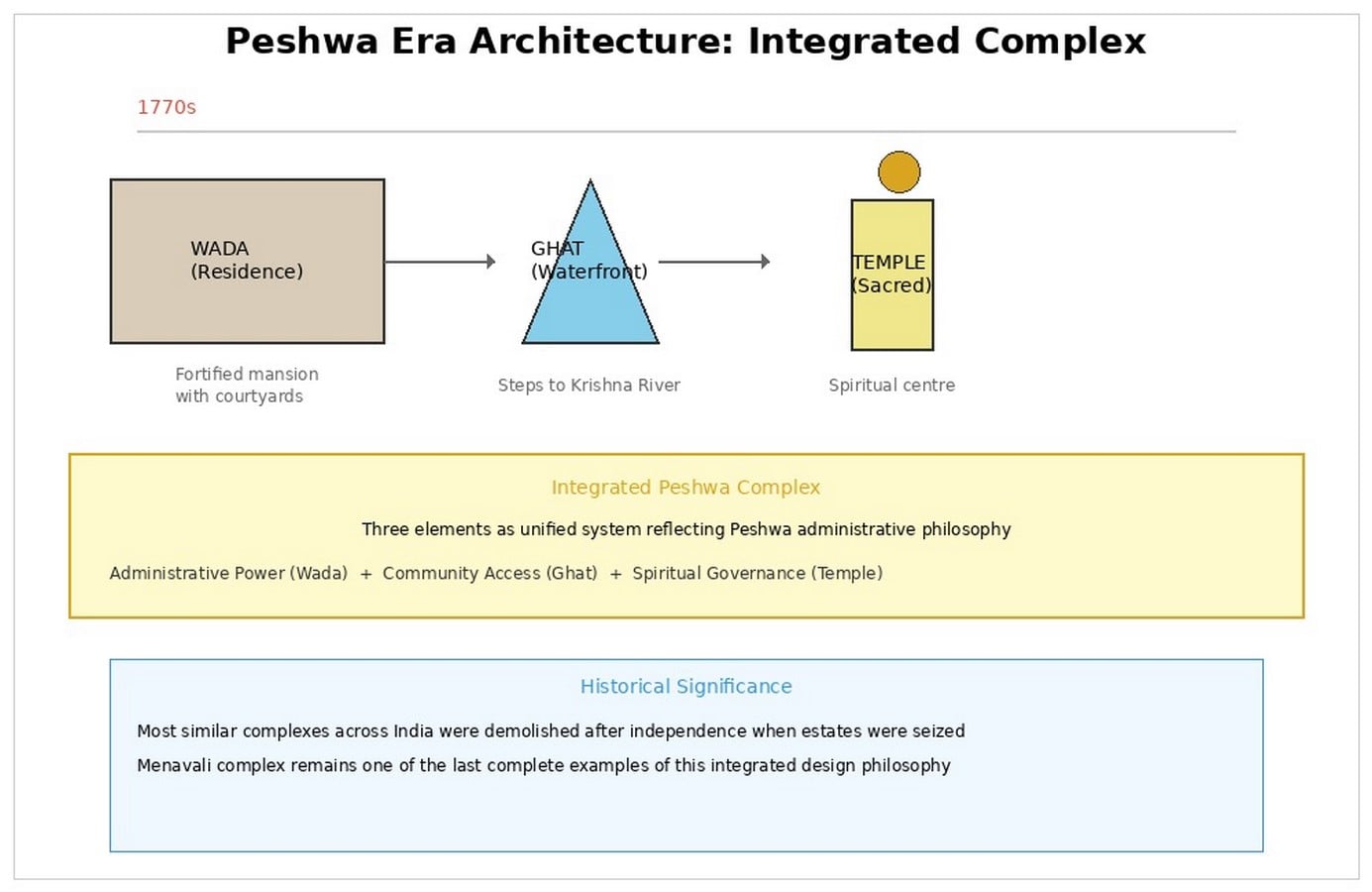
The architectural combination of a wada-type residence, a ghat on a waterbody, and temples was characteristic of Peshwa-era thinking. Most such palatial structures fell into disuse and disrepair after independence in 1947, when lands and estates of nobles were seized by the government. The Nana Phadnavis Wada on the banks of the Krishna River at Menavali remains one of the very rare places where such a complete combination is preserved intact, functioning as a living archive of an entire historical era.
Preservation, Access, and Contemporary Significance
Today, the Nana Fadnavis Wada exists in a curious state between private residence and public monument. The descendants of Nana Fadnavis retain ownership and continue to occupy portions of the complex. However, recognising the historical importance of the structure, they permit limited public access. Visitors can observe the wooden ceilings, the carved pillars, the courtyard arrangements, and gain a sense of how this remarkable 18th-century administrator lived and worked. The ghat remains more accessible, open twenty-four hours as a public space for pilgrimage, ritual, and recreation.
The wada has become a location for Bollywood film shoots, its authentic period architecture lending credibility to historical dramas and regional narratives. More importantly, it has become a destination for architecture students, historians, and those interested in understanding how the Maratha administrative system functioned. The building itself is a text one learns to read through careful observation. In recent years, efforts have been made to document and study the wada’s architectural features. The Mahashivaratri festival has been revived, bringing community to the complex and maintaining its role as a sacred site. The ghat continues to function as a place of pilgrimage and ritual, its stone steps worn smooth by centuries of worshippers’ feet.
Comparative Architecture: Baramotichi Vihir as Regional Context
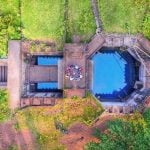
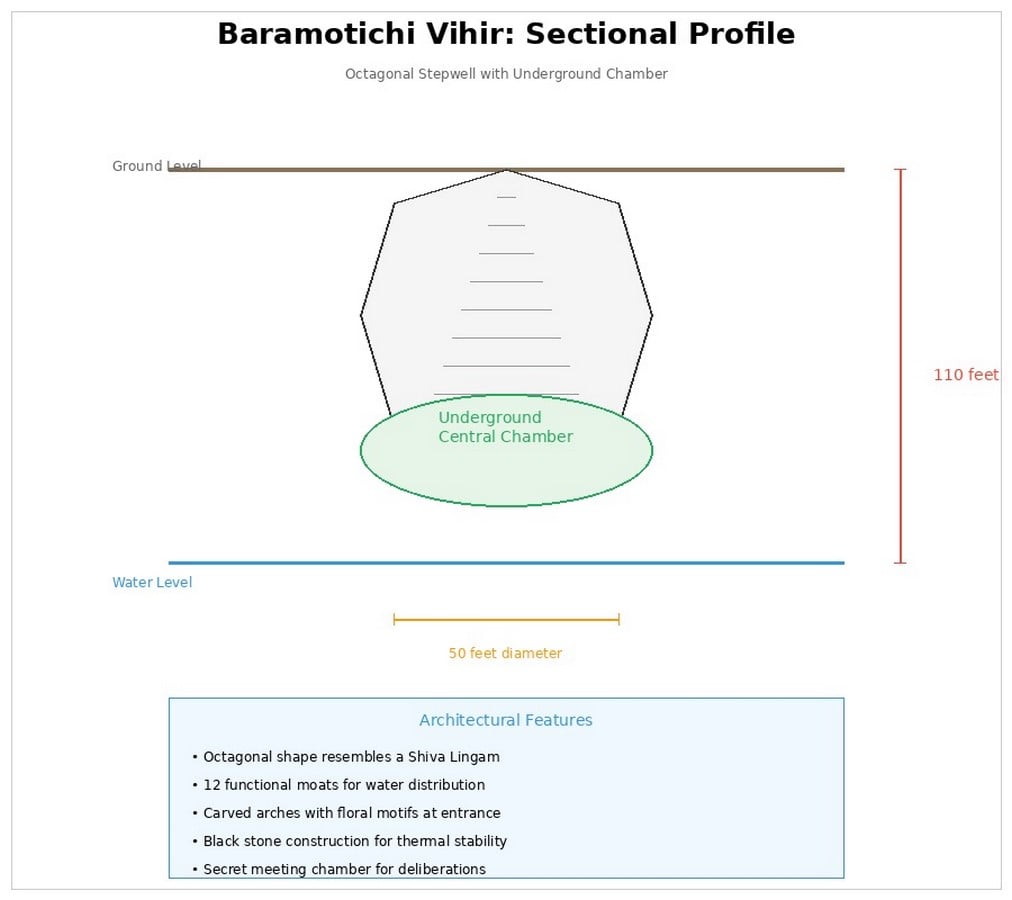
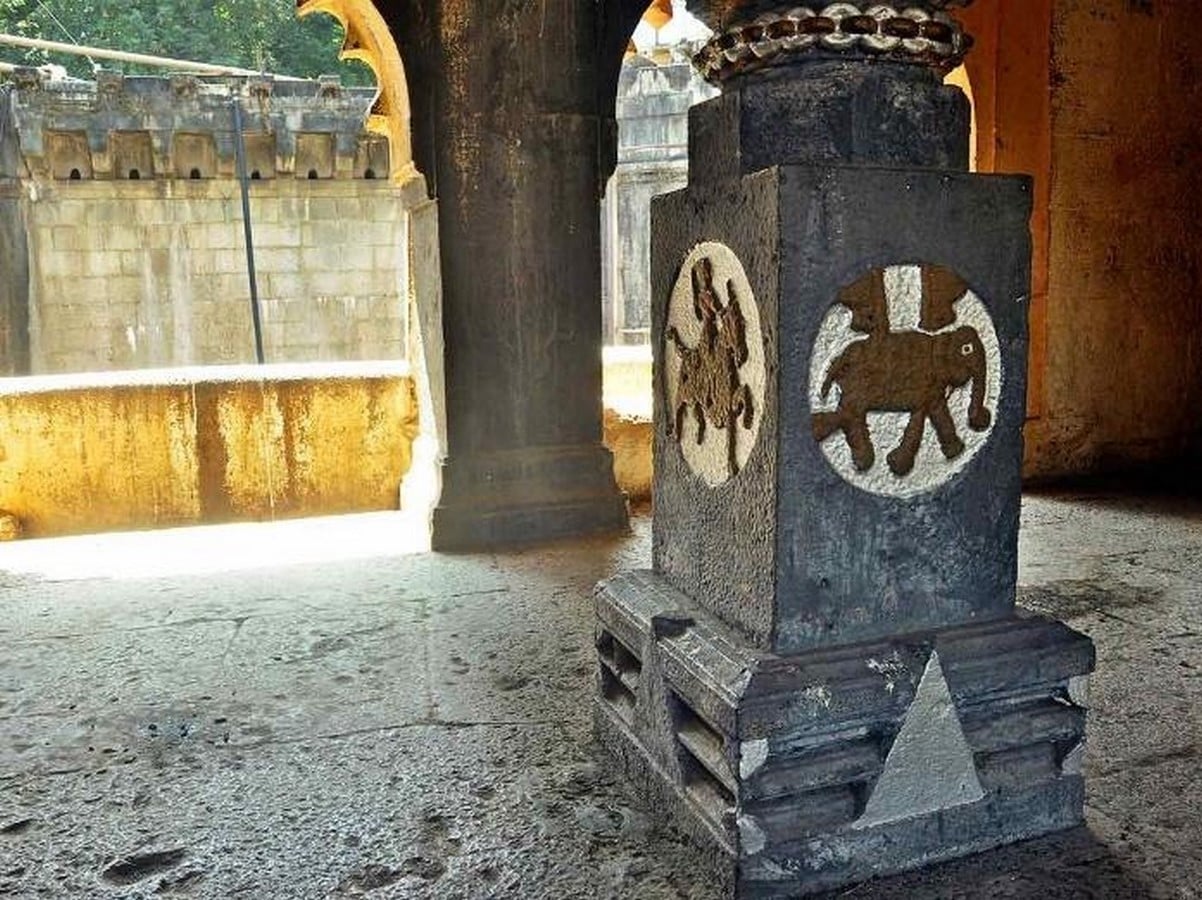
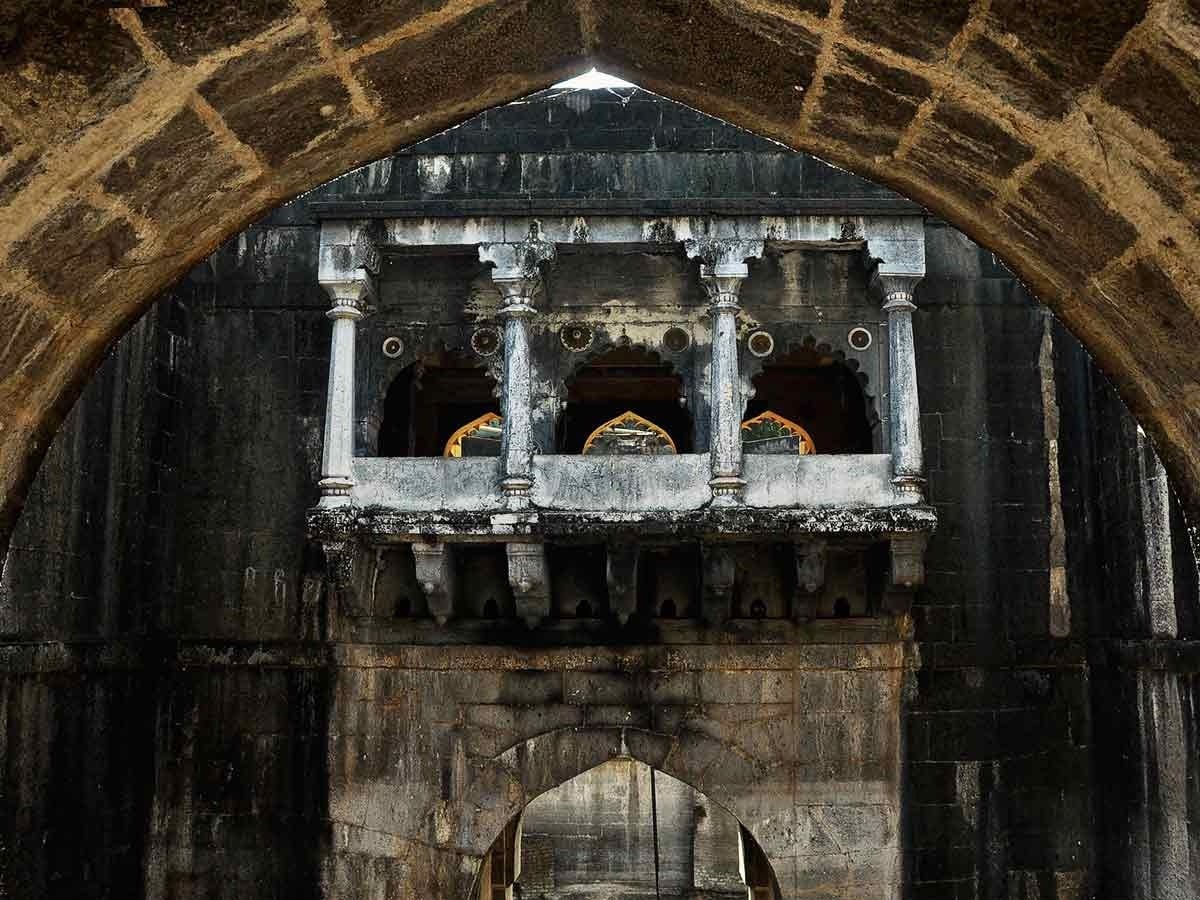
Approximately sixteen kilometres from the Nana Fadnavis Wada, in the village of Limb, stands another architectural marvel that speaks to the engineering sophistication of the Maratha period. The Baramotichi Vihir, also known as the Twelve Moat Well, was constructed between 1641 and 1646 by Virubai Bhosale, a queen of Chhatrapati Shahu, to supply water to extensive mango plantations. Whereas the Nana Fadnavis Wada represents administrative and political architecture, the Baramotichi Vihir exemplifies hydraulic engineering and sustainable water management. The stepwell is 110 feet deep and 50 feet in diameter, with an octagonal plan that resembles a Shiva Lingam from above.
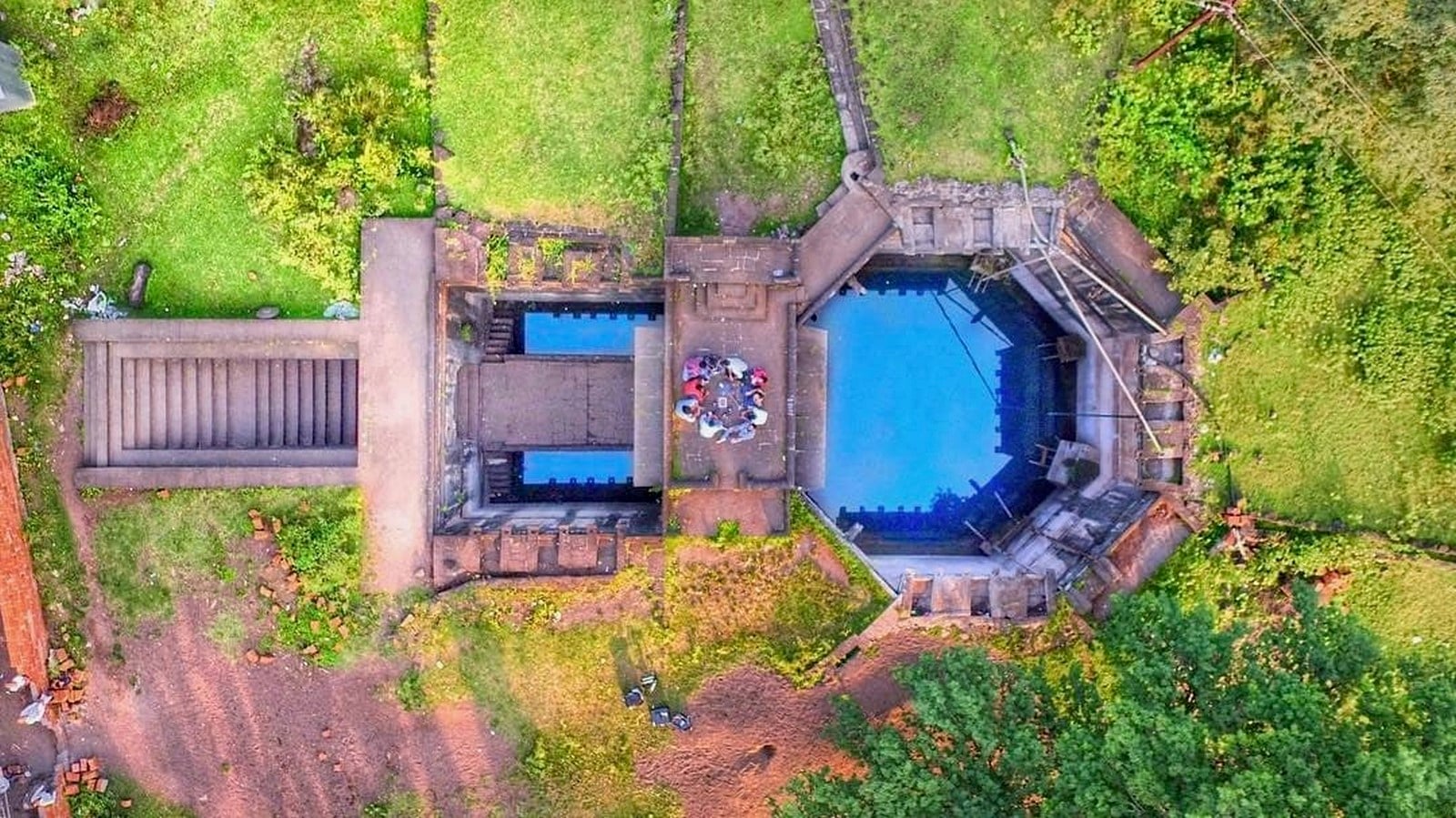
What connects the Nana Fadnavis Wada and Baramotichi Vihir is their shared commitment to functional beauty and sustainable design. Both structures were built to serve specific purposes:
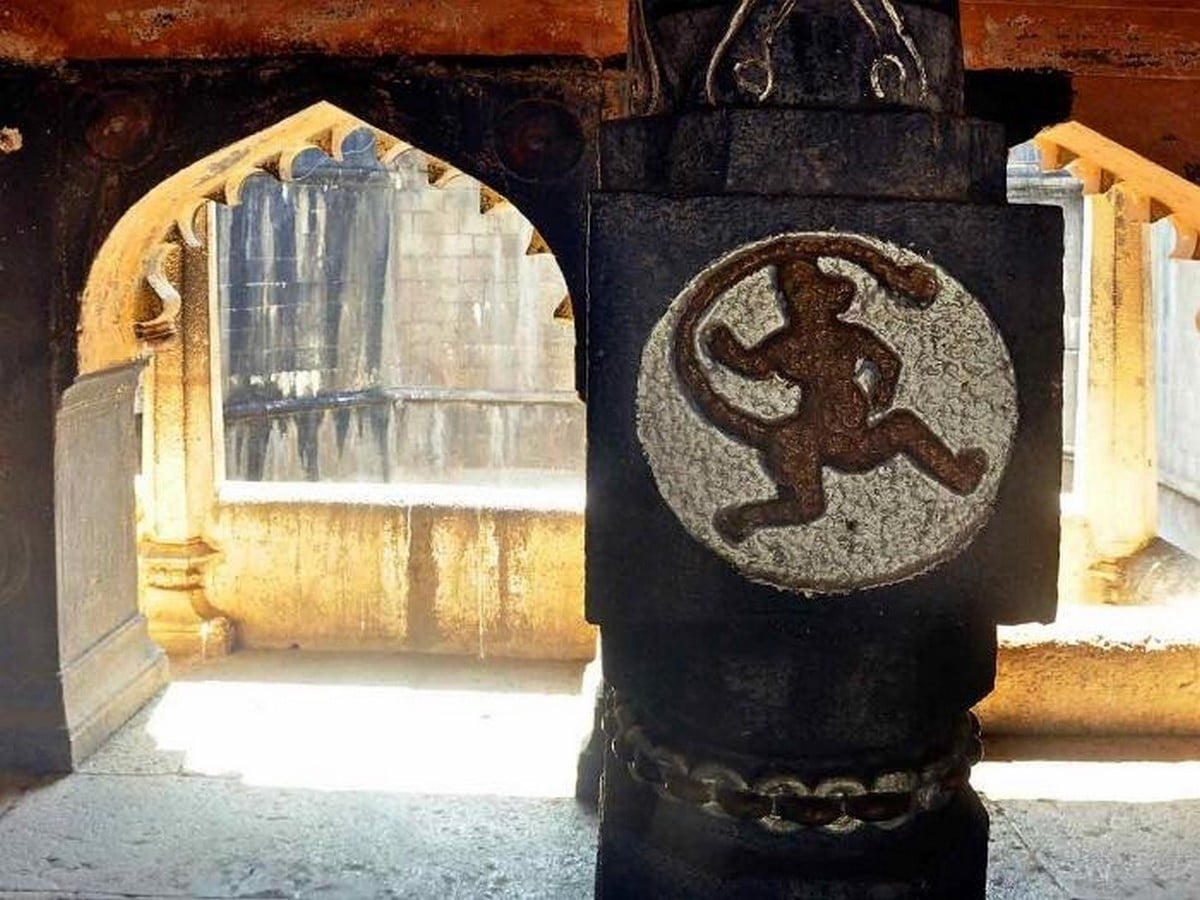
one administrative governance, the other agricultural viability. Yet both transcended mere utilitarianism to become expressions of architectural genius. Both remain in use, having weathered centuries of environmental challenge, testament to Maratha engineering vision.
Architecture Across Time
The Nana Fadnavis Wada and Menavali Ghat complex stand as testimony to what architecture can express when conceived not merely as shelter but as a statement of values and intentions. Nana Fadnavis was ultimately unsuccessful in his greatest ambition: the preservation of an independent Maratha Confederacy. History swept past him and his world. Yet his architecture remains, speaking across centuries to those willing to listen. The wada embodies a different model of power than the monuments typically celebrate. It does not shout, does not announce, does not dominate through size or ornamentation. Instead, it persuades through thoughtfulness. Every element serves a purpose. Every courtyard has meaning. The progression of increasingly restricted access articulates a philosophy of governance: secure, orderly, hierarchical, yet connected to the community through the ghat and temple system.
And the ghat continues its ancient work: pilgrims still descend its terraces seeking ritual purification in sacred water. Film crews still arrive seeking authenticity for their narratives. Kingfishers still dive after fish. The Portuguese bell still hangs, reminding anyone who hears it of wars fought and empires challenged. The Baobab tree, transplanted from distant Africa, still stands as testament to intercontinental connections. The complex persists not as museum artefact but as living space, inhabited, used, contested, perpetually reinterpreted.
When you stand within the courtyards of the wada and observe the carved wooden ceilings above, when you descend the ghat steps and touch the water of the Krishna River, when you sense the careful arrangement of spaces that still conveys security and gracious living, you understand that Nana Fadnavis was not merely a statesman. He was an architect, in the deepest sense of the term. He understood that architecture shapes history not through conquest but through the creation of spaces where human flourishing becomes possible. The Menavali Ghat remains what it has always been: a threshold between worlds, between the sacred and the secular, between past and present, between solitude and community. It invites everyone equally, asking nothing but offering everything.
References:
Atlas Obscura (2025) Portuguese Bell at Menavali Ghat [online]. Available at: www.atlasobscura.com
Chimaji Appa (2024) Military Wiki [online]. Available at: military-history.fandom.com
History Under Your Feet (2020) Nana Fadnavis: The Maratha Chanakya [online]. Available at: historyunderyourfeet.wordpress.com
MyCanvass (2017) Bollywood Hindi Film Shot at Menavali Ghat Wai [online]. Available at: mycanvass.in
Nana Fadnavis (2024) The Wada. Official Heritage Site [online]. Available at: www.nanafadnaviswada.com
Our Temples (2026) Menavali Ghat and Shiva Temple [online]. Available at: ourtemples.info
Prajapati, S. (2018) Menawali: An Unhibited Treasure. Shiva’s Blog [online]. Available at: shivaprajapati.wordpress.com
Republic World (2020) Wai, Maharashtra Shooting Locations [online]. Available at: republicworld.com
Sahasa (2024) Chimaji Appa and The Battle of Vasai [online]. Available at: sahasa.in
Trawell (2025) Nana Phadnavis Wada and Menavali Ghat [online]. Available at: shepherdtraveller.com
Vajreshwari Temple (2024) History [online]. Available at: vajreshwaritemple.com
Wikipedia (2026) Nana Fadnavis [online]. Available at: en.wikipedia.org/wiki/Nana_Fadnavis
Wikipedia (2026) Menavali [online]. Available at: en.wikipedia.org/wiki/Menawali