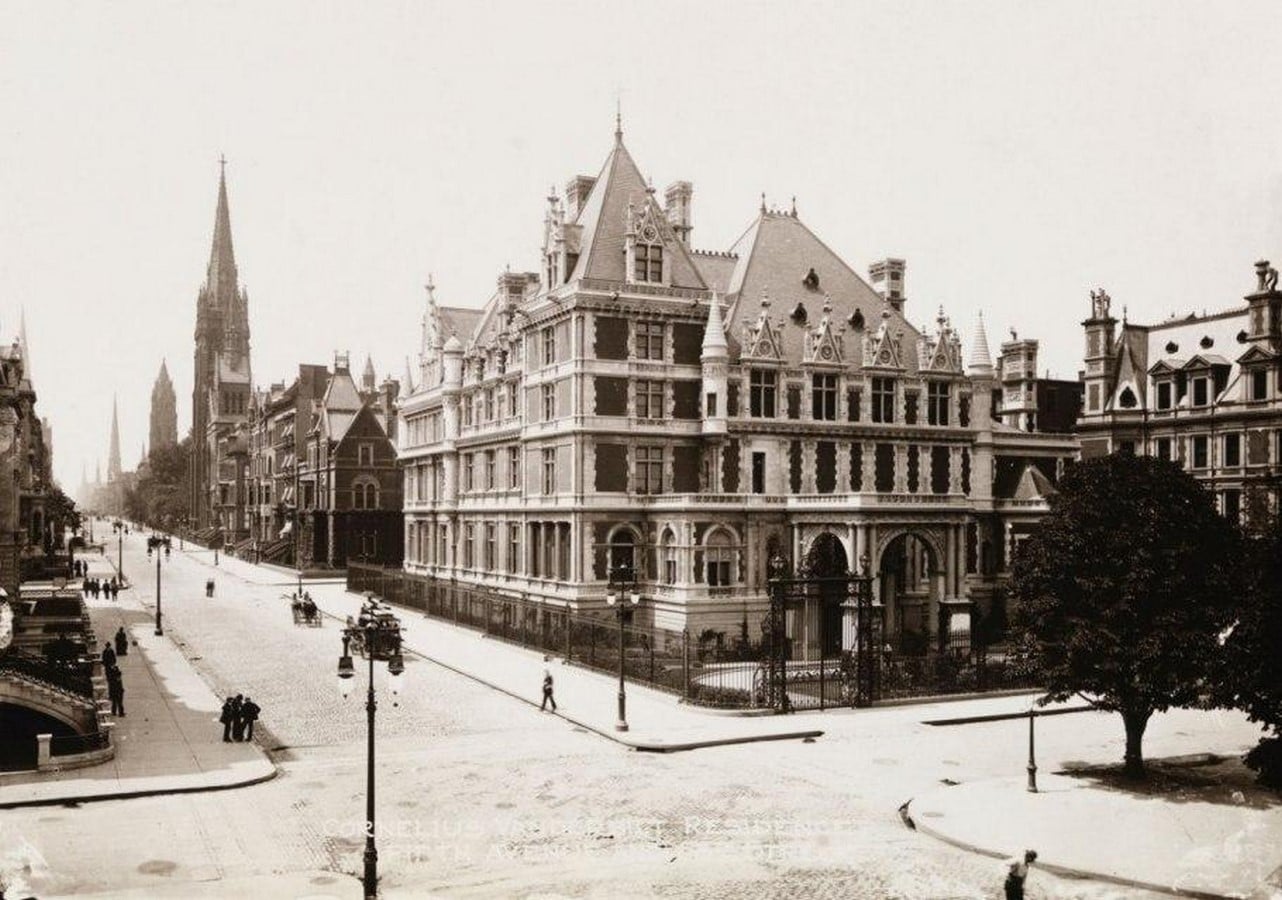
The Gilded Age, the term popularized by American author Mark Twain, evokes the image of opulence, wealth beyond imagination, and grand palaces. From the 1800s to the 1920s, American business conglomerates accumulated large sums of wealth, generating a wealthy baron class that fancied extravagant displays of newfound wealth. This grandness translated into the architecture of many American cities in the shape of luxurious palatial homes, mimicking European castles and palaces. One of the largest estates built during this era was The Cornelius Vanderbilt II House, which stood between 57th and 58th Street on New York’s Fifth Avenue. A statement of power, wealth, and artistic ambition, this residence encapsulated all the qualities of this time and was dubbed “Two Miles of Millionaires”.
The Vanderbilt Dynasty
The Vanderbilts were the archetypal Gilded Age dynasty. Cornelius “Corneil” Vanderbilt II was the favorite grandson of railroad and shipping magnate Cornelius Vanderbilt. By the 1880s, the Vanderbilts were one of the wealthiest families and intended to display that.
Architecture became their chosen medium. The Vanderbilts commissioned some of the most extravagant homes in the country, from the Breakers in Newport to the Biltmore Estate in North Carolina. But it was the Cornelius Vanderbilt II House in Manhattan that stood as the family’s urban showpiece, a testament to their dominance in the heart of America’s most important city.
In 1883, he commissioned a large townhouse on the corner of 57th Street that resonated with his idea of opulence. But by the 1890’s he felt that others were trying to outdo him and his family, so he commissioned society architect George Post to build him a block-long mansion and brought on Richard Morris Hunt as an advisor.
A Palace of Excess
The Cornelius Vanderbilt II House was estimated to have over 100 rooms, spanning over one block. The almost five-story mansion had sweeping views of Central Park South and the Pulitzer Fountain. George Post, one of the leading architects of the era, was a master of the Beaux-Arts style, combining modern engineering with classical European elements. The house was a stark contrast from the narrow, brownstone row houses that dotted the residential landscape of New York City at the time.
Built of limestone and brick, the façade of the house proclaimed authority and elegance. Every nook and cranny of the house was designed with great detail and aimed to impress. Ornate detailing, stained glass windows, and mosaics by artists like Augustus Saint-Gaudens and John La Farge decorated the interior rooms. The grand staircase, modeled after the one at the Paris Opera House, was a marvel of craftsmanship, with intricate carvings and a sweeping, theatrical presence. The ballroom, which could accommodate hundreds of guests, was adorned with gilded moldings, crystal chandeliers, and frescoes by Italian artists.
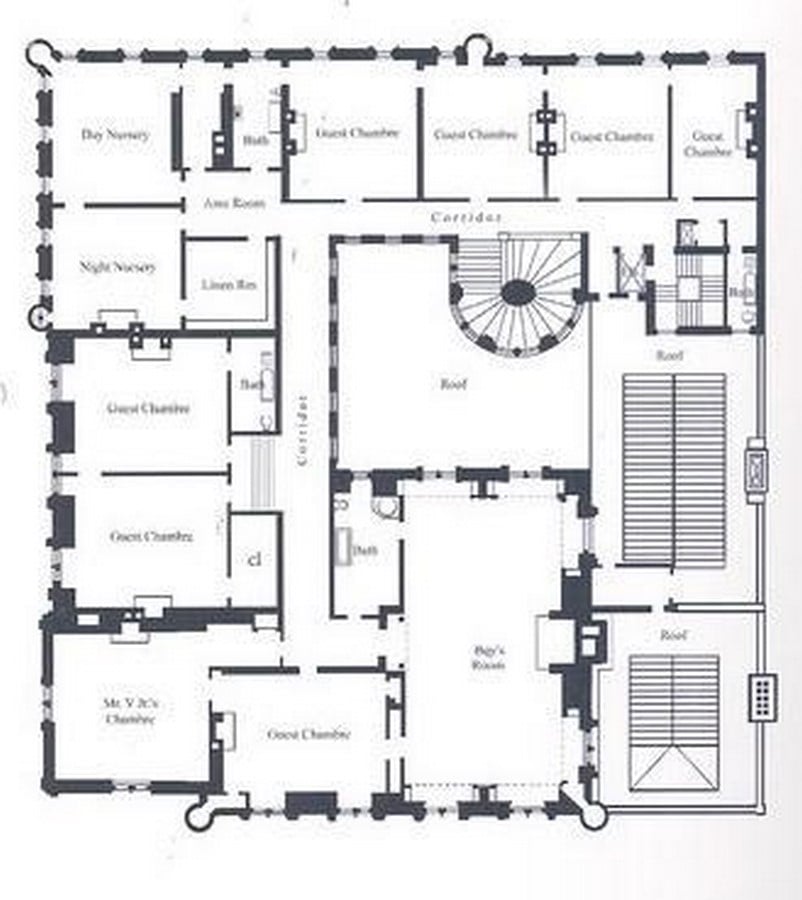
The most prominent feature of the house was perhaps the art collection put on display. Cornelius Vanderbilt II and his wife, Alice, were avid collectors, and the mansion was filled with priceless paintings, sculptures, and tapestries. The home was less a residence and more a museum, a private gallery where the Vanderbilts could display their wealth and taste to the world.

The Decline
The Cornelius Vanderbilt II House, despite its grandeur, could not stand the test of time. Shortly after the renovation was completed in 1894, the beginning of the end commenced. Corneil, age 55, died in 1899 due to a cerebral hemorrhage. Struck with grief, Alice became reclusive and sequestered inside, helped along by a 7-million-dollar trust fund left by her late husband to help maintain the Fifth Avenue property.
By the early 20th century the opulence of the Gilded Age was considered gaudy and its stronghold began to dimmish. The upkeep of the house became a burden on the estate with the rising property taxes. The neighbourhood was slowly transitioning to a commercial area with businesses taking over the residential land, making Fifth Avenue unsuitable for a home. The amalgamation of all these factors led to Alice leaving her mansion for a smaller residence at 857 Fifth Avenue, owned by her son-in-law.
The mansion became unused and in 1925, Alice filed for an application to sell the Vanderbilt mansion for $7,100,000 cash. A week before it was set to be demolished, Alice opened the house to the public, charging a nominal fee for admission to raise money for charity. The public, ever-curious to get a chance to explore High Society, flocked to see the mansion to get a taste of how the rich lived in that era.
Legacy of Loss
During the spring of 1927, New York City’s largest private residence became a demolition site. The exorbitant mansion was then replaced with the elegant departmental store Bergdorf Goodman. Today, the Cornelius Vanderbilt II House exists only in photographs and memories. Its demolition is often cited as one of the great tragedies of American architectural history, a symbol of the fleeting nature of even the most monumental achievements.
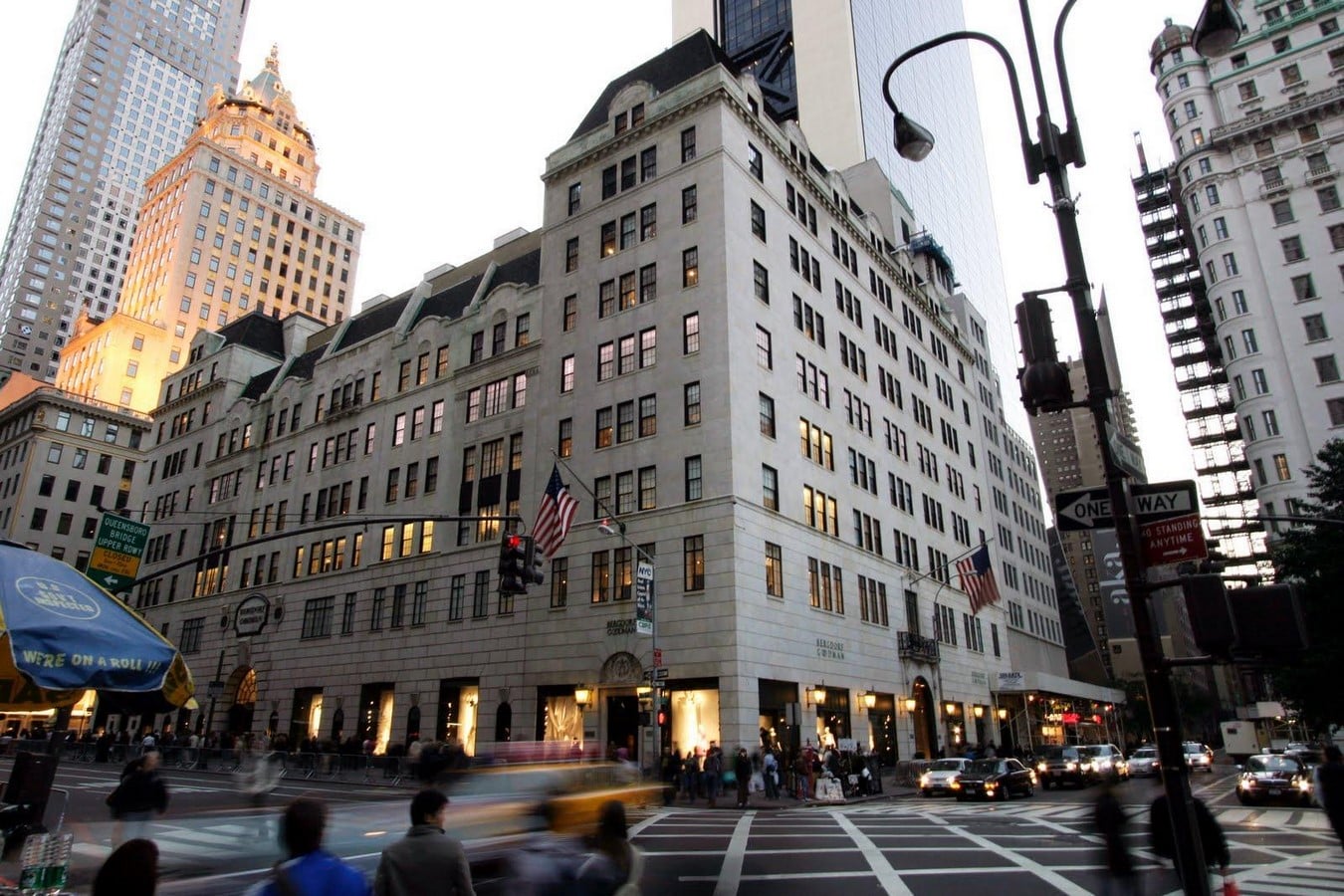
Yet, the house’s legacy endures. It serves as a reminder of the Gilded Age, a time when architecture was not just about shelter but about aspiration, identity, and power. It also raises important questions about preservation and the value we place on our architectural heritage. In the end, the Cornelius Vanderbilt II House was more than just a building. It was a dream, a statement, and a masterpiece. And though it is lost, it will never be forgotten.
References:
Ephemeral New York. (2023). The lonely last days of Gilded Age New York City’s biggest Fifth Avenue mansion. [online] Available at: https://ephemeralnewyork.wordpress.com/2023/11/27/the-lonely-last-days-of-gilded-age-new-york-citys-biggest-fifth-avenue-mansion/ [Accessed 21 Mar. 2025].
Ephemeral New York. (2024). The magnificent mantelpiece that greeted guests at the Vanderbilt mansion on 57th Street. [online] Available at: https://ephemeralnewyork.wordpress.com/2024/04/22/the-magnificent-mantelpiece-that-greeted-guests-at-the-vanderbilt-mansion-on-57th-street/ [Accessed 21 Mar. 2025].
Hughes, Tyler. “The Gilded Age Era: The Cornelius Vanderbilt II Mansion New York City.” The Gilded Age Era, 26 May 2012, thegildedageera.blogspot.com/2012/05/cornelius-vanderbilt-ii-mansion-new.html. [Accessed 22 Mar. 2025].
frontdesk (2024). ‘The Cornelius Vanderbilt II House: Fifth Avenue’s Largest Mansion’ Webinar – Calendar – AIA New York / Center for Architecture. [online] Calendar – AIA New York | Center for Architecture. Available at: https://calendar.aiany.org/2024/11/15/the-cornelius-vanderbilt-ii-house-fifth-avenues-largest-mansion-webinar/ [Accessed 22 Mar. 2025].
VoiceMap. (2025). New York City’s Glitzy Gilded Age: A Tour with Context. [online] Available at: https://voicemap.me/tour/new-york-city/new-york-city-s-glitzy-gilded-age-a-tour-with-context/sites/site-of-the-former-cornelius-vanderbilt-ii-mansion [Accessed 22 Mar. 2025].
Doctor of Arts, U. of A., M. S., L.E., B. A., E., Facebook, F. and Twitter, T. (2018). The Gilded Age in America. [online] ThoughtCo. Available at: https://www.thoughtco.com/what-is-gilded-age-architecture-176011.