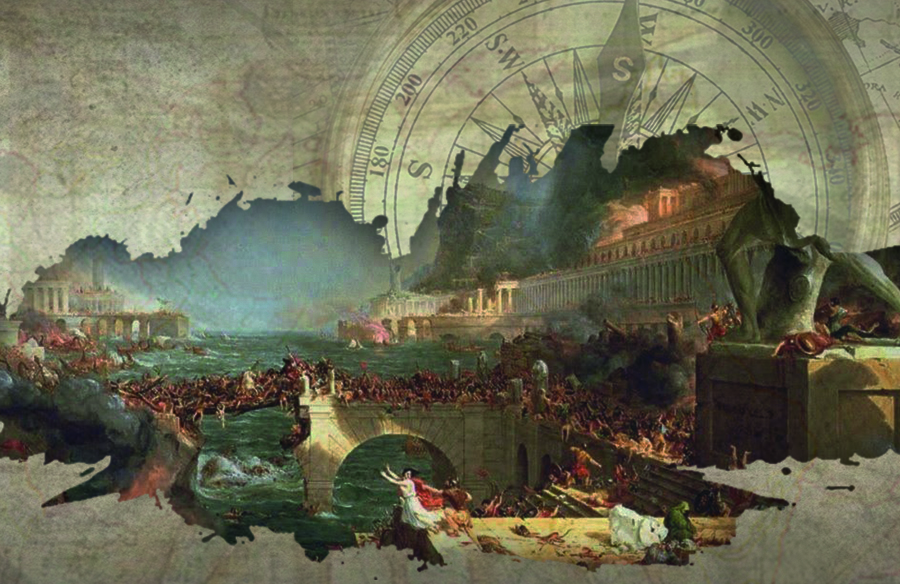
The Great Library of Alexandria, a beacon of ancient knowledge, once stood as the architectural and intellectual hub of the Hellenistic world that specialized in maths, astronomy, medicine, and literary studies. Its collapse marks a major setback to all the intellectuals who relied on the center from their early time. This major tragedy remains a mystery and even today the most remarkable hub of learning exists only in the historical accounts. Conceived as the most comprehensive collection of human knowledge, it embodied the idea of universal learning, setting a precedent for future academic institutions. The library was a meeting ground for intellectuals, where the greatest minds of antiquity gathered to debate, research, and push the boundaries of knowledge.
History
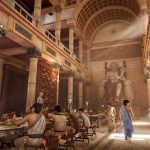
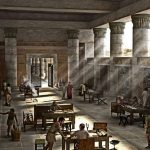
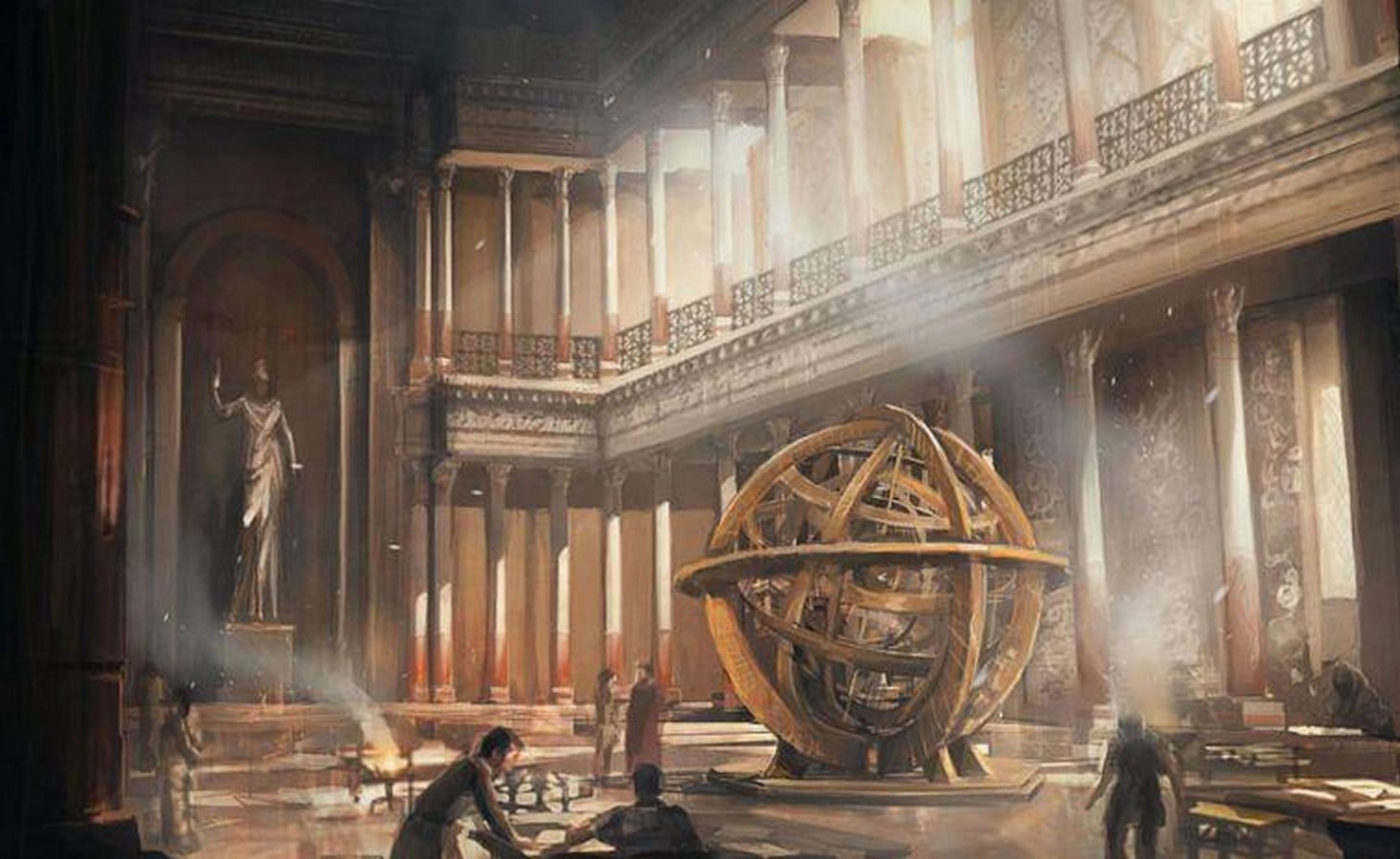
It was established in the 3rd century under Ptolemy I and his successor Ptolemy II. The idea of this library was initiated by Alexander the Great and planned to be proposed in the same place as his. The major idea was to create a hub of knowledge to show power through intellectual thinking. But before the construction stage itself, Alexander the Great died and the responsibility got into the hands of Ptolemy, I followed by his successor Ptolemy II. Architecturally speaking the library was likely a harmonious blend of Greek and Egyptian elements with marble pillars, shaded courtyards, and niches for the scroll storage. It majorly focuses on community-based learning where ‘n’ a number of people gather, learn, and share knowledge. This design fosters an intellectual space for the exchange of knowledge that remains a cornerstone of modern libraries and universities.
The Vision behind the library
Ptolemy I, wanted to create a cultural and scholarly powerhouse in the city of Alexandria. Unlike other contemporary repositories which serve as an archive, this powerhouse functions as a research institution. Scholars who benefited from this centre were not just merely collectors of text and knowledge from the scrolls but were active contributors to the changing world. The institution was responsible for creating great minds like Archimedes, Euclid, and Eratosthenes who made breathtaking advancements in their respective fields. Some accounts even suggest that ships docking in Alexandria were required to surrender their books for copying, ensuring that the library maintained the most extensive collection of knowledge in the ancient world. This space is intended for intellectual globalization.
Architecture and its legacy
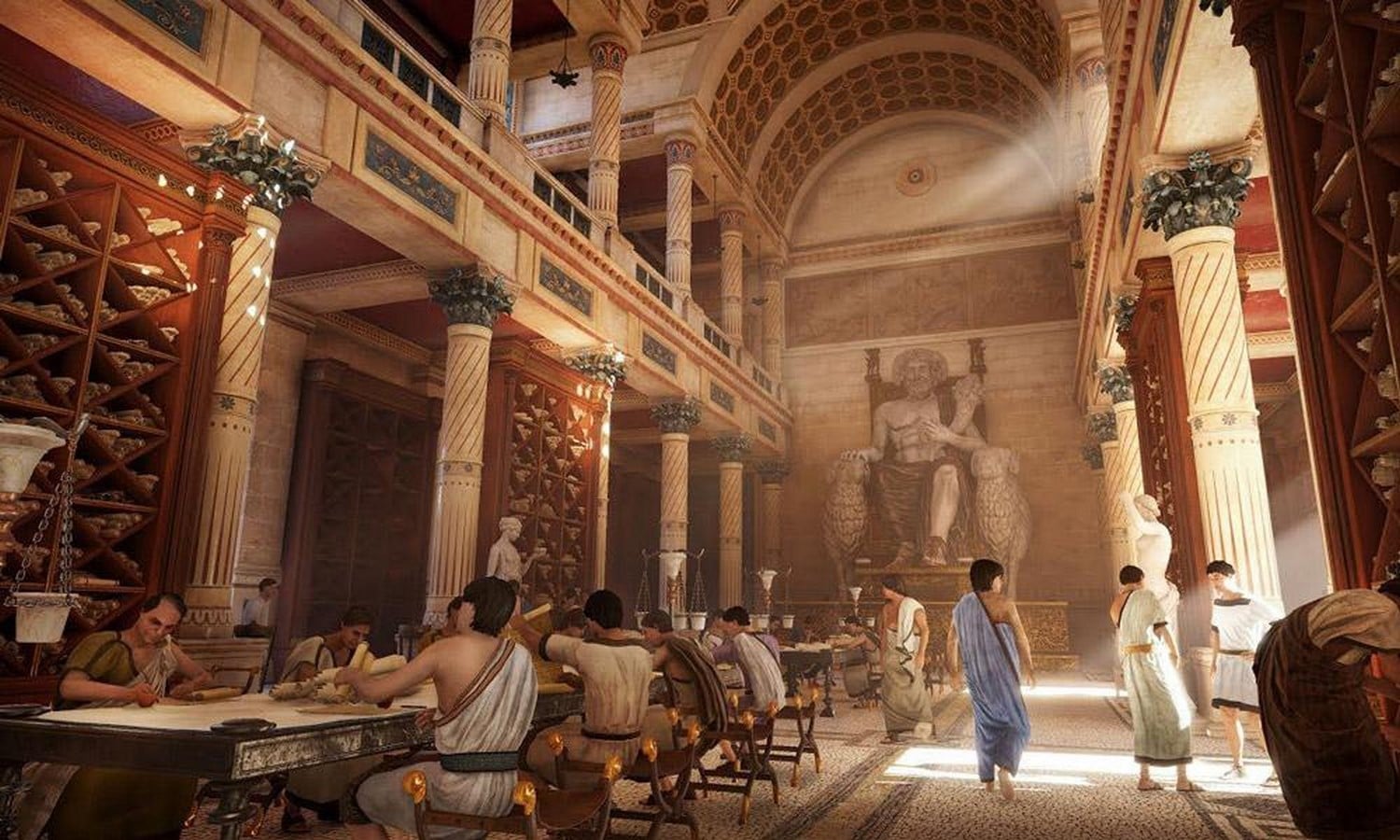
The Library of Alexandria works with 3 main concepts, starting with the building as a living organism. Unlike static temples, the library was designed as an adaptable system integrating cultural hybridity. It’s a fusion of Roman and Greek architecture with a touch of ancient living with an approach towards the future. Its layout prioritized communal learning, open-air spaces for debate and discussion, scriptoriums for copying texts, and a radiating layout to symbolize the radiating reach of knowledge.
Possible causes for its destruction
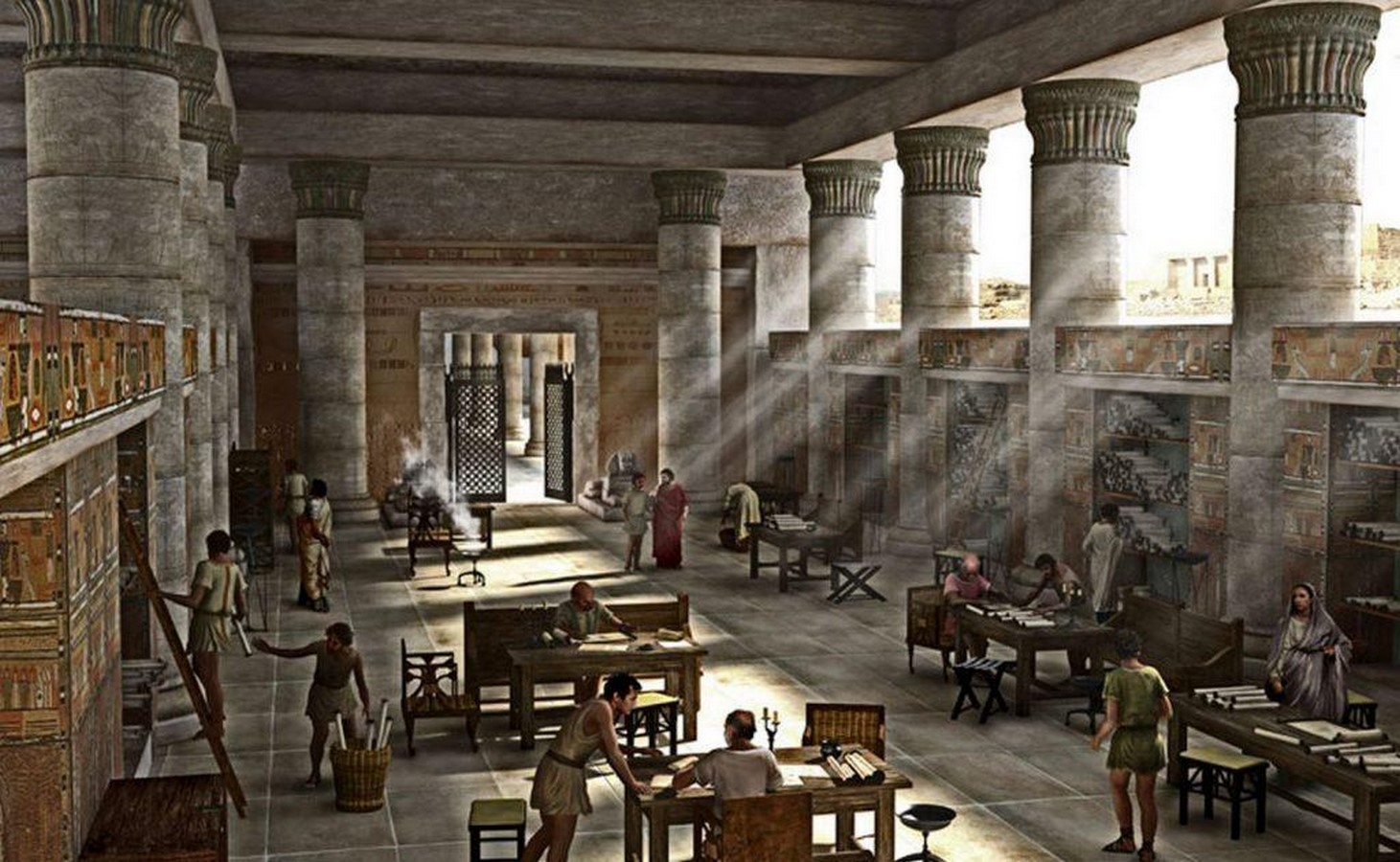
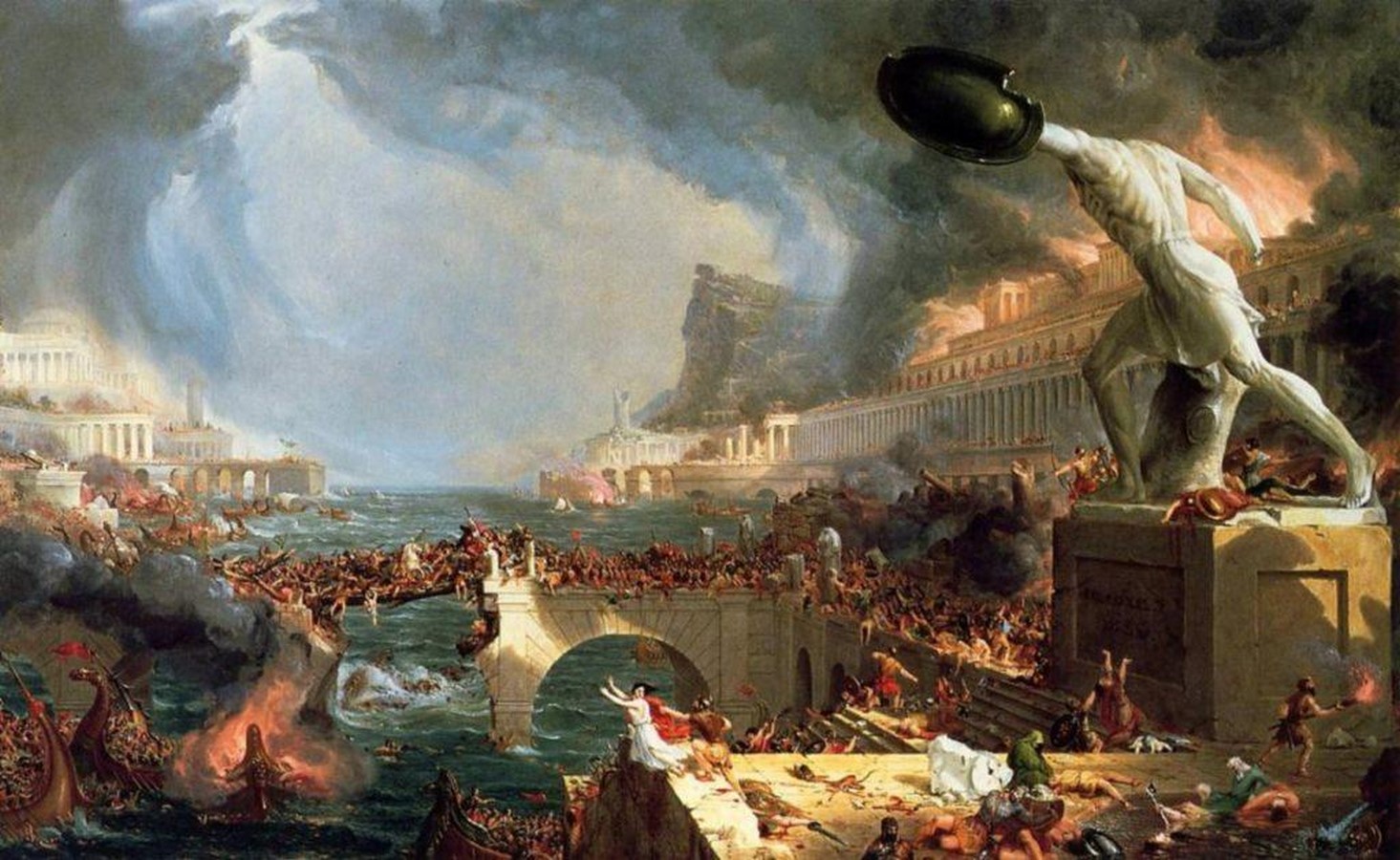
The library’s decline was not a single catastrophic event but gradually led to a bigger cause through political, religious, and economic strife. Initially, Julius Caesar’s siege was the cause of the downfall where during the conflict with Ptolemy in Egypt, he set fire to enemy ships in the city’s harbour. However, it is debated that the main library is said to be affected. Later, as time proceeded under the rule of the Roman emperor Theodosius there was huge dominance in the religion Christianity in Alexandria which led to the downfall of many institutions of the region which eventfully put down the main library at stake. Moving forward Muslim rulers started to conquer the city and they started to set fire to the remaining scrolls that were left in the library stating that the texts were contradicting the verses of the Quran, which is still in debate lacking concrete evidence.
The Revival
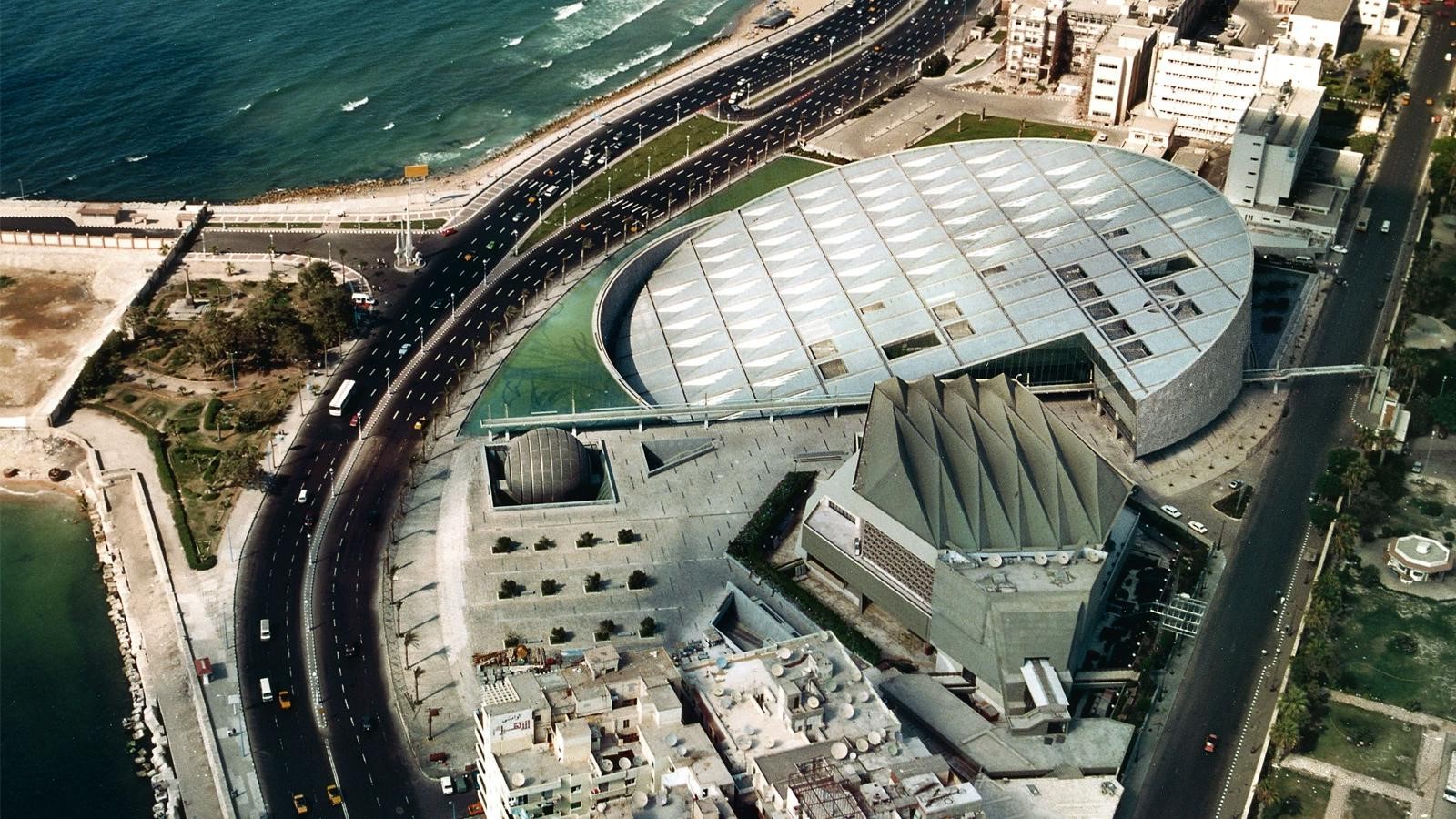
Unlike many other structures, no identifiable ruins of the Library of Alexandria exist today. Even the exact location remains uncertain., as the city has been built over multiple times throughout the time. In 2002, as a sign to bring back the lost essence of the Bibliotheca Alexandria, a modern approach was given near the historical site. Designed by the Norwegian architectural firm Snohetta, it reflects a contemporary touch.
Architecturally, the Bibliotheca Alexandrina is a circular structure symbolizing the infinite pursuit of knowledge with a sloped roof that allows natural light to penetrate as a reminiscence of the ancient one, the building’s giant façade is inscribed with 120 different scripts emphasizing knowledge and its exchange. It is a house to millions of books, digital archives, and many more that act as today’s powerhouse.
The Library of Alexandria is not merely just a ruin, but the main that created a marking impact to the current progressive world, couldn’t have imagined the place without the great findings from the greatest. Though its form has vanished, its legacy speaks to every corner of the world. The revival form-Bibliotheca Alexandrina isn’t the literal reconstruction but tries its best to translate the soul and meaning the ancient one conveyed.