In a world increasingly moulded by technology, it is important to have it integrated within buildings and architecture. Parametric architecture and design particularly focus on intermixing digital technologies with traditional craftsmanship. Concepts driven by logic make architecture a process – the interaction between a man and a machine. Parametric design can be called a virtual playground of architecture, where the complicated AI data processing systems create the surroundings.
What Is Parametric Design?
Parametric design is a computational approach that allows architects and designers to define relationships between design elements through algorithms and parameters. Instead of manually drafting every detail, designers establish a set of rules or parameters that govern form, structure, and materiality. These parameters generate complex geometries and adaptable systems that are often impossible or impractical to achieve using traditional methods.(“AI & Parametric Design: The New Architects Of The Built Environment – WFM Media,” n.d.)
Parametric design is founded on the principle of relationships and rules rather than fixed outcomes. The term “parametric” comes from parameters-variables that can be adjusted to affect a design’s behaviour or appearance. In this process, the architect sets parameters such as geometry, material thickness, lighting, or environmental factors, and uses algorithms to define how these variables interact.(“AI and the Renaissance of Parametric Design – Architizer Journal,” n.d.)
At its core, parametric design relies on data-driven modelling, where changes in one variable automatically influence the entire system. For example, modifying a building’s height might simultaneously adjust the spacing of structural elements, window placement, and ventilation strategies. This dynamic and interconnected approach enables architects to create optimised, responsive structures that adapt to environmental conditions, user needs, and material constraints.
Parametric tools such as Grasshopper for Rhino, Dynamo for Revit, and Bentley’s Generative Components have empowered architects to explore fluid forms, organic geometries, and performance-driven designs. From urban planning to interior detailing, the versatility of parametric modelling continues to expand its impact across design scales.
The Concept of Parametric Design
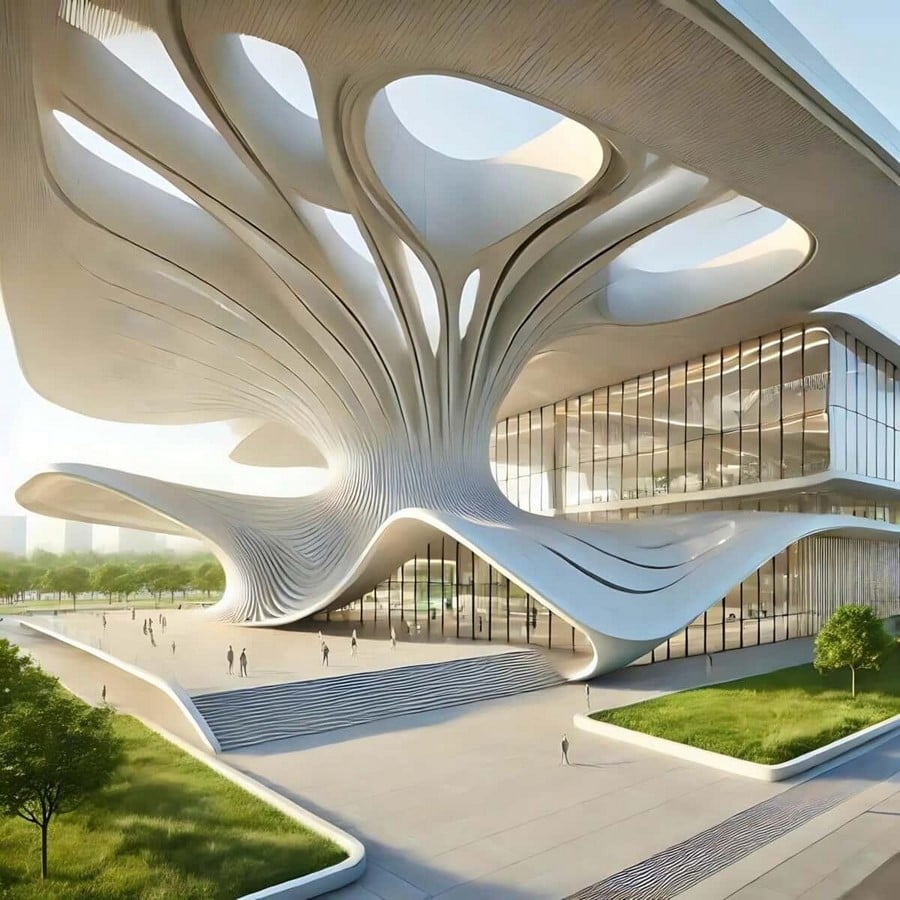
If any parameter is changed, the design automatically changes according to the system. The system creates a dynamic environment for designs to evolve; no need for manual redesign of the design. You do not create a design of an architectural object itself; you create a system that will create results.
For example, in the case of designing a long-span roof structure, the designer may set parameters like span, structural load, material efficiency and daylighting. A parametric system will create and analyze many structural solutions, changing the geometry of the beams, trusses or grid to find the most efficient solution. At the same time, in this case the designer will not be responsible for determining the solution itself, but he will be creating the rules and relationships for the process of creating the solution. So the designer is no longer a form creator, but a process creator.
The Emergence of Unique Computational Forms
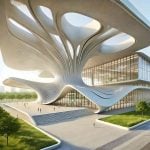
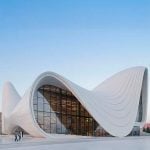
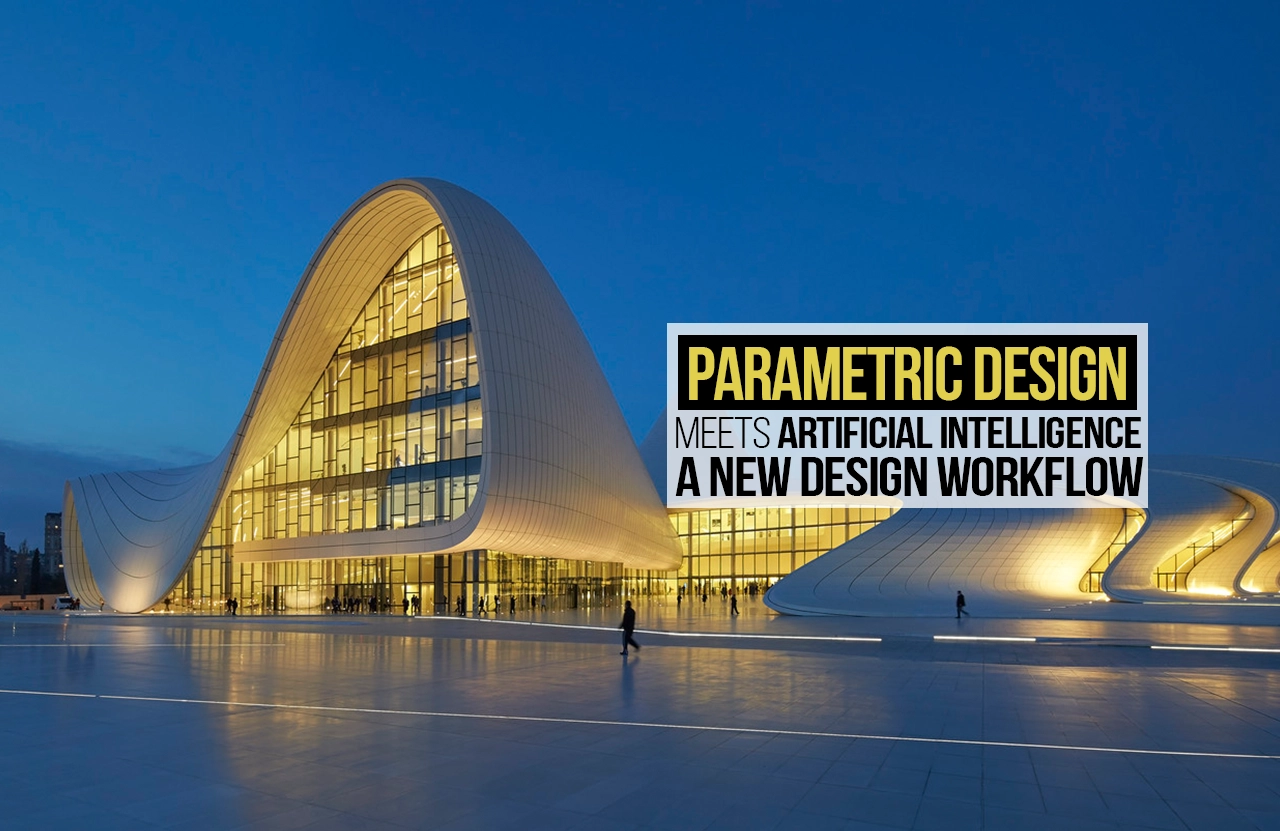
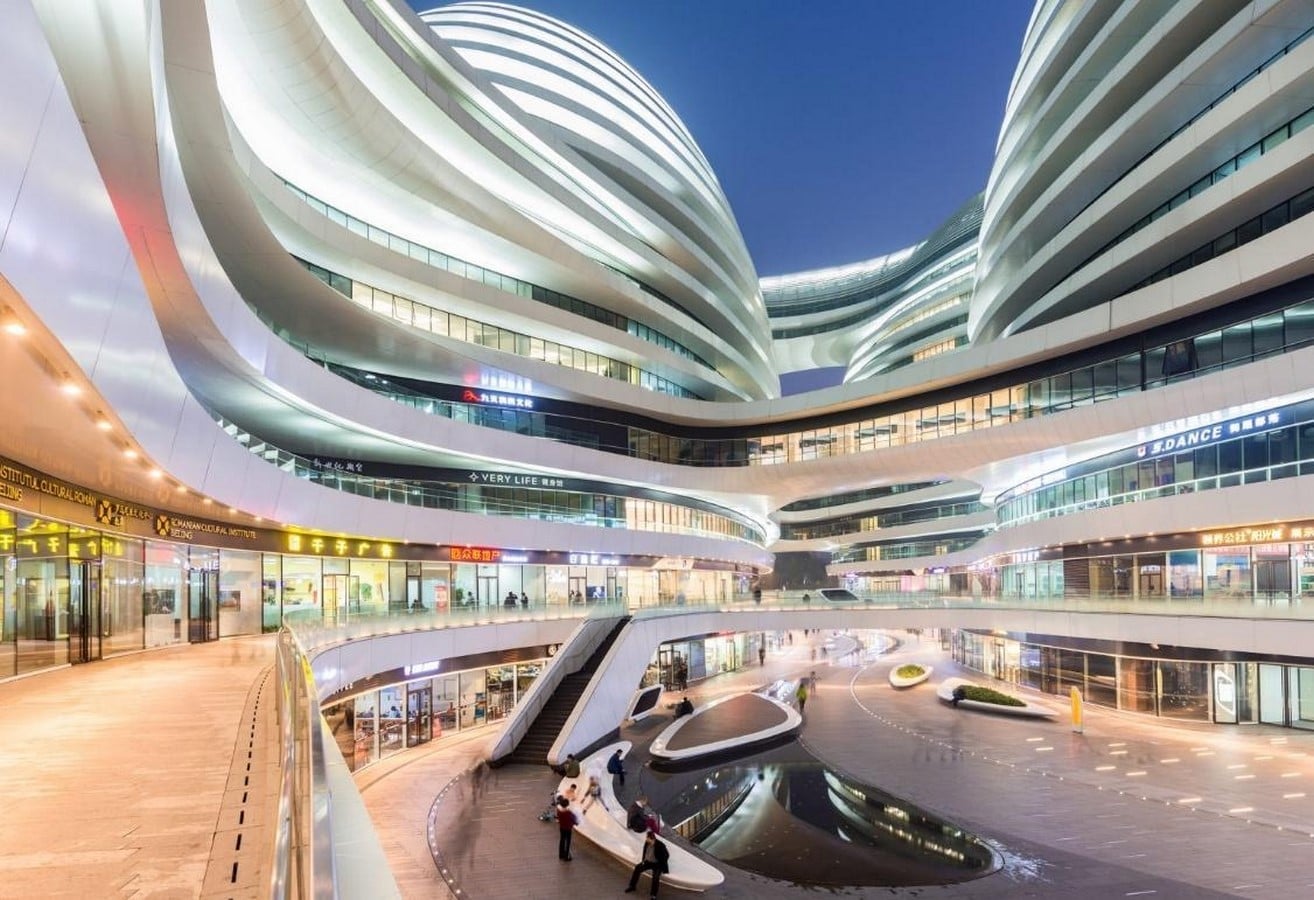
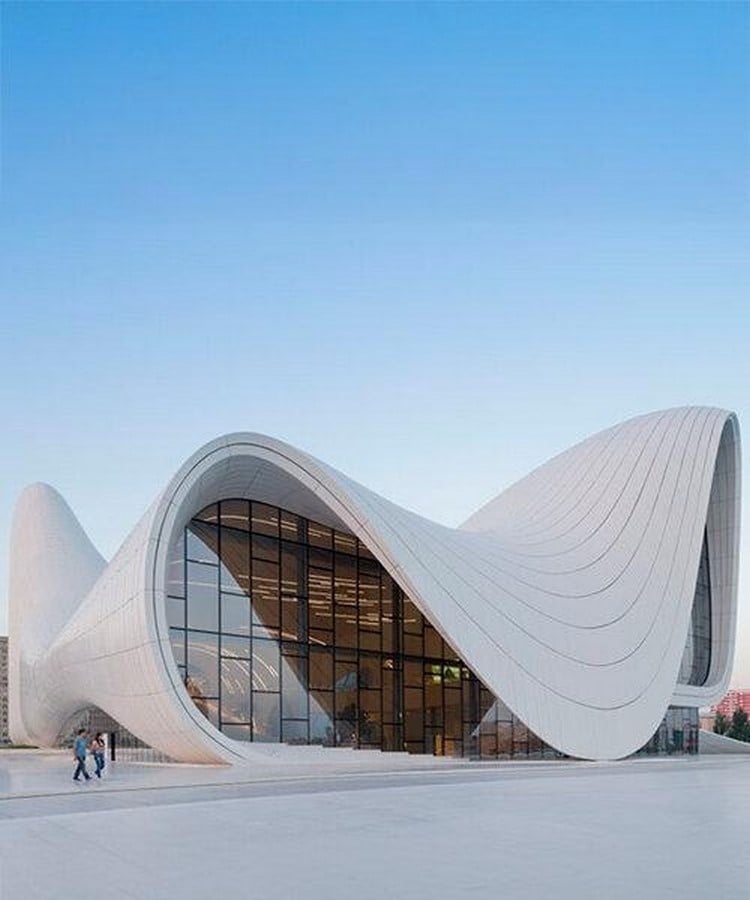
Through parametric design, a unique visual language has emerged in modern architecture-a combination of organic design and computational accuracy. The shapes used in such designs tend to be inspired by various natural phenomena, including shells, waves or cellular systems. Nonetheless, this is not done for mere artistic purposes; it comes out of necessity from performance and relational data.
Some of the prominent architects who have embraced this way of designing include Zaha Hadid and Santiago Calatrava. The work of Zaha Hadid includes many examples of organic, sculptural forms that are achieved through algorithmic modelling. Santiago Calatrava’s designs often mimic natural phenomena through their efficiency and elegance.(“Innovating with Intelligence: Parametric Design and the New Language of Sustainable Architecture – IEREK,” n.d.)
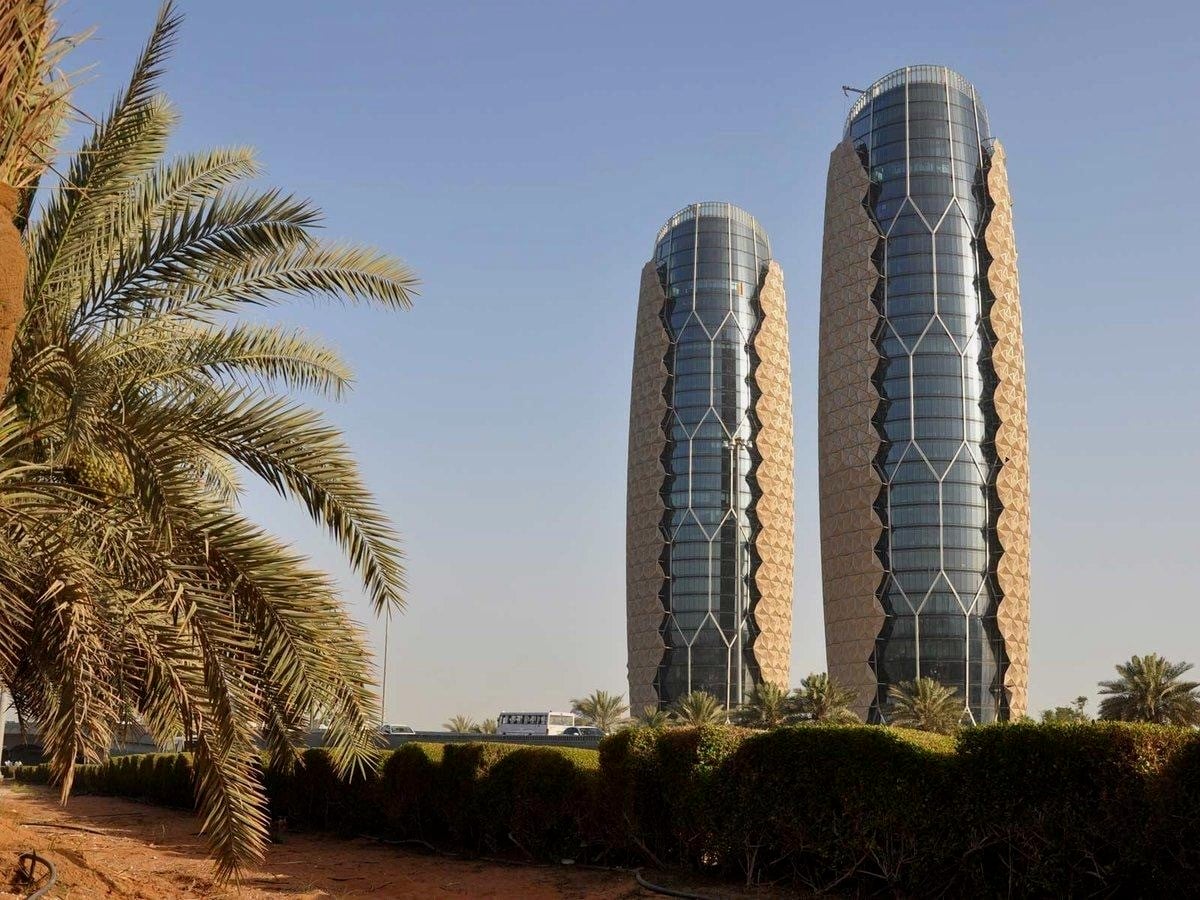
One of the most prominent examples of such designs would be Al Bahr Towers of Abu Dhabi, designed by Aedas Architects. These towers have an adaptive façade based on the traditional Arabic design of mashrabiya. The shading panels on the façade open or close depending on how much sunlight there is and therefore reduce the amount of heat gained by the building and thus increase its energy efficiency.
Artificial intelligence-assisted parametric design refers to a new way of designing, which makes use of the power of artificial intelligence and machine learning algorithms to produce design models. In AI-assisted parametric design, the designer uses a collection of rules, parameters, and constraints to create an optimized design, based on the goals and objectives at hand. The designer employs parameters, which can vary from material parameters to spatial requirements, and enables him/her to generate a number of solutions while ensuring that each design fits within the required criteria.
The advantage of AI-assisted parametric design lies in the fact that it provides designers with an opportunity to explore a much broader design space compared to traditional ways of designing. Through the utilization of sophisticated algorithms to generate and test many designs, the designer can come up with the best solutions to the problem while discarding the solutions that do not conform to the required criteria. This way, it can speed up the whole process of designing, while guaranteeing that the solution conforms to all the required criteria. This type of design method has been very useful in the field of architecture and product design, among others.
One of the most interesting things about parametric designs is the fact that these designs allow you to create an adaptive solution to problems related to architecture. Through real-time data and environmental sensor integration, architects are able to create building structures that react to their environment and enhance their energy performance and usability.
Basically, what this means is that the use of parametric design does not only apply to design ideas but can also be applied in live construction projects. For example, one can use kinetic facades that change based on weather conditions and interiors that react to users’ needs and preferences.
The Future Trajectory of Parametric Design in Architecture
As it has become increasingly apparent in recent years, the trajectory of this fast-paced world has ultimately led to our imminent dependency on AI. With AI transforming building conceptualization and construction through machine learning, Parametric Design is now transforming the way we design to move beyond individuality by blending innovation with craftsmanship.
New trends like generative design, where algorithms automatically create multiple design options for easy client reviews, and innovations in materials science are pushing boundaries of what architects know. Virtual reality and augmented reality are now providing designers with immersive experiences that enable greater interaction. (“The Role of Parametric Design in Contemporary Architecture | ArchAdemia Blog,” n.d.)
Artificial intelligence and machine learning are now automating once complex decisions. This development holds great promise for the creation of intelligent, adaptive buildings that will set the benchmark for the industry. Parametric design transforms the practice of architecture through its innovative nature. The concepts, creativity, and sustainability of parametric design lead innovation in high-performance building design.
References:
AI & Parametric Design: The New Architects Of The Built Environment – WFM Media [WWW Document], n.d. URL https://wfmmedia.com/ai-parametric-design-the-new-architects-of-the-built-environment/ (accessed 8.10.26).
AI and the Renaissance of Parametric Design – Architizer Journal [WWW Document], n.d. URL https://architizer.com/blog/practice/tools/ai-and-the-renaissance-of-parametric-design/ (accessed 8.10.26).
Innovating with Intelligence: Parametric Design and the New Language of Sustainable Architecture – IEREK [WWW Document], n.d. URL https://www.ierek.com/news/innovating-with-intelligence-parametric-design-and-the-new-language-of-sustainable-architecture/ (accessed 8.10.26).
The Role of Parametric Design in Contemporary Architecture | ArchAdemia Blog [WWW Document], n.d. URL https://archademia.com/blog/the-role-of-parametric-design-in-contemporary-architecture/ (accessed 8.10.26).