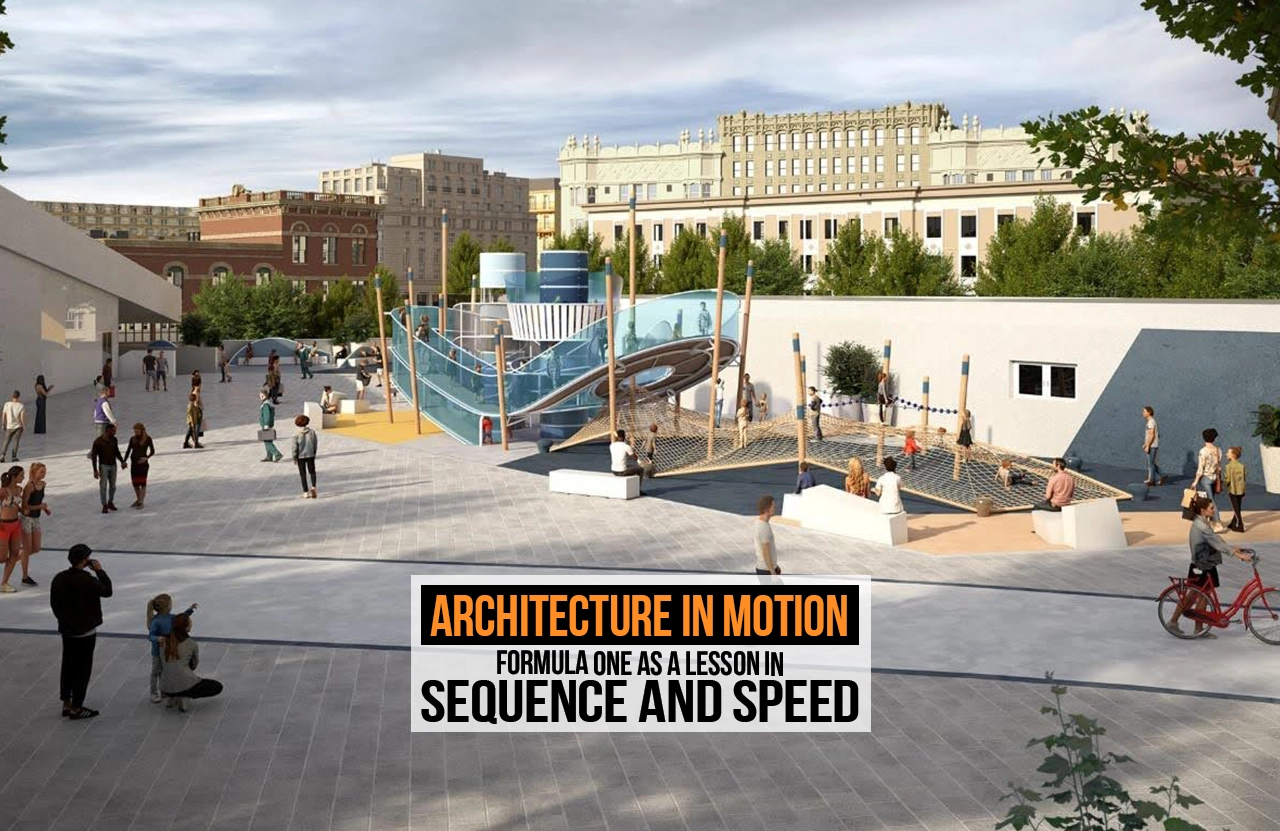
Why does a space have to be static, when even assembling the factors of production involves movement and rhythm? Perhaps, because since time began, we have perceived spaces as a stable form whereas Formula One emerges from acceleration, enclosure and a dynamic experience. For somebody strolling through a space, architecture does unfold into transitioning of spaces and a visual swing. Formula One not only emphasizes the architectural motion but also a whimsical movement of scale, light and proportion.
Understanding dynamic architecture contrary to Formula one
Unlike Formula One, dynamic architecture is a slow and steady march. Following down a passer-by, who walks, pauses and witnesses in an ordinary space, whilst a high velocity performance is what the user perceives in the Formula One arena, because the ultimate outcome of motion is defined by human behaviour and movement. Talking about a few contrasts which architecture, conventionally showcases and are different from Formula One
Dynamic architecture works along the experiential viability, where people can take a leap and observe calmly. It is often layered and human scaled, which sometimes work according to the environmental conditions and aesthetic desire to make a structure visually responsive to the occupant or visitor. Formula One asserts a more linear performance matrix which focuses more on safety measures and topography keeping in mind the extreme speed and continuous motion. A person citing the F1 vehicles moving fast because architecture responds differently according to speed, angle and circulation.
Circulation streamlining user experience
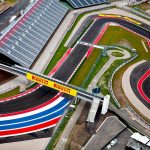
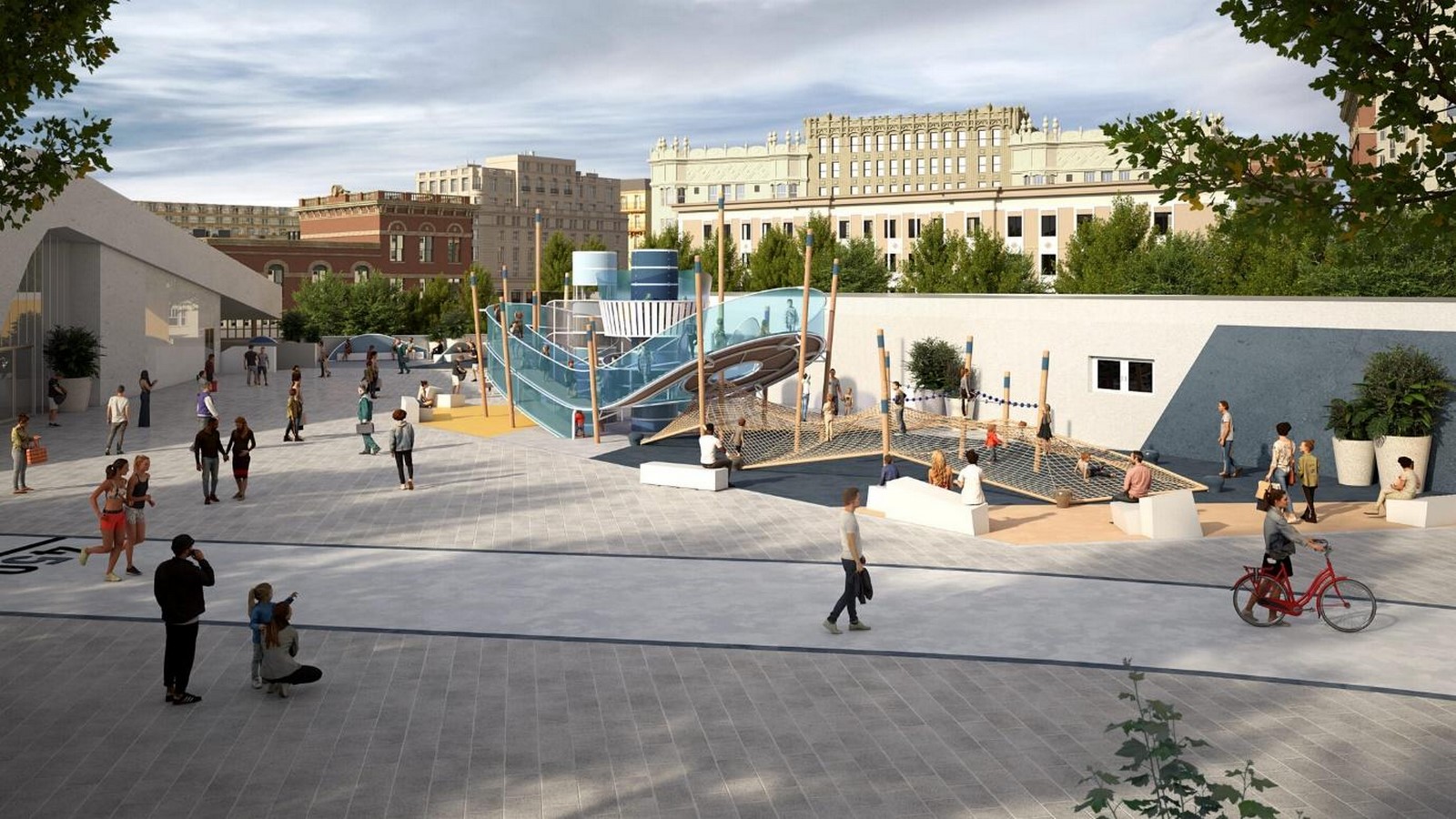
Formula One is a network which masters the profession with clarity and no ambiguity. Intelligible pavement of racing line makes it easier for the driver to remain aware of the approaching curves and angles on the track, similarly the requirement of defined pathways and pedestrians can be derived from the architecture of Formula One. In case of unclear circulation legibility, the chances of disruption of the fluid movement increases, which results in the fragmentation of the architectural motion or natural flow of users drawing up a backtrack and a sense of overloading navigation.
Formula One requires predictability, while ambiguous architecture fosters a pause point. Formula One demands certainty, rather than a long pause of hesitation. Formula One is a crucial action of speed, movement upholds architecture.
Sequential fall of speed and movement in a space
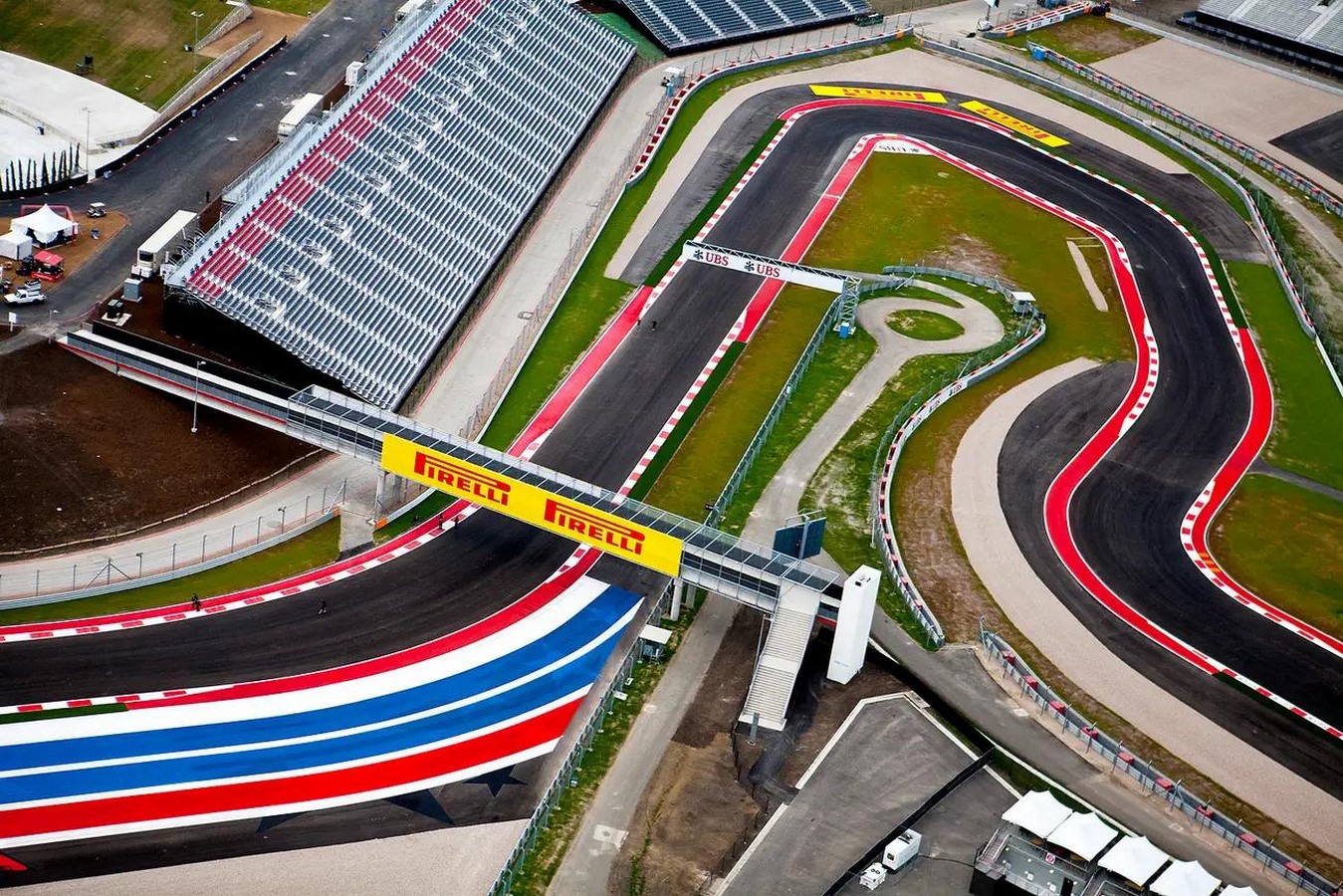
A little reduction in pace, would not go wrong. Here, sequential fall of speed refers to the declining of speed in a space. The primary circulation spine of Formula One circuit is designed in a way that it comprises distinct curves and angles demanding deceleration of speed, likewise, for enhancing architectural experience, a decrease in the pace of user is recommended through the spatial transitions into a space.
When the speed falls down, movement of light, scale and exposure plays a vital role in imparting an imperative visual analysis and transitioning the space from an active zone to a static one, such as the pit lanes on the Formula One circuit that acts as a stoppage for adjustments. Open/ semi open nodes like courtyards, curved pathways, textured flooring are a few architectural elements that can act as a supporting hand in the reduction of speed via user.
Divergent visual insights at inclination
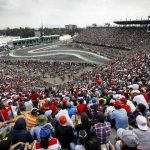
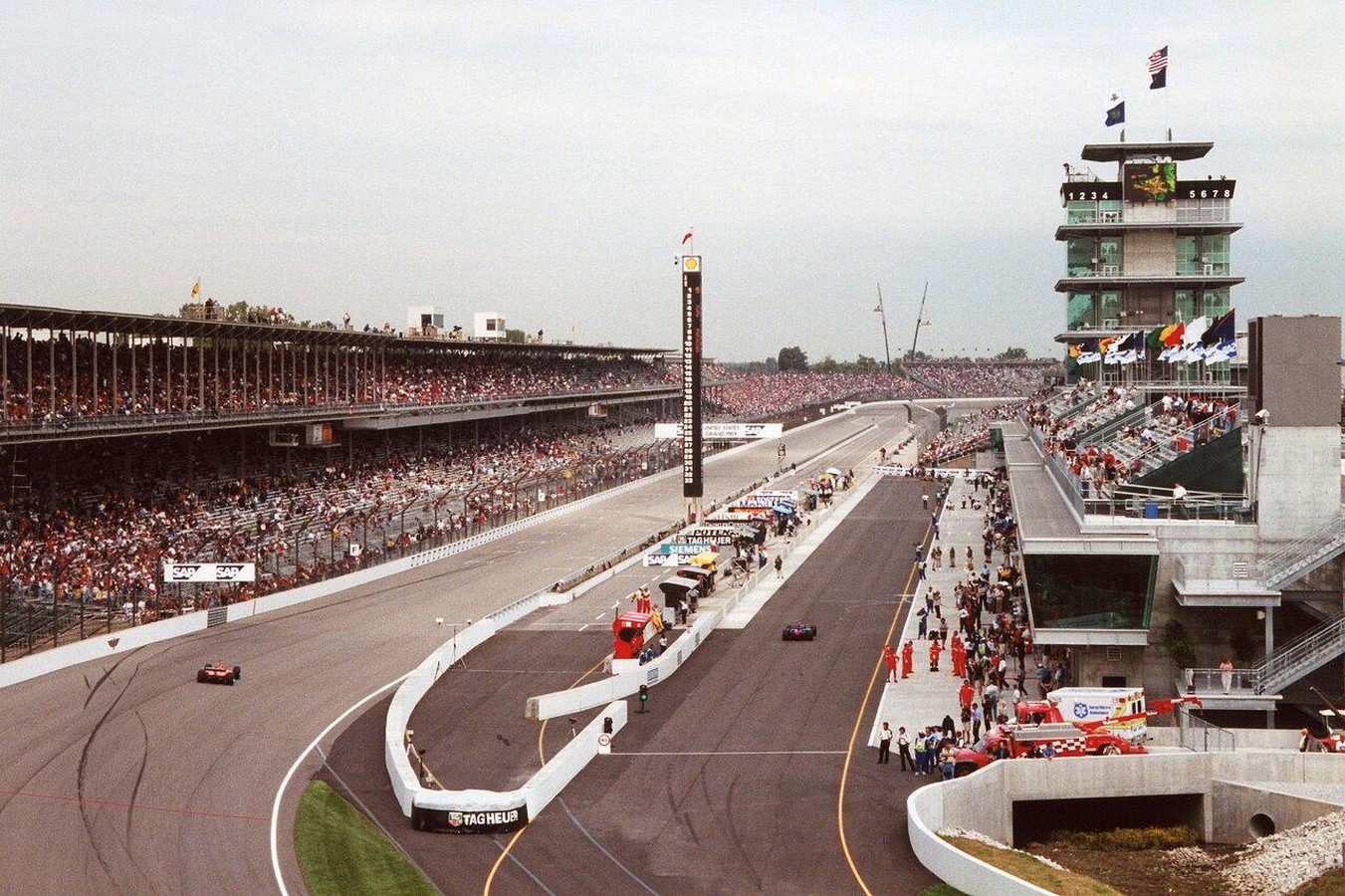
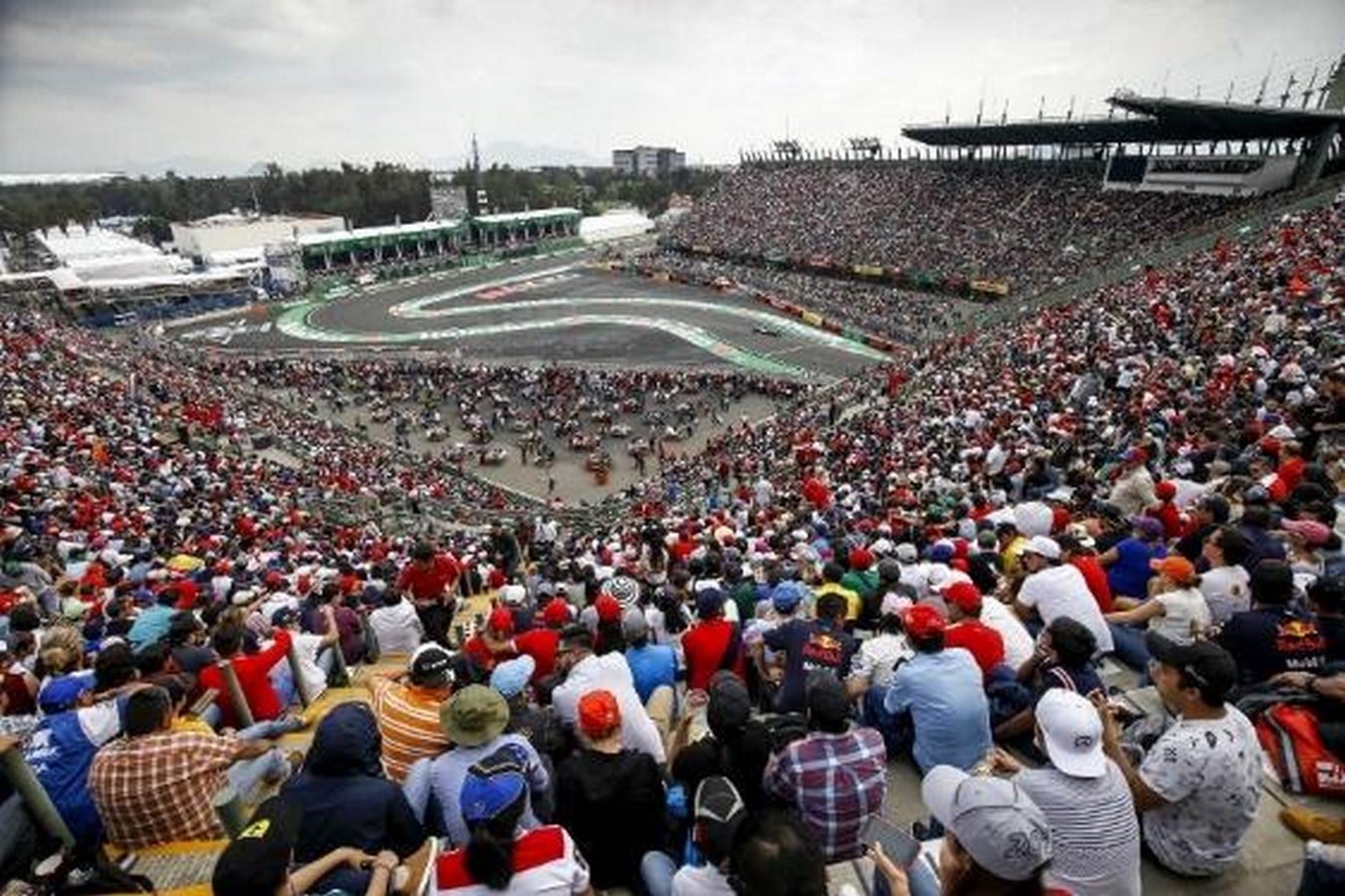
Stepping on an elevated plane, perhaps will provide an enchanting view, instead of breaking off the movement at a place. In a Formula One circuit, the elevation changes and brings up a varying line of vision which defines the upcoming events of curves and angles and for a spectator watching the race, each turn of the car would be a different glimpse of action. Similarly, inclination in architecture occurs with every visual and dynamic shift which offers ranges of spatial diversity. Inclined movement paths like ramps, stepped platforms, mountain cliffs, stilt floor levels, generates hidden layers of views which a fixed perspective would not reveal. It creates a sense of exploration and curiosity for the user, while maintaining the architectural motion throughout.
A journey curating motion
Formula One is indeed the quintessence of speed, which oversees the high velocity with ultimate effortlessness. There is not just one but multiple experiences as well as contrasts came into play while considering Formula one as an analogy for architectural motion. Movement as a design principle, when implied in architecture, sets up a strong impact because it not only considers the dynamism of the building but also works hand in hand with the rhythm of users where circulation is simplified by the defined course and perspective is taken into account with mobility. Therefore, Formula One and architecture resembles at a point where movement is curated wisely, complex turn ways unfolds into predictability, spatial understanding gains recognition, navigation leading to appraisal and perpetuating the fluctuation of speed throughout the journey.