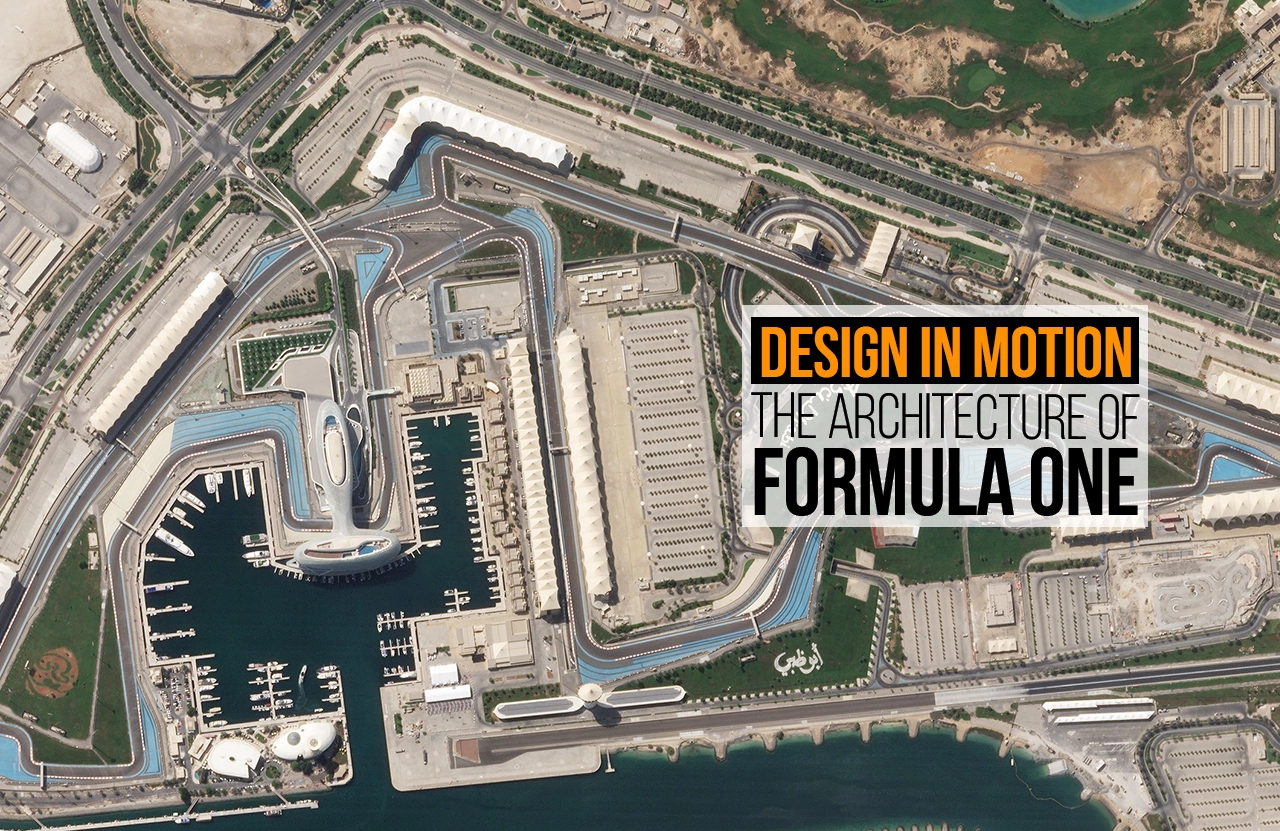
Formula One carries a distinct atmosphere that is recognised long before a race begins. The sound, the tension and the pace of movement around the venue create an environment that feels active and focused, even in stillness. Yet beyond the excitement of the sport, there is an entire architectural system shaping how the event unfolds. Tracks, grandstands, pit buildings and support facilities are not simply constructed for spectacle. They are designed to function as part of a highly coordinated environment where safety, visibility, logistics and experience operate together.

Unlike conventional architecture, where spaces are created for static occupation, the built environment of Formula One is shaped around speed. The circuit must respond to vehicles travelling at extraordinary velocity, while the surrounding spaces are arranged for a slower, observational experience. This contrast creates a unique design condition where engineering precision and human engagement must coexist seamlessly. Formula One therefore offers more than a sporting narrative. It presents an architectural typology that continues to evolve, reflecting technology, culture and the changing expectations of global audiences.
A New Typology: Designing for Formula One
Designing for a racing environment requires a way of thinking that differs from most architectural approaches. The spaces are not arranged around everyday movement but around technical performance and controlled speed. Every part of the circuit environment, from the racing line to the supporting facilities, exists within a framework defined by precision. The Fédération Internationale de l’Automobile sets regulations that influence the geometry of the track, the safety design of barriers and run-off zones, and the minimum standards for visibility and evacuation routes. These requirements create a design process where safety and performance become inseparable.
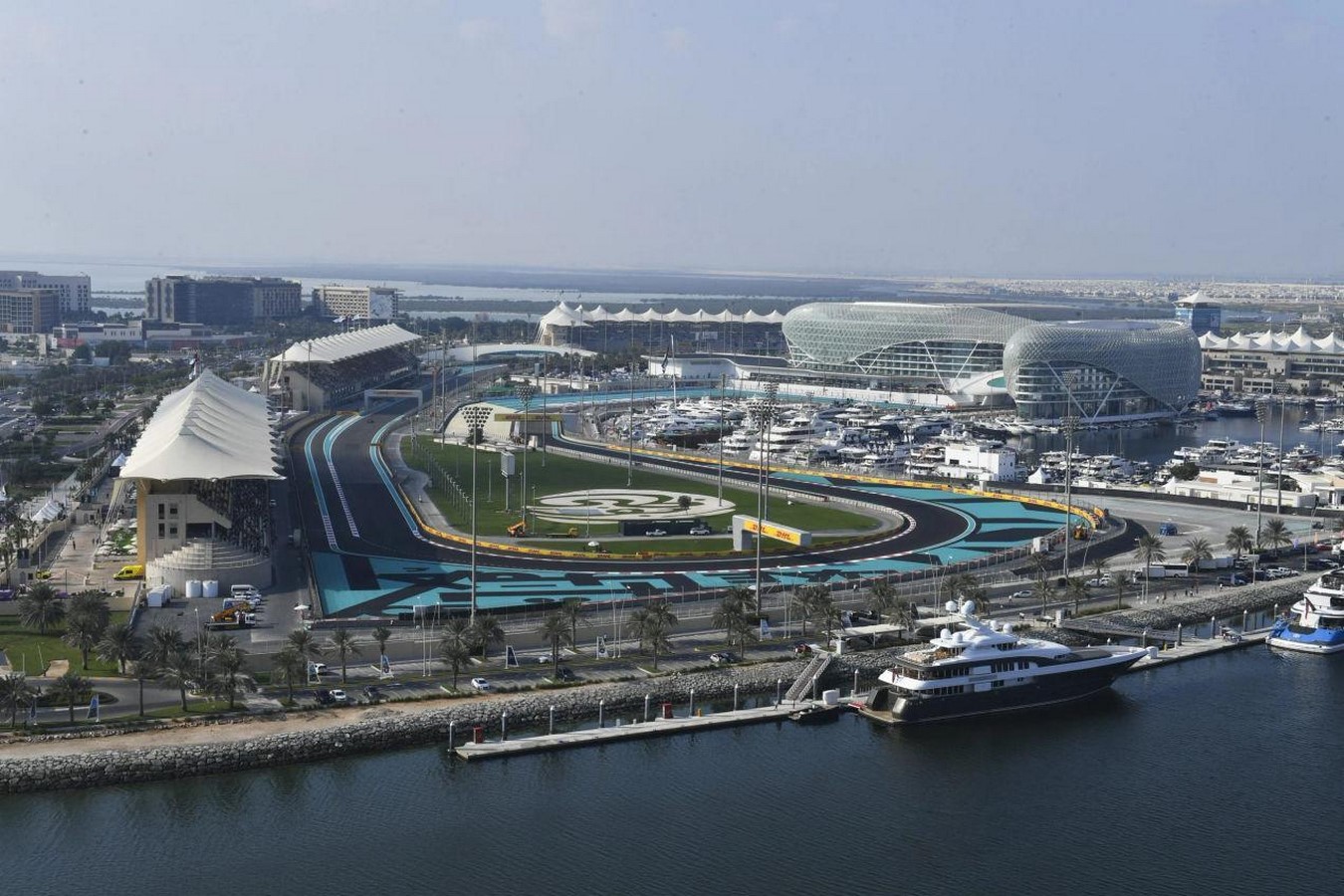
At the same time, the venue must also operate as a large-scale public environment. Circulation routes, seating layouts, hospitality zones and media platforms are arranged to accommodate thousands of spectators, technical teams, broadcasters and officials. This dual role gives Formula One architecture a layered identity. It functions as a sporting infrastructure while also acting as a civic space that welcomes a global audience. The result is a typology defined by coordination rather than architectural style, where the success of the design is measured in efficiency, adaptability and the ability to support the rhythm of a race weekend.
Circuits, Geometry, and Spatial Strategy
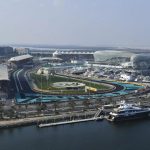
Track design sits at the centre of how the sport functions, and its geometry determines not only how cars move but how the entire racing environment is experienced. Every circuit is shaped through a balance of straight lines, braking zones and corner sequences that test precision and control. These spatial decisions influence overtaking potential, race strategy and the rhythm of competition. Some circuits allow drivers to maintain momentum, while others demand constant adjustment and technical skill. The plan of the track therefore becomes an architectural drawing of performance.
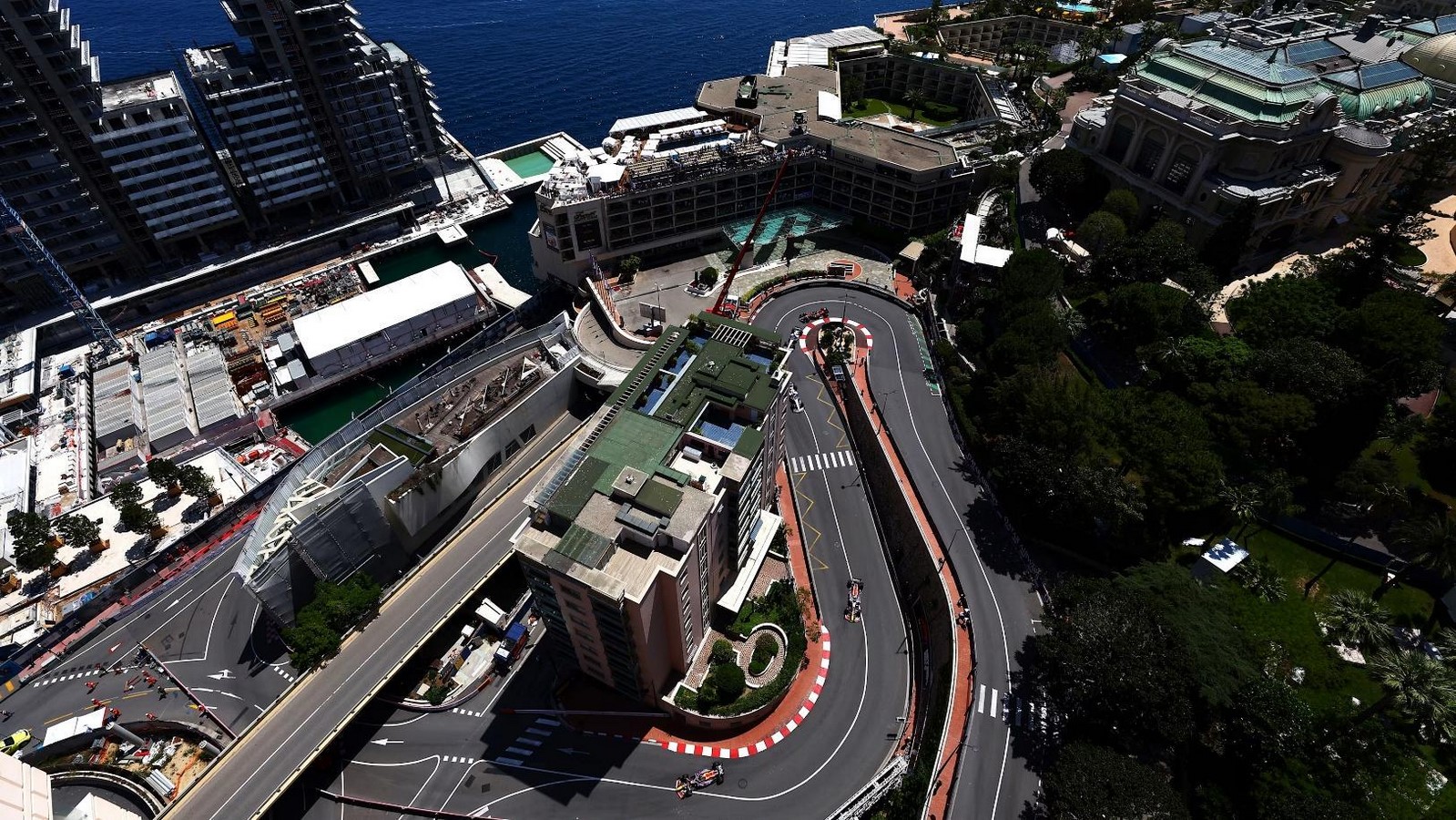
The surrounding landscape often plays a role in shaping the layout. Elevation changes, natural boundaries and available land create opportunities that influence the identity of each venue. The way a circuit sits within its context affects how sound travels, how spectators view the race and how teams operate during the event. This relationship between form and context gives Formula One spaces a character that extends beyond asphalt and barriers. The geometry becomes a framework that guides movement, shapes atmosphere and sets the tone for everything that happens around it.
Spectatorship and Experience Architecture
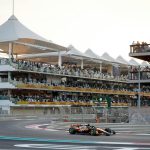
The experience of watching a race is shaped as much by architecture as by the competition itself. Seating, sightlines and spatial hierarchy determine how spectators engage with the event and how connected they feel to the movement unfolding on the track. Grandstands are positioned to frame overtaking points, braking zones or high-speed sections, ensuring that the most significant moments remain visible. The height, angle and proximity of these structures influence how sound, vibration and visual clarity are perceived, turning the act of spectating into a layered spatial experience rather than a passive one.
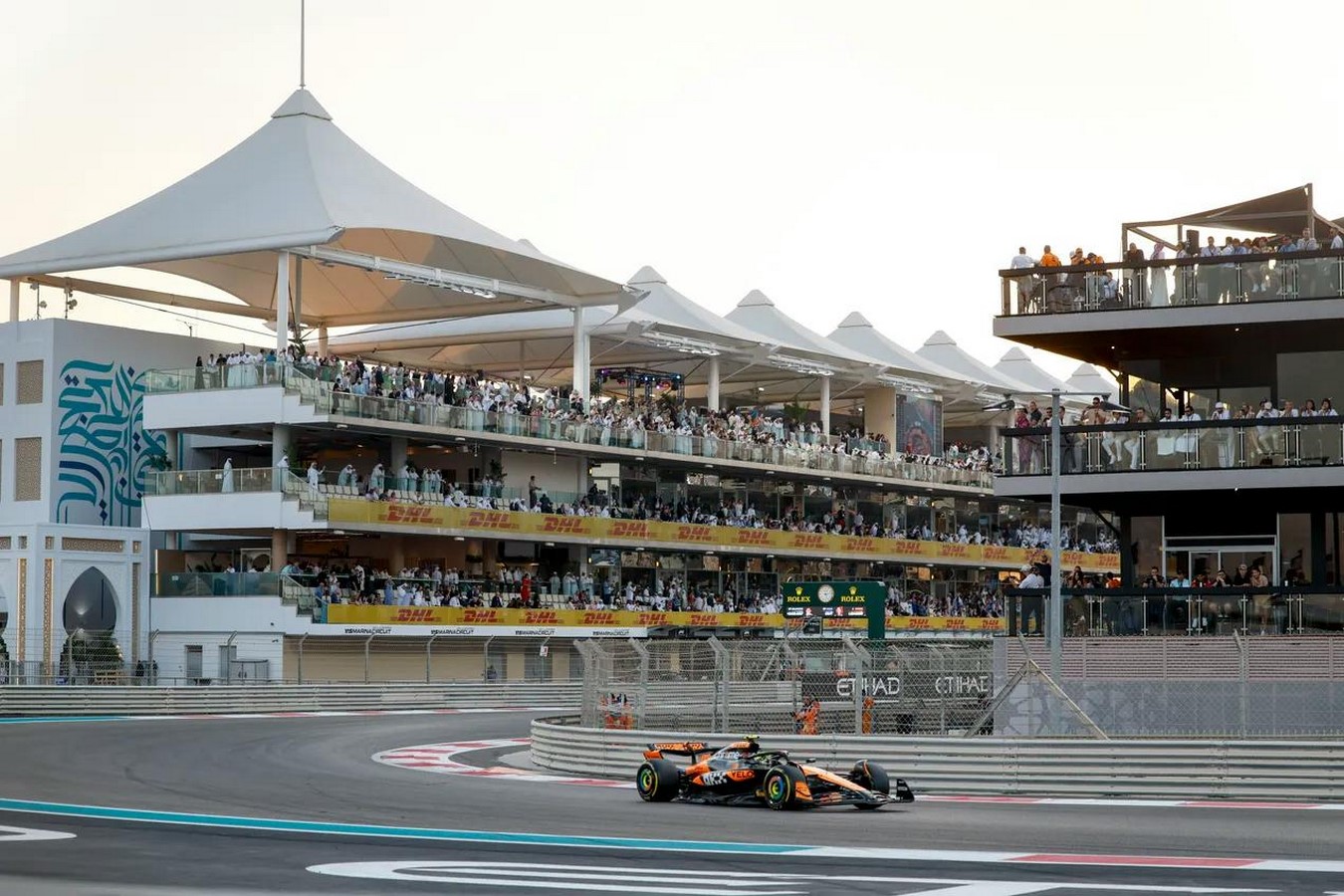
Circulation plays an equally important role. The movement of thousands of people must remain coordinated and intuitive, yet the environment needs to retain a sense of anticipation rather than congestion. Hospitality zones, media platforms, fan engagement spaces and temporary installations all contribute to how the venue operates during a race weekend. Architecture becomes a tool for directing attention, structuring access and shaping the atmosphere. Within this larger system, Formula One demonstrates how built space can transform an event into a shared cultural moment, where the environment reinforces emotion and scale without overshadowing the race itself.
Behind the Scenes: The Hidden City of the Paddock
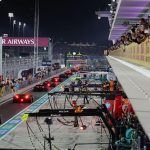
While the track and grandstands shape what audiences see, much of the architectural complexity sits behind restricted access. The paddock functions as a temporary city that supports technical operations, logistics, media and team coordination. It includes garages, data analysis spaces, storage, hospitality suites and working environments where hundreds of people operate with precise timing. The architecture of this area is less about visual identity and more about efficiency, movement and communication. Every space is positioned to reduce delays, optimise workflow and maintain controlled security.
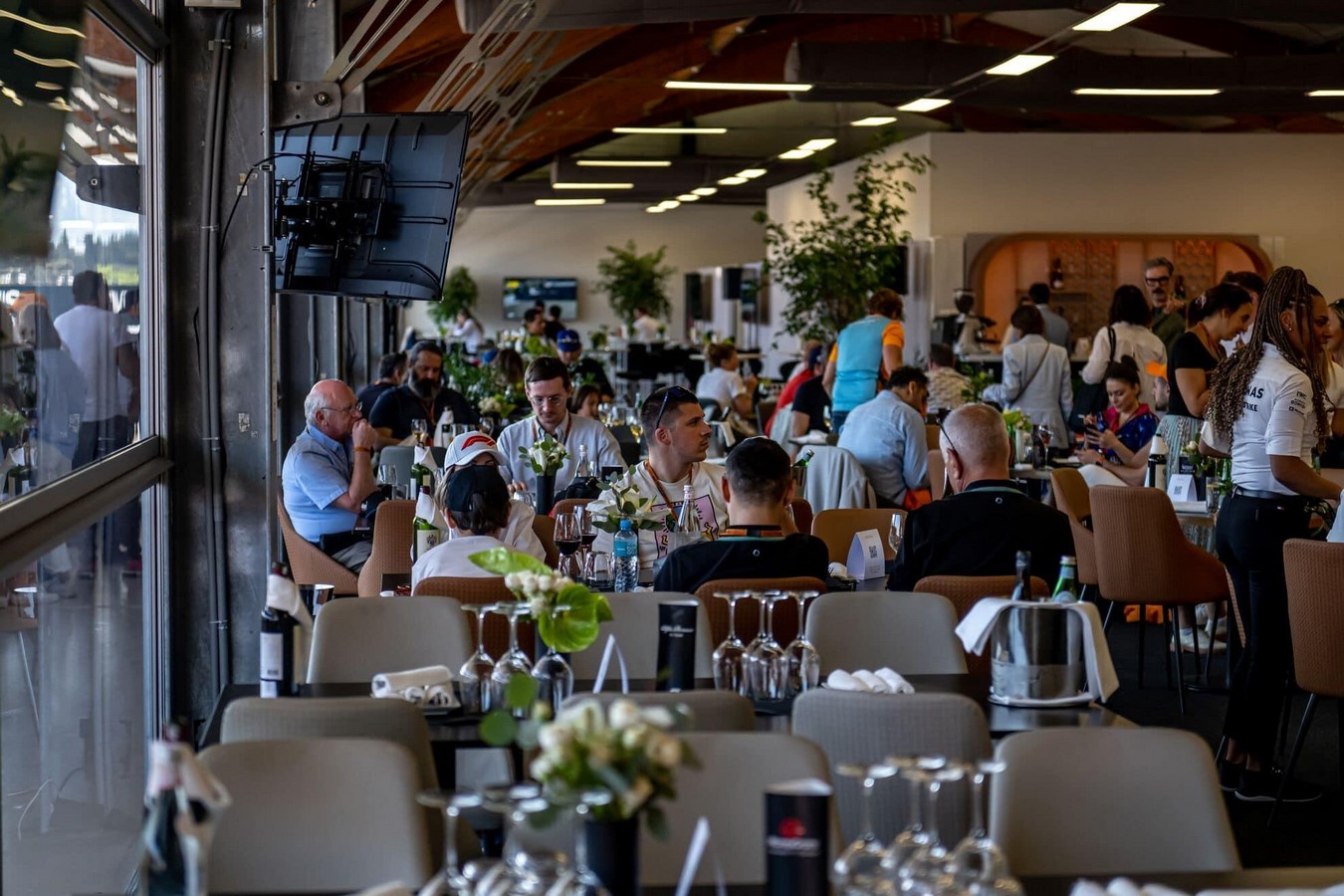
Within this controlled setting, architecture becomes closely tied to technology. Portable structures, modular systems and adaptable configurations allow the paddock to be dismantled, transported and reconstructed as the championship travels across continents. The garages are arranged to create clear spatial relationships between engineers, drivers and mechanics, allowing rapid turnaround during sessions. This organisational clarity mirrors the discipline of the sport itself. Although the paddock remains largely unseen by spectators, it reflects the operational intelligence that allows Formula One to function at a scale few sporting events can match.
Identity, Culture, and Place-Making in Formula One
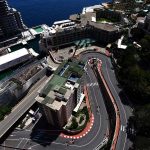
Every circuit carries a character shaped not only by design but by the culture surrounding it. Architecture in this context becomes a form of place-making, where material choices, spatial planning and landscape integration help define what makes one venue distinct from another. Circuits such as Monaco, Monza, Suzuka or Silverstone are recognised not only for racing history but for the way their surroundings influence the atmosphere of the event. The urban setting of some tracks creates a sense of immediacy and density, while others rely on open landscapes, natural elevation and spacious viewing zones to frame the race. These differences give each venue an identity that extends beyond geometry.
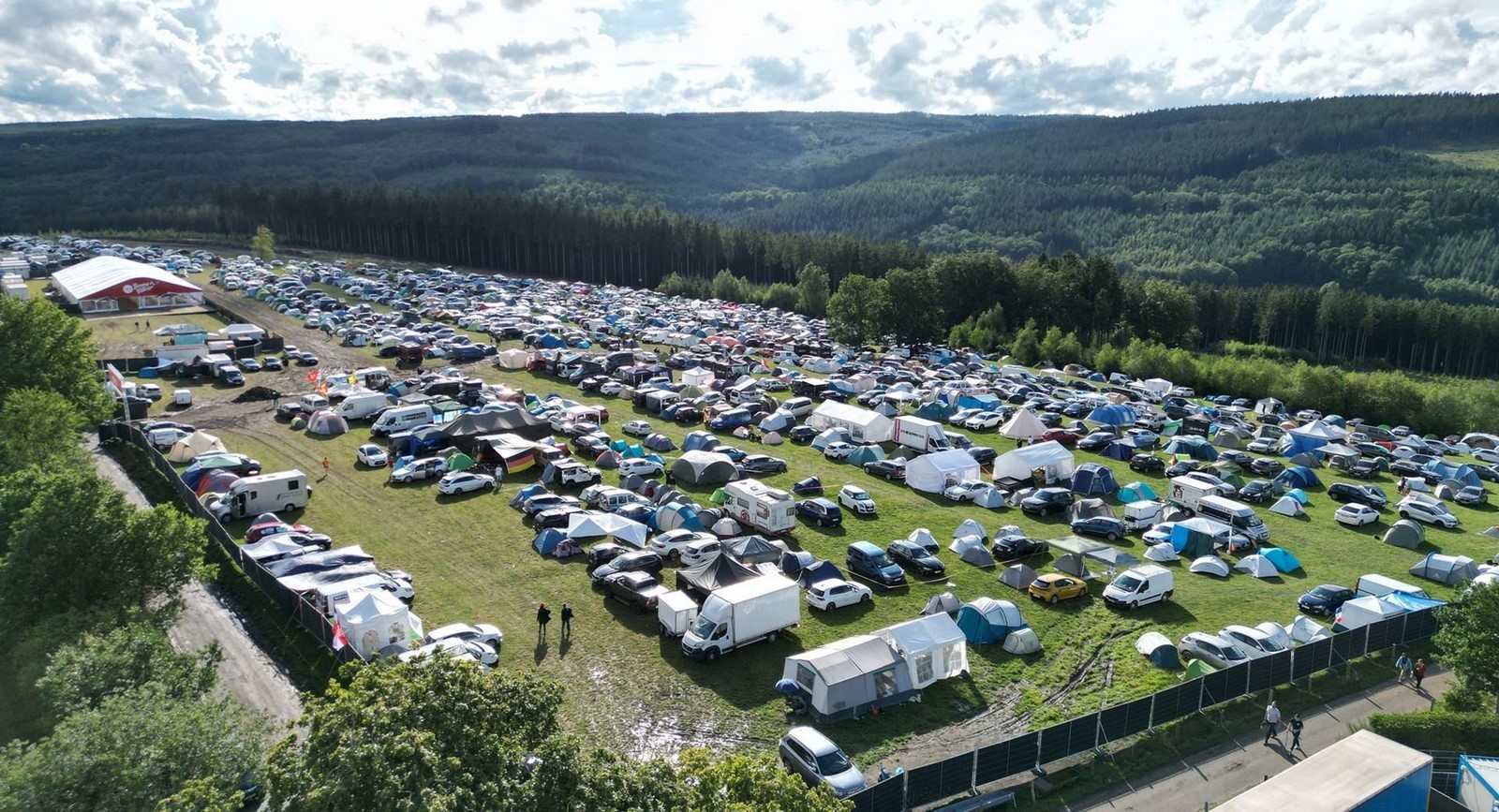
As the sport expands to new regions, architecture plays a role in representing local culture to a global audience. Hospitality structures, public plazas, lighting strategies and landscape features are used to communicate a sense of place. Some circuits emphasise tradition, while others highlight innovation, luxury or spectacle. This creates a diverse architectural language that reflects the shifting ambitions of the sport. Formula One therefore becomes a platform where design responds to cultural expectations as much as technical requirements, resulting in environments that feel rooted in context rather than interchangeable across locations.
The Future Shape of Formula One Architecture
As the sport evolves, the architecture that supports it continues to respond to changing expectations, technological progress and cultural influence. Sustainability, accessibility and digital integration are becoming significant considerations, shifting the focus from temporary spectacle to long-term relevance. Circuit planning now looks beyond race day and considers how these environments function when the cars are silent. Some venues are being designed to support year-round activity through public parks, training facilities, event spaces and community programmes, allowing the infrastructure to serve multiple purposes.

This shift marks an important transition in how racing environments are understood. They are no longer defined only by engineering demands or audience capacity. They are now seen as part of the urban and cultural landscape. Formula One architecture will likely continue to expand its role, moving toward settings that balance performance with adaptability and identity with environmental responsibility. The typology remains dynamic, shaped by innovation and by the way global audiences engage with the sport. Architecture will continue to serve as the framework through which this evolution becomes visible, offering structure to a world built on movement, precision and transformation.
Reference:
Balfour, A., 2020. Yas Marina: The most expensive F1 circuit ever built. [online] F1experiences.com. Available at: <https://f1experiences.com/de/blog/yas-marina-circuit-most-expensive-f1-circuit-ever-built>
Thomas, A., 2017. Most expensive sports in the world | Playo – Playo. [online] Playo. Available at: <https://blog.playo.co/4-most-expensive-sports-in-the-world/>
F1framework.blogspot.com. 2014. The dark side of track design. [online] Available at: <http://f1framework.blogspot.com/2014/01/the-dark-side-of-track-design.html>