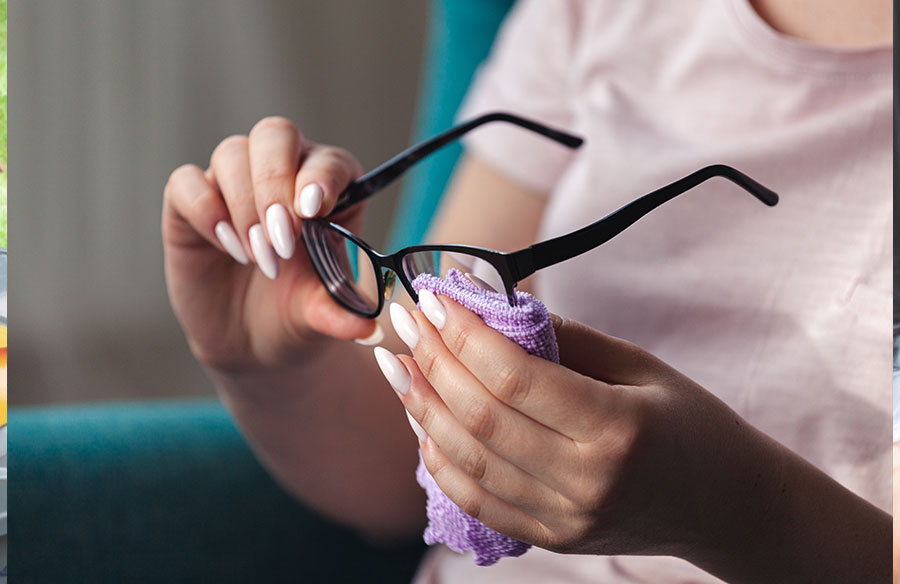
Prescription glasses are an essential part of daily life for many people, helping them see clearly and comfortably. However, keeping them clean is just as important as wearing them. Regular cleaning not only enhances visibility but also maintains the quality and longevity of the lenses. Improper cleaning methods, on the other hand, can lead to scratches, damage to coatings, or even blurred vision. In this article, we’ll discuss how to clean your prescription glasses safely and effectively, ensuring that your lenses remain clear, scratch-free, and in great condition for as long as possible.
Understanding the Lenses
Before diving into the cleaning process, it’s important to understand the different types of lenses and why proper care is crucial to preserve their quality.
Types of Lenses
Prescription lenses come in various materials and coatings, each requiring specific care:
- Plastic lenses are lightweight and affordable but prone to scratches.
- Glass lenses are more durable but heavier.
- Anti-reflective coating helps reduce glare but can be prone to smudging.
- Scratch-resistant coatings protect against everyday wear but are not invulnerable.
- Polarized lenses reduce glare from reflective surfaces but require gentle cleaning to avoid damage to the coating.
Why Proper Care Is Essential
Proper care is essential to prevent damaging the lenses or any special coatings. Using incorrect cleaning methods can lead to scratches, streaks, or loss of anti-reflective coatings. By following the right cleaning techniques, you can keep your glasses in excellent condition, ensuring that your vision remains sharp and clear.
Common Mistakes to Avoid
Many people make the mistake of using improper cleaning techniques that can damage their prescription glasses. Here are some common mistakes to avoid:
Using Paper Towels, Tissues, or Clothing
While it may seem convenient to grab a tissue or a paper towel, these materials can be abrasive. They may leave fibers on the lenses or, worse, scratch them. Clothing, especially rough fabrics like denim, can also scratch the surface or smudge the lenses.
Using Harsh Chemicals or Household Cleaners
Household cleaners or harsh chemicals can strip the coatings off your lenses, leading to permanent damage. Products like glass cleaner, ammonia, or bleach can be too strong for the delicate surface of your glasses and cause discoloration or deterioration.
Rubbing Lenses When Dry or with Grit on Them
Rubbing lenses when they’re dry or have dirt on them is a surefire way to cause scratches. Tiny particles of dust or sand can act like sandpaper, leaving permanent marks on your lenses. Always ensure your lenses are free of grit before cleaning them.
Best Practices for Cleaning Prescription Glasses
To ensure that your prescription glasses remain in optimal condition, it’s essential to follow some simple and effective cleaning practices.
A. Regular Cleaning Routine
How often should you clean your glasses? Ideally, you should clean your glasses every day, especially if you wear them throughout the day. This helps prevent the buildup of oils, dust, and debris that can cause smudges or scratches. Make sure to wipe them gently every night to ensure they’re clear for the next day.
Keeping Lenses Free from Dust and Oils
Throughout the day, your lenses can accumulate dust, oils from your skin, and other residues. These build-ups can distort your vision and create a breeding ground for bacteria. Regular cleaning prevents these build-ups, ensuring that your lenses remain free of oils and dust.
B. Using Proper Materials
The right cleaning materials can make a big difference in preserving the quality of your lenses. Here’s why:
Microfiber Cloths
Microfiber cloths are the best option for cleaning your glasses. They are soft, gentle, and effective at removing dust, smudges, and oils without causing scratches. Microfiber is specifically designed to lift dirt and oils from surfaces without leaving behind fibers or damaging coatings.
Lens Cleaning Solutions vs. Water and Mild Soap
While water alone can remove some debris, using a lens cleaning solution specifically designed for eyeglasses is the most effective method. These solutions are gentle, alcohol-free, and designed to break down oils without damaging the coatings. If you don’t have a lens cleaning solution, mild soap and lukewarm water work well as a substitute.
C. Step-by-Step Cleaning Guide
Follow these simple steps for a safe and effective cleaning process:
- Rinse the Lenses Under Lukewarm Water
Start by rinsing your glasses under lukewarm water to remove any dust, dirt, or debris that may scratch the lenses. Avoid using hot water, as it can damage coatings or warp the frame. - Apply a Small Amount of Mild Soap (Optional)
If you need a deeper clean, apply a small amount of mild soap to the lenses. Avoid using dish soap or any soap with harsh chemicals that could damage the lenses. - Gently Wipe with a Microfiber Cloth in Circular Motions
Using a microfiber cloth, gently wipe the lenses in circular motions. Don’t press too hard, as this can cause unnecessary pressure on the lenses. The goal is to remove oils and smudges without rubbing the lenses too aggressively. - Dry the Lenses Carefully
Once the lenses are clean, gently pat them dry with a clean microfiber cloth. Avoid rubbing the lenses when drying, as this can introduce new smudges or cause abrasions. Always use a soft, clean cloth to ensure the lenses remain scratch-free.
Storing Glasses Properly
Proper storage is just as important as regular cleaning when it comes to preserving the longevity of your prescription glasses.
Use a Hard Case to Protect from Scratches
When you’re not wearing your glasses, always store them in a hard case to protect them from scratches, dust, and other potential damage. A hard case keeps the lenses safe from accidental drops and prevents the frame from getting bent or deformed.
Avoid Leaving Glasses in Direct Sunlight or Extreme Temperatures
Never leave your glasses in direct sunlight or in places where temperatures fluctuate significantly, such as in a car on a hot day. Prolonged exposure to high heat or UV rays can warp the frame and damage lens coatings. Always keep your glasses in a cool, dry place.
Additional Tips for Special Coatings
Some prescription glasses come with special coatings that require extra care to ensure they stay in good condition.
How to Clean Anti-Reflective or Anti-Scratch Coatings
Anti-reflective coatings reduce glare and improve visual clarity, but they can also show smudges more easily. When cleaning these lenses, it’s essential to be extra gentle. Use a microfiber cloth to gently wipe away fingerprints and oils, and avoid using harsh cleaners that could strip the coating.
Handling Smudge-Resistant or Polarized Lenses
Smudge-resistant lenses are designed to resist oils and fingerprints, but they still require periodic cleaning. Polarized lenses, which are commonly used to reduce glare from reflective surfaces, should also be cleaned with caution. Be sure to use a microfiber cloth to avoid damaging the polarized coating.
Conclusion
Maintaining a gentle, consistent cleaning routine for your prescription glasses is essential for keeping them in great condition and extending their lifespan. Avoid common mistakes like using paper towels or harsh chemicals, and follow best practices like using microfiber cloths and mild soap. Regular cleaning and proper storage will ensure that your glasses stay clear, comfortable, and free from damage.
By taking care of your prescription glasses, you’ll not only keep them looking great but also ensure that your vision remains sharp for years to come. Treat your glasses with the same care you would give to any valuable item—they’re an investment in both your eye health and style.