A Fort Rooted in Antiquity The origins of Chanderi Fort date to the 11th century, when Kirti Pal of the Pratihara dynasty first established it. Inscriptions found in the Gwalior…
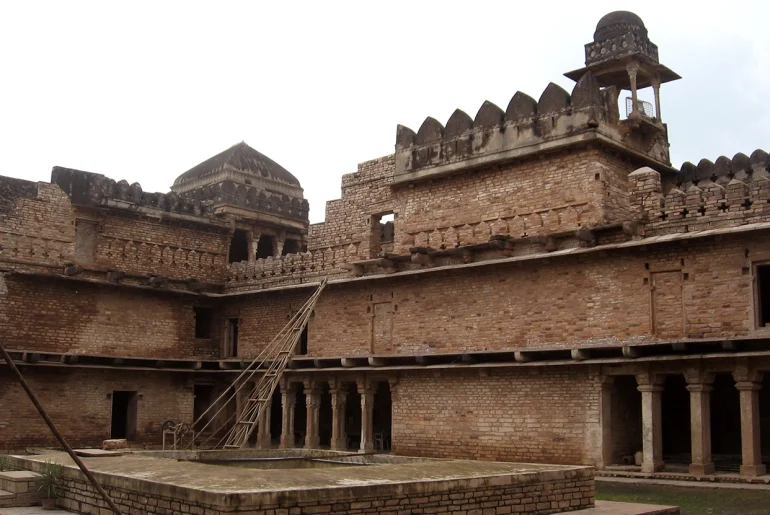


A Fort Rooted in Antiquity The origins of Chanderi Fort date to the 11th century, when Kirti Pal of the Pratihara dynasty first established it. Inscriptions found in the Gwalior…

Buildings imbibe more meaning than purely providing shelter; they serve as silent storytellers of the societies that created them. From ancient temples, cathedrals, and even modern glass faceted structures, building…

Architecture is a story told by bricks; it is a problem solved, a feeling experienced in each corner of a space, it is a memory trapped, held tightly by the…
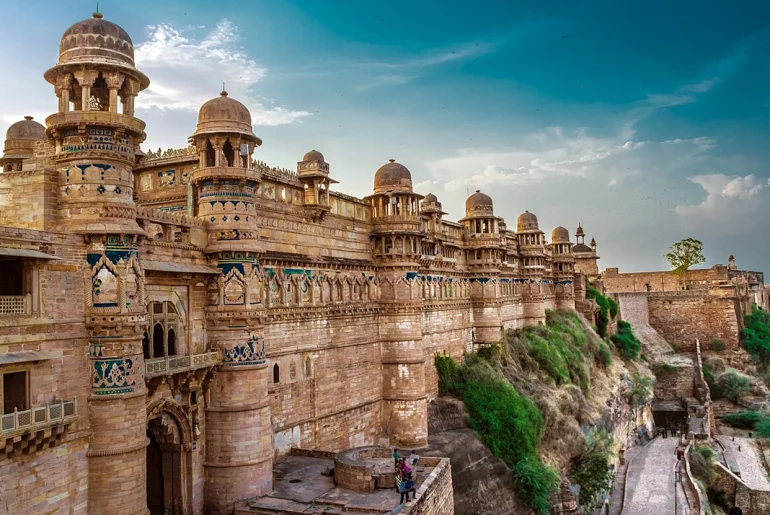
The Gwalior Fort is not just a fort. It is a storyteller in sandstone, perched high above the city like a watchful guardian. At dawn, the blue tiles of Man…
Think of the very first human handprints in caves, trying to understand and take in the world, in contrast with the audacious skyscrapers of today, defying existence in the world.…

The door’s heavier than you expect. You shove, and it moves slowly, the hinges letting out a sound somewhere between a groan and a sigh. Inside, the air shifts, cooler,…

Jimmie Durham (1940-2021) was an artist, sculptor, writer, and activist whose work challenged and transformed our understanding of art, history, architecture, and space. Born in the USA, he identified himself…

Architecture, in itself, weaves a tale of times gone by, with precincts of wood and stone harbouring values and stories that once transpired. Mies Van Der Rohe once said that…

Heritage/ Traditional Architecture Heritage architecture means old buildings or structures that are important to a country’s history or culture and need to be protected. It carries the construction techniques, lifestyles,…

Architecture is more than the construction of spaces; it is a means through which societies record their history, values, and identity. They are the material forms of human existence, and…

Funerary architecture came into the frame when different cultures started believing in the life after death, which is the governing idea of the religion of the Egyptians (Basis of Hope),…

The word ‘history’ finds its etymology in Greek, Latin, and French. In Greek, it derives from “histor,” meaning a ‘learnt, wise man,’ and “historein,” which translates to ‘learning by inquiry’…