Buildings imbibe more meaning than purely providing shelter; they serve as silent storytellers of the societies that created them. From ancient temples, cathedrals, and even modern glass faceted structures, building the skyline architecture captures cultural values, historical events, and most importantly human aspirations in a physical form. Each structure becomes a time capsule, preserving the essence of its era for future generations to read, interpret, and remember.
Architecture as a Living Story
While books must be read, paintings must be viewed, architecture requires the space to be inhabited, sensed, and most of all remembered after decades. Buildings are not the stories imbibed within them, but rather they themselves become the story. Each window of a building is an eye looking out into the future. Each doorway is a portal into society’s values, fears, and aspirations. Take a step into an ancient cathedral, and you are not just walking into a building; you are stepping into the belief system of an entire age. Heritage buildings are physical manifestations of the past, carrying within their walls the complex stories of history, culture, and building developments. They are more than bricks and mortar; they are repositories of memories, traditions, and skills.
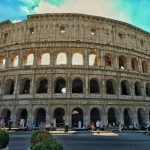
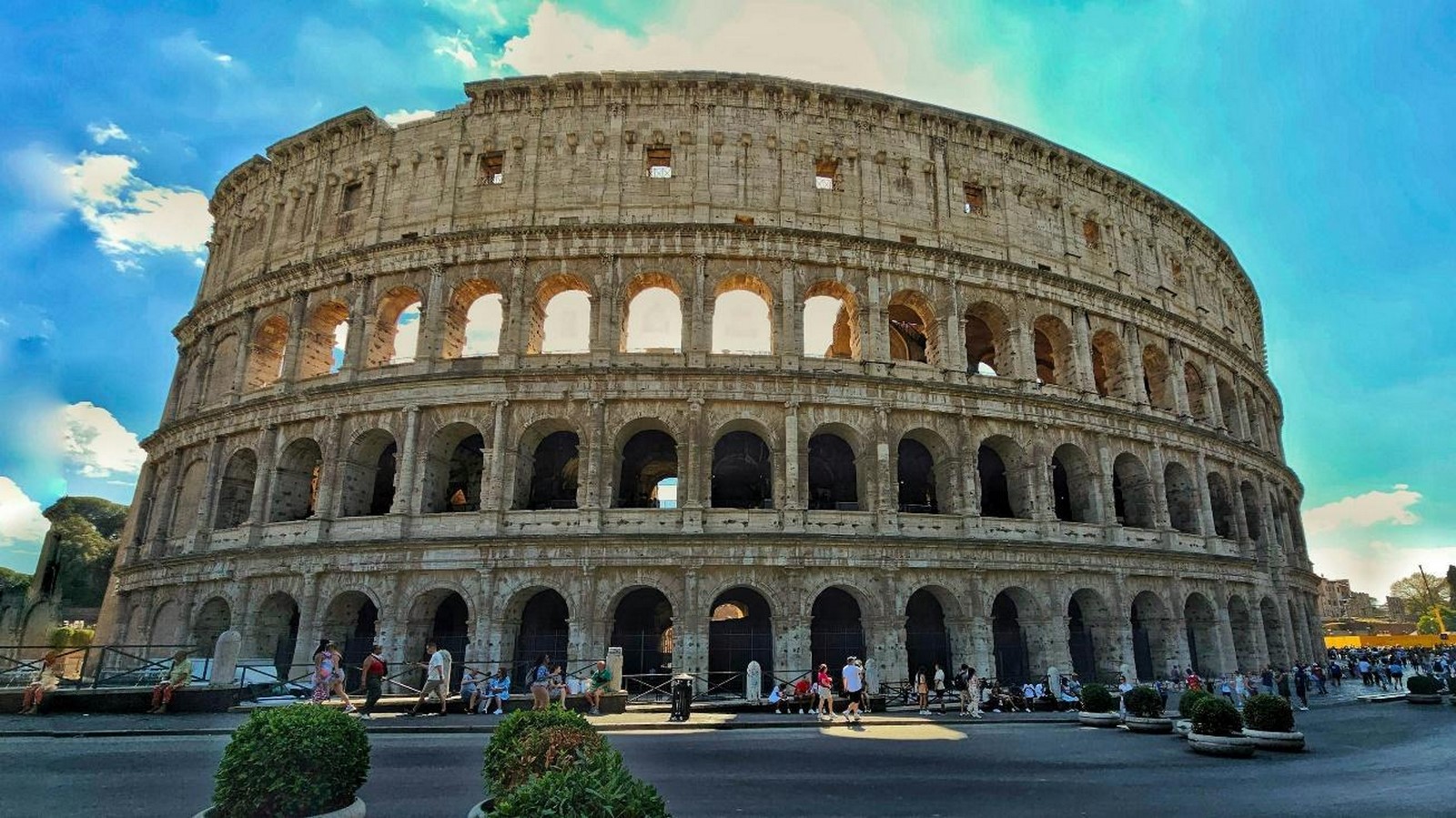
The Colosseum: Echoes of applause
The Colosseum is an ancient building built in the 80 CE, which cannot be considered in itself as a ruin, but it is a resonant shell in which the roar of 50,000 voices still lingers today when you close your eyes. It consists of arches that sweep like parentheses around the tales of emperors, gladiators, and citizens famished for spectacle. It is no doubt a building that speaks of technological brilliance, concrete vaults, retractable awnings but of human contradictions as well: brutality as entertainment, politics masquerading as play. Even while the limestone popularly known as Roman travertine decays, its silence is not vacant. It is dense with what it recalls.
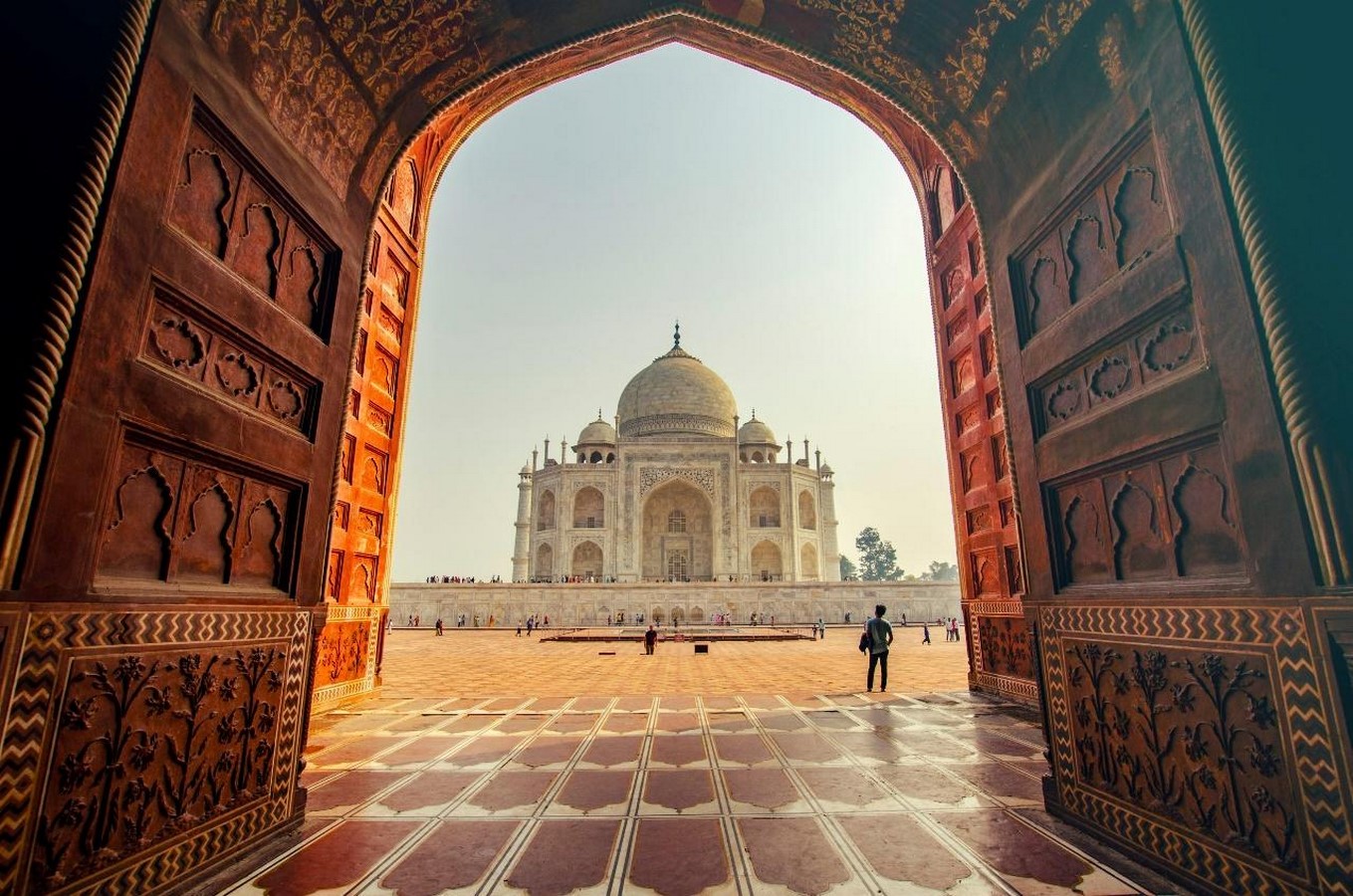
The Taj Mahal: A love letter in marble
The Taj Mahal is more than a mausoleum; it is an eternally beautiful whisper cut into marble. It was constructed by Shah Jahan depicting his eternal love for Mumtaz Mahal, a perfect example of a structure where grief comes to architectural life. The building breathes love so powerful that it insists on eternity. Its gardens, water bodies, and lettering weave Islamic, Persian, and Indian motifs. It is a typical example of how architecture doesn’t just tell a story but feels one.
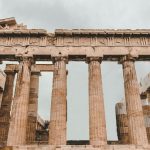
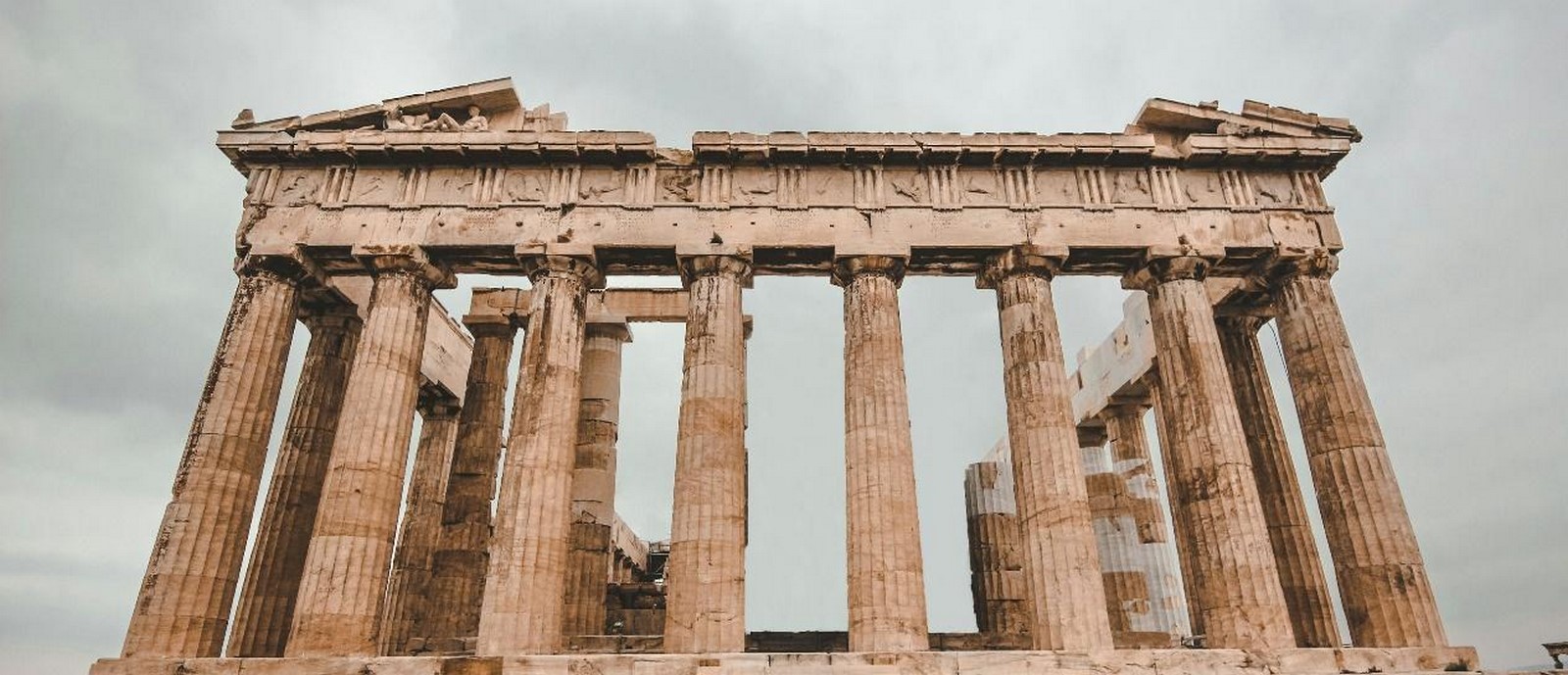
The Parthenon: Ruins that refuse to fall silent
The Pantheon is situated on the Acropolis of Athens standing tall as a worn out manuscript with its columns unfinished and statues scattered. But the message it renders is evident: democracy, philosophy, proportion, and human desire for harmony. To reflect on this ancient building means to tread upon the footprints and enter into a dialogue with ancient Athens, a city that believed humans could construct beauty with perfect order. Ruins of this ancient monument remind us that more than accuracy and perfection, survival itself is a vital part of the story.
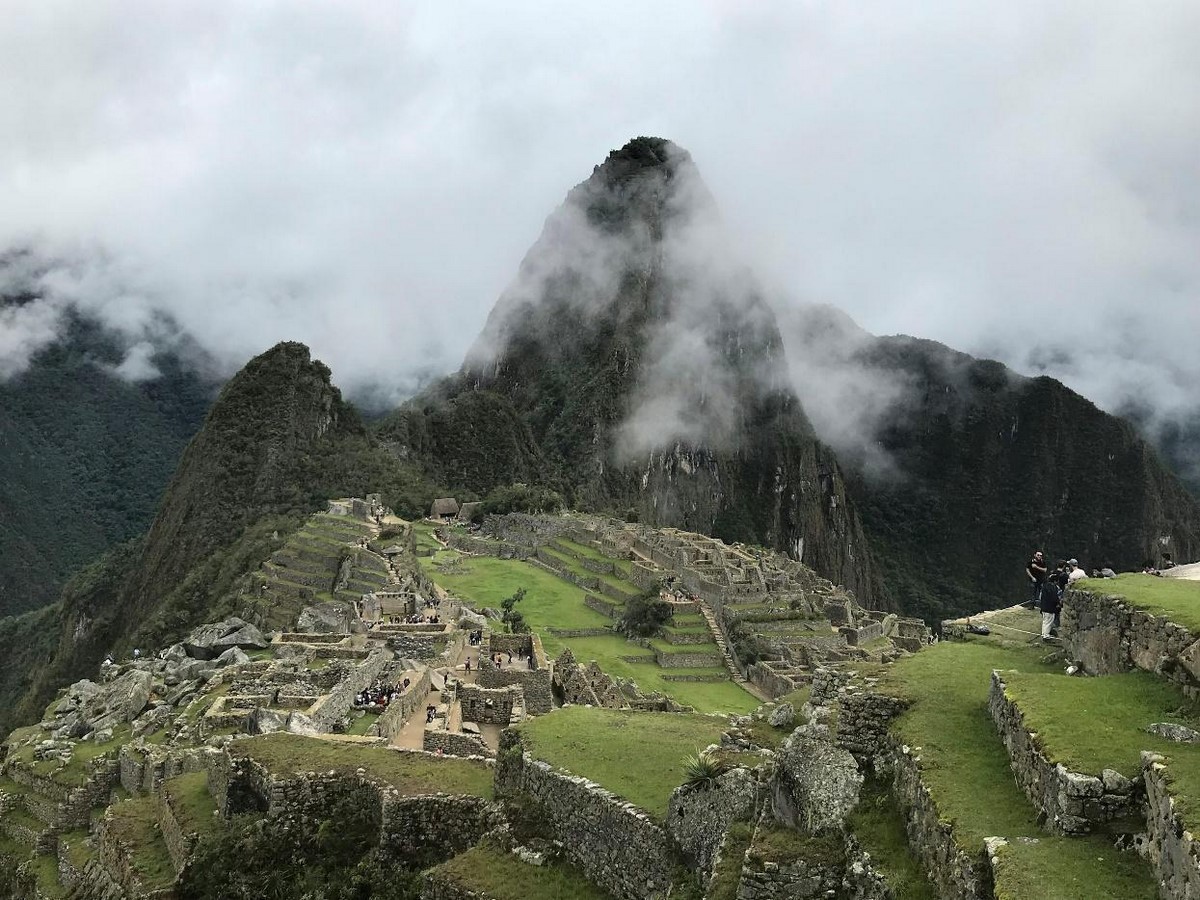
Machu Picchu: A City among the clouds
Machu Picchu is an ancient Inca city built of stone located high in the Andes, it is adorned by the mountainsides like a secret shared with the sky. It serves as a testament to the extraordinary engineering skills and artistic endeavors of the Inca people. Its terraces for agriculture are made of precisely cut stones that could be fit together without any mortar (ashlar masonry) as if they were one with the mountains, allowing the landscape to guide the architecture, which is substantial evidence of survival, ingenuity, and respect for nature. What is truly moving about Machu Picchu is its design solely based on intent wherein the structures were aligned with the traces of the stars and the sun reflecting their deep connection with astronomy. This example illustrates how this civilization lived in harmony with the ground and heaven. It is also a timely reminder to emphasize that architecture serves as both shelter and a ceremony.
Preservation: Keeping these stories alive
In our constantly evolving built environment lies a significant responsibility to honor our history. This is what is called architectural preservation, a term to preserve our heritage while embracing the future. It is a delicate play between history and progress making sure that the stories our buildings carry are etched for generations to come. If architecture is our time capsule then preservation is the art of keeping this capsule sealed against the erosion of time. It is much needed to preserve these structures because they serve as a constant reminder of who we are and who we have been. Some of the factors that highlight the importance of preserving the natural heritage include a need for appreciating the cultural heritage, brings people together and connects them with their past, increases economic value and reduces environmental impact leading to an eco- conscious future.
Architecture is not mute; it demands to be felt. It speaks in vaults, arches, domes, shadow and light. It recalls how we were, what we are, and suggests how we may become. To preserve architecture means to directly preserve language, identity, and imagination. To neglect it means to welcome silence where stories once existed. The next time you stand in front of an ancient building or a monument, stop, put your hand on the wall, and sense its coldness. That coldness is not emptiness; it is time itself translating its history onto your palm. Architecture is mankind’s finest time capsule. And as long as we’re listening, the tales never will die.
Citations:
- J. Jokilehto, a history of architectural conservation. Available at: https://www.iccrom.org/sites/default/files/ICCROM_05_HistoryofConservation02_en.pdf (Accessed: 20 September 2025).
- Antonis, M. (2025) the architectural marvel of the parthenon: How it changed history, Greek Mythology. Available at: https://greek.mythologyworldwide.com/the-architectural-marvel-of-the-parthenon-how-it-changed-history/ (Accessed: 20 September 2025).
- Centre for Construction and Architectural Excellence Architecture. Available at: https://architecture.celnet.in/preserving-architectural-heritage-the-importance-of-safeguarding-our-built-history/ (Accessed: 20 September 2025).
- Preserving legacies: The delicate balance of conservation and historical architecture. Dualchas Architects. Available at: https://www.dualchas.com/news/preserving-legacies-the-delicate-balance-of-conservation-and-historical-architecture (Accessed: 20 September 2025).
- Quechuas Expeditions (2025) Machu Picchu Architecture: The Inca buildings explained, Quechuas Expeditions. Available at: https://www.quechuasexpeditions.com/machu-picchu-architecture-the-buildings-of-the-incas-explained/ (Accessed: 20 September 2025).