The word architecture means the study and design of buildings, by which the first words that come to our mind are column, foundation, beams, and walls. While experiencing the architecture that surrounds us, we realize that it’s the symbolism of tradition, values, and culture that is deeply rooted in our souls. Hence, architecture is not just restricted to this, but it’s an inspiration of the cultural values in tradition around it, which is intangible, so by that a new definition can be formed by it that is “architecture is a way of converting intangible experiences into tangible experiences.”
Ancient Timeline: Power and Faith
Ancient architecture represented the internal value of those societies where it was built. Taking into consideration the temples of Khajuraho and Hampi, which not just portray the religious energy but also the detailed carvings and features of their temples, depict the ancient legends that have been ingrained within these temples throughout history.
Some of the social structures, like the stepwells of Gujarat and Rajasthan, show that ancient architecture is not just about power but can also act as spaces for recreation and social interaction. They were used for collecting water, and people used to play and sit around it. Religion establishes a relationship with a place by giving it deeper meaning and fostering a sense of connection to the space.
Similarly, European architecture has great Gothic cathedrals with high value and stained glass windows to elevate the spirit within each of the gods. This tells us that architecture is not just serving basic needs, but it is the reflection of its religious culture identity, and the character of that place.


Industrialisation to the Modern Moment: From Efficiency to Contradiction
Over a period of time , developing countries especially India experienced industrialisation and modernisation which brought many opportunities , in terms of infrastructure , modern technology ,sustainability which deeply influenced human life and gave architecture a new impression. With the industrial revolution and the need of mass production , fast building construction technology has completely changed and people face extreme transition in their lifestyle. For architects , it is still a challenge to adapt to these rapid changes happening in human needs and requirements . That’s why a major question exists , is industrialisation a boon or a bane?
Due to modernisation which was adopted from western architecture , it definitely questions the culture identity and also questions does it really require . These questions make architects wonder if cultural identity and industrialisation should go hand in hand . Architects should be adaptable and should also respect the cultural identity .adaption of sustainability, social sensitivity , innovation and vertical growth are vital for countries like India to prosper , fusion of traditional methods and modern technology is vital , hence architects should harness industrial tools to not to raise culture but to create new vocabularies which can respect past and future .

The Human Dimension: Empathy in Design
Empathy is one of the most important things that architects learn, and it is the most valuable lesson of architecture itself. Even after understanding the “where” and the “what,” the main question remains: how do people feel within the spaces? A beautiful, well-thought-out public park may give people the feeling of being part of the community, on the other hand, a poorly-designed one may evoke feelings of fear or anxiety.
Architecture has a major impact on people’s habits and the whole range of their emotions. Hospitals promote healing, schools guide learning, and homes shape up safety. Every space talks about the values that the people living in that space possess, whether these values are considered inclusive or exclusive, permanent or adaptable, communal or isolated. Consequently, architects are not only the creators, but also the narrators who, through the human needs and desires they decipher, tell stories of the characters we are in the spaces we live in.
Reading Buildings Like Books
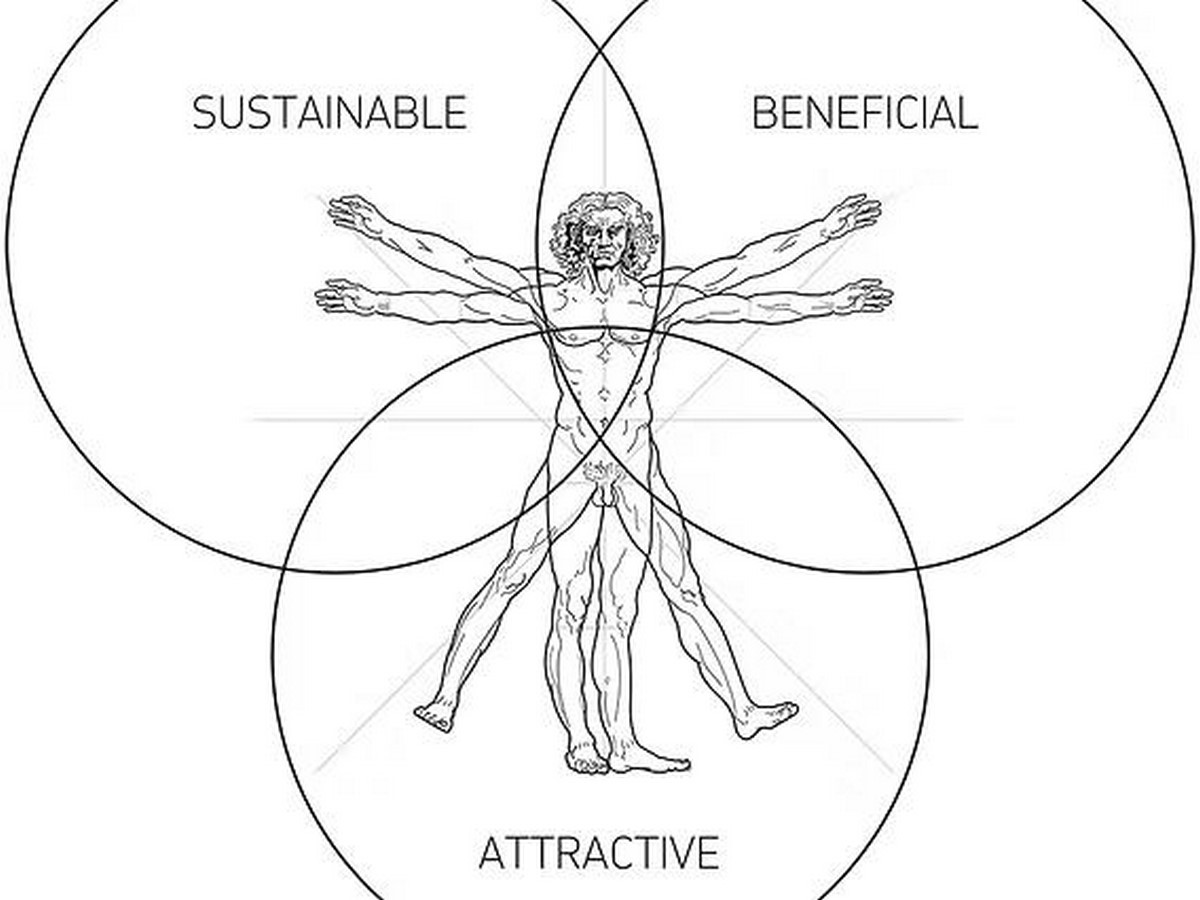
Despite the fact that I used to see buildings as mere physical entities, today I understand and interpret them like books.
For example, a colonial-style bungalow can be interpreted as a sign of a person’s power along with the existence of an authoritarian system, whereas an informal settlement may indicate the ability of people to adapt and survive in harsh conditions. There are stories in huts, and they turn out to be tales of humankind.
Architecture does not take the middle ground at all times. It embraces, condemns, and even makes one to feel while different from those it addresses, and thus, it stands as a bridge connecting past, present, and future.
Buildings That Speak
Architects should strive to build in a way that their work reflects authenticity and foster connection, accommodation and empowerment.
Any good architect goes beyond drafting plans and creates experience to open up opportunities for the community. Through seamless integration of innovation, technology and empathy into the design process, architecture can unify and advocate for nature protection.
Architecture as an Ongoing Story
Architecture has always been a reflection of society from the times of ancient Indian temples to the present day glass towers. It’s not merely about the erection of four walls and a roof but about the convictions, sufferings and societies that we organise, one edifice at a time. This therefore showcases how the work of an architect helps depict the faith, struggle, power and innovation altogether that’s prevalent during the time the structure is built. Hence, we need to look beyond the aesthetics and resourcefulness of a project and look at it in a way that it makes an impact, touches the lives of the users and balances nature without sabotaging the resources for the future generations.
Citations:
https://illustrarch.com/articles/16709-architecture-as-a-reflection-of-society.html
https://www.re-thinkingthefuture.com/narratives/a14099-architecture-as-a-reflection-of-societys-values/
https://architecturehelper.com/blog/how-architecture-reflects-societal-values/