A Fort Rooted in Antiquity
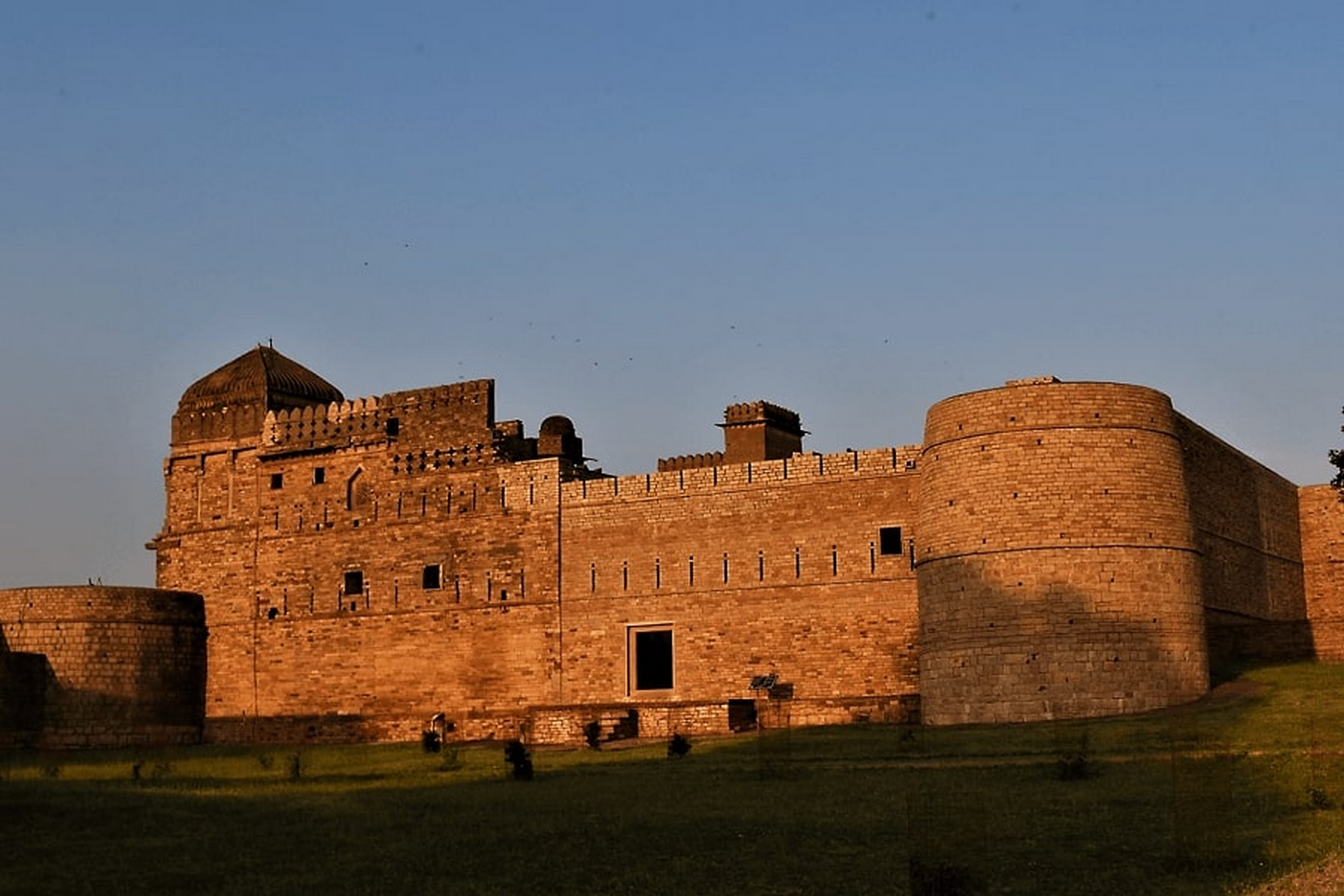
The origins of Chanderi Fort date to the 11th century, when Kirti Pal of the Pratihara dynasty first established it. Inscriptions found in the Gwalior Museum confirm its early name as Kirti Durg, reflecting a desire for grandeur. By 1030 CE, Al-Biruni had mentioned Chanderi, showing the town’s longstanding significance.
Chanderi Fort has consistently been highly contested. Balban claimed it for the Delhi Sultanate in 1251. Two centuries later, Mahmud Khilji captured it after a prolonged siege. In 1520, Rana Sanga transferred control to Medini Rai, who attempted to resist the Mughals. Babur seized it, only to lose it to Raja Puran Mal in 1529, after which Sher Shah Suri took it in 1540. The fort changed hands several more times, with the Mughals, Bundelas, Scindias, and British all leaving their marks, especially during the 1857 revolt. Throughout, Chanderi Fort remained steadfast.
Perched 71 meters above the town, Chanderi Fort stands like a vigilant guardian—always observing, impossible to ignore. Its five-kilometre stone ramparts and commanding geometry were never merely ornamental; they were declarations of power, designed to impress as much as to intimidate.
The Gates: Chanderi’s Theatrical Entrances
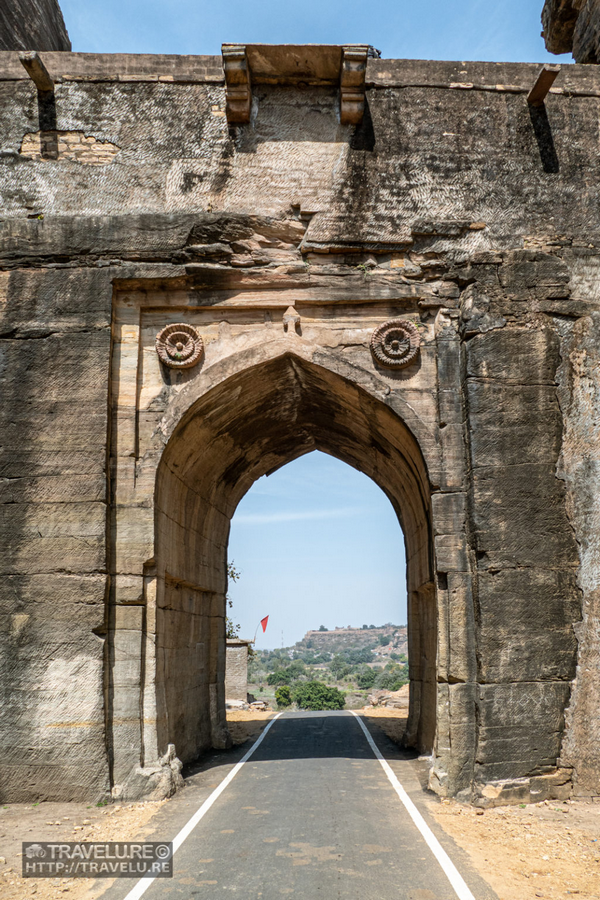
Entering the fort is a dramatic affair, for even its gates carry distinct personalities.
Khooni Darwaza, the “Bloody Gate,” lives up to its foreboding name. With a history steeped in battle and bloodshed, it could easily have served as a consultant for a medieval epic. Its grim past hints that the fort appreciated dark humour long before the term existed.
Kati Ghati Gate, hewn cleanly through a sheer hillside, stretches 59 meters in length, 12 meters in width, and nearly 25 meters in height—a bold statement of architectural ambition. Legend claims the architect ended his life, believing he had made a flaw, a tragic testament to obsessive perfectionism.
Hawa Paur, elevated and windswept, truly lives up to its name. Catching every passing breeze, it offers sweeping views that make one forget the trivialities of modern life, even a dying phone battery.
Inside the Fort: Ruins That Captivate
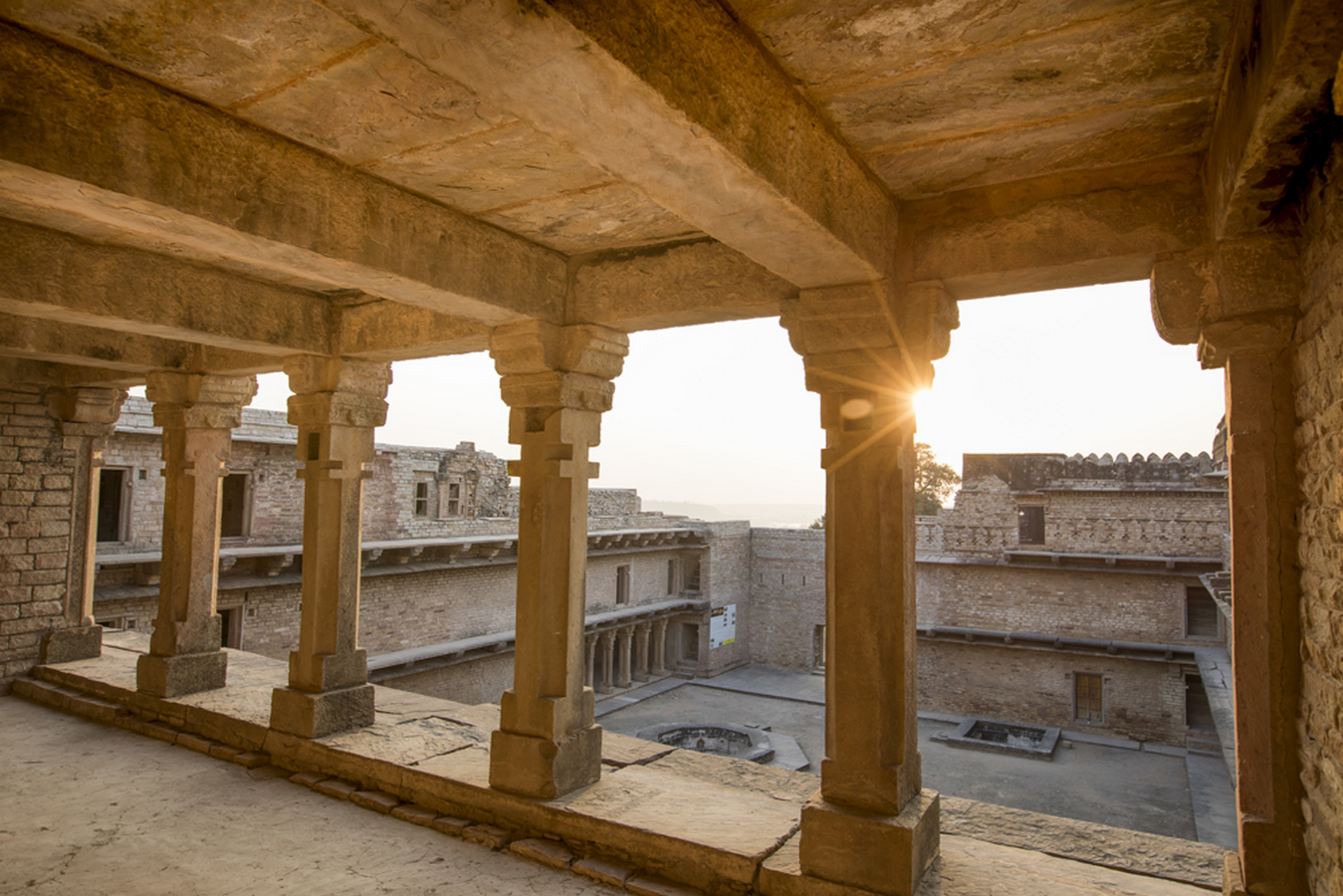
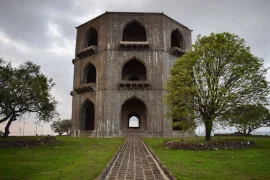
Naukhanda Mahal, built by Durjan Singh in the 16th century, was once a three-storey palace adorned with fountains, pillars, and chhatris—a Mughal-era boutique residence with impeccable ventilation and no check-out times.
Khilji Mosque, a marvel of intricate mihrabs, floral motifs, and Qur’anic inscriptions, proves that aesthetics mattered even in times of conquest.
Jauhar Smarak solemnly commemorates the tragic self-immolation of roughly 600 Rajput women in 1528; a stark reminder that history can be cruel and unflinching.
The Baiju Bawra Memorial honors the legendary musician said to have melted stone with his voice, a spot that inspires any would-be bathroom virtuoso.
Koshak Mahal, built by Mehmood Shah Khilji, is a four-palace complex that celebrates cross-ventilation; a 15th-century ode to the concept of open-plan living long before it became fashionable.
Architectural Alchemy and Timeless Influence
Chanderi Fort is a masterful blend of Rajput and Islamic design, featuring recycled columns from Hindu and Jain temples, graceful chhatris, domed kiosks, and intricate Islamic calligraphy and geometric patterns. Centuries before cultural fusion became fashionable, the fort was already setting the standard.
Strategically perched between Bundelkhand and Malwa, Chanderi commanded vital trade routes and regional power. Below its ramparts, the town flourished into a weaving hub, producing the delicate, timeless Chanderi sarees—a striking contrast to the fort’s imposing strength.
Today, under the care of Madhya Pradesh Tourism, Chanderi Fort welcomes visitors with open gates instead of armed guards. One can wander through its palaces, ascend its vantage points, and let the sweeping panoramas invite reflection. A stroll through the town completes the time-travel experience, with weavers, historic streets, and ancient monuments providing a vivid glimpse into the past.
Chanderi Fort is far more than stone and mortar—it is a storyteller, a survivor, and a showstopper with character. It has witnessed empires rise and crumble, artisans craft beauty, and generations of travelers marvel at its grandeur. If history had a sense of humor, Chanderi Fort would surely be one of its wittiest punchlines.