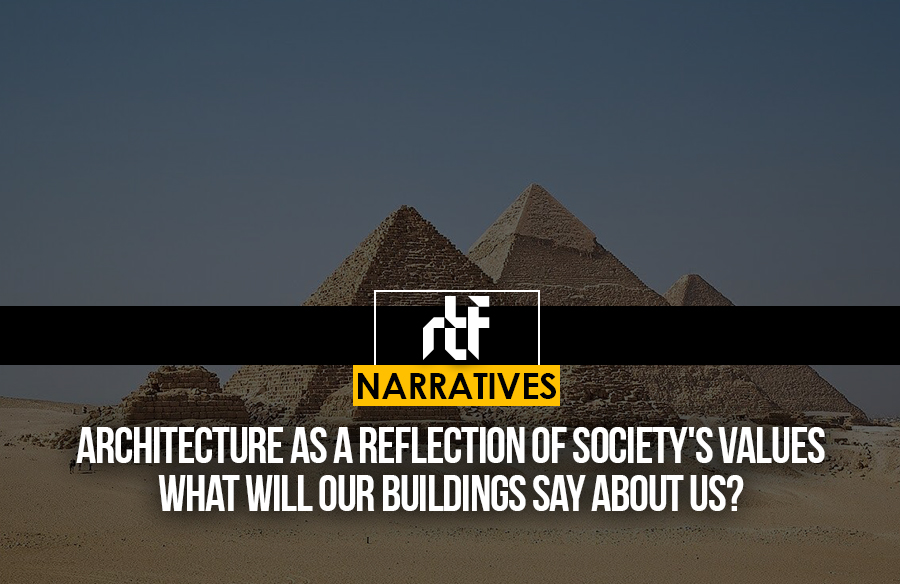
Think of the very first human handprints in caves, trying to understand and take in the world, in contrast with the audacious skyscrapers of today, defying existence in the world. A thousand years from now, archaeologists will stand before the ruins of our architecture and try to decipher our values from what remains. That’s what we see today with the Pyramids, the Colosseum, Göbekli Tepe, and the Taj Mahal: a mirror of the society that built them. It is no grand revelation, then, that architecture is a reflection of society’s values, as it is the world’s grandest, most accurate three-dimensional diary.
The question now lingers: What are our current social values, and what kind of stories is our architecture leaving behind?

How Does Architecture Reflect Society’s Values?
Interwoven disciplines of history, sociology, politics, economics, psychology, and even technology are at play when speaking about architecture as a reflection of social values. It’s a very intriguing and amusing thing to observe what different civilizations valued over time, and the way architecture has immortalized it. So, how have these values been changing and reflecting in architecture so far? Let’s take a quick scroll through the decades.
Antiquity: Eternity and the Gods
From the instinct of survival, the innate curiosity to discover, and the urge to create, architecture shifted with humanity from painted caves, mudbrick villages, to forming the first civilizations around river banks. Nowadays, we look at Pyramids as miraculous spectacles, but they came out of a need to create a tomb for the pharaohs to ensure their safe transfer to the afterlife. Figuratively and quite literally, they were stairways to the afterlife.
Centuries later, Greece was carrying this impulse with a civic twist. In the name of civilization, order, and civic identity, temples like the Parthenon were built for the Gods. The Greeks chased perfection, and their architecture was both a praise of the polis and a worship of a higher power.

Rome: Empire as Spectacle
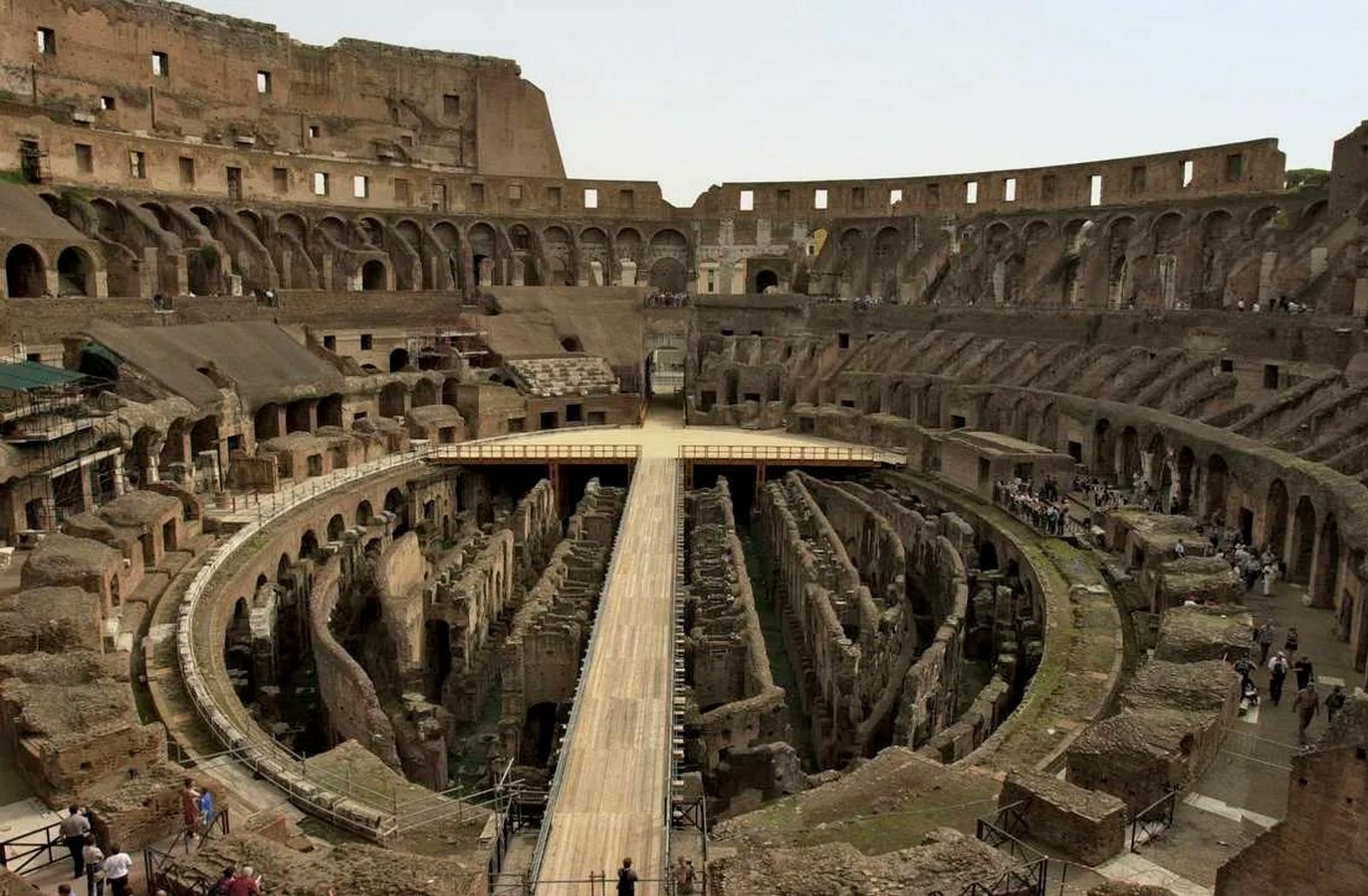
The Romans weaponized architecture for scale, power, and dominance. Aqueducts, roads, amphitheaters, bathhouses, basilicas, and forums served more than just people, for they etched the values of Rome in stone.
The Colosseum is a perfect example of Rome’s architecture as a reflection of social values. It was funded by conquest and taxation, then staged blood and spectacle as statecraft. To step inside wasn’t just to watch a fight; it was to be reminded that Rome’s power could entertain, terrify, and unify, all at once.
Middle Ages: Transformation
After Rome’s collapse, power didn’t vanish into “darkness” so much as it fractured into castles, cathedrals, and monasteries. Authority was carved in stone by bishops, kings, and lords, as each fortress was a declaration of who held sway over land and soul. From massive walls against invaders to soaring spires reaching for salvation, architecture reflected faith as much as fear.
But the Middle Ages were not a cultural void. Islamic architecture in Baghdad, Córdoba, and Granada transformed geometry, astronomy, and calligraphy into spatial poetry. Light became a building material, and proportion became philosophy. Through Spain and Sicily, this knowledge bled back into Europe, inspiring Gothic cathedrals to erupt.

Renaissance: Human at the Center
Architecture up to this point was either communicating with a creator, displaying the power of the state over people, but the Renaissance redrew the center of the universe around mankind.
For example, Brunelleschi’s dome over Florence was more than just engineering genius. It was civic pride materialized in stone, and a declaration that human ingenuity could rival divine creation. Funded by the wealth of merchants and bankers, rather than kings and churches, it reflected a society shifting its confidence from heaven to human reason.
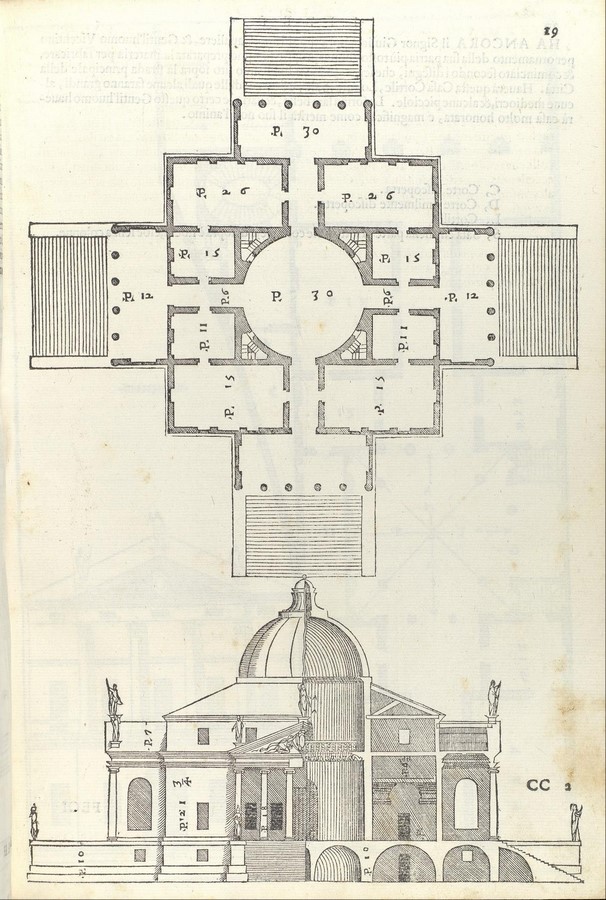
Palladio’s villas distilled that same ethos into geometry and proportion. His designs weren’t just homes but manifestos, making classical order accessible to the rising merchant class. Architecture here reflected a new value system: humanism, individuality, and the belief that man, not God, could stand at the center of the universe.
Industrialization and Modernism
The Industrial Revolution crowned progress as the new deity: factories, stations, and department stores became capitalism’s cathedrals. Iron and glass became the altars of a new faith: mechanization and consumption.
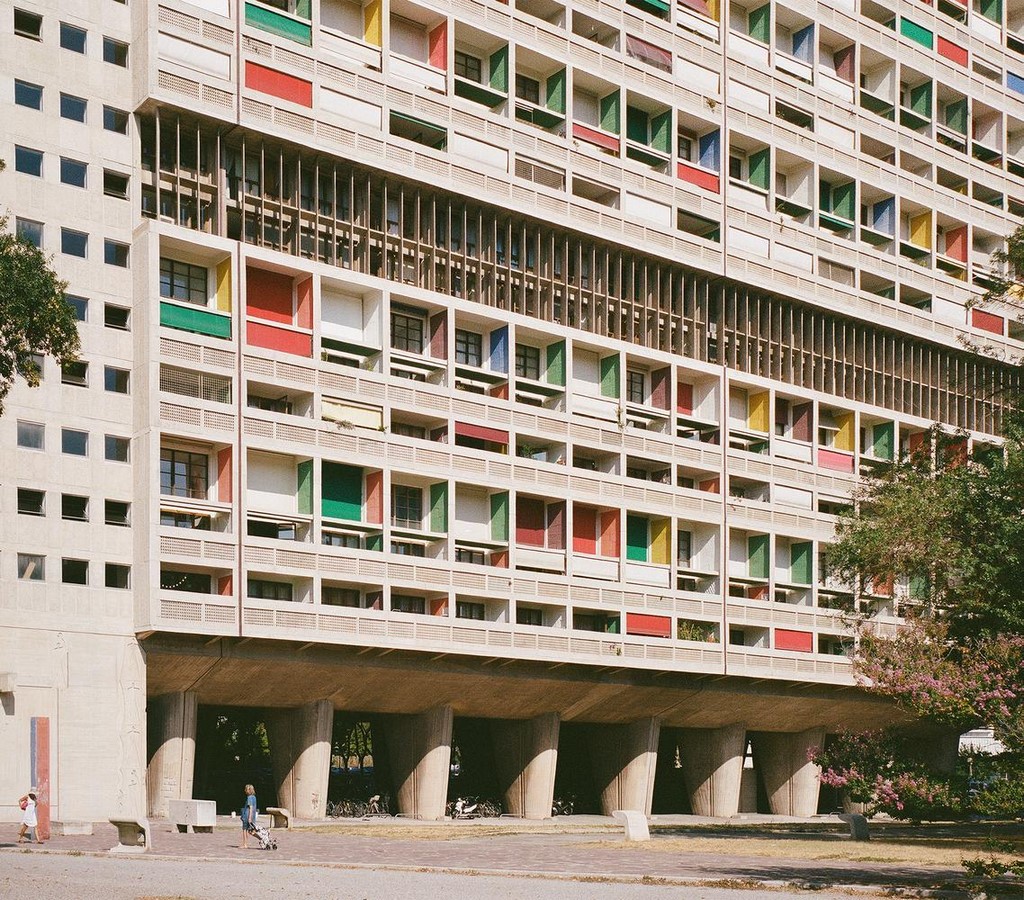
Then, after two devastating world wars, optimization became the new king. Modernism stripped design to bare function, rebuilding the world through efficiency and mass production. Aesthetics shifted, ornament became crime, and a universal language was born as Le Corbusier declared a home as a “machine for living”.
Postmodernism to Parametricism
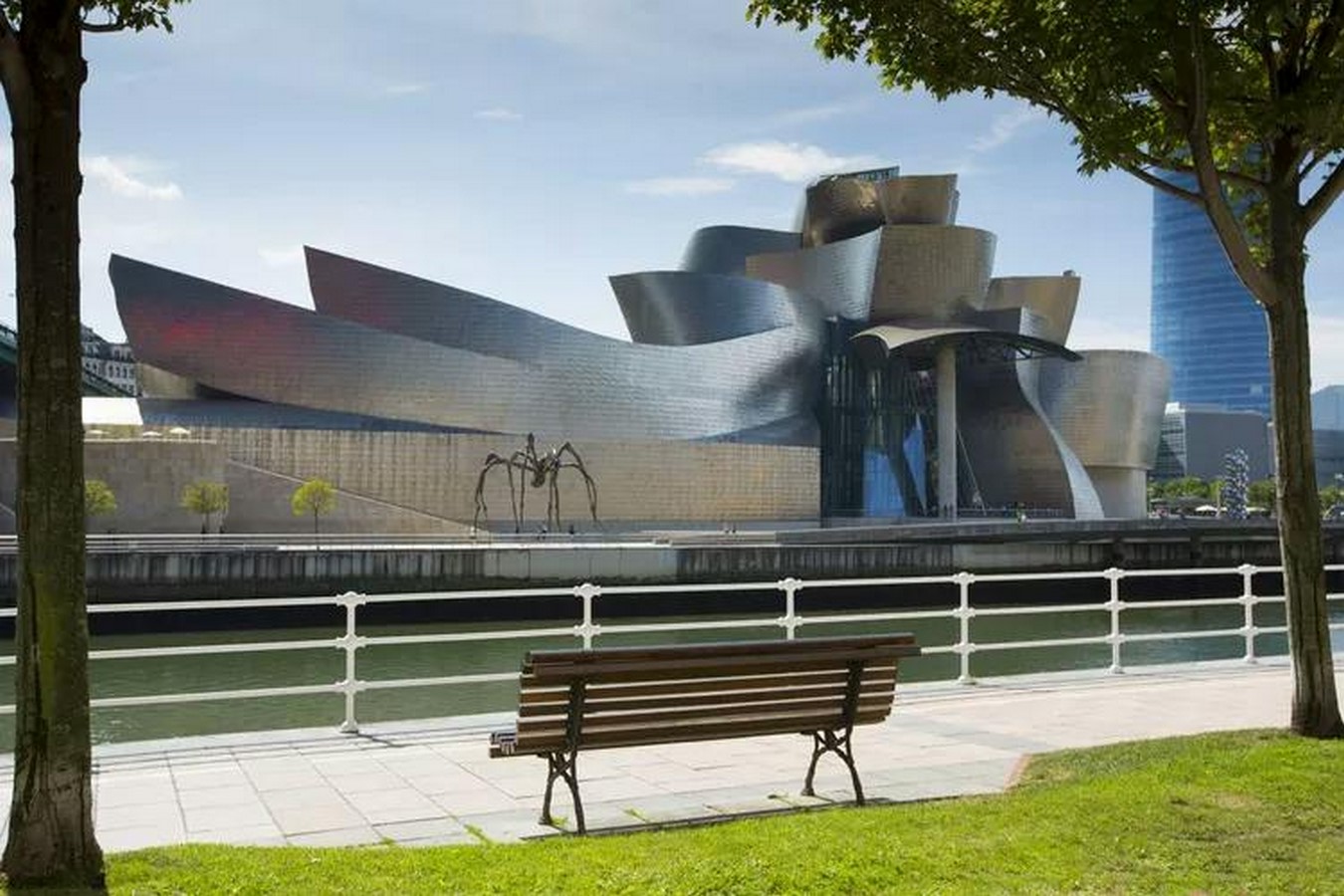
Naturally, what followed such a strict sterilization of architecture was rebellion. Postmodernism mocked dogma with irony and brought back history playfully in ornaments. Deconstructivism went further, fracturing geometry itself with Gehry’s crumpled titanium and Libeskind’s jagged museums. Architecture became a reflection of cultural instability and fragmentation.
Then, for the first time, came a partner in design and it changed everything. Hand-drafting gave way to CAD, then algorithms. Patrik Schumacher’s parametricism casts architecture as an adaptive system rather than a fixed form. Zaha Hadid’s fluid museums and UNStudio’s twisting towers embodied a society entranced by data, networks, and dynamism.
What Are We Building Today and What Are We Valuing?
It spurs quite an interesting debate to ask, what is our 21st-century architecture reflecting about our current social values? We seem to be stuck somewhere between Modernism’s obsession with space optimization, Capitalism’s mindset blown out of proportion, endless parametricism and algorithmic experimentations, all in the name of sustainability, energy efficiency, climate change, and resource scarcity.
On Sustainability
In the quest to save the planet, soulless, almost dystopian architecture is coming to life. It’s a noble social value we share today, to be responsible and aware of the environmental trauma the earth is going through, but is our built environment paying the cost?
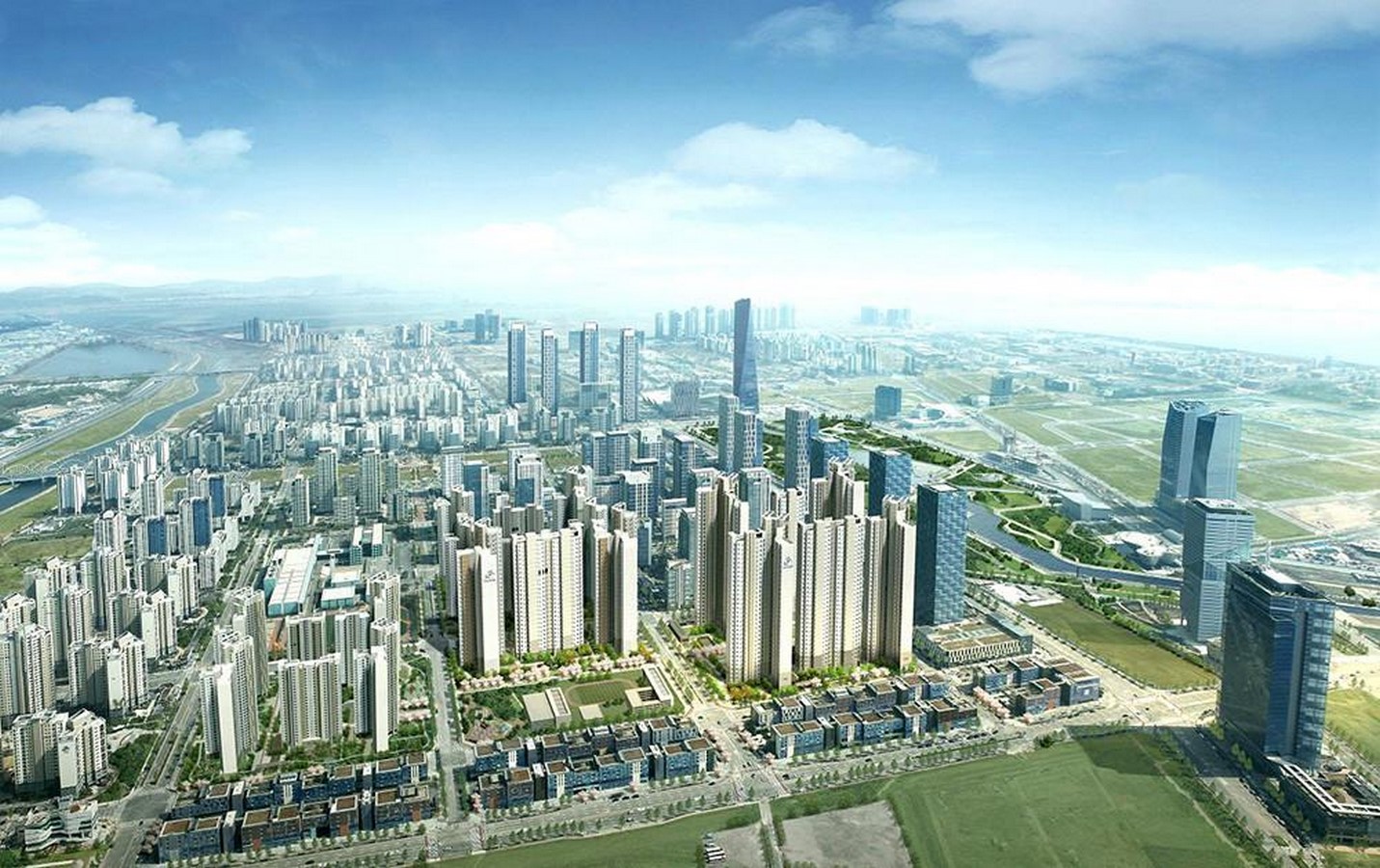
For example, Songdo, South Korea’s $40-billion smart city, is celebrated for its sensors, LEED certification, and waste-optimizing grids. Yet residents and urbanists describe it as a lonely, surveilled space that prioritizes data and control over community and culture (Poon, 2018).
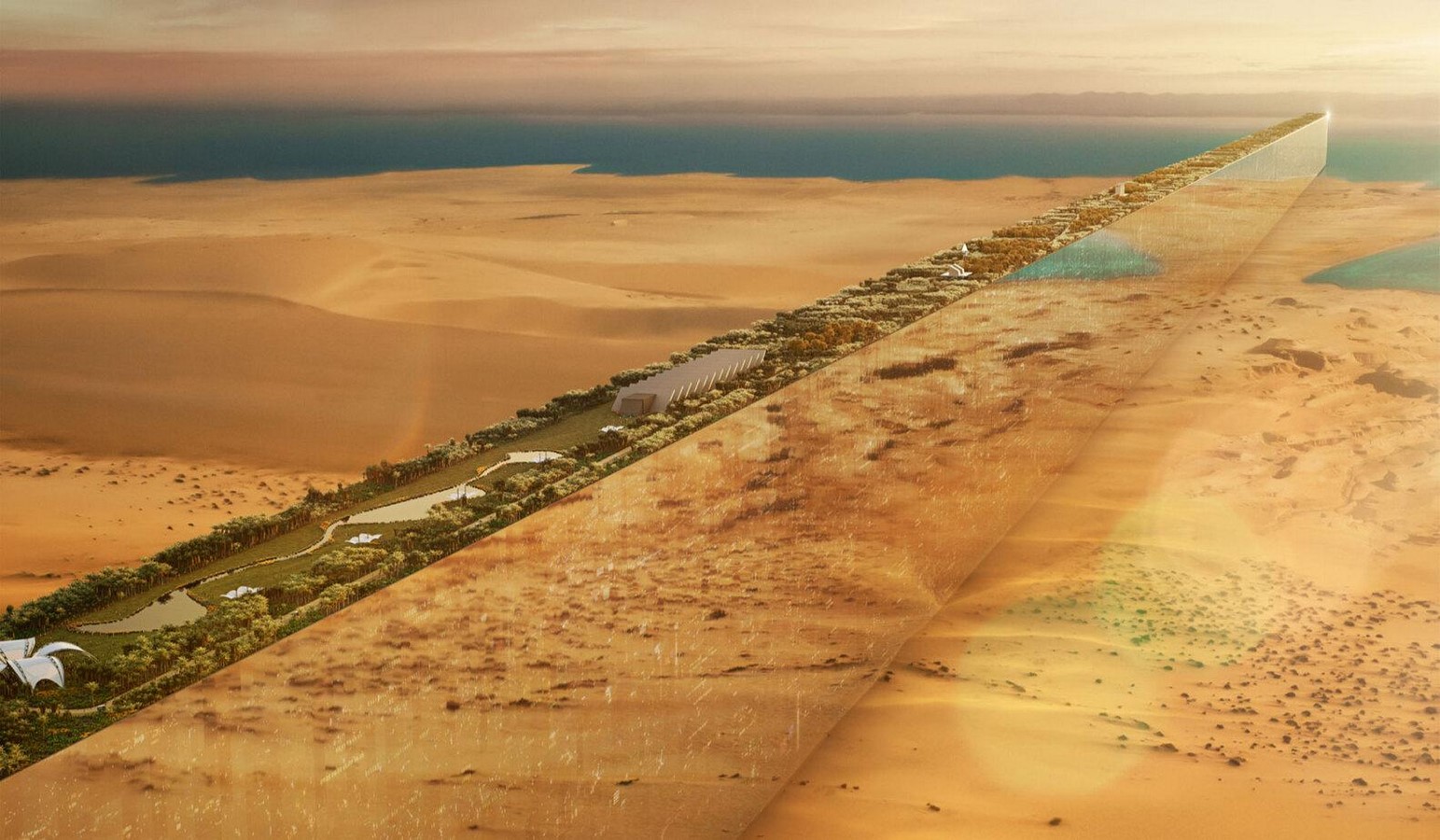
Then we have projects like Saudi Arabia’s “The Line” representing our ambition for a “sustainable future,” when it’s been criticized as an “ecological and moral crime (Butko, 2022). Somewhere between a dystopian surveillance being confined between two giant walls, we seem to have redefined free will.
On Artificial Intelligence
For centuries now, architecture has been the product of the thinking human mind, but a third party entered the equation, and now artificial intelligence has become an integral part of architecture as a reflection of society’s values.
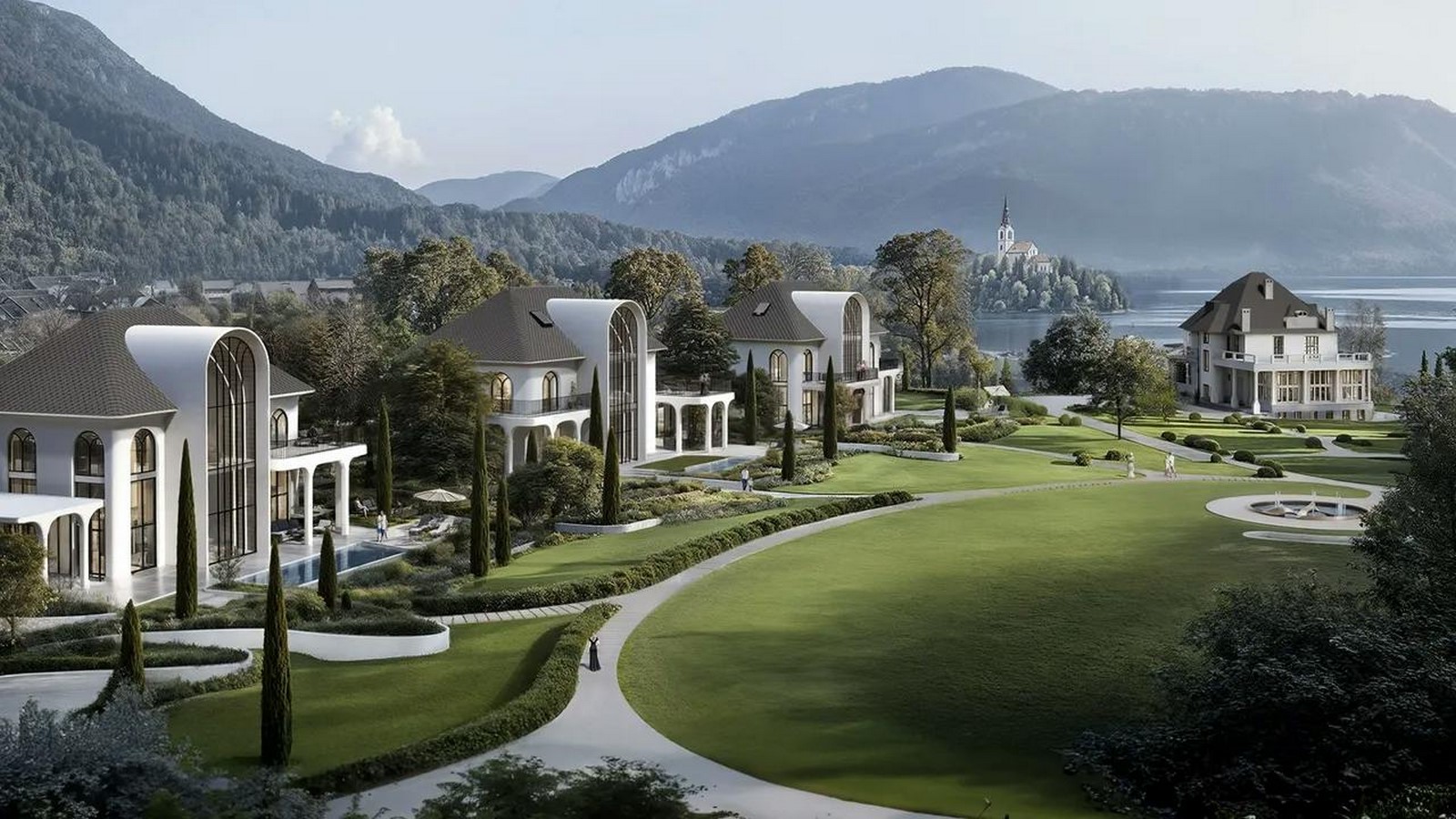
Zaha Hadid Architects are pioneering this wave, compressing the design conceptual process time by 20% with the use of AI tools(Ackerman, 2025). Architect Tim Fu sees AI as a partner in the design process that challenges the human mind as he officially unveiled the world’s first fully AI-driven architectural project in Slovenia by using Midjourney, Stable Diffusion, Rhino/Grasshopper, and an in-house AI called UrbanGPT throughout the design process (Stathaki, 2025).
On Resilient Cities
One must admit that the marriage of sustainability and AI is creating resilient future cities that flip the script. For instance, Copenhagen is on track to become the world’s first carbon-neutral capital by 2025, powered by wind turbines, flood-resilient parks, and a biking culture woven into its very infrastructure (Taylor, 2018).
Helsinki pushes this frontier further, as it aims to also be carbon-neutral by 2030 with AI-driven urban management. Its Climate Watch platform fuses satellite data, sensor networks, and citizen input to monitor air quality, track emissions, and even model future land-use and transport scenarios. Public buildings are already using AI to optimize heating, cooling, and lighting (Yuet, 2022). The smart utilization of AI has become the heartbeat of future cities. Let’s just hope we don’t end up living in the same city blueprint around the globe.
In 100 years, What’s Our Architectural Legacy?
Our built environment will outlast our lifetimes, and only architecture will remain as a reflection of our social values. Across history, architecture told stories of gods, of power, of survival, of rebellion, of civic pride; what narrative are we passing down today? Super intelligent cities that optimize every aspect of life? Even so, when the power grid goes off, will we be leaving beige curvilinear boxes humming with dead servers?
Perhaps we will be remembered for climate consciousness and finally designing with the planet in mind. Or perhaps for unlocking the potential of artificial intelligence in designing cities we could never fathom before. But here comes the main question: who is shaping our social values today?
If Gothic cathedrals reflected devotion, and Modernism reflected efficiency, then what does AI-driven design reflect? An obsession with acceleration, harnessing the God of efficiency, or a society comfortable with outsourcing imagination itself? From vibrant, curious handprints on cave walls to ultra-efficient, AI-driven cities, how did our story become less about wonder and more about dominance over nature itself?
References:
Ackerman, N. (2025). Zaha Hadid Architects builds ‘winner proposals’ with AI. [online] The Times. Available at: https://www.thetimes.com/business-money/entrepreneurs/article/zaha-hadid-architects-builds-winner-proposals-with-ai-enterprise-network-qs7m7txwz [Accessed 22 August 2025].
Butko, C. (2022). ‘Environmental and moral crime’: The urbanist criticised The Line vertical city project in Saudi Arabia. [online] Pragmatika.Media. Available at: https://pragmatika.media/en/ekologichnij-i-moralnij-zlochin-urbanist-rozkritikuvav-proiekt-vertikalnogo-mista-the-line-v-saudivskij-aravii/ [Accessed 22 August 2025].
Poon, L. (2018). Songdo, South Korea’s smartest city, is lonely. [online] Bloomberg. Available at: https://www.bloomberg.com/news/articles/2018-06-22/songdo-south-korea-s-smartest-city-is-lonely [Accessed 22 August 2025].
Stathaki, E. (2025). How to use AI in architecture: A practical guide with Tim Fu. [online] Wallpaper*. Available at: https://www.wallpaper.com/architecture/how-to-use-ai-in-architecture-practical-guide [Accessed 22 August 2025].
Taylor, L. (2018). Cycling city Copenhagen sprints to become first carbon-neutral capital. [online] Reuters. Available at: https://www.reuters.com/article/world/cycling-city-copenhagen-sprints-to-become-first-carbon-neutral-capital-idUSKCN1MF060/ [Accessed 22 August 2025].
ArchitectureCourses.org (2025). The complete architectural styles timeline: Every movement from prehistoric to modern. [online] Available at: https://www.architecturecourses.org/history/complete-architectural-styles-timeline [Accessed 22 August 2025].
Yuet, W.H. (2022). 5 ways the Helsinki Smart Region is building citizen-centric and sustainable cities. [online] GovInsider Asia. Available at: https://govinsider.asia/intl-en/article/5-ways-the-helsinki-smart-region-is-building-citizen-centric-and-sustainable-cities-ossi-savolainen [Accessed 22 August 2025].