We all know about the famous historical and monumental buildings of a City as they give character to that city. But what about the buildings that were built at a…


We all know about the famous historical and monumental buildings of a City as they give character to that city. But what about the buildings that were built at a…

As cities evolve through urbanization, historical buildings serve as cultural identities that carry fragments of collective memories across generations. Indian cities like Mumbai, Delhi, and Kolkata, through art deco structures,…

Cultural heritage, recognised as a crucial storage of human history and civilisation, holds immense academic value and profound cultural significance. The protection and transmission of cultural heritage are essential for…

Anil Laul was not merely an architect; he was a subversive force in a profession increasingly shackled by superficiality and star architecture. At a time when the Indian built environment…

Urban design is an approach to design that designs spaces and their buildings based on geographical location. Further urban design aims to solve bigger issues of economic, social, and environmental…

Representation is a growing concept frequently employed in politics and popular culture. Representation refers to the act of presenting or standing for an idea or community. It involves providing a…

In the interplay of permanence and transience, architecture often stands as an unabashed expression of human desire, chiseled in stone, steel, or glass. But there is also a quieter, more…

Charles Correa is one of the few names that come to mind when discussing an astonishing architect and urban planner in India. Born on September 1, 1930, his contribution to…

Napier Museum is also known as the Government Art Museum, it is one of the oldest art and natural history museums. In the capital city of Kerala lies a gem…
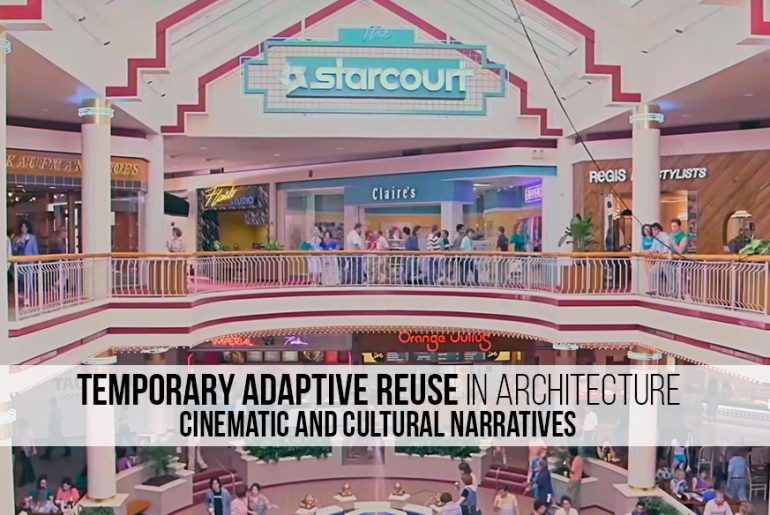
Adaptive reuse in architecture refers to the reuse and repurposing of abandoned buildings into functional ones. This keeps the heritage layer of the building intact whilst embracing minimal resource wastage.…

Kathmandu Valley’s sheer architectural patrimony represents a living synthesis of two great Buddhist and Hindu traditions. Kathmandu Valley’s seven sites of monuments – three Durbar Squares (Hanuman Dhoka in Kathmandu,…

The fundamental tenet of traditional approaches to cultural heritage conservation is that all forms of cultural heritage ought to be preserved for as long as possible. This is primarily founded…