Representation is a growing concept frequently employed in politics and popular culture. Representation refers to the act of presenting or standing for an idea or community. It involves providing a voice, image, or symbol to represent any entity or idea. Representation can take various forms, each with its role and impact. It encompasses the presentation and portrayal of individuals, significantly influencing societal perceptions and interactions. In a rapidly growing, diverse, and globalised world, representation now spans all areas of society — politics, media, education, and one of the most overlooked yet powerful forms: architecture, particularly public architecture.
What is public architecture?
Public architecture refers to buildings and structures designed for public use, often funded by government entities. Examples include schools, libraries, museums, and government buildings.
The significance of public architecture
Often, these public buildings represent the culture and identity of their city. Public buildings and spaces can embody the cultural values and traditions of a community, serving as reminders of their heritage. The character of their surrounding community shapes these buildings, and in some cases, they are representative of their country. For example, the iconic White House in Washington, DC, is a symbol of the American spirit. Much like the Eiffel Tower for Paris, 30 St Mary Axe, also known as the Gherkin, is widely associated with London and represents it on a global scale. Public architecture shapes the urban identity of a city. It can be used as a symbol associated with that same country.
Kenyan public architecture
As a result of colonialism, a lot of Kenya’s public architecture does not reflect the culture, identity, or values of its people, because it tells a colonial story, not a Kenyan one. If public architecture is meant to represent the local context in which it is, what does Kenyan public architecture represent?
In Kenya today, many public buildings, including libraries, government buildings, and transportation facilities, were constructed during the colonial era in British and Edwardian styles. This raises the question: Is the colonial era the entirety of Kenya’s identity? Is that a reflection of Kenya’s culture, heritage, and identity?
Public buildings in Kenya
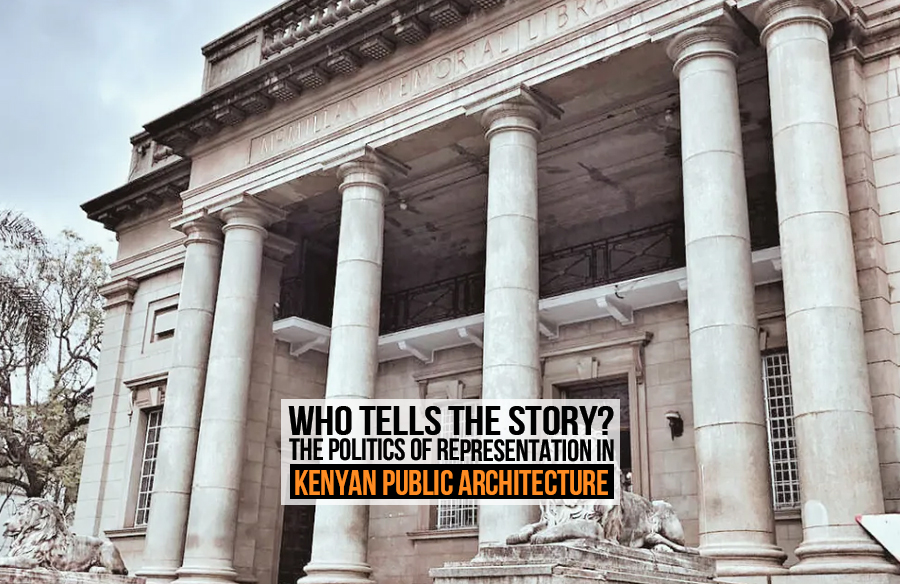
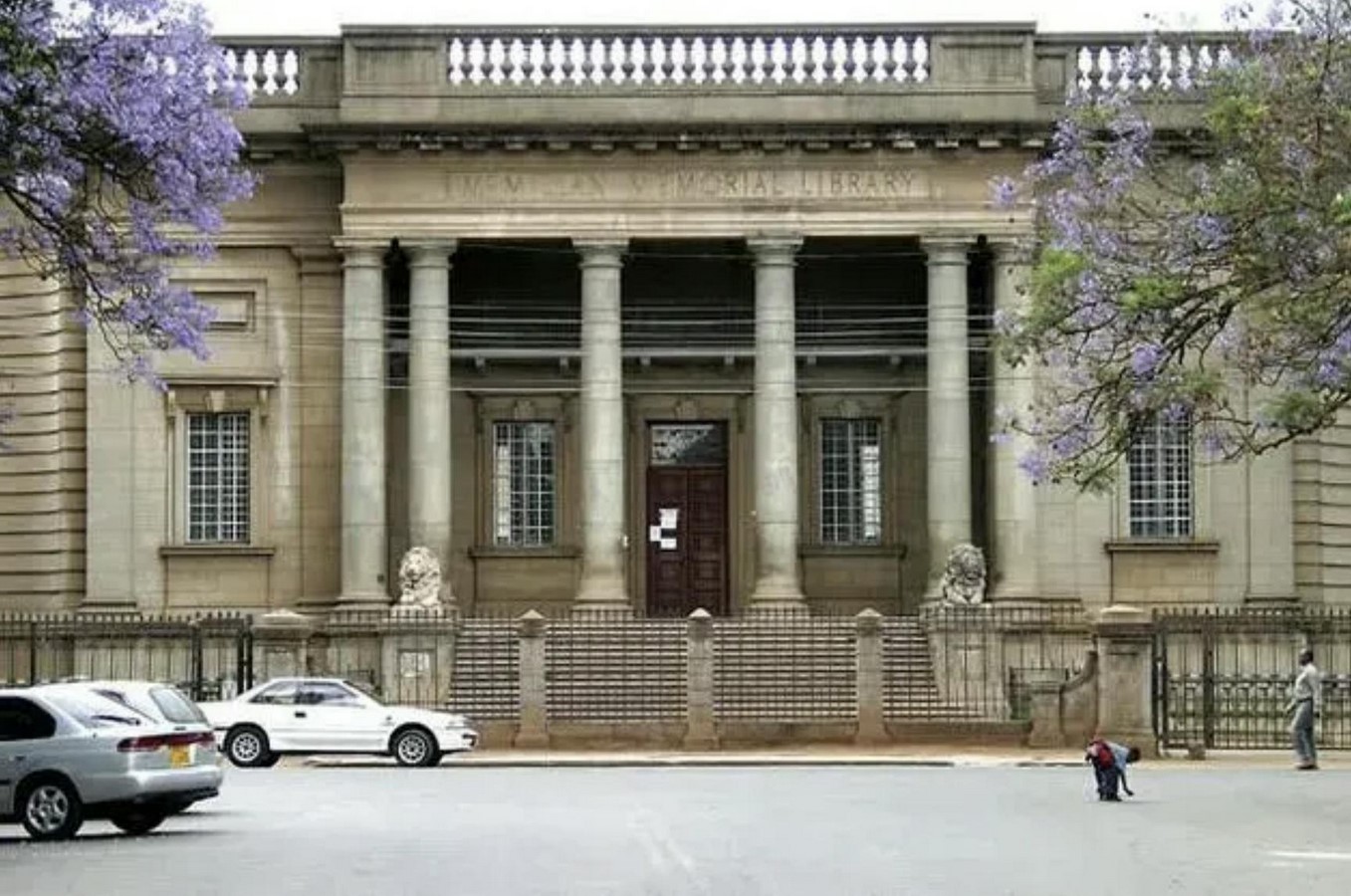
The most notable public buildings today were built in colonial times, except for a few. The McMillan Library, Kenya Railway Headquarters, the Anglican Church’s All Saints Cathedral, and the State House.
All of these buildings shared a similar aspect: they featured the distinct characteristics of Edwardian and Victorian architecture, native to Europe. This architecture does not accurately represent the hardworking character, simple nature, and wise spirit of Kenya or its people. It is a harsh reminder of colonial Kenya.
What would ‘Kenyan architecture’ be?
If Kenya were to erase the imprints of colonialism, then the question of what truly defines Kenyan architecture would stand. Would it be Swahili architecture? That would be a strong contender, but it would not be the most accurate description, as Swahili architecture spanned across the entire coast of East Africa.
Following independence in 1963, the architectural scene in Nairobi underwent a significant transformation. The city experienced a huge surge in urbanisation and economic growth. This translated to modernist designs gaining popularity, with skyscrapers, such as the Kenyatta International Conference Centre (KICC), being a symbol of change in this notable shift.
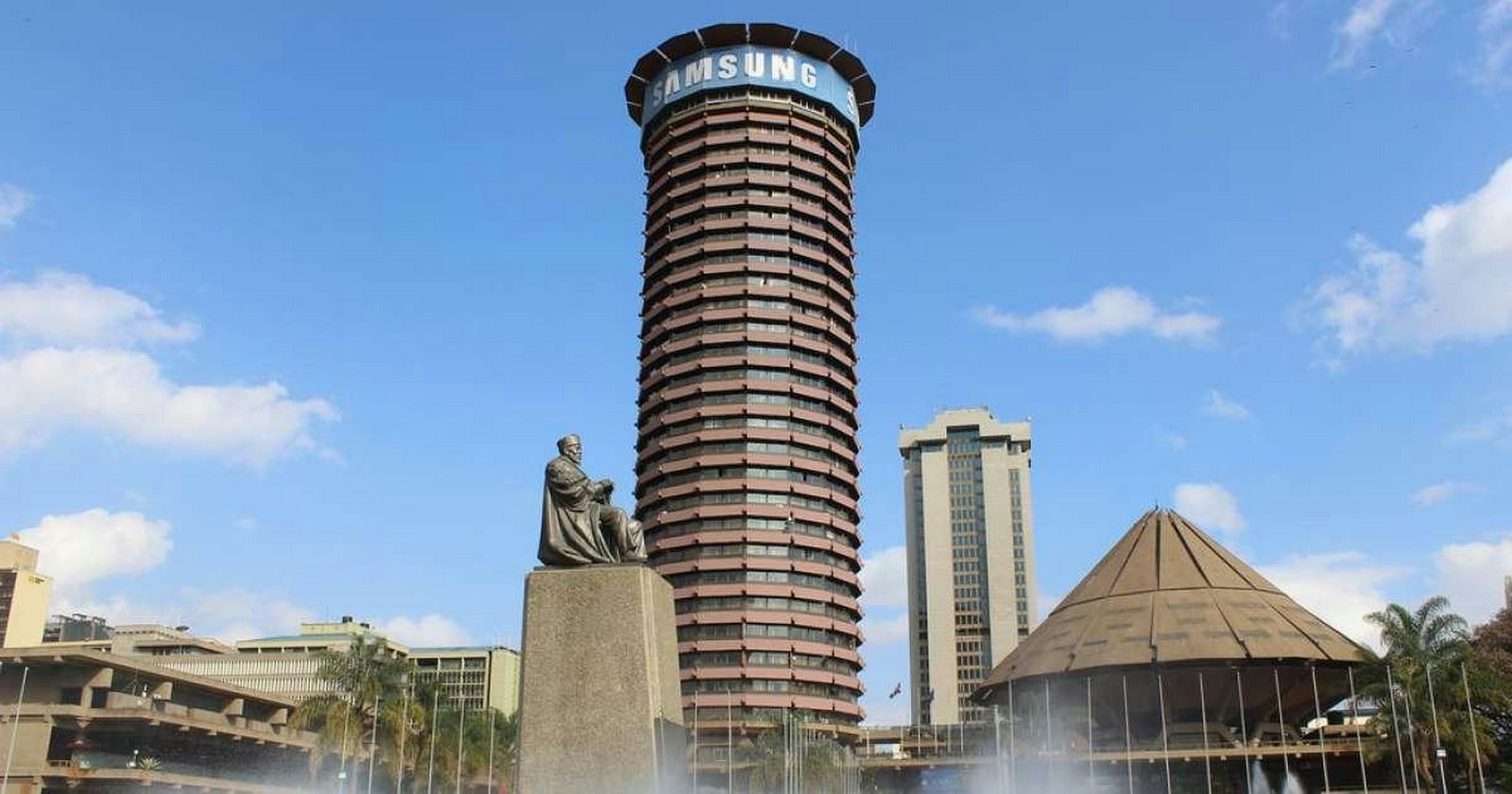
What does public architecture in Kenya look like today?
Public architecture in Kenya has heavily followed the style of KICC. Many buildings to this day have been constructed in a more modern approach, such as the Times Tower, UAP Tower, and Britam Tower. While these buildings are not necessarily a replica of Eurocentric form, they do not offer a clear representation of Kenya. While quite modern, the Kenyan identity has not played a significant role in the design process.
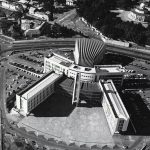
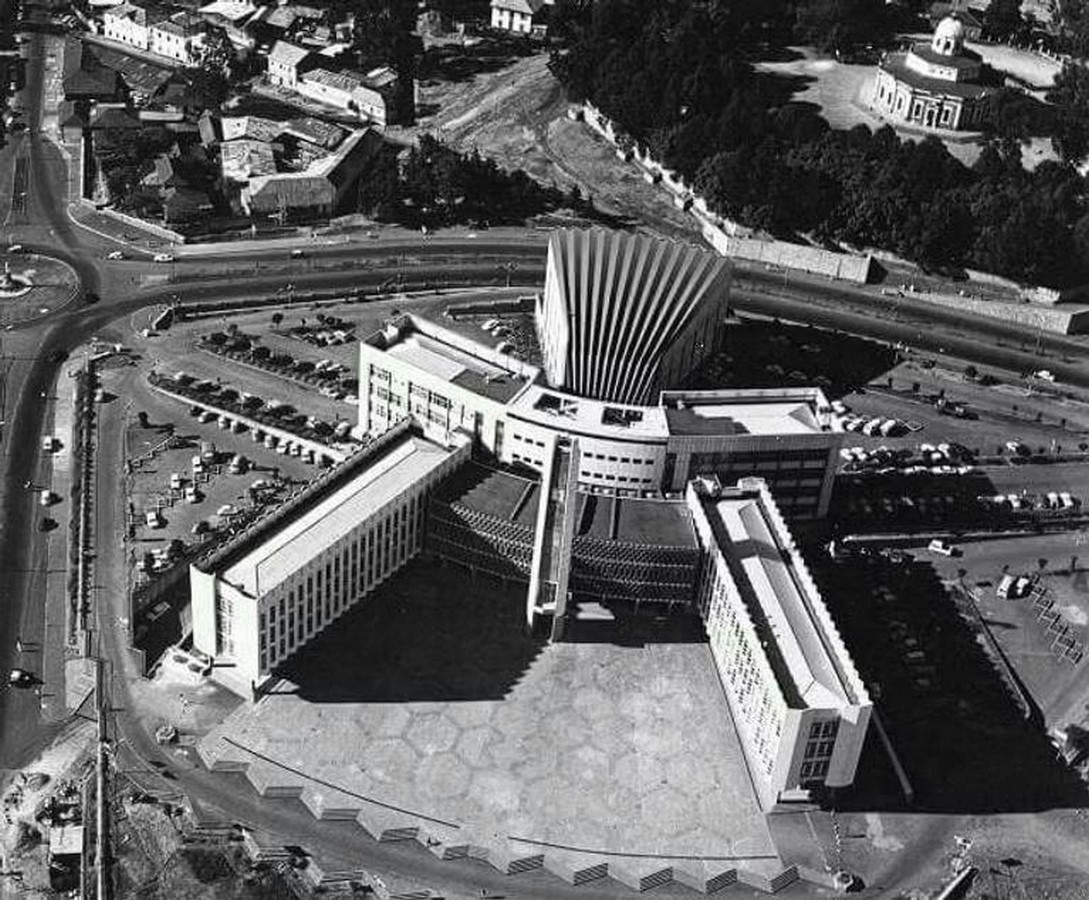
Understandably, it is not always practical to incorporate local identity into buildings that are heavily influenced by global trends. However, structures of that calibre, which have become widely recognised in Kenya, could have had a significant impact on shaping Kenyan identity had they done so. For example, the Addis Ababa City Hall is an impactful blend of local identity and modernism. While the building is quite modern, its design process took traditional Ethiopian Art and structures into consideration. The central tower evokes traditional Ethiopian monumentalism, such as the great obelisks of Axum. The hall also features colourful stained-glass triptych windows created by the renowned Ethiopian artist Afewerk Tekle, which represent the sorrows of Africa’s past, the struggles of the present, and the hopes for its future. These simple features represent the Ethiopian culture and heritage on a global scale. Other notable examples of public structures that define their community in the modern typology are India’s High Court in Chandigarh, Rwanda’s Kigali Convention Centre, and South Africa’s Constitutional Court.
While the Kenyan identity is not conveyed through colonial-era buildings, they still serve as an essential reminder to Kenyans. They are a reminder of a battle fought and won, as well as Kenya’s resilience. In some way, these buildings do represent Kenya’s identity – resilient, warriors, and fighters. In the future, however, Kenyan representation in its public architecture would help Kenyans feel seen, heard, and represented. The future of Kenyan public architecture presents an opportunity to transition from reminders of the colonial era to a symbol of Kenyan pride and growth, with spaces that reflect not just where Kenya has been, but also where it is going.
References:
ArtMatters.Info (2014). Nairobi’s Colonial Architecture Continues to Fascinate – ArtMatters.Info. [online] ArtMatters.Info. Available at: https://artmatters.info/2014/12/28/nairobis-colonial-architecture-continues-to-fascinate/ [Accessed 10 Jul. 2025].
asa (2018). City Hall, Addis Ababa, Ethiopia. [online] African State Architecture. Available at: https://www.africanstatearchitecture.co.uk/post/city-hall-addis-ababa [Accessed 9 Jul. 2025].
Develop Diverse (2024). Representation – Learn All You Need to Know Here. [online] Developdiverse.com. Available at: https://developdiverse.com/deib_dictionary/representation/ [Accessed 9 Jul. 2025].
Magada, D. (2016). Addis Ababa, a Modern Capital in the Making – Voyages – Medium. [online] Medium. Available at: https://medium.com/voyages/addis-ababa-a-modern-capital-in-the-making-2d9dc7c57adc [Accessed 10 Jul. 2025].
Ozen, S. (2025). The Role of Architecture in Shaping Cultural Identity: A Journey Through Time and Tradition | illustrarch. [online] illustrarch. Available at: https://illustrarch.com/articles/45536-the-role-of-architecture-in-shaping-cultural-identity.html [Accessed 8 Jul. 2025].
Rethinking the Future (2024). Public and Private as Concepts in Architecture: Exploring the Dynamic Interplay. [online] RTF | Rethinking The Future. Available at: https://www.re-thinkingthefuture.com/articles/public-and-private-as-concepts-in-architecture/ [Accessed 9 Jul. 2025].
Visit Nairobi Kenya (2024). ARCHITECTURE – Visit Nairobi Kenya. [online] Visit Nairobi – Kenya. Available at: https://visitnairobikenya.com/architecture/ [Accessed 9 Jul. 2025].