In the interplay of permanence and transience, architecture often stands as an unabashed expression of human desire, chiseled in stone, steel, or glass. But there is also a quieter, more transitory, counterpart; ephemeral architecture, which captures moments, rather than leaving monuments. The ephemeral architecture, either buildings or temporary structures by nature, acts in a certain way relatively to society as it works both as a monument and as a moment.
The Nature of Ephemeral Architecture
Monuments are the structures built as a memory of events, a symbol of love and power, or as a memorial to keep them alive for future generations. They are often characterized by their permanence, sense of eternity, and are designed to withstand time. However, scholars like Kurt Foster argue that monumentality is not only tied to durability but can come from the cultural and emotional resonance of a structure, even if temporary.
Ephemeral architecture is known for its temporary nature. These ephemeral structures are often lightweight, modular, and designed for fast assembly and dismantling. It is the festival pavilion that is dismantled after some days, ice sculptures, and many more. These structures are not made for permanence; they are made for experience that creates spaces that are contextual whether it is a festival, protest, or a cultural celebration.
Ephemeral Architecture in Nepal: Commemorative and Cultural Practices
Nepal, as a multicultural country, has a number of examples of ephemeral architecture as part of shared memory. Ephemeral architecture is a component of festivals, ritual, and symbolic relief in the disaster in terms of usable space and a symbol of resilience.
• Indra Jatra Festival: Temporary Platforms and Chariots
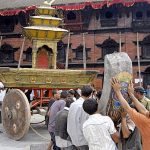
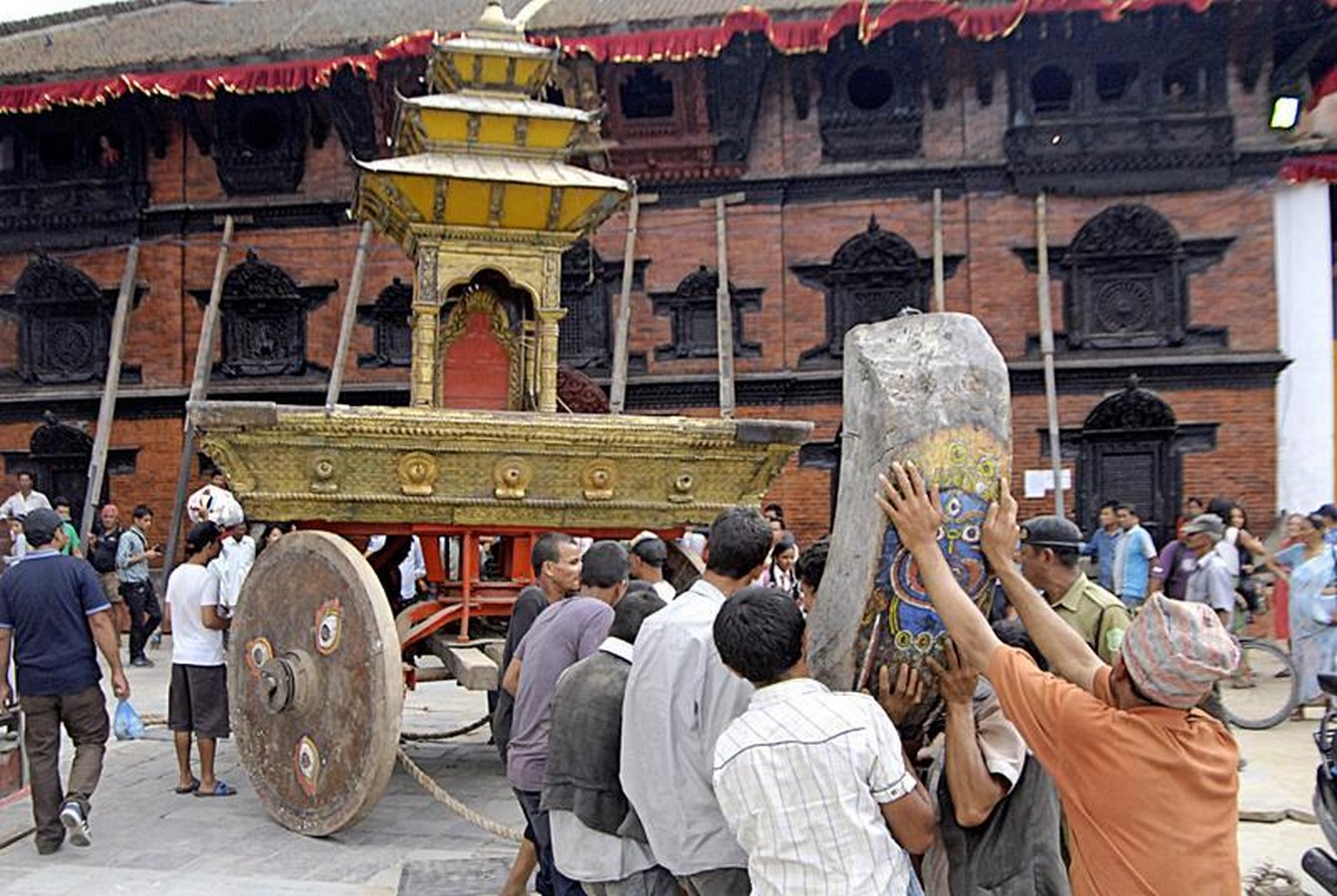
The Kathmandu Indra Jatra, the festive celebration of the rain god Indra, consists of temporary chariots and platforms that represent the temporary architecture. The skilled artisans and pilgrims construct annually the wooden carved chariot that transports the Kumari (living goddess) through the streets of Kathmandu Durbar Square (UNESCO World Heritage Site).
The chariots are ornamented with decorated carvings and colourful cloth, and dismantled once the festival is completed, signifying the cyclical nature of the festival. The complex offers collective interaction where thousands of people visit there to draw the chariots and perform the rituals, extending collective memory on the basis of common experience.
-
Post-Earthquake Temporary Shelters: Resilience and Remembrance
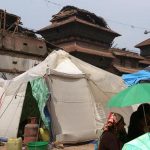
The 2015 earthquake in Nepal, which damaged the communities and also the historical sites like Durbar Squares and Pasupatinath Temple, resulted in the construction of temporary shelters and public spaces. The structures were often made up of bamboo, tarpaulin, and salvaged materials, and served as a temporary response to the disaster, providing shelter for the affected communities.

-
Tundikhel Temporary Pavilions: Public Engagement
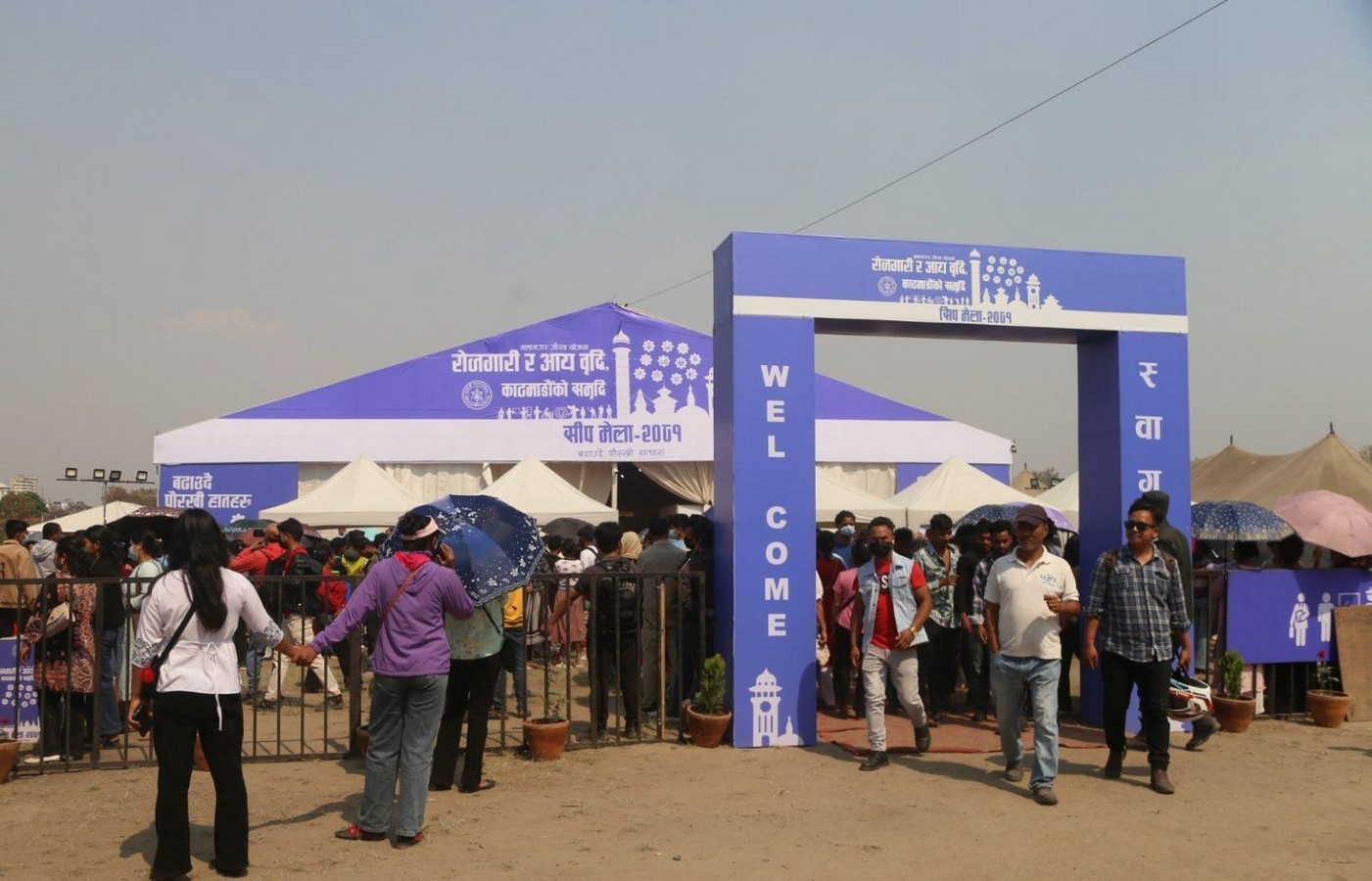
Tundikhel, a large open space at the heart of Kathmandu, is utilized for hosting temporary pavilions for cultural and political events. During festivals like Loshar, Gaura, Dashain, or public programs such as the skill fair organized by Kathmandu Metropolitan, lightweight structures of metal, fabric, and bamboo pavilions are erected to create space for performance, exhibition, and memorials. These pavilions are designed for quick assembly and dismantling, engage people in the shared experience, and foster a sense of community and collective memory.
The Power of Ephemerality in Commemoration
The power of ephemeral architecture is that it can fulfill the immediate needs of the population while fostering emotional and cultural connection. Unlike the historical structure, which has become a static symbol over time, ephemeral structures facilitate active participation of people, allowing people to experience the event. In Nepal, the ephemeral architecture acts as a bridge between the past and the present of festivals and post-disaster responses that create the space.
The contrast between monument and moment is prominent in Nepal. The monuments, such as the Ashoka Pillar in Lumbini, convey a static historical narrative. In contrast, ephemeral structures like chariots or post-earthquake shelters are a response to the community’s immediate cultural or emotional needs of the community.
Ephemeral architecture offers an alternative structure to explore the relationship between space, time, and memory. These structures capture the sense of moments, creating spaces that resonate with people. While these structures are not permanent, their impact on collective memory challenges the idea that only permanent monuments can hold significance.
References:
- https://thehimalayantimes.com/kathmandu/indra-jatra-festival-kicks-off-kathmandu-valley
- https://global.noharm.org/news/strength-disaster-anniversary-nepal-earthquake
- Forster, Kurt W. “Monument/Memory and the Mortality of Architecture.” Oppositions, 1982.
- Halbwachs, Maurice. The Social Frameworks of Memory. 1925.
- Riegl, Alois. “The Modern Cult of Monuments: Its Character and Its Origin.” 1903.
- Yilmaz, Ahenk. “Memorialization as the Art of Memory: A Method to Analyse Memorials.” Academia.edu, 2010.
- “History, Memory, and Monuments: An Overview of the Scholarly Literature on Commemoration.” National Park Service, March 30, 2021.
- “EPHEMERAL BUILDINGS.” Amodern, October 27, 2017.
- https://www.nepalontheweb.com/kathmandu-metropolitan-citys-skill-fair-2081-begins/