11. Neoclassical | Architecture Styles
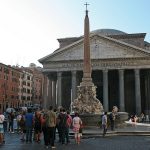
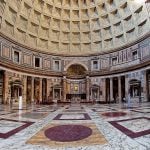
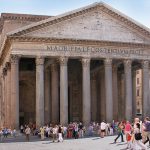
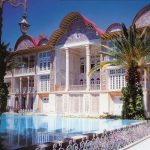
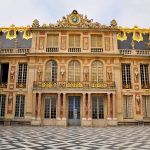
From the 18th century, Neoclassical architecture looked to restore Classical Greek and Roman structures. Its expression is emphatically identified with its social and financial setting, the Industrial Revolution in Europe, and a period where upper-white collar class understudies started the Grand Tour custom – going the world over and coming into contact with old works. The restoration of European social creation brought a design arranged toward discerning balance as a reaction to Baroque architecture.


12. Art Nouveau
Art Nouveau initially filled in as a manual for a few orders, from architecture to painting and furniture planning to typography. As a response to the mixed styles that ruled Europe, Art Nouveau showed itself in architecture in beautiful components: the structures, loaded with bent and crooked lines, got adornments motivated by natural shapes, for example, plants, blossoms, and creatures, both as far as to plan and the utilization of shading. Its first structures were planned by Belgian draftsman Victor Horta, notwithstanding, the Frenchman Hector Guimard wrote the most significant models.


13. Beaux-arts
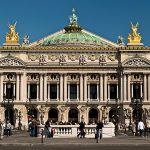
This scholastic style started in the Fine Arts School in Paris in the mid-1830s. It set up a language that alluded to different periods, such as French Neoclassicism, Gothic architecture, and the Renaissance. In any case, it additionally utilized contemporary materials, such as glass and iron. Even though it rose in France, this style affected American architecture and filled in as a kind of perspective to designers. The structures from this development show sculptural ornamentation mixed with current lines. In Europe, a significant model is the Grand Palais in Paris and, in the United States, the Grand Central Terminal in New York.


14. Art deco
Art Deco is one of the architecture styles developed in France directly before World I and, much like Art Nouveau, impacted a few zones of design and art. Auguste Perret, a French architect and pioneer in the utilization of reinforced concrete, was responsible for planning one of the main Art Deco structures. Perret’s Champs-Elysées Theater (1913) joined the development’s qualities and denoted a takeoff from the previously proposed language of Art Nouveau.


15. Modernist styles | Architecture Styles
Modernism was conceived in the first half of the 20th century. It can be said that it started in Germany with Bauhaus, France with Le Corbusier, or the U.S. with Frank Lloyd Wright. Le Corbusier’s commitment to the comprehension of Modern architecture is generally striking, especially for his capacity to blend the statutes he received in his discourse, design, and works.


16. Postmodernism
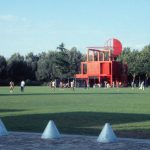
1929 onwards, with the beginning of the Great Depression, a chain of analysis of Modern architecture style began until the late 1970s. Postmodern architecture analyzes a portion of Modernism‘s focal standards from another verifiable and compositional point of view, both in talk and constructed works. For this, various systems for addressing were embraced, once in a while, by the utilization of incongruity and others by an extraordinary enthusiasm for mainstream society.


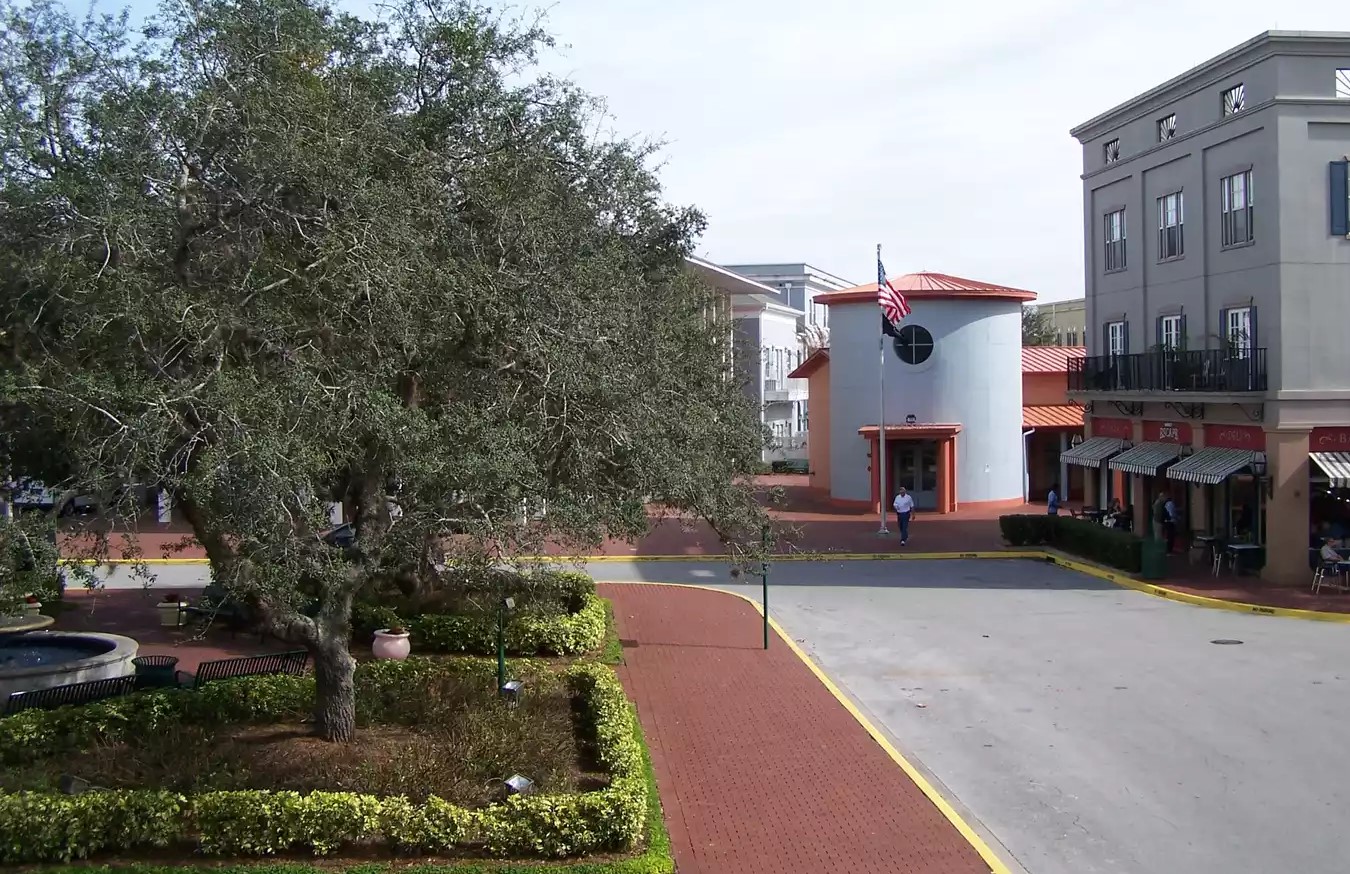
17. Brutalism
Brutalist architecture style is an antithesis of the international style, utilizing significant materials, for example, exposed concrete, brick, and stone, and making works with huge, great quality. The term ‘brutalism’ has been derived from ‘Béton brut’, meaning raw cement, and was first utilized in architecture by Le Corbusier.


18. Deconstructivism
Deconstructivism is an architecture style that started during the 1980s, and it questions the procedure of design and consolidates nonlinear elements in the field’s thinking. Deconstructivism identifies with two primary ideas: deconstruction, an abstract and philosophical investigation that reconsiders and destroys customary methods of reasoning, and constructivism, the creative and architectonic Russian development from the mid-twentieth century. A milestone event for Deconstructivism was the 1988 MoMA presentation curated by Phillip Johnson.


19. Palladian architecture
The Palladian architecture style was influenced by the designs of the Venetian architect Andrea Palladio. Palladian designs depended on the balanced perspective and symmetry of the Ancient Greeks and Romans. It was described by the utilization of pediments and balance, and extents that depended on arithmetic instead of adornment. Palladian design is unmistakable for its old-style exteriors.


20. De Stijl | Architecture Styles
De Stijl architecturestyle was an art and design movement that evolved in the Netherlands. It was conspicuous for its utilization of solid geometric lines, intense essential hues, and the verbalization of particular useful components. It was received in art prominently by Mondrian, furniture, and architecture.