Prologue: The Modern Prometheus
“The Metropolis strives to reach a mythical point where the world is completely fabricated by man, so that it absolutely coincides with his desires.” ― Rem Koolhaas
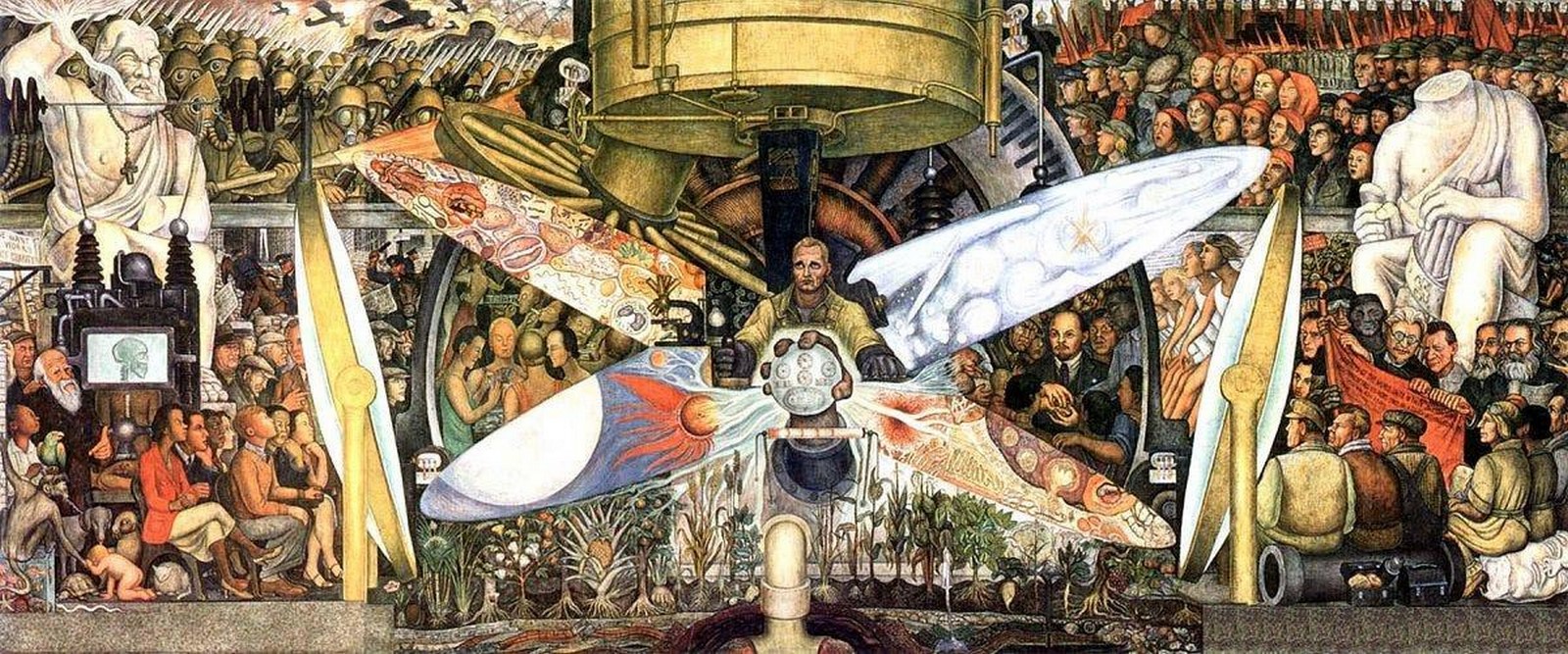
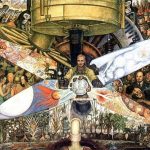
In the year 1934, Diego Rivera unveiled “Man, Controller of the Universe,” a mural that encapsulated the twentieth-century obsession with the human capacity to dominate, categorize, and re-engineer the natural world. This vision of the “Controller” serves as a precursor to the contemporary metropolitan condition, where the environment is no longer a given reality but a deliberate construction. This transition marks the dawn of a new era of authorship, where the boundary between the natural and the artificial is not merely blurred but systematically erased in favor of a “factory of man-made experience”.
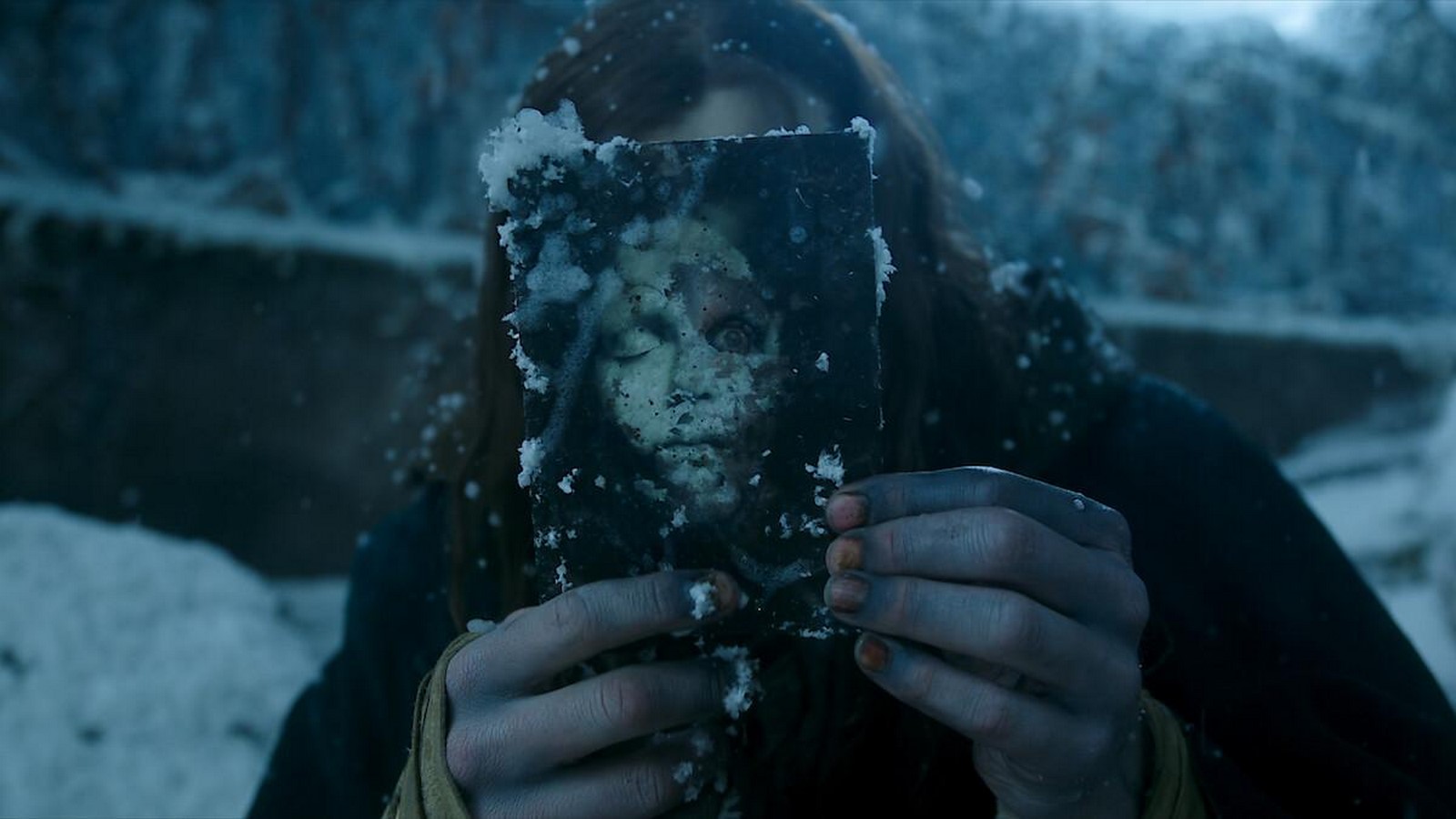
The roots of this technological and ontological overreach find their narrative archetype in Mary Shelley’s Frankenstein; or, The Modern Prometheus. Shelley’s 1818 novel was an early formulation of design fiction, a speculative act where imagination serves as a laboratory for futures that have yet to materialize.
The central question of authorship posed by Shelley, what does it mean to create something that exceeds THE CREATOR? has migrated from the realm of literary fiction into the heart of architectural and urban systems. We now inhabit systems that generate, predict, and construct, effectively acting as machines that extend human intention while simultaneously displacing it. The designer has evolved from a simple maker of forms into a programmer of conditions, a curator of possibilities, and a negotiator of complex social and material outcomes.
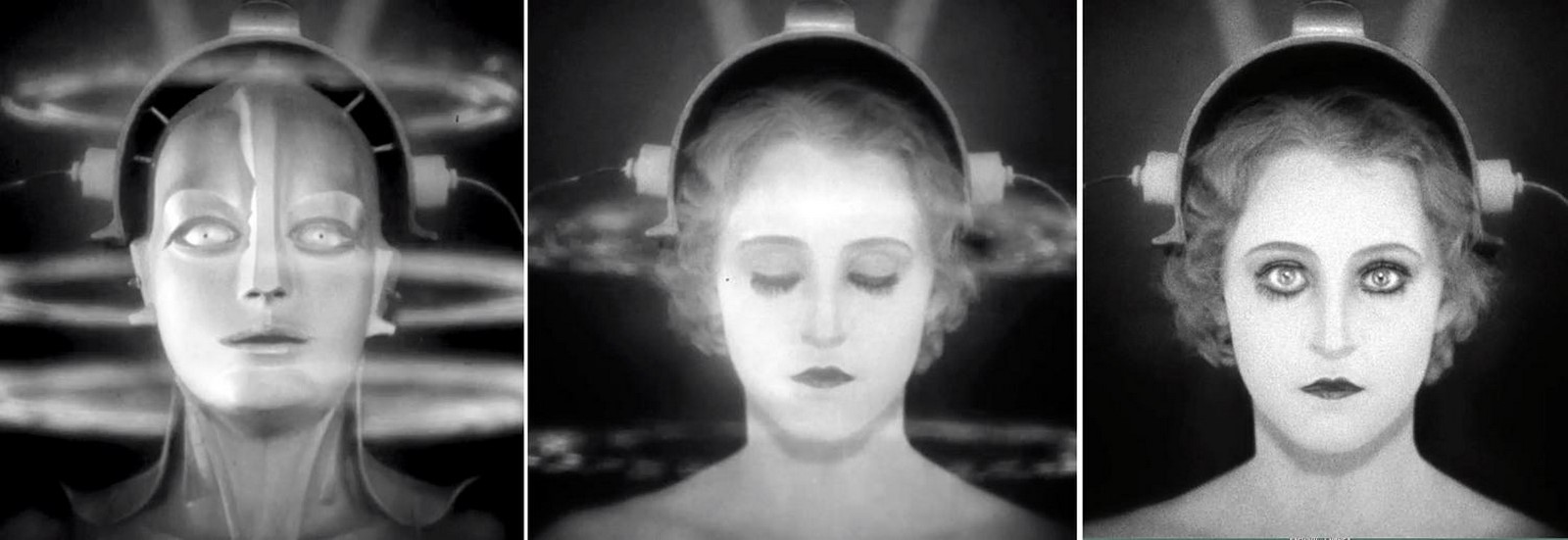
In this radical shift, architecture moves beyond the production of static objects toward the construction of worlds. These worlds are speculative frameworks, assembled through narrative, coded through systemic logic, and inhabited through experience.
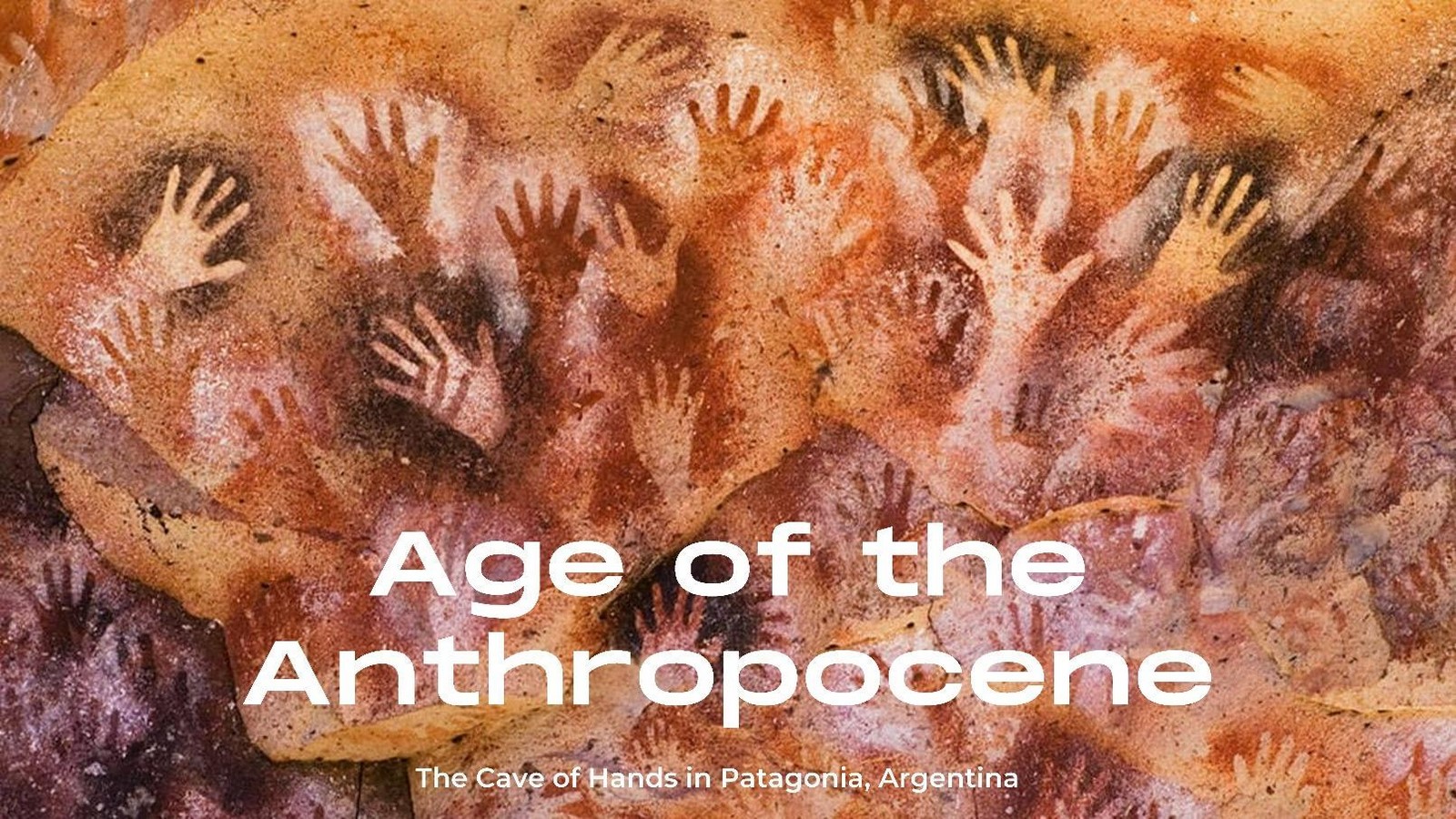
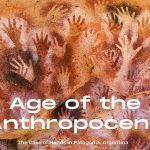
Since the first handprints in the Cave of Hands, humans have marked territory, memory, and presence.
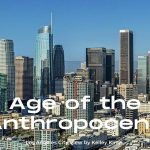
We now inhabit the Anthropocene, an age where the scale of that imprint has transformed from trace to total fabrication.
If the cave wall was a gesture of belonging, the contemporary metropolis is a gesture of control.
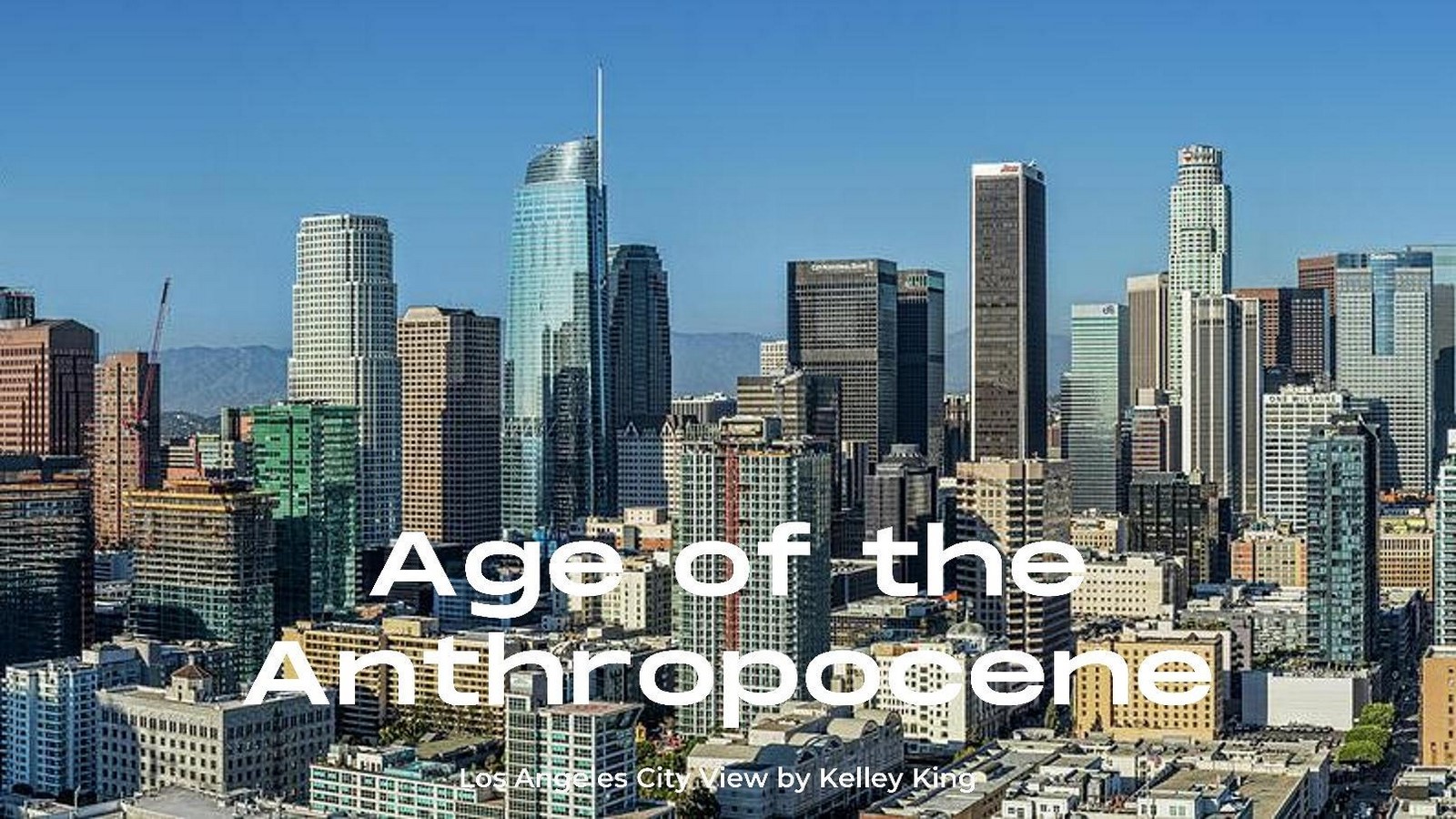
Design fiction emerges within this terrain as a critical method, a way of interrogating the kind of future currently under construction and identifying the specific interests for which it is being built.
As the city becomes a landscape of “phantom architecture,” the role of the designer is to navigate the “Culture of Congestion” and the “splendors and miseries” of the metropolitan condition.
I. Urban Imaginaries: A Critical Reading
The contemporary city demands a different mode of seeing, an embedded, drifting intelligence that reads the metropolis as lived intensity rather than fixed form or with the aerial gaze of the planner. The city is not a stable object; it is a field of relations—psychological, social, and spatial—constantly negotiated through movement. This is where the critical imagination begins: in the refusal to accept the city as given.
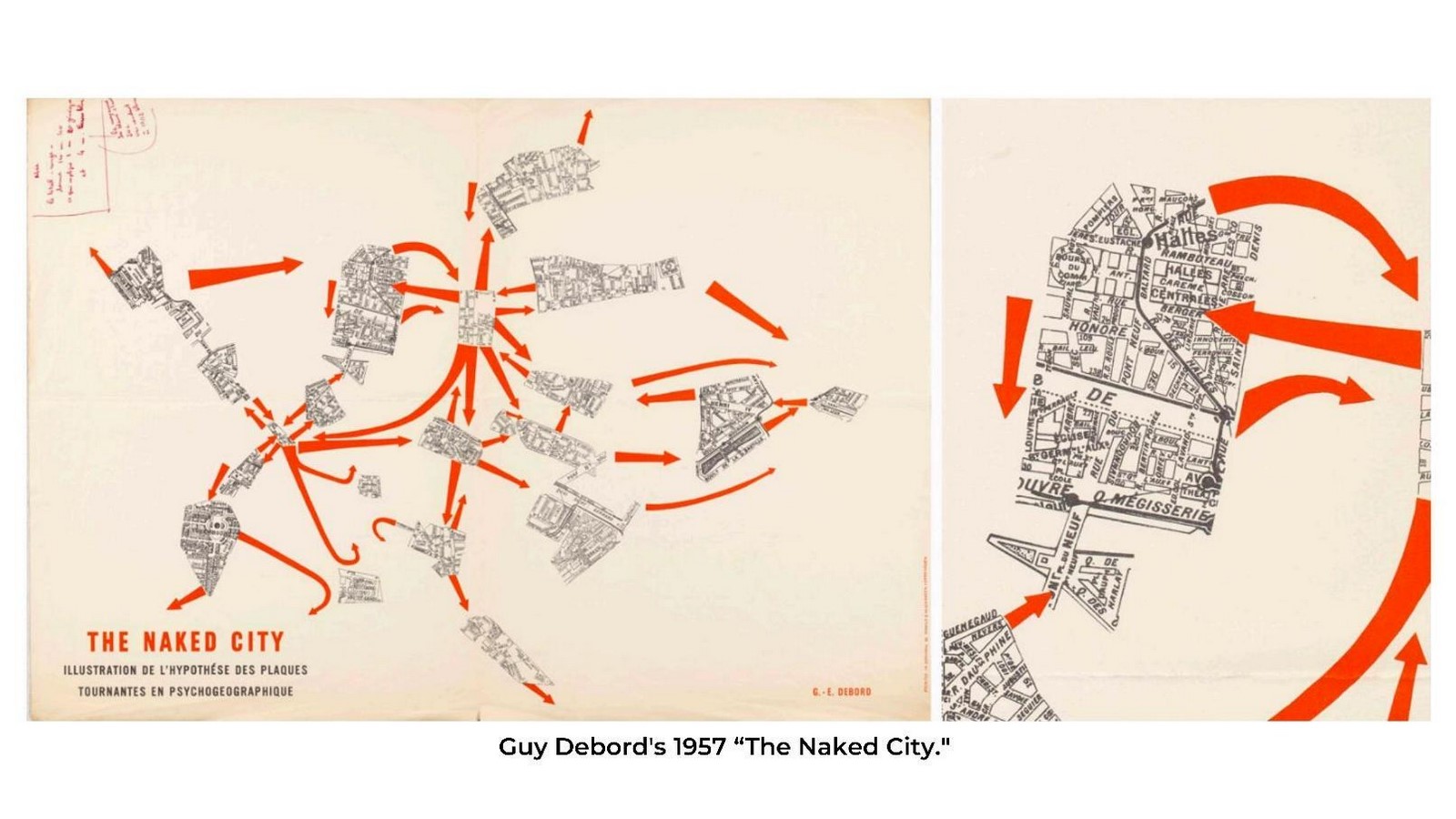
Psychogeography repositions the urban subject from user to interpreter, mapping desire, boredom, tension, and memory as legitimate spatial forces. The metropolis unfolds as a sequence of encounters—fragmented, subjective, and deeply contingent.
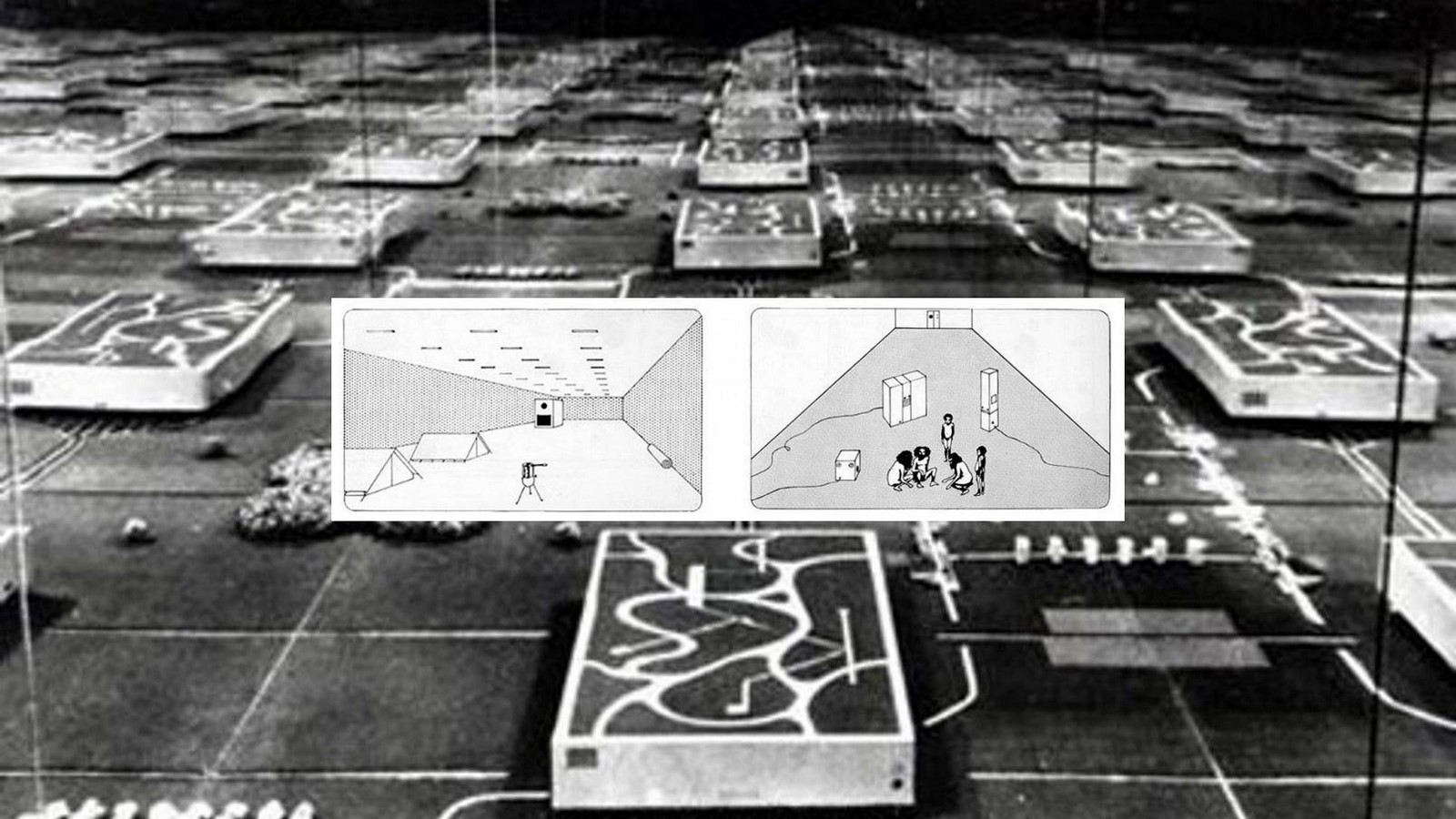
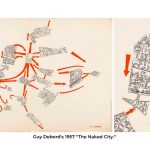
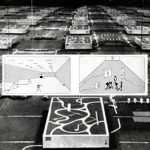
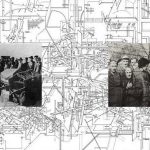
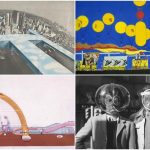
Within this framework, projects like The Naked City dismantle cartographic authority, revealing the city as a collage of intensities rather than a coherent whole. In contrast, No-Stop City pushes this condition to its extreme—a continuous, homogeneous field where architecture dissolves into infrastructure and identity collapses into neutrality.
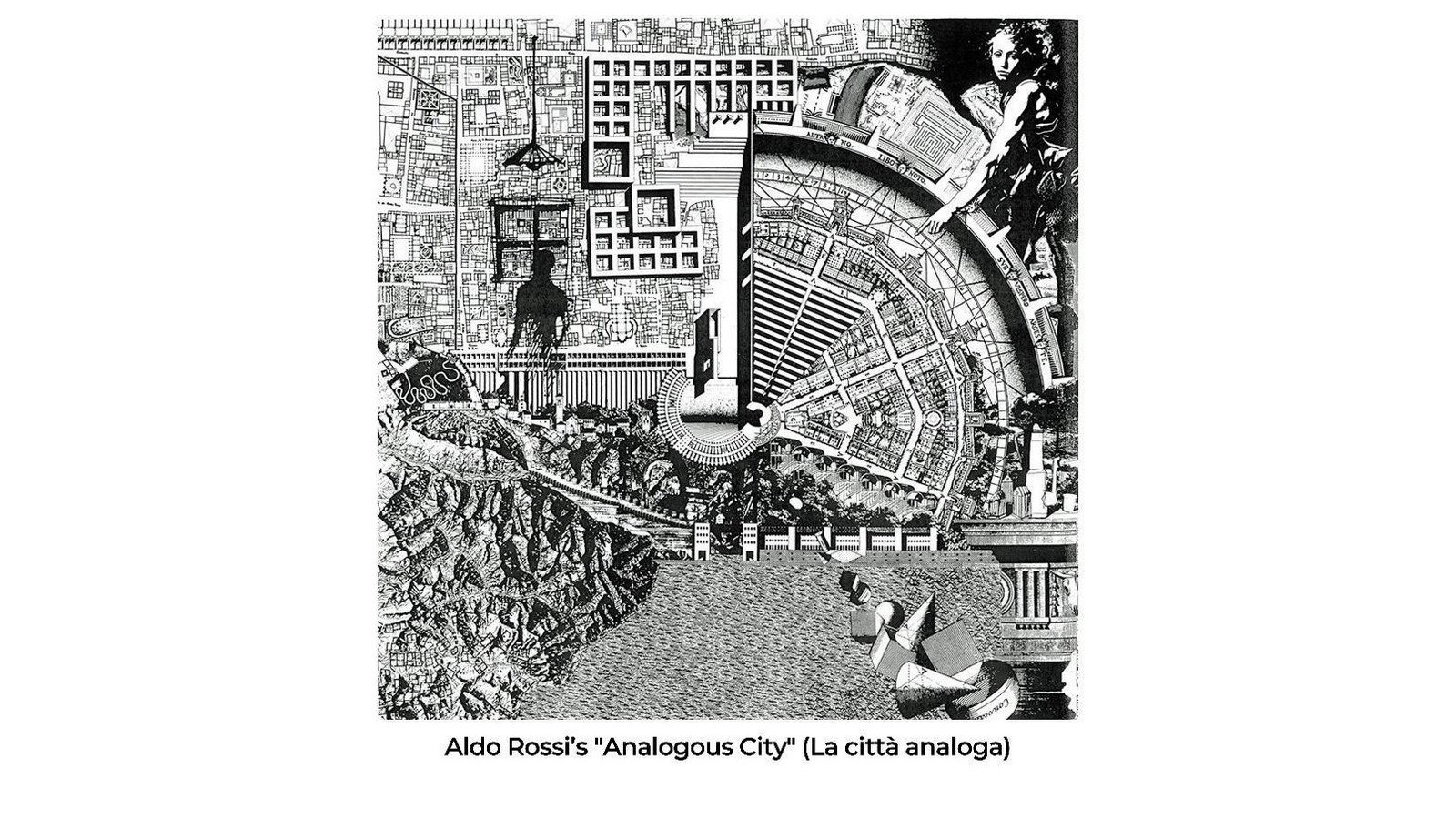
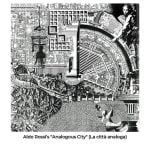
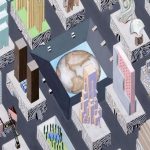
Between these poles, The Analogous City reasserts memory as a counter-force, proposing the city as an accumulation of fragments, histories, and symbolic forms that resist total erasure. Here, criticality is a method of re-reading, of extracting latent meanings from within the urban fabric.
In resurrecting the critical imagination, architecture reclaims its capacity to question rather than confirm. It moves away from prescribing totalities and toward constructing frameworks—open, provisional, and responsive. The city is no longer something to be solved, but something to be read, reinterpreted, and continuously re-authored.
II. The Prophecy
The contemporary metropolis no longer unfolds as an accumulation of histories, but as a projection of systems. Across geographies, urban form begins to converge into a reproducible template—optimized, efficient, and eerily familiar. What emerges is a shared condition: a neutral horizon where difference is flattened into legibility. The city ceases to be situated and becomes transferable, detached from the contingencies that once grounded it.
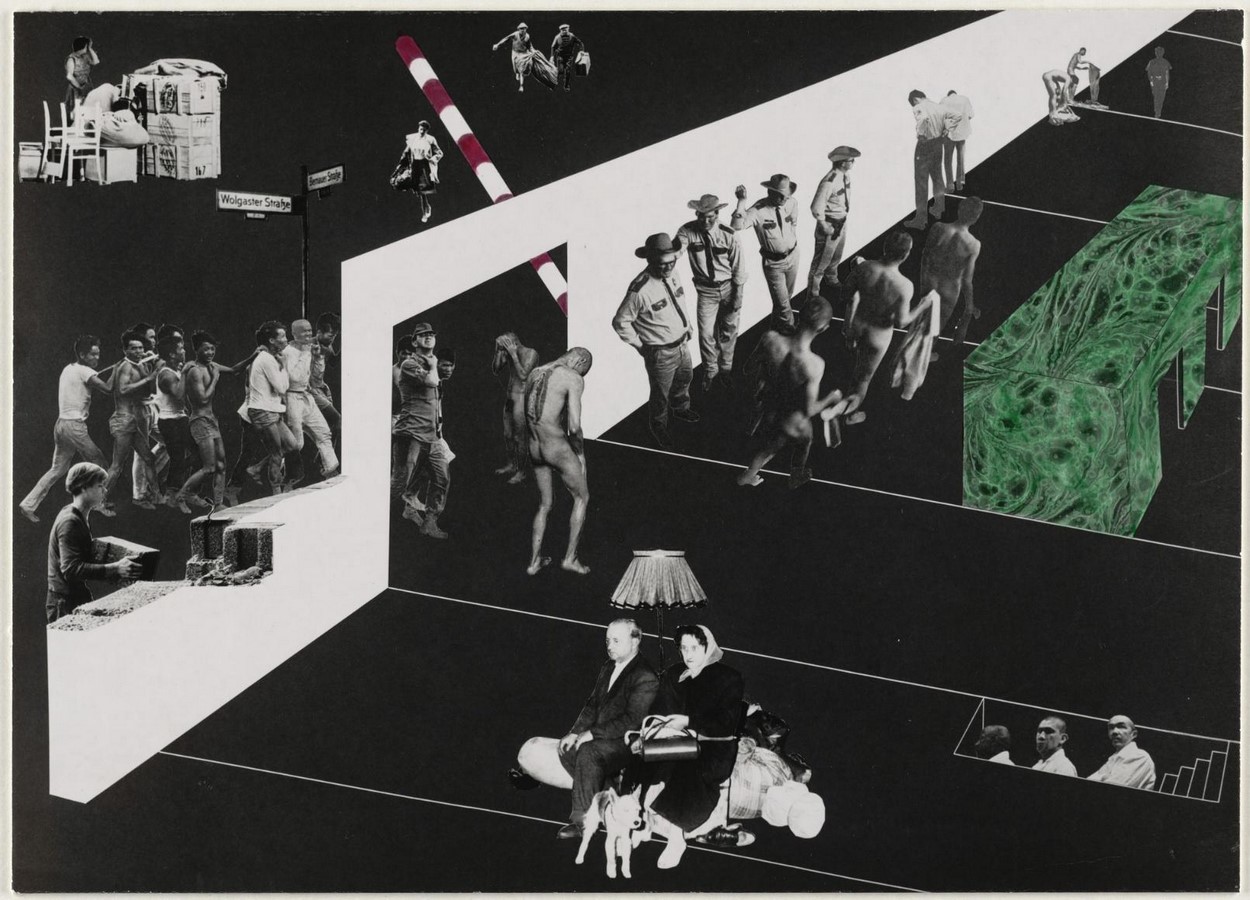
This is the prophecy of late urbanism: saturation. A condition where architecture endlessly recycles its own language, producing an excess of form without depth. The critical imagination is suspended within this loop, replaced by an economy of repetition. What remains is a metropolis that functions, but does not remember—a field where identity is no longer lived, but simulated.
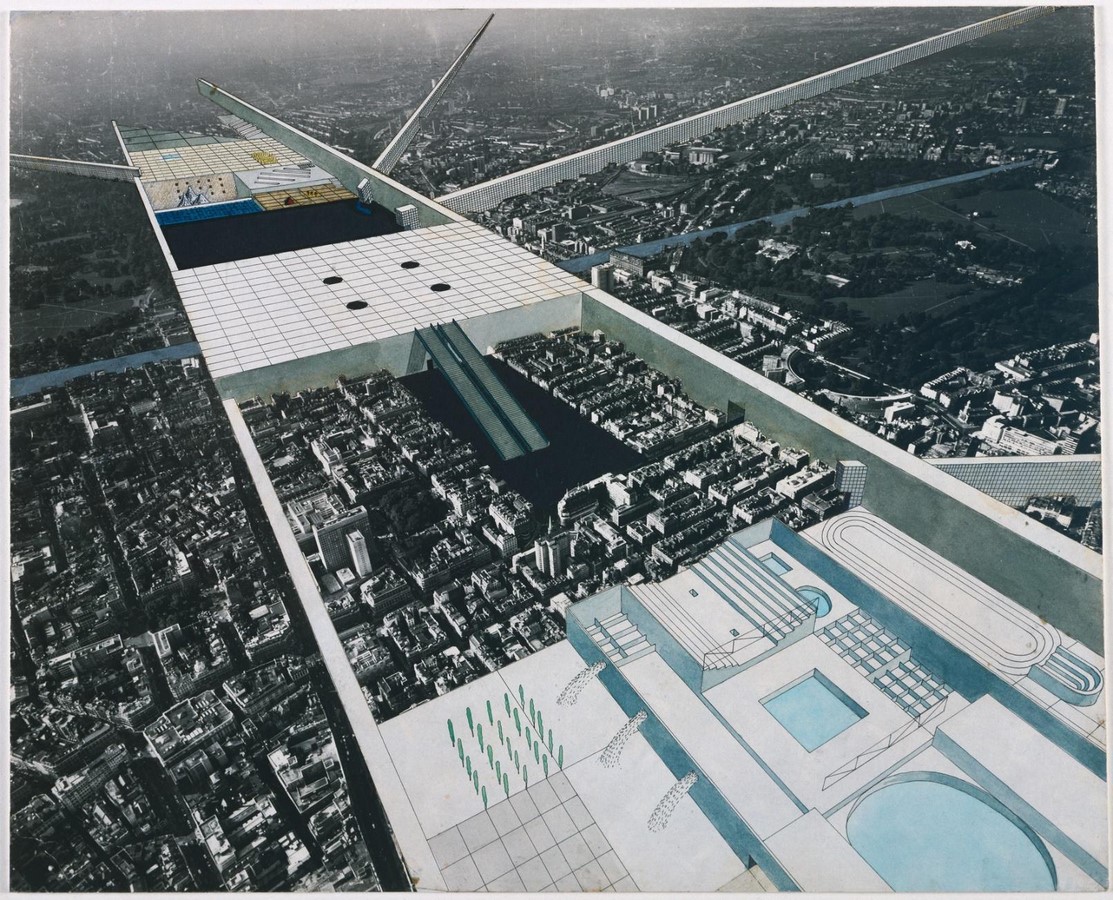
III. The Maker’s Tale and The Afterlife
Every urban reality is preceded by fiction. The metropolis is first conceived as a speculative construct—a diagram, a narrative, a controlled hypothesis of how life might unfold. This is the maker’s tale: a projection that assembles spatial, social, and ideological forces into a coherent vision. Urban theory operates within this domain, not as description, but as proposition—an attempt to stabilize the uncertain through form.
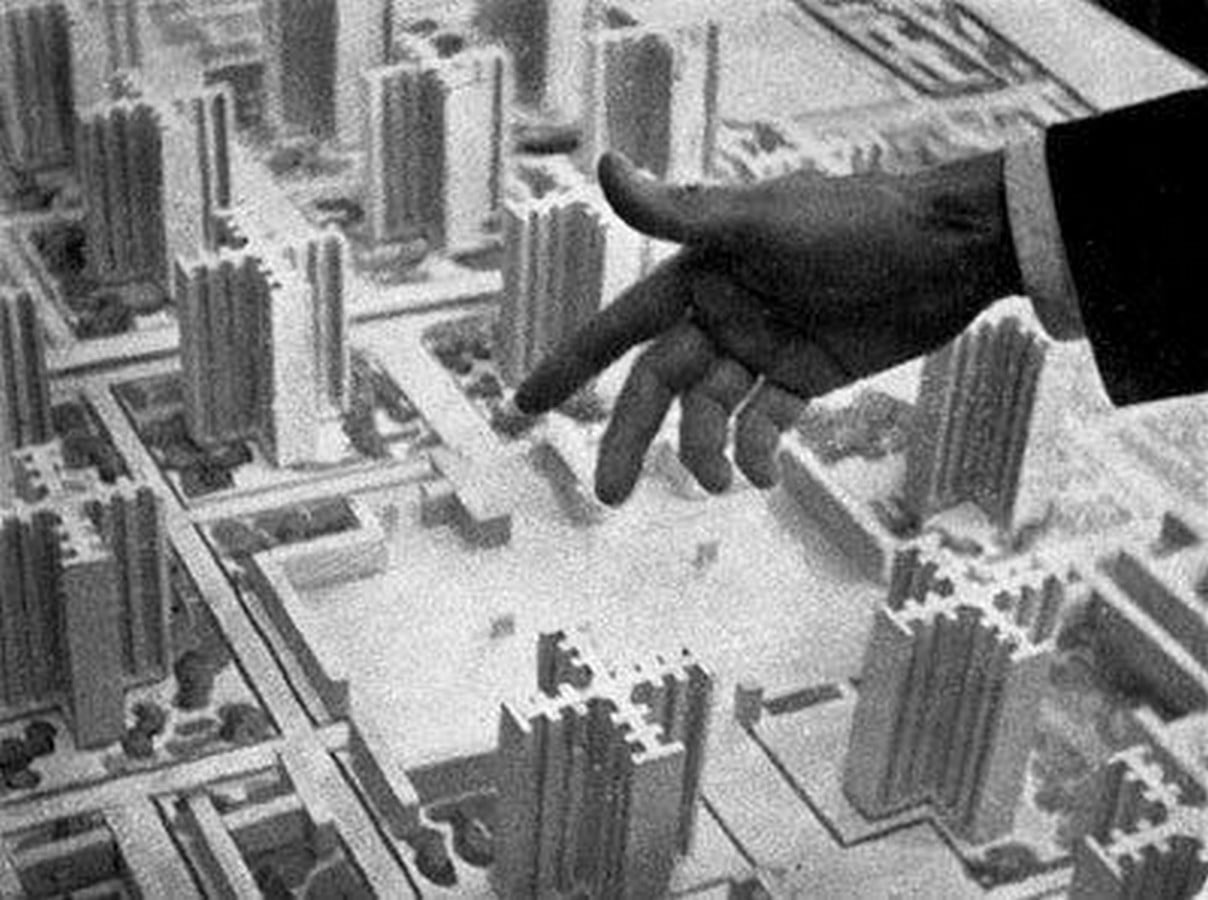
Yet architecture does not remain within this authored condition. Once released into the world, it enters its afterlife, where intention dissolves into use. Programs mutate, spaces are appropriated, and meaning is redistributed through everyday practice. The gap between projection and occupation reveals the limits of authorship. Here, the critical imagination is reactivated—not by the designer, but by the collective, transforming architecture into an open, unstable, and continuously rewritten system.
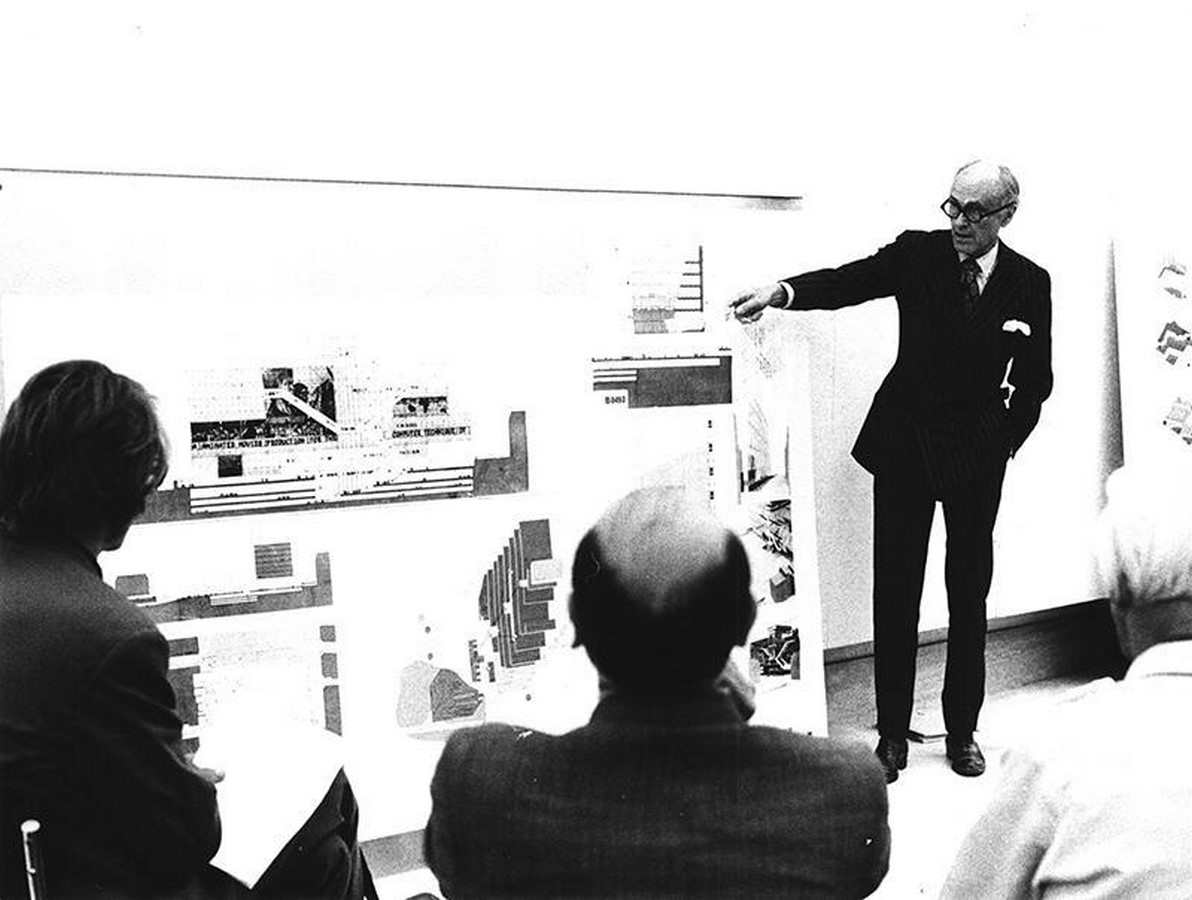
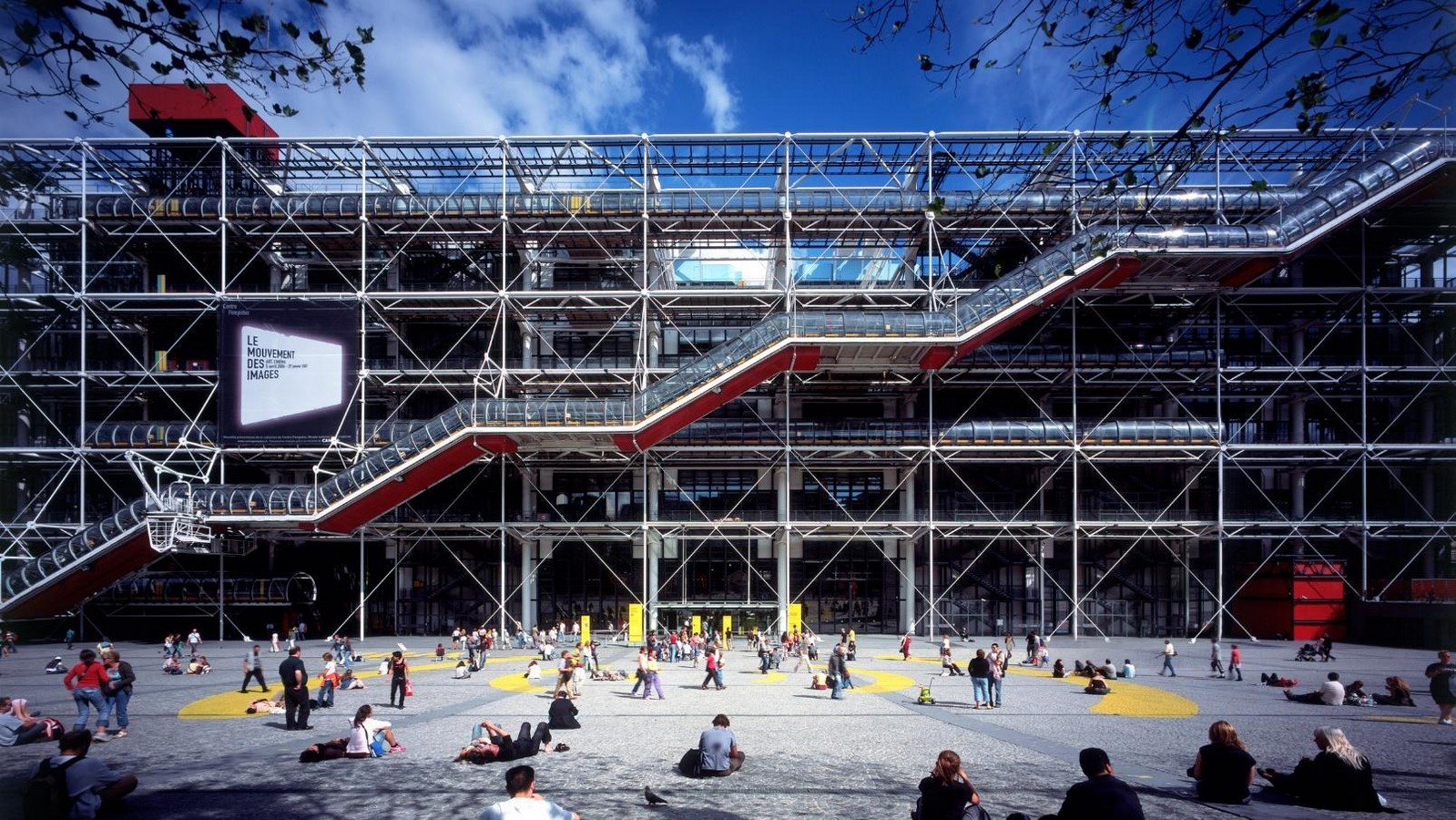
IV. Interpretive Readings: Reconstructing the Urban Narrative
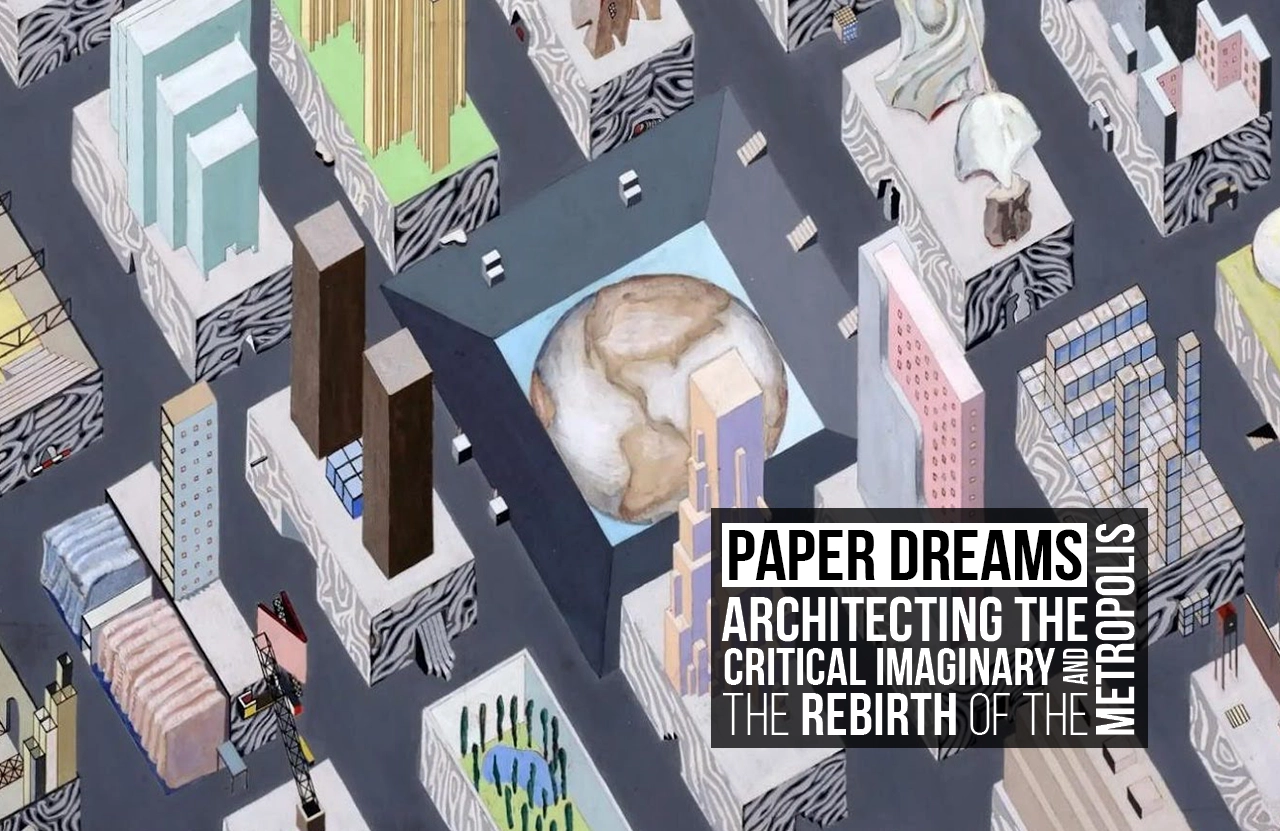
To understand the practical application of the “Critical Imaginary,” specific projects act as “Paper Dreams” brought to life—interrogating history, narratives, and speculative futures through physical form.
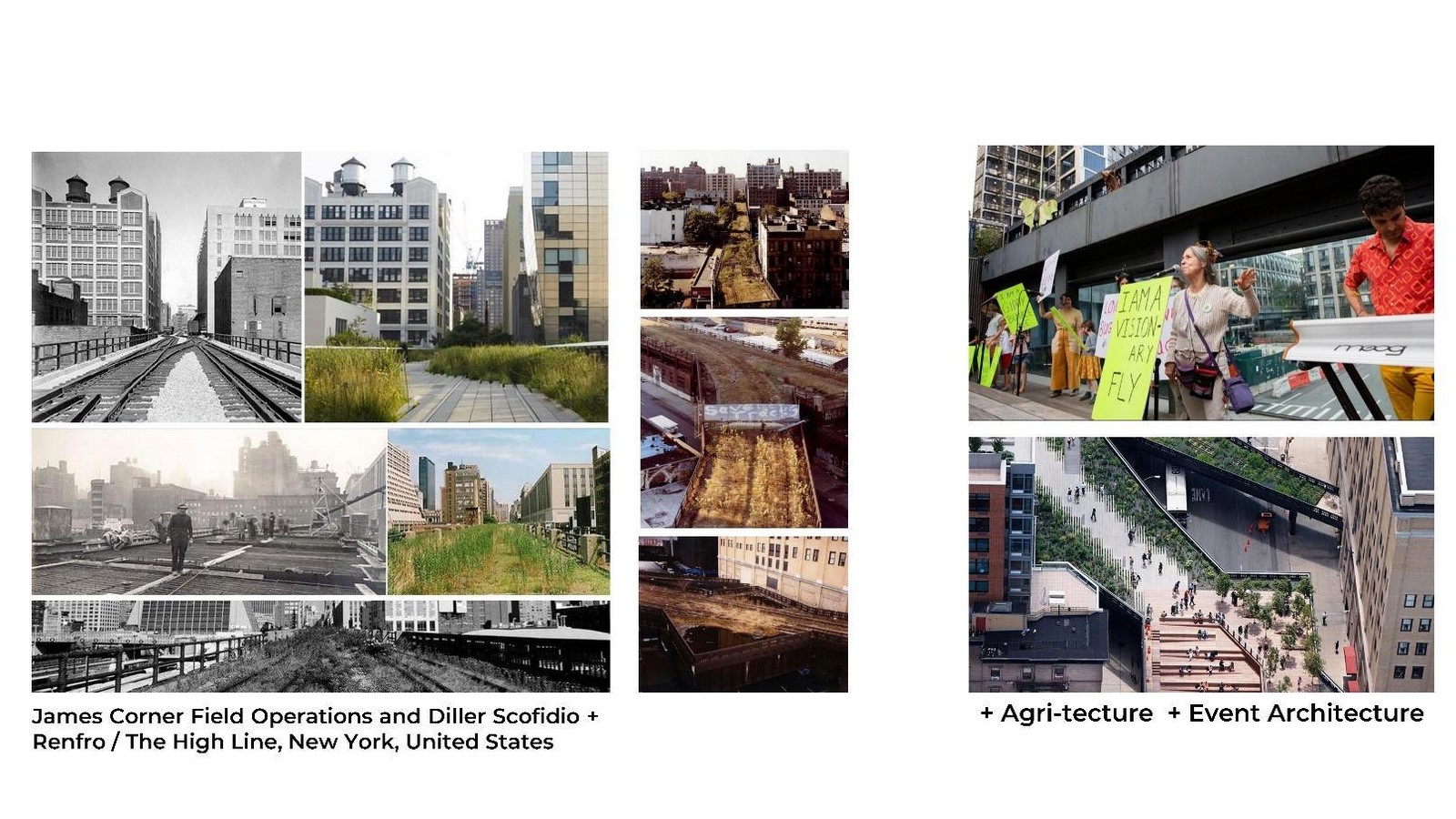
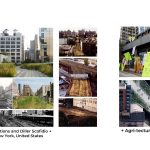
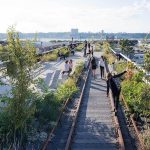
A collaboration between James Corner Field Operations and Piet Oudolf, the High Line reimagines 1.5 miles of abandoned elevated rail as a living urban narrative.
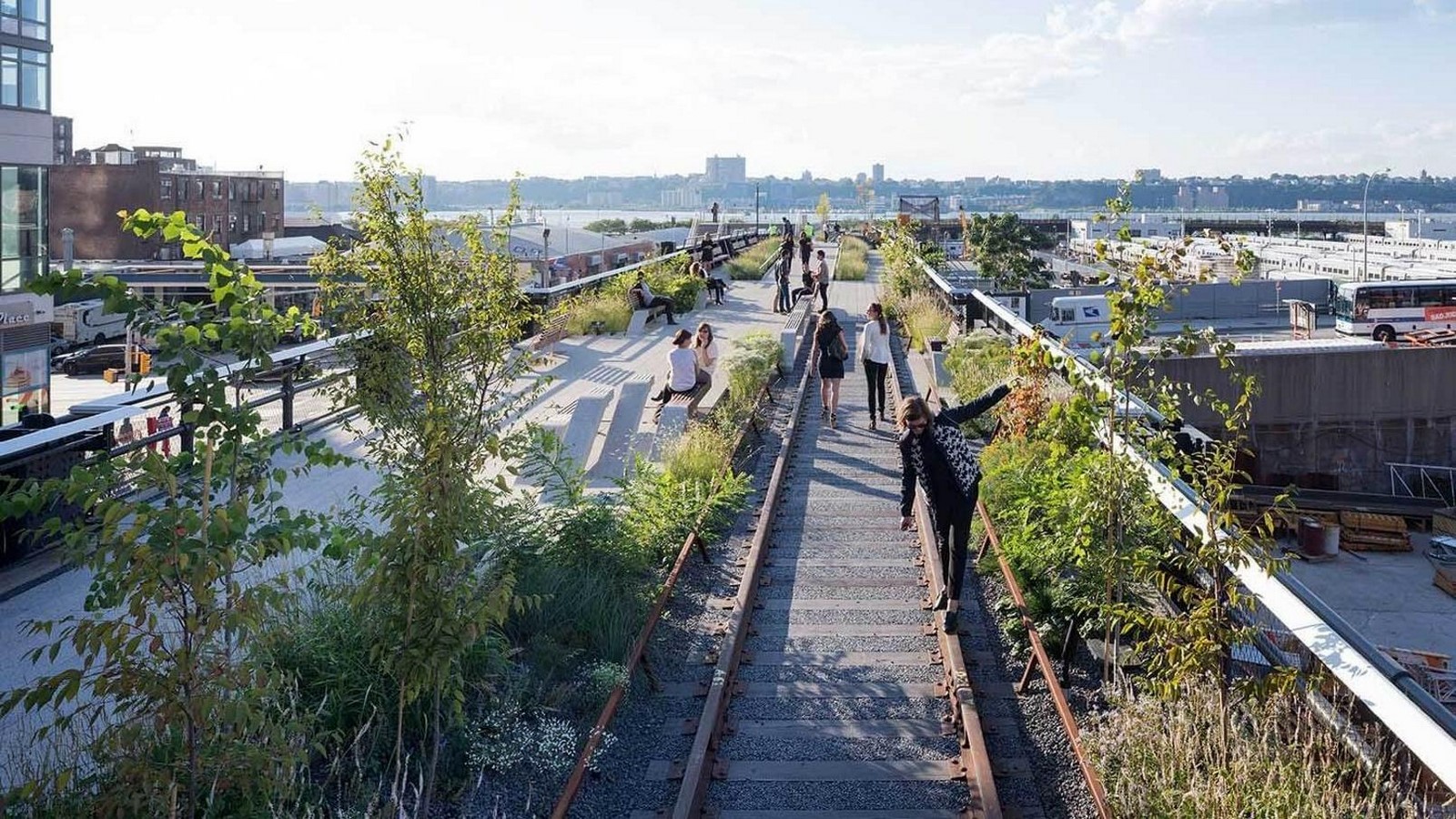
Inspired by the post-industrial “melancholy” of the original ruin, the design translates spontaneous biodiversity into a choreographed sequence of micro-climates. By weaving wild ecology into steel infrastructure, the park transforms a relic of Manhattan’s past into a diverse, site-specific sanctuary.
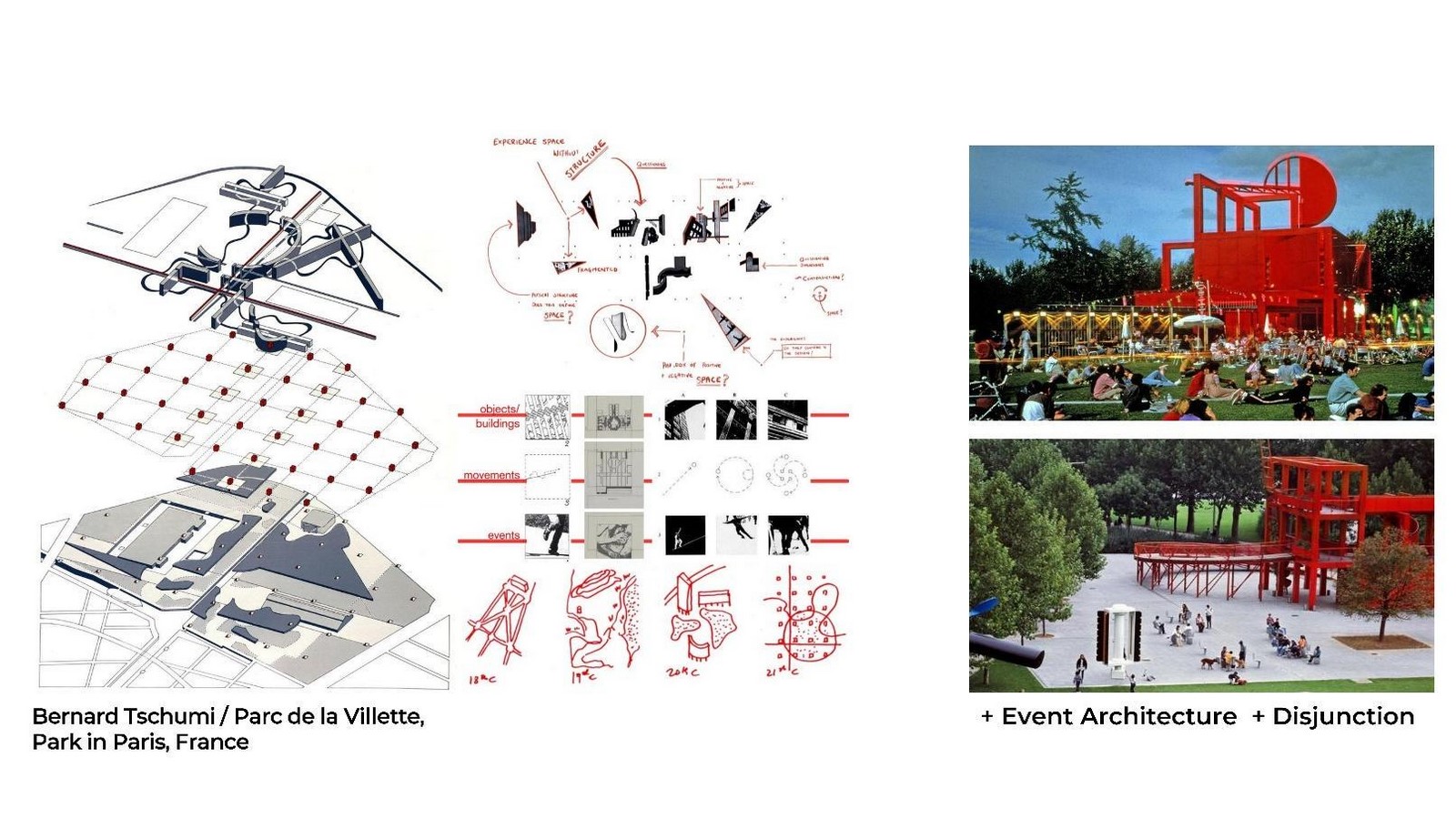
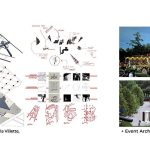
Parc de la Villette marks a radical shift from naturalism to a deconstructivist “cultural park.” Bernard Tschumi replaces traditional landscape clarity with a strategy of layering autonomous systems of points, lines, and surfaces.
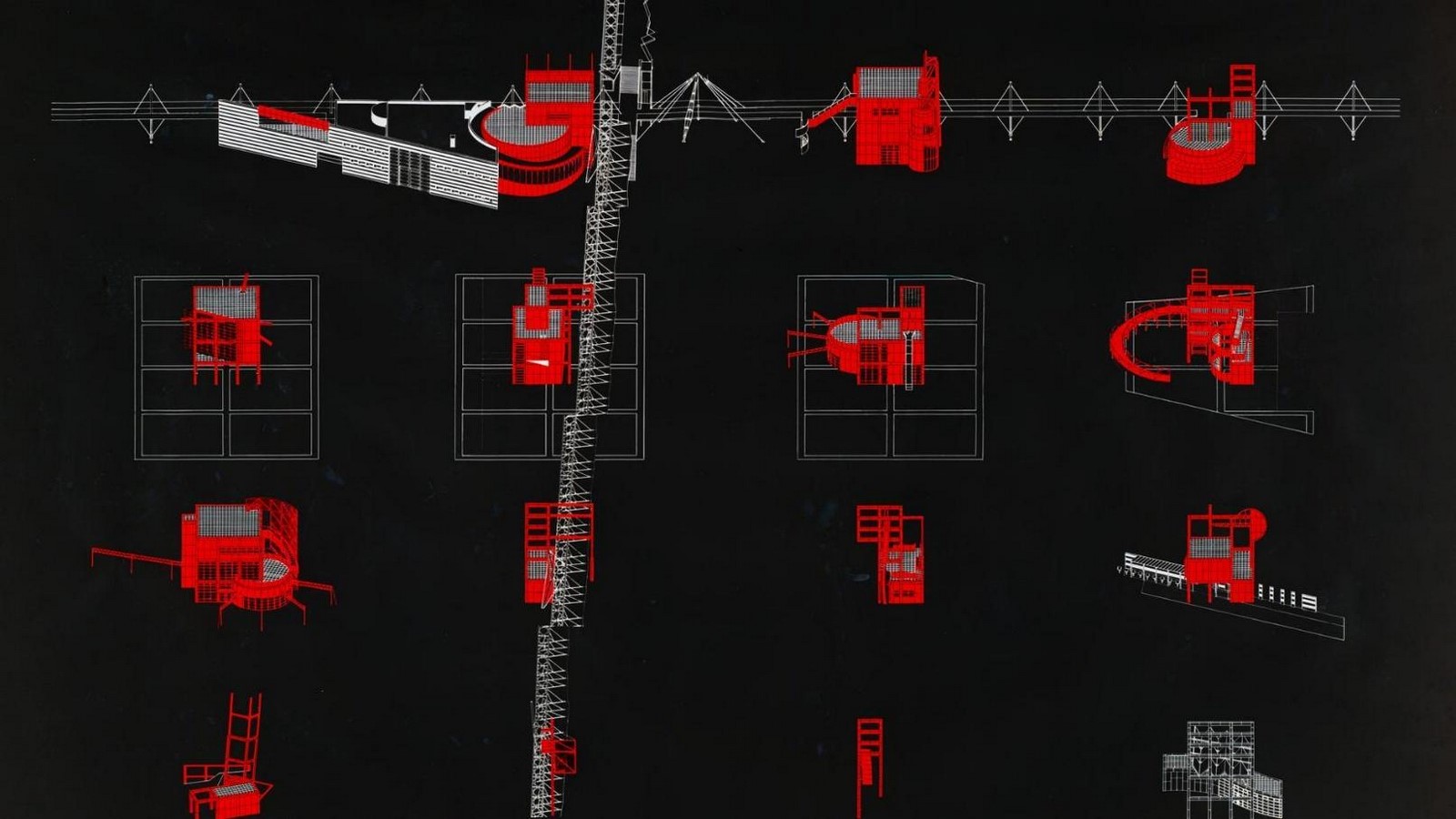
At the heart of this 55-hectare field are the red “follies”—functionalist-defying nodes designed to provoke spontaneous events rather than passive leisure, transforming the site into a permanent landscape of ambiguity and encounter.
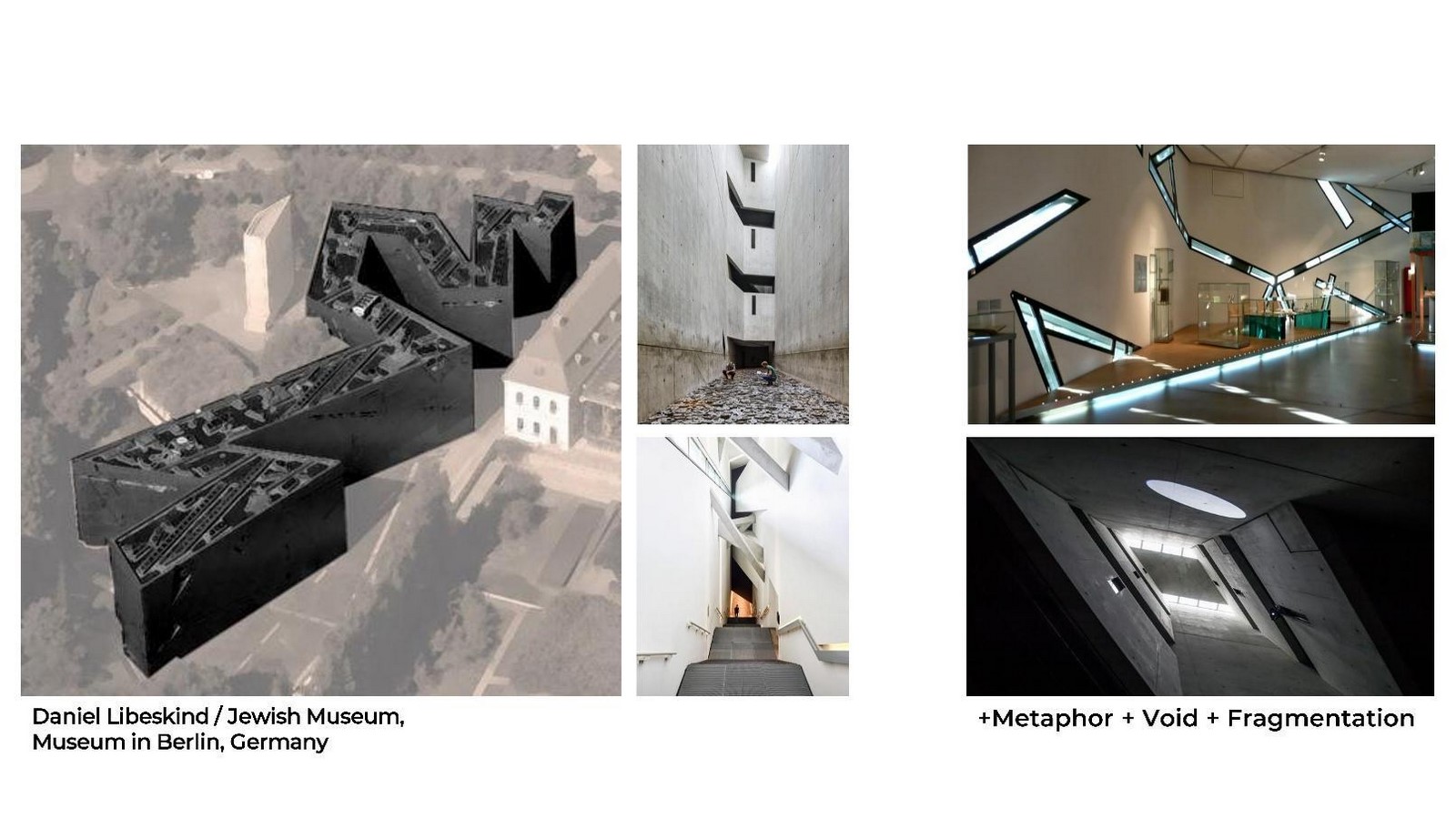
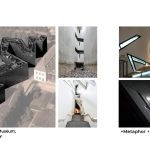
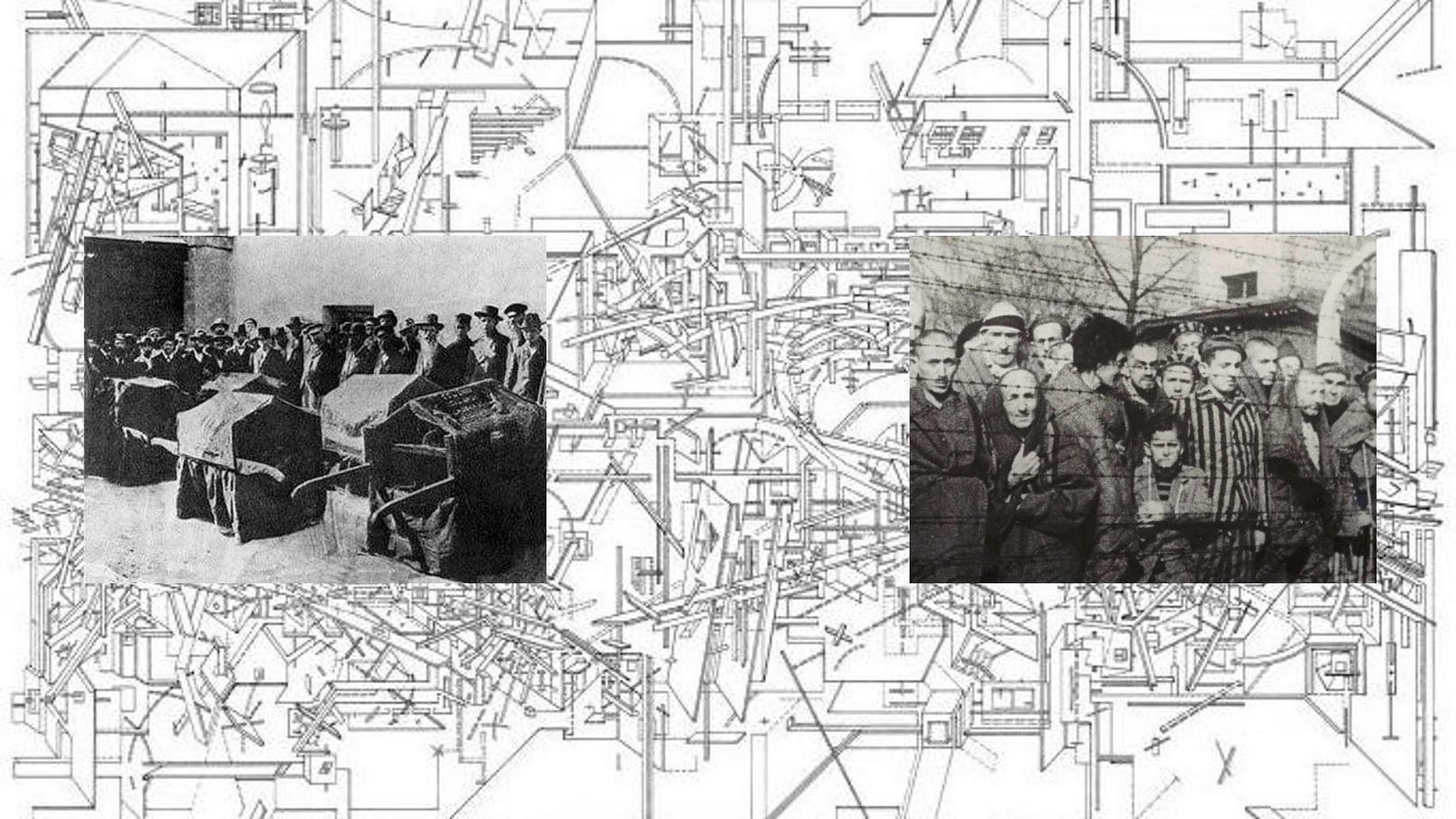
Daniel Libeskind’s “Between the Lines” is a visceral, deconstructivist narrative of the Holocaust. The architecture—a jagged, “broken Star of David”—translates trauma into physical form through disorienting angles and stark voids representing the erasure of Jewish life. By rejecting traditional museum clarity for a series of experiential interruptions, the design forces a direct, somber encounter with the “void” of history.
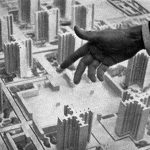
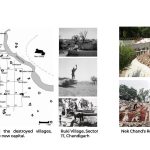
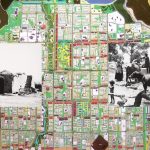
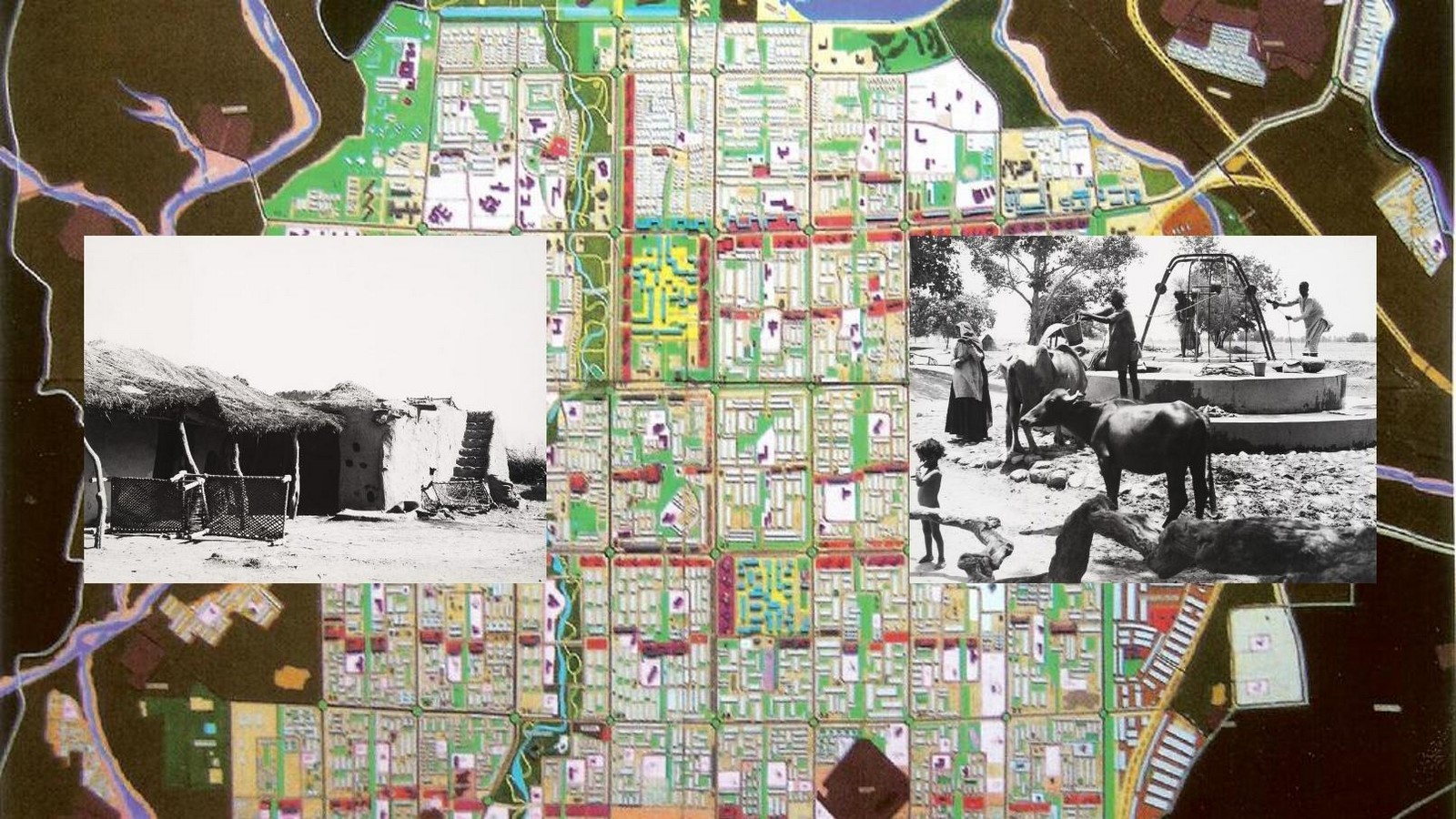
Chandigarh is Le Corbusier‘s primary utopian testing ground, transforming post-partition India into a symbol of a new beginning. Designed in the 1950s based on his “Radiant City” concept, the city features a rigorous, human-body-analogous master plan. While it achieved visual modernist clarity, it did so by erasing 27 villages, creating a tension between the imposed geometric order and the displaced socio-cultural narratives.
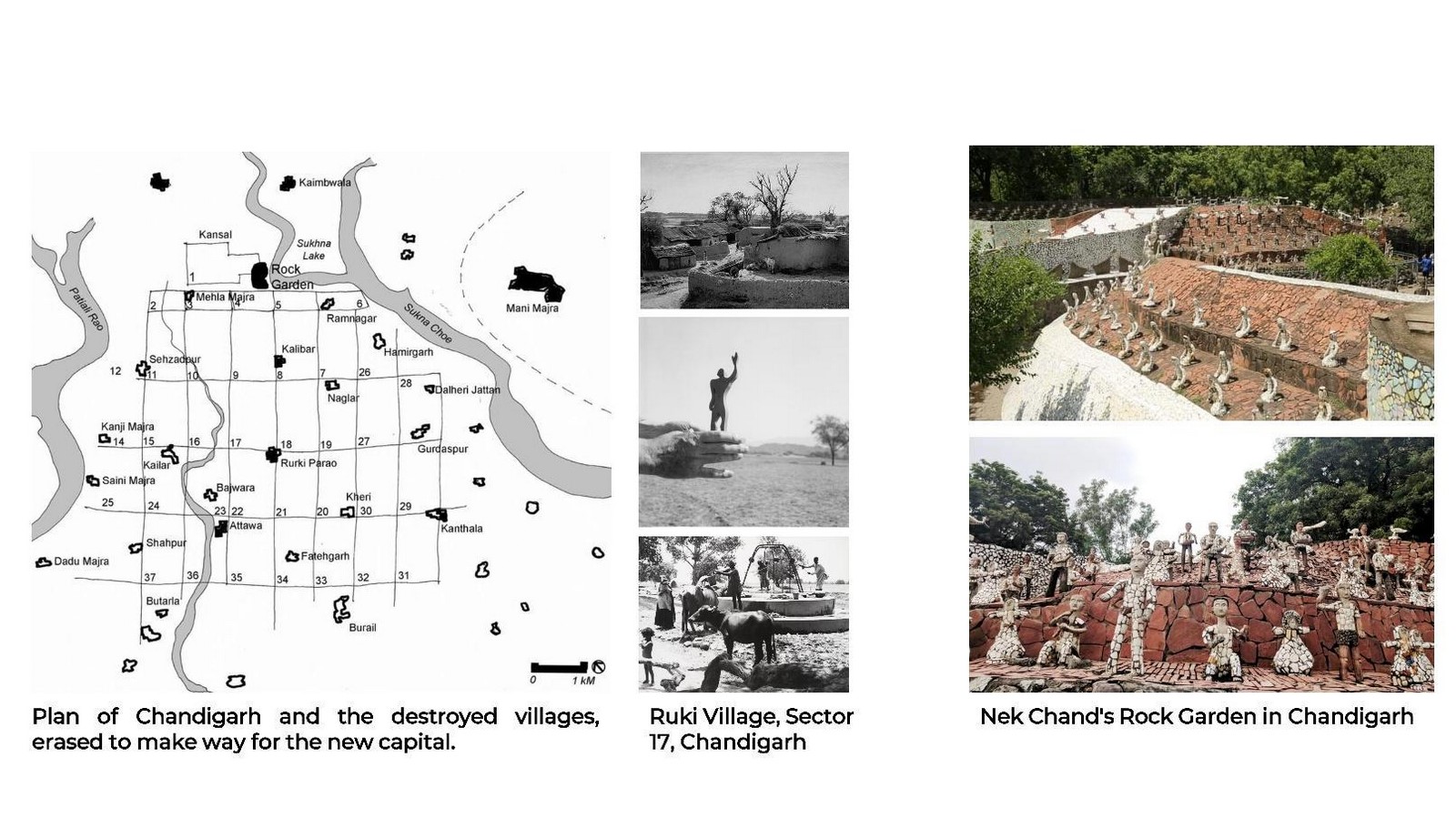
However, Nek Chand’s Rock Garden becomes a counter-archive. Using debris, bangles, and fragments from demolished villages, he reconstructs memory materially.
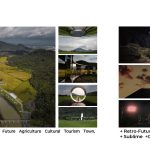
In a future where technology resolves material scarcity, PMT Partners shifts the rural narrative toward the reshaping of the spiritual world. By embedding geometric monoliths into an automated landscape, the design transcends functionalism to manifest the “unknown.” These non-referential forms create a sublime friction between high-tech efficiency and a power beyond human reach.
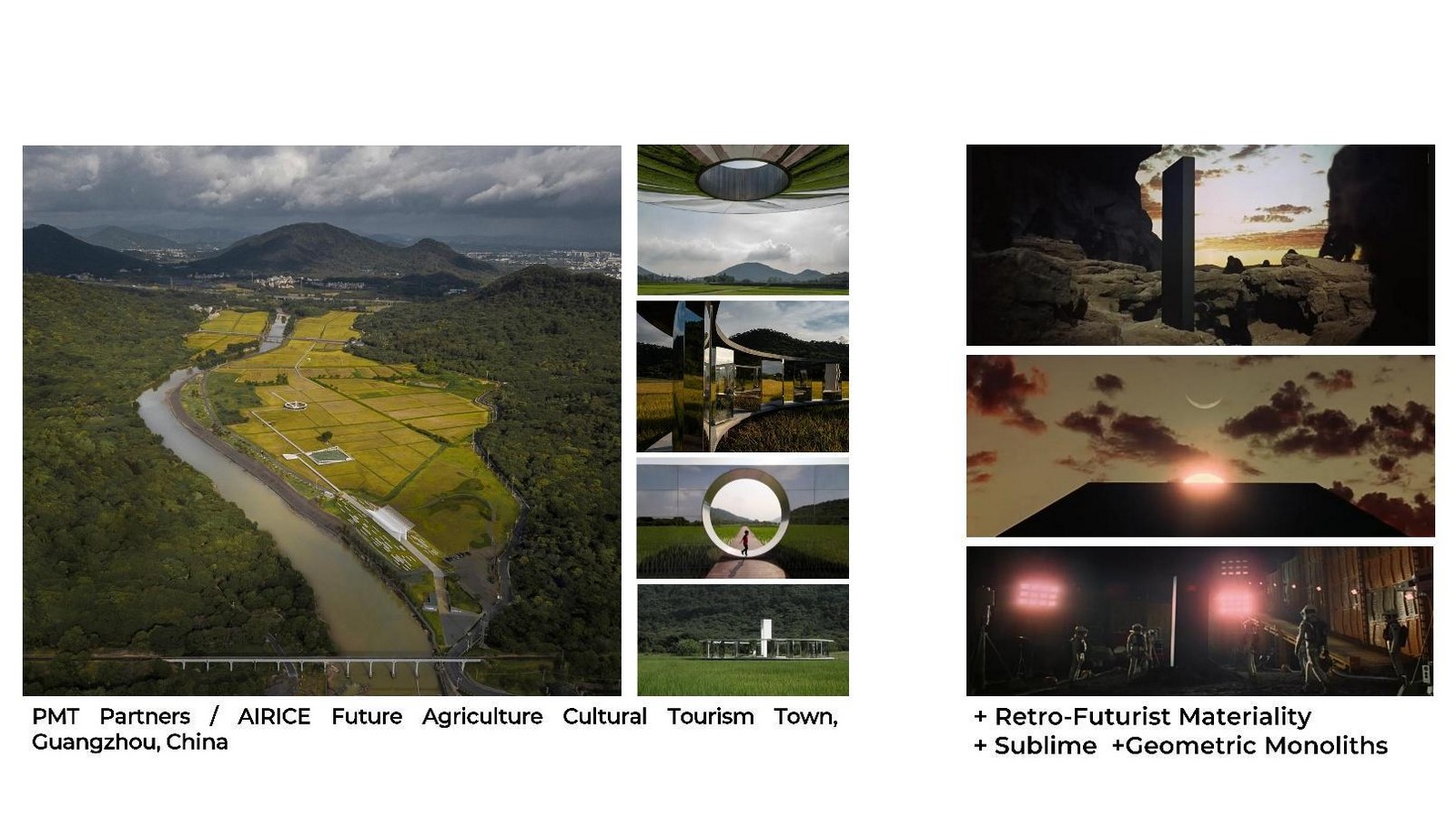
Since humans began to use tools, this power has appeared in different forms, accompanied by ancient ritual totems; Stonehenge, located in the wilderness; the Circular Mound Altar of Heaven worship; and the monolith in 2001: A Space Odyssey.
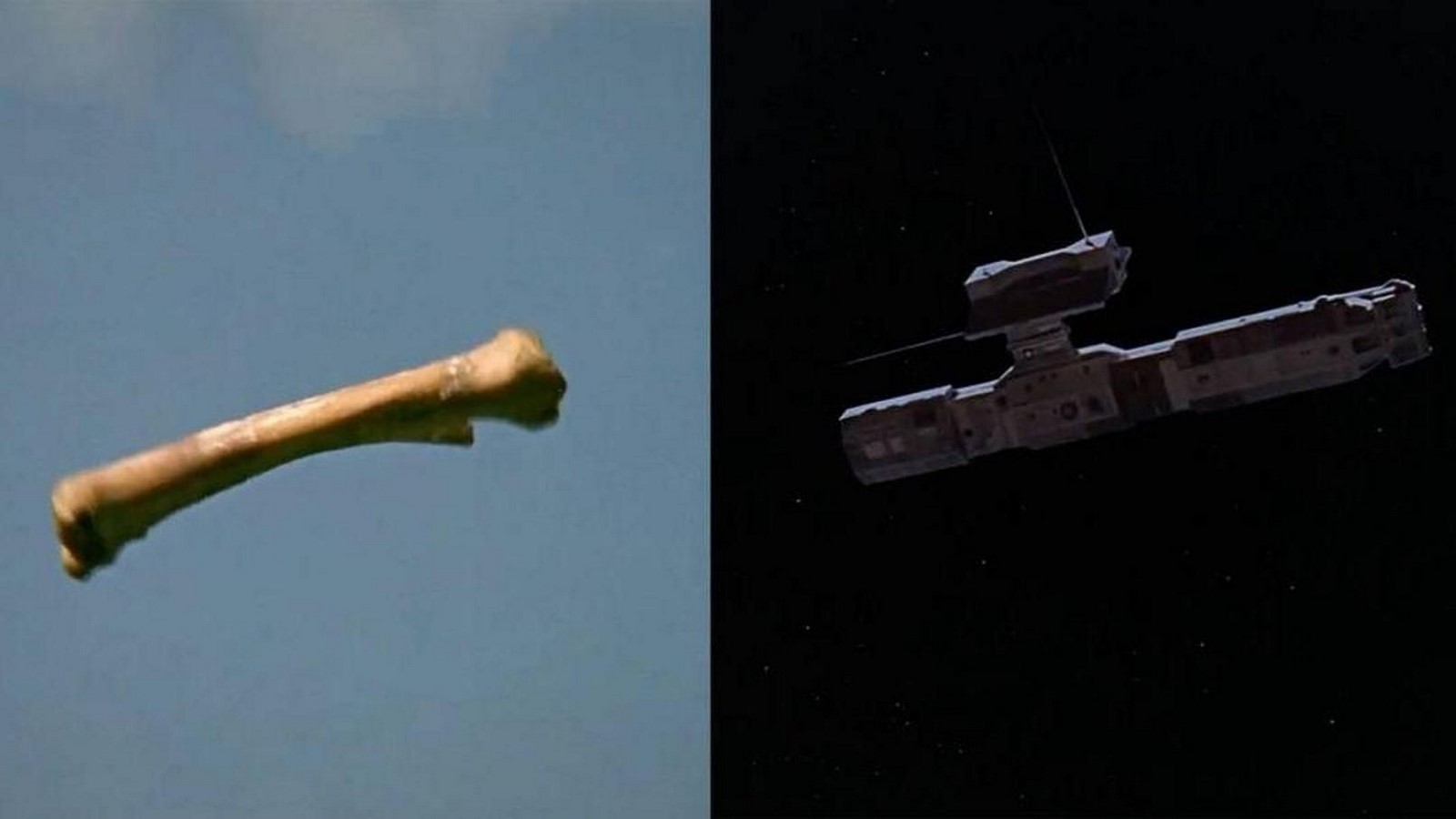
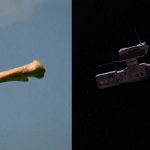
Kubrick’s iconic match-cut in 2001: A Space Odyssey—a bone morphing into a spacecraft—summarizes the evolutionary arc of human innovation. From primitive tools to an AI-driven future, this trajectory is defined by a singular speculative drive. It bridges our ancestral origins with a techno-centric present, framing technology as a spatial manifestation of human imagination and survival.
V. Critical and Speculative Approaches
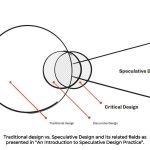
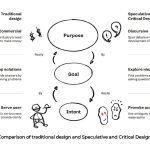
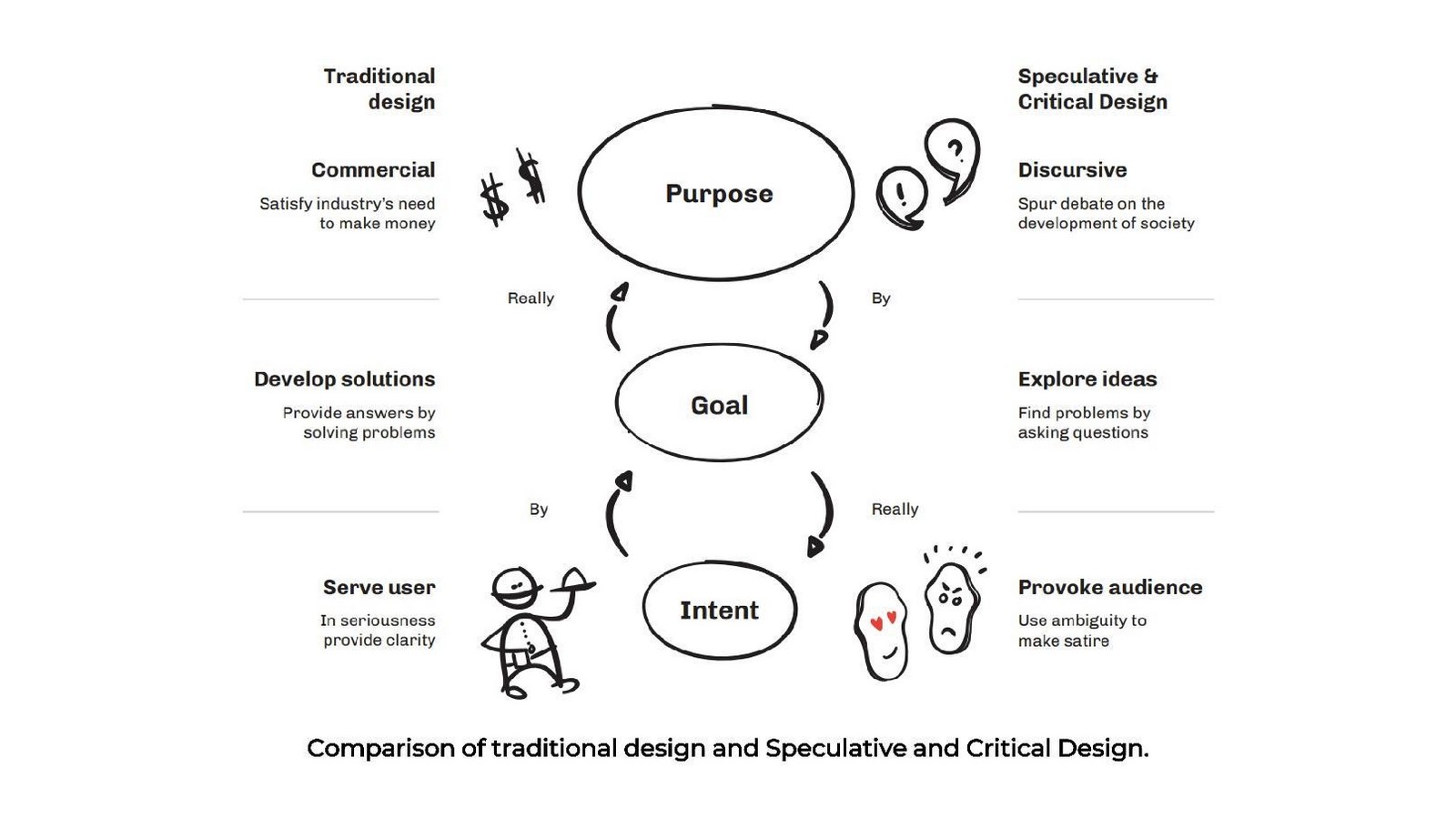
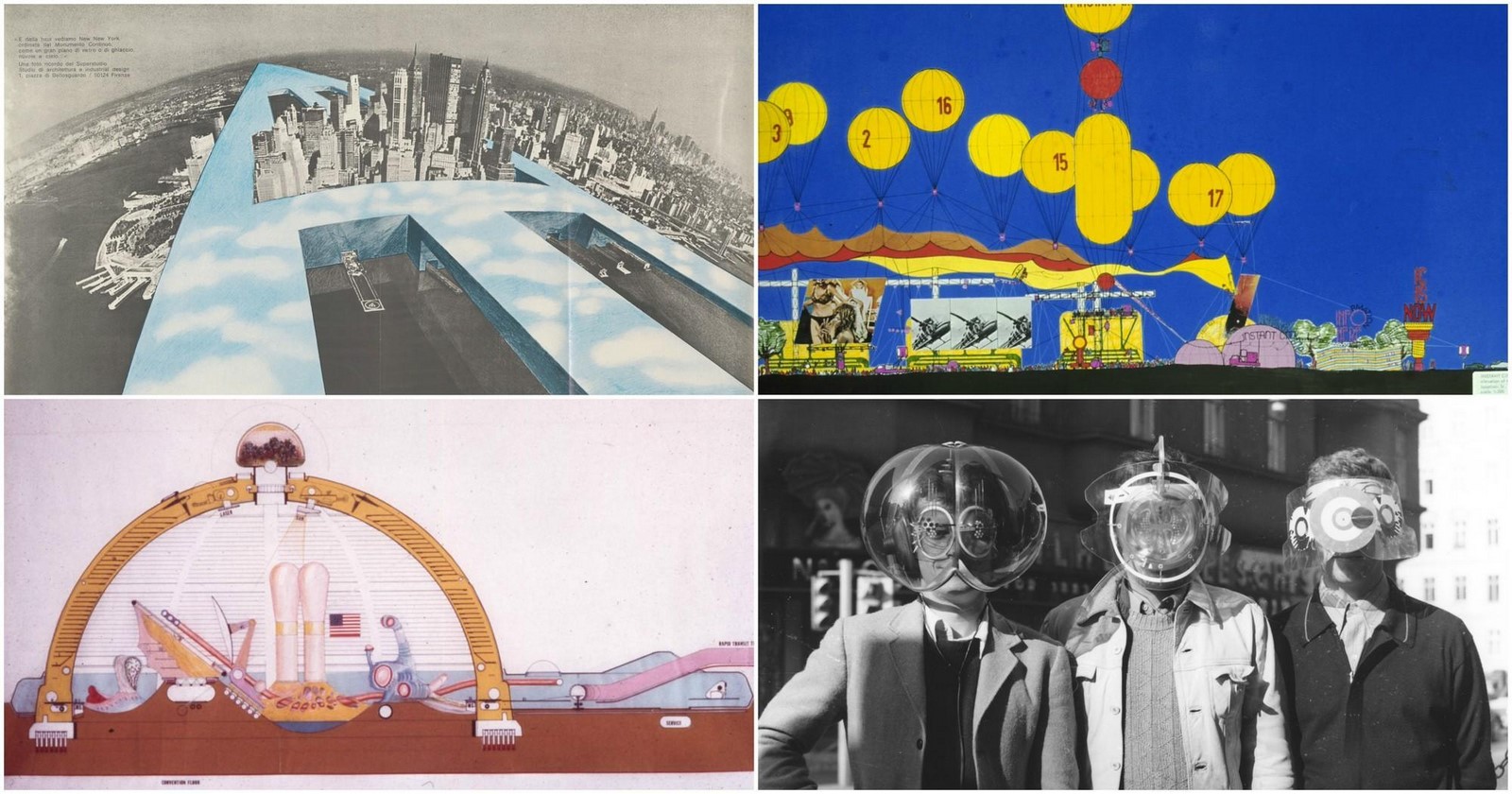
Critical and speculative architecture investigates scenarios for the future, creating narratives around how different forms of agency shape space and culture. It is the final frontier of the “Paper Dream,” where the architect abandons the God-complex of total control in favor of “staging uncertainty.” By borrowing from design futures and radical architecture, this approach treats the metropolis as a laboratory for the “not-yet-possible,” using the tools of fiction to critique the limitations of the present.
Speculative Design, although seeming contemporary, has historical roots. It evolved from critical design, a concept introduced in the 1990s by Anthony Dunne and Fiona Raby at the Royal College of Art, London. Critical Design challenged the status quo of design not as a commercial tool but as a medium for critiquing and questioning the world around us.
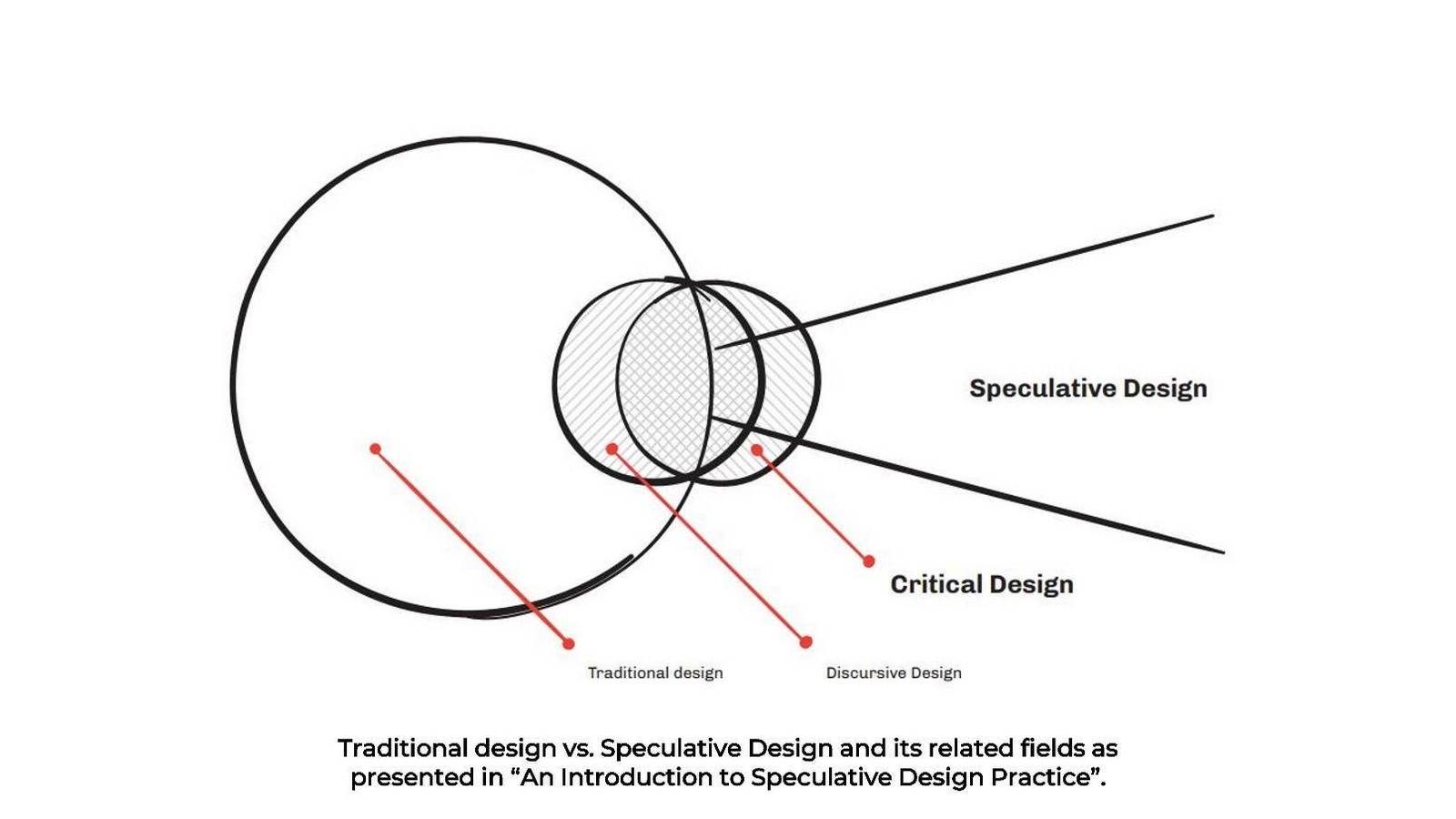
In essence, Speculative Design serves as a bridge between imagination and reality, theory and practice, possibility and realization. It’s a discipline that recognizes design as a powerful tool for change, reflection, and exploration. As we navigate an increasingly complex world, the principles and practices of Speculative Design offer a unique and critically important lens through which to envision and shape a better future.
Epilogue: Beyond the God-Complex
The rebirth of the Metropolis depends on our ability to move beyond the God-complex of the past and embrace the ambiguity of the future.
Koolhaas wrote in 1994: “If there is to be a ‘new urbanism’ it will not be based on the twin fantasies of order and omnipotence; it will be the staging of uncertainty; it will no longer be concerned with the arrangement of more or less permanent objects but with the irrigation of territories with potential; it will no longer aim for stable configurations but for the creation of enabling fields that accommodate processes that refuse to be crystallized into definitive form … it will no longer be obsessed with the city but with the manipulation of infrastructure for endless intensifications and diversifications, shortcuts and redistributions—the reinvention of psychological space.”
The “Paper Dreams” that we draft today are the “Genetic Code” of the cities of tomorrow. By architecting the “Critical Imaginary,” we can ensure that our cities are living systems that are capable of growth, adaptation, and wonder.
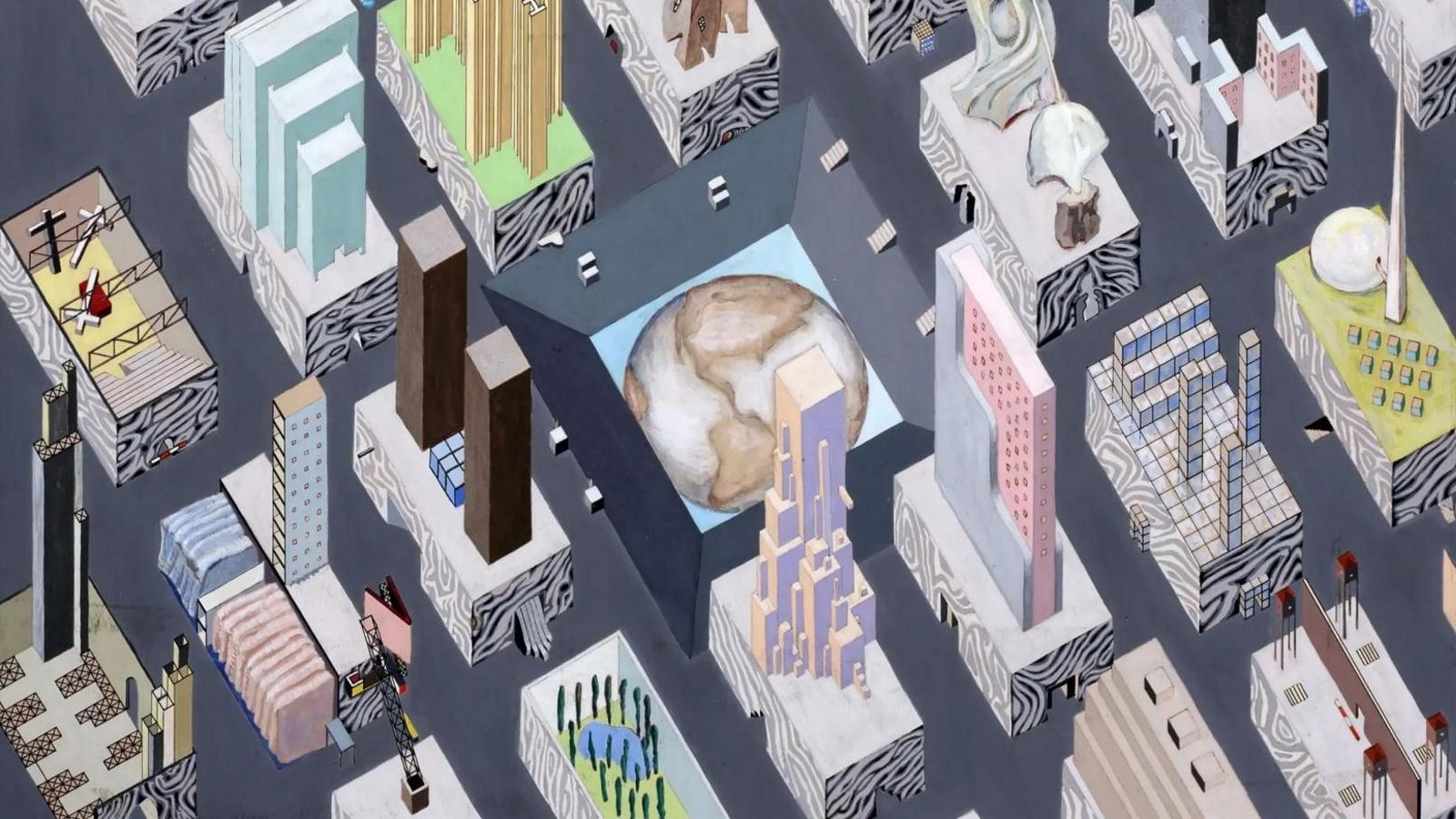
As we stand on the shores of the Anthropocene, we must remember that we are animating systems. We are the curators of a possibility that exceeds us, and it is through our “Paper Dreams” that we will find the way forward. The city is a creature that has escaped its creator, and our task is to learn how to live with it, to nourish it, and to let it dream.
Reference:
- Koolhaas, R. (1994). What Ever Happened to Urbanism? [online]. S,M,L,XL. Available at: https://oma.eu/publications/what-ever-happened-to-urbanism [Accessed 20 March 2026].
- Debord, G. (1955). Introduction to a Critique of Urban Geography. [online]. Situationist International. Available at: https://www.cddc.vt.edu/sionline/presitu/geography.html [Accessed 20 March 2026].
- Rossi, A. (1982). The Architecture of the City. [online]. MIT Press. Available at: https://mitpress.mit.edu/9780262680431/the-architecture-of-the-city/ [Accessed 20 March 2026].
- Archizoom Associati. (1970). No-Stop City. [online]. Available at: https://www.archizoom.it/no-stop-city/ [Accessed 20 March 2026].
- Tschumi, B. (1996). Architecture and Disjunction. [online]. MIT Press. Available at: https://mitpress.mit.edu/9780262700603/architecture-and-disjunction/ [Accessed 20 March 2026].
- Libeskind, D. (2004). Breaking Ground: Jewish Museum Berlin. [online]. Studio Libeskind. Available at: https://libeskind.com/work/jewish-museum-berlin/ [Accessed 20 March 2026].
- Corner, J. (2006). Terra Fluxus. [online]. Princeton Architectural Press. Available at: https://www.jamescornerfieldoperations.com/publications/terra-fluxus/ [Accessed 20 March 2026].
- Koolhaas, R. (1978). Delirious New York: A Retroactive Manifesto for Manhattan. [online]. Monacelli Press. Available at: https://www.monacellipress.com/products/delirious-new-york [Accessed 20 March 2026].
Images:
- Man, Controller of the Universe, 1934 ©Diego Rivera
- The Creature, Frankenstein, 2025 ©Guillermo del Toro
- Maria’s transformation in ‘Metropolis’ ©Fritz Lang
- The Collective Imprint ©alphacero/stock.adobe.com
- The Collective Imprint ©Kelly King
- Architecture as a Social and Political Tool ©Guy Debord
- No-Stop City. The Residential Parking Lot © Archizoom
- The Analogical City as Locus of the Multitude ©Aldo Rossi
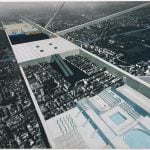
- Exodus, or the Voluntary Prisoners of Architecture ©Rem Koolhaas, Elia Zenghelis, Madelon Vriesendorp, Zoe Zenghelis
- Exodus, or the Voluntary Prisoners of Architecture ©Rem Koolhaas, Elia Zenghelis, Madelon Vriesendorp, Zoe Zenghelis
- Playing God / Le Corbusier Radiant City © FLC/Adagp
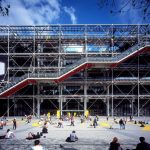
- Playing God / Philip Johnson, Centre Pompidou
- Centre Pompidou, Paris ©conservapedia.com
- A Choreographed Afterlife ©Diller Scofidio Renfro
- The High Line, NYC ©Diller Scofidio Renfro
- The Architecture of Disjunction ©Bernard Tschumi
- Parc de la Villette, Paris ©Bernard Tschumi
- Jewish Museum Berlin ©Daniel Libeskind
- The Architecture of the Void ©Daniel Libeskind
- The Utopian Skeleton and The Counter-Archive ©Pierre Jeanneret, Le Corbusier
- Chandigarh Master Plan ©Pierre Jeanneret, Le Corbusier
- Digital Ruralism ©PMT Partners
- 2001: A Space Odyssey ©Stanley Kubrick
- Traditional design vs. Speculative Design ©Leon Karlsen Johannessen
- Traditional design vs. Speculative Design ©Leon Karlsen Johannessen
- The Radical Architecture ©ArchDaily
- The City of the Captive Globe ©Rem Koolhaas