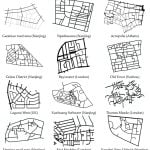
Cities are often thought of as continuous urban spaces, a fabric of streets, squares, homes, and institutions that bring people together. History, however, has shown time and time again that this is not always the case. Political, ideological, and territorial differences have led to the division of cities by walls, checkpoints, and borders. From Cold War-era Europe to contemporary global conflicts, urban spaces have been defined by boundaries intended to separate people.
But even as urban spaces have been divided, they have, by their very nature, continued to be social spaces. Markets have appeared beside borders, paths have been created behind fences, and architecture has adapted to accommodate the reality of separation. Indeed, in many of these divided cities, the most interesting stories of Architecture Across Borders are not those of the boundaries themselves, but of the spaces surrounding them.
The divided cities of the world offer a glimpse into how architecture and urban spaces accommodate conflict, not only by dividing people but by providing opportunities for coexistence.
The City as a Political Landscape
Urban borders are not often neutral. They are political constructs in the physical world. When a city is split, the architecture becomes part of a larger geopolitical story.
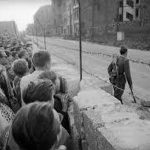
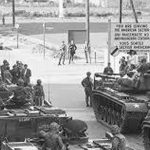
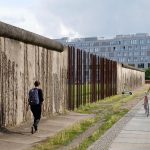
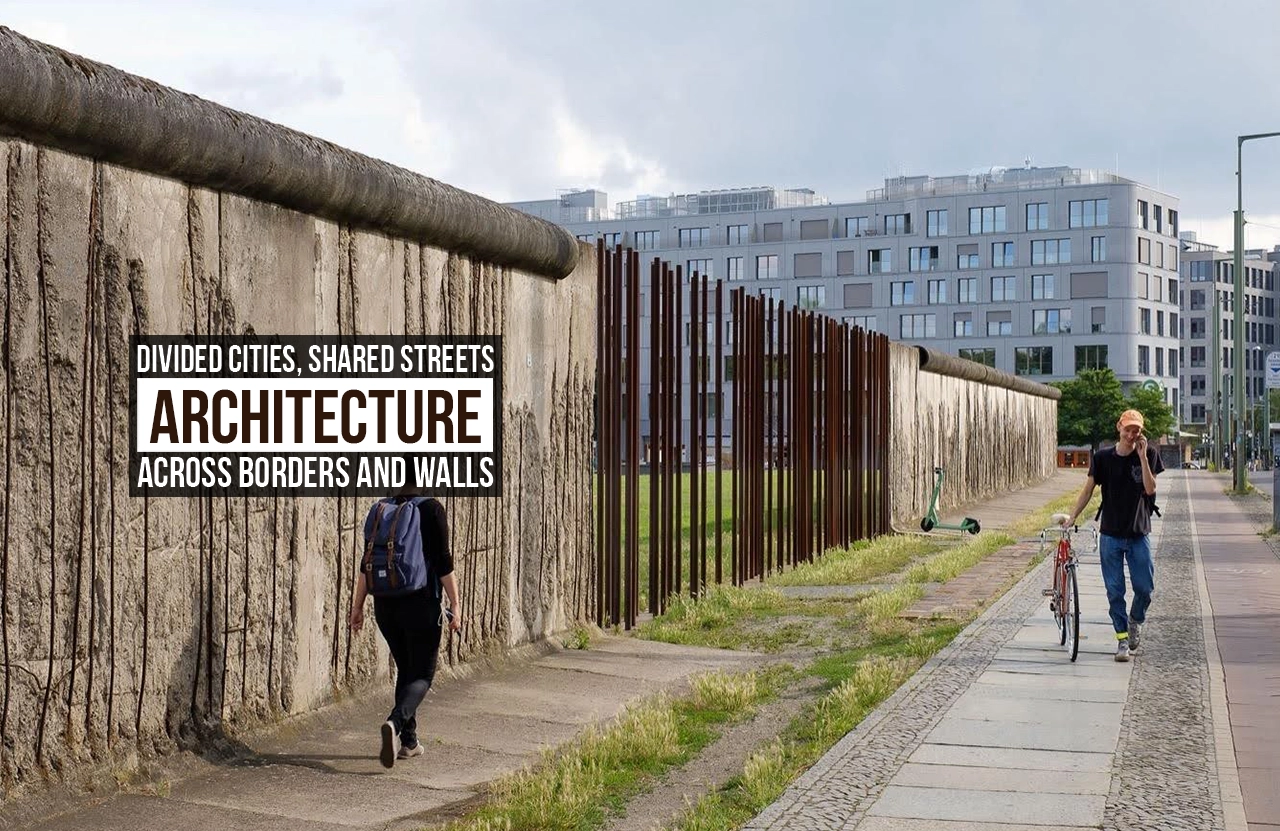
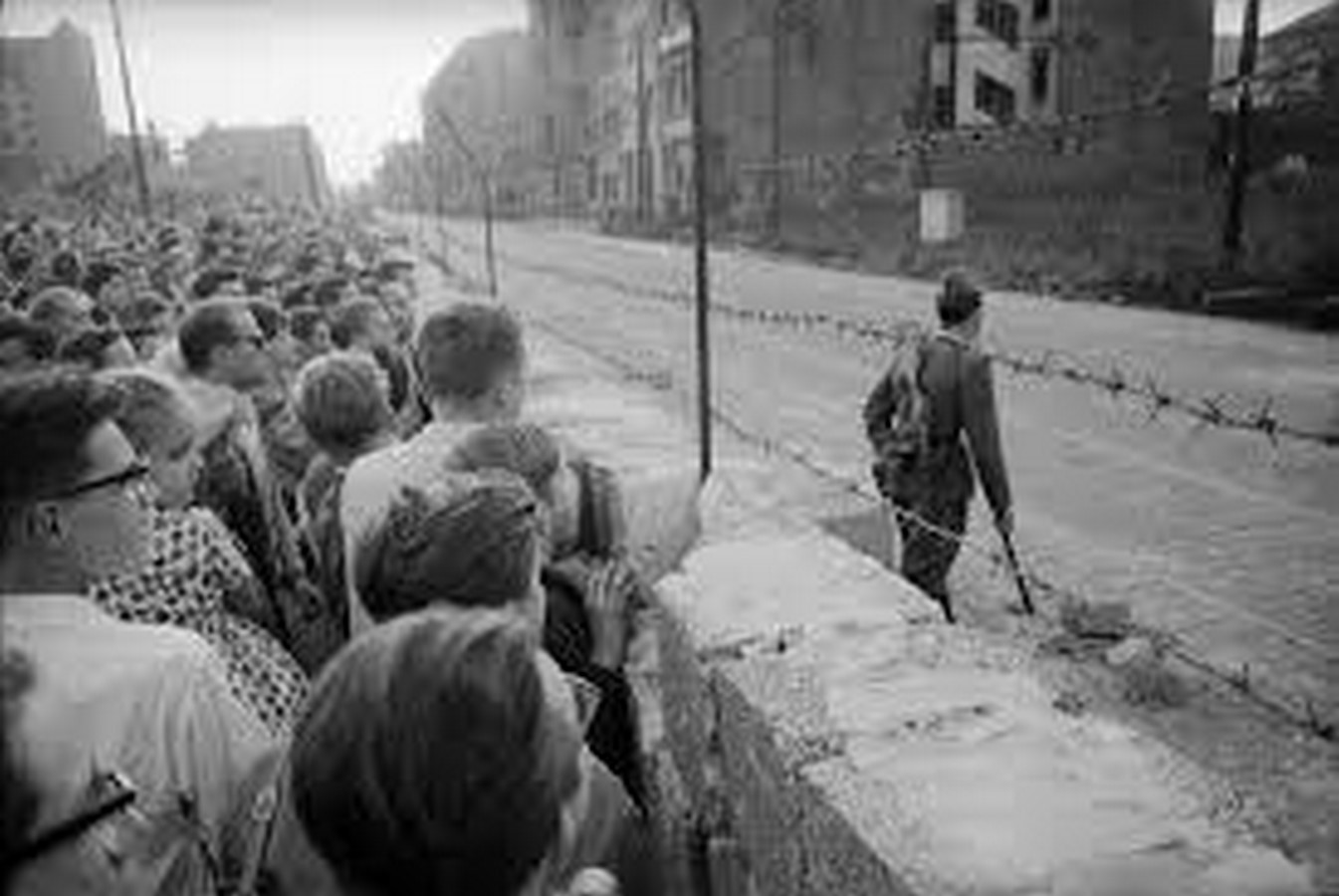
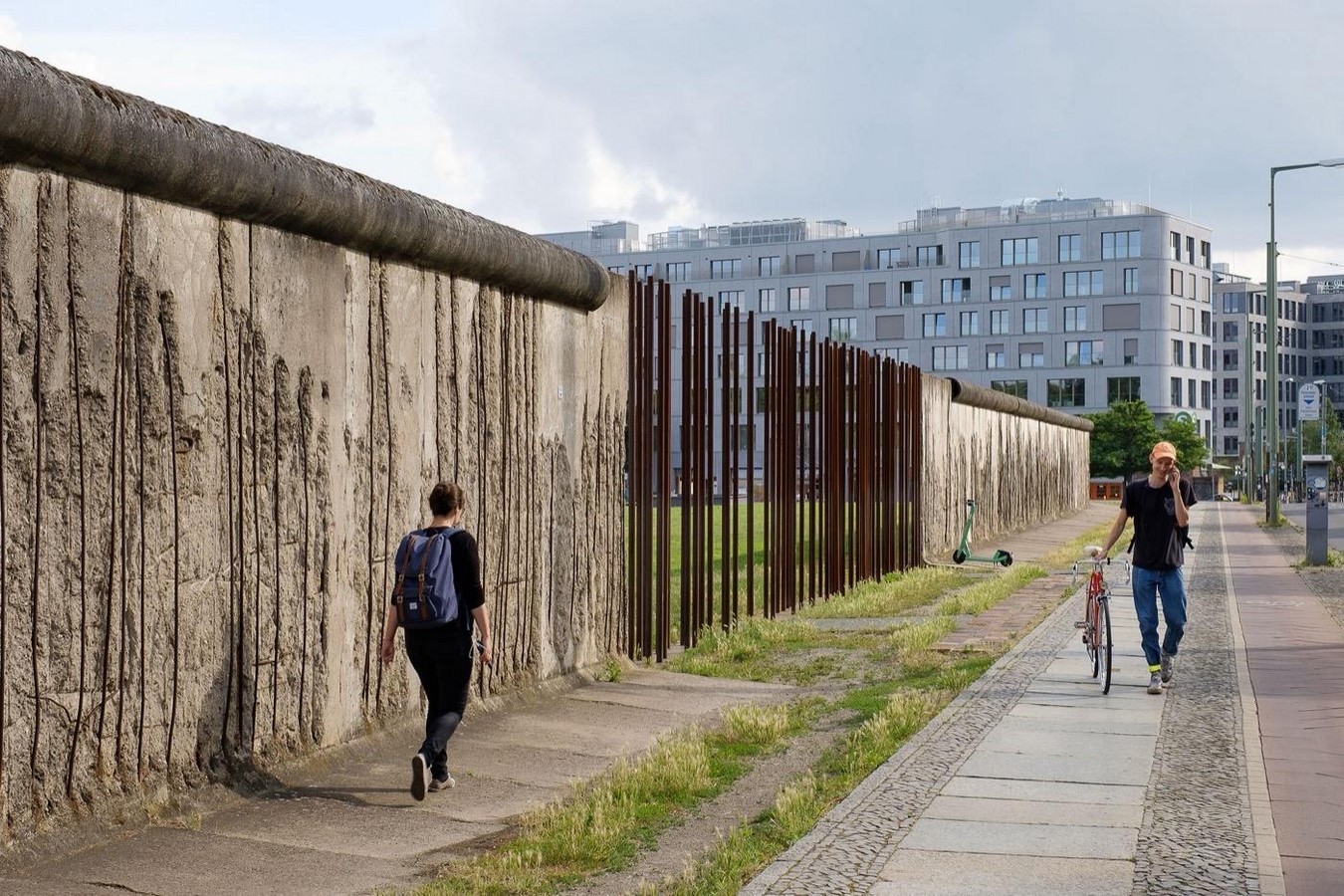
The most well-known example of this was the division of Berlin during the Cold War. The Berlin Wall, constructed in 1961, split the city, cutting through neighborhoods, streets, parks, and even buildings. The city, once one urban reality, was now split into two.
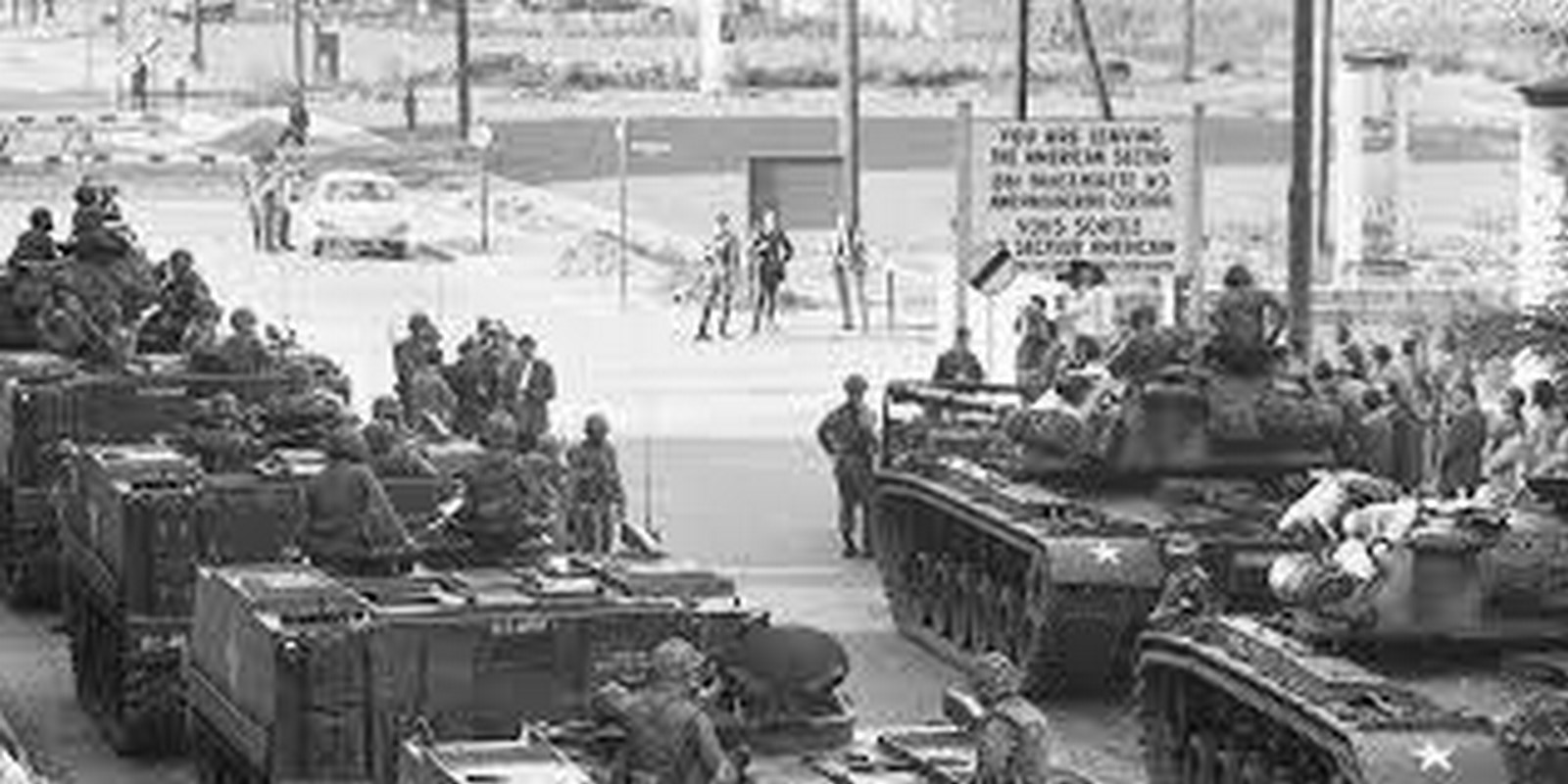
The architecture on both sides of the wall took on characteristics of the ideology on each side. The western side was redeveloped using capitalist ideology, focusing on modern housing units and commercial development. The eastern side was developed using socialist ideology, featuring broad boulevards and prefabricated housing units.
But even during this period, some areas along the wall took on social meanings, especially on the side in the west. There was the development of viewing areas, where people could look over the border. The streets, once unifiers, became the borders. The wall was not only dividing the city; it was changing the way the architecture was viewed.
Checkpoints as Architectural Spaces
Checkpoints are a feature of urban borders and are often understood as a means of controlling movement within a space. However, they are also a feature of unique architectural forms.
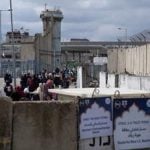
In Jerusalem, urban checkpoints are a feature of the border between Israel and Palestinian territories. These checkpoints are a feature of the urban landscape and are a means of controlling movement within a space. Yet, it is also possible to identify the informal economy around these checkpoints.
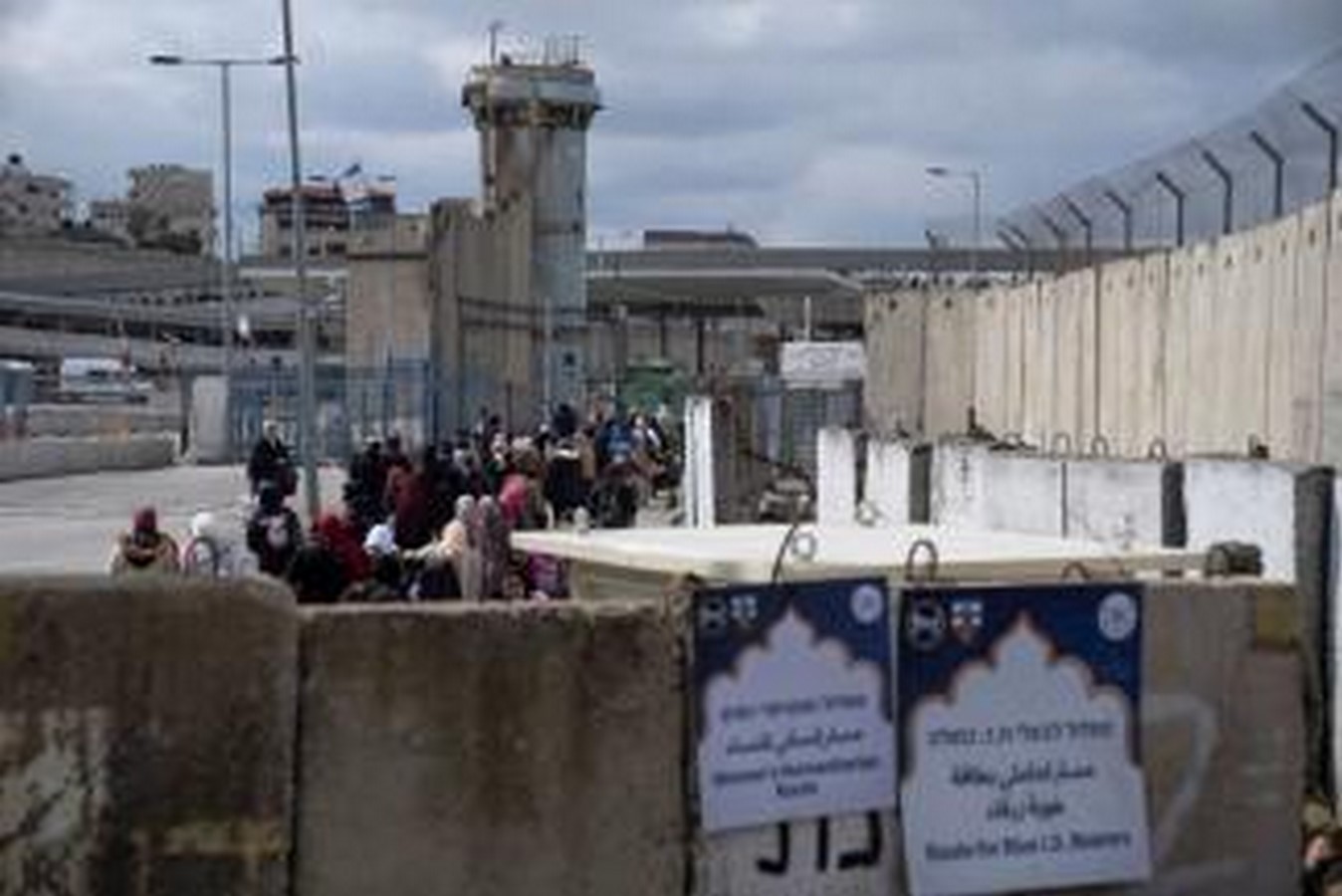
Informal markets and taxi stands are a feature of the urban landscape around these checkpoints. The architecture of these checkpoints has inadvertently created a new kind of public space that is a feature of uncertainty and negotiation.
Public spaces such as these are a feature of Architecture Across Borders, which is not simply a feature of formal architecture but also a feature of transitional spaces such as corridors and thresholds.
Streets That Refuse to Divide
Yet there is a deeper cultural continuity which may be seen in the streets. Urban life has a way of continuing even in the most divided of spaces.
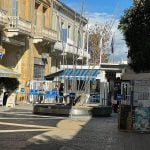
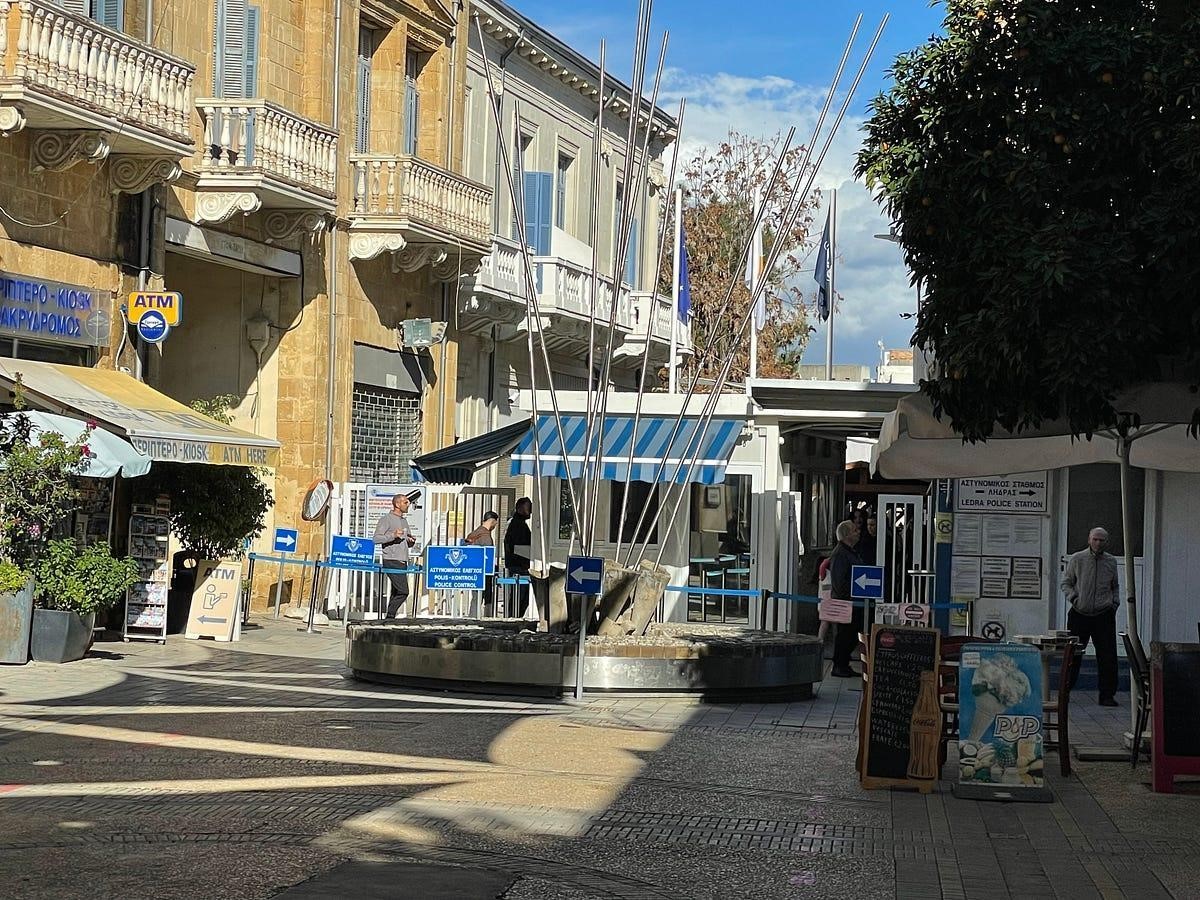
In the capital city of Cyprus, Nicosia, the city has been divided since 1974. The buffer zone, which is controlled by the United Nations, bisects the city itself. The Greek Cypriot sector of the city lies to the south of the buffer zone, and the Turkish Cypriot sector lies to the north.
Yet the streets of both the north and the south are linked by their architectural history. Venetian fortifications, narrow streets, courtyards, and old buildings reflect a Mediterranean urban culture. When some of the street crossings were opened in the early 2000s, people found that urban life had been present long before the division of the city itself. Architecture in this city reminds people of the shared cultural history. Even in the face of division, urban spaces have a way of holding collective memory.
Informal Urbanism Along Borders
Borders do not always work as intended. In many divided cities, informal architecture has developed as a response to border regulations.
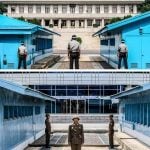
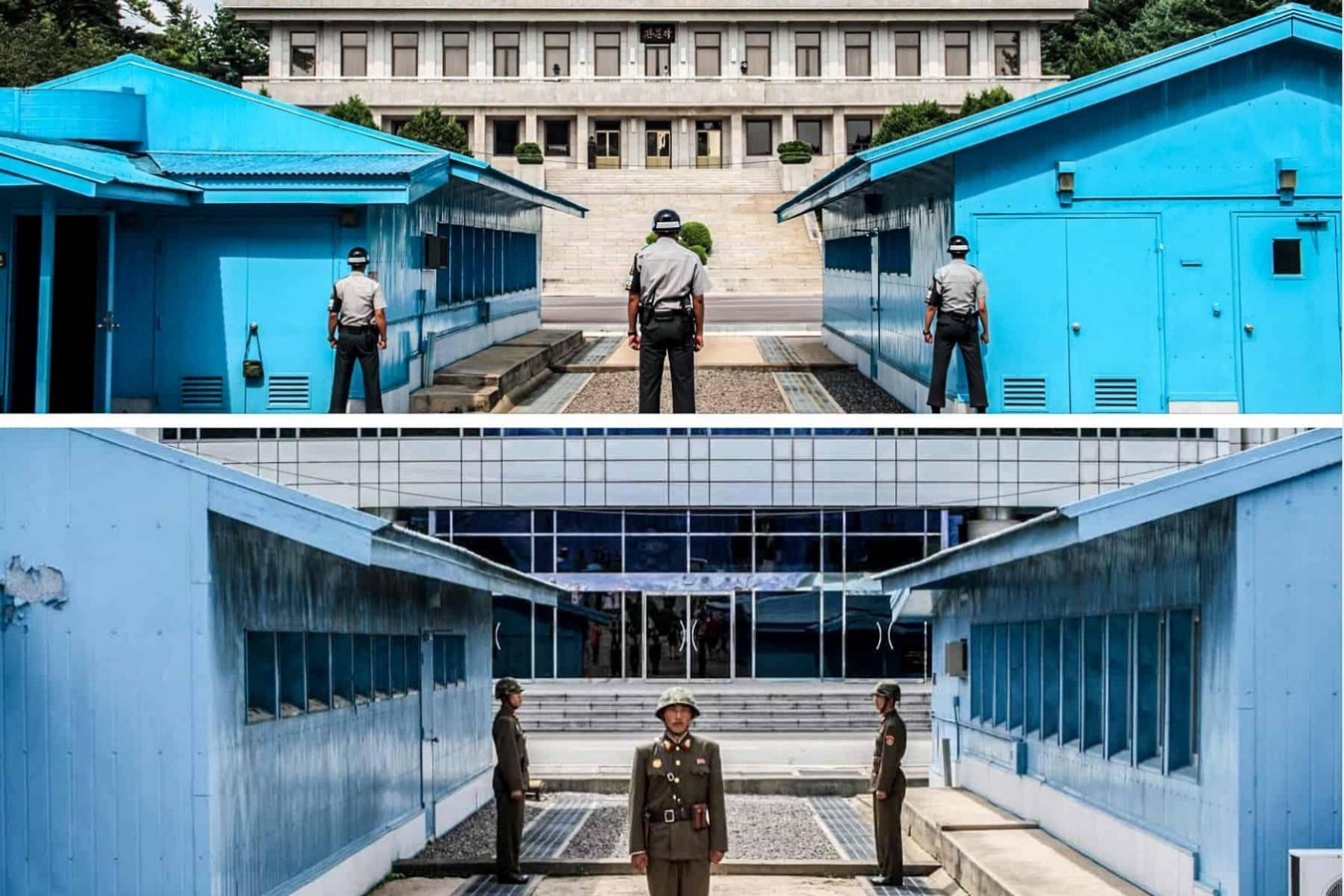
For example, areas around the Demilitarised Zone between North Korea and South Korea are some of the most militarised borders in the world. However, the presence of villages and viewing areas around the border means that the border has a complex cultural dimension.
Architecture has a theatrical quality here. Observation towers, museums, and viewing platforms create a spectacle of the border as an architectural event.
The Architecture of Reconciliation
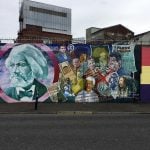
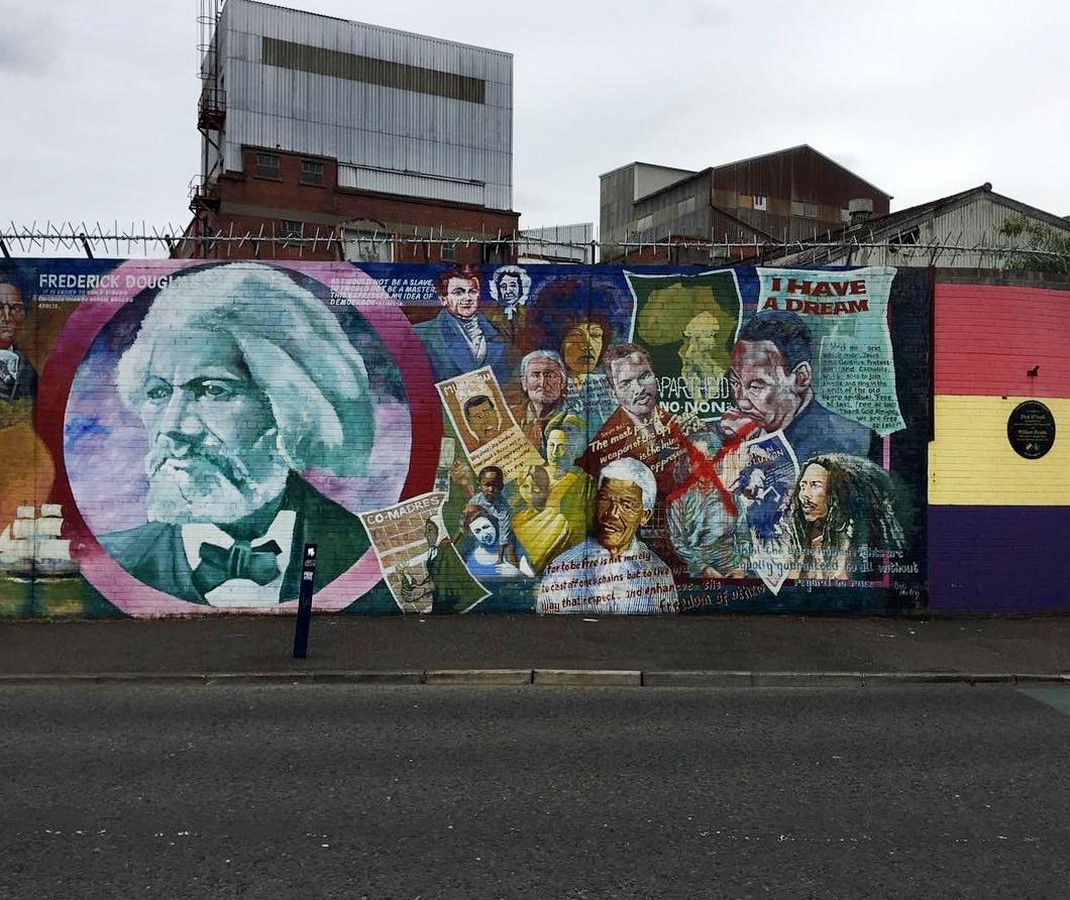
In other instances, the former divided cities have been used as sites of reconciliation. Architecture and urban design have been instrumental in this process of transformation. In the city of Berlin, Germany, after the fall of the wall in 1989, the former division of the city was transformed into a park. The Berlin Wall Memorial is one such example. The wall was left intact but was used to create a space of reflection. In Belfast, Ireland, the “peace walls,” which separated Catholic and Protestant enclaves, still exist but are being flanked by various community-led initiatives. In these sites of division and now reconciliation, Architecture Across Borders transitions from a language of division to one of healing. The walls that once represented division now serve as sites of dialogue and cultural transformation.
The Human Scale of Borders
In discussions of architecture and borders, there is often talk of large-scale elements such as walls, barriers, and checkpoints. However, the human experience of borders is typically one of much smaller scale.
A doorway that opens onto a closed street.
A balcony that offers a view of a restricted area.
A staircase that once led into a neighbouring district, now terminated by a barrier.
These elements illustrate the ways in which the human experience is impacted by geopolitical decisions. They serve as a reminder that borders are not merely theoretical boundaries, but very real elements of the built environment.
For architects and urban designers, this poses several interesting questions. For example, how should cities address the reality of division? Should architecture work to reinforce borders, or help to blur them?
Lessons for Contemporary Urban Design
Divided cities are also a source of valuable lessons for urban design and architecture.
Firstly, divided cities show us that cities are highly resilient social entities. Even when subject to political forces and rigid territorial divisions, cities tend to find ways to circumvent these through informal social structures and cultural continuities.
Secondly, divided cities highlight the role of transitional space in urban areas. Spaces such as streets and squares near the borders of divided cities are of critical importance and can be designed to facilitate coexistence.
Lastly, divided cities show us that architecture is imbued with memory and history. Although walls are destroyed and borders are erased, their memory is embedded in the urban morphology and cultural psyche of the city.
Cities Beyond Walls
Throughout the course of history, borders have sought to divide cities and communities. However, the nature of urban life has constantly found ways to transcend such division. The streets continue to be the site for encounters, buildings continue to represent the histories we share, and architecture continues to adapt to the realities of division.
The most compelling examples of Architecture Across Borders are not the borders themselves, but the spaces where we navigate the realities of division. These spaces we share remind us that, ultimately, cities are human environments, not just spaces defined by politics, but also culture, history, and hope.
As we navigate the world in which geopolitical tensions continue to redefine the urban landscape, architects and designers have the opportunity to create spaces that recognize borders without allowing them to define the social spaces we create.
While the city we find ourselves in may be one where borders divide the map, the streets we walk on tell another story.