Lifestyle Dynamics and Exposure
Generation Alpha, a group of people born between 2010 and 2025, finds itself amidst a plethora of novel and emerging technological facets, changing social dynamics, and cultural landscapes. It is no surprise that these transformations are profoundly impacting the way children (who age between fifteen and zero, considering some babies are still being born as of the current year) perceive the world and ultimately its constituents, which include the built environment, social institutions, education, and livelihood. Composing a large segment of the population, this generation is extensively immersed in the digital and electronic media, including the fact that they were probably exposed to social platforms since birth, owing to their active and technophilic millennial parents.
Having witnessed several advancements in multimedia learning, data streaming, and dispersion, this generation is acquainted with remote schooling, digital submissions, work-from-home systems, and skills corresponding to gadgets like laptops, smart televisions, and tablets. This trend has rendered them to value sensory experiences, especially visual and auditory cues of greater engagement levels. Everything from academic studying to the generation of art operates in such devices, with people being extremely receptive, adaptable, and adept in the digital realm. The lockdown period extending from 2020 to 2022 has further contributed to a higher level of technological revolution, stemming from ingenious inventions and concepts to cater to the rising demands of a virtual environment and comfortable surroundings, a foreshadow of sedentary implications.
Expectations and Consequent Impact on Built Spaces
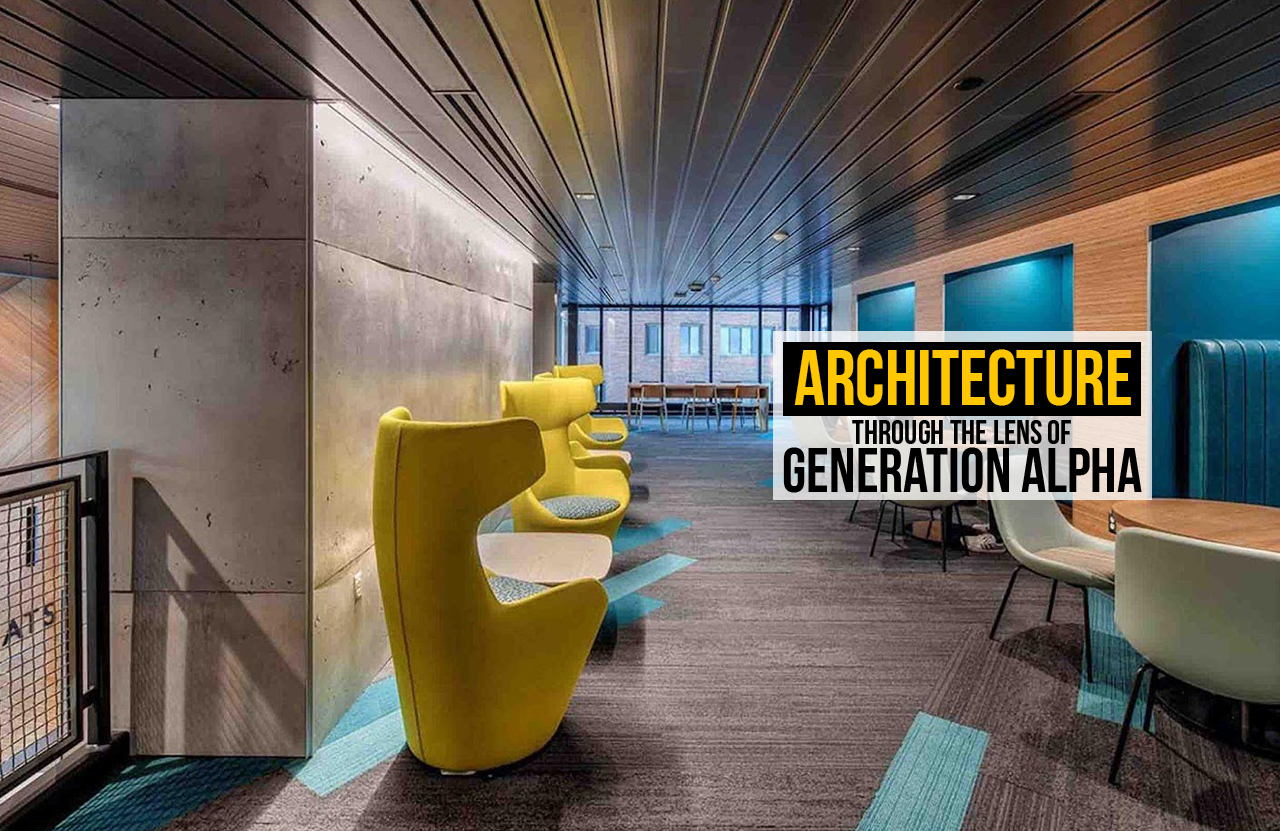
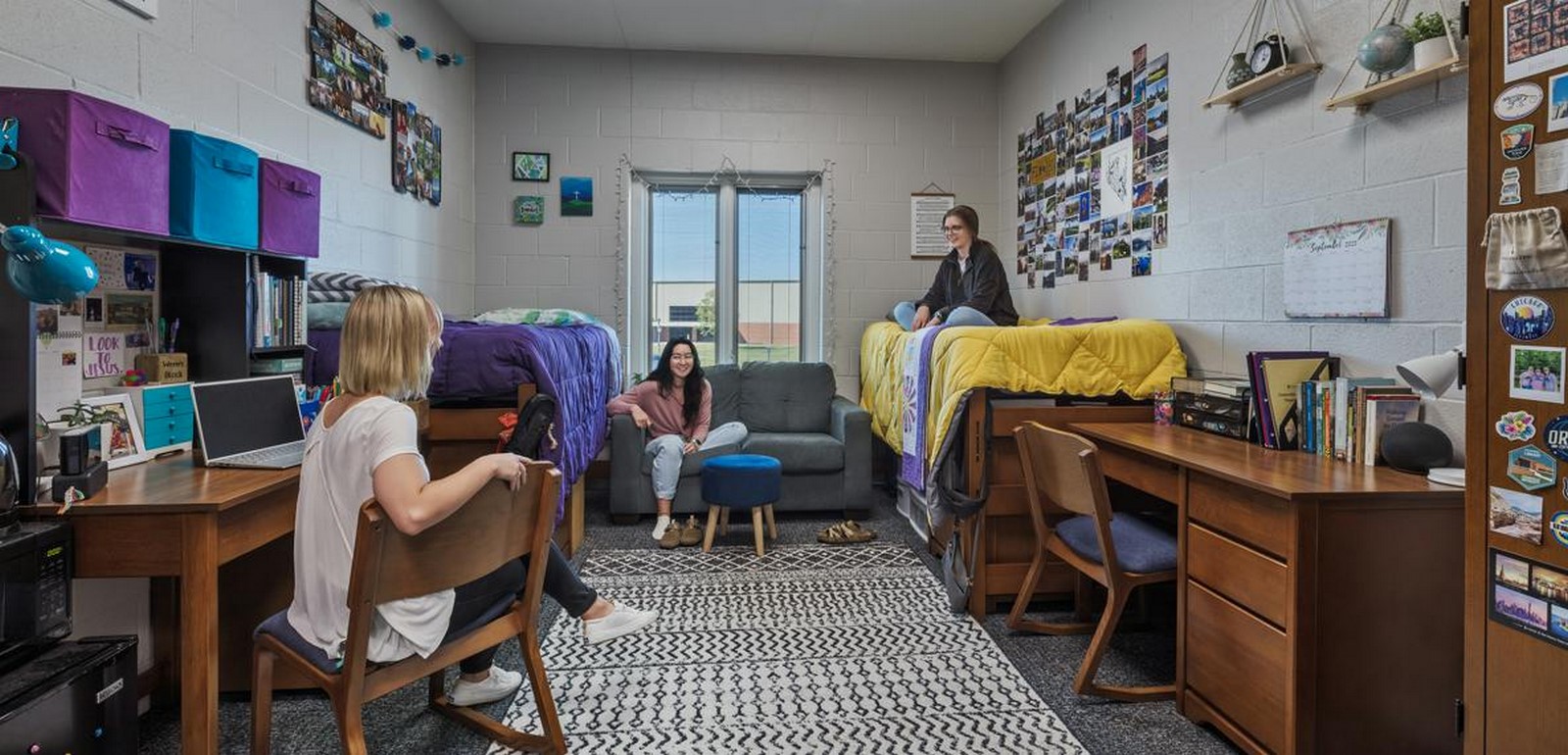
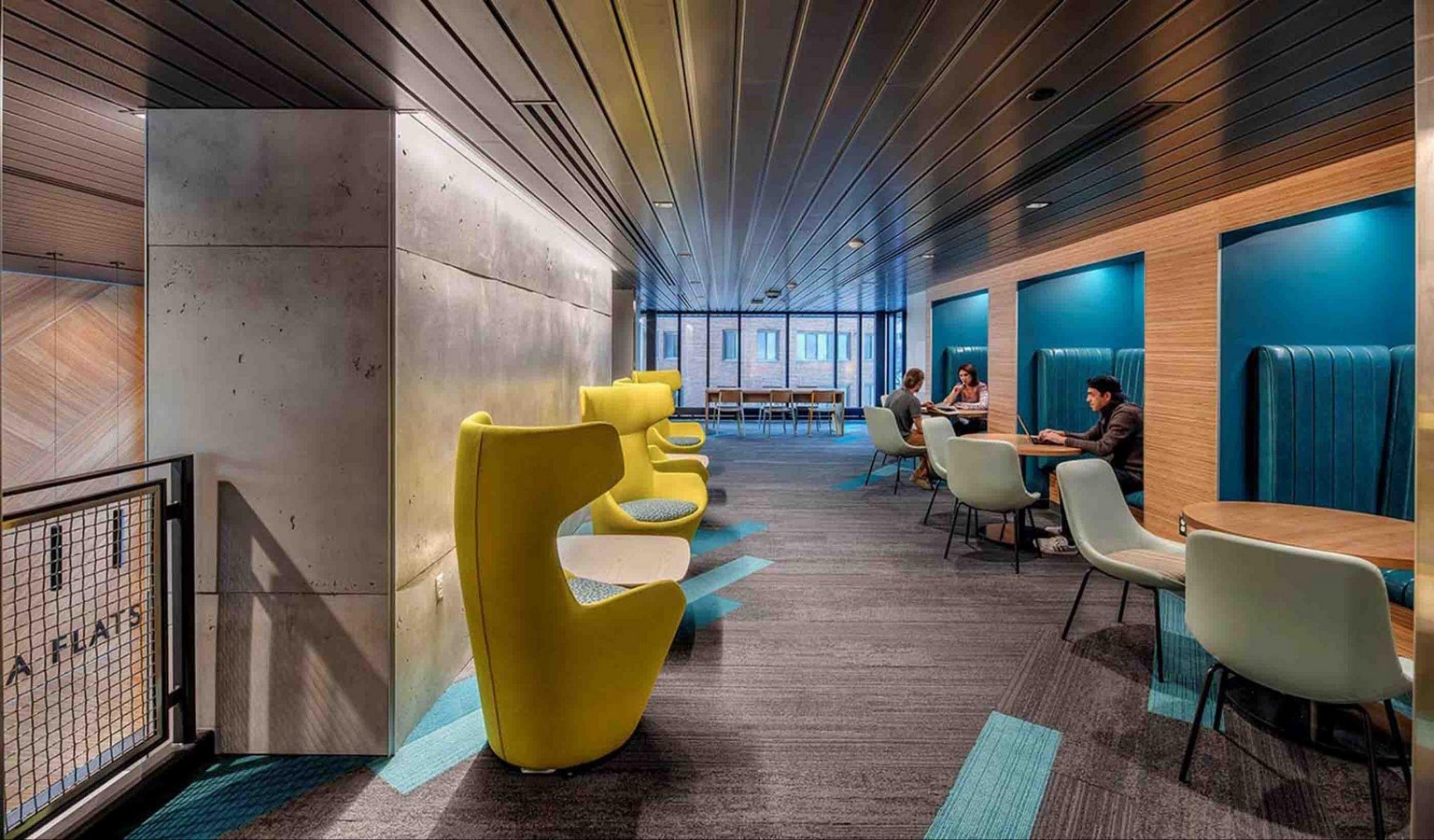
To support remote work, homes now include offices or study areas, sometimes as separate rooms or integrated into bedrooms, and feature better amenities. Flexible space is also important, seen in the use of furniture and how activities are planned inside homes. Even with spaces designed for specific uses, people often want areas that support work-life but also offer breaks from constant screen time. Generation Alpha values education and professional growth, so they need spaces for complete development and atmospheres that nurture their social lives. Residences, workplaces, religious areas, labs, industries, and assembly venues must adapt to these changing needs.
To fight sedentary and repetitive lifestyles, architecture should promote health and mental well-being. It must follow preferred social behaviors, encourage inclusiveness, and create tech-integrated, immersive spaces. The core of a space gives it value. However, this generation often draws conclusions quickly, focusing first on appearance. Aesthetic appeal matters most for them, followed by flexibility, which they see as important for saving money and professional growth. They are aware of environmental problems and shrinking resources, so they support sustainable and nature-inspired designs as ways to solve these issues.
Upcoming Domains of Architecture and Its Changing Landscape
Generation Alpha’s current trends show steady growth in landscape architecture, urban design, and building architecture. New goals, like sensory immersion, off-world habitats, and sustainability, are rising. As resources are used and demographics change, we may soon see built spaces on planets, asteroids, and floating habitats such as space stations. Projects could range from lunar settlements to Martian missions. Space architecture, as a new field, will likely shape future industry markets. Agencies like NASA and ISRO explore these concepts, aiming to make real homes on extraterrestrial surfaces and expand architectural frontiers.
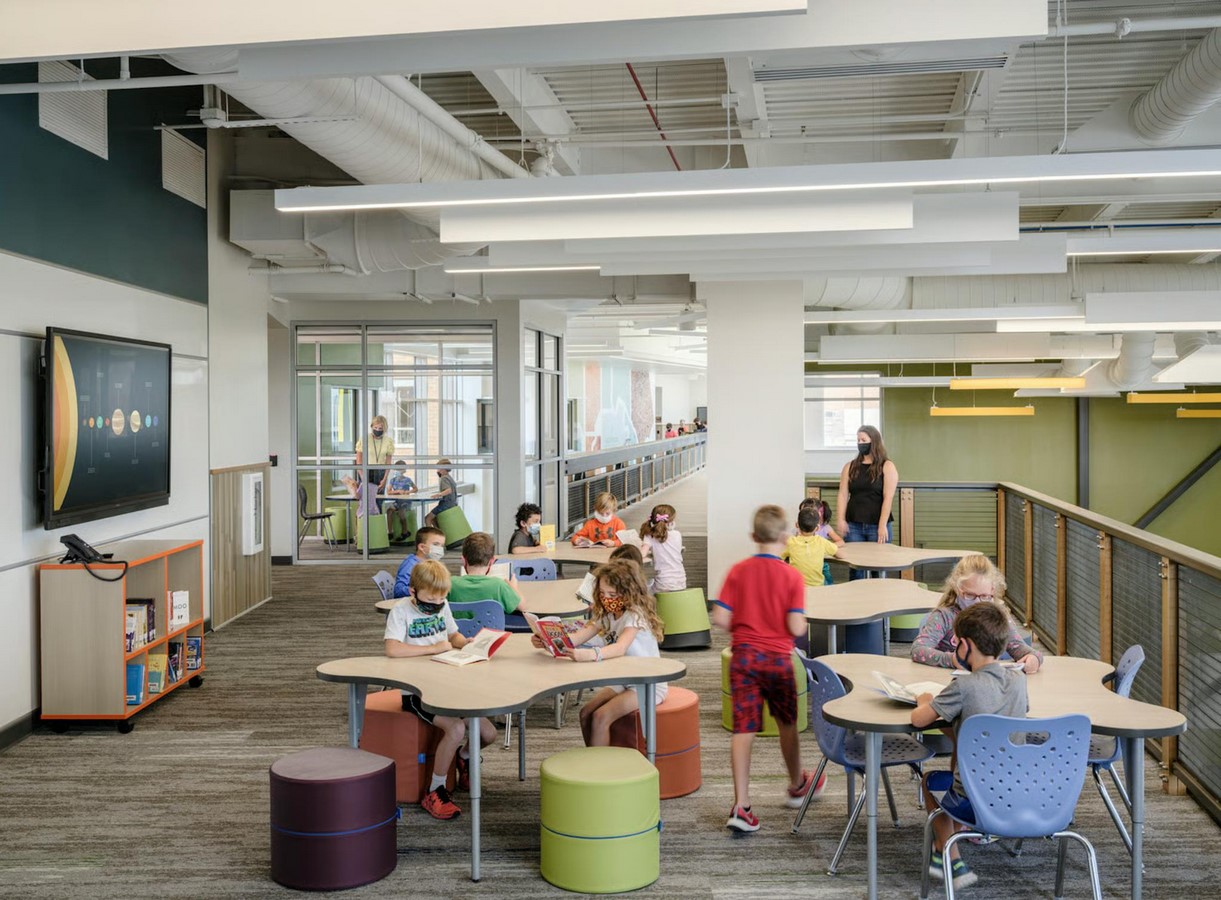
Urban design also moves along the ideals of a dynamic and a near-utopian setup, but with the consciousness of planning realistic, plausible layouts. With urban parks, recreational centres, multimodal transportational corridors, and a coherent building distribution pattern, generation alpha can be easily appealed to and impressed, owing to their professional and academic goals, along with prioritising physical and mental health. Landscape architecture will also thrive under their presence, proving instrumental in providing a much needed visual and mental refuge to the people, along with fresh air and attraction of fauna. Sustainable architecture would also pave the way to materialise the desires and priorities of the generation, given that resource conservation and environmental preservation are the need of the hour to persevere in succeeding generations.
Scope for the Future Generation of Influencers and Stakeholders
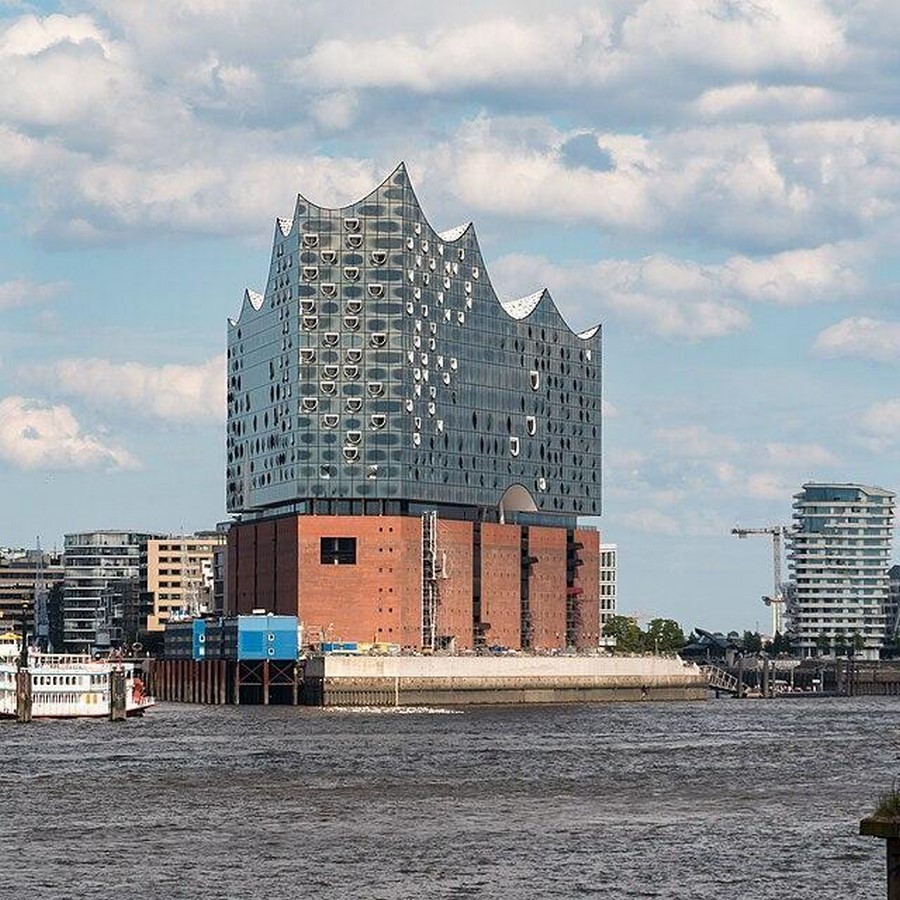
The world has seen modernism and post-modernism, but must brace itself to acquaint itself with ‘Metamodernism,’ an architectural movement born after the latter, with a characteristic style, oscillating between modernism and its successor, imbibing values of the contemporary world, and amalgamating a functional mix of aesthetics and purpose. The window is now open for the forthcoming generation of the working class to seize and shape, creating forms of appreciation and ecological sensitivity.
Given below are the references in Harvard Citations:
Stantec.com. (2025). Designing for Generation Alpha’s expectations of higher education. [online] Available at: https://www.stantec.com/en/ideas/content/blog/2025/how-generation-alphas-expectations-of-higher-education-will-transform-college-design [Accessed 28 Sep. 2025].
Bhdp.com. (2024). Understanding Generation Alpha: Designing Spaces for a Tech-Savvy and Social Future. [online] Available at: https://www.bhdp.com/insights/understanding-generation-alpha-designing-spaces-tech-savvy-and-social-future [Accessed 28 Sep. 2025].
Eldridge, S. (2023). Generation Alpha | Years, Characteristics, & Facts | Britannica. [online] www.britannica.com. Available at: https://www.britannica.com/topic/Generation-Alpha.
Wikipedia Contributors (2019). Metamodernism. [online] Wikipedia. Available at: https://en.wikipedia.org/wiki/Metamodernism.