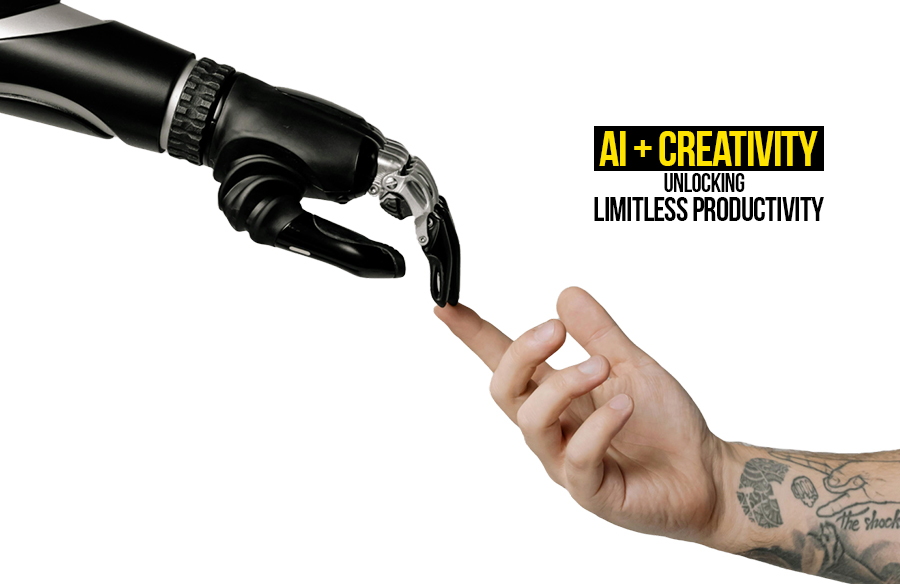
There is no doubt that since AI burst onto the scene, it is the creative industries which have often been seen as the ones to be affected the most. Though statistical data suggests that 66% say AI content is “as good as humans,”… but only 14% trust it when labeled “AI”. It doesn’t stop people from using it. Like a double-edged sword, its greatest strengths empower us, while its shortfalls seem to take away something in exchange for the good, on top of raising both ethical concerns. Is the perfect result all we need? What workflows are those in the creative field using to navigate the tight rope between remaining authentically creative and technologically productive, whilst applying AI? In a quest for answers, studies were conducted and experimental research by firms to utilize AI’s potential while limiting potential downsides.
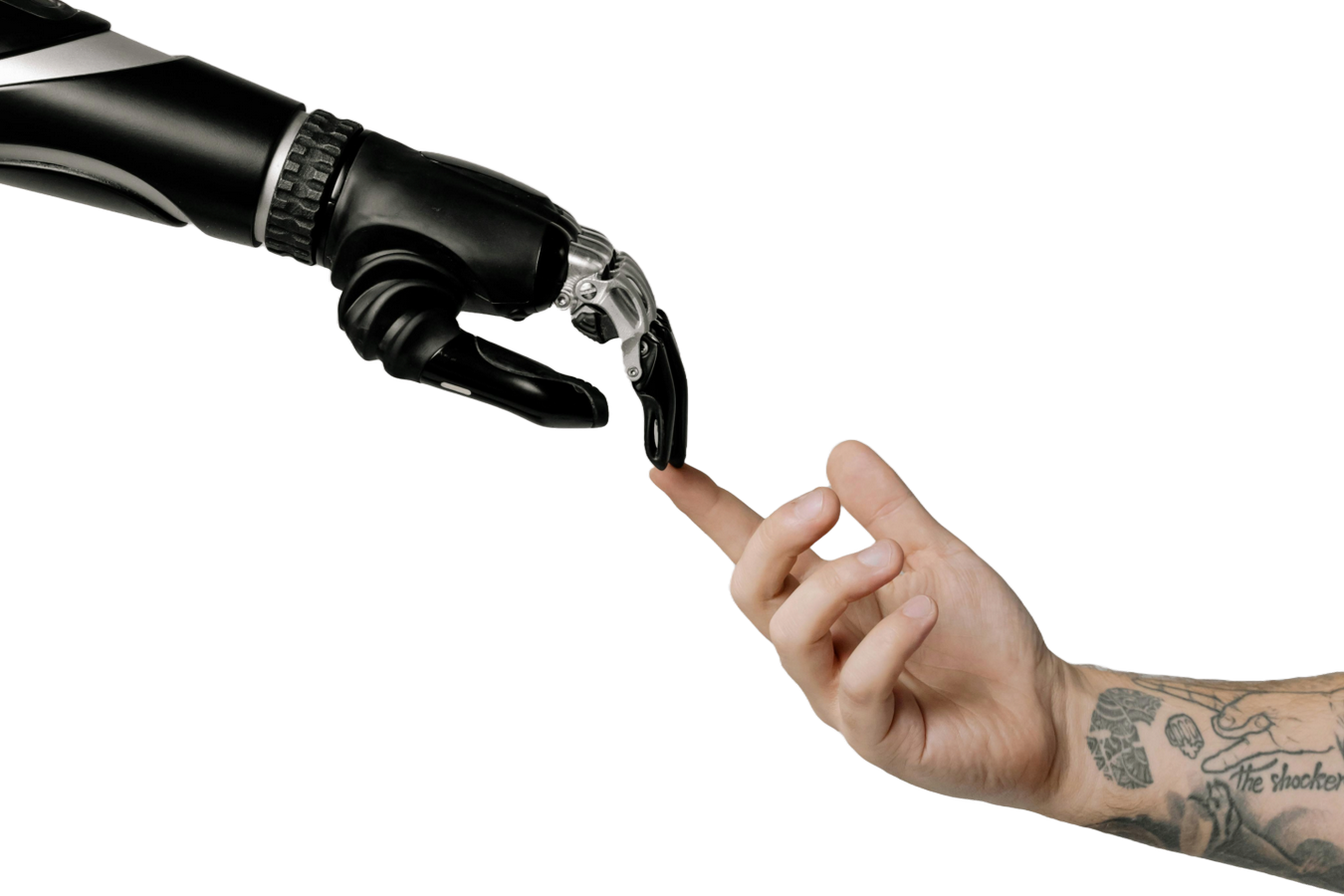
Such was the case with Stanford’s Jeremy Utley, who claimed that most of us use AI the wrong way, where we look at it as the ultimate solution to all our questions, an expectation to which it falls short at the moment, rather than as a collaborator or team player. A questionnaire of sorts, letting it ask you to understand the details on a contextual level, so that it can offer answers customised to our needs rather than generic responses. Just asking plain questions was a loser’s game; claiming it didn’t make people more creative.
Research-Based Insights on Creative Enhancements
In a study conducted by Dr. Anil Doshi, the results of AI involvement in the creative process were promising but slightly concerning, where the Human-AI collaboration achieved significantly good results. According to Dr. Anil, the combination of human input and generative AI made individuals minutely less creative because it takes a bit away from the individual’s originality. Like authentic beauty hidden behind a well-manicured mask, the visible good hid the authentic originality of the individuals. Which begs the question, is perfection what we need or desire??
In a study conducted, multiple groups were created, but the most significant ones were one group of participants tasked with writing a creative story, while the other was tasked with writing a creative story using the assistance of AI. From the Experiment, it was noted that the stories written by those who had AI assistance were significantly better and, to some extent, increased Individual Creativity. AI use benefited the less creative writers with significant improvements in their overall quality. But the Key takeaway was the reduced diversity, where, with all enhancements, AI-enabled stories were more similar to one another compared to those solely written by humans. But as for the case of the highly creative writers, no significant improvements were observed. As with the case with all creative work, the issue of compensation wasn’t left out, where evaluators felt that creatives whose work was used as a model for the AI itself needed to be compensated.
Like all insightful studies, ways forward are usually sought after which can be summarised in the suggestion that if the work is core to who you are as an individual, the best course of action would be to be as original as possible, and if that weren’t the case then significant AI use to complement your work would be warranted. This may perhaps be the reason why most people think that repetitive, simple tasks are what are going to be replaced, mainly because of how insignificant they are in affecting one’s core work and reputation. Well, on the other hand, what you ask is a way forward; some alternate approaches were proposed, the first being that AI produces reasoning & explanation for a much deeper understanding rather than a conclusive answer. Don’t ask for an answer, but rather an understanding. Secondly, the idea of allowing AI to ask you questions to understand your problem on a contextual level. Why is this?? Well, because for certain things or situations, the solution can be complex and indirect, as Naval points out.
AI Integration In the Creative Workflow. Case Study of MRDV
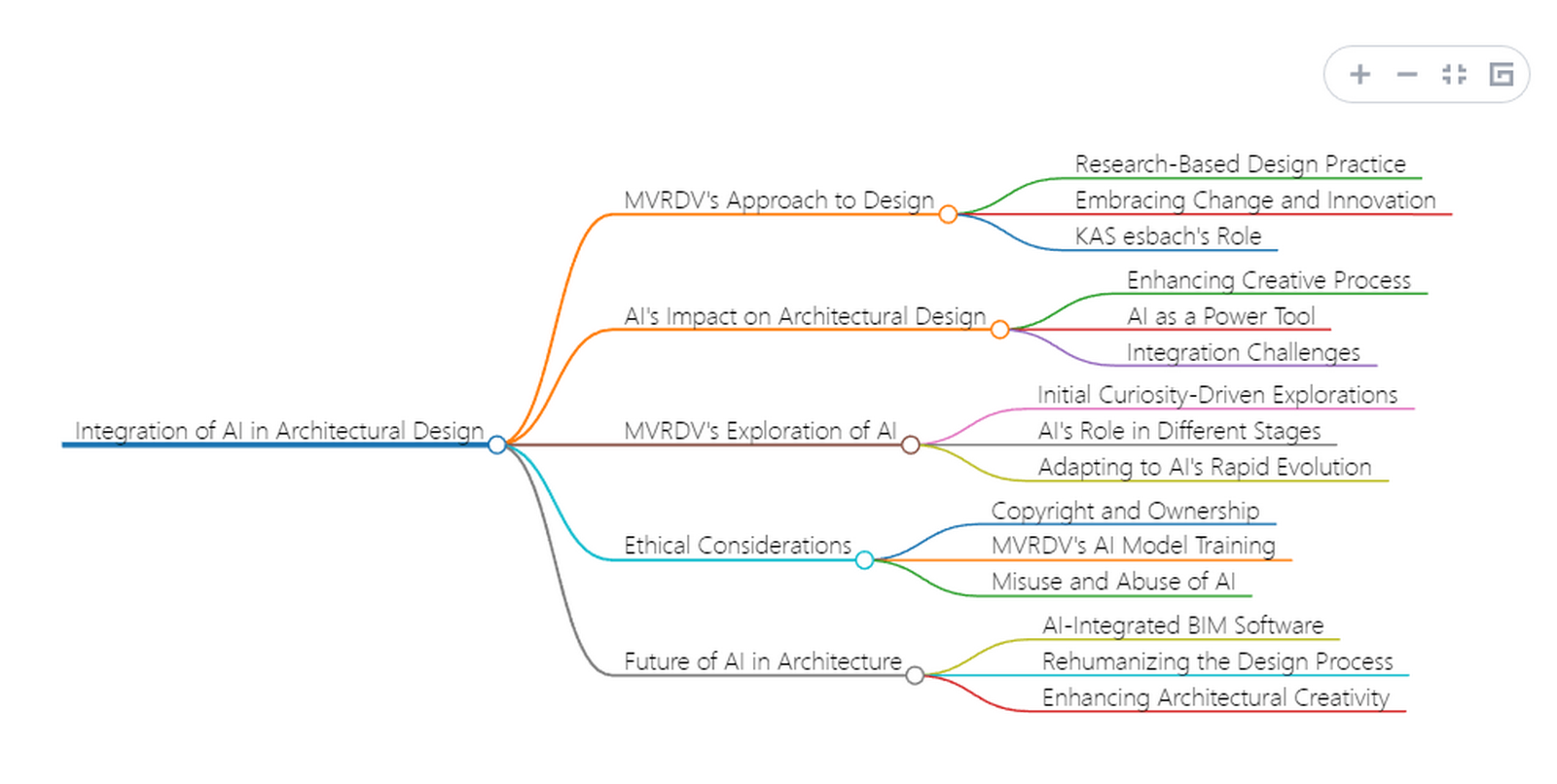
The creative DNA foursome thrives in venturing into the unknown. Such is the case for individuals but also Design firms whose ideology champions experimentation, and such was the case with MRDV, which implemented AI into the Architectural firms’ workflow, applying it in design through research, where the traditional design process, which involves sketching, model generation, and rendering not substituted but enhanced using AI. It culminated into 3 branches, which are;
- Brainstorming, where AI comes in to enhance ideas, offers a different perspective, but most importantly, quickly tests out multiple ideas, essentially quick experiments, to further discussions for something that would have taken significant time.
- Customization/ Research: This mostly involves fine-tuning the AI tool, where Stable Diffusion is customized to understand the firm’s style of work and approach towards achieving a goal in an effort to improve it.
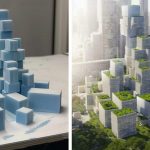
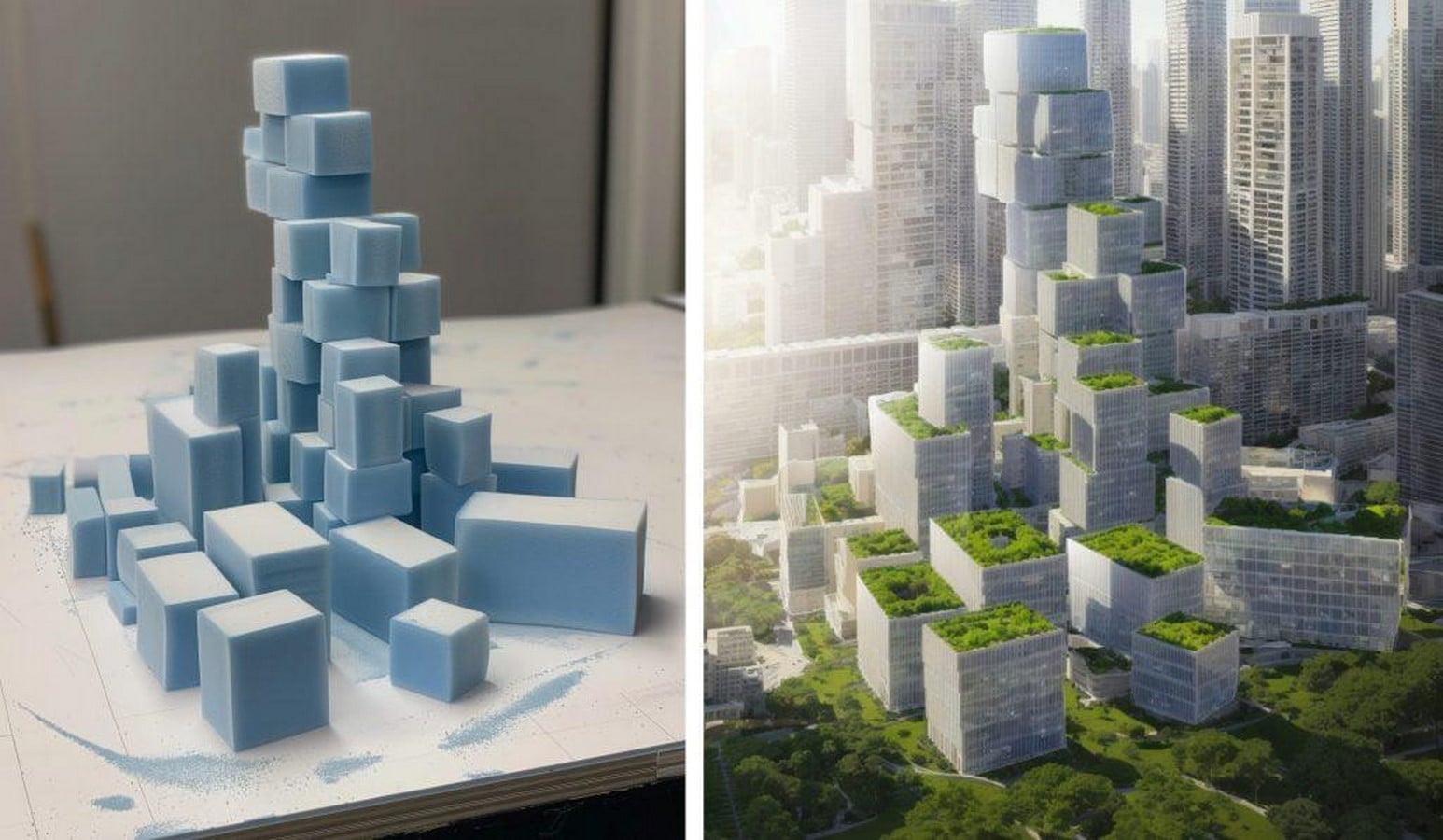
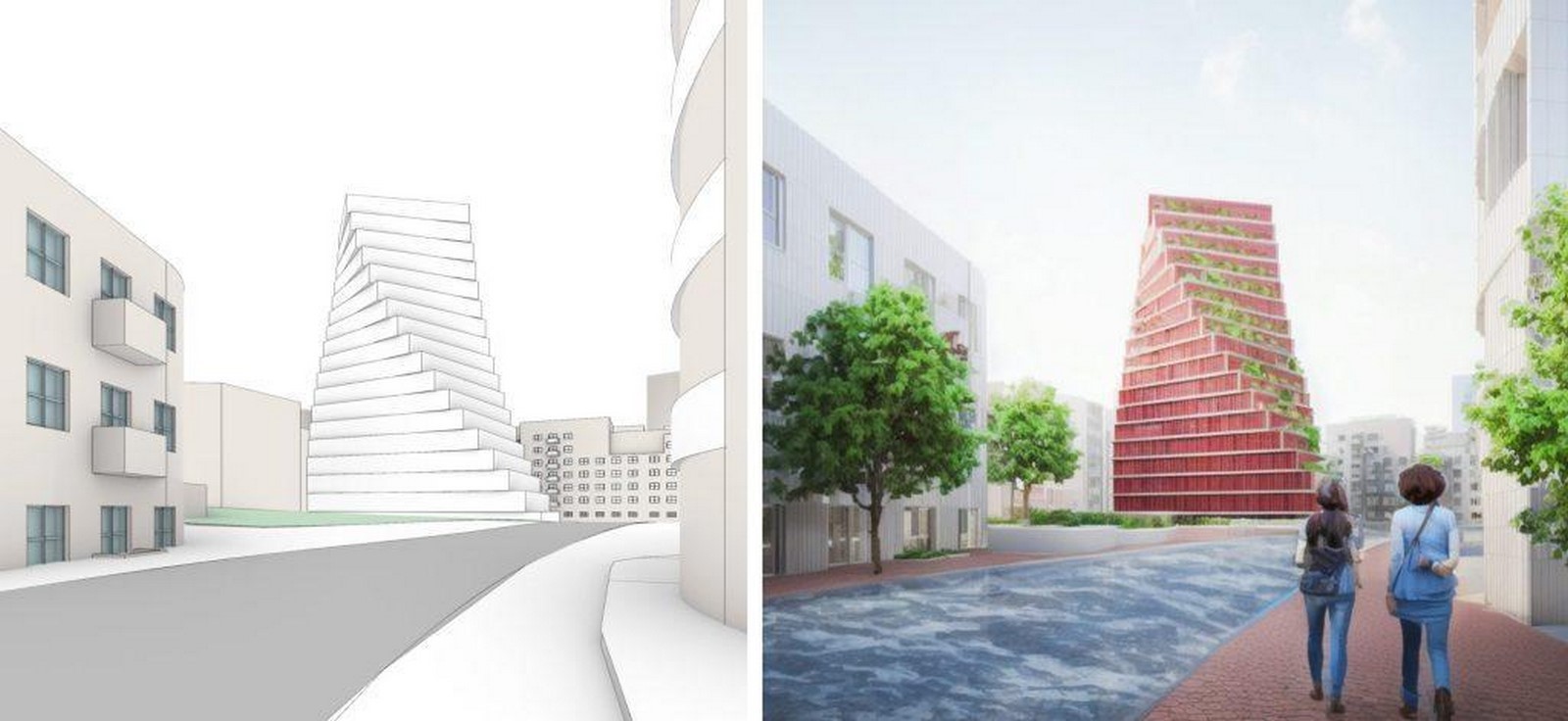
- AI Rendering where raw 3d images of the architectural project were inserted into AI and prompted to achieve different outcomes, both the interior and the exterior space. But also allowed pictures of handmade models to be taken, and these images were fed into AI as a testing ground for facade options. Or for Volumetric changes during the design phase.
AI Workflows
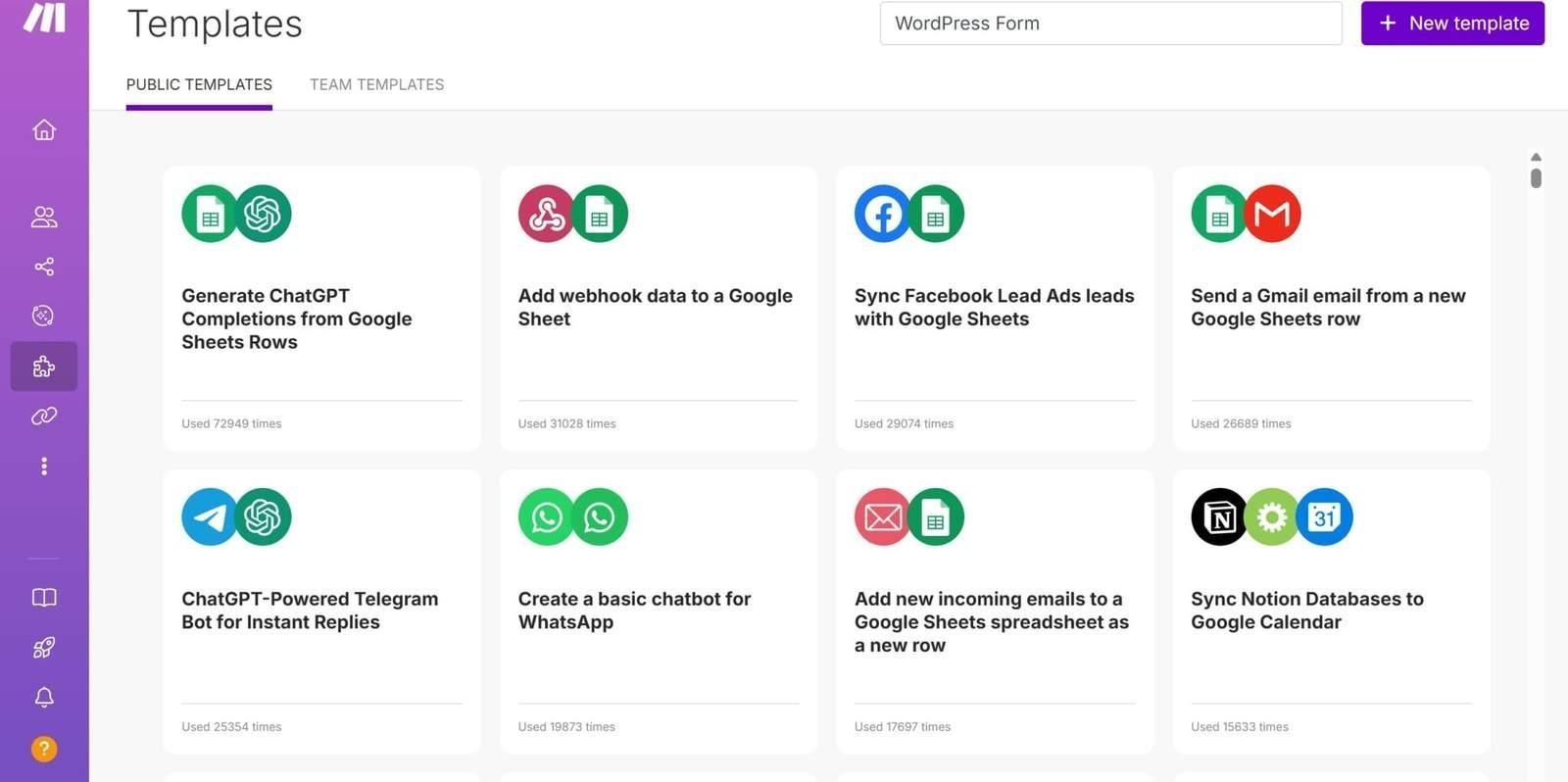
For the case, there are other platforms, such as Make.com, which brings digital tools together with a goal of automating things that you would have done across multiple apps into one workflow to produce a final digital product outcome with just a click of a button. From writing articles to publishing them on your website, all automated and possible by just clicking a button. It could be generating the perfect image for a social media post with relevant hashtags and messaging. The only downside is, as you know, AI can hallucinate and create meaningless results, which is where human judgment comes in, the ability to decide what works or doesn’t. The other downside to it is that the more detailed you wish to get with the result, the more enginneedred the workflow has to be.
Overall, AI is here to stay. Failure to use it means one opens themselves up to the risk of being left behind, but overusing it opens us up to losing our originality and imaginative individuality, even if the result might be of lower quality compared to the AI result. No one knows what the future holds, but one thing is for sure: humans will always be needed to create something that connects with other humans. The future will not lie for those who choose to surrender to it completely, nor to those who choose to resist it; maybe the answer lies somewhere in the middle.
References:
EO (2025). Stanford Creativity Expert: This Simple Shift will 10x Your AI CreativityㅣJeremy Utley. [online] YouTube. Available at: https://www.youtube.com/watch?v=wv779vmyPVY.
Make (2024). AI Automation | Add AI Into Your Business Workflows. [online] Make. Available at: https://www.make.com/en/ai-automation.
Muganza, B. (2025). 10 Eye-Opening AI Stats. [online] Notionelevation.com. Available at: https://notionelevation.com/10-eye-opening-ai-stats/ [Accessed 31 Jul. 2025].
TED (2025). How AI Models Steal Creative Work — and What to Do About It | Ed Newton-Rex | TED. [online] YouTube. Available at: https://www.youtube.com/watch?v=U9d0p96N1iw [Accessed 20 Mar. 2025].
TEDx Talks (2024). Outsourcing the Muse? AI Creativity vs. Human Creativity | Boris Eldagsen | TEDxESMTBerlin. [online] YouTube. Available at: https://www.youtube.com/watch?v=iW9X4vENwkM.
TEDx Talks (2025). How to use AI without killing your creativity | Dr Anil Doshi | TEDxWestminster School. [online] YouTube. Available at: https://www.youtube.com/watch?v=WRMY2JMRhYQ [Accessed 9 Jun. 2025].
www.youtube.com. (n.d.). How MVRDV is using AI to design their buildings. [online] Available at: https://www.youtube.com/watch?v=dvKAyTRptkw [Accessed 27 Mar. 2024].
www.youtube.com. (n.d.). The Problem with Human Specialness in the Age of AI | Scott Aaronson | TEDxPaloAlto. [online] Available at: https://www.youtube.com/watch?v=XgCHZ1G93iA.