In The Umbrella Academy, seven adopted siblings return to the house where they were raised as superheroes, after years apart, bringing with them the unresolved relationships of their childhood. The Netflix series mixes superheroes, time travel, alternate realities and family drama, but beneath all of that is a carefully constructed visual world. Its architecture is rarely neutral. The Hargreeves mansion, the individual rooms within it and the later Hotel Obsidian all establish different relationships between people and space. Rather than simply providing attractive backgrounds, these environments help establish control, isolation, memory and belonging.
A House That is an Institution
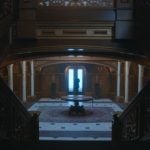
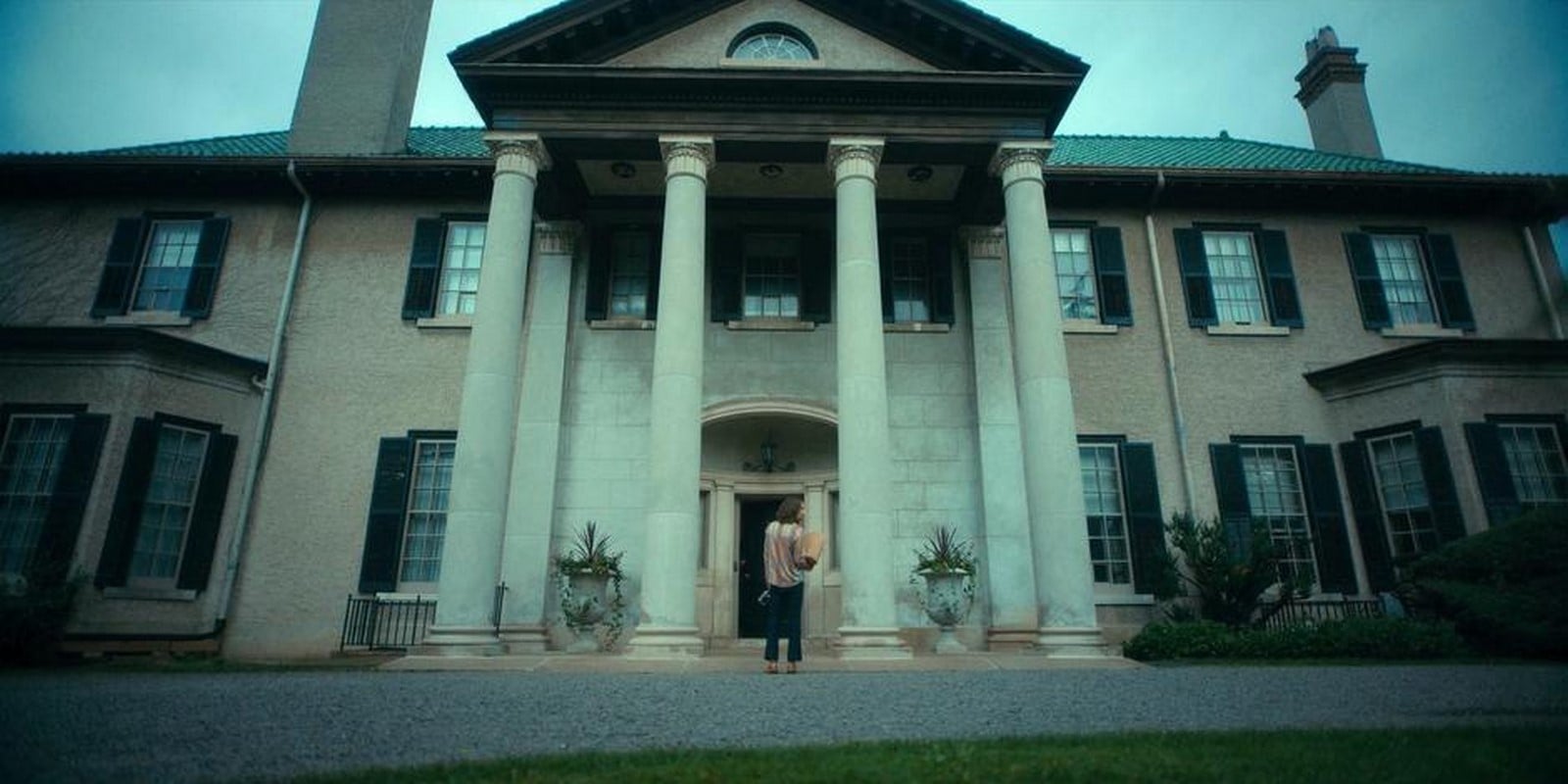
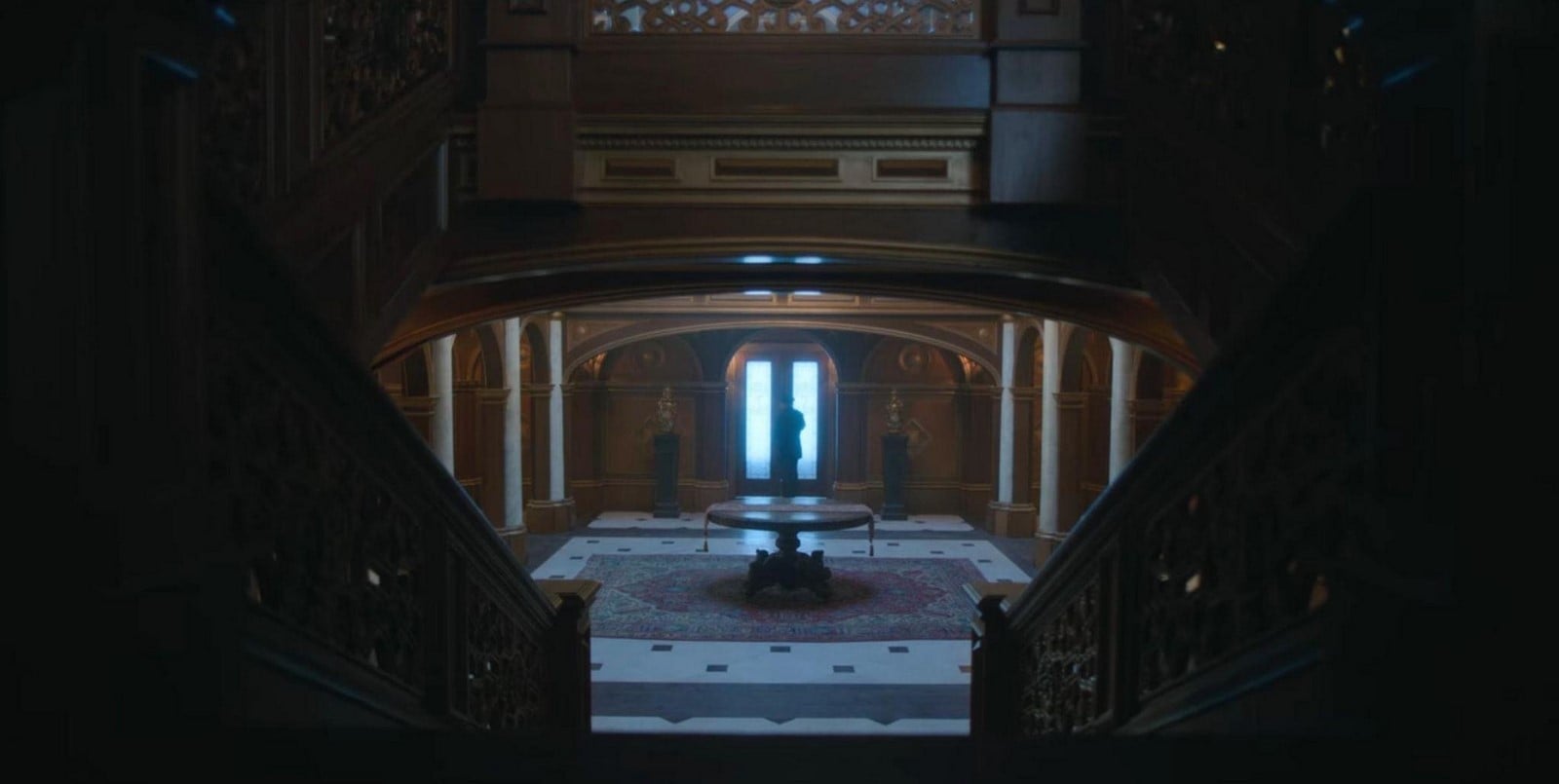
The Hargreeves mansion immediately feels different from a normal family home. Its scale and formal character make it feel imposing rather than welcoming. The spaces are large, but not made so to feel comfortable. Instead, the size of the house creates distance between its occupants. Long corridors, oversized rooms and formal shared spaces make the characters appear small within their surroundings. There is something slightly uncomfortable about the amount of space available to them, because the house seems designed around order and discipline rather than intimacy.
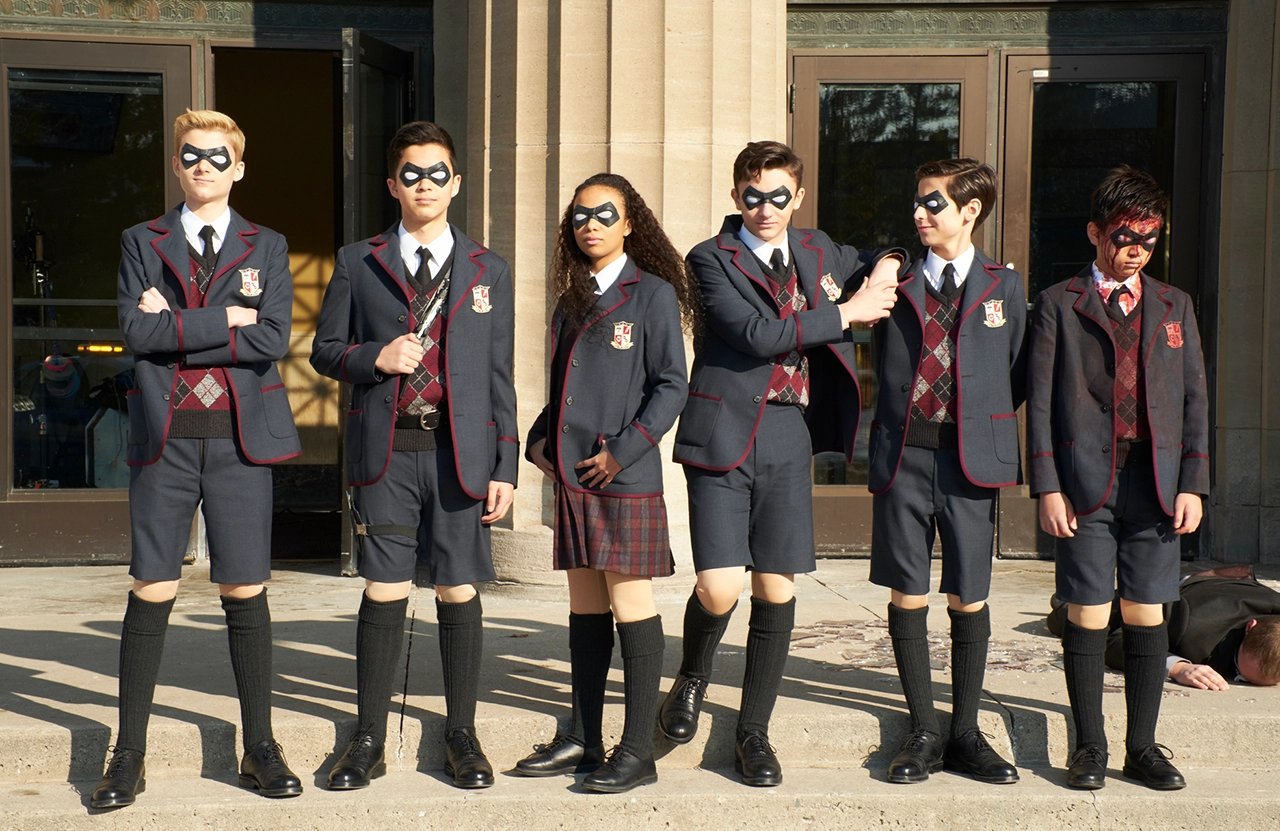
You see, the mansion was not simply where the siblings grew up; it was also the environment in which they were trained and disciplined. The architecture therefore carries an institutional quality even when it is functioning as a residence. This distinction makes the house particularly interesting from an architectural perspective. A home normally suggests privacy, comfort and some degree of personal control. The Hargreeves mansion suggests almost the opposite. Its spaces feel planned around the person who controls them rather than the people who inhabit them.
When Private Space Becomes Personal
The only real space or self expression is the individual bedroom assigned to each of them which provides a contrast to the rest of the house. While the larger spaces belong to the family as a whole, bedrooms provide each sibling with a smaller territory that can be shaped according to their own personality. The contrast is subtle but important: the mansion is largely imposed upon them, while their private rooms are a welcome break from the general hostility.
This makes the relationship between public and private space particularly important. The siblings can retreat into their own rooms, but they cannot completely escape the larger environment surrounding them. Their bedrooms exist within the same structure that represents their upbringing. Even personal spaces are therefore connected to the history of the house. The architecture creates a strange balance between being together and being separate, which mirrors the family’s relationships without needing to explain them directly.
The mansion also carries a strong sense of memory. It has existed longer than the adult versions of the characters we meet, meaning that returning to it is effectively returning to the physical environment of their childhood. The building becomes a container for experiences rather than simply a backdrop. Its corridors and rooms have meaning because of what happened inside them, allowing architecture to function almost like a physical memory.
Architecture Across Different Realities
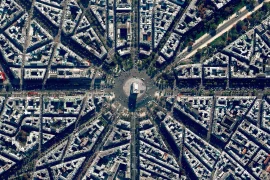
One of the strengths of The Umbrella Academy is the way its environments change without losing the show’s overall visual identity. The series moves through different periods and alternate realities, allowing architecture, interiors and streetscapes to establish a sense of time and place. The 1960s environments in particular create a visual contrast with the Hargreeves mansion, using different buildings, furnishings, colours and urban spaces to establish another version of the world.
This is where architecture becomes particularly useful in a show involving time travel. A date appearing on screen can tell us when something is happening, but architecture can make that information feel real. Building styles, materials, signage, furniture and streets provide visual evidence of a particular period. The viewer may not consciously identify every architectural reference, but they understand that the characters have entered a different environment. Rather than explaining every change through dialogue, the spaces themselves communicate that something about the world has shifted.
When Architecture Becomes Storytelling
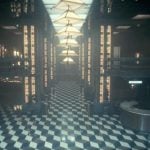
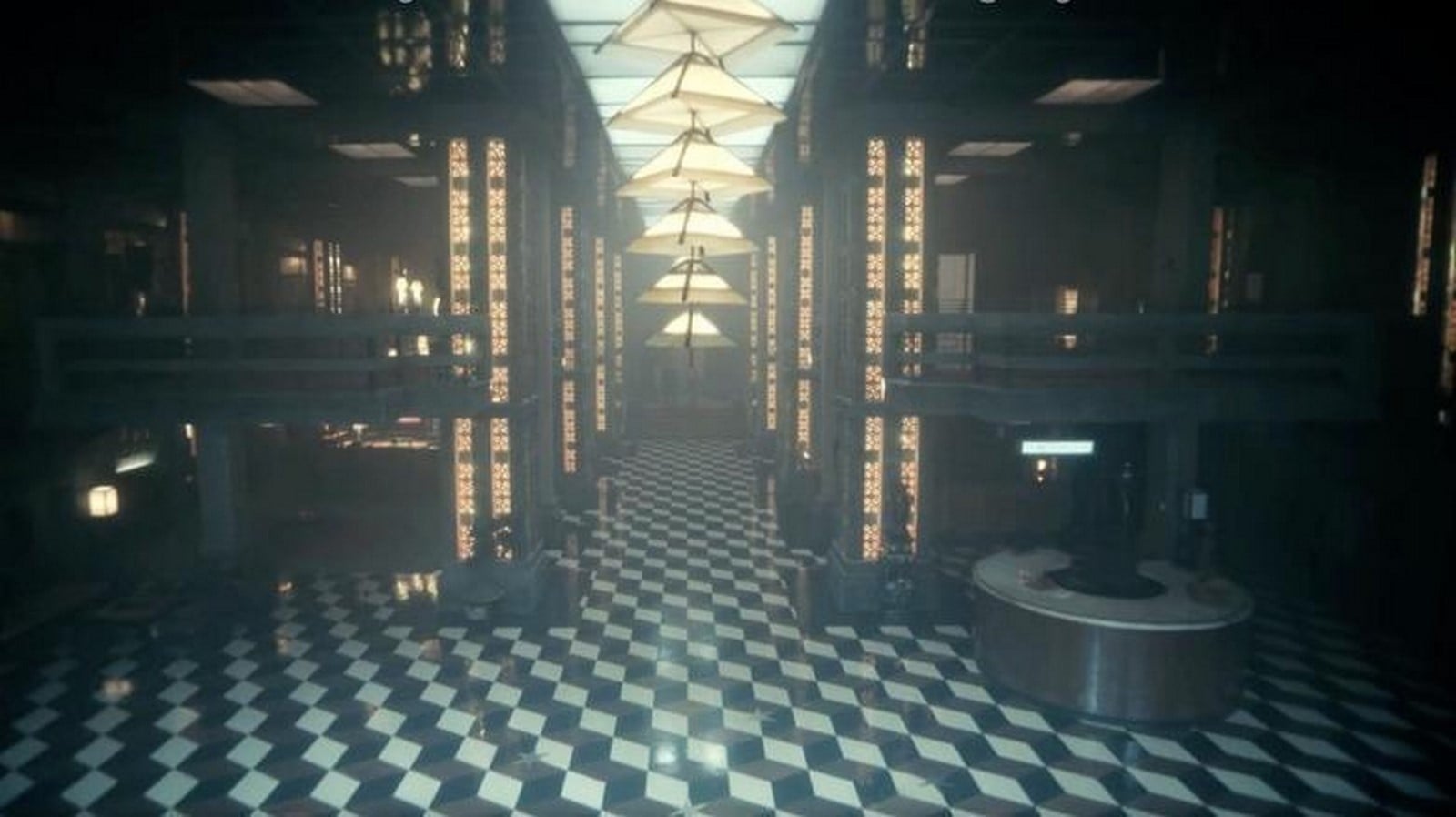
The contrast between the mansion and Hotel Obsidian demonstrates how dramatically architecture can alter the character of a story. The mansion feels controlled, formal and connected to childhood. The hotel feels theatrical, unfamiliar and slightly surreal. Neither space needs to explain itself. Their architectural qualities already establish an atmosphere before the characters begin interacting with them.
This is ultimately what makes The Umbrella Academy interesting to review as an architectural work. Its buildings are not simply selected because they look good on screen. Their scale, organisation, materiality, decoration and relationship to the characters help communicate information that dialogue alone could not. The spaces establish how people relate to one another, how they experience a particular world and what kind of atmosphere surrounds them.
The architecture of The Umbrella Academy therefore works less like a backdrop and more like a silent narrator. The mansion tells us about control and memory; private rooms introduce individuality within that control; changing environments establish different realities; and Hotel Obsidian creates an entirely different emotional world. The show demonstrates that architecture in cinema does not have to tell the audience exactly what to think. Sometimes it only has to make us feel where we are.
References:
Netflix Tudum (2022) The Umbrella Academy Showrunner Talks Season 3’s Biggest Moments. Available at: https://www.netflix.com/tudum/articles/the-umbrella-academy-showrunner-talks-season-3s-biggest-moments (Accessed: 17 August 2026)
Lagacé, R. (2019) The Umbrella Academy Production Design: An Interview with Set Decorator Jim Lambie. Art Departmental, 12 June. Available at: https://artdepartmental.com/blog/umbrella-academy-production-design-set-decorator-jim-lambie/ (Accessed: 17 August 2026).
Moon, R. (n.d.) Where was The Umbrella Academy filmed? Hotel Obsidian, the house & all the locations. Atlas of Wonders. Available at: https://www.atlasofwonders.com/2019/02/umbrella-academy-filming-locations.html?utm_source=chatgpt.com (Accessed: 17 August 2026).
D’Agostino, N. (2022) The Umbrella Academy Season 3. Looper, 22 June. Available at: https://www.looper.com/902421/small-details-you-missed-in-the-umbrella-academy-season-3/ (Accessed: 18 August 2026)
Netflix (2019) The Umbrella Academy. Available on: Netflix (Accessed: 17 August 2026).