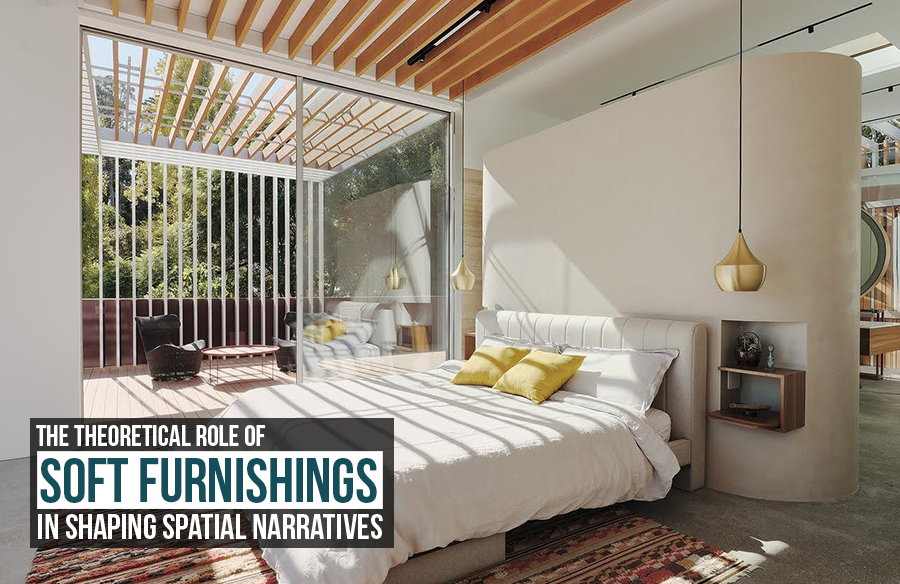
Imagine a beautiful building – impressive lines, and a thoughtful layout, but undeniably cold and sterile. That’s where soft furnishings come in. These textiles – rugs, cushions, throws, and more – are the storytellers of interior design. They narrate warmth, function, and personality, transforming a space from architecture into a place that feels truly lived-in. Within an interior environment, a diverse array of textile-based components comprise soft furnishings. From curtains and blinds that modulate light and privacy to the mood-setting influence of window treatments, these elements play a critical role in defining a space. Plush carpets and area rugs not only add a layer of warmth and define specific zones within a space but also provide a comfortable surface underfoot. Upholstery fabrics transform furniture into inviting seating options, while cushions and throws offer additional layers of comfort and visual interest. Even bed linens and throws contribute significantly to the creation of a restful sleeping environment.
Strategic use of soft furnishings can unify the shell of a building with a welcoming and inviting space. These elements can soften sharp lines, create a sense of enclosure, and add a human touch, transforming an environment. Unlike fixed architectural elements, soft furnishings offer versatility. They can be easily changed or updated, allowing a space to evolve and adapt to changing needs or styles. This flexibility is a valuable asset for designers, as it allows a space to mature and change over time. Finally, soft furnishings are powerful tools for storytelling. Through thoughtful selection of materiality, colour, pattern, and texture, they can reflect a specific design style, cultural influence, or even a personal story. In essence, soft furnishings are the bridge between the architectural foundation and the creation of a truly meaningful and lived-in space.
Materiality and Tactile Language
Soft furnishings introduce an interplay of textures, the soft touch of a plush velvet throw, the coolness of linen curtains, and the tactile warmth of a hand-woven rug. These elements go beyond the visual realm, creating a tactile language that engages the user on a deeper level. For instance, consider a minimalist space softened by the unexpected introduction of chunky knit throws. This juxtaposition not only adds visual interest but also instantly conveys a sense of casual comfort, inviting the user to sink in and experience the space in a new way. Through this thoughtful consideration of texture, soft furnishings become a powerful tool for enriching the user experience within a built environment.

Ambiance and Atmospherics
The strategic use of soft furnishings unlocks their true power: creating distinct ambiances within a space. Imagine a room bathed in natural light. Flowy silk curtains gently move with the breeze, adding a touch of movement. These elements allow ample light to come through and create a feeling of lightness, perfect for a peaceful living area. Conversely, consider a space strategically draped in rich, coloured velvets. When thoughtfully placed, these materials can dramatically reduce light levels, creating a more intimate and even theatrical mood. This thoughtful manipulation of light, colour, and pattern extends beyond just aesthetics; it allows architects and designers to influence the emotional character of a space. By carefully considering the interplay, soft furnishings can transform a room into a serene sanctuary, a vibrant gathering space, or a dramatic stage for relaxation. In essence, they become an extension of the architectural vocabulary, allowing for the creation of multi-layered experiences within a built environment.


Aesthetics and Storytelling
While soft furnishings undeniably enhance a space’s visual aesthetic, their true power lies in their ability to act as a storyteller. Drawing inspiration from various sources, these elements carve a captivating narrative within a room. These textiles introduce a subtle touch of wanderlust, reflecting a homeowner’s perhaps adventurous spirit. Conversely, a strategically placed rug featuring a bold floral motif injects a burst of personality, potentially revealing a more flamboyant taste. Through this process of careful curation, a space transcends mere functionality and becomes a reflection of the inhabitant’s unique background and personal style. Soft furnishings thus become a powerful tool for architects and designers, allowing them to collaborate with residents to craft a space that speaks volumes about its occupants.


Texture and Dimension
Textures go beyond the tactile, playing a vital role in creating visually intriguing and dynamic spaces. Layering different textures adds a richness that elevates the design. Imagine a smooth leather sofa, its cool surface a pleasant contrast to the rich, textural warmth of a rough-woven rug. This interplay of textures adds depth and dimension to the space, making it more engaging. Carefully chosen throws and cushions featuring geometric patterns dance across the monotony of flat surfaces, further enhancing the visual interest.
Scale and Proportion
Soft furnishings can manipulate the perceived scale of a room. Oversized throws on a small armchair can make it appear more notable while floor-to-ceiling curtains elongate a low-ceilinged room. Understanding the scale of the space and the furnishings is crucial in creating a harmonious narrative.


Versatility in Design
Soft furnishings act as the chameleons of interior design. Their inherent versatility allows for effortless transformation, fostering a space that can evolve with its inhabitants. Imagine a living area where throw pillows are swapped out seasonally, introducing pops of colour and reflecting the changing moods throughout the year. Layering a textured rug over an existing one creates added depth and visual interest. This adaptability is a cornerstone of successful interior design; it empowers residents to personalise their space and tailor it to their evolving needs and desires.


Functional Elegance
Soft furnishings transcend mere decoration, playing a vital role in creating functional and inviting spaces. A strategically placed rug, like a large kilim defining a conversation area, grounds the space and encourages interaction. A generously sized throw in a plush material not only provides warmth and comfort but also invites relaxation. Upholstery fabrics can enhance ergonomics by providing lumbar support, while their sound-absorbing properties improve acoustics. In essence, soft furnishings elevate function to an art form, achieving a balance between aesthetics and practicality.
Personalization and Expression
A vintage rug hints at the homeowner’s fascination with bygone eras. Meanwhile, a hand-stitched throw, whispers stories of cosy evenings spent crafting. Through their choices, individuals weave a personal narrative into the space, imbuing it with meaning and sentiment.
Soft furnishings are more than mere decorative elements. They are the narrators, shaping spatial experiences through materiality, ambiance, and function. By understanding their theoretical role, we can create spaces that resonate deeply, reflecting not just our visual preferences, but also the stories we hold dear.