“I am not in danger. I am the danger.”
It echoes not only through speech but also through every frame of Breaking Bad. It is not a TV show you watch but a place you live in. And that immersion is not only produced by plot twists, but by something much more calculated about it: the calculated world. From the relentless horizontal scramble of the suburbs of Albuquerque to the careful and deliberate positioning of a single yellow hazmat suit against an endless blue sky, Breaking Bad manages to work as a masterclass in visual storytelling, where architecture, photography, and set design do not merely serve the narrative; they constitute it.
The Desert as Character
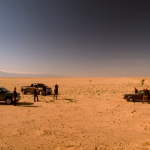
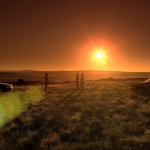
The ideal setting was the city of Albuquerque, New Mexico, with its distinctive scenery and bleak urban environment, which gave way to one of the most recognizable television dramas. This was not accidental geography. The New Mexico landscape is a canvas and a partner, and its expanse can make it a psychological pressure cooker. The desert as a horizontal expanse is beyond and indifferent, brutal, and this echoes the moral emptiness within the characters.
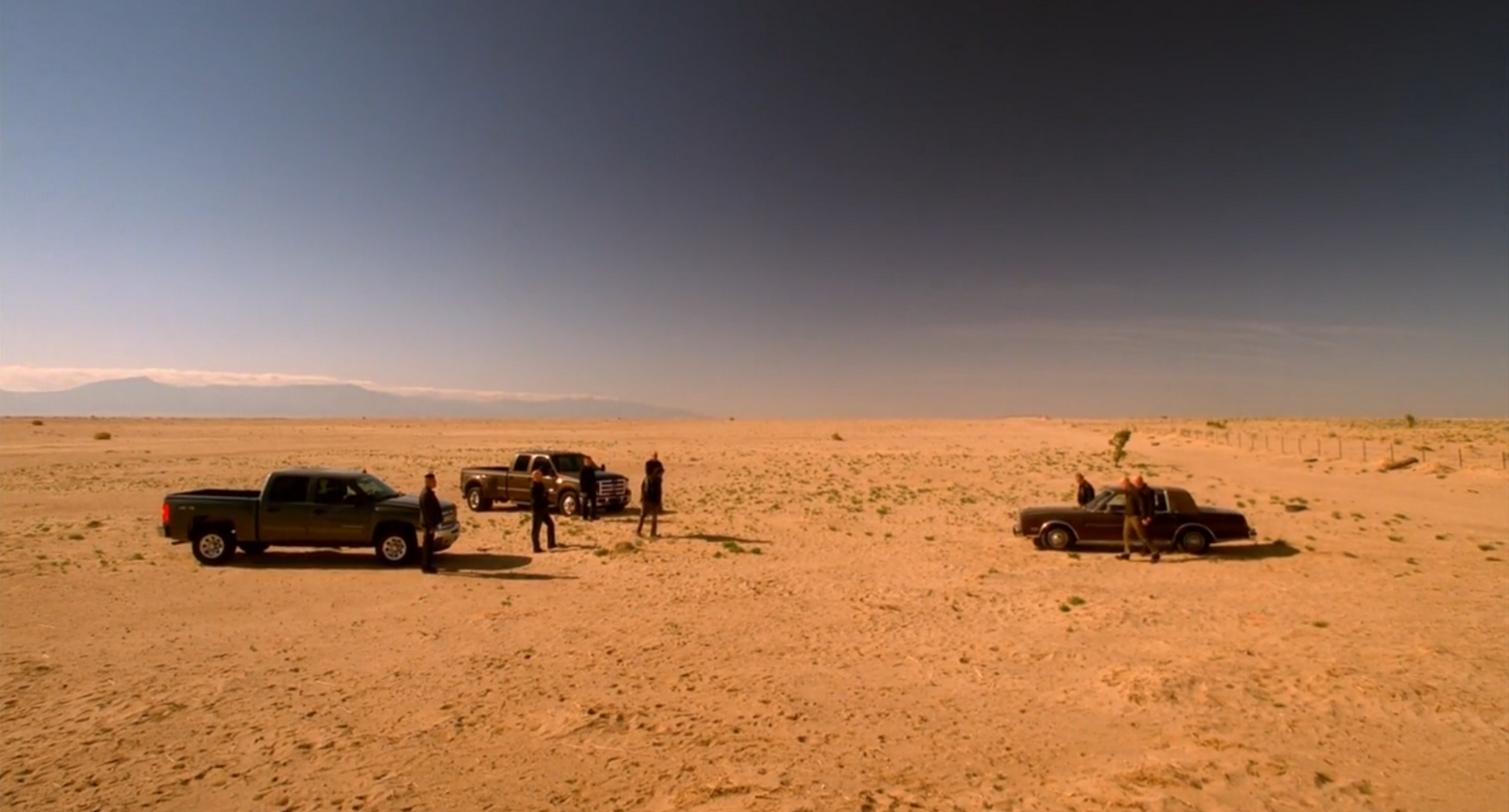
The moral of the story is that negative space talks. The creators of the show knew that what you do not fill is just as important as what you fill. All those long shots of the empty roads, the wasted lots where the important action takes place, how the buildings stand lonely, out in endless sky, all this is a language of isolation and exposure. It is impossible to hide somewhere in the desert, and architecture finds its way to depict this existential nakedness.
The Geometry of Suburban Dread
It is a masterpiece of architecture; however, Walter White lives in the house: this simple beige ranch in a suburb of simple beige ranches. The horizontality and the low suburban modernism of the mid-century become a framing, the open-plan interiors of houses providing no privacy, and the picture windows facing everything to ridicule and analyze.
The production design team knew that there was meaning in the suburban architecture. The work of those straight lines and open forms, which presented the American optimism of the post-war era, turns into surveillance and imprisonment. The glass sliding doors leading to the backyard, which would at first lead to a sense of connecting nature and freedom, have turned into frames to be viewed, looked at, and disintegrate moral boundaries.
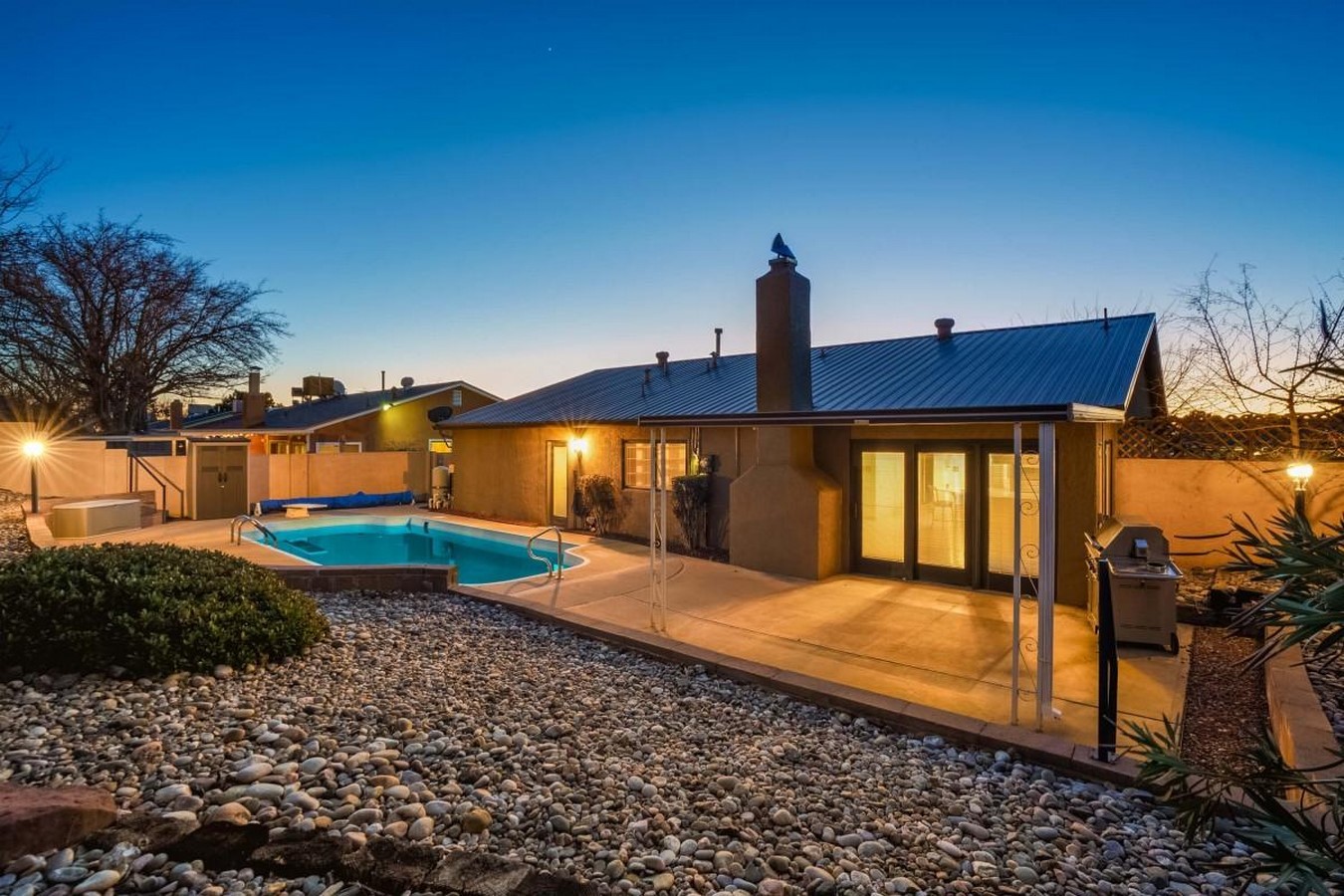
The typology of architecture is abbreviated in the show. We know the world of Walter immediately since we know these spaces: the strip mall, the car wash, and the industrial laundry plant. Both have connotations that the program takes advantage of. Framing and light make the banal threatening, as it shows that extraordinary design can be created out of the everyday.
Color as Story Architecture
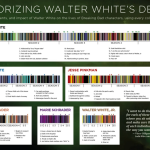
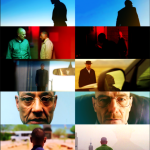
The producer of the show demanded a particular shade of color in each episode, and she would sit with the colorist to ascertain that the color of the scene was perfectly correct. This level of detail goes down to the point of the colors worn by the different characters, and every color that characters most impacted by the actions of Walter White wore is thought about. This is not ornamentation but a visual grammar in which colors convey development and implication.
The color theory of the show is worth investigation for anyone involved in visual media. Yellow depicts pollution and the very business of meth. Blue is a color of innocence and naivety. Green implies cash and greed. The changes in color palette correspond to the change in character as characters develop costume design, making visual arcs parallel to the narrative arcs. Walter starts in a tone of earth and shifts to green and black as his transformation is made. Skyler’s blues darken. Jesse’s reds intensify.

However, color does work in architecture as well; the yellow of the hazmat suits, in contrast with the blue-white sky of the desert, the sickly green of the lighting in the underground lab, and the amber warmth of the office of Saul Goodman, makes the building feel like home and, at the same time, seedy. The color-coding of the interior spaces is geared towards emotional temperature and moral awareness. Color is not cosmetic: it is structural, with as much narrative as form or material.
The Camera as Architect
The cinematographer made a splash during the series, and the creator said that he used the Westerns of Sergio Leone as the benchmark of how the series would appear. Object perspective shots by cinematographers emphasize important props to bring visual stimulation as well as anchoring the story to the real world, which makes the world both more fantastic and realistic.
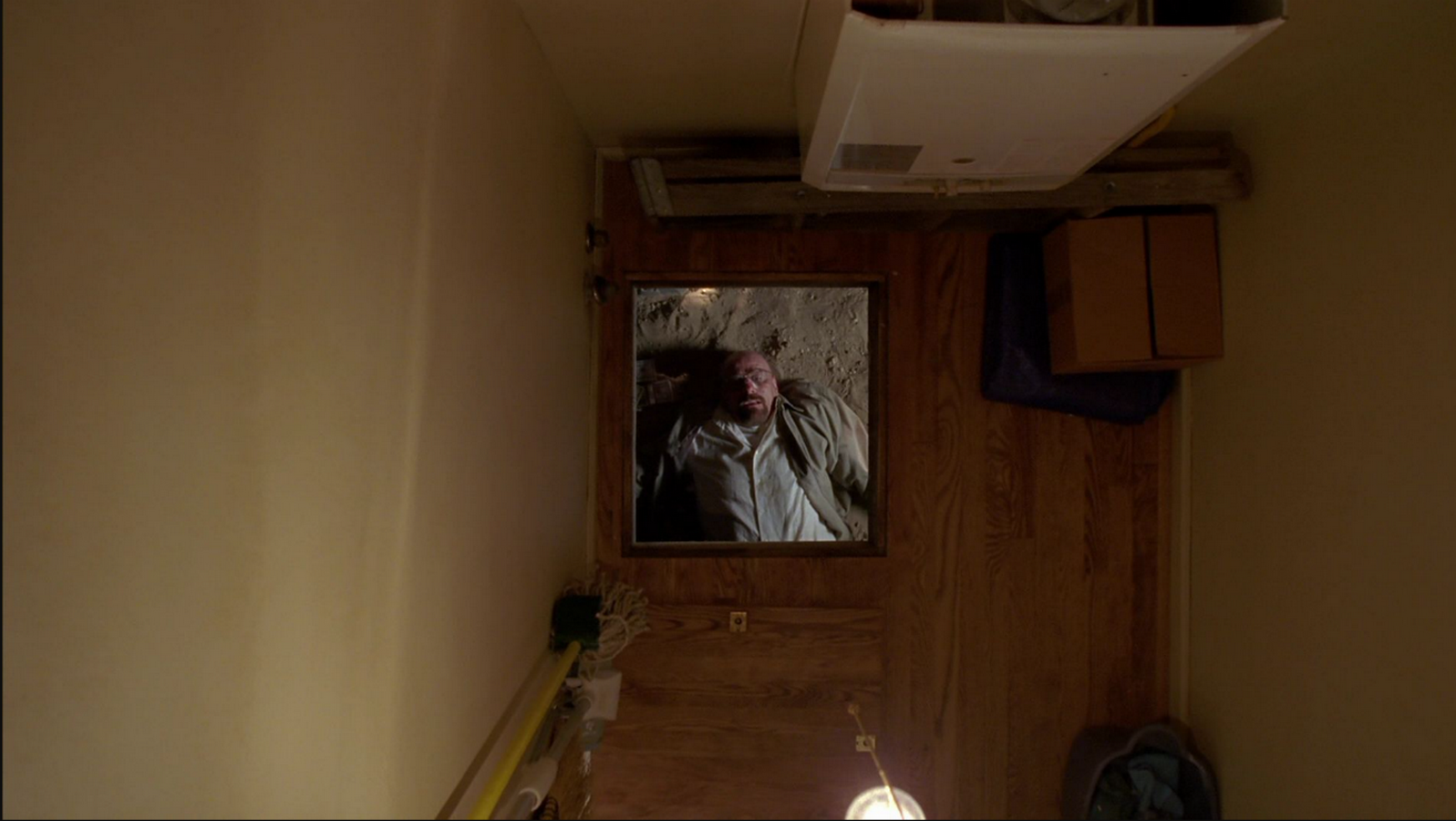
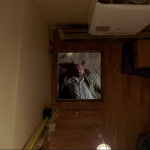
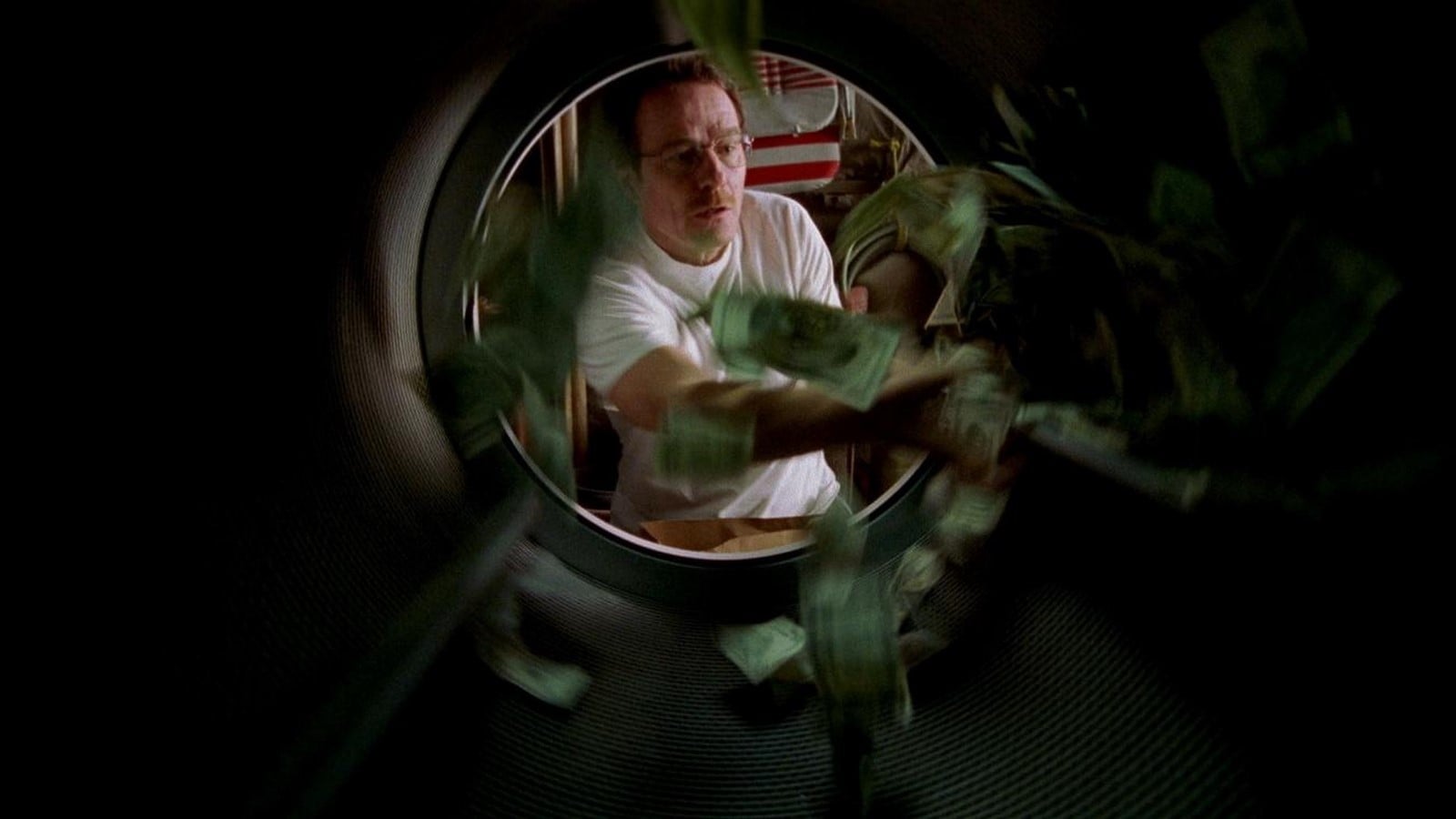
The overhead shots, the extreme low shots looking up through glass tables, those inside dryers, the ultra-wide lenses, which make the spaces look both huge and stifling, these are not gimmicks. The wide-angle Lenses produce certain distortions of space, which include foreground and background in focus at the same time, compressing space and expanding the depth in the process.
It shows the way in which space is changed by point of view. A room is not a fixed entity; it is a collection of possible experiences based on perspective. The visual jargon of the show consists of POV shots of inanimate objects: we look inside washing machines, under floorboards, and as small insects. It is a technique that compels the viewer to think in forensic space, to think of space as a compilation of parts and not a single subject.
Set Design as Psychology
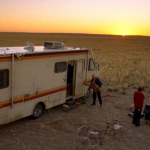
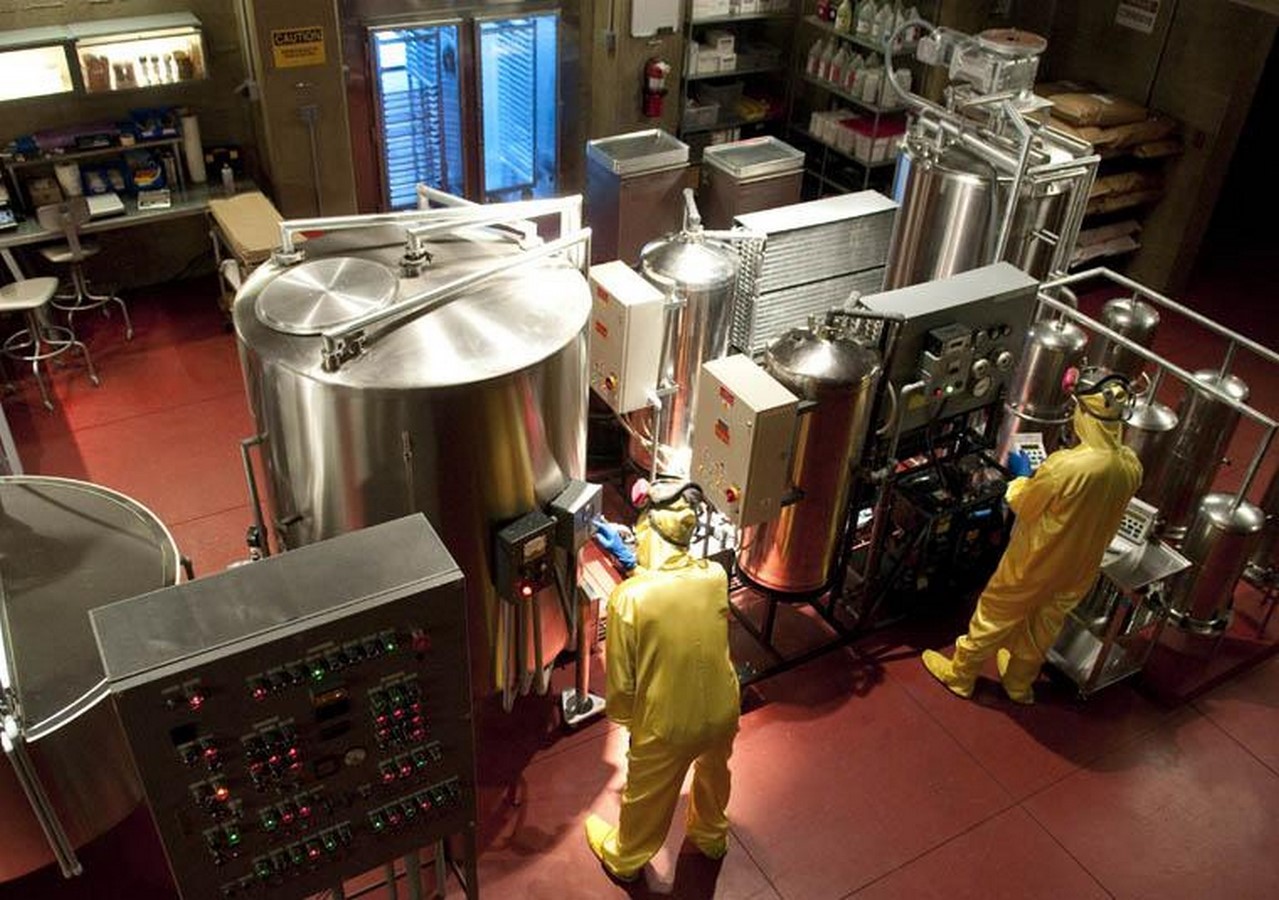
The diverse labs of the show, including the derelict RV and the futuristic underground laboratory, are externalizations of the psychological process that Walter undergoes. The RV symbolizes shaggy improv and bare wires and ad hoc rigging that reflects the amateur start of Walter and Jesse. The underground laboratory with the bright streak of stainless steel and modern air conditioners is a symbol of professionalization within the empire of Gus Fring, a complete criminal transformation.

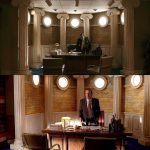
Spaces are inhabited and definite. Every prop tells a story. The messiness of the Jesse Pinkman residence speaks in contrast with the sterile order of the Gus Fring business offices. There is an architectural characterization of Saul Goodman, a temple of bad taste that is filled with Greek columns and bright colors: all of that tells us all about his job ethic and taste in one establishing shot.
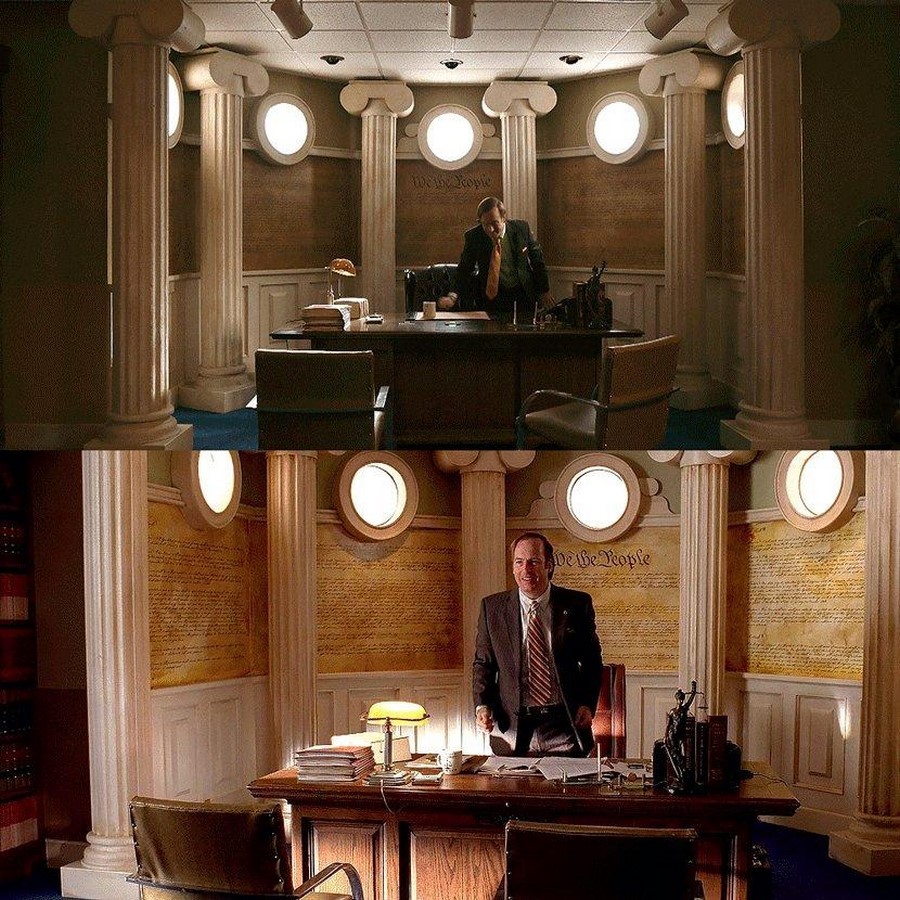
Accumulation and decay are purposeful in the show. Unravelling characters causes spaces to degrade or get untidy. The physical world reflects mental moods; the messier Jesse lives, the more rubble and clutter fill his spaces. On the other hand, Gus is obsessively controlling his surroundings, be it clinical accuracy in Los Pollos Hermanos to industrial accuracy in the laboratory.
What Breaking Bad Teaches About Visual Design
Context creates meaning. The environment is not neutral. All spatial decisions, such as scale, color, material, direction, etc., are psychologically loaded. Spaces may be interpreted as texts, which convey values, states of mind, and moral positions without uttering a word.
Restraint amplifies impact. Part of what is withheld makes the show have visual strength. Blank space, bare frames, protracted silence, these produce tension better than a steady stream of stimulus. Scenes shift into rooms that are abandoned once characters have gone, and make the environment characters with an agentic presence of their own.
Colour acts structurally. The chromatic discipline of the show, in which all colors are used narratively, teaches the use of color as a way to guide the experience and produce emotional appeal. Use color as a system, not ornament.

Perspective distorts the truth. It is just as important how you demonstrate something as what you demonstrate. Several perspectives, unusual angles, variation of scale–all these methods cause the familiar spaces to become bizarre, new emphasis on things neglected.
Peril of Beauty
This is what appeals to me most about the visual accomplishment of Breaking Bad: it is the moral corruption made aesthetically attractive. What beautiful work the show is–those cerulean skies, those constructed curved wide shots, that care over color. And there is a sort of lethal ease in its attractiveness, a way the aesthetic polish of the visual allows us to collude in the crimes of Walter. We are pulled into this world by the mere fact that it looks good to stare at it.

This leaves a moral dilemma. Breaking Bad shows that formal mastery, perfect composition, harmonious color relationships, and beautiful spatial proportion can be used to any end. Beauty isn’t inherently good. The below-ground laboratory is breathtaking, a shrine of polished steel and medical accuracy. It is also a manufacturer of demolition.
Images and Websites:
Breaking bad: The cinematography of Michael Slovis. Available at:
https://www.diyphotography.net/breaking-bad-the-cinematography-of-michael-slovis/
Aus (2021) How the colors in breaking bad painted a story, Medium. Available at: https://thenetwork-aus.medium.com/how-the-colors-in-breaking-bad-painted-a-story-5501e2942722
Idealista (2025) ‘breaking bad’: Casa de Walter White à Venda por 4 milhões, idealista/news. Available at: https://www.idealista.pt/news/decoracao/casas-de-famosos/2025/02/19/68361-breaking-bad-casa-de-walter-white-a-venda-por-4-milhoes
Morrow, J. (2019) The cinematography of Breaking bad in 4 iconic camera moves, No Film School. Available at: https://nofilmschool.com/breaking-bad-cinematography
https://perkinseastman-my.sharepoint.com/personal/d_kapse_perkinseastman_com/Documents/%5bRTF9%5d%20Diahyan%20Kapse%20.docx